


Central Park Conservancy Unveils Ambitious 2026 Ecological Restoration Plan

NEW YORK — The Central Park Conservancy today announced an ambitious new ecological restoration plan for 2026, targeting several fragile ecosystems within the iconic 843-acre urban oasis. This multi-year initiative aims to bolster biodiversity, improve water quality, and enhance the park's resilience against climate change impacts. Conservancy officials detailed the comprehensive strategy during a press briefing held at the Charles A. Dana Discovery Center on November 12, 2026.
Suzanne Jenkins, President and CEO of the Central Park Conservancy, highlighted the urgency of the project. She emphasized that sustained investment in ecological health is crucial for the park's long-term vitality and its role as a critical natural resource for New Yorkers. The plan builds upon decades of environmental stewardship, incorporating advanced scientific research and community input.
Protecting Central Park's Fragile North Woods Ecosystem
A primary focus of the 2026 restoration plan centers on the North Woods, a 40-acre woodland area located in the northwest corner of the park, often described as Manhattan's only forest. This area, encompassing the Ravine and the scenic Huddlestone Arch, is home to a diverse array of native flora and migratory bird species. Intensive efforts will target invasive plant species removal and the reintroduction of native understory plantings.
Conservancy ecologists have identified over 30 acres within the North Woods that require immediate intervention due to soil erosion and habitat degradation. Work will commence in early spring 2026 with a team of skilled horticulturists and volunteers. Their goal is to restore the natural hydrological patterns of the watercourses that feed into the Harlem Meer, ensuring cleaner water for aquatic life.
Enhancing Water Quality and Wetland Habitats
The restoration plan also dedicates significant resources to improving the water quality of the park's various ponds, streams, and the 150-acre Central Park Lake. Projects include shoreline stabilization, sediment removal, and the creation of new wetland habitats. These efforts are designed to filter pollutants and provide vital breeding grounds for local wildlife, including various amphibian and insect populations.
Last year, a pilot program in the Hallett Nature Sanctuary demonstrated a 25% improvement in water clarity after targeted wetland restoration, providing a strong precedent for the broader park-wide initiative. This success informed the strategic decisions for the 2026 plan. The Central Park Conservancy is collaborating with environmental scientists from Columbia University on water quality monitoring.
Community Engagement and Volunteer Opportunities
Community involvement forms a cornerstone of the Conservancy's ecological efforts, and the new plan includes expanded volunteer opportunities for New Yorkers eager to contribute. Residents can participate in planting events, invasive species removal days, and water quality testing programs. These hands-on activities foster a deeper connection between the public and the park's environmental health.
"The park is a living, breathing entity, and its future relies on the collective efforts of our staff, scientists, and the dedicated community," said Maria Rodriguez, Director of Park Operations for the Conservancy. She underscored the educational component of these programs, aiming to raise environmental awareness among park visitors of all ages. Volunteer registration is expected to open in late 2025.
Addressing Climate Resilience and Future Challenges
Beyond immediate restoration, the 2026 plan explicitly addresses Central Park's long-term climate resilience, an increasingly critical aspect of urban park management. Initiatives include planting drought-resistant native tree species and developing more efficient irrigation systems to conserve water during increasingly warmer summers. These measures are designed to prepare the park for anticipated environmental shifts.
Park landscape architects are also exploring innovative solutions for stormwater management to prevent erosion and nutrient runoff, particularly in areas like the Ramble and the Pond. The goal is to create a sustainable landscape that can withstand extreme weather events while continuing to serve its ecological and recreational functions. This proactive approach ensures the park’s enduring legacy.
The Financial Commitment and Long-Term Vision
The Central Park Conservancy has allocated a substantial portion of its 2026 budget to fund these extensive ecological projects, supplemented by private donations and grants from environmental foundations. The total investment for the initial phase of the restoration is projected to exceed $15 million over three years, reflecting the scale and importance of the undertaking. This funding ensures the plan's ambitious scope can be fully realized.
This long-term vision aims to preserve Central Park as a thriving green sanctuary for generations to come, balancing its historical design with contemporary ecological imperatives. The Conservancy’s ongoing commitment is detailed in their Central Park Conservancy's ongoing initiatives section, which provides deeper insights into their comprehensive management philosophy. Such efforts are critical for maintaining the park’s designation as a National Historic Landmark.
Frequently Asked Questions
What are the primary goals of the 2026 Ecological Restoration Plan? The plan's primary goals are to enhance biodiversity, improve water quality in ponds and streams, remove invasive plant species, and foster climate resilience within Central Park's varied ecosystems. It aims to protect natural habitats and ensure the park remains a healthy environment for wildlife and people. Specific targets include the North Woods and the Central Park Lake.
How can members of the public get involved in the restoration efforts? New Yorkers can participate in the restoration efforts through various volunteer programs offered by the Central Park Conservancy. These opportunities include planting native species, removing invasive plants, and assisting with water quality monitoring. Information on how to sign up for these activities will be available on the Conservancy's website, expected in late 2025.
Where can I learn more about Central Park's natural features and visitor information? For comprehensive information about Central Park's diverse natural features, educational programs, and essential visitor guidelines, you can consult the comprehensive Central Park visitor guide. This resource details everything from geology and wildlife to park rules and accessibility information.
Related Articles
More in Park Operations & Maintenance →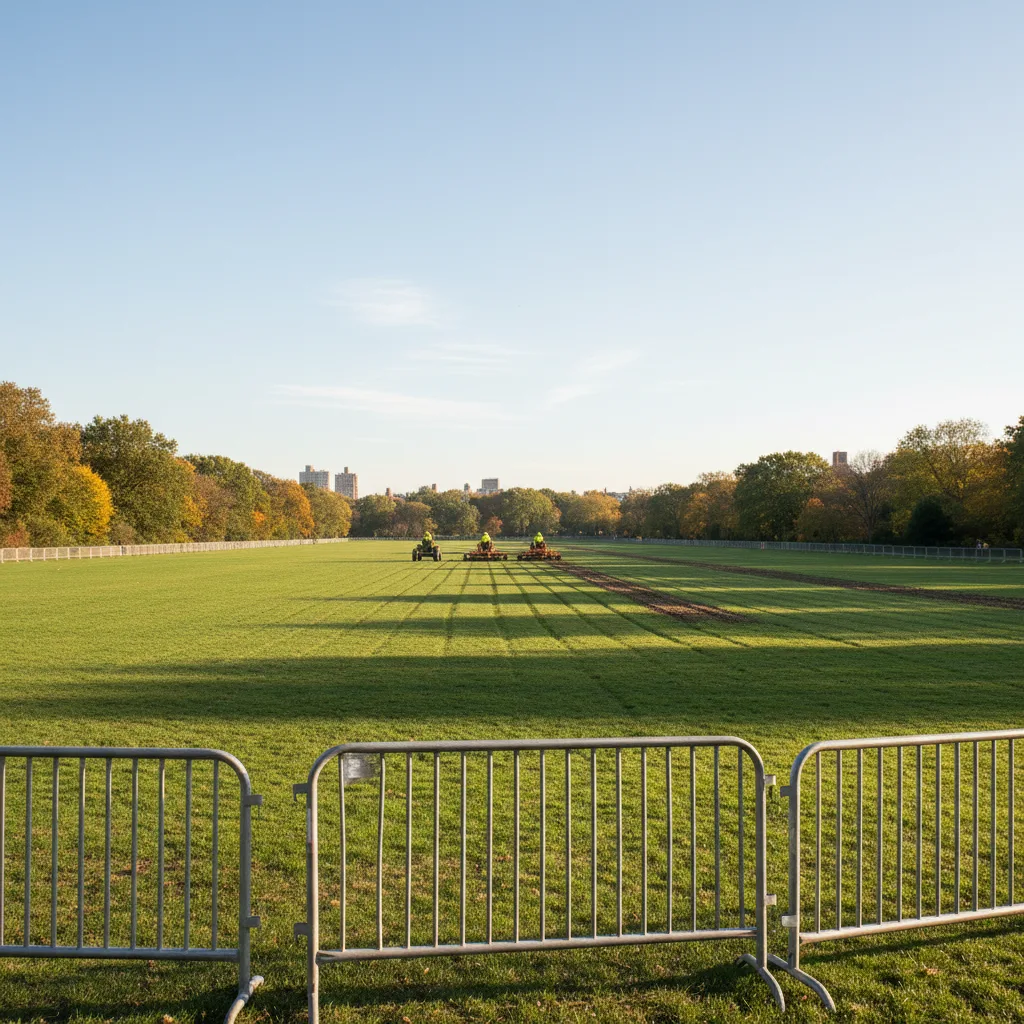
Central Park Conservancy Closes Great Lawn for Scheduled Maintenance
The Central Park Conservancy closed the Great Lawn through October 2, 2026, for scheduled maintenance, impacting weekend activities. Essential upkeep ensures the iconic green space remains vibrant for visitors.
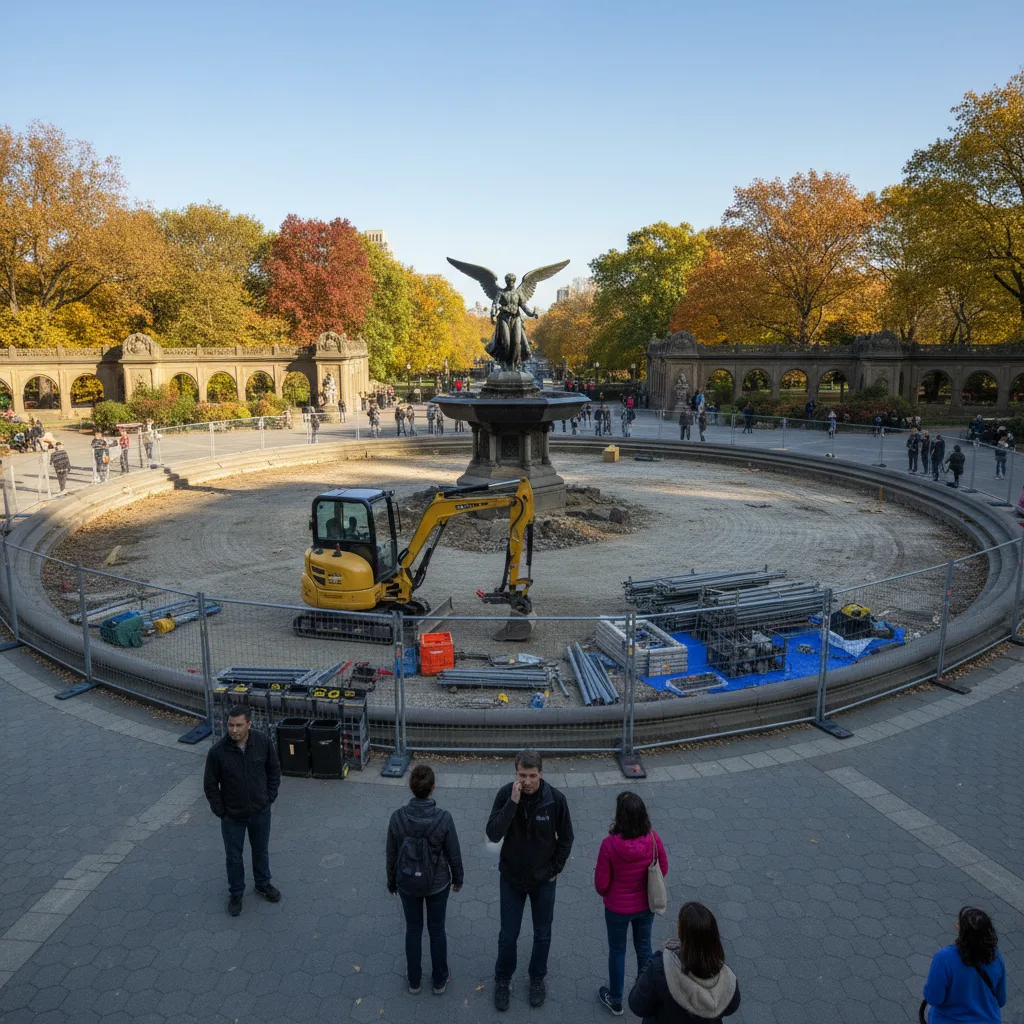
Central Park Conservancy Announces Bethesda Fountain, Great Lawn Closures
Central Park Conservancy announced Bethesda Fountain is off for restoration and the Great Lawn closed through October 2, 2026 for maintenance, affecting visitor access.
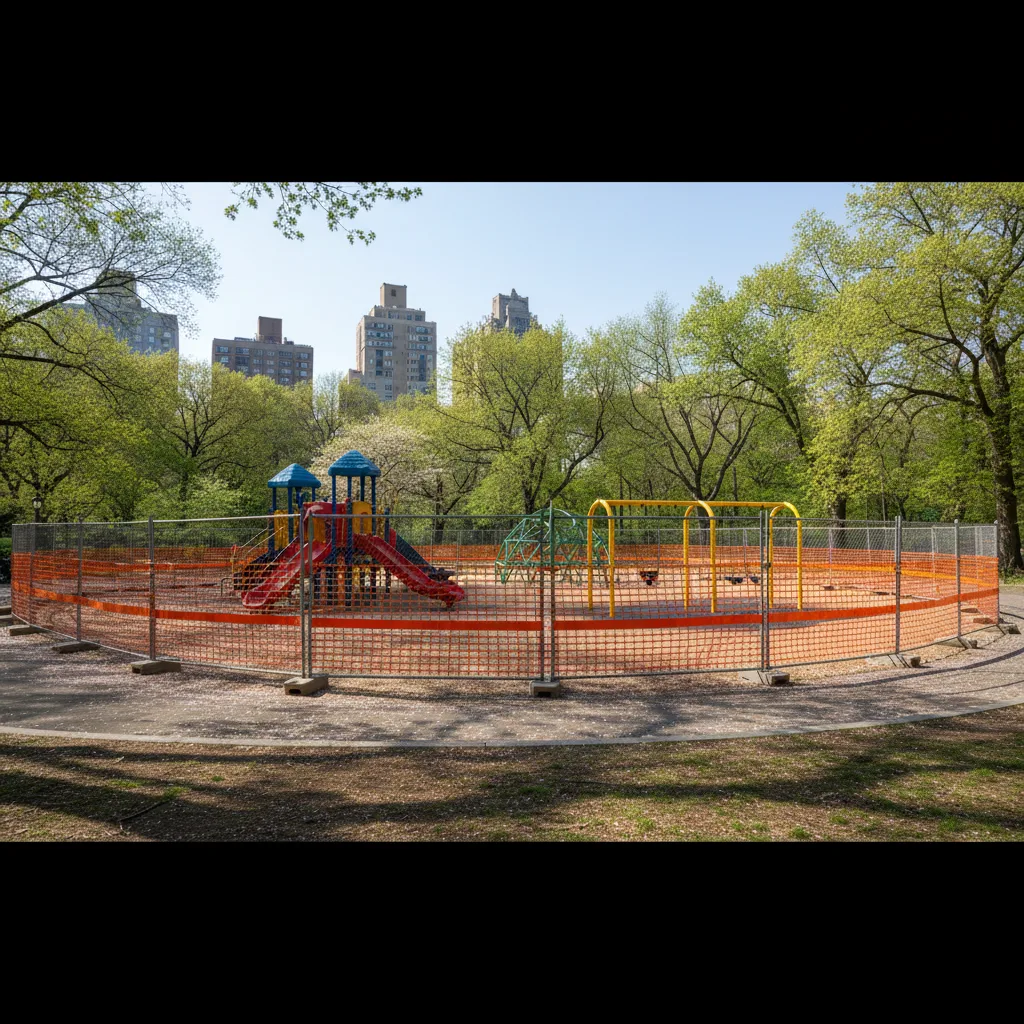
Central Park Conservancy Closes East 110th Street Playground for Restoration
Central Park Conservancy closed the East 110th Street Playground for restoration, while North Meadow and Heckscher ballfields shut due to weather. Plan your visit; check alerts for closures impacting recreation in Central Park.
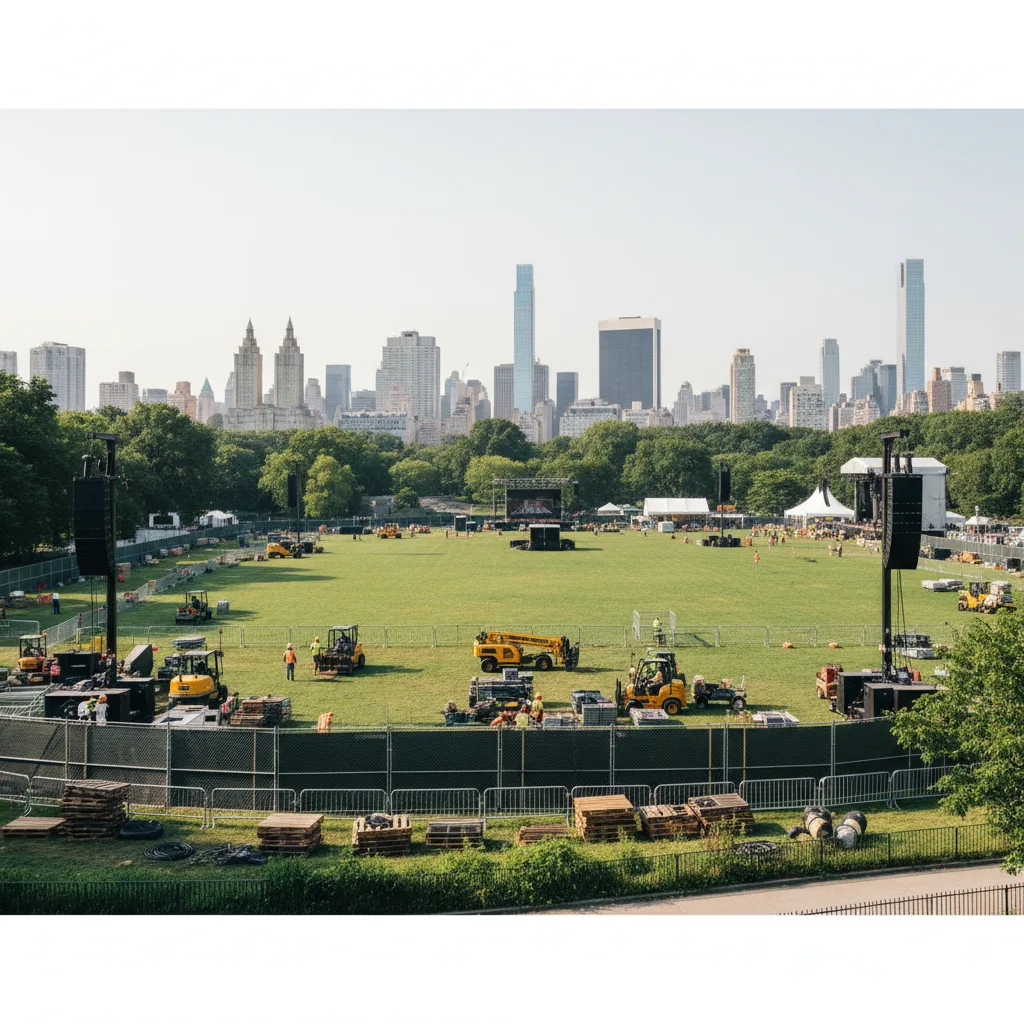
Central Park Conservancy Closes Great Lawn for Global Citizen Festival
Central Park Conservancy confirmed the Great Lawn is closed through September 26, 2026, for the Global Citizen Festival, affecting access to Belvedere Castle and Turtle Pond. Local residents and visitors should plan alternate routes and expect traffic delays around the park's perimeter.
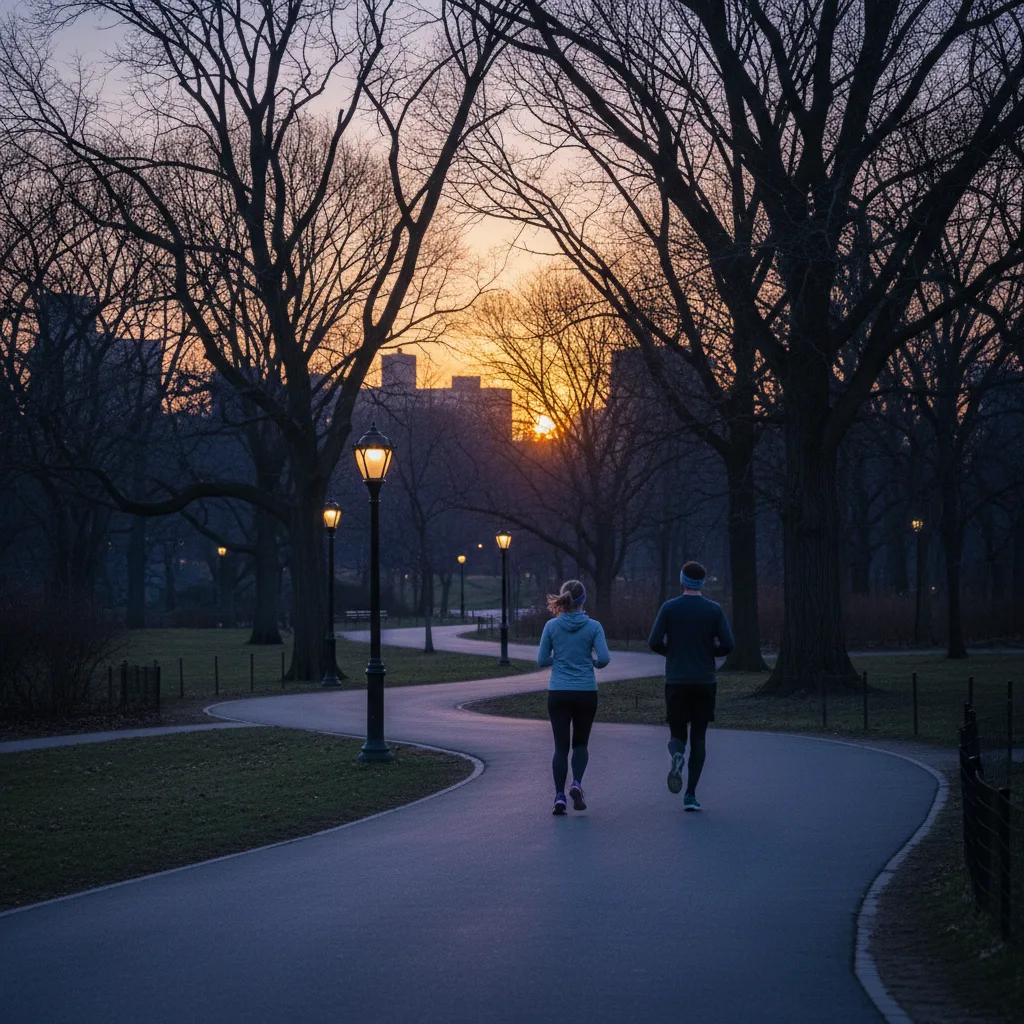
Central Park Conservancy Confirms 2026 Daily Operating Hours
Central Park Conservancy confirms 2026 daily hours: 6:00 a.m. to 1:00 a.m. This notice is for visitor planning, not a change.
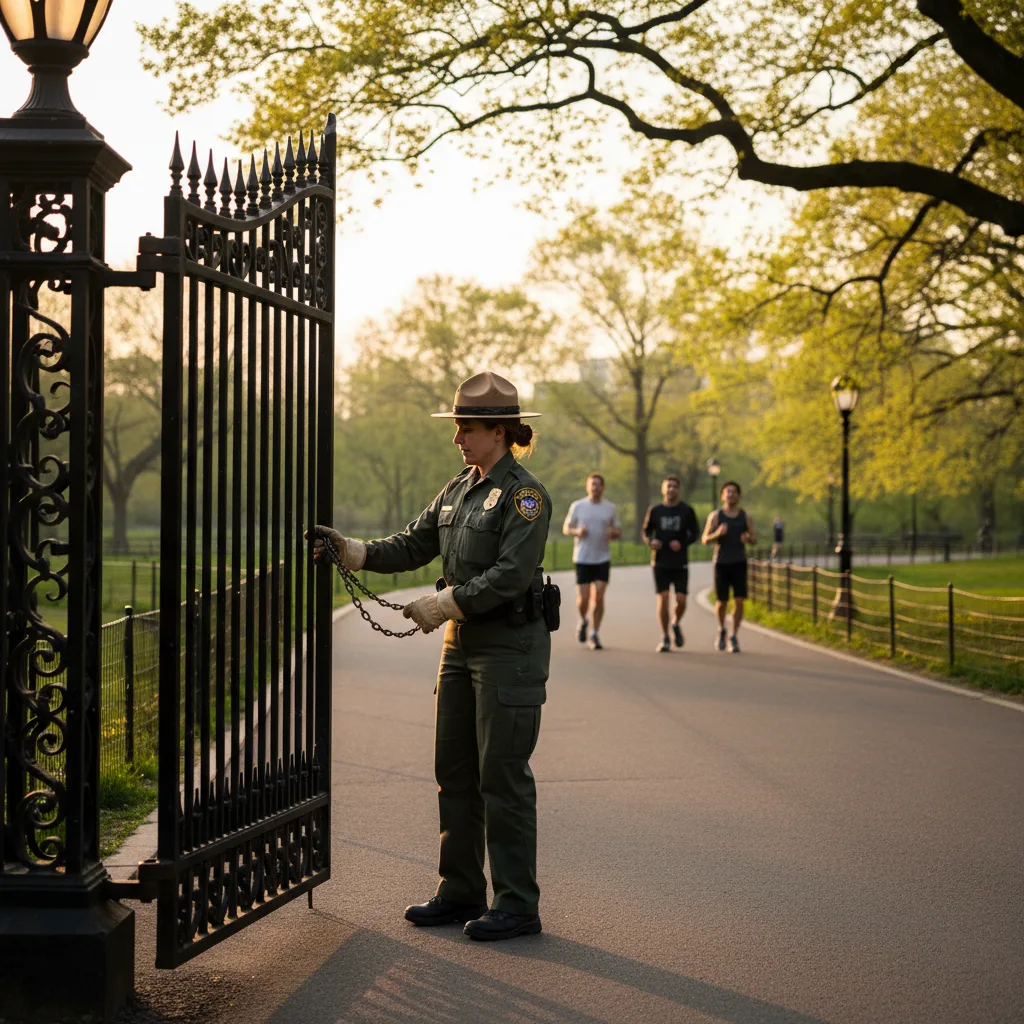
Central Park Conservancy Announces Park Hours Update for 2026
Central Park Conservancy announced updated 2026 park hours, maintaining 6:00 a.m. to 1:00 a.m. access daily. This schedule balances public enjoyment with critical maintenance and security operations.