


Central Park Conservancy Unveils 2026 Environmental Initiatives
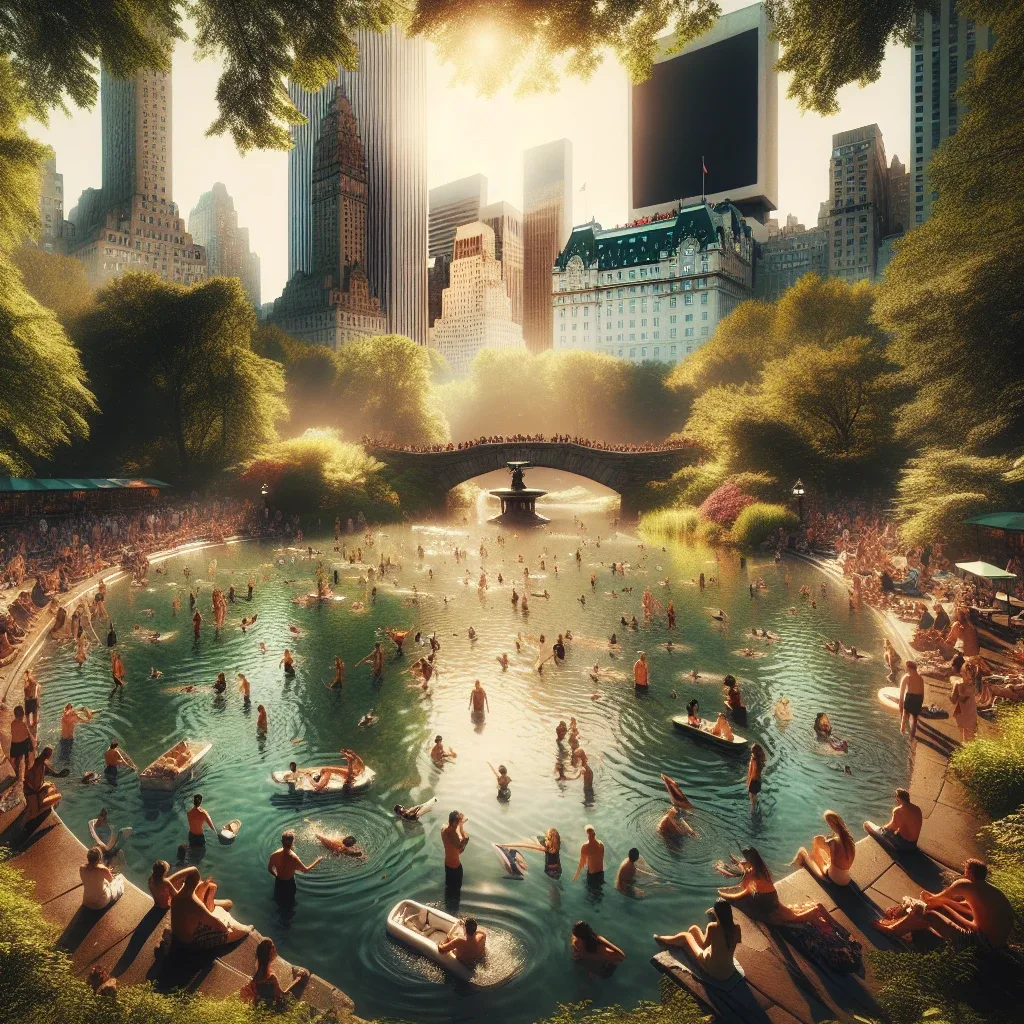
NEW YORK — “Protecting Central Park’s delicate ecosystems for future generations is not merely an aspiration; it is our ongoing commitment and responsibility,” declared Michael S. Parker, President and CEO of the Central Park Conservancy, at a press briefing on June 10, 2026. The Conservancy officially unveiled its ambitious 2026 Environmental Initiatives, focusing on wetland restoration, invasive species control, and enhanced sustainable practices across the park's 843 acres.
These initiatives represent a significant stride towards bolstering the ecological health and biodiversity of New York City’s most iconic green space. The multi-faceted plan is projected to involve over 5,000 hours of staff and volunteer work, targeting specific areas that have experienced environmental degradation over recent decades. This is part of the Conservancy's continuous effort to balance recreational use with ecological preservation.
Restoring North Woods and Ravine Wetlands
At the forefront of the 2026 plan is an intensive restoration effort within the North Woods and The Ravine, two of Central Park's most biodiverse and ecologically sensitive areas. Conservancy teams, alongside environmental scientists, will implement advanced techniques to revitalize wetland habitats and improve water quality in the Harlem Meer and surrounding streams.
This will involve carefully removing accumulated sediment, replanting native aquatic vegetation, and stabilizing eroded banks. The project aims to enhance wildlife habitats, particularly for migratory birds and various amphibian species that rely on these vital water sources. The work will be done in phases, beginning near the Huddlestone Arch, with a goal of 75% completion by Spring 2027.
Combating Invasive Species and Promoting Native Flora
Another critical component of the 2026 initiatives is an aggressive campaign to control invasive plant species that threaten Central Park's native flora. Species such as Japanese knotweed and Tree-of-heaven outcompete native plants, reducing biodiversity and altering natural habitats. Experts from Cornell University's Department of Natural Resources are consulting on the most effective, environmentally sound removal methods.
Conservancy staff and trained volunteers will systematically identify and remove these invaders, subsequently replacing them with native trees, shrubs, and wildflowers. This effort will specifically target areas like the Ramble and the Pond, vital bird migration corridors, aiming to re-establish robust native plant communities that support local wildlife. This ecological intervention is crucial for maintaining the natural beauty of the park. Visitors often find new experiences in the park, as highlighted by Bark in the Park Brings 400 Dogs and Owners to Central Park for Cornell Fundraiser.
Sustainable Practices and Community Engagement
The 2026 initiatives also emphasize integrating sustainable park management practices, including optimizing irrigation systems, expanding composting programs, and transitioning to electric-powered maintenance equipment. The Conservancy plans to reduce its carbon footprint by 15% across all operations by the end of 2026.
Community engagement plays a vital role in these environmental efforts. The Conservancy is launching a series of public workshops and volunteer opportunities, encouraging New Yorkers to participate in planting events, invasive species removal, and park cleanups. “We invite everyone to be a part of Central Park’s greener future,” Parker added, stressing the importance of collective stewardship. For general information on park events and activities, consult Central Park News | Latest News - NewsNow.
Educational Outreach and Research Partnerships
Beyond hands-on conservation, the 2026 initiatives include expanded educational outreach programs for local schools and public visitors. New interpretive signage will be installed throughout the park, detailing the ecological significance of various areas and the importance of conservation.
The Conservancy is also strengthening its research partnerships with academic institutions, including Columbia University’s Earth Institute. These collaborations will support long-term ecological monitoring and inform future conservation strategies, ensuring that the park’s management is grounded in the latest scientific understanding. Ongoing research will focus on the impact of climate change on urban park ecosystems, preparing Central Park for future environmental challenges.
Frequently Asked Questions About Central Park's Environmental Efforts
How does the Central Park Conservancy control invasive species? The Conservancy uses a combination of manual removal, targeted ecological management, and biological controls where appropriate, always prioritizing methods that are safe for the park's ecosystem.
Can individuals volunteer to help with conservation efforts? Yes, the Central Park Conservancy regularly offers volunteer opportunities for individuals and groups to participate in planting, weeding, and cleanup efforts. Information is available on their official website.
What are the primary ecological challenges facing Central Park? Key challenges include managing invasive species, mitigating the effects of climate change, maintaining water quality, and balancing heavy visitor use with ecological preservation.
Related Articles
More in Wildlife & Nature →
Central Park Boathouse Bird Watching Tour Offers Educational Experience
Central Park Boathouse offers an educational bird watching tour, providing visitors an opportunity to observe avian species. This experience connects locals with nature, enhancing appreciation for park wildlife.
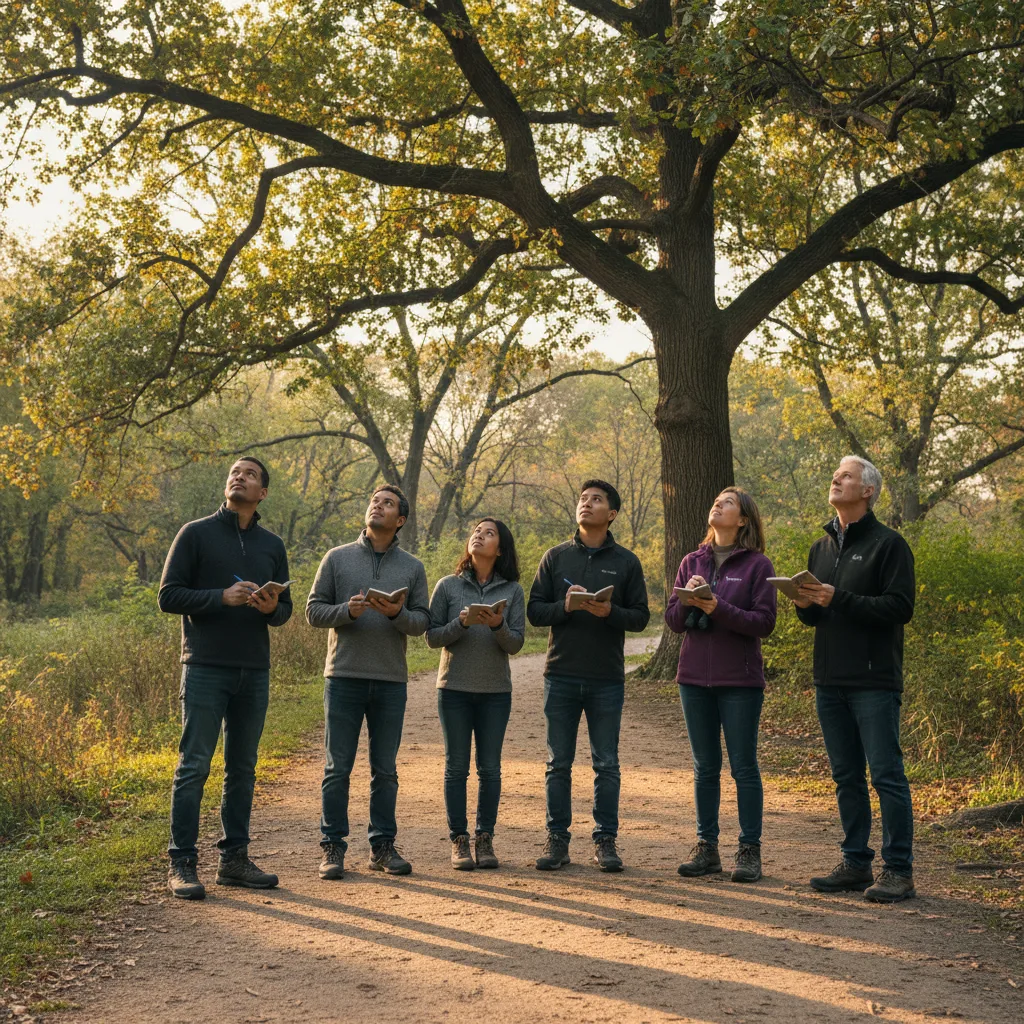
Central Park Event Calendar Features Climate Week Activities September 27
Central Park's event calendar for September 27, 2026, included a Climate Week-aligned "Journal, Meditation, + Bird Walk," promoting environmental awareness.
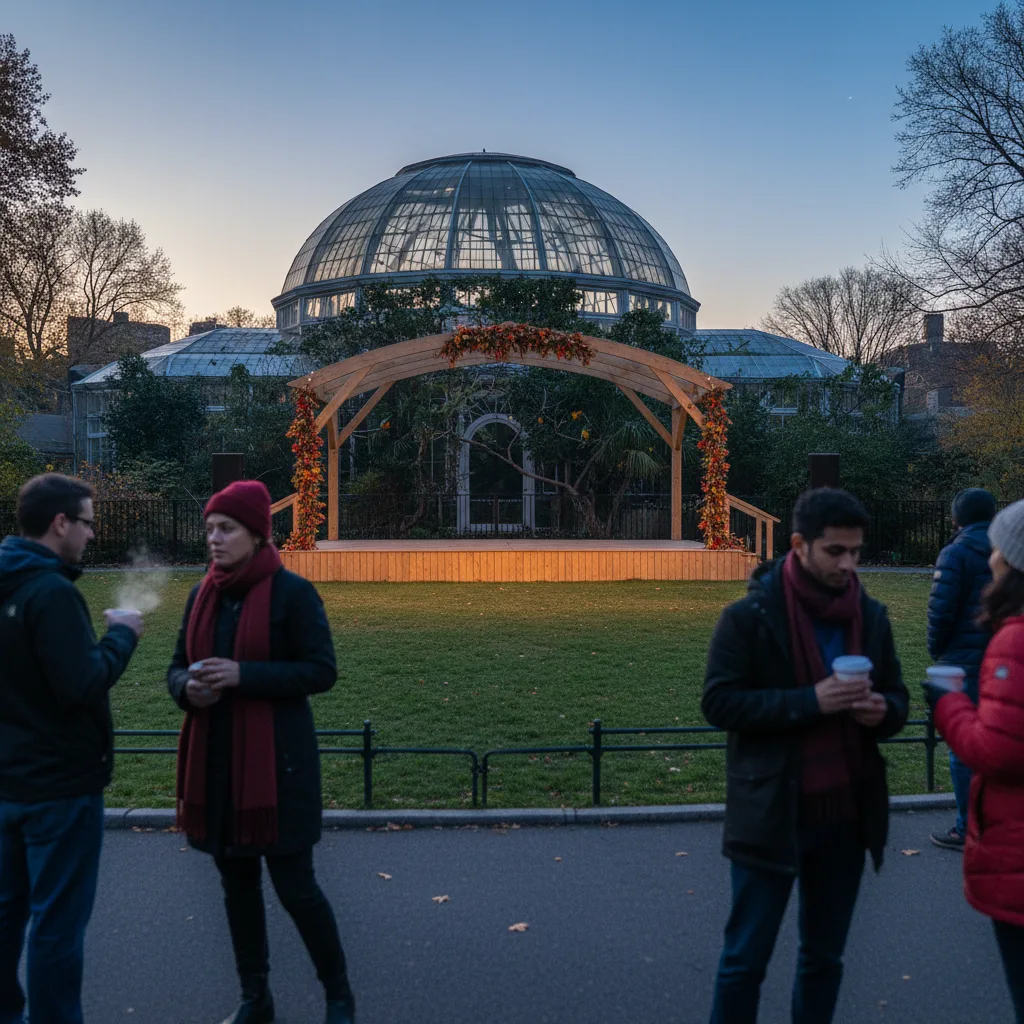
Wildlife Conservation Society Awards Lovejoy Prize at Central Park Zoo
Wildlife Conservation Society awards 2026 Thomas E. Lovejoy Prize today at Central Park Zoo during Climate Week in New York City.
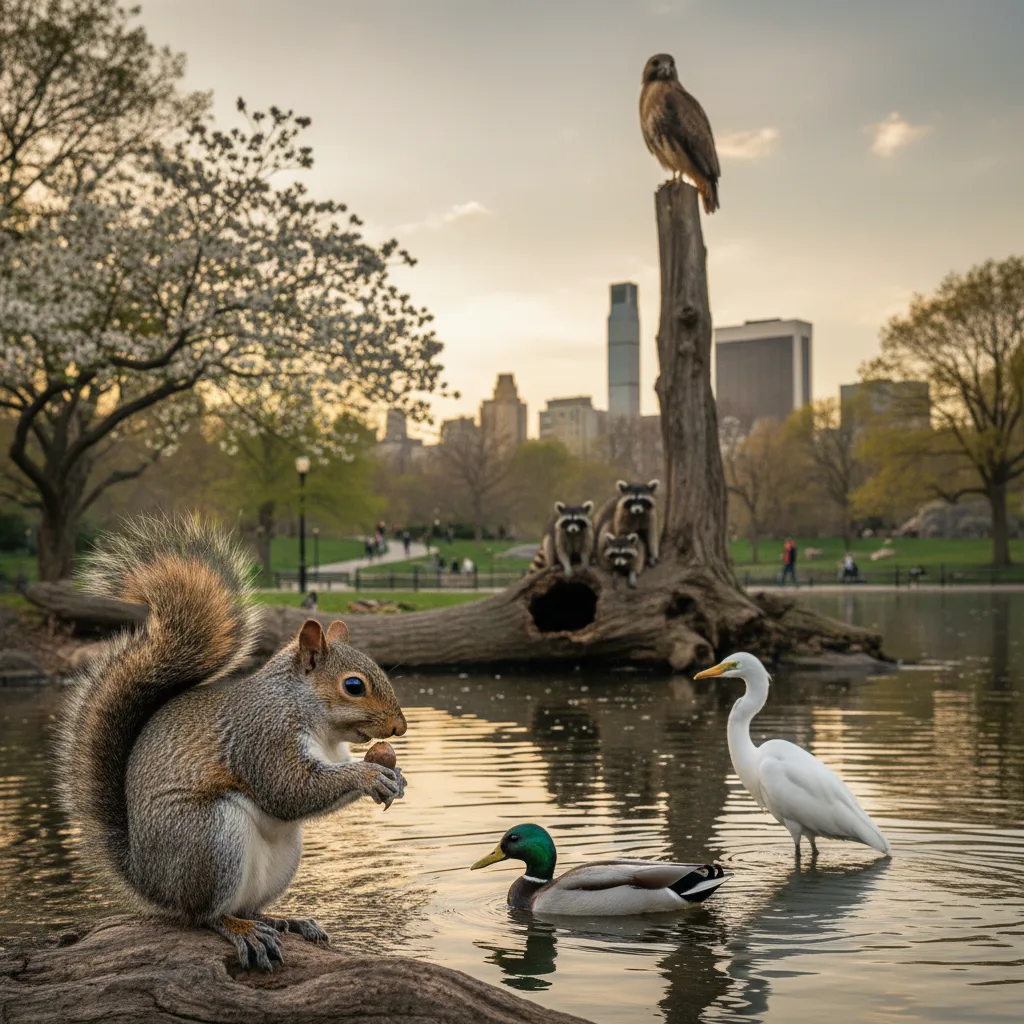
A Guide to Central Park's Wildlife: What to Know About the Park's Animals and Ecosystem
Discover the diverse Central Park wildlife, from birds and mammals to aquatic life. Learn responsible observation tips and conservation efforts for 2026.
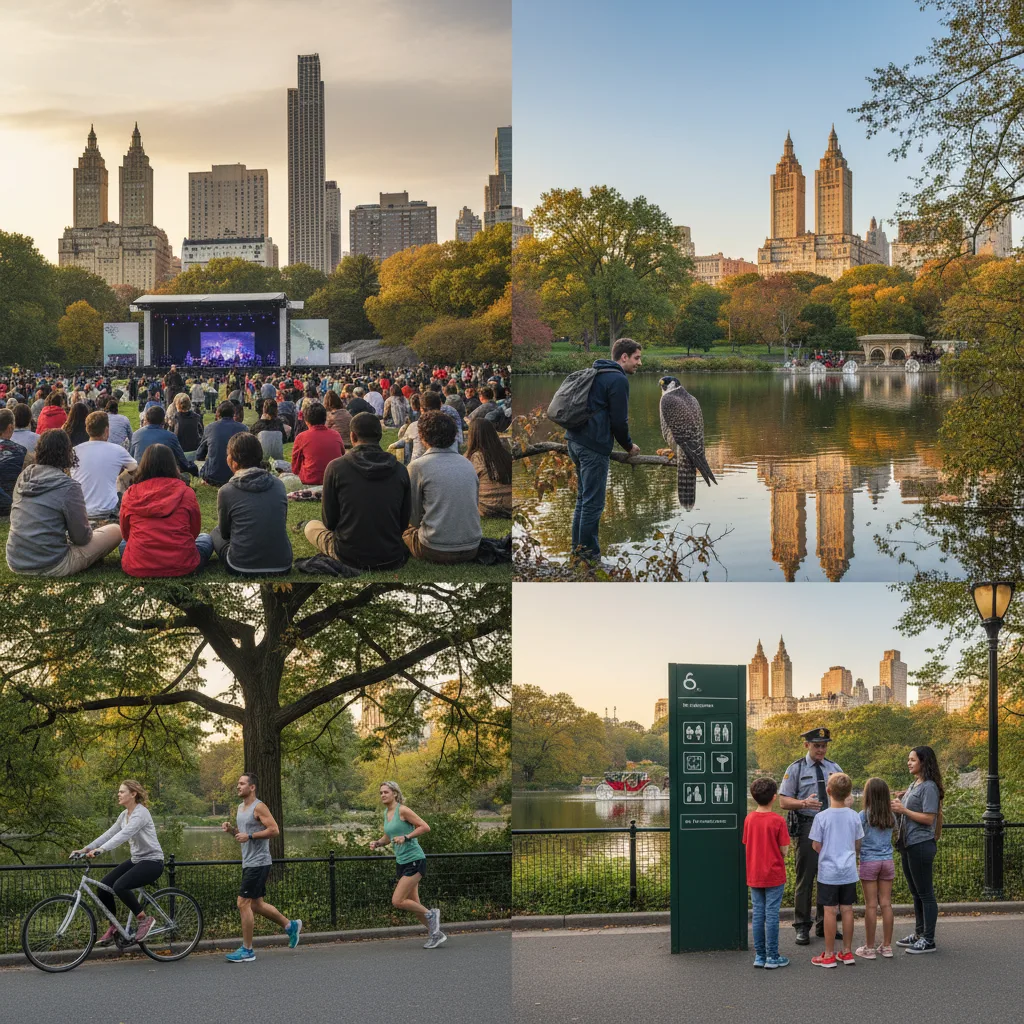
A Guide to Central Park's Top Activities and Best Things to Do in 2026
Discover the best things to do in Central Park, NYC, with our comprehensive 2026 guide to iconic landmarks, activities, and hidden gems for visitors.
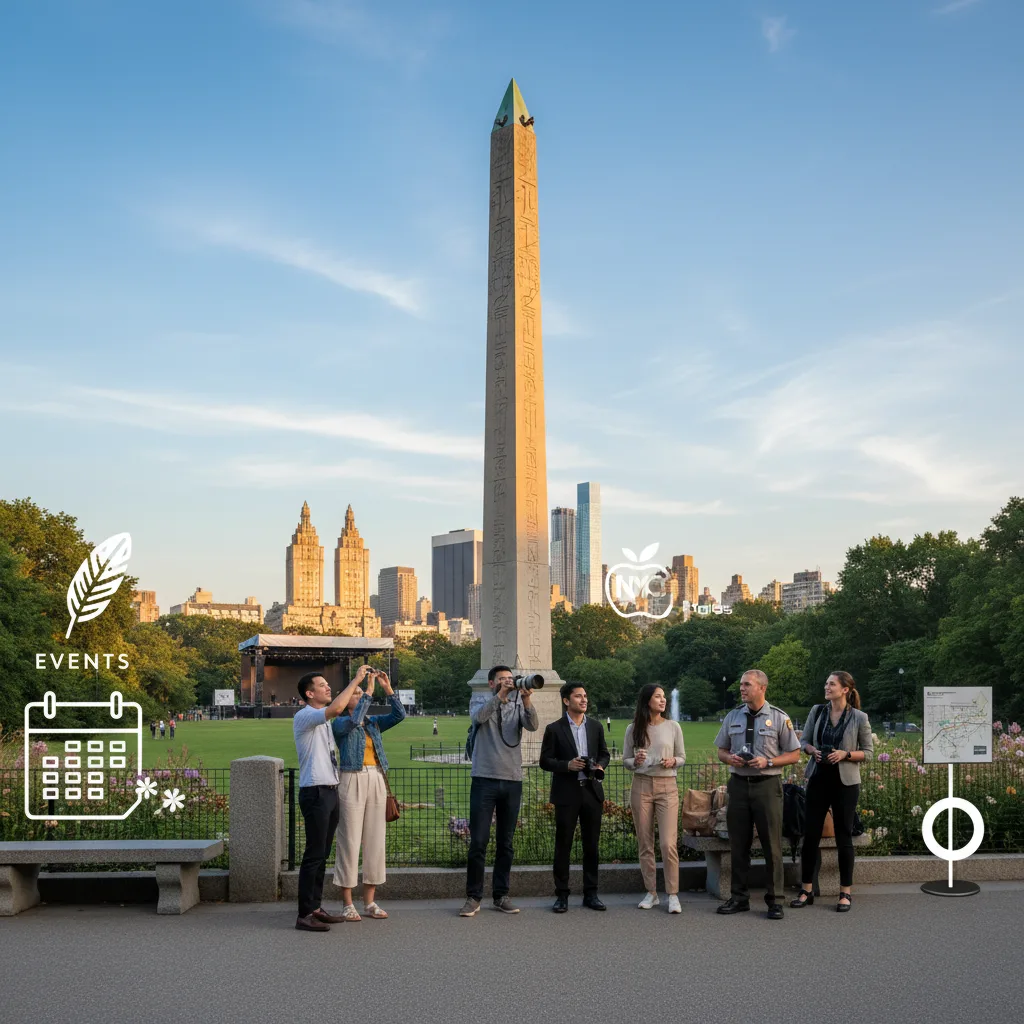
A Guide to What to Know About the Vatican Obelisk in Central Park 2026
Discover what to know about the Vatican Obelisk (Cleopatra's Needle) in Central Park, its history, journey to NYC, and where to find it in 2026.