


Central Park Conservancy: Updated Public Health Guidelines Issued for Visitors

NEW YORK — The Central Park Conservancy has issued updated public health guidelines for all visitors to Central Park, emphasizing continued vigilance regarding health and safety protocols. The guidelines, disseminated through the Conservancy's official channels on March 18, 2026, advise park-goers to wear face coverings and maintain physical distancing. This advisory underscores the Conservancy's commitment to ensuring a safe environment for the millions who enjoy the park annually.
These updated recommendations are part of an ongoing effort to align with current public health directives and best practices. Park officials aim to balance accessibility with the imperative of protecting visitor well-being across the park's 843 acres. The Conservancy works closely with the NYC Department of Health and Mental Hygiene (DOHMH) to inform its policies.
Core Recommendations for Park Visitors
The primary recommendations from the Central Park Conservancy encourage the use of face coverings, particularly in crowded areas or when social distancing is difficult to maintain. Visitors are also reminded to keep at least six feet of distance from individuals not in their immediate household. These measures are designed to mitigate potential health risks during peak visitation periods.
Elizabeth W. Smith, President and CEO of the Central Park Conservancy, highlighted the shared responsibility of visitors. "Central Park remains a vital greenspace for New Yorkers, and we rely on everyone's cooperation to keep it safe," Smith stated in a press release. "By following these simple guidelines, visitors contribute to the health and enjoyment of the entire park community."
Signage has been updated at key entrances, including those near Grand Army Plaza and Columbus Circle, to clearly communicate these guidelines. Digital advisories are also prominently featured on the Conservancy's website and social media platforms. The updated protocols reflect a proactive approach to public health management in large urban spaces.
Impact on Park Operations and Programming
While Central Park remains open to the public without capacity restrictions, certain indoor facilities and organized activities may continue to implement specific health screenings or limitations. The Conservatory Garden, for instance, has adjusted its group tour sizes to ensure ample space for visitors. Public restrooms are regularly sanitized, and hand sanitizer stations are available at high-traffic locations.
The Conservancy's educational programs and volunteer events are also adapting to these guidelines. Virtual programming options continue to be offered, alongside modified in-person activities that emphasize outdoor settings and smaller group sizes. These adjustments are critical for continuing the Conservancy's mission of park stewardship and public engagement.
Park rangers and staff members are available to answer questions and gently remind visitors of the guidelines. Their focus is on education and encouragement rather than strict enforcement, fostering a cooperative atmosphere. The goal is to make these practices second nature for all who visit this expansive urban oasis.
Broader Public Health Context in NYC
The Central Park Conservancy's guidelines are consistent with broader public health strategies implemented across New York City. The DOHMH continues to monitor public health indicators and provide recommendations for various public settings. These localized advisories help tailor city-wide policies to specific environments like Central Park.
New York City Mayor Eric Adams praised the Conservancy's efforts. "Our parks are essential for the mental and physical well-being of our residents," Mayor Adams commented during a press briefing at City Hall. "The Central Park Conservancy's proactive health measures are a model for responsible public space management, ensuring everyone can enjoy our city safely." Visitors can find official guidance on the Central Park Conservancy's alerts page.
These ongoing measures reflect a community-wide commitment to health, ensuring that beloved public spaces like Central Park remain accessible and safe. The adherence to these simple practices helps protect vulnerable populations and supports overall public health resilience. Many New Yorkers rely on the park for daily exercise and relaxation, highlighting the importance of these guidelines.
Preparing for Your Visit to Central Park
Visitors planning a trip to Central Park in 2026 are encouraged to review the latest guidelines before arrival. Checking the Central Park Conservancy website provides the most up-to-date information on park status, facility hours, and event schedules. Preparing for your visit ensures a smoother and more enjoyable experience for everyone.
Bringing your own hand sanitizer and a comfortable face covering is recommended. Utilizing the park's extensive network of pathways and open lawns allows for easy maintenance of physical distancing. The park's vastness, at 843 acres, offers numerous spots for solitude and social interaction, demonstrating its adaptability during changing public health circumstances. For an overview of the park, visit Central Park NYC.
By following these simple steps, visitors contribute to a collective effort to maintain Central Park as a healthy, vibrant, and welcoming destination for all. The cooperation of millions of annual visitors is key to protecting this cherished urban landmark. Every person's actions contribute to the collective safety of this precious resource.
Frequently Asked Questions About Central Park Health Guidelines
Is Central Park currently open to the public? Yes, Central Park remains fully open to the public for general recreation and leisure activities. Are face coverings required in Central Park? The Central Park Conservancy strongly advises wearing face coverings, especially in crowded areas or when maintaining six feet of distance from others is challenging. This is a recommendation, not a mandate, in most open outdoor spaces. What are the current social distancing recommendations in the park? Visitors are encouraged to maintain at least six feet of physical distance from individuals not in their immediate household. This helps reduce the transmission of airborne pathogens. Where can I find the most current health alerts for Central Park? The most current alerts and guidelines are available on the official Central Park Conservancy alerts page. These are updated regularly as conditions change. Are there any restrictions on group gatherings? While open lawns and pathways are accessible, some organized group activities or indoor facilities may have specific capacity limits or health screening requirements. Check individual event details or venue information. What measures are being taken to ensure hygiene in the park? Park staff regularly clean high-touch surfaces, and hand sanitizer stations are provided at various locations throughout the park. Visitors are encouraged to practice good hand hygiene.
Related Articles
More in Park Operations & Maintenance →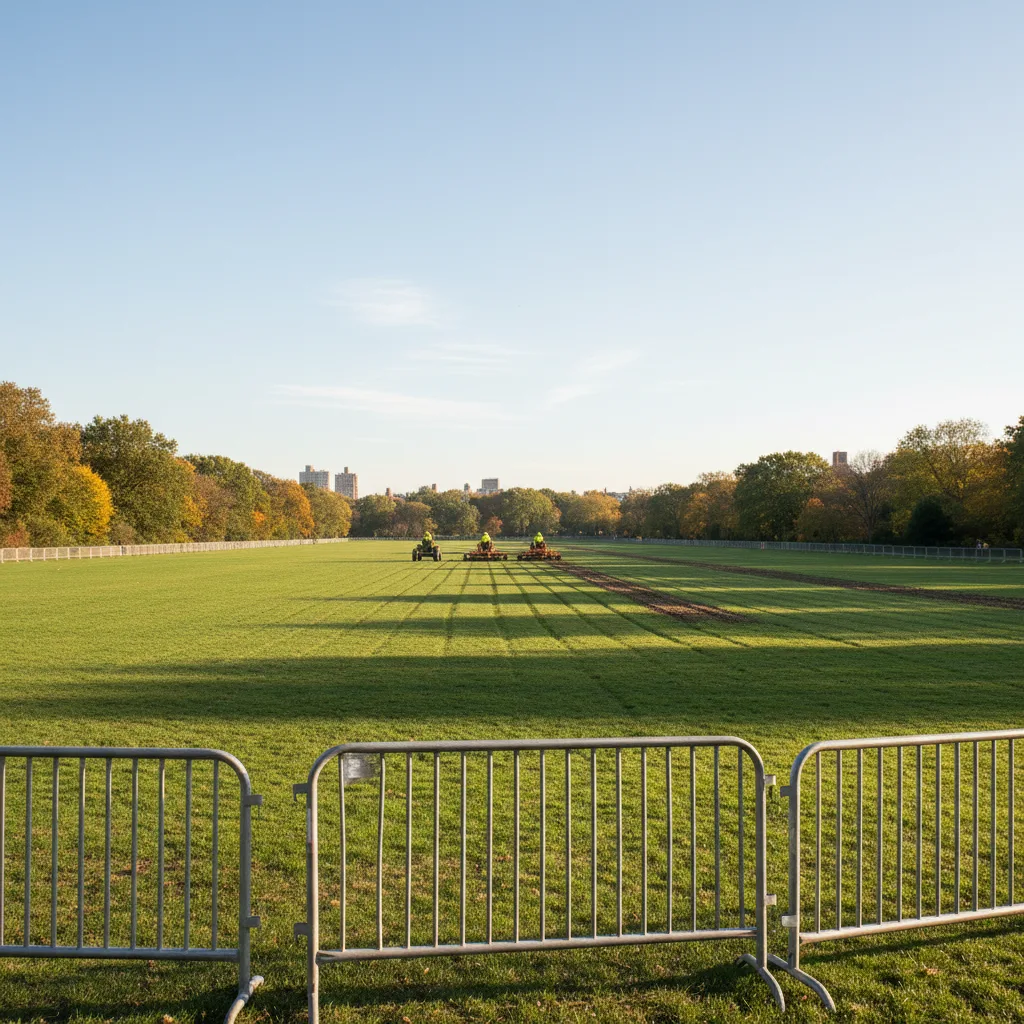
Central Park Conservancy Closes Great Lawn for Scheduled Maintenance
The Central Park Conservancy closed the Great Lawn through October 2, 2026, for scheduled maintenance, impacting weekend activities. Essential upkeep ensures the iconic green space remains vibrant for visitors.
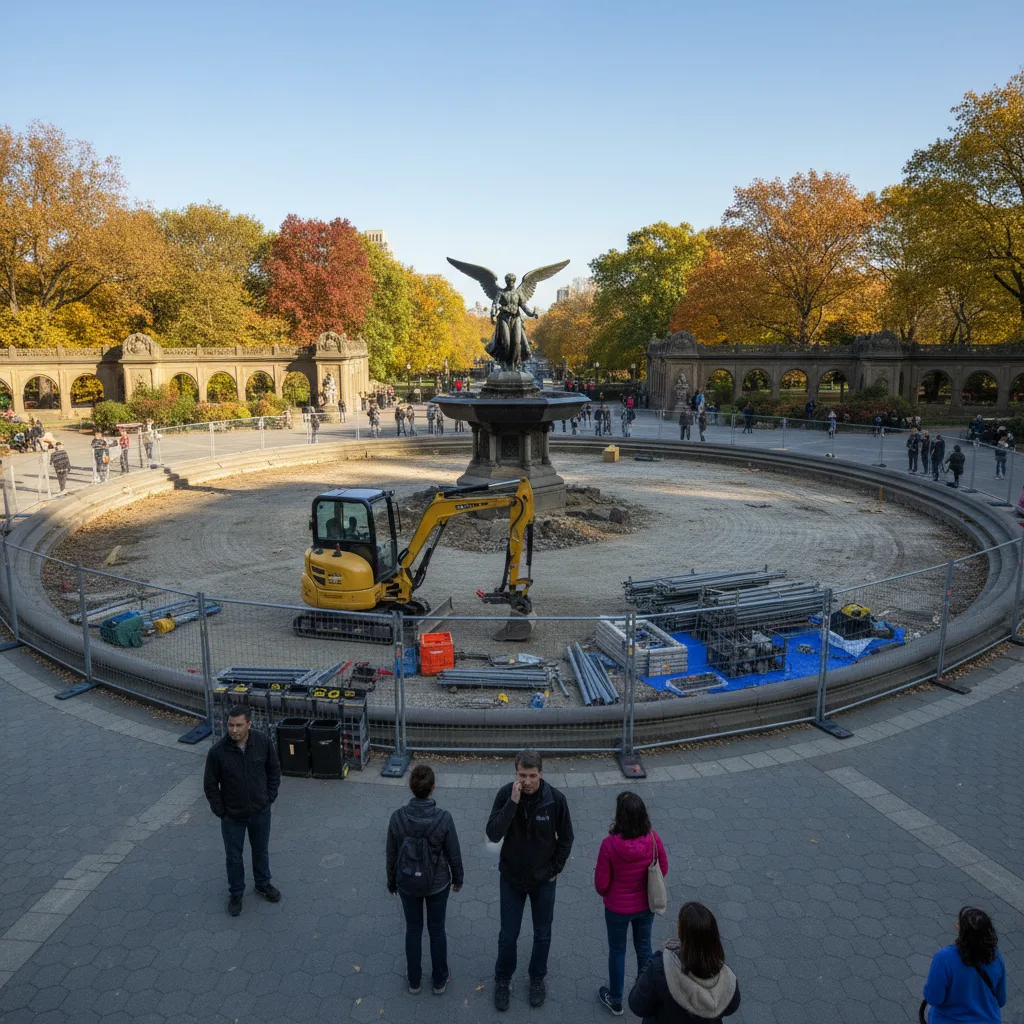
Central Park Conservancy Announces Bethesda Fountain, Great Lawn Closures
Central Park Conservancy announced Bethesda Fountain is off for restoration and the Great Lawn closed through October 2, 2026 for maintenance, affecting visitor access.
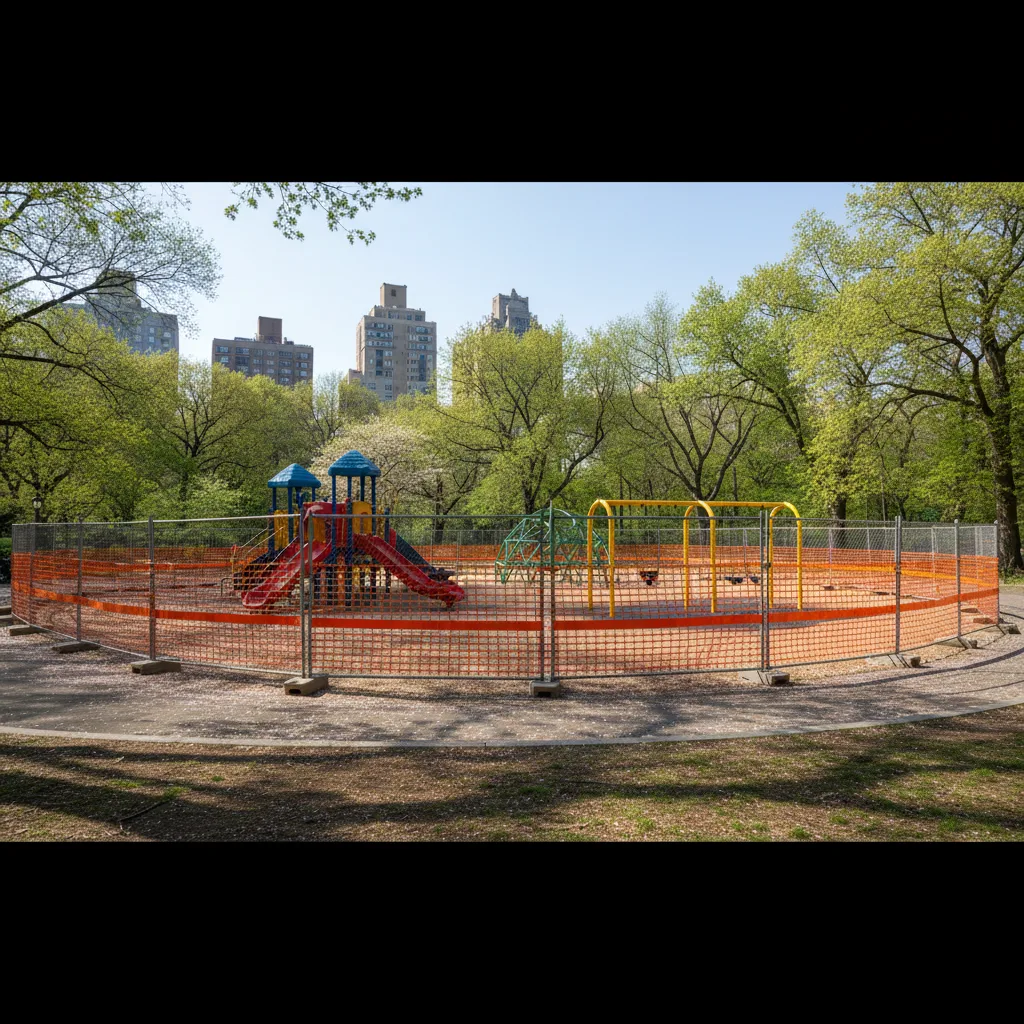
Central Park Conservancy Closes East 110th Street Playground for Restoration
Central Park Conservancy closed the East 110th Street Playground for restoration, while North Meadow and Heckscher ballfields shut due to weather. Plan your visit; check alerts for closures impacting recreation in Central Park.
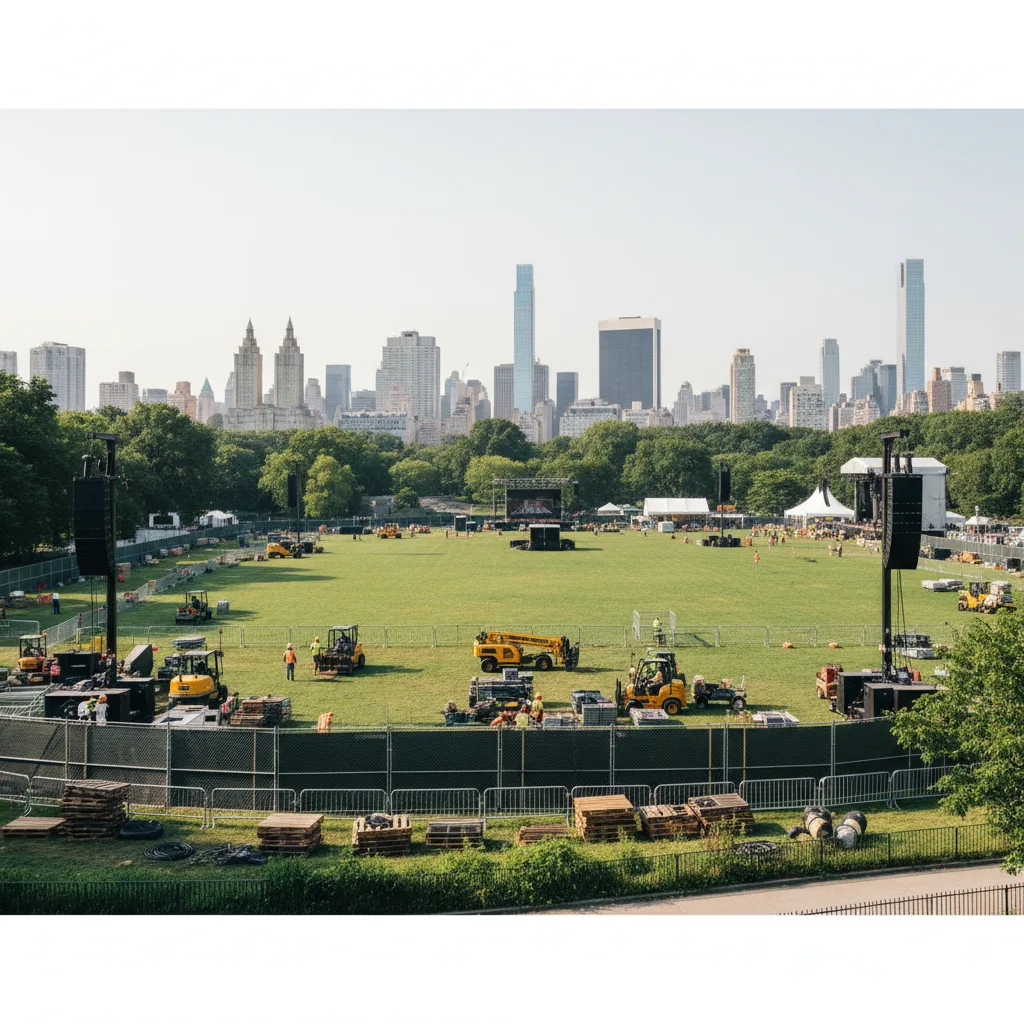
Central Park Conservancy Closes Great Lawn for Global Citizen Festival
Central Park Conservancy confirmed the Great Lawn is closed through September 26, 2026, for the Global Citizen Festival, affecting access to Belvedere Castle and Turtle Pond. Local residents and visitors should plan alternate routes and expect traffic delays around the park's perimeter.
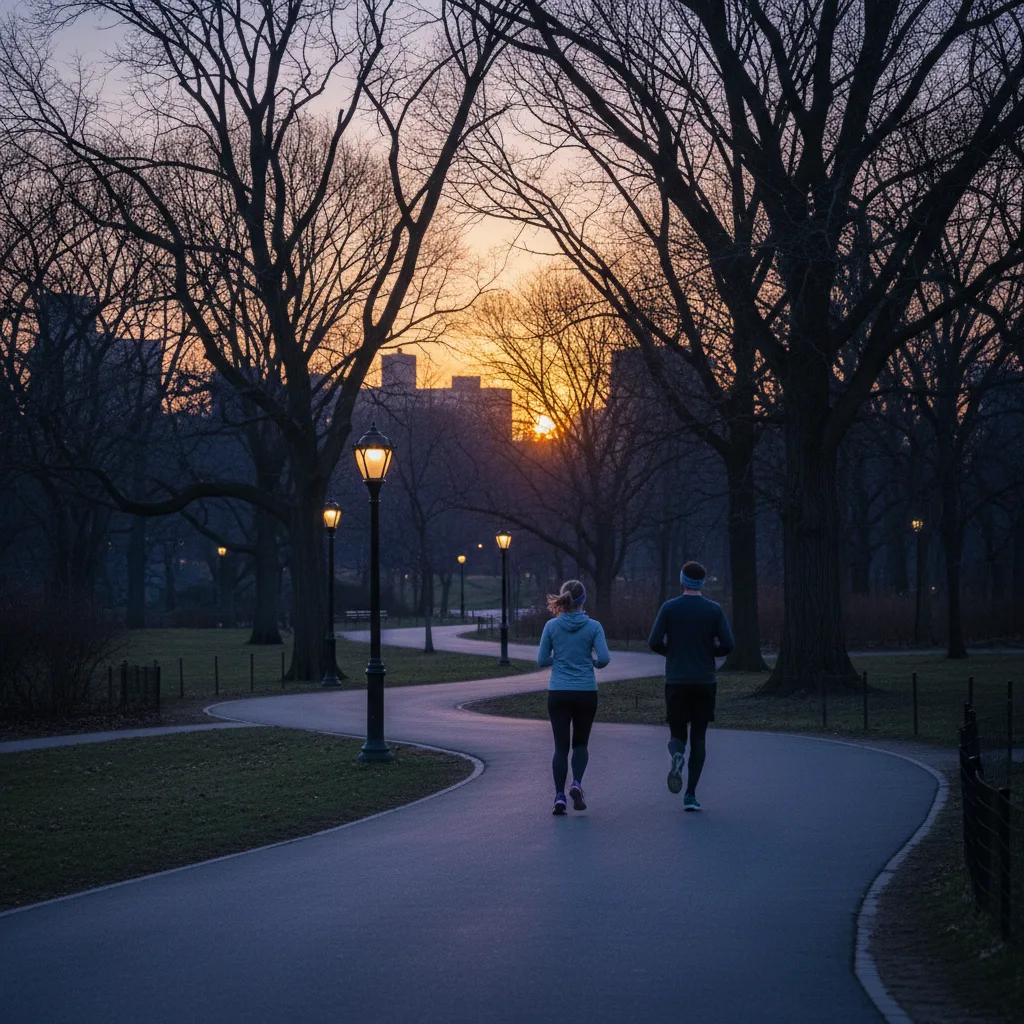
Central Park Conservancy Confirms 2026 Daily Operating Hours
Central Park Conservancy confirms 2026 daily hours: 6:00 a.m. to 1:00 a.m. This notice is for visitor planning, not a change.
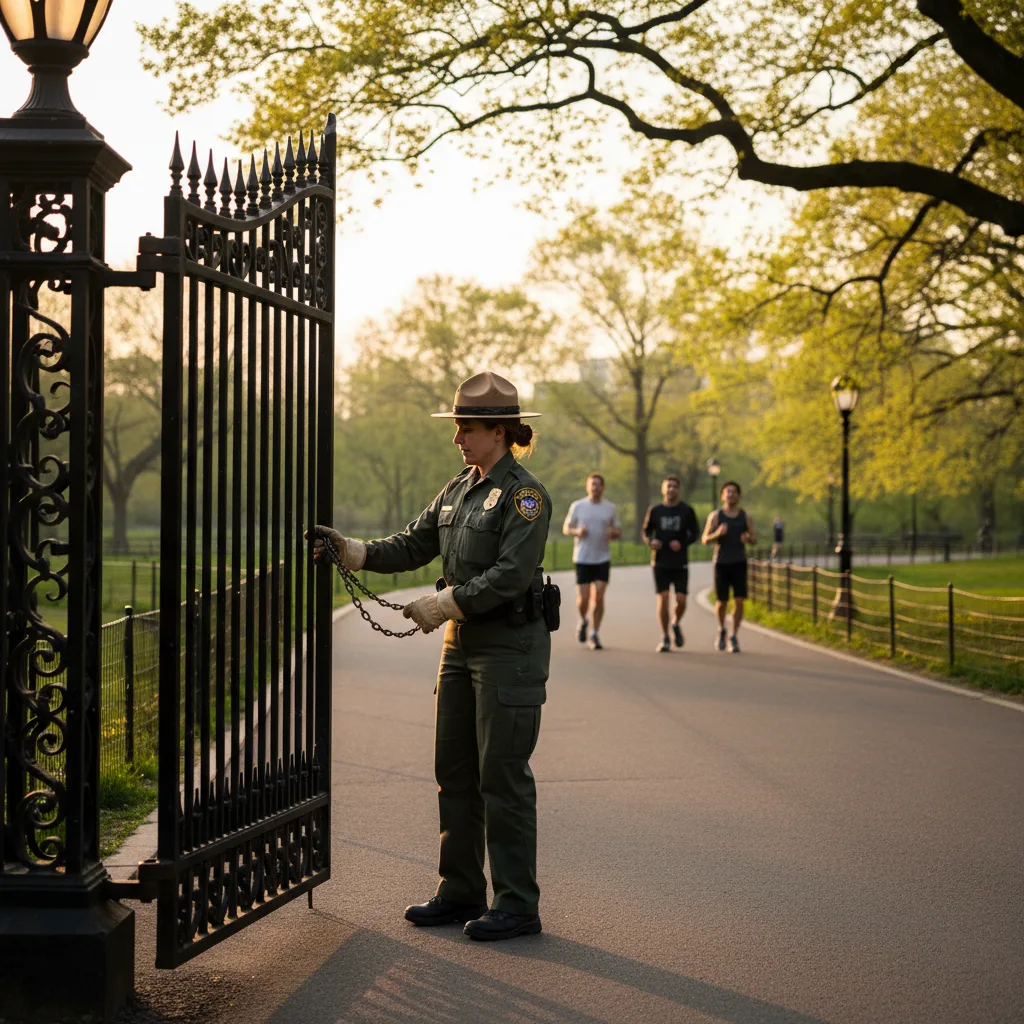
Central Park Conservancy Announces Park Hours Update for 2026
Central Park Conservancy announced updated 2026 park hours, maintaining 6:00 a.m. to 1:00 a.m. access daily. This schedule balances public enjoyment with critical maintenance and security operations.