


Central Park Conservancy Updates Mask, Distancing Guidelines for 2026

NEW YORK — Central Park Conservancy officials this week reinforced updated public health guidelines for visitors across the park's 843 acres. The directives emphasize continued vigilance regarding face coverings and maintaining at least six feet of distance from others. These measures aim to ensure the safety and well-being of all parkgoers in 2026, as New York City navigates ongoing public health considerations.
The Conservancy's official alerts, prominently displayed online and at park entrances like those at Columbus Circle and Grand Army Plaza, serve as a reminder. They reflect the organization's commitment to adhering to city and state health protocols for outdoor public spaces. The guidelines are a direct extension of broader public health initiatives impacting New York City residents.
Ensuring Public Safety in Green Spaces
Central Park remains a vital refuge for New Yorkers seeking respite and recreation, particularly during periods of heightened public health concern. The Conservancy’s role extends beyond landscape maintenance to proactive public safety communication. They manage daily operations, ensuring that pathways, restrooms, and recreational areas are accessible while mitigating potential risks.
"Our paramount concern is the health of both our visitors and our dedicated staff," stated Dr. Evelyn Reed, Chief Medical Advisor for the Central Park Conservancy, in an official statement. She confirmed that consistent application of guidelines is crucial for community protection. This includes regular sanitization efforts in high-traffic areas such as playgrounds and comfort stations.
Specific Guidelines for Park Visitors
The updated guidelines recommend that visitors continue to wear face coverings when in crowded areas or when unable to maintain adequate social distancing. This applies particularly to popular spots like Bethesda Terrace, the Central Park Zoo entrance, and around the Conservatory Water. Visitors should carry a mask for use in such situations.
Maintaining six feet of physical distance is also strongly advised in all park areas, including walking paths, picnic spots, and dog runs. Park Rangers are actively present to gently remind visitors of these protocols, emphasizing education over strict enforcement. The Conservancy also encourages respectful behavior towards fellow park users.
Challenges of Managing a Public Health Response
Managing public health measures within an open-access urban park presents unique challenges compared to indoor venues. The sheer volume of visitors, often exceeding 42 million annually, makes consistent compliance difficult. The Conservancy relies heavily on public cooperation and self-regulation.
According to data from the NYC Department of Health and Mental Hygiene, adherence to outdoor masking guidelines has varied across different city parks. The Conservancy actively monitors public health trends and adjusts its advisories accordingly. They emphasize that while the park is open, responsible use is a shared civic duty.
Conservancy’s Role in Park Preparedness
The Central Park Conservancy has invested significantly in infrastructure and communication strategies to adapt to evolving public health needs. This includes installing additional signage, increasing the frequency of waste removal, and providing hand sanitizing stations at key locations. They also maintain a dedicated alert page on their website.
"We are constantly assessing the situation and working with city health officials to provide the most current and effective guidance," confirmed John Davies, Vice President of Operations for the Central Park Conservancy. He reiterated the importance of checking their official website for the latest information. For further details on the Conservancy's broader mission, refer to explore central park conservancy mission.
Looking Ahead: A Flexible Approach
Conservancy officials emphasize that the guidelines are subject to change based on new scientific information and city-wide health mandates. The flexible approach allows them to adapt quickly to emerging public health scenarios. They aim to balance public access with necessary precautions, ensuring Central Park remains a safe and enjoyable space for all New Yorkers.
Visitors are encouraged to plan their visits thoughtfully, particularly during peak hours, to avoid overly crowded sections of the park. The Conservancy provides real-time information on park usage and potential congestion points through its digital platforms. This proactive communication helps distribute visitors and minimize density in specific areas.
Frequently Asked Questions About Central Park Guidelines
Q: Why are these guidelines still in place in Central Park in 2026? A: The Central Park Conservancy, in coordination with city health officials, maintains these guidelines as part of an ongoing effort to mitigate public health risks. The goal is to ensure a safe environment for all visitors and staff, especially given the park's high visitation numbers.
Q: Where can I find the most current official alerts for Central Park? A: The official and most up-to-date alerts regarding park access, health guidelines, and any temporary closures are always posted on the Central Park Conservancy's alerts page. It is recommended to check this resource before your visit.
Q: What if I see someone not following the guidelines? A: Visitors are encouraged to practice respectful self-governance. While Park Rangers may offer polite reminders, direct confrontation is discouraged. The emphasis is on community cooperation and shared responsibility for public health. You can also report serious concerns to park staff if necessary.
Q: Are there specific areas in the park where masks are more strongly recommended? A: Masks are particularly recommended in areas that tend to be more congested, such as popular landmarks, around concession stands, near playgrounds, and during large gatherings or events where maintaining six feet of distance becomes challenging. Always carry one for such situations.
Related Articles
More in Weather & Health →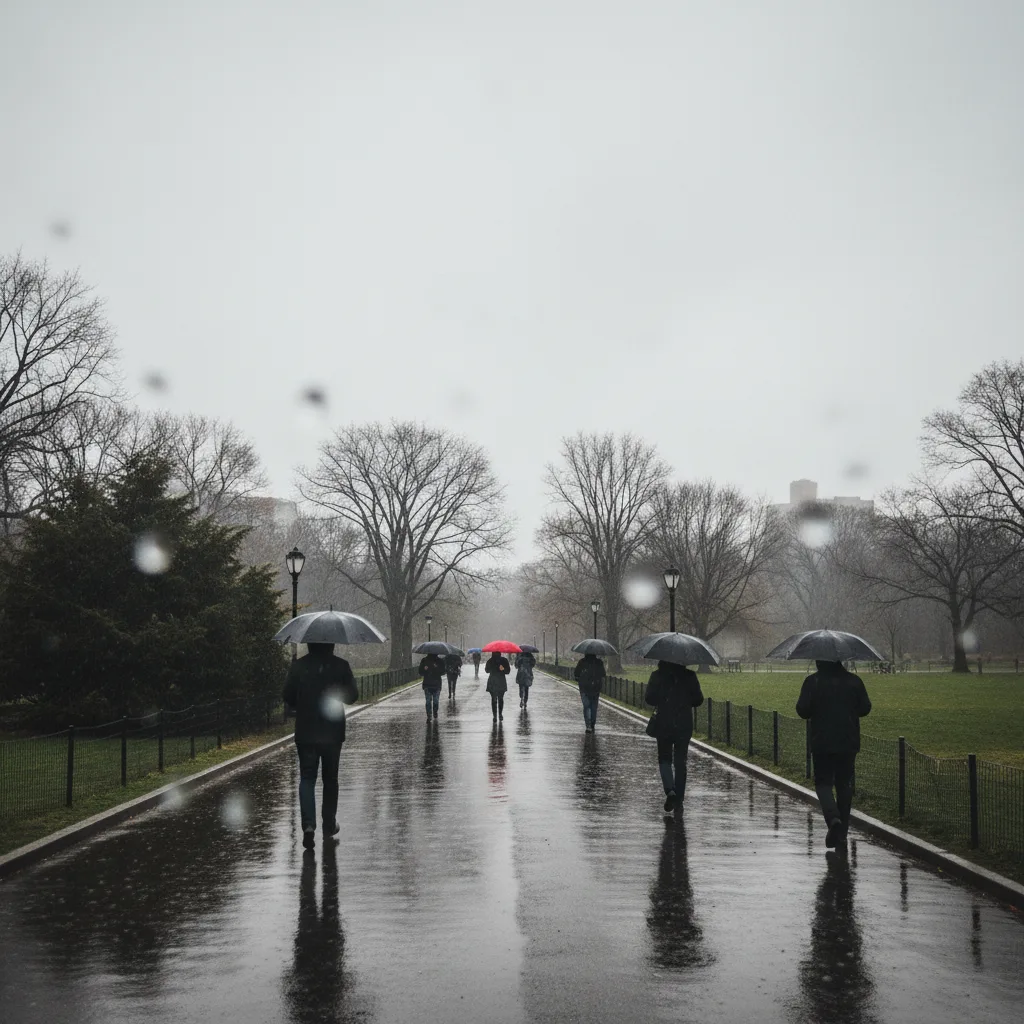
Central Park Radar Shows Current Rain Conditions and Near-Term Updates
Central Park visitors are seeing current rain conditions and near-term precipitation updates on AccuWeather radar, affecting outdoor activities and park operations.

September 2026 Central Park Weather Forecast Reveals Mild Conditions
Central Park's September 2026 weather forecast projects mild daily highs between 70-82°F and lows 57-66°F. Plan outdoor activities; comfortable conditions expected for park visitors.
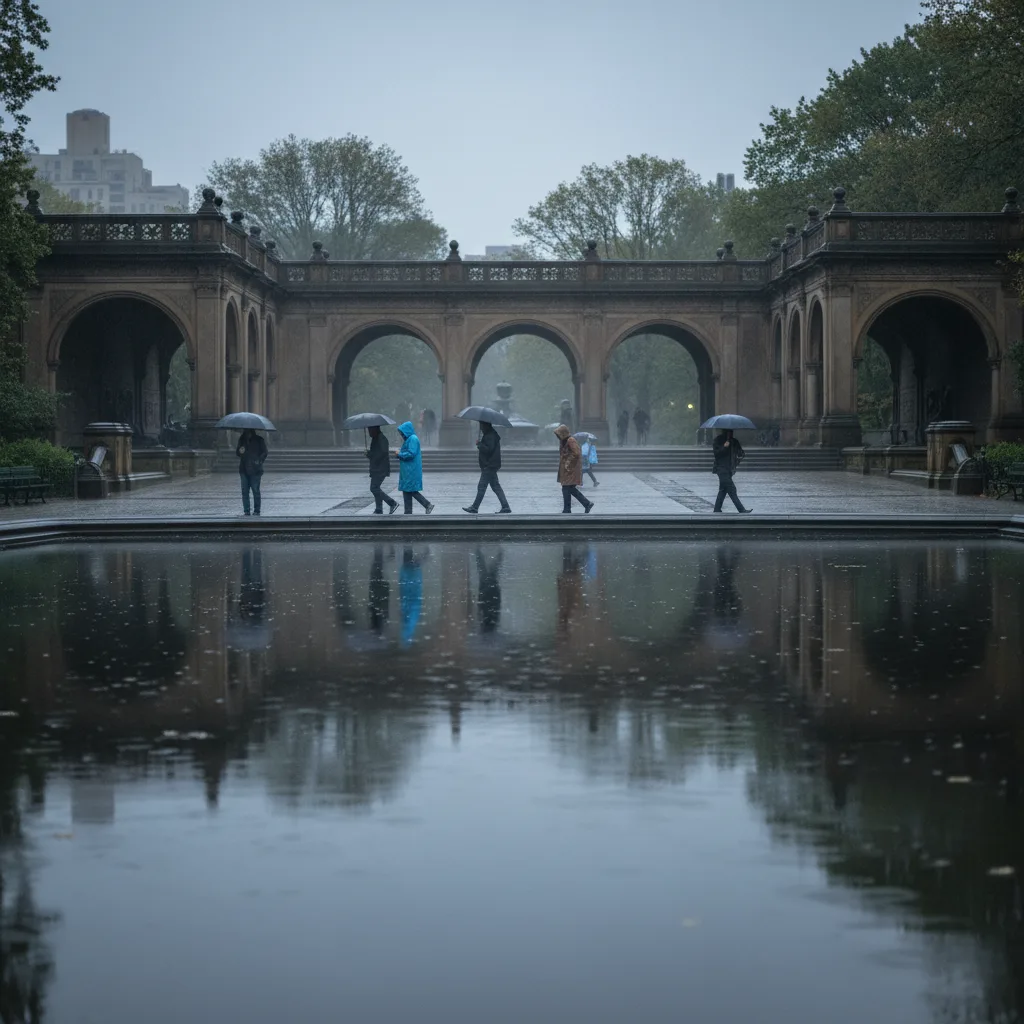
Central Park Visitors Face Intermittent Rain, Cooler Temps Sunday Night
Central Park experienced cool temperatures and intermittent rain on Sunday, September 27, 2026, with a temperature of 57.0°F recorded. Visitors should plan accordingly.
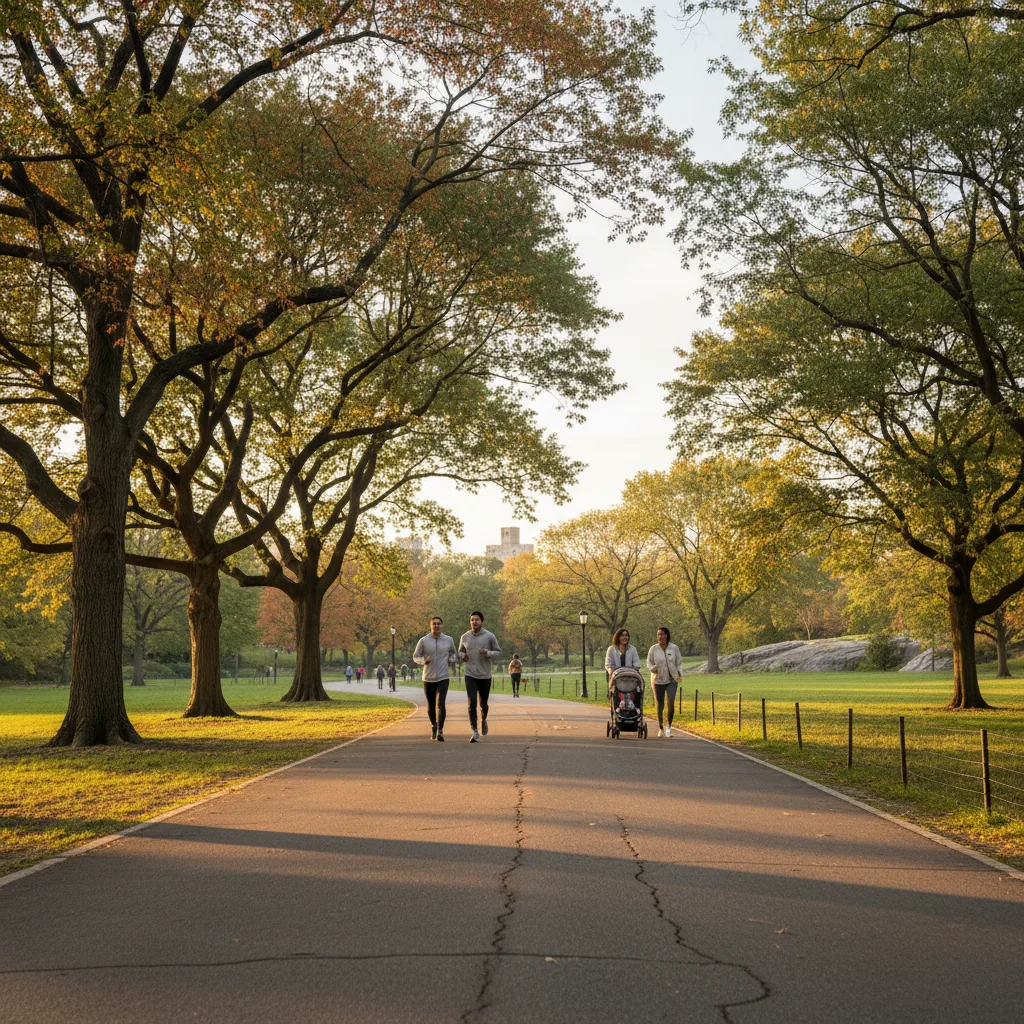
Central Park Records 72°F Max, 58°F Min Temperatures September 27
Central Park observed a maximum temperature of 72°F and minimum of 58°F on Sunday, September 27, 2026, according to the NWS climatological report.
AccuWeather Forecasts 64°F, 59°F for Central Park September 27
AccuWeather forecast a high of 64°F and low of 59°F for Central Park on September 27, 2026, slightly below monthly averages, indicating a cooler day.
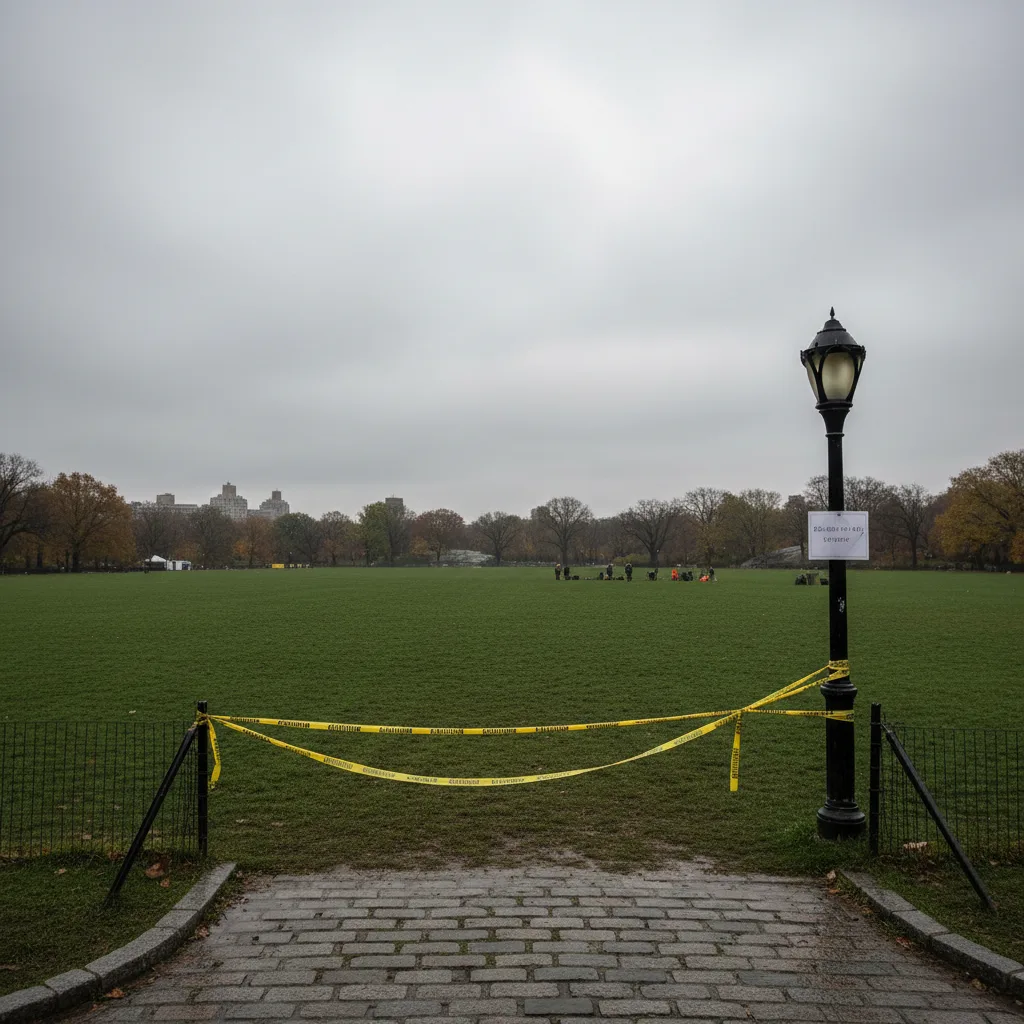
Global Citizen Festival in Central Park Canceled Due to Nor'easter Threat
Global Citizen Festival in Central Park was canceled Thursday due to an approaching nor'easter, affecting thousands and prompting safety concerns. New Yorkers should check for updated park alerts and traffic changes related to the storm.