


Central Park Conservancy Updates Media Access, Film Guidelines for 2026
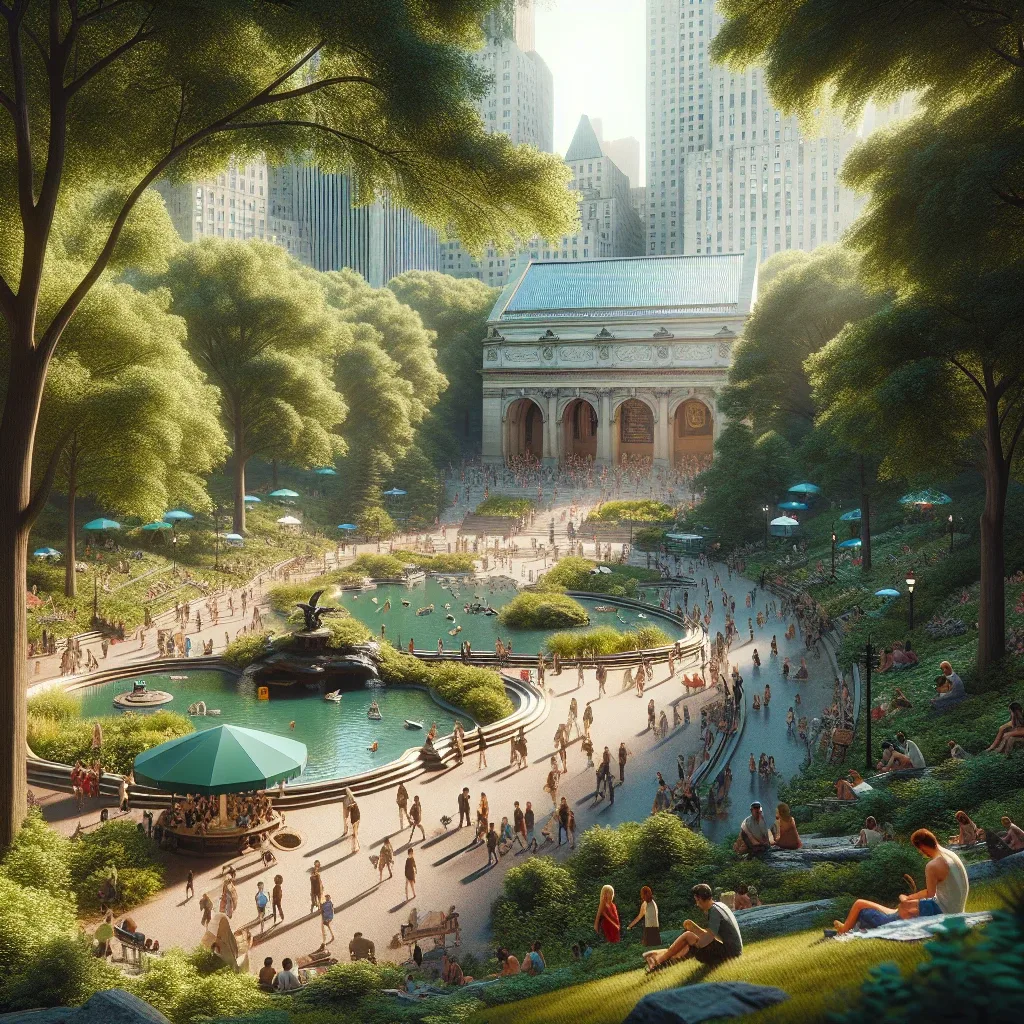
NEW YORK — The Central Park Conservancy has issued updated guidelines for media engagement and commercial film or photo shoots within the iconic 843-acre park, effective January 1, 2026. This comprehensive revision aims to streamline processes for journalists and production companies, ensuring both accessibility and the preservation of Central Park's environment. The new policies are intended to enhance clarity for all external communications with the Conservancy, a private non-profit organization that manages the park under a contract with the City of New York.
Official communications from the Conservancy indicate a proactive approach to managing the park's image and operational integrity. These updates reflect evolving needs in media production and public information dissemination. The Conservancy handles thousands of inquiries annually, ranging from local news reports to international documentary filming, necessitating clear, consistent procedures for approvals and access.
Streamlining Press Inquiries
Journalists seeking information or interviews with Central Park Conservancy officials are now directed to a centralized press email, press@centralparknyc.org, for all initial inquiries. This dedicated channel replaces previous, more fragmented contact methods, aiming to provide quicker response times and more accurate information. A spokesperson for the Conservancy confirmed the new system's implementation last week.
"Our goal is to foster transparent and efficient communication with the media," stated Sarah Gallagher, Director of Communications for the Central Park Conservancy, in an official announcement released Tuesday. "This dedicated press email ensures that all requests are routed appropriately, allowing our team to respond promptly and provide the most accurate details regarding park activities, initiatives, and conservation efforts." She emphasized that this change would significantly improve the flow of verifiable information to the public.
Commercial Film and Photo Shoot Protocols
Separate, detailed procedures have been updated for commercial film and photo shoots, recognizing the significant logistical and environmental considerations involved. Production companies are now required to submit comprehensive applications outlining shoot locations, equipment lists, and crew sizes at least 30 business days in advance. Fees for permits have also been adjusted, reflecting the intensive staffing and resource allocation required by larger productions.
The Conservancy specified that all commercial activities must adhere to strict environmental guidelines, protecting the park's delicate ecosystems, particularly around areas like the Hallett Nature Sanctuary and the Ramble. Special attention is given to preventing damage to plant life and minimizing disruption to wildlife. Permit applications are available for review on the Conservancy’s official website, providing a clear roadmap for compliance.
Preserving Park Integrity and Public Access
The revised guidelines underscore the Conservancy's dual mandate: preserving the park's natural beauty and providing a world-class recreational space for millions of visitors each year. Balancing these objectives with media and commercial demands requires careful regulation. The new policies aim to minimize potential conflicts between film crews, park-goers, and ecological sensitivities.
Further, the Conservancy announced enhanced collaboration with the NYC Parks Department to coordinate large-scale events and film productions. This partnership seeks to ensure seamless operations across all city-managed green spaces, including Central Park, adhering to the broader city permit structure. Such coordination is vital for maintaining public access and safety across popular venues, from the Sheep Meadow to the Conservatory Garden.
Enhancing Public Information Access
While focusing on media and commercial entities, the Conservancy also reaffirmed its commitment to public information access. Beyond direct press inquiries, the organization maintains a robust online presence and offers various educational programs and interpretive tours. These resources continue to provide residents and tourists with rich, detailed information about Central Park’s history, ecology, and ongoing projects. Public engagement remains a core tenet of the Conservancy’s mission, informing visitors about the value and upkeep of this urban oasis.
Visitors can find general information, event schedules, and volunteer opportunities on the Central Park Conservancy's main website, which also links to press resources. This comprehensive digital presence ensures diverse information streams for various audiences. The Conservancy also highlights historical data, often found in news archives related to the park's past, such as those detailing significant park renovations or ecological studies that could be found on archival news sites like DNAinfo New York.
FAQ: Central Park Conservancy Communication
How do journalists submit press inquiries to the Central Park Conservancy? Journalists should direct all press inquiries to the centralized email address, press@centralparknyc.org, for the most efficient response. This ensures that all media requests are handled by the dedicated communications team. What is the deadline for submitting commercial film and photo shoot applications? Production companies must submit their commercial film and photo shoot applications at least 30 business days prior to their proposed shoot date. This timeframe allows the Conservancy to properly review requests, assess impact, and coordinate necessary logistics. Are there specific areas within Central Park that have stricter regulations for filming? Yes, sensitive ecological areas like the Hallett Nature Sanctuary and the Ramble, along with historically significant sites, often have stricter rules or may be off-limits for commercial filming. These regulations protect delicate plant life and minimize disruption to resident wildlife. What kind of information is available through the Conservancy's public channels? The Conservancy's public channels offer a wide range of information, including park history, current events, ecological data, visitor guidelines, and volunteer opportunities. Their website serves as a primary hub for this information. How do the new guidelines benefit public access to the park? The updated guidelines help manage commercial and media activities more effectively, minimizing potential conflicts and ensuring that the park remains accessible and enjoyable for all visitors. This balance is crucial for preserving the park's fundamental purpose.
Related Articles
More in Park Operations & Maintenance →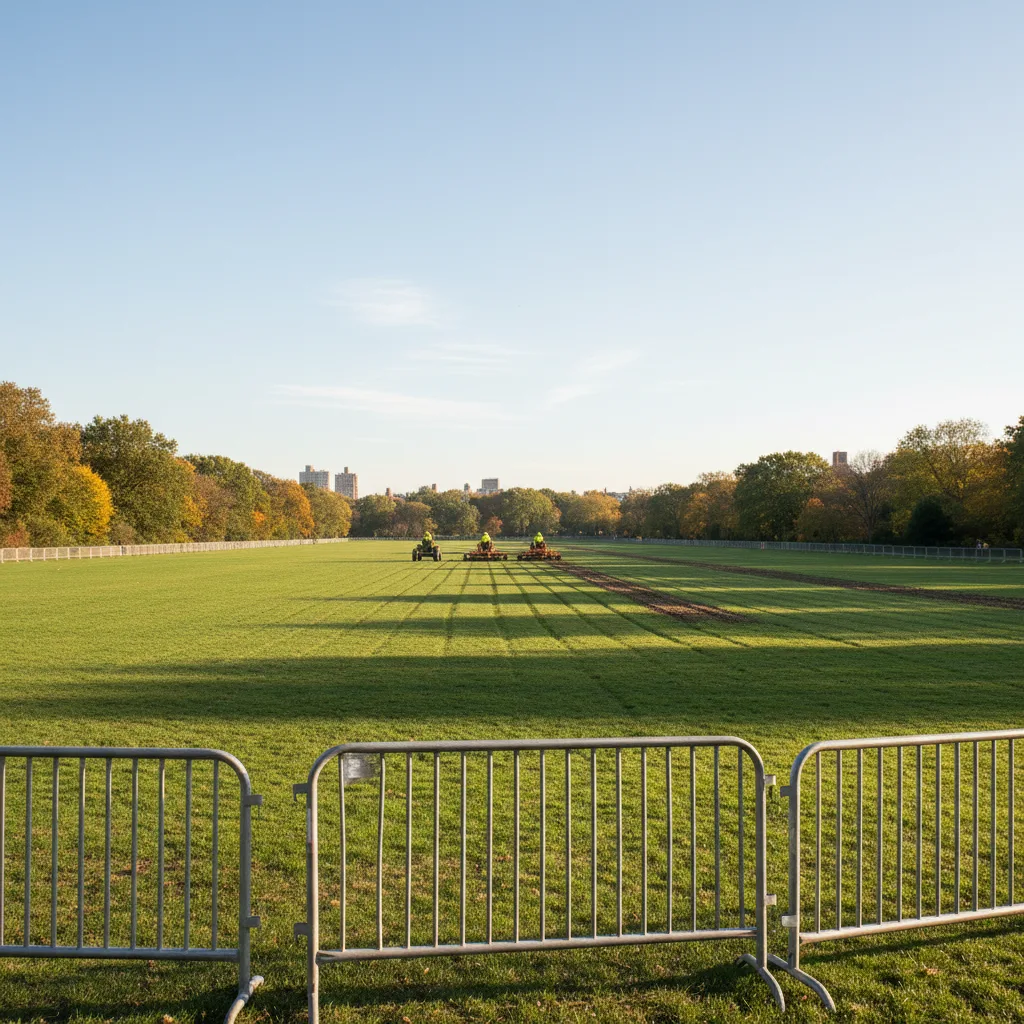
Central Park Conservancy Closes Great Lawn for Scheduled Maintenance
The Central Park Conservancy closed the Great Lawn through October 2, 2026, for scheduled maintenance, impacting weekend activities. Essential upkeep ensures the iconic green space remains vibrant for visitors.
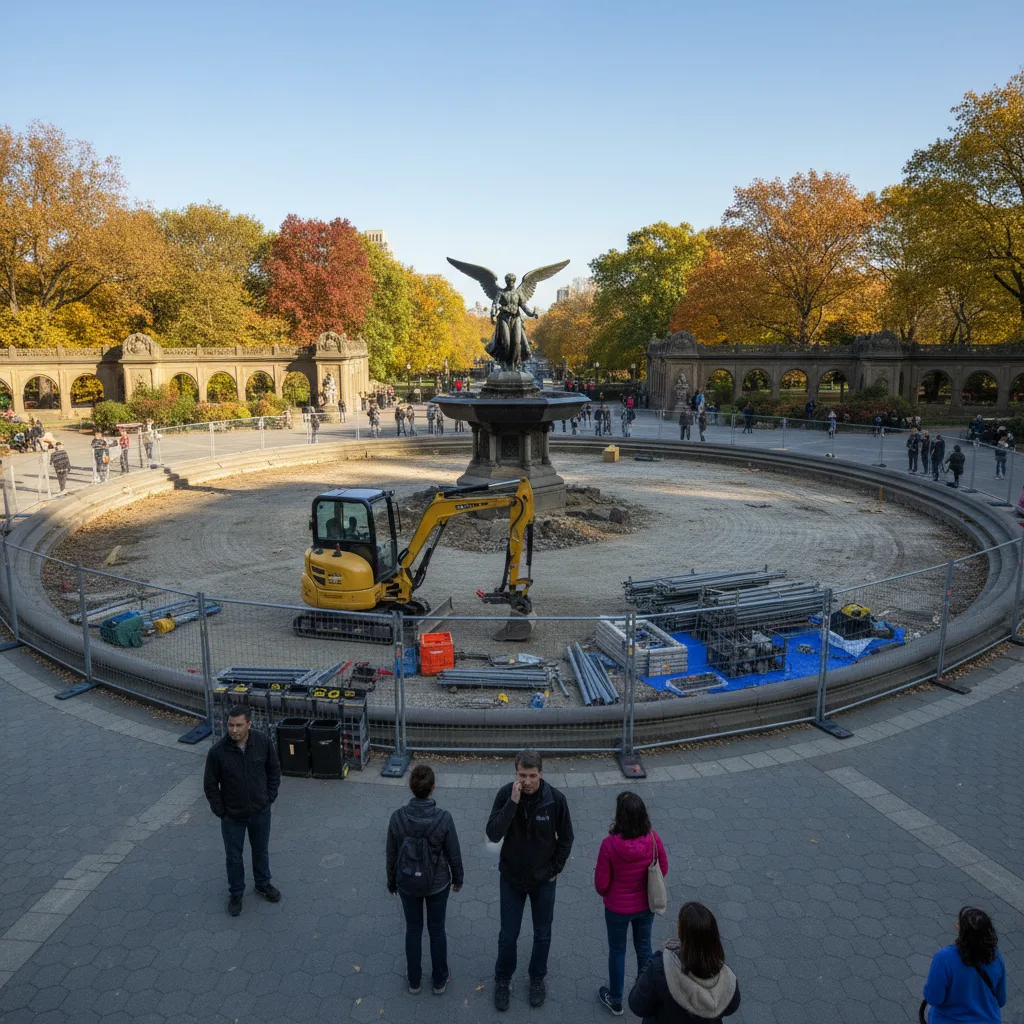
Central Park Conservancy Announces Bethesda Fountain, Great Lawn Closures
Central Park Conservancy announced Bethesda Fountain is off for restoration and the Great Lawn closed through October 2, 2026 for maintenance, affecting visitor access.
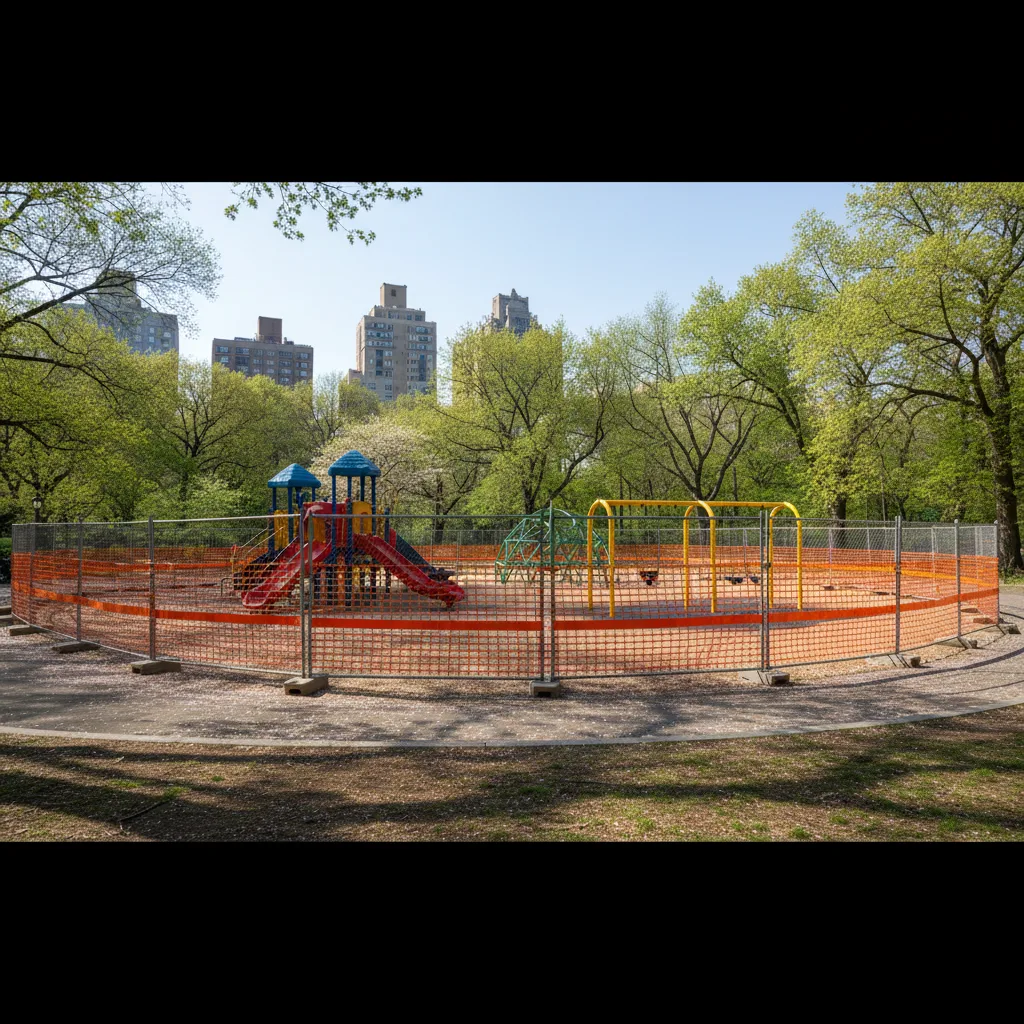
Central Park Conservancy Closes East 110th Street Playground for Restoration
Central Park Conservancy closed the East 110th Street Playground for restoration, while North Meadow and Heckscher ballfields shut due to weather. Plan your visit; check alerts for closures impacting recreation in Central Park.
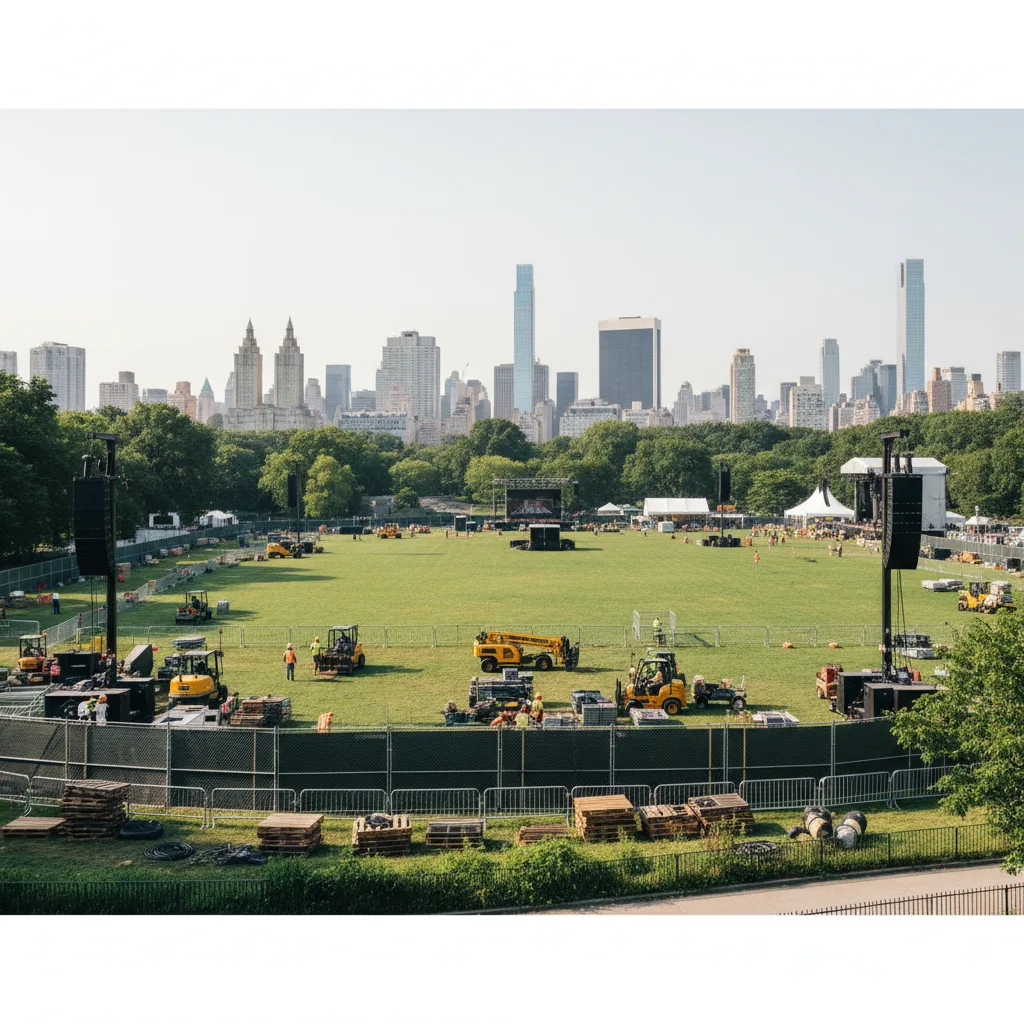
Central Park Conservancy Closes Great Lawn for Global Citizen Festival
Central Park Conservancy confirmed the Great Lawn is closed through September 26, 2026, for the Global Citizen Festival, affecting access to Belvedere Castle and Turtle Pond. Local residents and visitors should plan alternate routes and expect traffic delays around the park's perimeter.
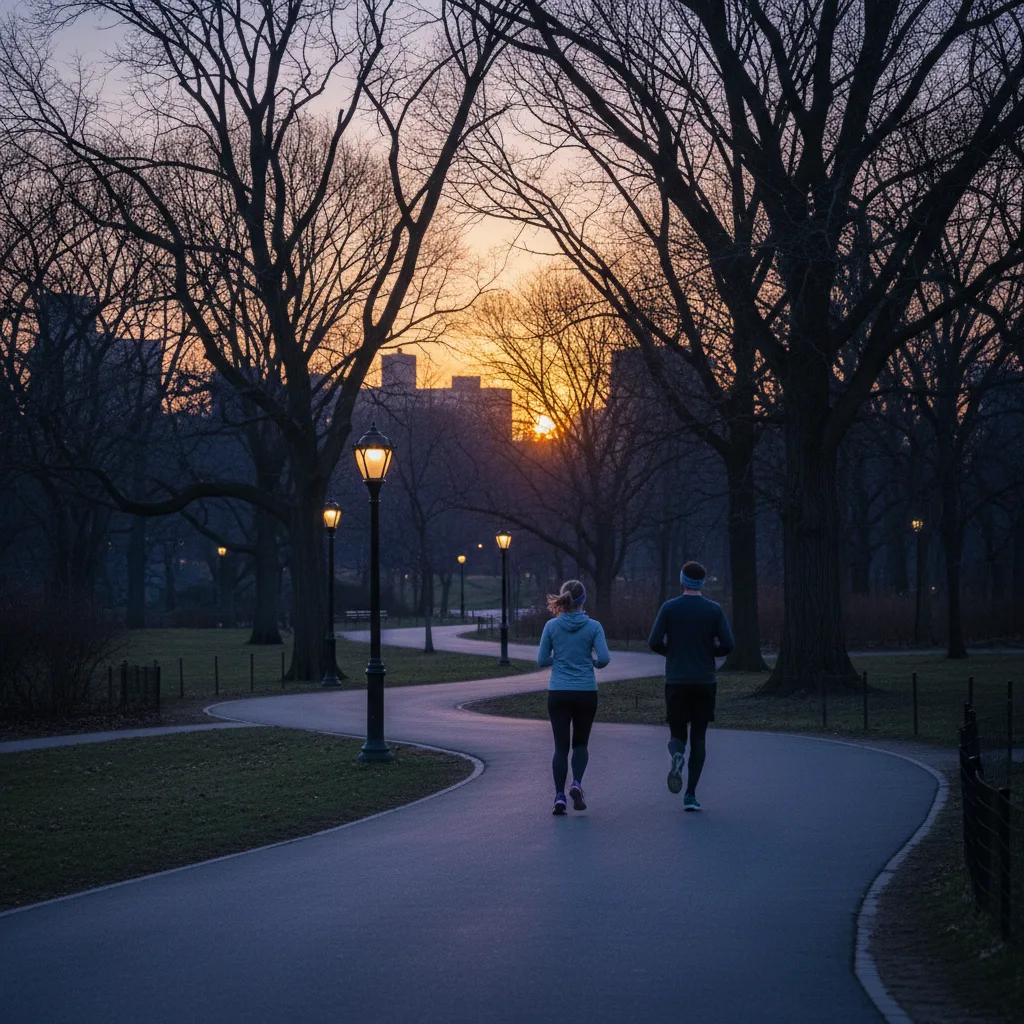
Central Park Conservancy Confirms 2026 Daily Operating Hours
Central Park Conservancy confirms 2026 daily hours: 6:00 a.m. to 1:00 a.m. This notice is for visitor planning, not a change.
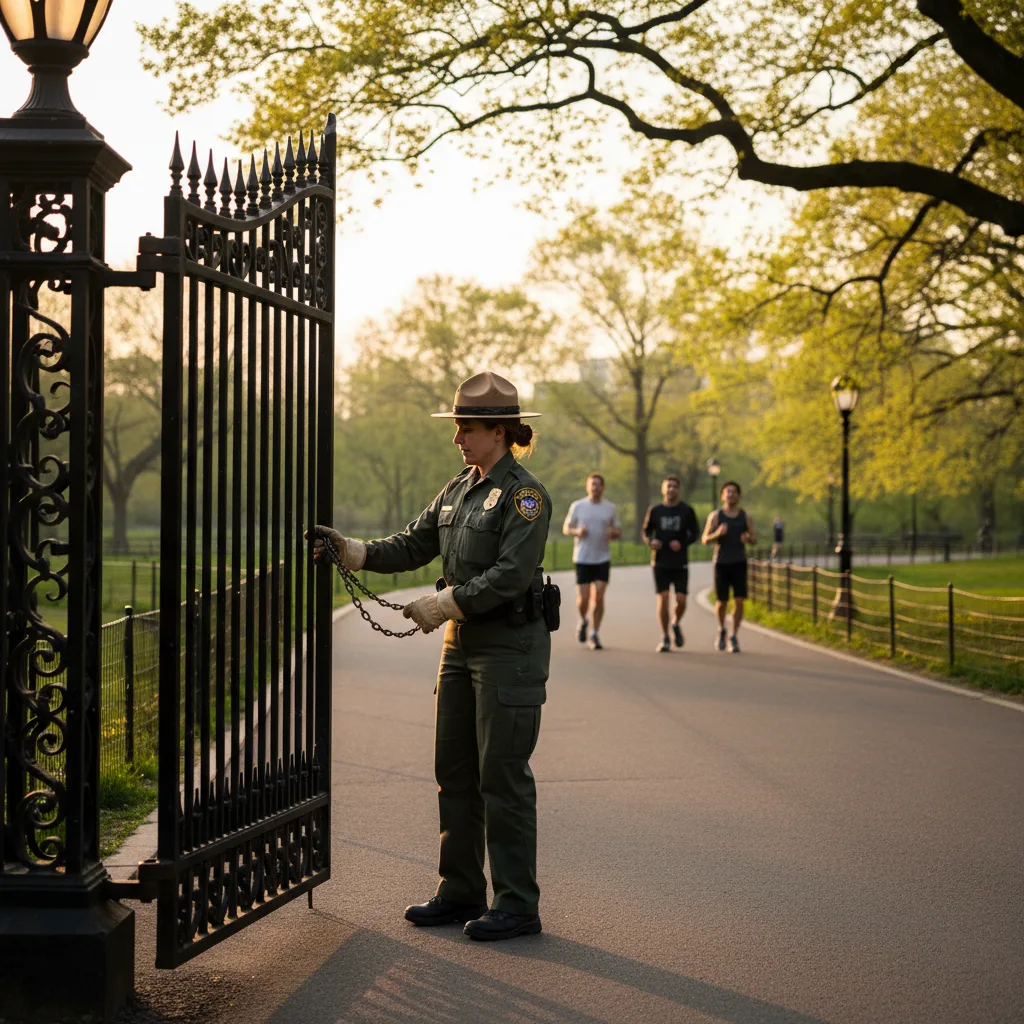
Central Park Conservancy Announces Park Hours Update for 2026
Central Park Conservancy announced updated 2026 park hours, maintaining 6:00 a.m. to 1:00 a.m. access daily. This schedule balances public enjoyment with critical maintenance and security operations.