


Central Park Conservancy Urges Continued Health Precautions for Visitors

NEW YORK — The Central Park Conservancy today re-emphasized its guidance for visitors to maintain health precautions, including wearing face coverings and social distancing, as the iconic green space remains open to the public. This advisory, posted on the Conservancy’s official alerts page, reiterates a commitment to public safety amidst ongoing health considerations. The directive is aimed at protecting both park-goers and staff within the 843-acre urban oasis.
Officials stress the importance of individual responsibility to ensure the park can continue to serve as a vital recreational and meditative resource for millions of New Yorkers. The Conservancy manages the park under a contract with the City of New York, making it responsible for its daily operations and maintenance. These guidelines apply to all areas, from the busy Mall to the quieter paths of the North Woods.
Official Guidelines for Park Visitors
The Central Park Conservancy's alert explicitly requests that visitors wear a face covering when unable to maintain at least six feet of distance from others. This recommendation is particularly relevant in crowded areas such as Bethesda Terrace, Sheep Meadow, or near popular attractions like the Central Park Zoo. Signs have been posted at major entrances, including those along Central Park South and at Columbus Circle, to remind guests of the protocols.
“Our primary goal is to ensure Central Park remains a safe and welcoming place for everyone,” stated Elizabeth Killeen, Vice President of Operations for the Central Park Conservancy. “Adherence to these simple, yet critical, measures helps protect our entire community, allowing us to keep the park fully accessible.” The Conservancy encourages visitors to carry hand sanitizer and avoid congregating in large groups to minimize potential transmission risks.
Balancing Public Access with Health Imperatives
The decision to keep Central Park open throughout recent health advisories reflects a recognition of its importance for mental and physical well-being in a dense urban environment. However, this accessibility comes with the challenge of managing large crowds while promoting public health. The Conservancy regularly monitors public health data and adapts its recommendations accordingly. For current alerts and detailed visitor information, please consult the Central Park Conservancy’s official alerts page.
Park rangers and staff are on site daily to gently remind visitors of the guidelines, though enforcement largely relies on voluntary compliance. The vastness of the park allows for ample space to spread out, particularly in less trafficked areas away from the main pedestrian arteries. Yet, certain bottlenecks and popular landmarks necessitate extra caution from all park users.
Historical Context of Public Health in Parks
Central Park's role in public health is not new; its very creation in the mid-19th century was partly driven by the need for open green spaces to improve urban dwellers' health. Early proponents argued that fresh air and natural scenery could combat disease and promote civic order. This historical precedent underscores the park's enduring function as a health sanctuary. From its inception in 1857, the park has aimed to provide respite and renewal for city residents.
During various historical pandemics, parks often became crucial outlets for recreation and mental well-being when indoor options were restricted. This legacy informs current policies regarding park access and safety protocols. Understanding this long-standing connection helps to frame contemporary health advisories not as restrictions, but as continuations of the park’s original public health mission.
Operational Challenges and Community Support
Implementing and communicating these health guidelines presents operational challenges for the Conservancy. This includes deploying additional signage, training staff on best practices, and regularly updating information as public health landscapes evolve. The effort requires significant resources, underscoring the need for continued community support. Donations to the Conservancy help maintain these critical services and ensure the park remains a pristine and safe environment for all.
“The public’s cooperation has been instrumental in allowing us to keep Central Park open,” noted Ms. Killeen. “We are deeply grateful for the community’s commitment to safety, which enables millions to continue enjoying this priceless amenity.” To support the ongoing maintenance and operational needs of the park, consider visiting the Central Park Conservancy's support page for donation opportunities. Your contributions directly impact the park's ability to serve the city.
Frequently Asked Questions About Central Park Safety Guidelines
What are the current mask guidelines for Central Park visitors? The Central Park Conservancy recommends that visitors wear a face covering when they cannot maintain at least six feet of distance from others, especially in more crowded sections of the park. This guidance is in line with broader public health recommendations for outdoor gatherings in New York City.
Is Central Park open to the public right now? Yes, Central Park remains open to the public. Visitors are encouraged to enjoy the park for recreation and relaxation while adhering to health and safety guidelines. Operational hours typically follow sunrise to 1:00 AM, but specific facility hours may vary.
What measures are in place to ensure visitor safety in Central Park? Beyond face covering recommendations, the Central Park Conservancy and NYPD conduct regular patrols. Visitors are encouraged to practice social distancing, wash hands frequently, and avoid crowded areas when possible. Information regarding current safety protocols is regularly updated on the Conservancy’s official website and signage across the park, particularly near major entrances like the one at Grand Army Plaza.
Related Articles
More in Safety & Crime →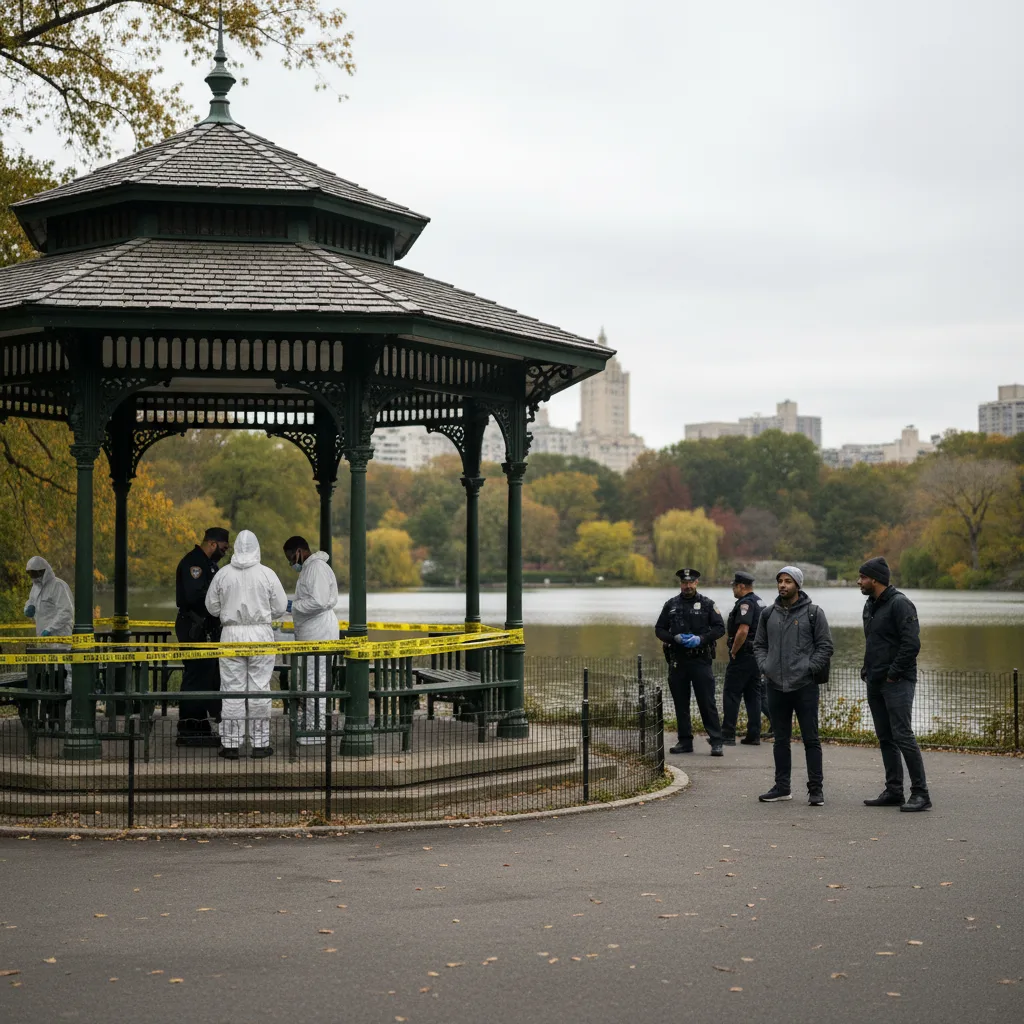
Central Park Woman Found Dead Near Boathouse Gazebo
A woman was found stabbed to death in a Central Park gazebo near the Boathouse on Sunday, prompting an active NYPD homicide investigation.
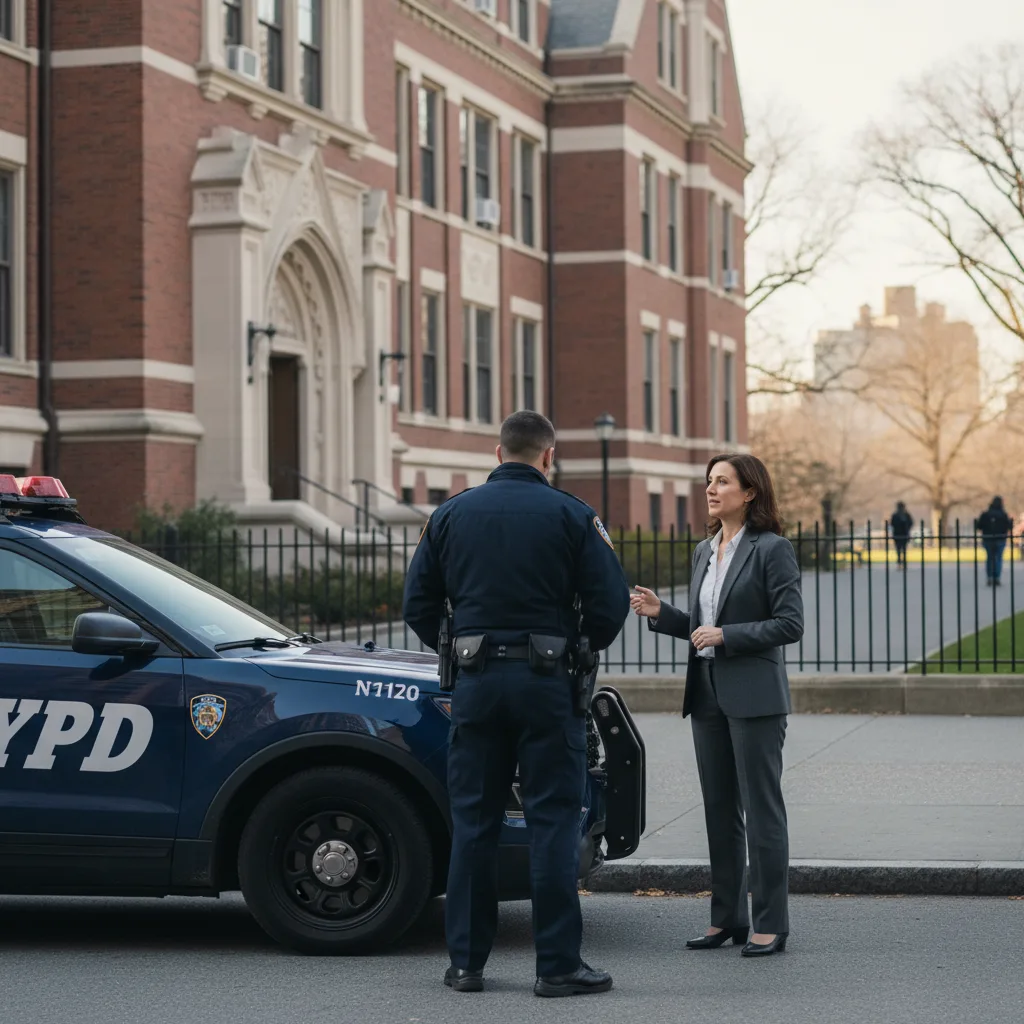
Queens Student Arrested for Bringing Gun to High School
A Queens student was arrested for bringing a gun to high school, prompting immediate law enforcement action and raising school safety concerns.
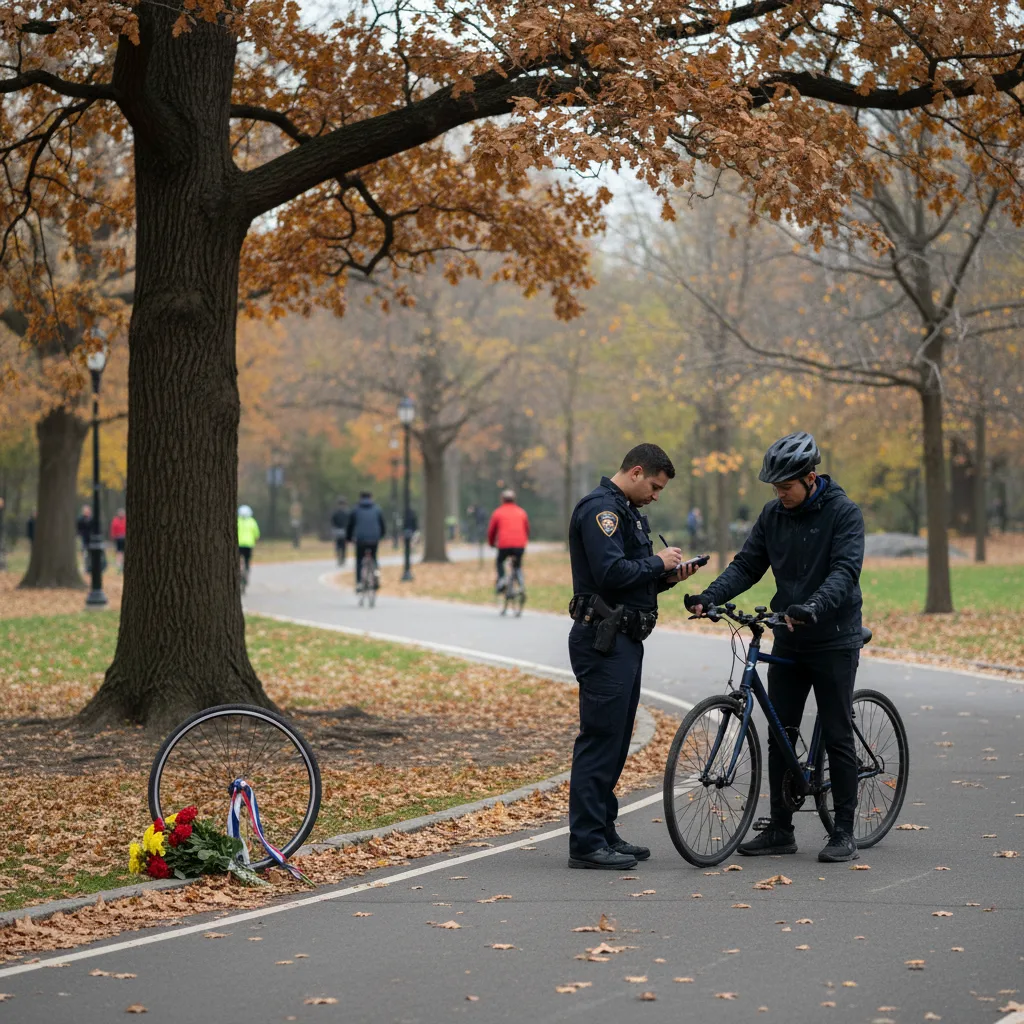
NYC Cyclist Death Prompts NYPD Ticketing Near Fatal Crash Site
NYPD stepped up cyclist ticketing near a recent fatal crash site in Central Park after a cyclist died Monday morning. Local groups demand safety reforms.
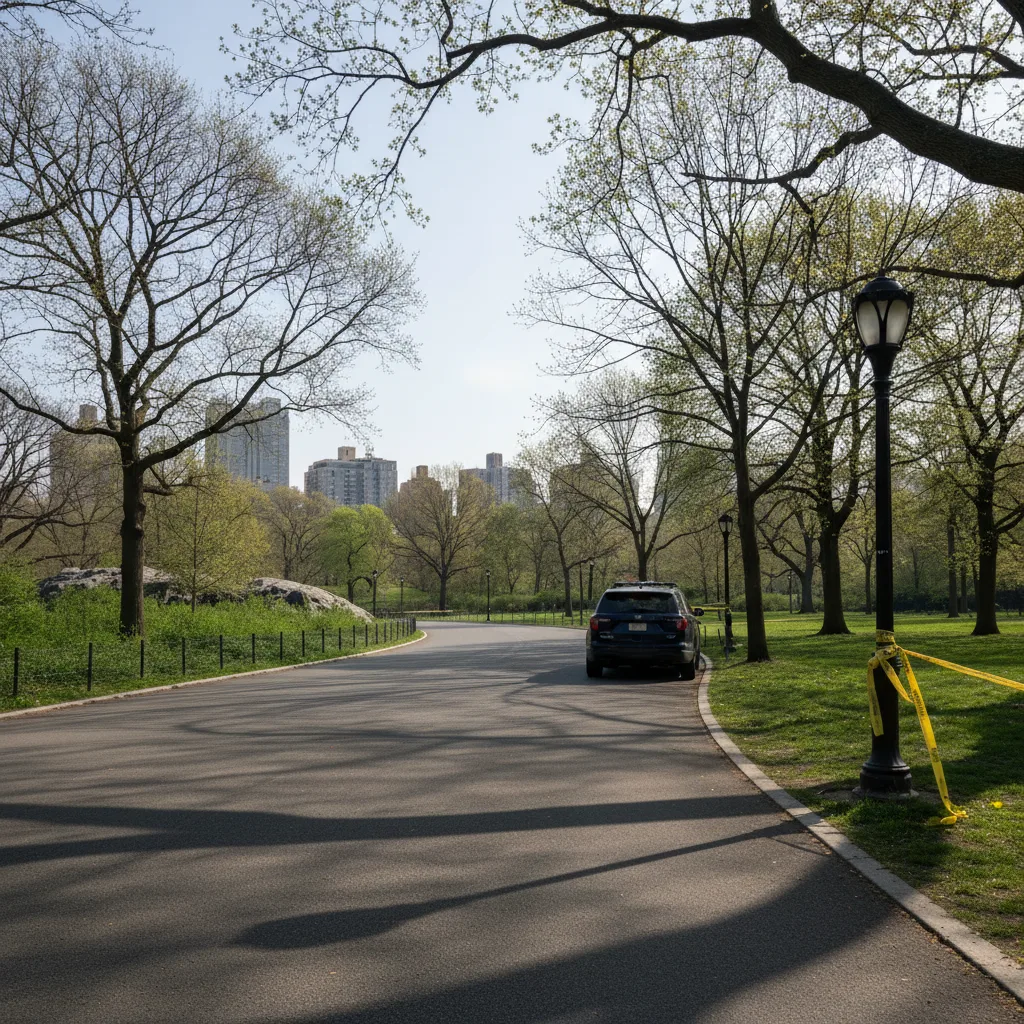
NYPD Confirms 71-Year-Old Cyclist Dies After Dog Collision in Central Park
NYPD confirms a 71-year-old cyclist died after colliding with a dog on Central Park's East Drive, near East 84th Street. The investigation is ongoing.
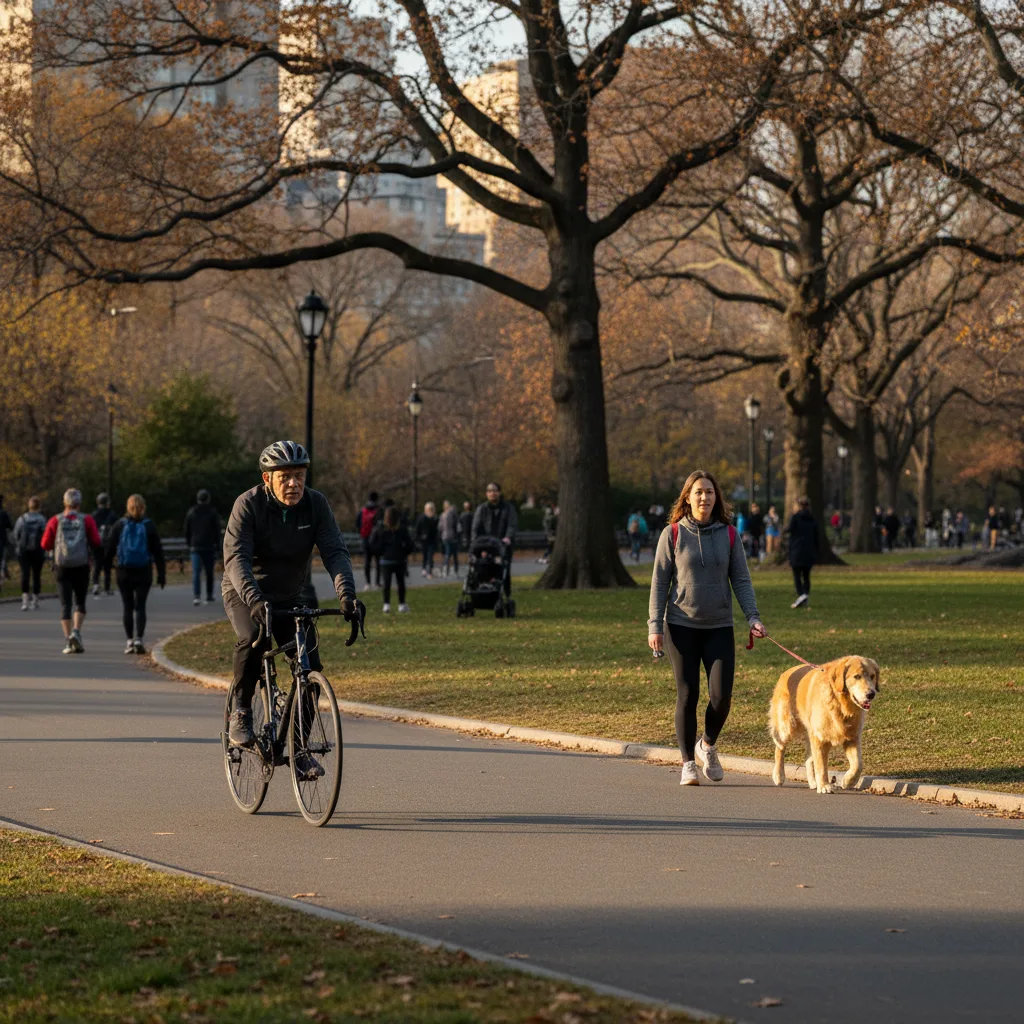
NYPD Investigates Central Park Cyclist Death After Dog Collision
NYPD confirms a 71-year-old cyclist died after colliding with a dog on Central Park's East Drive, near 84th Street. Investigation ongoing.
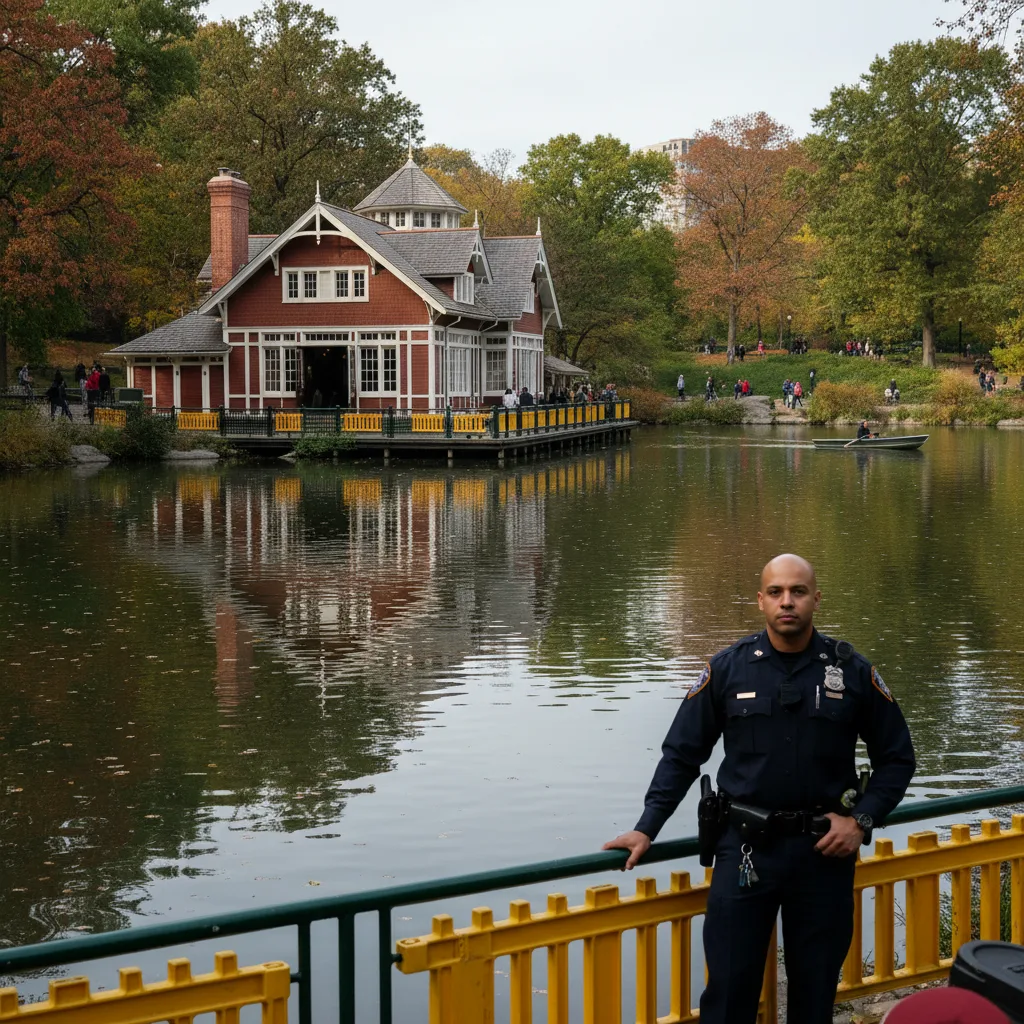
Man Charged in Central Park Beating Death of 63-Year-Old Woman
A 36-year-old man was charged with murder after a 63-year-old woman was found dead with head trauma in Central Park, NYPD confirmed.