


Central Park Conservatory Garden Blooms for 2026 Spring Season
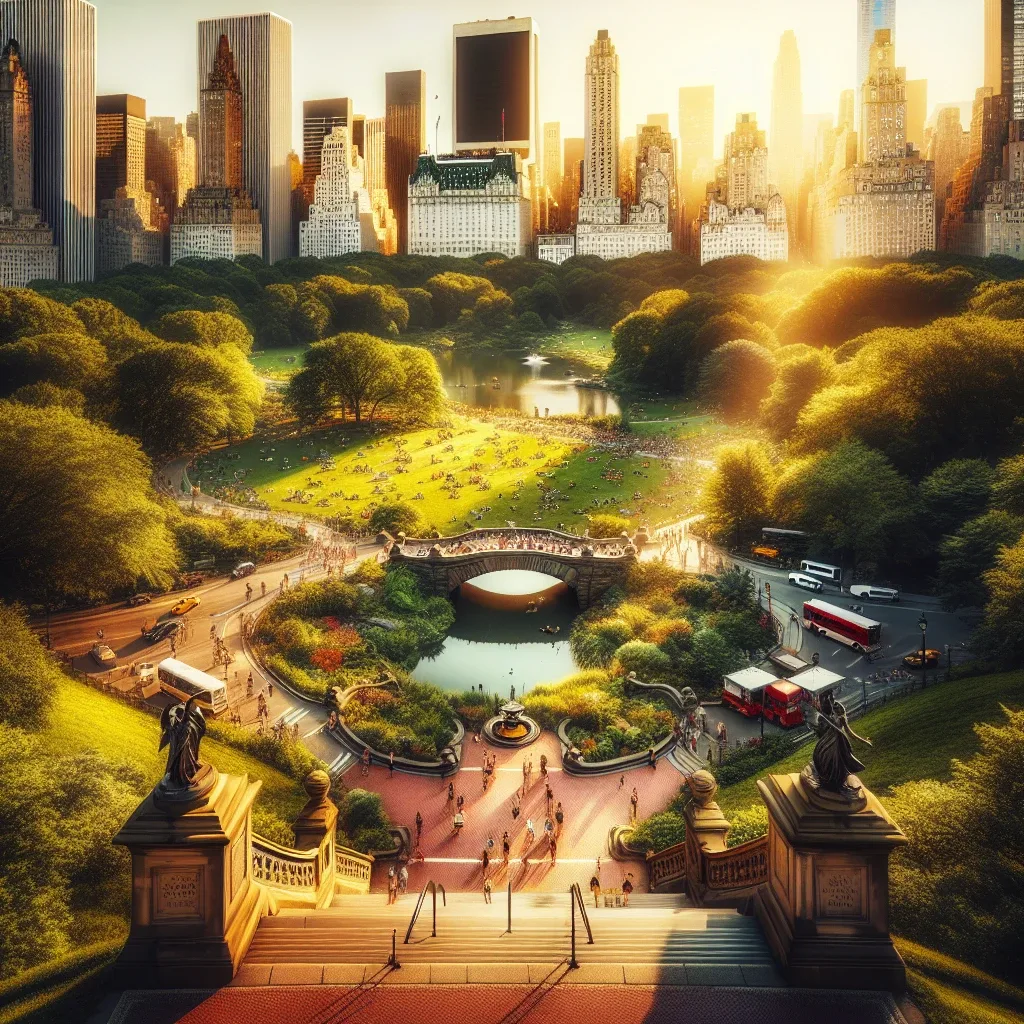
NEW YORK — Central Park's iconic Conservatory Garden has burst into its full vibrant splendor for the 2026 spring season, showcasing thousands of meticulously cultivated flowers. The six-acre formal garden, a haven of tranquility nestled at 105th Street and Fifth Avenue, now offers a breathtaking display for visitors seeking natural beauty within the bustling city.
This annual transformation draws visitors from across the globe, eager to experience the synchronized bloom of tulips, daffodils, and magnolias that herald the warmer months. Park officials expect peak bloom to continue through late April and into early May, depending on weather conditions. The Conservatory Garden is divided into three distinct styles, offering varied botanical experiences.
The Three Gardens: A Floral Symphony
The Conservatory Garden is uniquely structured into three distinct sections: the French-style North Garden, the Italianate Center Garden, and the English-style South Garden. Each offers a unique aesthetic and botanical collection, meticulously maintained by the Central Park Conservancy’s horticulture team.
In the North Garden, visitors will find formal geometric plantings, featuring over 20,000 brightly colored tulips alongside annuals and perennials designed to create a sense of elegant symmetry. This area, known for its intricate parterres, provides a striking contrast to the surrounding naturalistic landscapes of Central Park. The grandeur of the Vanderbilt Gate, salvaged from the Cornelius Vanderbilt II mansion, marks the main entrance to this section.
Italianate Grandeur and English Charm
The Center Garden, with its expansive lawn and large wisteria pergola, is dominated by the majestic Three Dancing Maidens fountain, surrounded by seasonal displays of annuals. This section's open design invites contemplation, and its impressive scale makes it a popular spot for quiet reflection and photography. The Italianate design is particularly well-suited for formal events, although it remains a public space.
The South Garden, often referred to as the 'Secret Garden,' offers a more intimate and meandering experience with its English-style mixed borders. Here, visitors can discover a diverse array of perennials, shrubs, and trees, including a stunning collection of crabapple trees that explode with pink and white blossoms in the spring. This garden features the Untermeyer Fountain, with its bronze figures of three girls dancing, a beloved landmark within the park.
Conservation Efforts and Visitor Experience
The Central Park Conservancy, a private non-profit organization, plays a pivotal role in the maintenance and preservation of the Conservatory Garden. Their dedicated team of horticulturists and volunteers works tirelessly throughout the year to ensure the garden's splendor. This year's bloom is a testament to their continuous central-park-conservancy-initiatives and ecological stewardship.
"The Conservatory Garden truly represents the pinnacle of horticultural artistry in Central Park," stated Elizabeth Kresge, Chief Horticulturist for the Central Park Conservancy. "We invite everyone to come and immerse themselves in the beauty of these carefully curated landscapes. It's a living canvas that changes with the seasons, and spring is arguably its most spectacular showing." Visitors are encouraged to explore all three sections to fully appreciate the diversity of the plantings.
Planning Your 2026 Spring Visit
Access to the Conservatory Garden is free, and it is typically open daily from 8:00 AM until dusk. The main entrance is through the Vanderbilt Gate on Fifth Avenue at 105th Street, a short walk from the Harlem Meer. While the garden is a peaceful retreat, visitors are reminded to stay on designated paths and avoid picking flowers to preserve the experience for everyone. Information on related events and seasonal highlights can be found on the Central Park Conservancy's website or through local news outlets like ABC7 New York's Central Park updates.
Many visitors combine their garden stroll with a visit to nearby attractions, such as the Museum of the City of New York or a walk around the picturesque Harlem Meer. Consider checking the park’s schedule for any upcoming-central-park-concerts or guided tours that might coincide with your visit, enhancing the overall experience in this cherished urban oasis.
Frequently Asked Questions About the Conservatory Garden
What makes Central Park's Conservatory Garden unique? The Conservatory Garden is unique due to its formal design, contrasting with the more naturalistic landscape of the rest of Central Park. It comprises three distinct horticultural styles—French, Italianate, and English—each featuring meticulously arranged plant collections, fountains, and sculptures. Its historical significance and continuous preservation by the Central Park Conservancy also contribute to its unique status.
When is the best time to visit the Conservatory Garden for spring blooms? The best time to visit the Conservatory Garden for spring blooms is typically from late April through early May. This period usually sees tulips, daffodils, magnolias, and crabapple trees in their most vibrant state. However, bloom times can vary slightly each year depending on weather patterns, so checking current conditions before your visit is always recommended.
Are there any special rules or etiquette for visitors? Yes, visitors are asked to stay on designated paths to protect the delicate plantings and refrain from picking flowers or disturbing the garden beds. Picnics, ball playing, and pets are generally not permitted within the Conservatory Garden to maintain its tranquil and pristine environment. Photography is welcome, but professional shoots may require a permit.
Related Articles
More in Wildlife & Nature →
Central Park Boathouse Bird Watching Tour Offers Educational Experience
Central Park Boathouse offers an educational bird watching tour, providing visitors an opportunity to observe avian species. This experience connects locals with nature, enhancing appreciation for park wildlife.
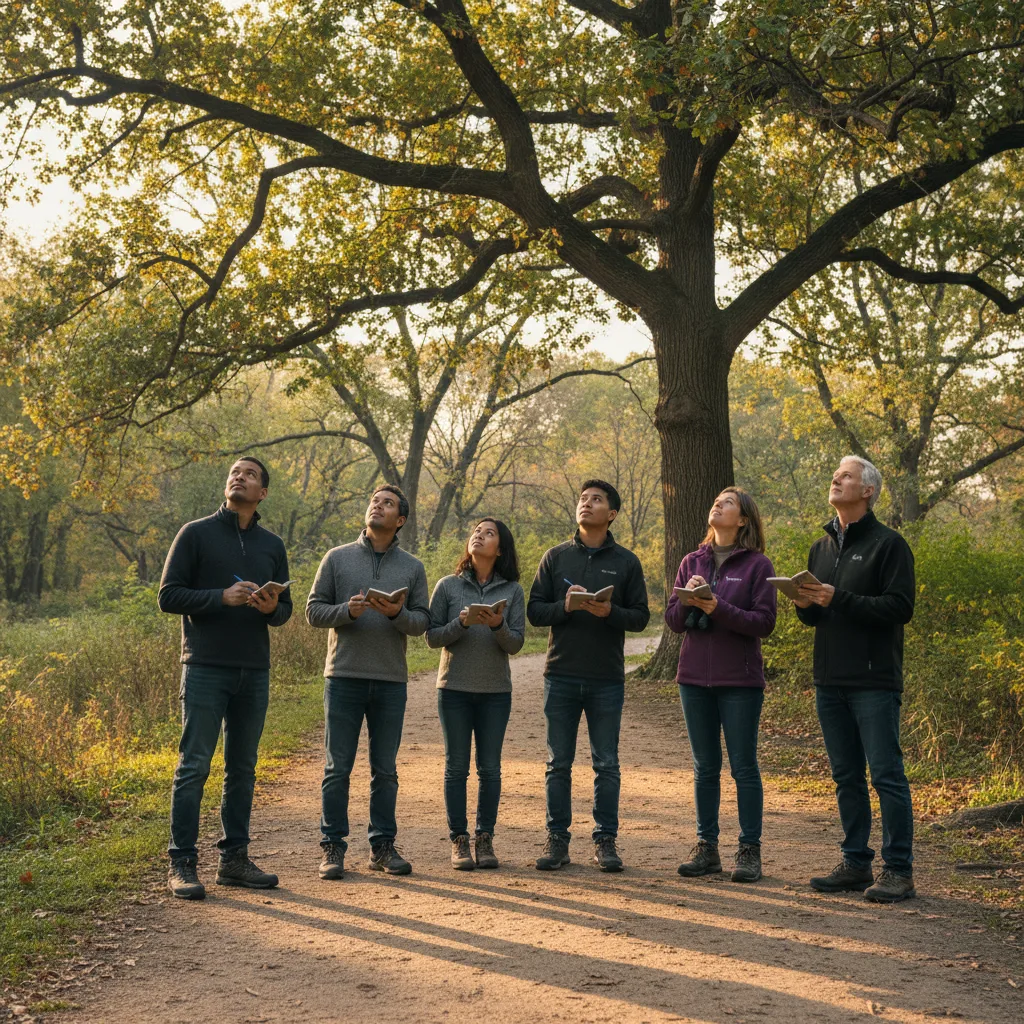
Central Park Event Calendar Features Climate Week Activities September 27
Central Park's event calendar for September 27, 2026, included a Climate Week-aligned "Journal, Meditation, + Bird Walk," promoting environmental awareness.
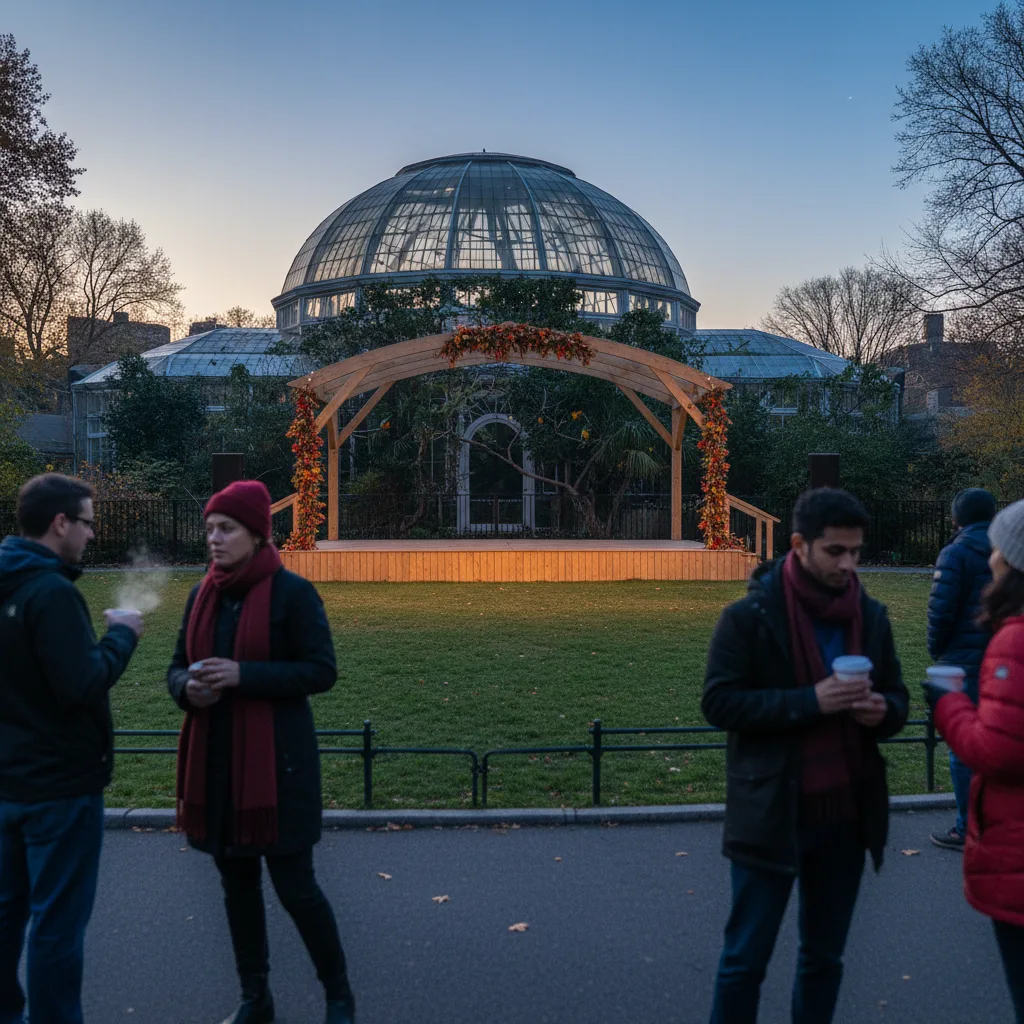
Wildlife Conservation Society Awards Lovejoy Prize at Central Park Zoo
Wildlife Conservation Society awards 2026 Thomas E. Lovejoy Prize today at Central Park Zoo during Climate Week in New York City.
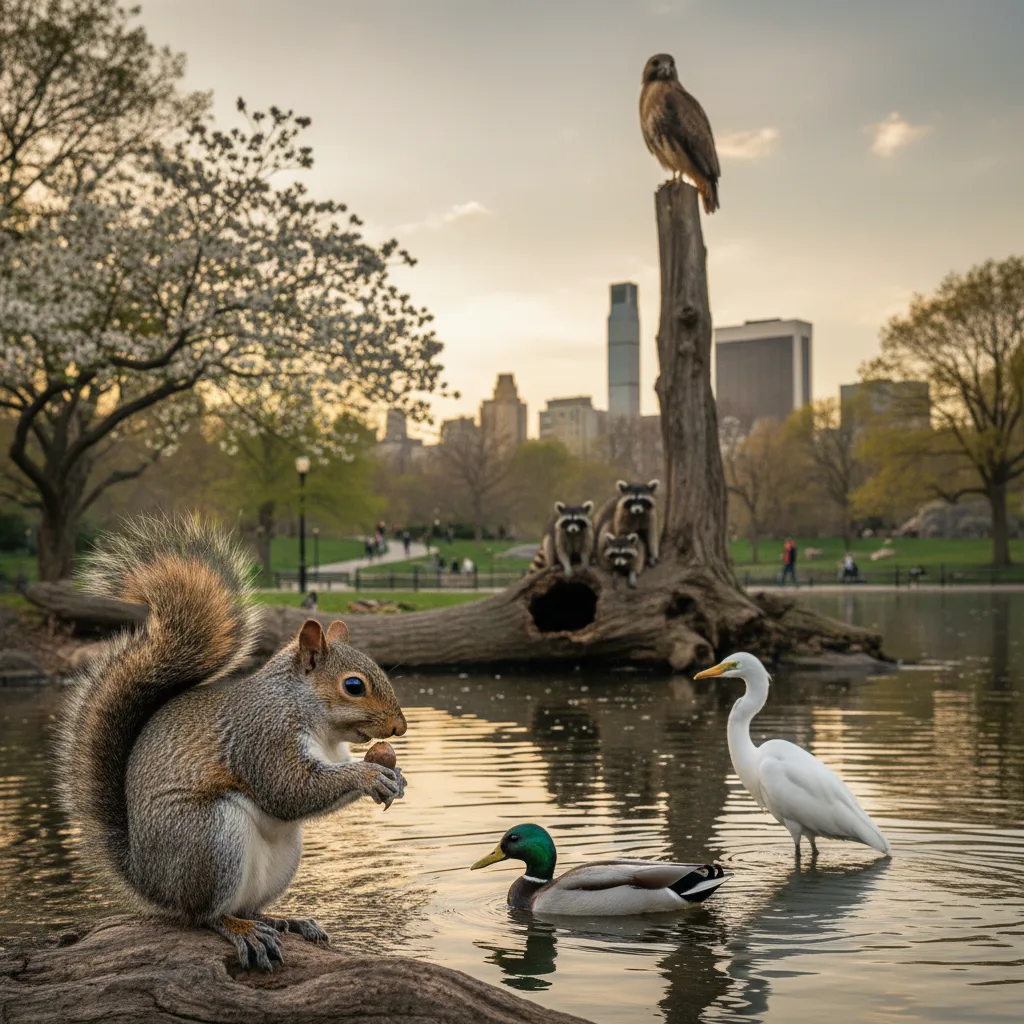
A Guide to Central Park's Wildlife: What to Know About the Park's Animals and Ecosystem
Discover the diverse Central Park wildlife, from birds and mammals to aquatic life. Learn responsible observation tips and conservation efforts for 2026.
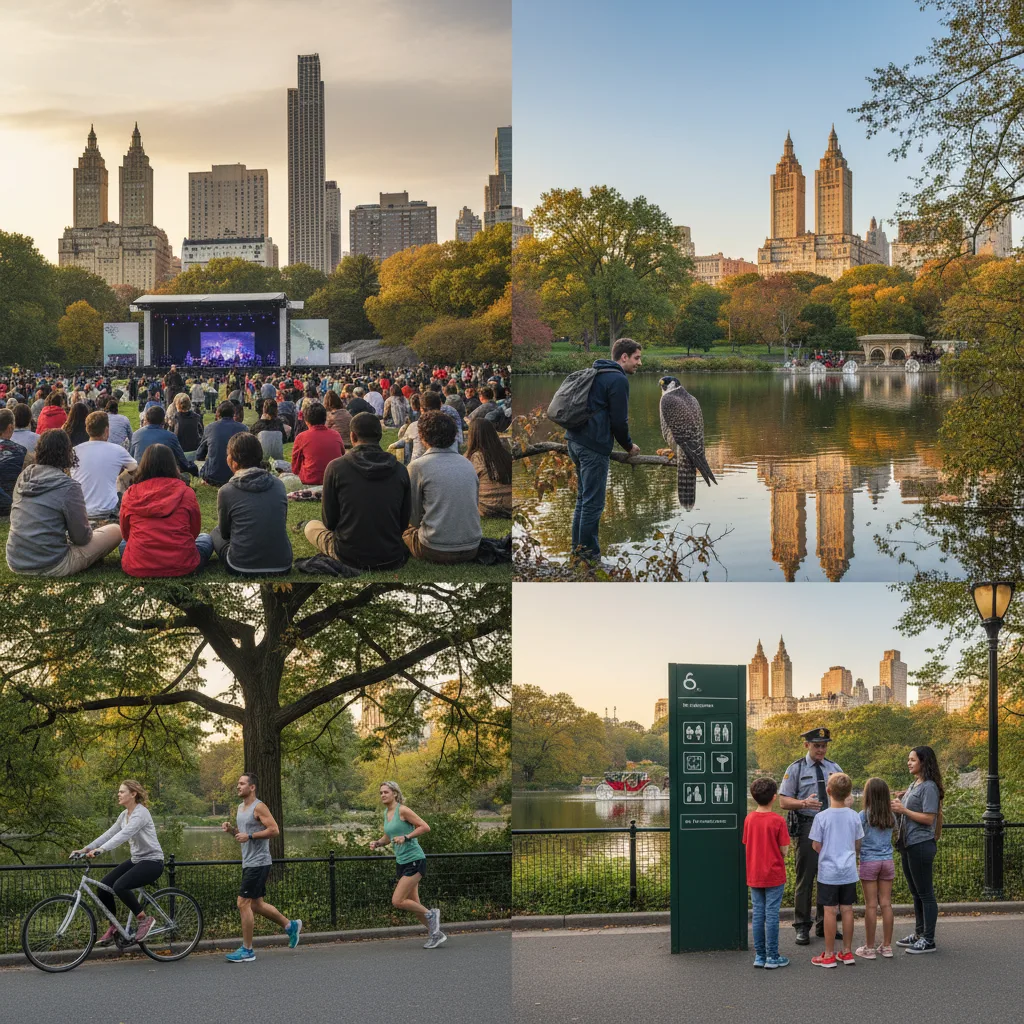
A Guide to Central Park's Top Activities and Best Things to Do in 2026
Discover the best things to do in Central Park, NYC, with our comprehensive 2026 guide to iconic landmarks, activities, and hidden gems for visitors.
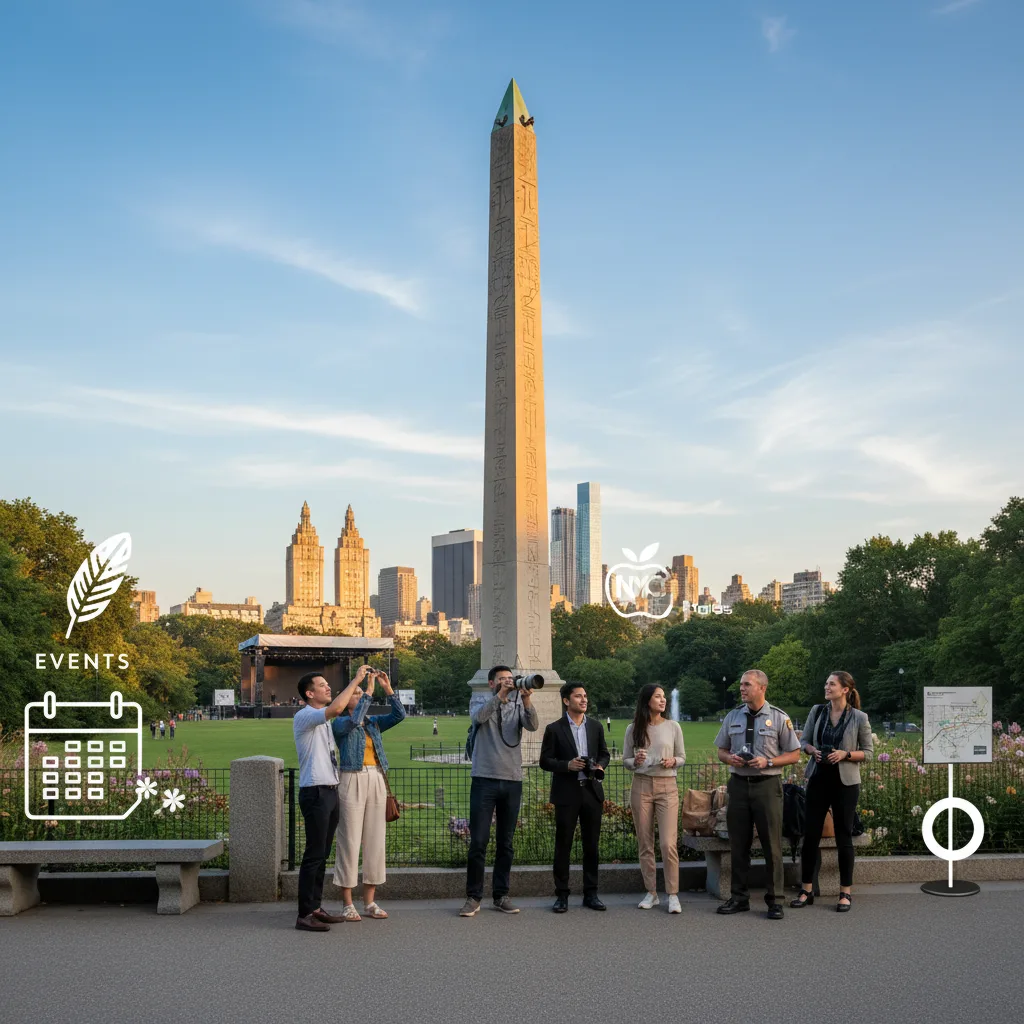
A Guide to What to Know About the Vatican Obelisk in Central Park 2026
Discover what to know about the Vatican Obelisk (Cleopatra's Needle) in Central Park, its history, journey to NYC, and where to find it in 2026.