


Central Park Conservatory Garden Delights with Spring Bloom
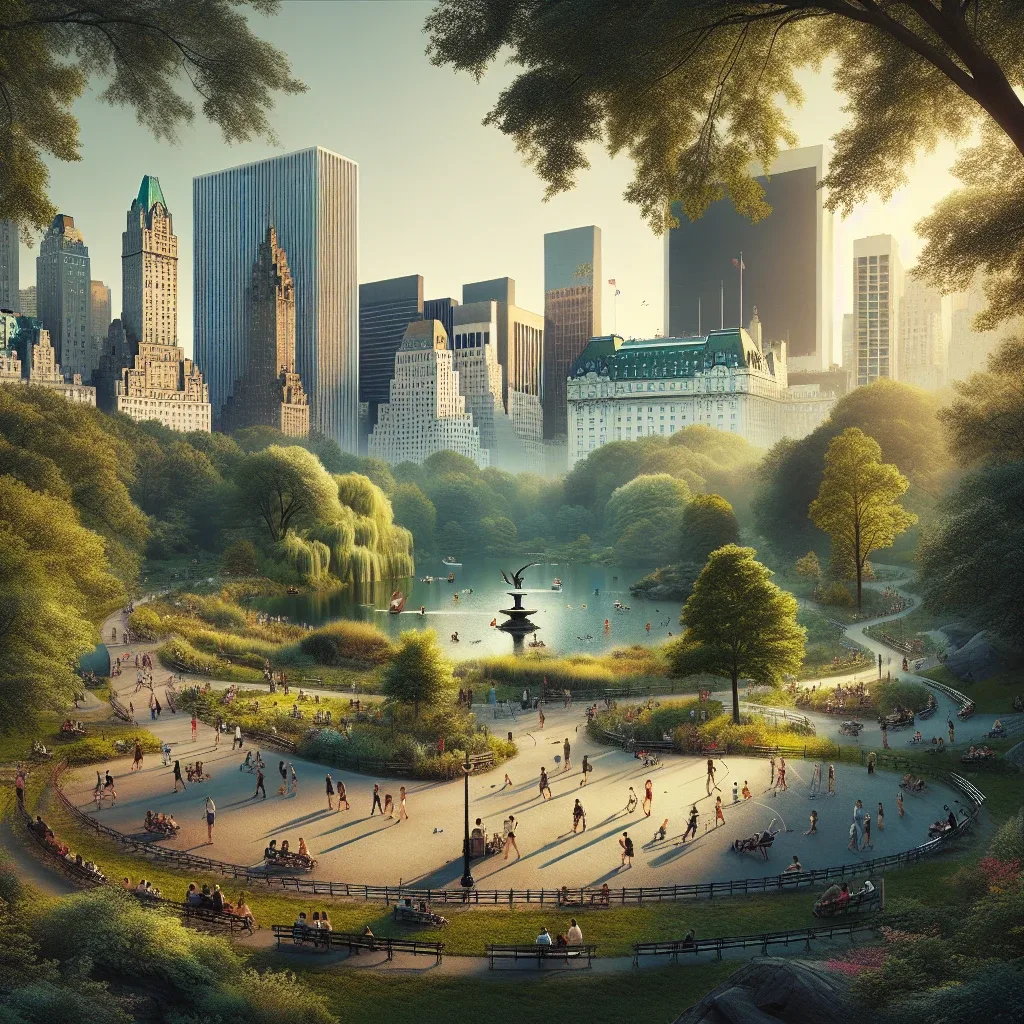
NEW YORK — Central Park's Conservatory Garden is currently in full, vibrant bloom, showcasing thousands of multicolored flowers that are drawing visitors from across the city to its meticulously maintained grounds.
This stunning display marks the unofficial start of spring's botanical grandeur within the park, offering a tranquil escape from the urban bustle. The garden, a rare formal garden within Central Park, is a celebrated spectacle each year.
A Symphony of Spring Colors and Fragrances
Located at 105th Street and Fifth Avenue, the 6-acre Conservatory Garden is divided into three distinct styles: Italian, French, and English. Each section now explodes with a breathtaking array of tulips, daffodils, hyacinths, and early-blooming trees, creating a mosaic of color and fragrance.
"It's absolutely magnificent this year," remarked Eleanor Vance, a botanist and long-time volunteer with the Central Park Conservancy, while admiring the bright yellow daffodils in the North Garden. "The mild winter and recent sunshine have really brought out the best in the early spring varieties. We're seeing some of the most vibrant hues in recent memory."
The Italian Garden, anchored by its grand wisteria pergola and central fountain, features precise geometric plantings now bursting with color. The French Garden, with its graceful crabapple allee and intricate parterre beds, showcases an elegant tapestry of floral arrangements.
A Sanctuary for Reflection and Photography
Throughout the day, the garden was filled with a diverse crowd of visitors, including tourists capturing the perfect shot, local residents enjoying a quiet moment on a bench, and artists sketching the natural beauty. The serene atmosphere provides a stark contrast to the busy avenues outside the park.
"We come here every spring, and it never disappoints," said Michael and Susan Hayes, a couple from Brooklyn, as they walked hand-in-hand through the English Woodland Garden, which is currently awash with flowering shrubs and perennials. "The peace and beauty here are unparalleled. It’s like stepping into another world right in the middle of Manhattan."
Students from the New York Botanical Garden were also observed, diligently taking notes and sketching plant species. The garden serves as an important educational resource, allowing individuals to study horticulture in a real-world setting, complementing other park developments like the Swedish Cottage Marionette Theater renovation.
The Art of Horticultural Maintenance
Maintaining the Conservatory Garden's pristine condition requires continuous effort from a dedicated team of horticulturists and volunteers. The Central Park Conservancy invests considerable resources into planting, pruning, and pest control, ensuring that the garden remains a showcase for botanical excellence.
More than 20,000 bulbs are planted annually, with careful consideration given to color palettes, bloom times, and species compatibility. This meticulous planning ensures a continuous display of floral beauty from early spring through late autumn. The team also incorporates native species to support local biodiversity.
"It’s a year-round commitment to keep the garden looking this spectacular," explained Peter Chen, lead horticulturist for the Conservatory Garden. "We plan months in advance, selecting varieties that will thrive in New York's climate and provide maximum visual impact. Our goal is to create an immersive experience that delights all the senses for every visitor."
Planning Your Visit to the Garden
The Conservatory Garden is accessible via several park entrances, with the main gates located at 105th Street and Fifth Avenue, and also at 104th Street and Central Park West. The garden is open daily from 8:00 AM until dusk, offering ample time for visitors to explore its various sections.
Admission to the Conservatory Garden is free, making it an accessible cultural and natural attraction for everyone. Guided tours, often led by experienced volunteers, are available on select days, providing deeper insights into the garden's history and diverse plant collections. Visitors are encouraged to check the Central Park Conservancy's website for tour schedules.
To ensure the preservation of its delicate plantings, visitors are kindly reminded to stay on designated paths and refrain from picking flowers. Photography is permitted, but professional shoots often require prior authorization. While enjoying the tranquility, one might also consider the broader park environment, including recent discussions around Central Park weather for the hottest day of 2026, which could impact comfort during a long visit.
Frequently Asked Questions About Conservatory Garden
Many visitors often inquire about the best time of year to see the Conservatory Garden in full bloom. While the garden offers beauty in every season, the most spectacular floral displays occur in spring (late March to May for tulips, daffodils, and magnolias) and early summer (June for roses and perennials). Autumn also provides stunning foliage colors from the trees.
Regarding accessibility, the Conservatory Garden is largely accessible, with paved pathways throughout much of its three sections. There are some gravel paths in the English Woodland Garden. Wheelchairs and strollers can navigate most areas, and the main entrance at 105th Street and Fifth Avenue offers direct access. Specific accessibility details can be found on the Central Park Conservancy's official website.
For those interested in volunteering, the Central Park Conservancy offers various opportunities to get involved in the maintenance and beautification of the park, including the Conservatory Garden. This often involves planting, weeding, and general upkeep. Information on how to apply and upcoming volunteer days is available through their website, contributing to the continued splendor of this horticultural gem.
Related Articles
More in Wildlife & Nature →
Central Park Boathouse Bird Watching Tour Offers Educational Experience
Central Park Boathouse offers an educational bird watching tour, providing visitors an opportunity to observe avian species. This experience connects locals with nature, enhancing appreciation for park wildlife.
Central Park Event Calendar Features Climate Week Activities September 27
Central Park's event calendar for September 27, 2026, included a Climate Week-aligned "Journal, Meditation, + Bird Walk," promoting environmental awareness.
Wildlife Conservation Society Awards Lovejoy Prize at Central Park Zoo
Wildlife Conservation Society awards 2026 Thomas E. Lovejoy Prize today at Central Park Zoo during Climate Week in New York City.
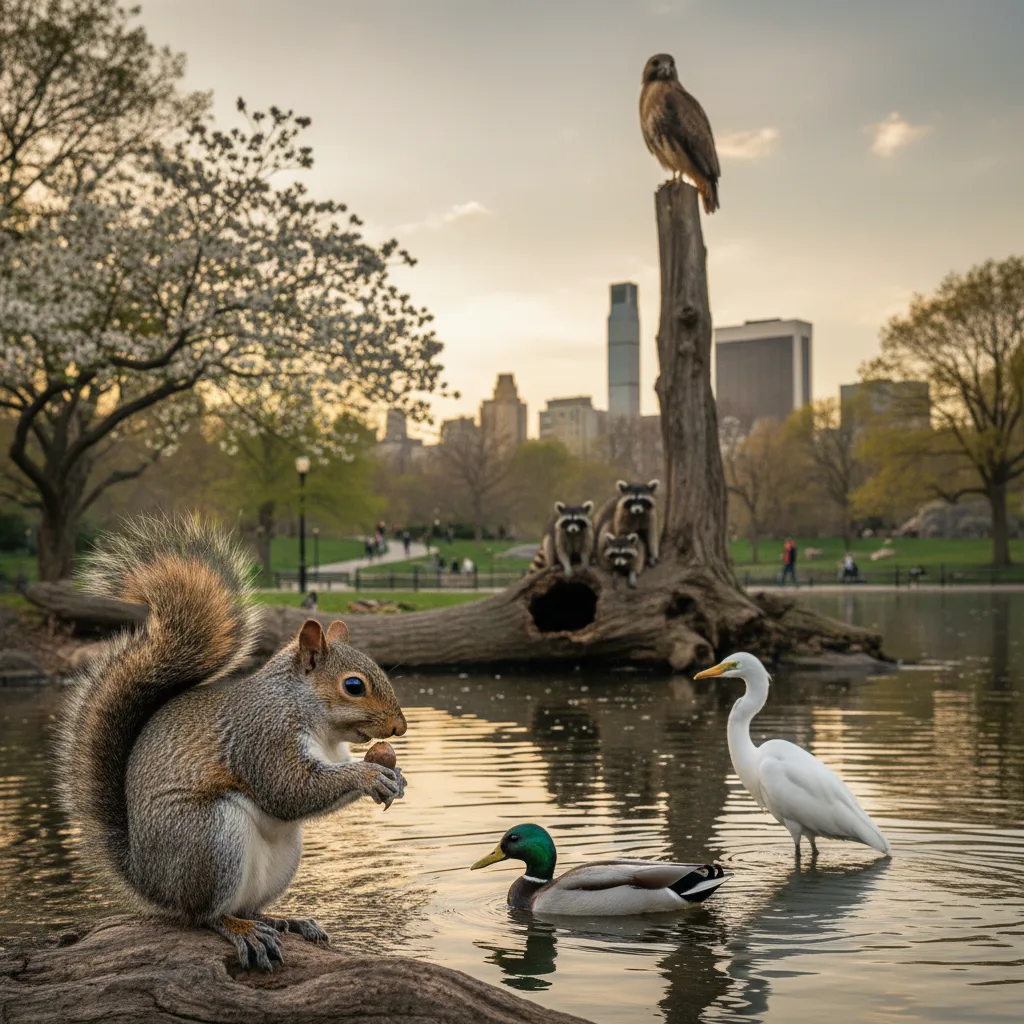
A Guide to Central Park's Wildlife: What to Know About the Park's Animals and Ecosystem
Discover the diverse Central Park wildlife, from birds and mammals to aquatic life. Learn responsible observation tips and conservation efforts for 2026.
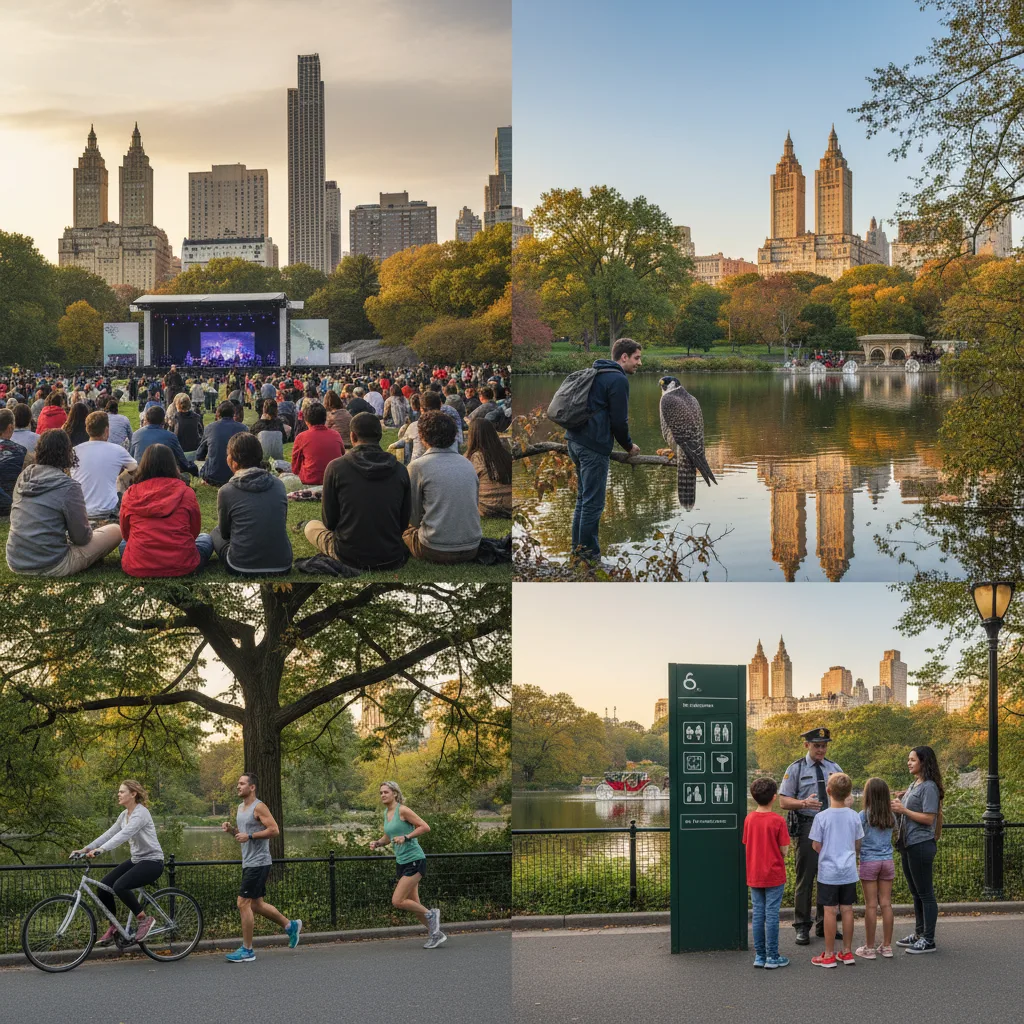
A Guide to Central Park's Top Activities and Best Things to Do in 2026
Discover the best things to do in Central Park, NYC, with our comprehensive 2026 guide to iconic landmarks, activities, and hidden gems for visitors.
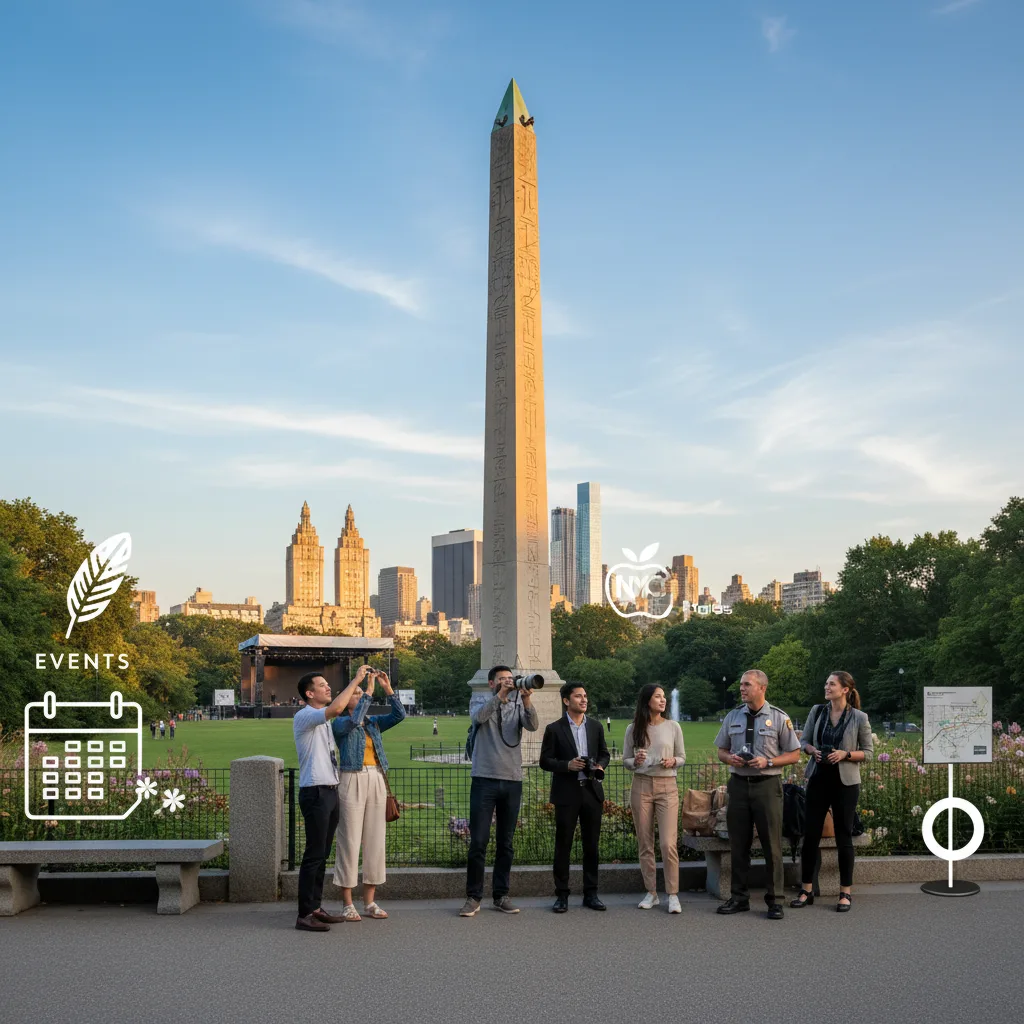
A Guide to What to Know About the Vatican Obelisk in Central Park 2026
Discover what to know about the Vatican Obelisk (Cleopatra's Needle) in Central Park, its history, journey to NYC, and where to find it in 2026.