


Central Park Conservatory Garden Offers Spring Nature Exploration Series

NEW YORK — Central Park's serene Conservatory Garden will host a series of nature exploration events throughout the spring of 2026. These guided programs, designed for all ages, focus on the garden's diverse flora and fauna, aiming to connect city residents with the park's ecological richness. The first event is scheduled for March 15th, beginning at 1:00 p.m.
Participants will gather at the main entrance of the Conservatory Garden, located at 105th Street and Fifth Avenue, which serves as a gateway to this meticulously maintained six-acre formal garden. Expert naturalists from the NYC Parks Department will lead the expeditions, offering insights into the garden's unique history and horticultural significance. The programs are part of a broader initiative to highlight Central Park as a living classroom, accessible to millions.
Discovering the Garden's Spring Awakening
The Nature Exploration: Conservatory Garden series will run weekly on Saturdays and Sundays through May, with specific themes changing each month. March's focus includes early spring blooms and migratory bird patterns, which are particularly active along the East Meadow and around the garden's perimeter. These detailed explorations provide a rare opportunity to observe nature's intricate processes within an urban setting.
April's sessions will delve into the garden's extensive collection of flowering trees and shrubs, including magnolias, dogwoods, and azaleas. Participants will learn about plant identification and the ecological roles various species play within the Conservatory Garden's unique microclimate. The goal is to foster a deeper appreciation for botanical diversity.
Educational Outreach and Community Engagement
NYC Parks Commissioner Sue Van Der Zee emphasized the importance of these public programs during a recent press conference. She stated, "Our Conservatory Garden is a jewel of horticultural design, and these explorations allow residents to engage directly with its beauty and biodiversity. We believe education is key to fostering long-term stewardship of our public green spaces."
According to the official NYC Parks website, these events are free and open to the public, though pre-registration is recommended due to limited group sizes. Registration can be completed online via the full Central Park event schedule provided by the Parks Department. These programs align with the department's commitment to offering accessible recreational and educational opportunities.
The Conservatory Garden's Rich History
Established in 1937, the Conservatory Garden replaced a large glass conservatory that had fallen into disrepair. Today, it stands as Central Park's only formal garden, divided into three distinct sections: the French-style North Garden, the Italianate Center Garden, and the English-style South Garden. Each section offers a unique horticultural experience, designed to evoke different landscape traditions.
The iconic Untermeyer Fountain, featuring a sculpture by Walter Schott known as Three Dancing Maidens, graces the center of the Italianate Garden, overlooking a 12-acre lawn. This historical context enriches the nature explorations, offering visitors a blend of cultural and ecological understanding. The garden's design and maintenance are a testament to ongoing preservation efforts.
Impact on Local Residents and Tourism
The nature exploration series not only benefits local residents by providing engaging educational opportunities but also attracts tourists interested in Central Park's lesser-known gems. Increased visitation to areas like the Conservatory Garden helps distribute park usage, reducing pressure on more heavily trafficked areas like Sheep Meadow or Bethesda Terrace. This helps maintain the park's delicate ecological balance.
Local businesses surrounding the Conservatory Garden, particularly those along Madison Avenue and near Museum Mile, often see a modest increase in foot traffic on event days. This spillover effect supports the local economy, proving that environmental education can also contribute to community vitality. The series offers a chance to explore a peaceful, well-maintained part of the park.
Preserving Central Park's Natural Beauty
The Central Park Conservancy, a private non-profit organization, works in partnership with the NYC Department of Parks & Recreation to maintain the Conservatory Garden and the park as a whole. Their dedicated horticultural teams ensure the garden remains a pristine example of urban landscape architecture. Their efforts are crucial for sustaining such intricate designs.
Programs like the nature exploration series play a vital role in raising public awareness about the ongoing need for conservation and responsible enjoyment of public parks. Attendees learn not just about plants and animals, but also about the significant resources required to keep Central Park beautiful and accessible. Support for organizations like the Conservancy is critical for these efforts.
Frequently Asked Questions About Central Park Nature Exploration
What are the specific dates and times for the nature exploration events? The initial event is scheduled for March 15th, 2026, from 1:00 p.m. to 2:00 p.m., with subsequent events typically occurring on Saturday and Sunday afternoons throughout spring. A detailed schedule, including specific themes for each session, is available on the official NYC Parks website, and it is updated regularly to reflect any changes or additions to the program. Attendees should check the site before planning their visit.
Is pre-registration required for these guided tours in Conservatory Garden? While the events are free and open to the public, pre-registration is strongly recommended due to limited capacity per session to ensure a quality experience for all participants. Registering in advance guarantees a spot and helps event organizers manage group sizes effectively, especially for popular dates. Walk-ins are accommodated only if space permits on the day of the event.
What should participants bring to a nature exploration event? Participants are encouraged to wear comfortable walking shoes, dress appropriately for the weather, and bring a water bottle. Binoculars can enhance birdwatching opportunities, and a small notebook for observations might be useful for those interested in documenting their findings. Sunscreen and insect repellent are also advisable for longer sessions.
Are these events suitable for children? Yes, the nature exploration series is designed to be family-friendly and engaging for all ages, including children. The naturalists adapt their presentations to cater to different age groups, making the learning experience both fun and informative. It's a wonderful opportunity for families to explore nature together in a beautiful setting.
Related Articles
More in Park Events →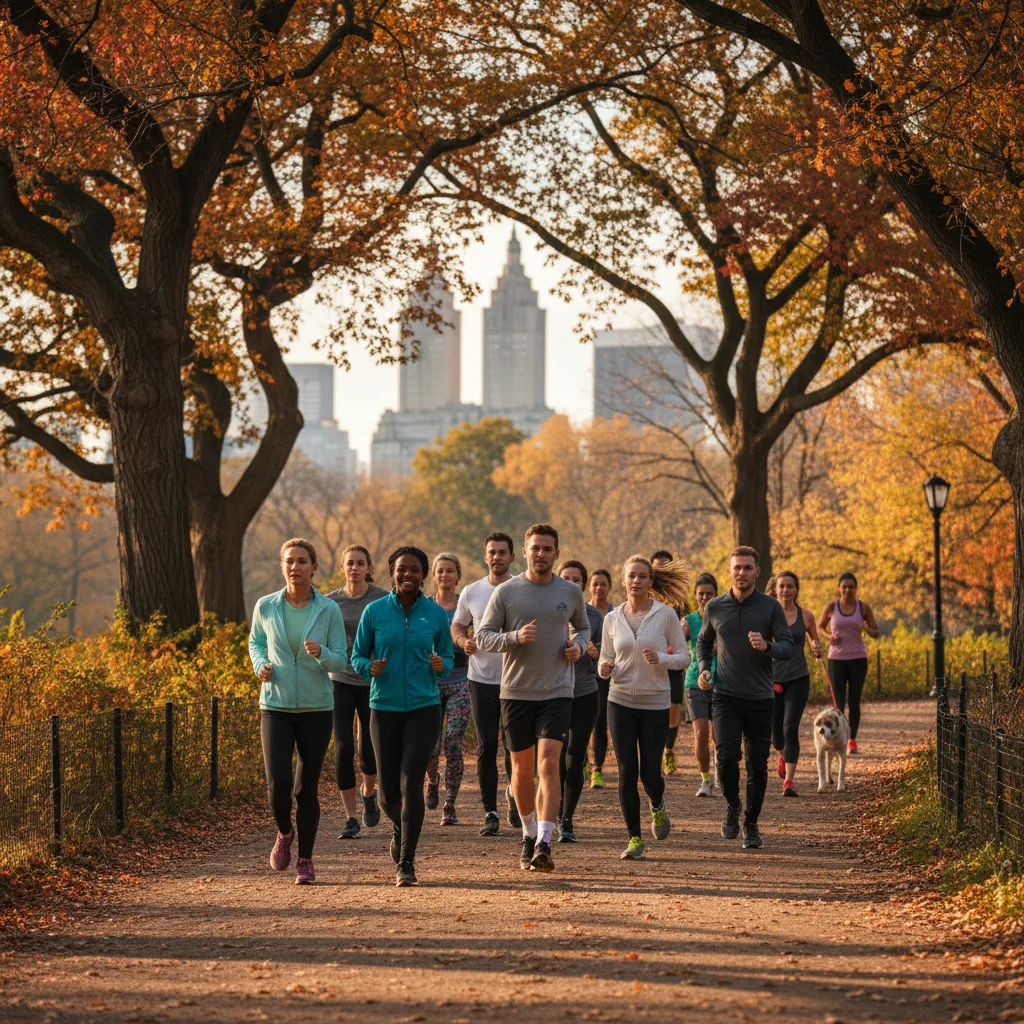
Central Park Lists José Julián Martí Run, Judith Wolfe Program October 7, 2026
Central Park highlights two key events for October 7, 2026: a José Julián Martí fitness run and a Judith Wolfe Kids & Family program, enriching park activities.
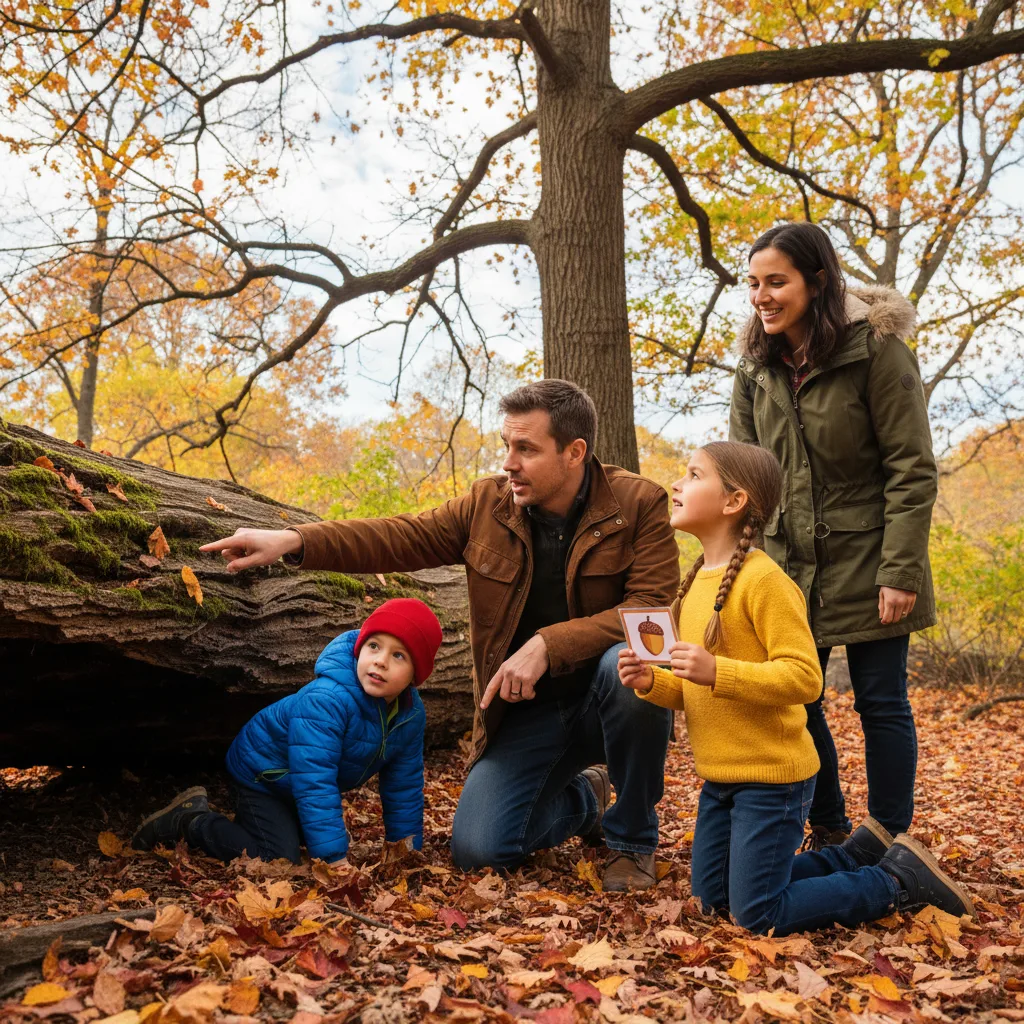
Central Park Celebrates October 2026 with Fall Foliage and Family Fun
Central Park offers a robust October 2026 calendar, featuring the new "Wonder in the Woods" family scavenger hunt on Oct 3 and the Film Festival Oct 6-9. Discover fall foliage and diverse events.
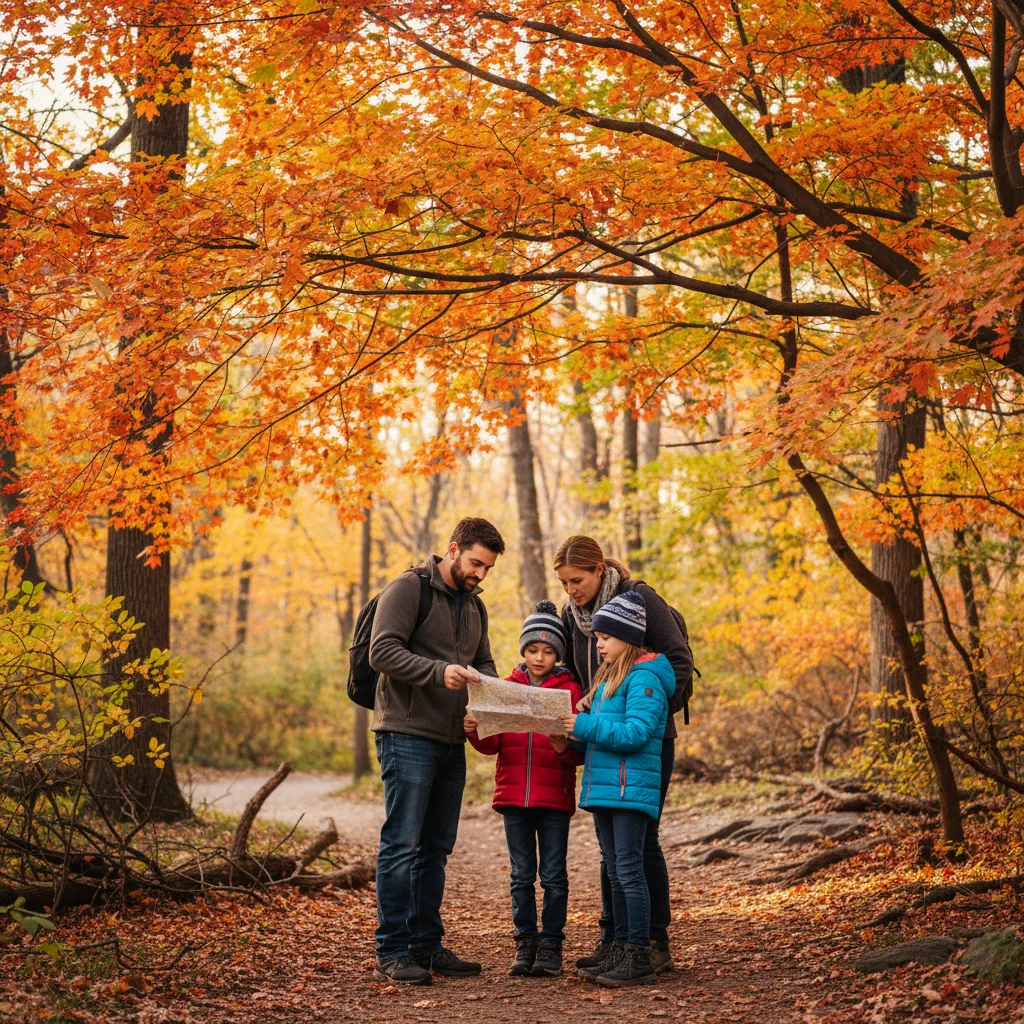
Central Park Conservancy Announces Wonder in the Woods Family Event
Central Park Conservancy announced "Wonder in the Woods," a free family scavenger hunt in the North Woods on October 3, 2026. This event connects locals with nature, offering a unique fall park experience for all ages.
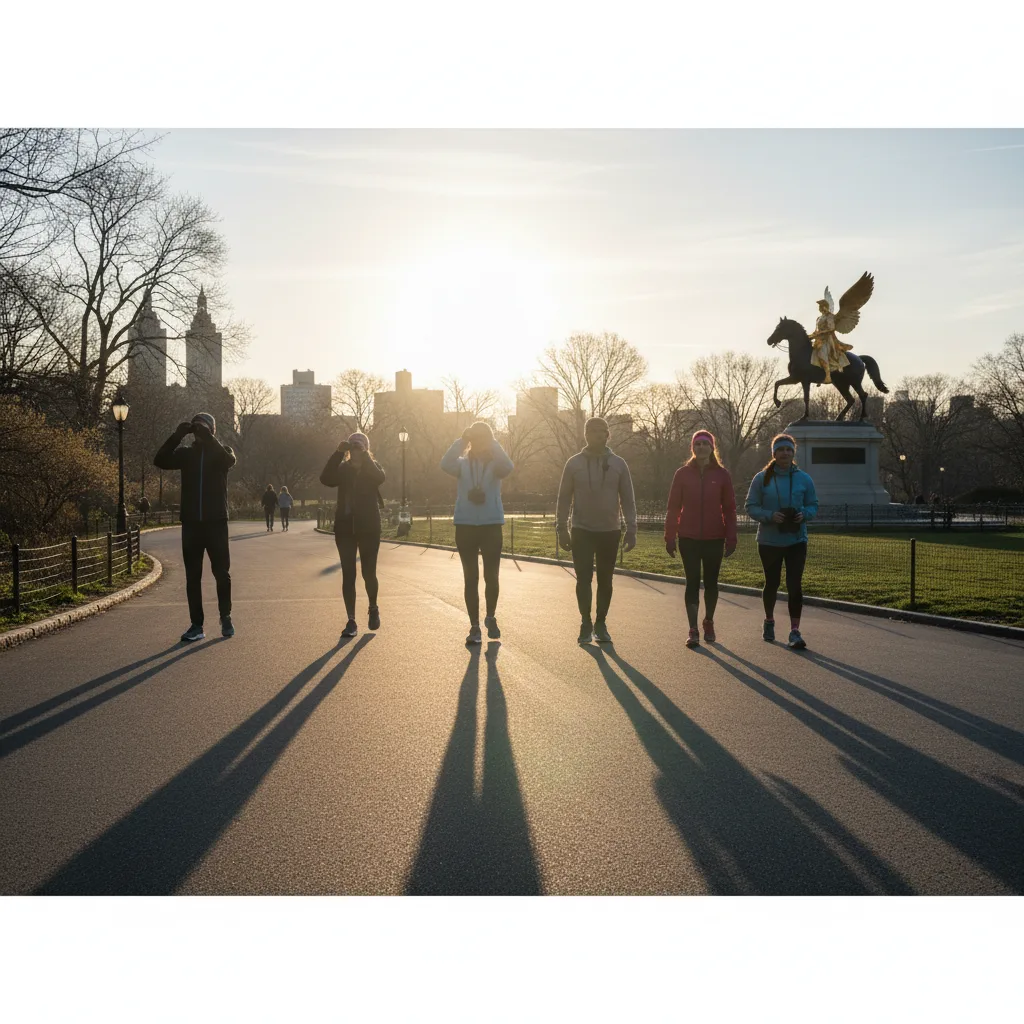
Central Park Boathouse Offers Sunrise Wellness Walk October 3, 2026
CentralPark.com highlights a Sunrise Wellness Walk and bird watching tour at the Boathouse on October 3, 2026. This offers locals a unique way to start their day, connecting with nature and fitness in the park.
Patch Calendar Confirms Central Park Events for October 2, 2026
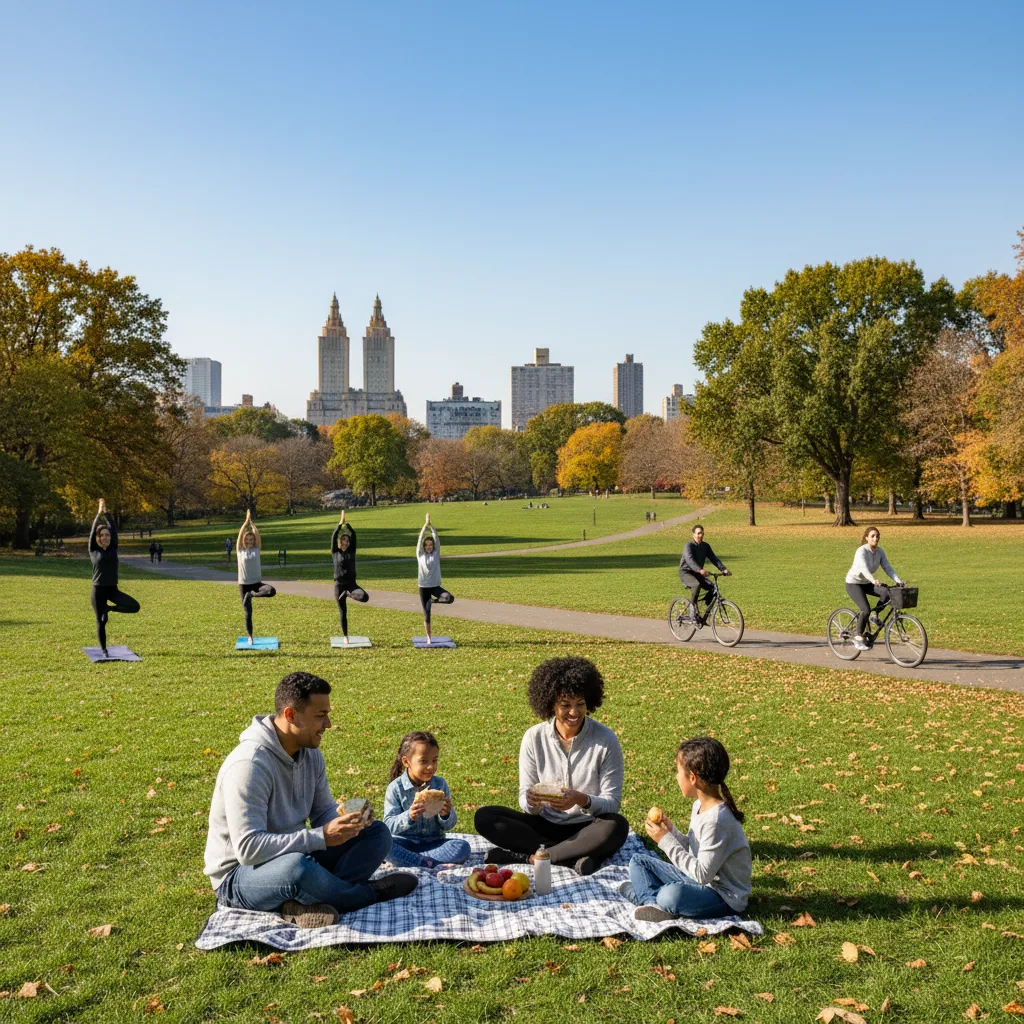
Patch's Central Park calendar confirms a diverse schedule of Central Park events for October 2, 2026. This resource helps locals plan their day in the park.
Central Park Visitors Experience Diverse Activities October 2, 2026
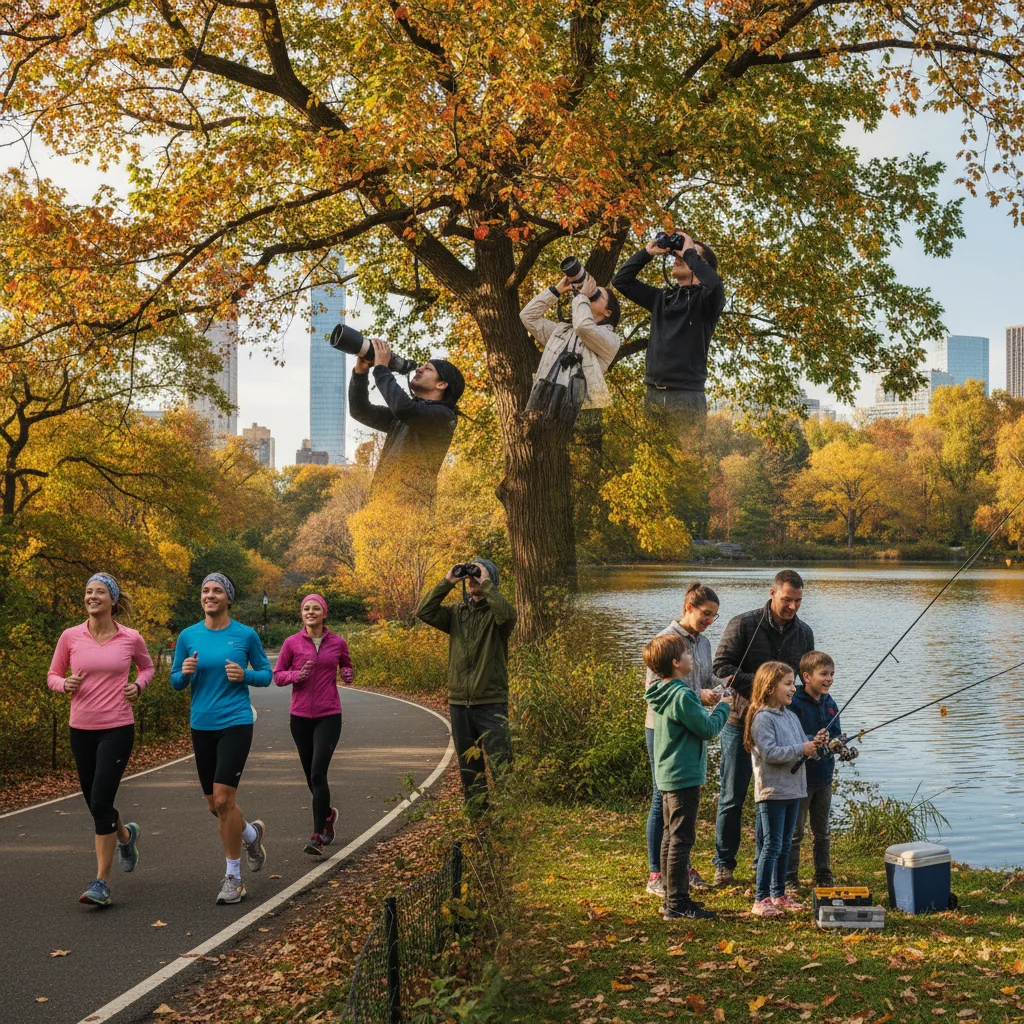
Central Park visitors can choose from diverse activities on October 2, 2026, including bird watching, running tours, and zoo events. A festival is also happening.