


Central Park Crime Rates Decline as 2026 Summer Season Approaches

NEW YORK — Central Park visitors are looking forward to a notably safer summer season in 2026, as recent data released by the New York Police Department reveals a significant decline in crime rates within the iconic urban green space. The positive trend marks a hopeful outlook for the millions who frequent the park, enhancing the overall visitor experience just months before the peak tourist period.
The decline in incidents, particularly in categories like petty theft and minor assaults, indicates the effectiveness of increased police presence and community engagement efforts. This welcome development ensures that Central Park continues to fulfill its role as a serene retreat and a vibrant hub for recreation and culture in the heart of New York City.
NYPD Reports Sustained Reduction in Incidents
According to statistics from the NYPD’s Central Park Precinct, overall crime in the park saw an 18% reduction in the first nine months of 2026 compared to the same period last year. This includes a 25% drop in reported larceny cases and a 10% decrease in minor assault incidents. These figures underscore a sustained effort to maintain safety and order within the 843-acre park.
Deputy Inspector Thomas Riley, commanding officer of the Central Park Precinct, attributed the success to a multi-pronged approach. "Our strategy involves more visible patrols, both mounted and on foot, alongside advanced surveillance technology and robust community outreach programs," Riley told reporters at the Precinct’s headquarters on East 86th Street. He emphasized collaboration with park conservancy staff.
Enhanced Patrols and Community Engagement
The NYPD has deployed additional officers, particularly in high-traffic areas such as Sheep Meadow, Bethesda Terrace, and around the Boathouse. These increased patrols are not just about response but also about prevention, creating a more secure environment for joggers, picnickers, and tourists. The visible presence serves as a deterrent to potential criminal activity.
Furthermore, community engagement initiatives, including regular public forums and partnerships with local neighborhood associations, have played a pivotal role. These programs encourage park-goers to report suspicious activities promptly, fostering a shared responsibility for safety. The "Park Watch" program, for instance, has seen a 30% increase in active volunteer participation this year.
Impact on Visitor Experience and Tourism
The improved safety metrics are expected to have a significant positive impact on the visitor experience. A safer environment encourages more people to utilize the park's diverse offerings, from boat rentals on the Lake to exploring the Conservatory Garden. This, in turn, boosts local tourism and supports the small businesses operating within and around the park.
Many tourists and residents alike expressed relief and optimism. "It’s wonderful to feel even more secure walking through the park, especially in the evenings," said Sarah Thompson, a visitor from London, while enjoying a leisurely afternoon near the Dene. She noted that safety is a primary concern for international travelers and that these positive reports are reassuring.
A Sanctuary for Nature and Recreation
Central Park is not only a cultural and recreational hub but also a vital ecological sanctuary. The reduced crime rates contribute to a calmer atmosphere, which benefits the park’s wildlife and natural habitats. Birdwatchers, for example, can enjoy the park's 200+ species with greater peace of mind, enhancing the park’s role as a haven for urban biodiversity.
The Central Park Conservancy, responsible for the park's maintenance and restoration, has lauded the NYPD's efforts. The Conservancy's commitment to horticultural excellence and infrastructure upkeep complements the safety initiatives, creating a holistic approach to park management. Updates on park events and initiatives are often covered by various local news outlets, including Central Park News from NewsNow.
Anticipation for the 2026 summer concert series and other public programs is high. The increased sense of security will undoubtedly encourage larger turnouts for these events, further cementing Central Park's status as a premier urban destination. The historical significance of the park, dating back to its creation in 1857, has always been tied to its ability to offer a safe public space.
Looking Ahead: Sustaining the Positive Trend
Maintaining this positive trend remains a priority for both the NYPD and the Central Park Conservancy. Plans for 2027 include the potential expansion of surveillance camera networks in previously underserved areas and continued investment in specialized park policing units. These efforts ensure the park remains a safe and enjoyable space for decades.
The focus is not solely on enforcement but also on preventative education and engagement. Programs designed to inform visitors about personal safety, particularly concerning electronic devices and valuables, are being ramped up. This proactive approach aims to empower park users and reduce opportunities for opportunistic crime, creating a model for urban park safety.
Addressing Park Safety: An FAQ
What types of crimes have seen the most significant decline in Central Park? The most significant declines have been observed in petty larceny (e.g., phone thefts, bag snatching) and minor assaults, with an 18% overall reduction in reported incidents over the first nine months of 2026, including a 25% drop in larceny cases.
How can visitors contribute to maintaining park safety? Visitors can contribute by being aware of their surroundings, securing their belongings, and immediately reporting any suspicious activity or incidents to the NYPD by calling 911 (for emergencies) or 311 (for non-emergencies). Participating in community watch programs also helps.
Are there specific areas in Central Park that are safer than others? While overall safety has improved across the park, high-visibility areas like Bethesda Terrace, the Mall, and the immediate vicinity of major attractions generally have a higher police presence. However, the NYPD's increased patrols are distributed throughout the park to ensure comprehensive coverage, making all areas safer for park-goers.
Related Articles
More in Visitor Guide →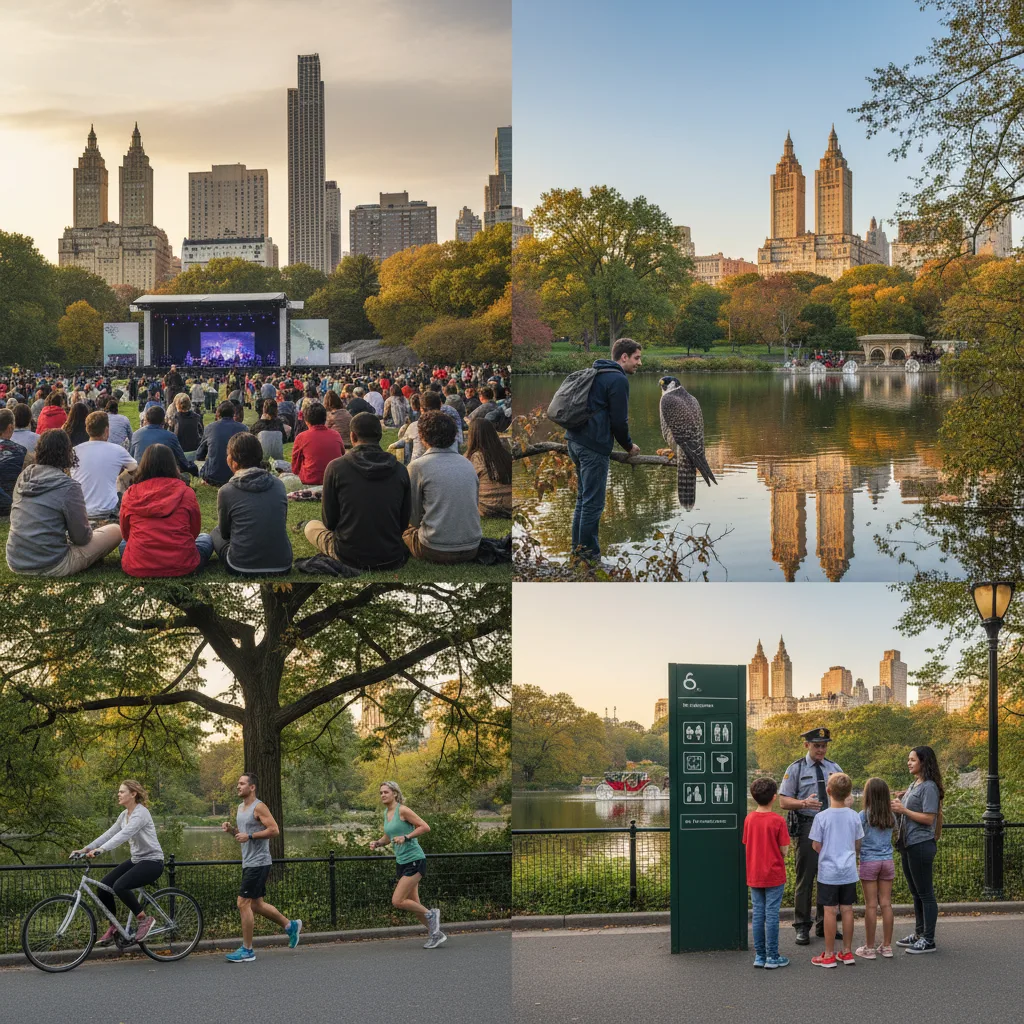
A Guide to Central Park's Top Activities and Best Things to Do in 2026
Discover the best things to do in Central Park, NYC, with our comprehensive 2026 guide to iconic landmarks, activities, and hidden gems for visitors.
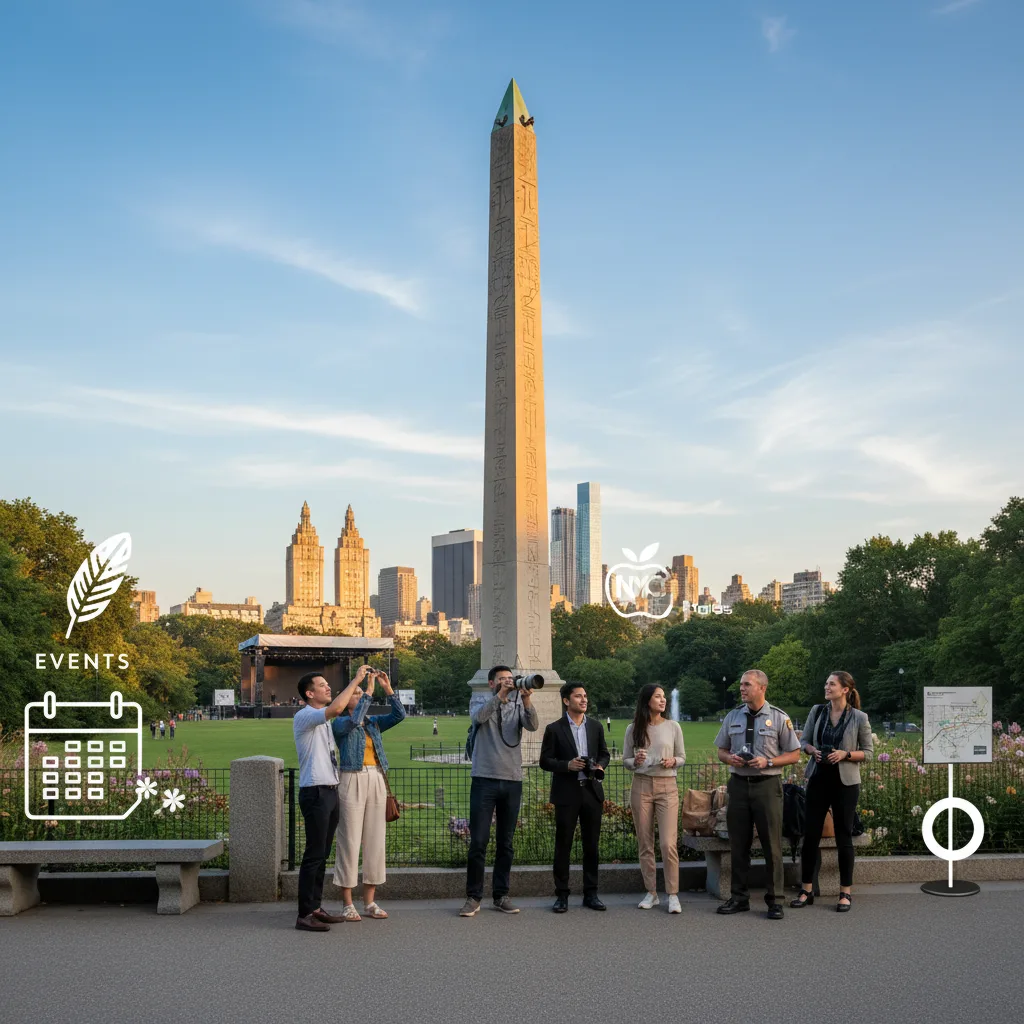
A Guide to What to Know About the Vatican Obelisk in Central Park 2026
Discover what to know about the Vatican Obelisk (Cleopatra's Needle) in Central Park, its history, journey to NYC, and where to find it in 2026.
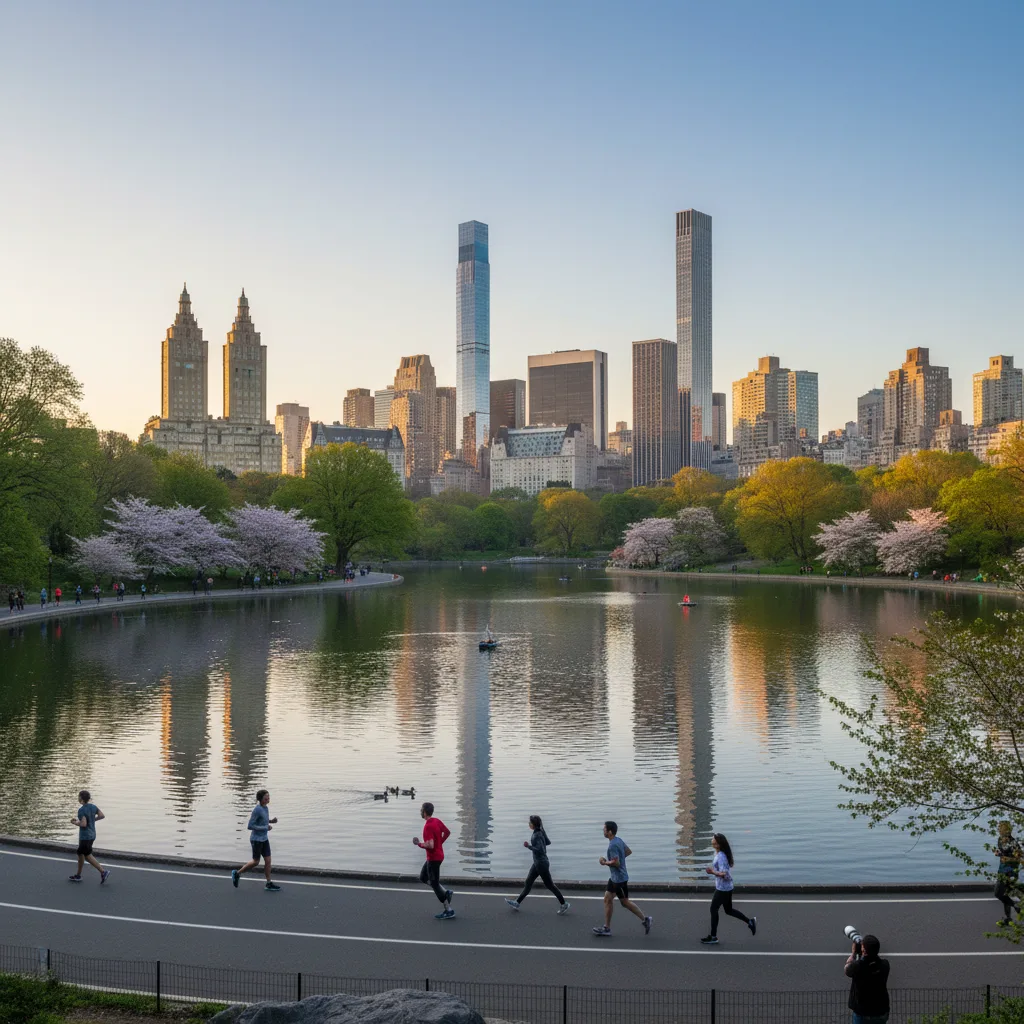
A Complete Guide to the Central Park Reservoir: What to Know Before You Visit
Discover everything you need to know about the Central Park Reservoir: its history, running track, wildlife, best views, and visitor tips for 2026.
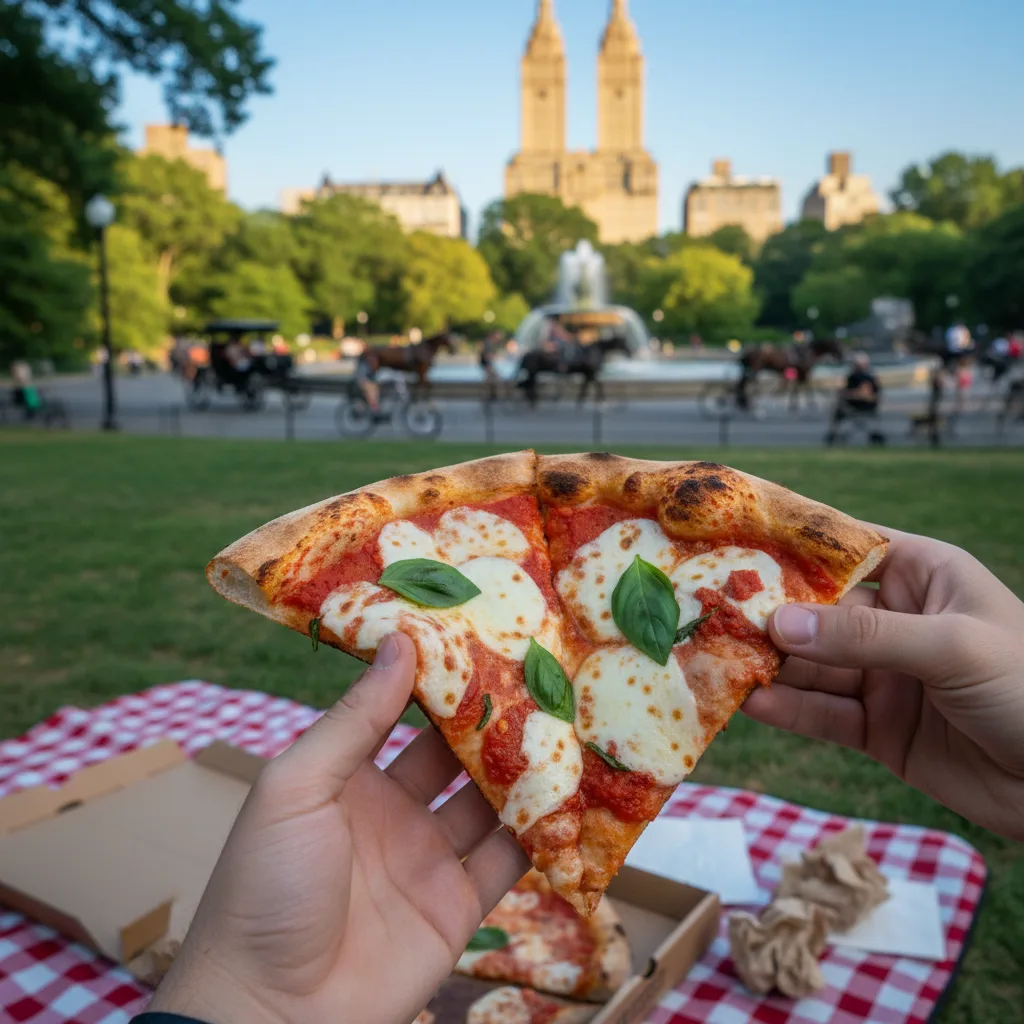
A Guide to Central Park's Top 5 Pizzerias: The Best Slices Near You in NYC
Discover the top 5 pizzerias near Central Park, NYC. This guide helps you find the best slices, from historic institutions to modern favorites.
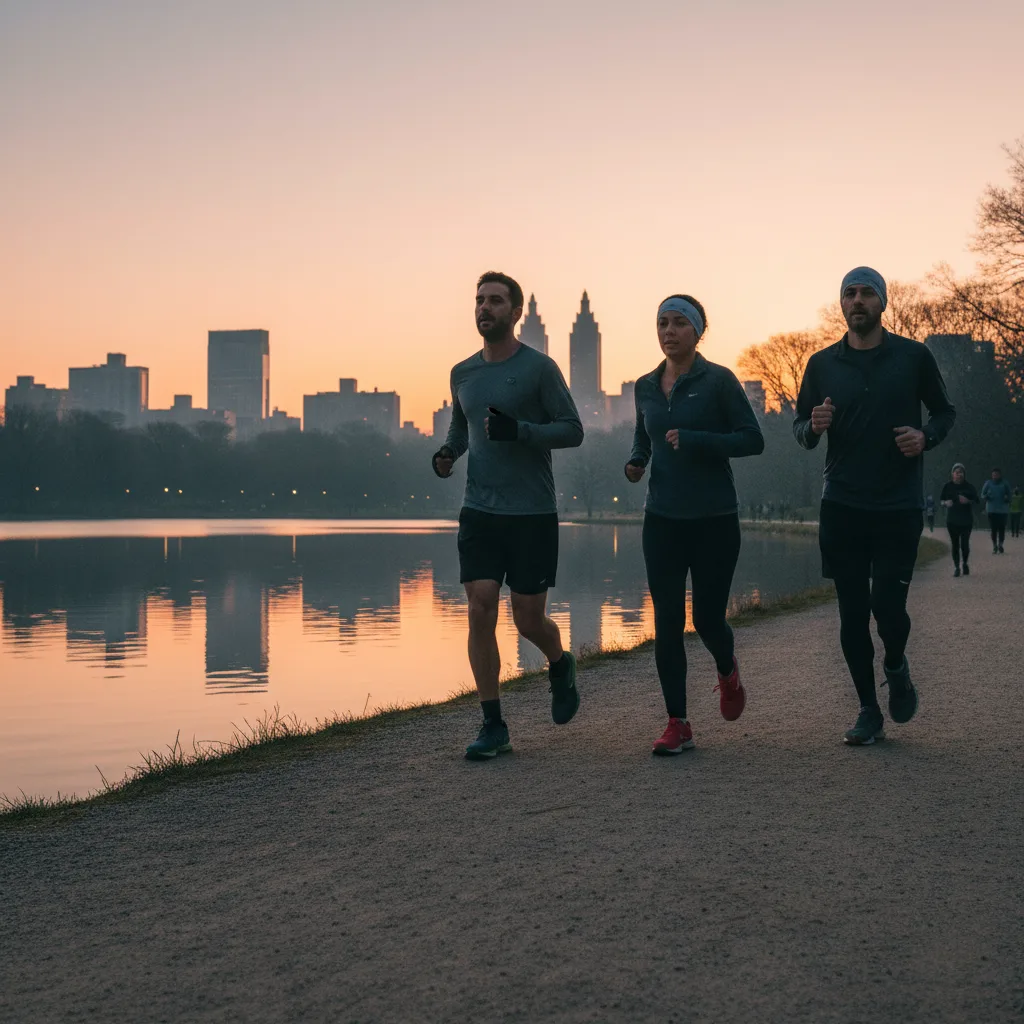
Central Park Offers Daily Public Access From 6 AM to 1 AM
Central Park maintains extensive daily public access from 6:00 am to 1:00 am, offering a continuous urban sanctuary for millions of visitors.
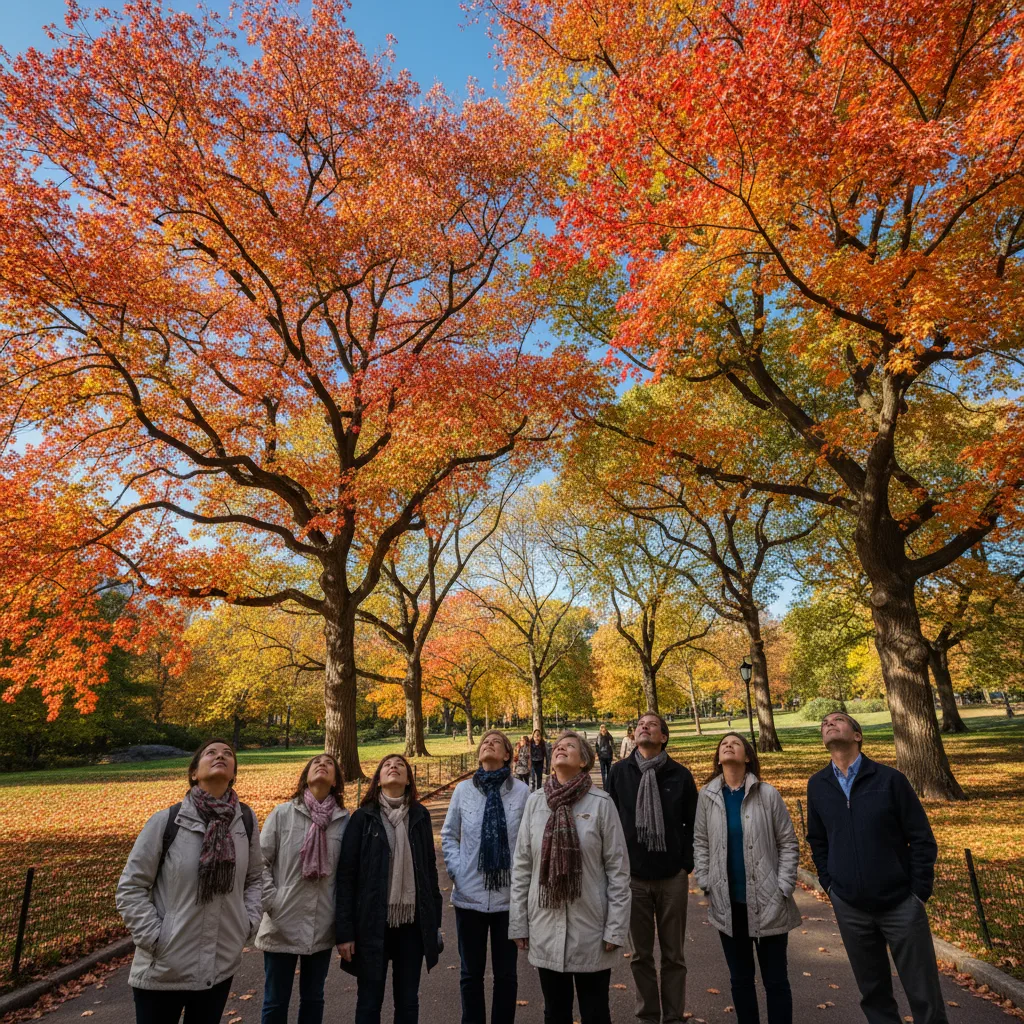
Central Park Conservancy Updates Calendar with Fall Foliage Trackers
The Central Park Conservancy has updated its calendar with fall foliage trackers and seasonal activities, guiding visitors to experience the park's autumn beauty and diverse offerings. The new resources aim to enhance planning for iconic views and events.