


Central Park Endures 160 Years as NYC's Premier Urban Green Space
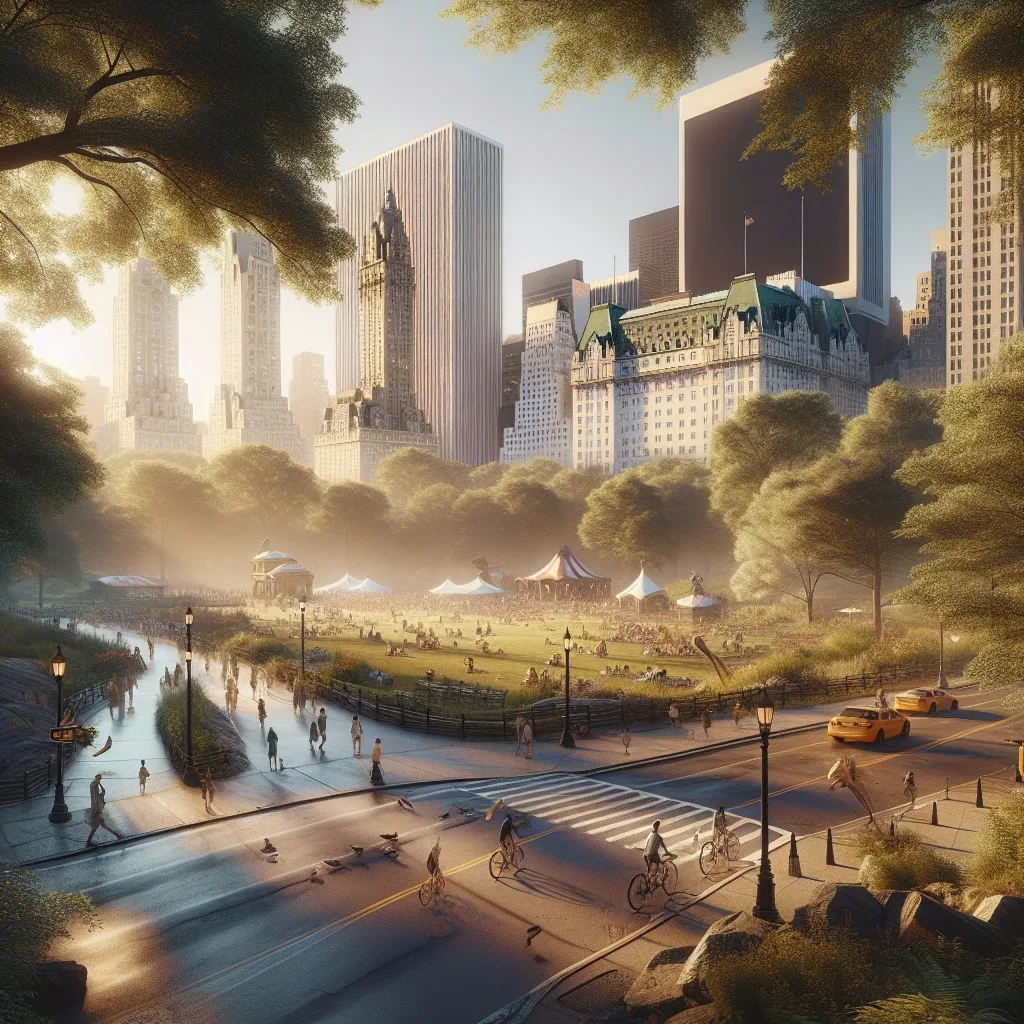
NEW YORK — For more than 160 years, Central Park has served as New York City's vital green lung, a meticulously designed oasis providing respite and recreation amidst the urban density of Manhattan. Since its official opening in 1858, the 843-acre expanse has evolved from a contested swampy terrain into a globally recognized model for urban landscape architecture, continuously adapting to the needs of millions of annual visitors.
Its enduring presence, nestled between the Upper West Side and Upper East Side, underscores a remarkable feat of 19th-century engineering and visionary planning. The park’s creation predates many other major urban parks in the United States, cementing its status as a pioneering public space designed specifically for the democratic enjoyment of city dwellers.
A Visionary Design by Olmsted and Vaux
The genesis of Central Park began in the mid-1800s, driven by a burgeoning population and a growing desire for accessible green spaces. In 1857, landscape architect Frederick Law Olmsted and architect Calvert Vaux won a design competition with their "Greensward Plan." Their innovative approach focused on creating a pastoral landscape that seamlessly integrated natural features with functional infrastructure.
Their design included distinct circulation systems for pedestrians, equestrians, and carriages, minimizing conflicts and maximizing enjoyment. The team meticulously sculpted the terrain, importing millions of cubic yards of soil and planting over four million trees, shrubs, and plants to achieve a naturalistic aesthetic that belies its engineered origins.
Evolution Through Decades of Use
Central Park's history is a continuous narrative of adaptation and preservation. Over the decades, it has witnessed periods of both neglect and intensive restoration, reflecting broader societal changes and municipal priorities. The early 20th century saw increased recreational facilities, while later periods introduced new challenges like crime and deferred maintenance.
Significant efforts, particularly by the Central Park Conservancy starting in the 1980s, have been instrumental in restoring and maintaining the park’s original grandeur. This public-private partnership model has become a benchmark for urban park management worldwide. The Conservancy's work includes ongoing restoration of historic landscapes like the Ramble and Conservatory Garden.
Central Park as a National Historic Landmark
Recognized for its profound historical and cultural significance, Central Park was designated a National Historic Landmark in 1963. This prestigious status acknowledges its role not only as a masterpiece of landscape architecture but also as a crucible for social interaction and democratic ideals. The park welcomes approximately 42 million visitors each year, a testament to its enduring appeal and functionality.
The designation also provides legal protections for the park’s historic integrity, ensuring that future developments and maintenance projects adhere to strict conservation standards. "Central Park stands as a living monument to American ingenuity and the belief that nature should be accessible to all, regardless of social standing," noted Dr. Eleanor Vance, a leading urban historian, on May 5, 2026. "Its design principles continue to influence urban planning globally."
Challenges and Future Preservation Efforts
Maintaining a park of Central Park's scale and usage presents ongoing challenges, including managing wear and tear from millions of visitors, combating invasive species, and addressing the impacts of climate change. The Central Park Conservancy, celebrating over 40 years of dedication, employs over 300 staff members and relies on thousands of volunteers to uphold the park’s standards. Their activities include various programs to engage the public.
Future preservation efforts focus on sustainable practices, integrating technology for efficient irrigation, and developing resilient plant palettes. Educational programs also play a crucial role, teaching visitors about their impact and promoting responsible park stewardship. Ongoing fundraising campaigns ensure that essential restoration projects, like the recent overhaul of the Dene and the Ravine, continue without interruption.
Frequently Asked Questions About Central Park's History
Many people are curious about the park's early construction and how such a massive project was undertaken. The construction involved an immense labor force, often Irish immigrants, who moved an estimated 10 million cartloads of earth and rock, sometimes using gunpowder to clear obstacles. Another common question relates to the land acquisition; the city used eminent domain to acquire the diverse plots of land, including existing settlements. The park was designed to be class-agnostic, providing leisure for all New Yorkers, a radical idea at the time. Concerns about its maintenance in the 21st century often arise, with the Central Park Conservancy now managing 75% of the park's annual operating budget, a significant shift from city-only funding. For a comprehensive overview of the park's storied past and present, readers can explore resources like the official Central Park information website.
Related Articles
More in Arts & Culture →
Central Park Film Festival Returns October 6-9, 2026
Central Park's Film Festival returns October 6-9, 2026, offering free outdoor cinematic experiences. This annual event attracts thousands, enhancing the city's cultural landscape. Plan your visit now.
Central Park Hosts October 3 Japanese Buddhist Fall Festival
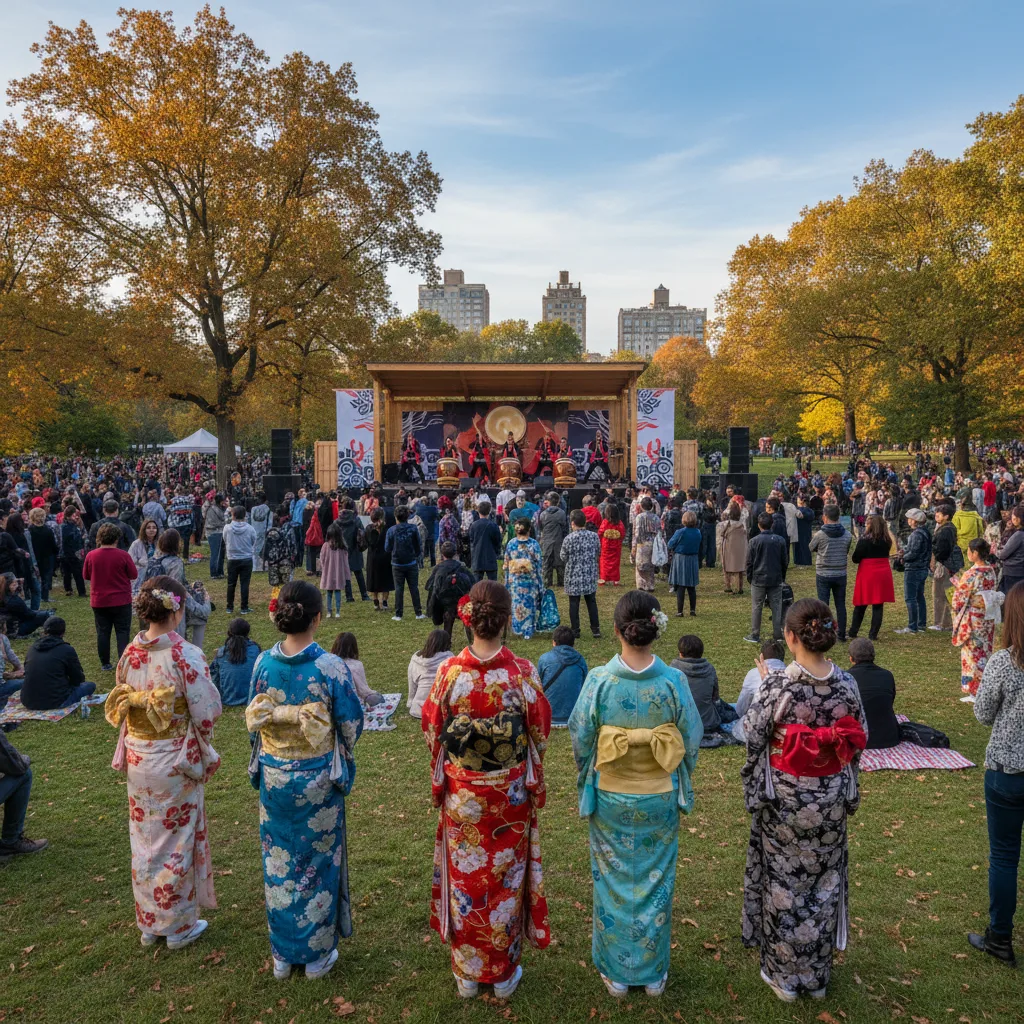
Central Park will host a Japanese Buddhist Fall Festival on October 3, 2026, alongside the Madison Avenue Fall Gallery Walk. This offers New Yorkers diverse cultural experiences and celebrates global traditions.
Arsenal Gallery Unveils "New Dendrology" Art Exhibition in Central Park
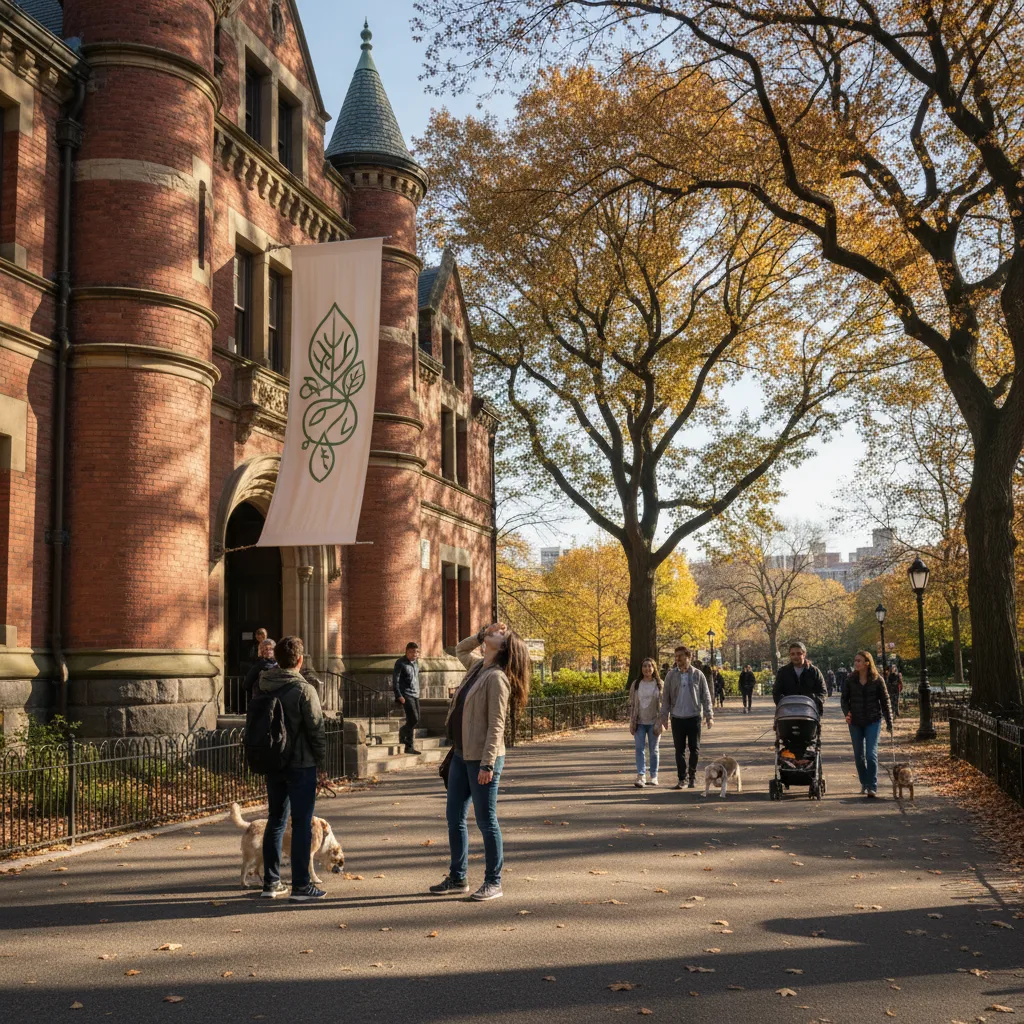
Central Park's Arsenal Gallery presents "New Dendrology," a group exhibition exploring trees and human connection through art. It runs 9 a.m. to 5 p.m. daily.
Central Park: A Historical Overview from 1858 to Present Day
Central Park, created in 1858 to meet NYC's recreational needs, now attracts 42 million annual visitors, many unaware of its deep history.
New York Swings with Josh Lee & The Family September 30, 2026
Josh Lee and The Family will present “New York Swings” on September 30, 2026, featuring Lindy Hop and live swing-era jazz music. Experience vintage jazz and dance in the heart of NYC.
Central Park Conservancy Hosts Seneca Village Tours September 27
Central Park Conservancy hosted Seneca Village Tours on September 27, 2026, exploring the history of the pre-park African-American community from West 82nd to 89th Street.