


Central Park Experiences Unprecedented Conditions During February 2026 Blizzard, First in a Decade

Central Park, a verdant sanctuary in the heart of New York City, was transformed into an ethereal, yet challenging, landscape during the city’s first blizzard in a decade, which struck in February 2026. The snowstorm, dubbed by many as the “Biggest SNOWSTORM” in recent memory, brought the city to a near standstill, blanketing the iconic park in feet of snow and presenting significant operational challenges.
Reports from various city observation points, including those near Park Avenue, indicated the sheer volume and intensity of the snowfall. For Central Park, this meant major pathways became impassable, iconic landmarks like Bethesda Terrace and Bow Bridge were shrouded in deep drifts, and the usual vibrant activity of the park was largely curtailed. The blizzard, characterized by its sustained heavy snowfall and strong winds, created conditions that required immediate and extensive responses from the Central Park Conservancy and city agencies.
The rarity of a full-fledged blizzard, the first in ten years for New York City, magnified its impact. While snow is a familiar sight in Central Park, the 2026 event surpassed typical winter accumulations, leading to widespread closures and advisories. Emergency services were on high alert, and non-essential travel was heavily discouraged, directly affecting access to and through the park. The event underscored the dynamic relationship between urban infrastructure and severe weather phenomena, even in a meticulously maintained public space like Central Park.
Impact on Park Operations and Visitor Safety
The immediate aftermath of the February 2026 blizzard saw Central Park significantly impacted. All major pedestrian paths, bridle paths, and recreational areas, including the Great Lawn and Sheep Meadow, were covered in deep snow, making them hazardous for use. The Central Park Conservancy initiated extensive snow removal operations, focusing first on critical access points and emergency routes. However, the sheer volume of snow meant that many areas remained inaccessible for days, emphasizing the magnitude of the storm.
Park entrances and key intersections, usually bustling with activity, were monitored for safety. The risk of falling branches, obscured pathways, and dangerously cold conditions prompted official warnings urging residents to avoid non-essential trips into the park. While some adventurous New Yorkers ventured out for unique photographic opportunities or cross-country skiing, the primary message from authorities focused on public safety. The storm highlighted the sophisticated logistics required to manage a 843-acre urban park during such an extreme weather event, from deploying specialized equipment for snow removal to ensuring the structural integrity of trees and park infrastructure under heavy snow loads.
Historical Context and Environmental Significance
The February 2026 blizzard holds historical significance for New York City and Central Park, marking the first time in a decade that a weather event reached official blizzard criteria. This rare occurrence provides valuable data for climate scientists and urban planners studying extreme weather patterns and their implications for large metropolitan areas. The extensive snowfall contributed to significant moisture levels in the park's soil, which could have long-term effects on its diverse flora, potentially benefiting certain plant species that thrive with ample winter hydration after a period of lower snowfall years.
Ecologically, while severe snow can temporarily stress wildlife, the deep blanket of snow also insulates the ground, protecting root systems and small animals from extreme cold. For the park's deciduous trees, the slow melt of such a substantial snowpack ensures a prolonged water supply well into the spring, fostering robust growth. The blizzard serves as a natural reset, impacting the park's ecosystem in ways that will be observed and studied in the coming seasons, offering insights into the resilience and adaptability of an urban green space facing a changing climate.
Key Points:
- Central Park experienced its first blizzard in a decade in February 2026.
- The storm brought unprecedented snow accumulation, leading to widespread park closures.
- Safety advisories were issued, urging residents to avoid non-essential park visits due to hazardous conditions.
- Central Park Conservancy initiated extensive snow removal efforts on critical pathways.
- The blizzard provides significant ecological data, impacting flora and fauna and offering insights into urban park resilience.
Related Articles
More in Weather & Health →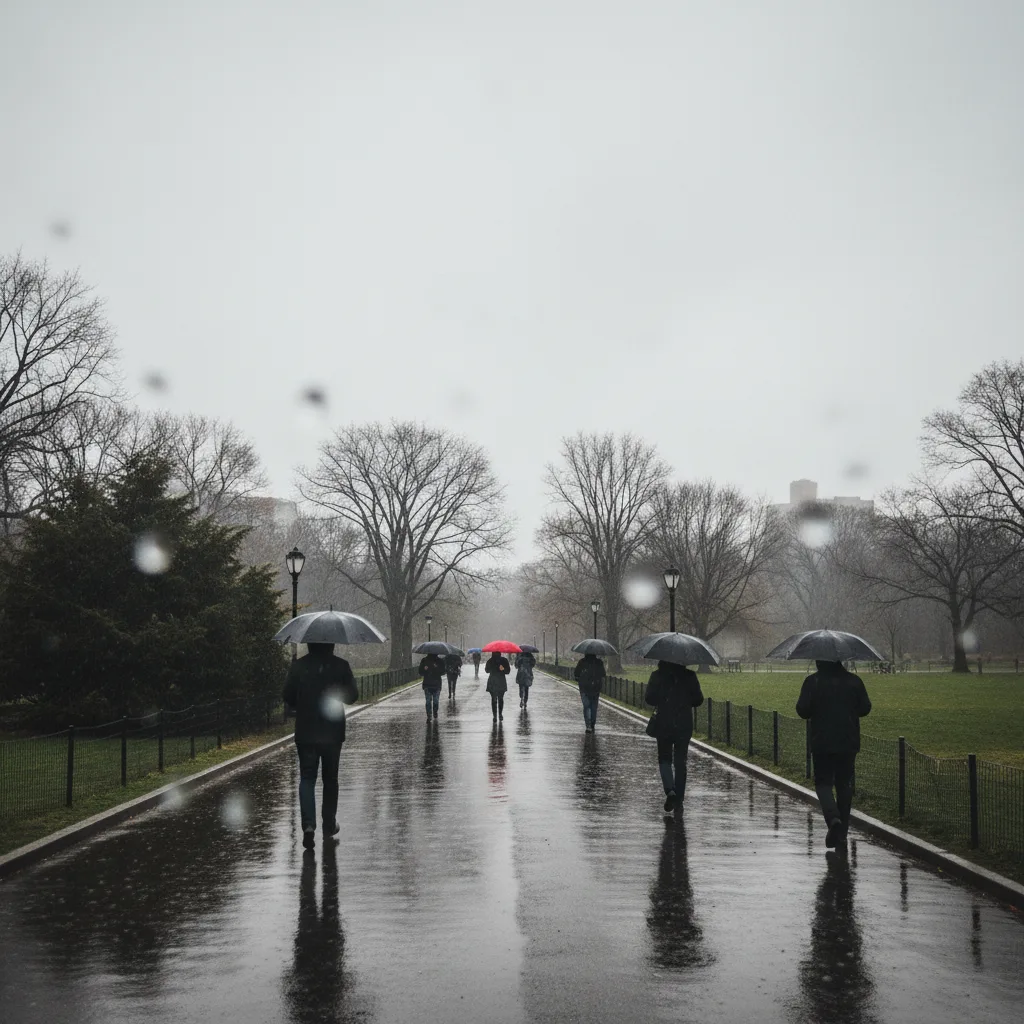
Central Park Radar Shows Current Rain Conditions and Near-Term Updates
Central Park visitors are seeing current rain conditions and near-term precipitation updates on AccuWeather radar, affecting outdoor activities and park operations.

September 2026 Central Park Weather Forecast Reveals Mild Conditions
Central Park's September 2026 weather forecast projects mild daily highs between 70-82°F and lows 57-66°F. Plan outdoor activities; comfortable conditions expected for park visitors.
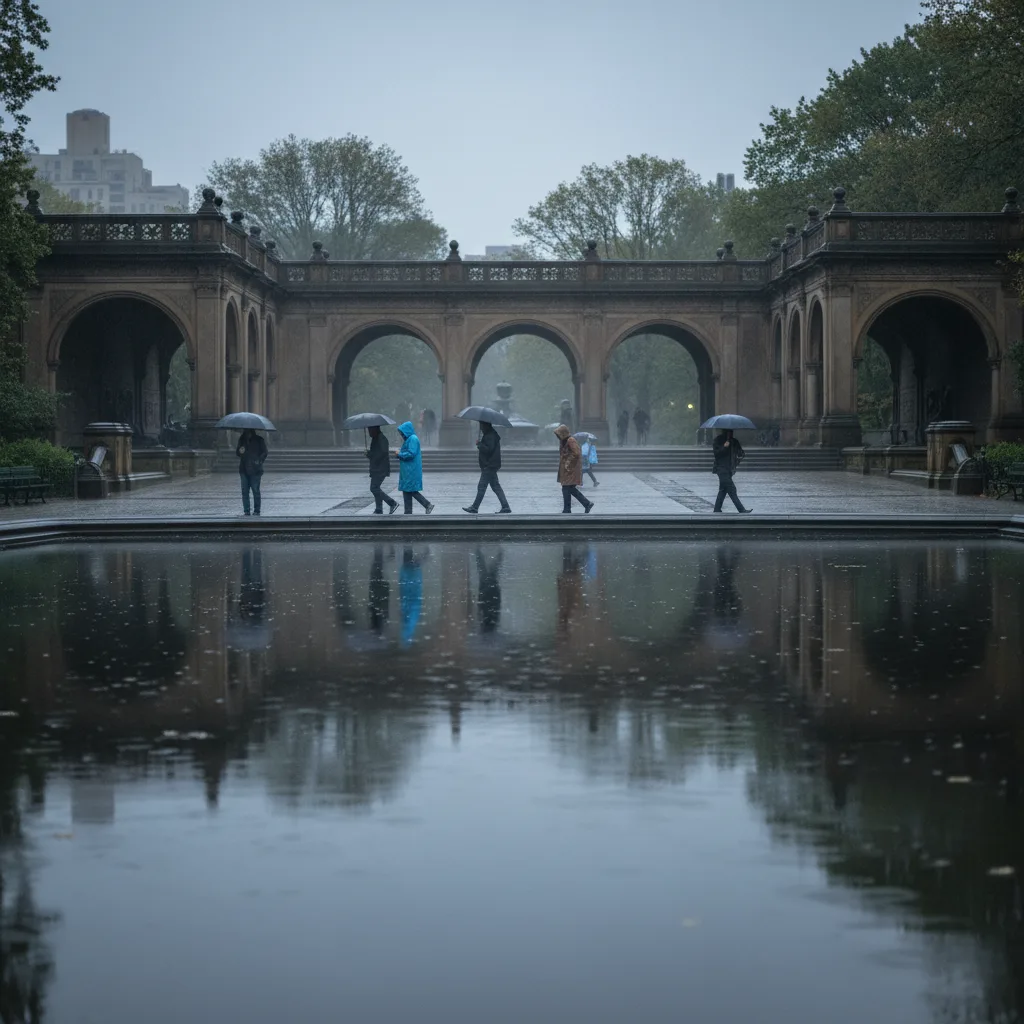
Central Park Visitors Face Intermittent Rain, Cooler Temps Sunday Night
Central Park experienced cool temperatures and intermittent rain on Sunday, September 27, 2026, with a temperature of 57.0°F recorded. Visitors should plan accordingly.
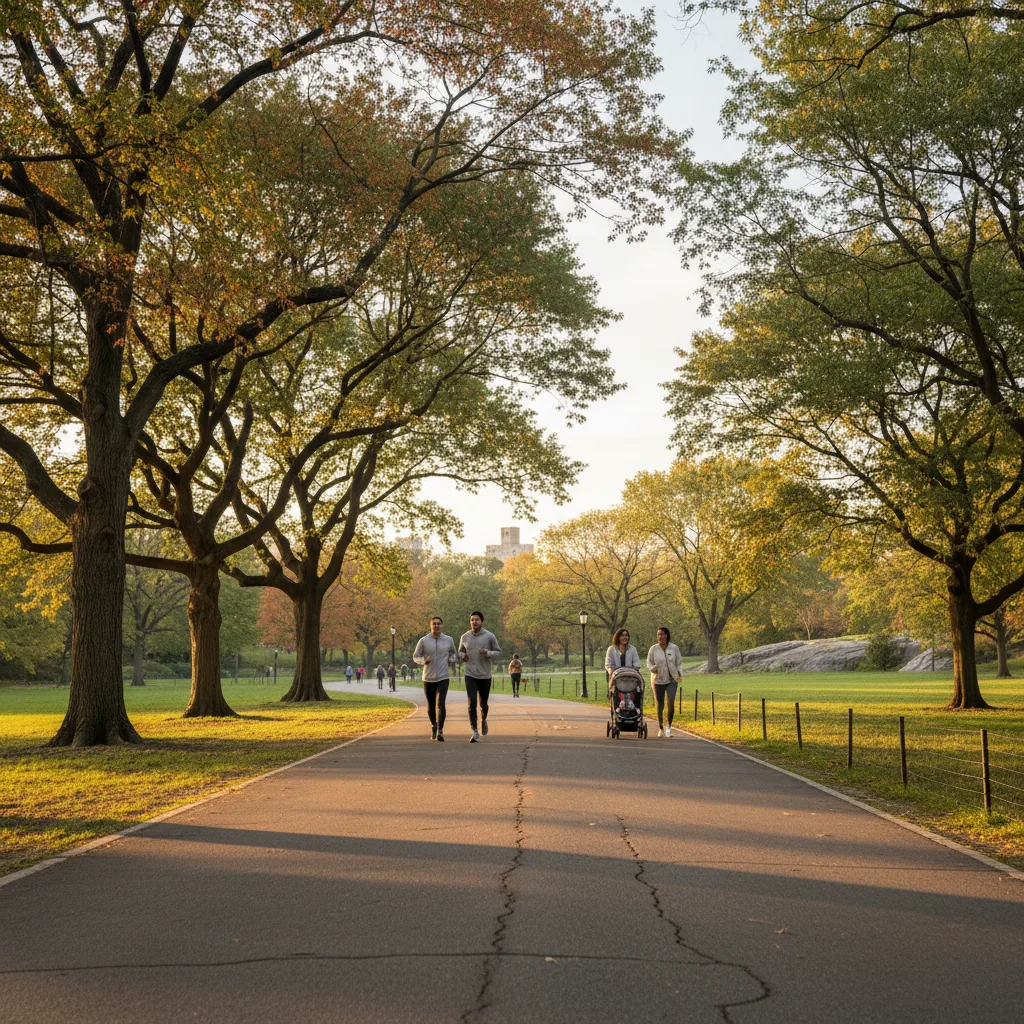
Central Park Records 72°F Max, 58°F Min Temperatures September 27
Central Park observed a maximum temperature of 72°F and minimum of 58°F on Sunday, September 27, 2026, according to the NWS climatological report.
AccuWeather Forecasts 64°F, 59°F for Central Park September 27
AccuWeather forecast a high of 64°F and low of 59°F for Central Park on September 27, 2026, slightly below monthly averages, indicating a cooler day.
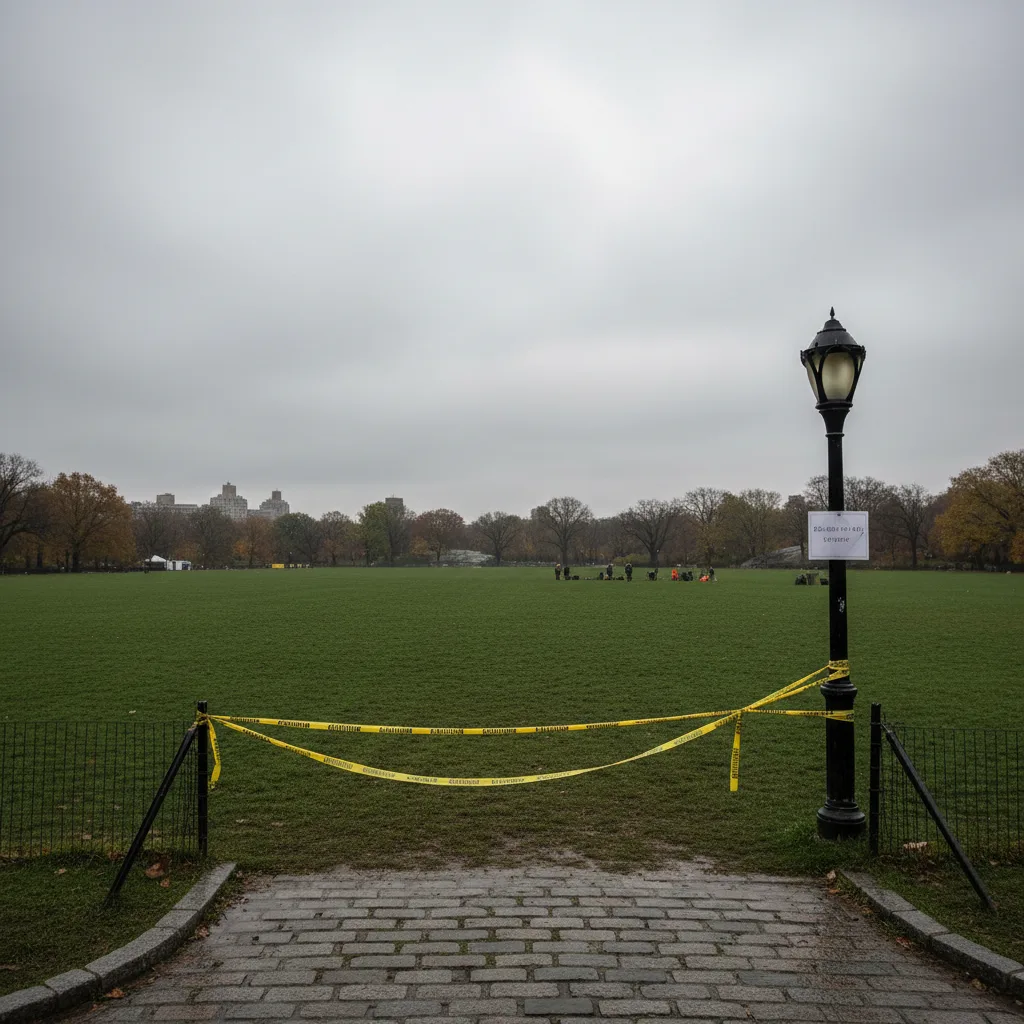
Global Citizen Festival in Central Park Canceled Due to Nor'easter Threat
Global Citizen Festival in Central Park was canceled Thursday due to an approaching nor'easter, affecting thousands and prompting safety concerns. New Yorkers should check for updated park alerts and traffic changes related to the storm.