


Central Park: Fall Migration Brings Rare Birds, Boosts Tourism
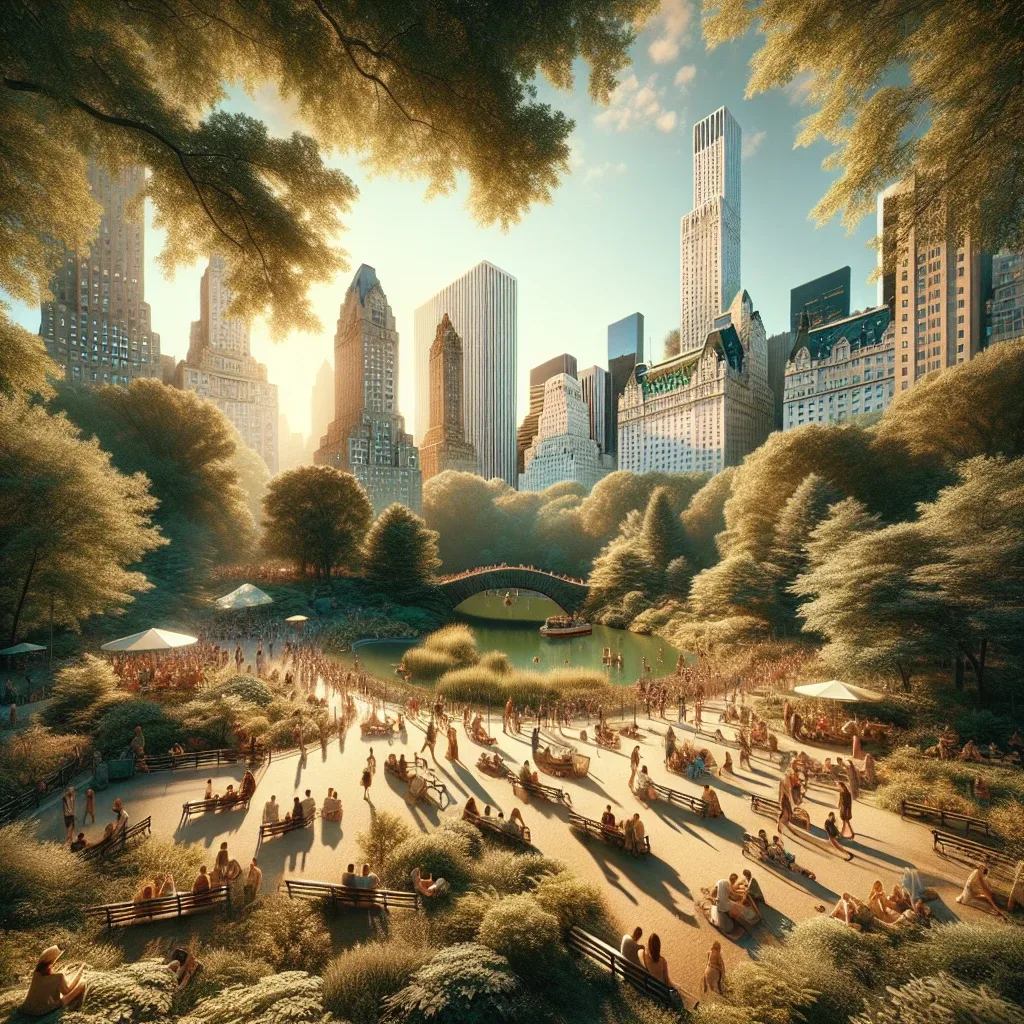
NEW YORK — Central Park is currently experiencing its spectacular annual fall bird migration, drawing an influx of birdwatchers and nature enthusiasts from across the globe. This natural phenomenon, peaking in late September and early October, transforms the park into a vibrant sanctuary for migratory species.
Ornithologists report a higher-than-average diversity of species observed this season, with several rare sightings that have excited the birdwatching community. The park's strategic location along the Atlantic Flyway makes it a critical stopover point for thousands of birds.
Unprecedented Avian Diversity in Central Park
Birdwatching groups have logged over 200 distinct species within Central Park's 843 acres since the migration began in earnest. This figure includes several species rarely seen in an urban environment, such as the Connecticut Warbler and the Western Tanager.
"This year has been exceptional," stated Dr. Maya Patel, a lead ornithologist with the Audubon Society's New York chapter, during a recent guided walk near the Ramble. "The combination of favorable weather patterns and abundant food sources has created ideal conditions for these travelers."
Experienced birders, equipped with binoculars and telephoto lenses, gather daily at dawn and dusk near favorite spots like Strawberry Fields and the Dene. They eagerly document each new sighting, contributing valuable data to conservation efforts.
Economic Boost from Nature Tourism
The fall migration is not only an ecological marvel but also a significant boon for New York City's tourism sector. Hotels, restaurants, and retail businesses around Central Park report increased activity directly linked to birdwatching tourism.
According to data from NYC & Company, an estimated 15,000 dedicated birdwatchers traveled to the city specifically for the fall migration last year. This generated approximately $10 million in direct spending for local businesses during the September-October period.
"Nature tourism in Central Park is a growing segment of our visitor economy," noted Jeffrey Johnson, spokesperson for the Mayor's Office of Tourism. "It highlights the park's multifaceted value, extending beyond recreation to significant economic contribution."
Conservation Efforts and Park Management
The Central Park Conservancy works closely with environmental groups to ensure the park remains a hospitable environment for migratory birds. This involves careful management of natural habitats, including woodlands, meadows, and water bodies.
Efforts include planting native species that provide essential food and shelter, and minimizing human disturbance in sensitive areas. Park rangers and volunteers often educate visitors on responsible birdwatching practices, emphasizing minimal impact on wildlife.
"Maintaining a healthy, biodiverse ecosystem within Central Park is paramount for supporting these migrations," confirmed Emily Chen, Director of Park Operations for the Conservancy. "Our landscaping choices directly impact the success of these long-distance journeys."
Best Spots and Times for Birdwatching in Central Park
For those hoping to catch a glimpse of the feathered visitors, several areas within Central Park are particularly productive during fall migration. The Ramble, a wooded area known for its winding paths, is consistently cited as a prime location for spotting warblers and other songbirds.
The Conservatory Garden, with its varied plantings and water features, also attracts a diverse range of species. Early mornings, just after sunrise, are generally the most active times for bird foraging and observation, especially around the Harlem Meer in the park's northern reaches.
Visitors are encouraged to bring binoculars and a field guide. Joining a guided tour led by local experts can also enhance the experience and improve chances of rare sightings. Many local natural history groups offer such tours; more info on NYC's feathered visitors can often be found through neighborhood news outlets.
FAQs: Central Park Bird Migration
What time of year is best for birdwatching during Central Park's fall migration? The peak time for fall bird migration in Central Park is typically from late September through early October. Early mornings, shortly after sunrise, are generally the most active hours for bird observations.
How many bird species have been observed in Central Park this fall? Ornithologists and birdwatching groups have reported observing over 200 distinct bird species within Central Park during this year's fall migration, including several rare and uncommon sightings for the region.
Does birdwatching tourism significantly impact the local economy? Yes, birdwatching tourism generates substantial economic activity for New York City. Last year, an estimated 15,000 birdwatchers contributed approximately $10 million in direct spending to local businesses during the fall migration period.
Related Articles
More in Wildlife & Nature →
Central Park Boathouse Bird Watching Tour Offers Educational Experience
Central Park Boathouse offers an educational bird watching tour, providing visitors an opportunity to observe avian species. This experience connects locals with nature, enhancing appreciation for park wildlife.
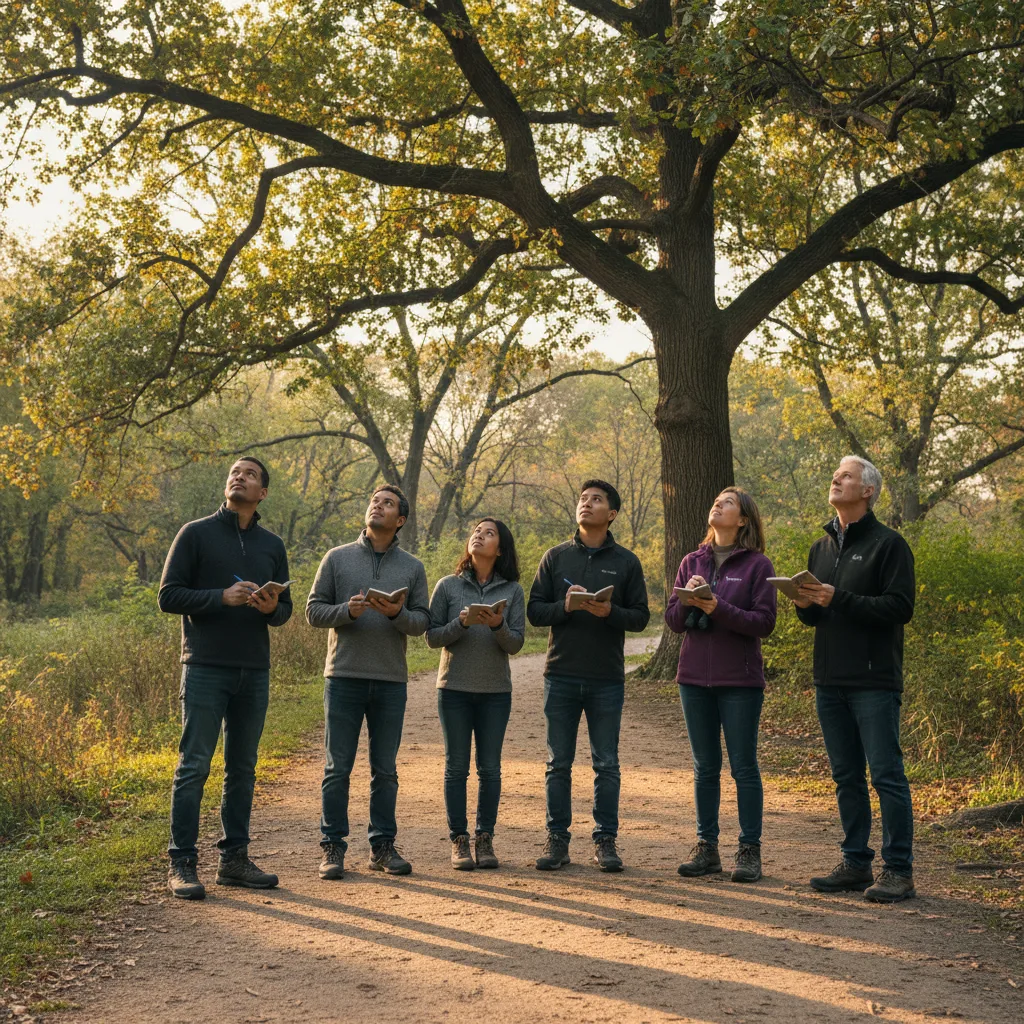
Central Park Event Calendar Features Climate Week Activities September 27
Central Park's event calendar for September 27, 2026, included a Climate Week-aligned "Journal, Meditation, + Bird Walk," promoting environmental awareness.
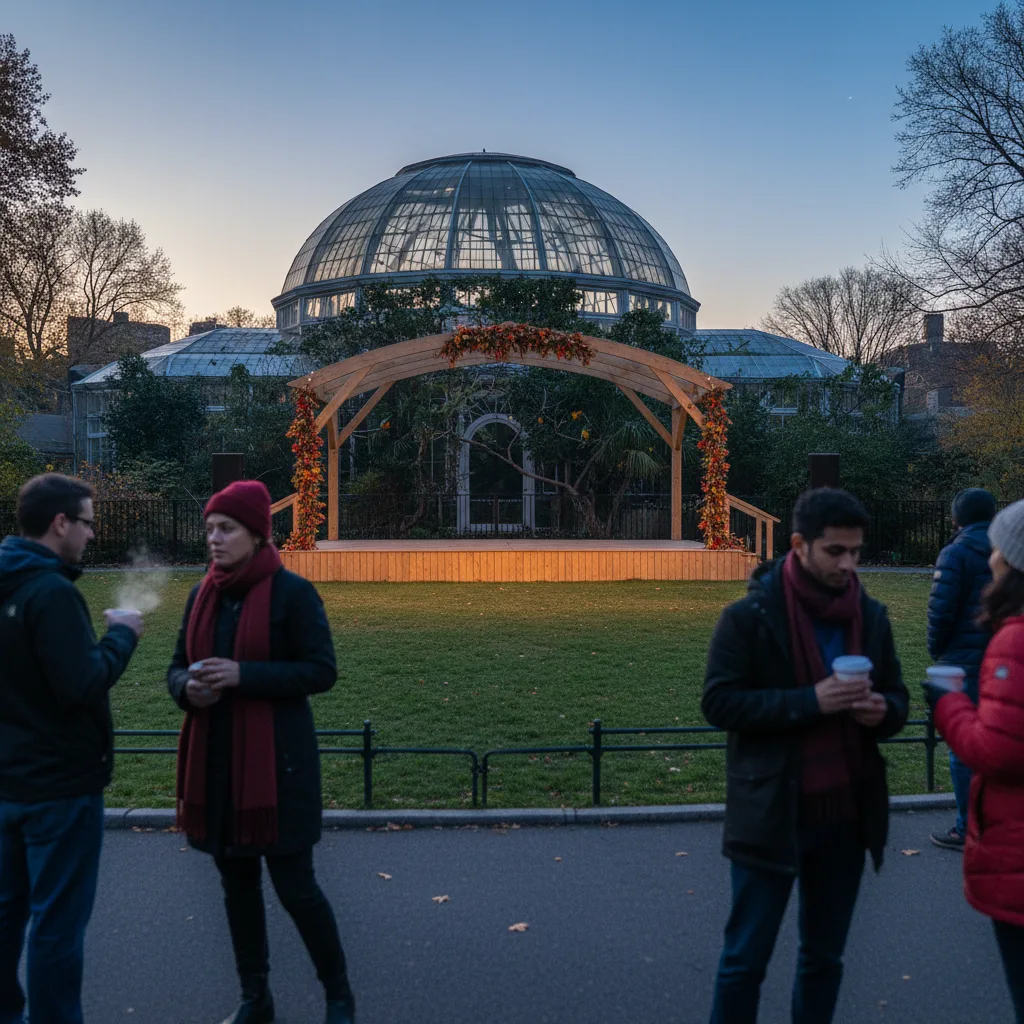
Wildlife Conservation Society Awards Lovejoy Prize at Central Park Zoo
Wildlife Conservation Society awards 2026 Thomas E. Lovejoy Prize today at Central Park Zoo during Climate Week in New York City.
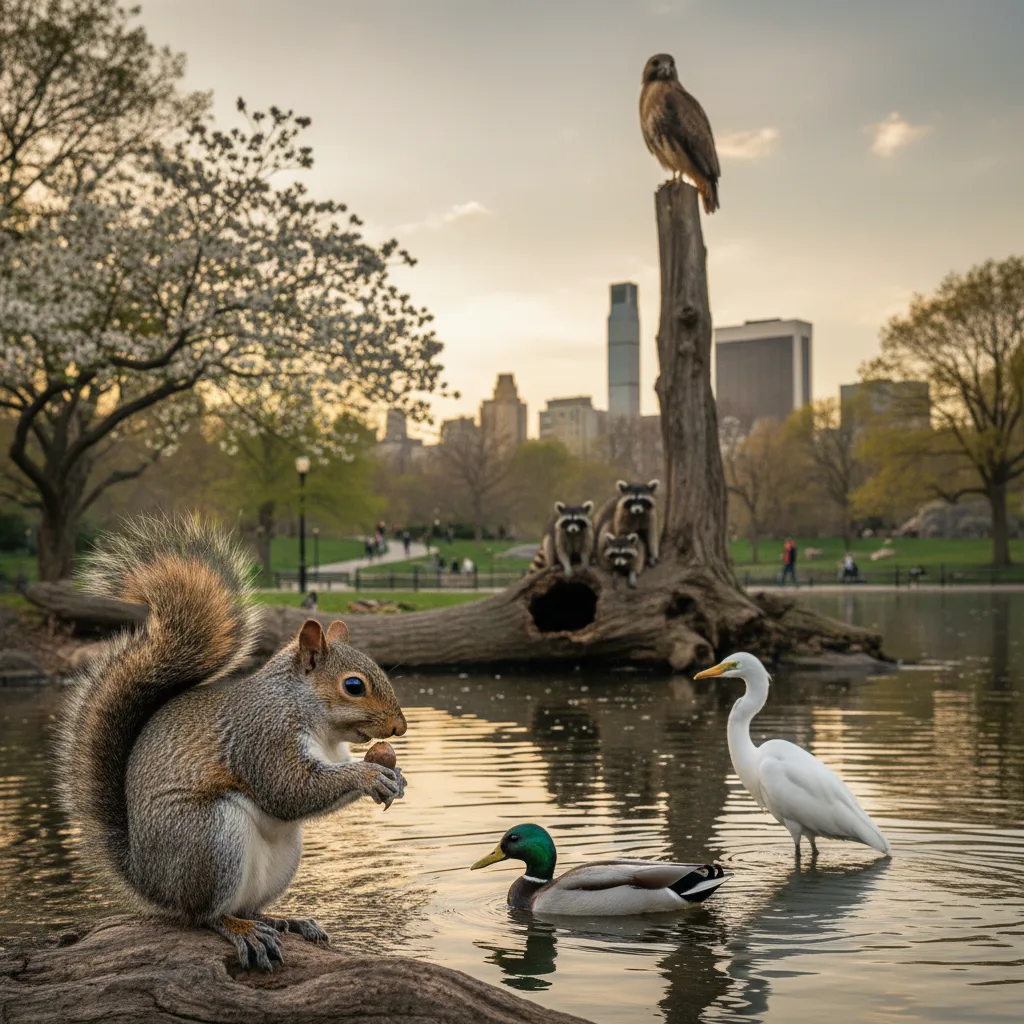
A Guide to Central Park's Wildlife: What to Know About the Park's Animals and Ecosystem
Discover the diverse Central Park wildlife, from birds and mammals to aquatic life. Learn responsible observation tips and conservation efforts for 2026.
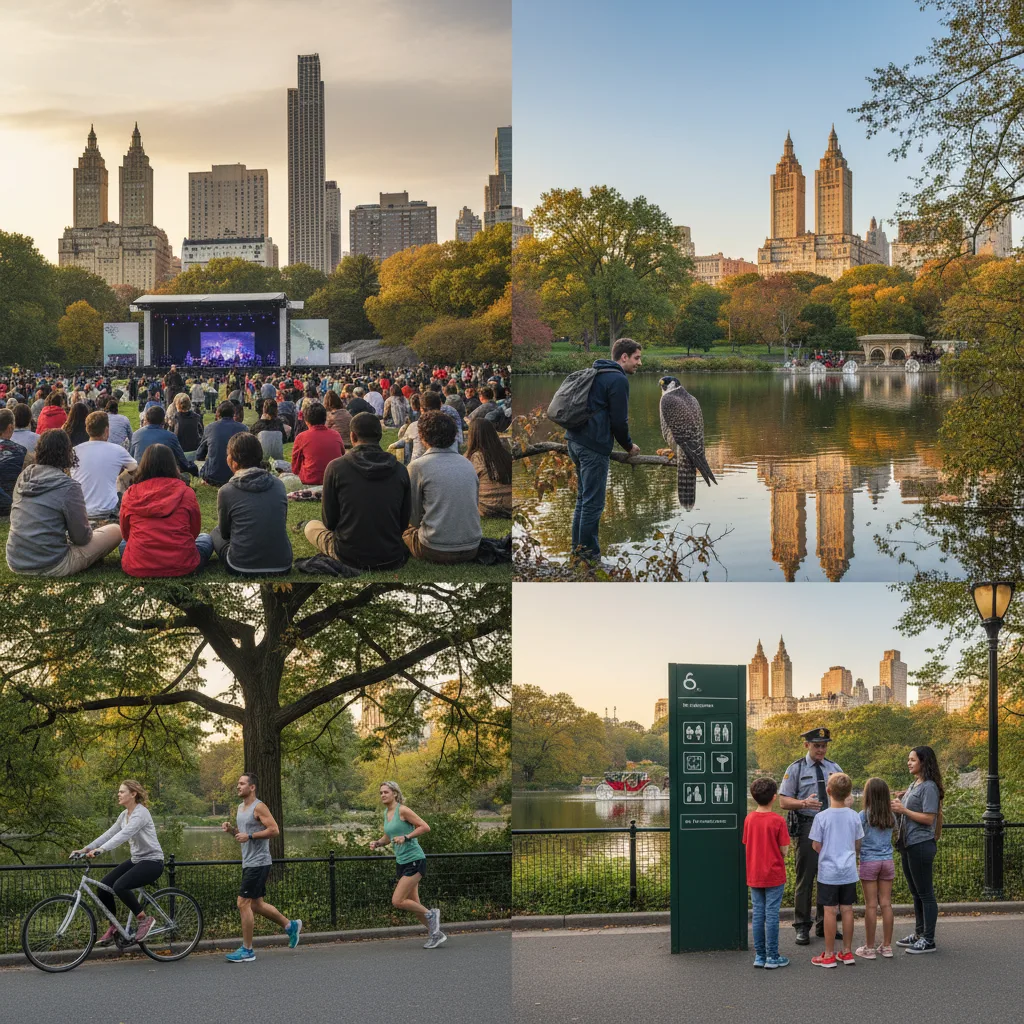
A Guide to Central Park's Top Activities and Best Things to Do in 2026
Discover the best things to do in Central Park, NYC, with our comprehensive 2026 guide to iconic landmarks, activities, and hidden gems for visitors.
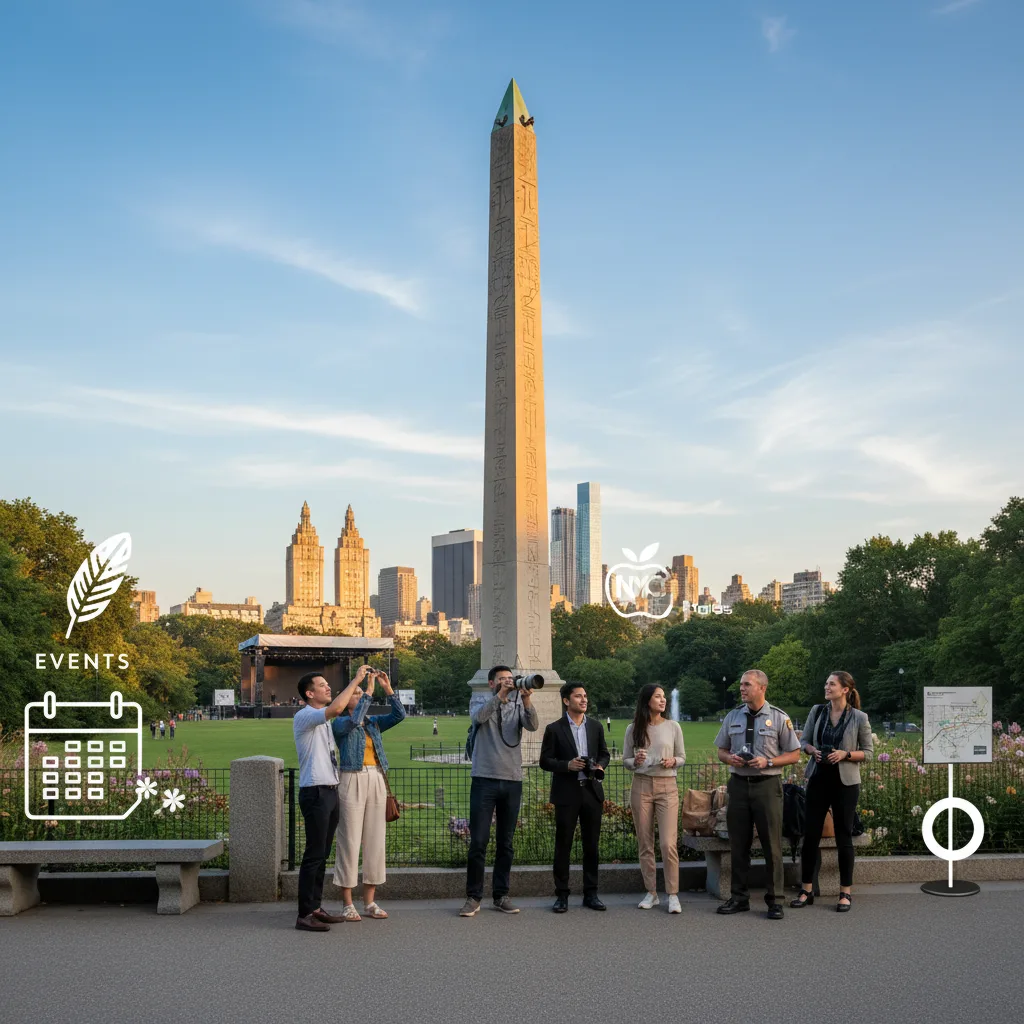
A Guide to What to Know About the Vatican Obelisk in Central Park 2026
Discover what to know about the Vatican Obelisk (Cleopatra's Needle) in Central Park, its history, journey to NYC, and where to find it in 2026.