


Central Park Five: Families Warn Against Trump after Death Penalty Crusade

NEW YORK — Family members of the exonerated Central Park Five, now known as the Exonerated Five, issued a powerful warning against former President Donald Trump on Wednesday, May 21, 2026. Their statements came in response to Trump's renewed calls for the death penalty in certain cases, particularly as his political rhetoric intensifies. This intervention rekindles memories of one of New York City’s most infamous miscarriages of justice.
The Exonerated Five — Yusef Salaam, Antron McCray, Kevin Richardson, Raymond Santana, and Korey Wise — were wrongly convicted in 1990 of the brutal assault and rape of a female jogger in Central Park. Trump, then a prominent real estate developer, took out full-page newspaper ads demanding their execution. Their convictions were vacated in 2002 after the confession of the real perpetrator and DNA evidence confirmed their innocence.
Echoes of the Past: Trump's Renewed Rhetoric
Sharonne Salaam, mother of Yusef Salaam, delivered an impassioned statement during a press conference outside the Central Park Conservancy offices near Fifth Avenue and 60th Street. “When a leader, or aspiring leader, champions policies that could condemn innocent people, we must speak out,” Mrs. Salaam asserted, her voice firm. “We lived through that injustice, fueled by sensationalism and the very type of rhetoric we hear today.” Her words underscored a deep-seated fear of history repeating itself.
Donald Trump, during a recent rally, advocated strongly for capital punishment, linking it to various crime issues across the nation. This stance immediately drew criticism from civil rights advocates and the families of the Exonerated Five, who view his past actions as a chilling example of prejudicial judgment. The former president’s original campaign to execute the five teenagers remains a painful chapter in NYC history.
The Fight for Justice and Exoneration
The journey to exoneration for the five men was long and arduous, spanning over a decade. Their struggle highlighted systemic issues within the criminal justice system, including coerced confessions, racial bias, and inadequate legal representation. Following their exoneration, the City of New York settled with the Exonerated Five for $41 million in 2014, acknowledging the immense wrong they suffered.
Korey Wise, who spent the longest time incarcerated among the group, shared his perspective through a representative. “Our story is a constant reminder that justice is fragile. We cannot allow political figures to casually advocate for measures that deny due process and carry irreversible consequences,” his statement read. His experience, detailed in the acclaimed 2019 Netflix series 'When They See Us,' resonates deeply with many.
Broader Implications for Criminal Justice Reform
The Central Park Five case catalyzed national conversations about criminal justice reform, particularly concerning juvenile interrogations and the reliability of eyewitness testimony. Advocates argue that the inherent flaws in the system make the death penalty an unacceptable risk. The case continues to be a touchstone for discussions on racial injustice and the need for comprehensive legal safeguards.
For more insights into the case and its historical context, resources like 'The Central Park Five: The Untold Story' offer comprehensive details. The families’ recent remarks serve as a poignant reminder of the real-world consequences of judicial error and punitive political stances. Their lived experience provides unique and invaluable perspective on the complexities of justice and punishment in America. Access further details on this pivotal case through The Independent's Central Park archives.
The Role of Central Park in the Narrative
Central Park, the geographical backdrop for this harrowing saga, has long moved past its association with the 1989 incident. Today, it remains a symbol of urban resilience and renewal, offering solace and recreation to millions. However, for the Exonerated Five and their families, the park also serves as a potent reminder of the personal cost of injustice and the enduring fight for civil rights. The landscape holds complex memories for New Yorkers.
Their recent statement is a powerful act of civic engagement, leveraging their painful past to inform present political discourse. It reinforces the importance of remembering historical wrongs to prevent their recurrence. The families continue to be vocal advocates for reforms that safeguard civil liberties and ensure equitable treatment for all within the criminal justice system. Their story is a powerful call to action for vigilance and advocacy.
Frequently Asked Questions About the Central Park Five Case
Q: What happened in the Central Park Five case?
In 1989, five Black and Latino teenagers were wrongfully accused and convicted of the brutal assault and rape of a white female jogger in Central Park. They served varying prison sentences before the actual perpetrator confessed in 2002, and DNA evidence confirmed their innocence. Their convictions were subsequently vacated, leading to a significant civil settlement from New York City.
Q: What role did Donald Trump play in the Central Park Five case?
Then-real estate developer Donald Trump took out full-page advertisements in New York City newspapers in 1989, demanding the death penalty for the five teenagers, even before their trials concluded. He maintained their guilt for years after their exoneration, only acknowledging their innocence after significant public and legal pressure. His actions were widely criticized as inflammatory and prejudicial.
Q: What is the significance of the Central Park Five case today?
The case remains a landmark example of wrongful conviction, racial injustice, and media sensationalism’s impact on due process. It serves as a critical case study in criminal justice reform efforts, highlighting issues such as coerced confessions, systemic racism, and the dangers of capital punishment. The Exonerated Five have become powerful advocates for justice reform and civil rights, sharing their stories to prevent similar tragedies.
Related Articles
More in Urban Policy & Development →
NYC Mayor Mamdani Booed at Union Square October 7 Vigil
Mayor Mamdani faced boos and protests at a Union Square vigil Thursday marking the Oct. 7 attacks, highlighting deep community divisions in NYC.
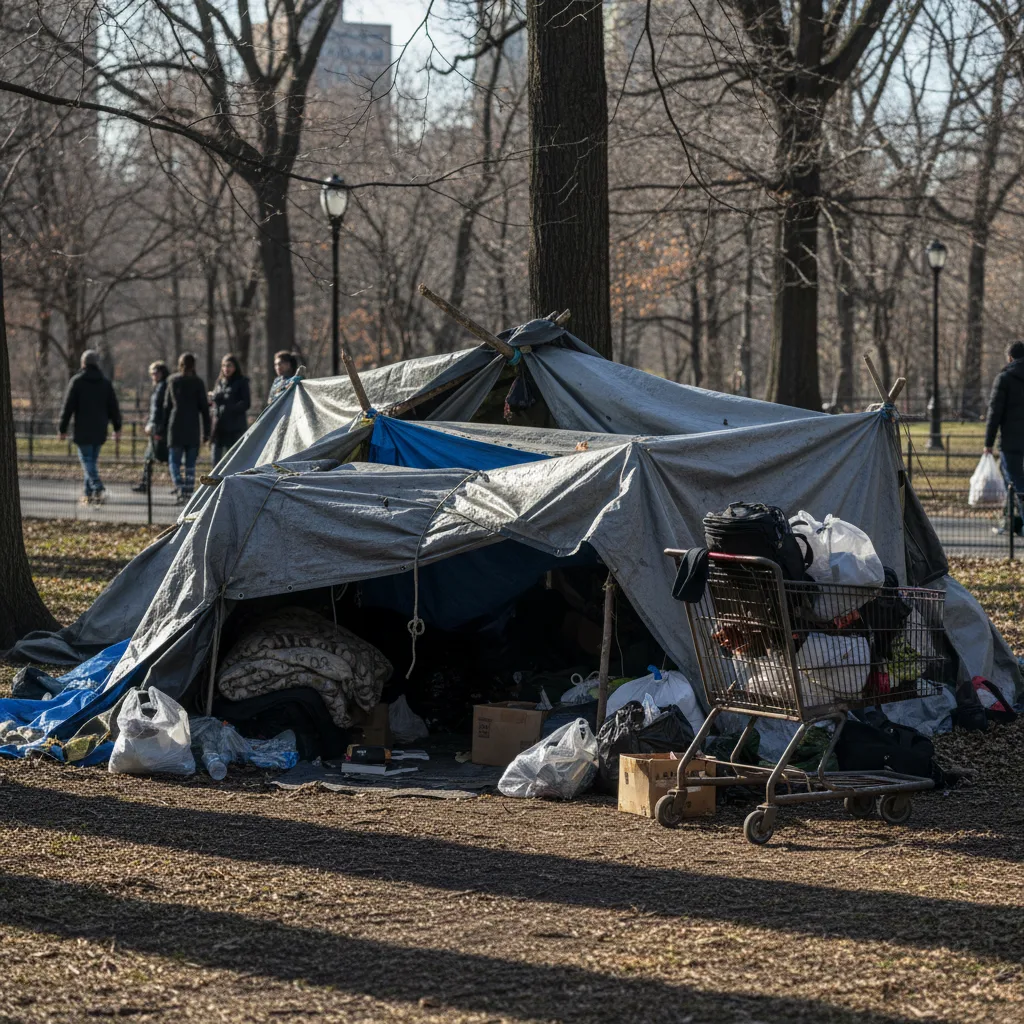
NYC Homeless Encampments Spotted Across Manhattan, Raising Concerns
Multiple homeless encampments have been spotted across Manhattan, raising significant concerns about urban policy and public safety. City officials are under pressure to address the growing homelessness crisis.
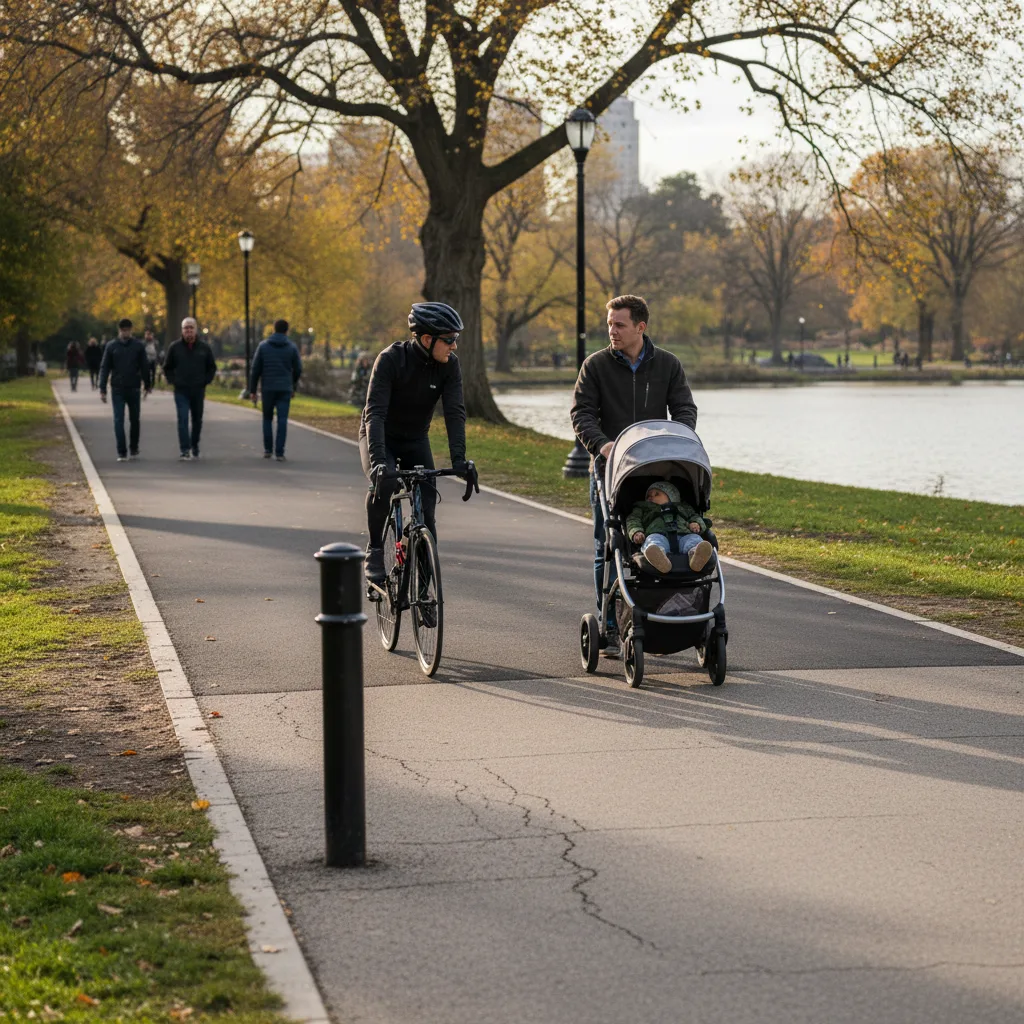
Safety Advocate Blames Park Redesign for Rising Central Park Cyclist Crashes
Safety advocates blame recent Central Park redesigns for a pedestrian's death and rising cyclist crashes, calling for urgent review of infrastructure.
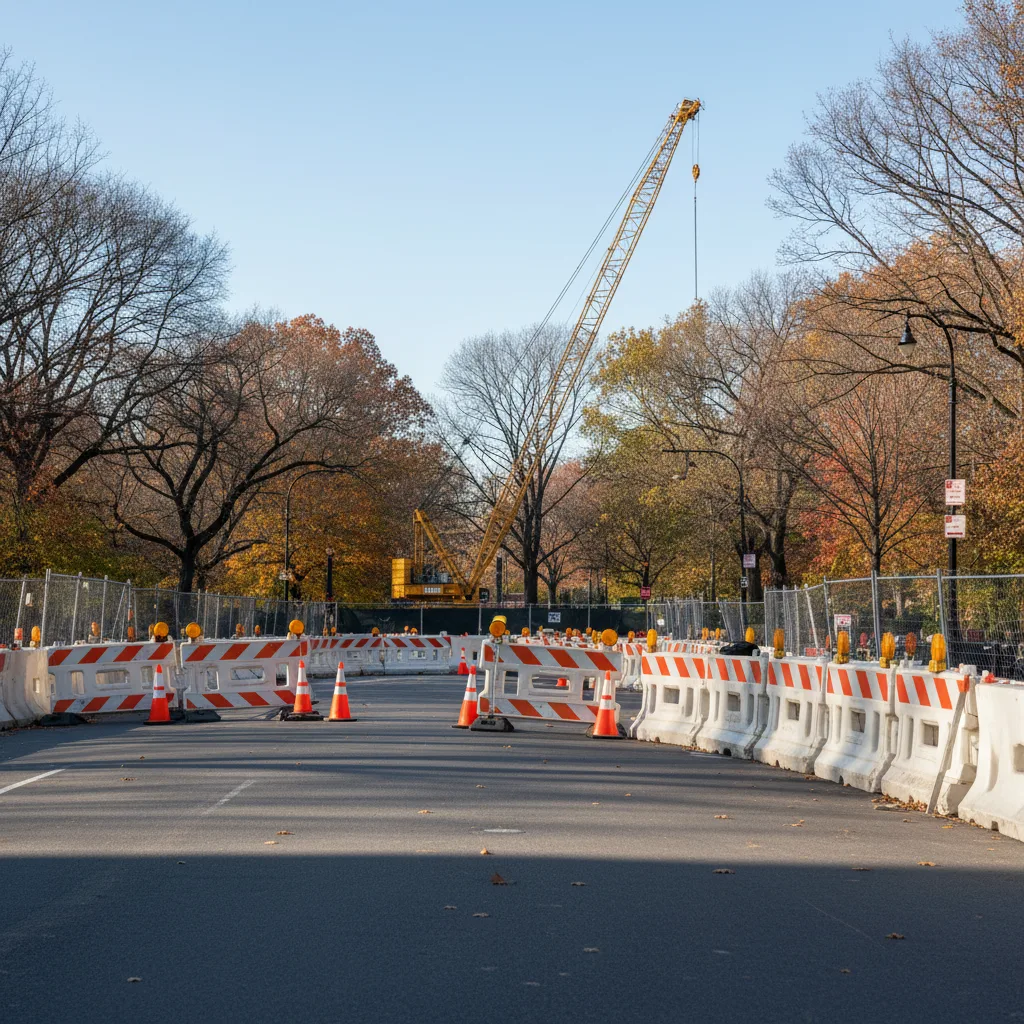
NYC DOT Advises Central Park Area Traffic Disruptions September 27
NYC DOT issued advisories for major traffic disruptions near Central Park on September 27, 2026, due to a parade and crane operations. Expect delays.

Davis Center at Harlem Meer Unveils State-of-the-Art Facilities
The new Davis Center at the Harlem Meer in Central Park's north end now features a state-of-the-art pool, ice rink, and multi-use turf field, enhancing community recreational options.

NYC City Record Confirms September 21, 2026, Publication Schedule
The NYC City Record confirmed its September 21, 2026, publication schedule, detailing administrative notices, procurement, and public hearings. This ensures transparency for municipal operations and public access to vital city information.