


Central Park Great Lawn, Ballfields Closed Amid Adverse Weather
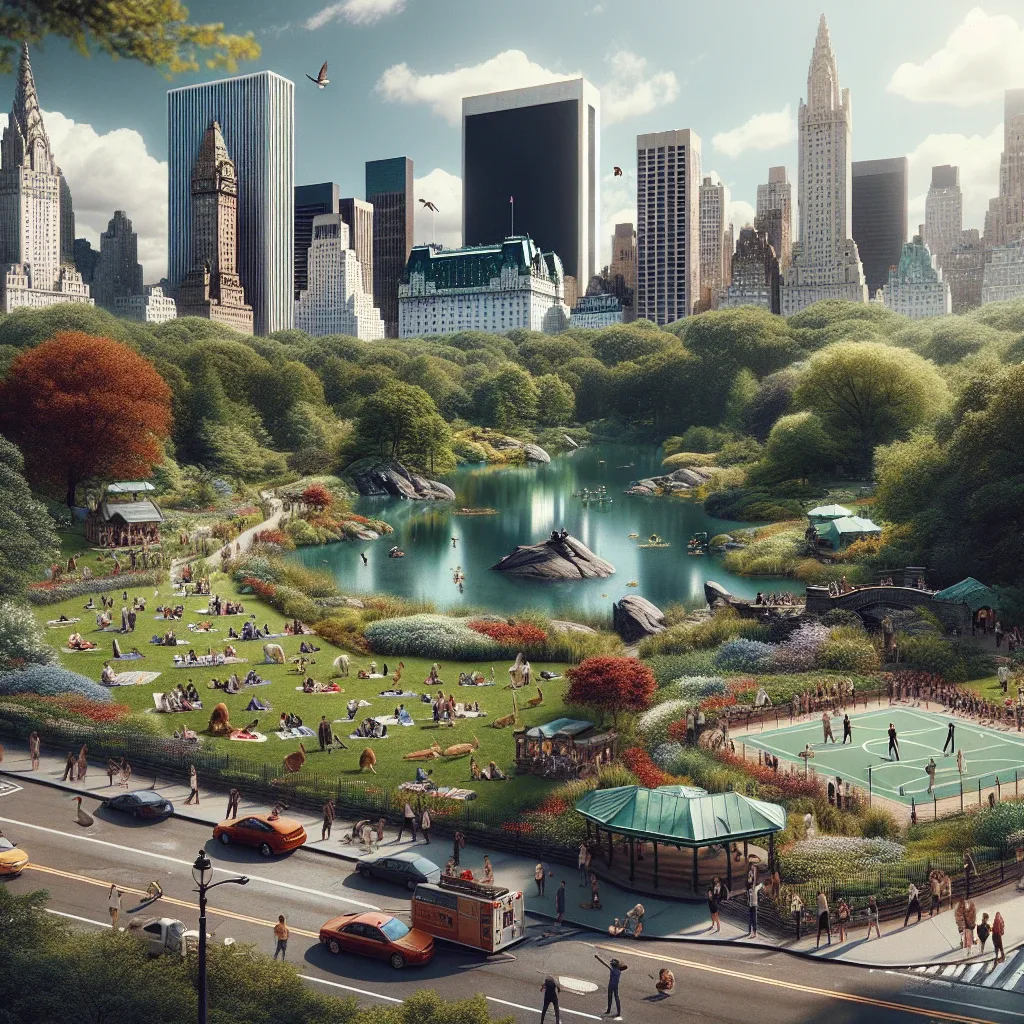
NEW YORK — Recent torrential rainfall has led to the immediate closure of Central Park’s iconic Great Lawn Oval and the North Ballfields, effective immediately. The Central Park Conservancy announced the closures this morning, citing concerns over public safety and the preservation of the park’s delicate turf following significant water saturation. Grand Army Plaza South has also been affected by localized flooding.
Park officials urge visitors to adhere to all posted signage and avoid closed areas. The decision to close these heavily trafficked sections of the park impacts thousands of daily users, from casual walkers to organized sports leagues, who frequent these popular locations.
Protecting Central Park's Green Infrastructure
The Central Park Conservancy regularly monitors weather conditions and soil saturation levels to prevent damage to the park’s extensive green spaces. Heavy rainfall, particularly several consecutive days of it, can render turf susceptible to compaction and erosion, harming root systems and requiring extensive, costly repairs.
“Our primary concern is always the safety of our visitors and the long-term health of Central Park’s landscape,” explained Robert Johnson, Director of Park Operations for the Central Park Conservancy, in an official statement released today. Johnson noted that saturated grounds can become slippery and uneven, posing trip hazards, especially in high-traffic areas like the Great Lawn, which sees an estimated 5 million visitors annually.
The North Ballfields, popular for softball and baseball leagues, are particularly vulnerable to damage during wet conditions. Playing on waterlogged fields can cause deep ruts and significantly degrade playing surfaces, leading to lengthy restoration periods, according to Conservancy data.
Impact on Recreation and Community Activities
The closure directly affects numerous scheduled recreational activities, including casual picnicking, sunbathing, and organized sports. Several amateur league games set for this week at the North Ballfields have been postponed or relocated, impacting hundreds of athletes.
Families planning weekend outings often gravitate towards the Great Lawn for its open space and scenic views of the city skyline. Its temporary closure means a shift in weekend plans for many New Yorkers, who rely on the park for outdoor leisure and exercise, particularly as spring approaches.
Visitors are advised to check the official Central Park alerts page before heading out to the park. This page provides real-time updates on closures, advisories, and other essential visitor information, ensuring public awareness of changing park conditions.
Grand Army Plaza South: Access Restrictions
In addition to the Great Lawn and North Ballfields, Grand Army Plaza South, a prominent entrance to the park at 59th Street and Fifth Avenue, is also experiencing access restrictions due to water accumulation. This area, known for its iconic statues and proximity to major commercial avenues, serves as a significant gateway to the park.
Pedestrian and vehicular access may be rerouted or limited in the immediate vicinity to ensure safety and facilitate drainage efforts. Traffic enforcement agents were observed redirecting some pedestrian flow near the Sherman Monument earlier this afternoon, according to NYPD reports.
These localized closures, while inconvenient, are standard procedure to mitigate environmental damage and ensure visitor well-being. The Conservancy emphasizes that the measures are temporary and will be lifted once conditions improve and areas are deemed safe for public use, aligning with park management guidelines.
Monitoring Weather and Reopening Plans
The Central Park Conservancy’s meteorology team and ground crews are continuously monitoring weather patterns and assessing ground conditions across the park. The decision to reopen affected areas will be made only after thorough inspections confirm that the turf has adequately dried and is stable enough to withstand regular foot traffic and recreational use.
Reopening announcements will be disseminated through official park channels, including the Conservancy’s website, social media accounts, and on-site signage. Visitors should anticipate potential delays in reopening, particularly if additional rainfall is forecast for the upcoming days, as soil saturation can linger for extended periods.
“We understand the inconvenience these closures cause, but they are essential for protecting this precious resource for future generations,” Johnson reiterated. He encouraged New Yorkers to explore other open sections of the park, such as the Conservatory Garden or the Ramble, which are less susceptible to weather-related closures due to their design and elevation, providing various options for park visitors. The park remains a vibrant space even with these temporary restrictions.
Frequently Asked Questions About Central Park Closures
Why are the Great Lawn Oval and North Ballfields currently closed? The Great Lawn Oval and North Ballfields are closed due to significant water saturation from recent heavy rainfall. This measure is crucial to prevent damage to the turf, which can lead to erosion and costly repairs, and to ensure public safety by avoiding slippery or uneven surfaces. The Central Park Conservancy prioritizes both visitor well-being and environmental preservation.
How does weather impact Central Park's different areas differently? Different areas of Central Park respond to weather conditions uniquely due to varied topography, drainage systems, and usage levels. Low-lying areas and large, flat expanses like the Great Lawn are more prone to waterlogging. Conversely, elevated or forested areas like the Ramble or the Conservatory Garden often drain more effectively and are less likely to require closure during similar weather events. This diversity allows for different parts of the park to remain open.
Where can I find real-time updates on Central Park closures and alerts? For the most current information on closures and alerts within Central Park, visitors should consult the official Central Park Conservancy website, specifically its dedicated alerts page. This online resource provides real-time updates on affected areas, reopening timelines, and other important visitor advisories. Additionally, local news outlets often report on significant park closures in New York City.
Are there any alternative areas in Central Park that remain open during these closures? Yes, even when major areas like the Great Lawn or North Ballfields are closed, many other sections of Central Park typically remain open and accessible. Visitors can still enjoy walking paths, forested areas, gardens, and other recreational zones less impacted by saturation. Specific open areas can be confirmed by checking the Central Park Conservancy's official alerts, which often suggest alternatives for park visitors seeking open spaces during temporary closures.
Related Articles
More in Park Operations & Maintenance →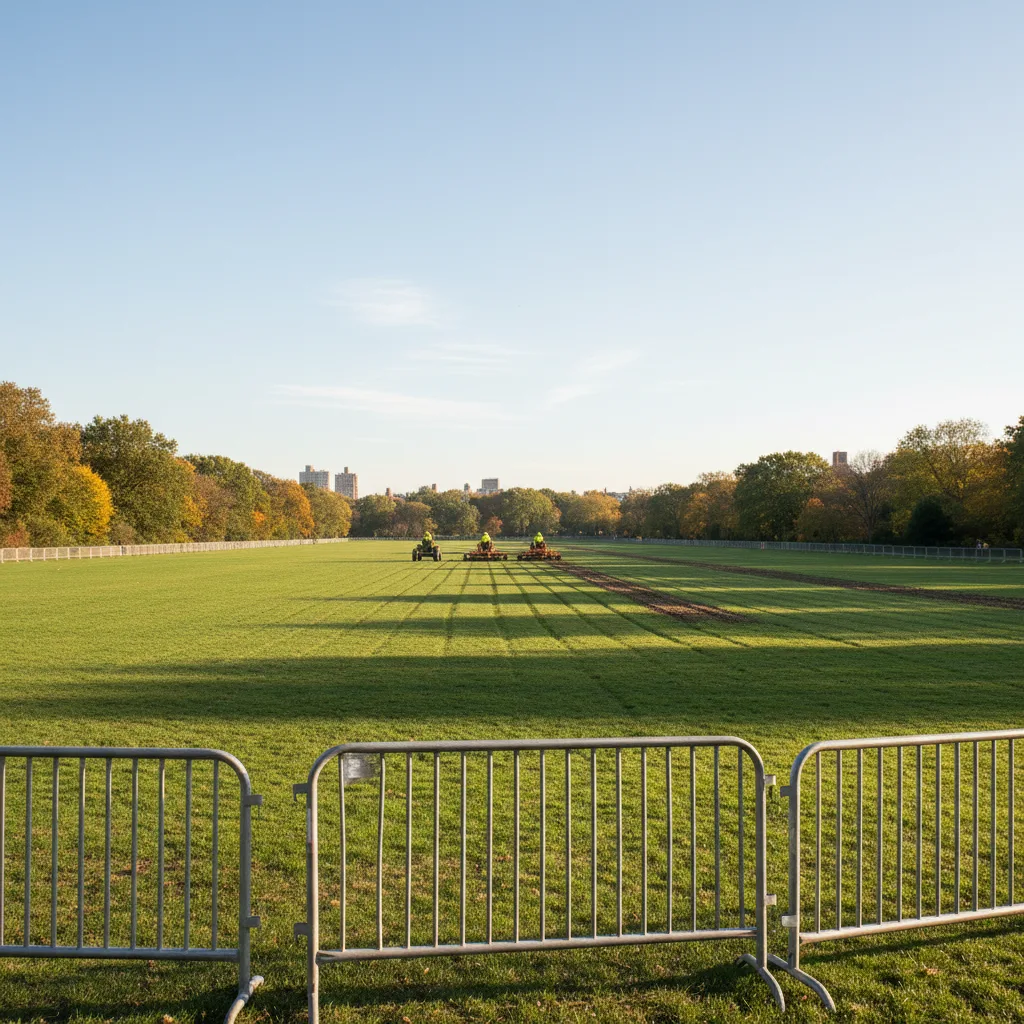
Central Park Conservancy Closes Great Lawn for Scheduled Maintenance
The Central Park Conservancy closed the Great Lawn through October 2, 2026, for scheduled maintenance, impacting weekend activities. Essential upkeep ensures the iconic green space remains vibrant for visitors.
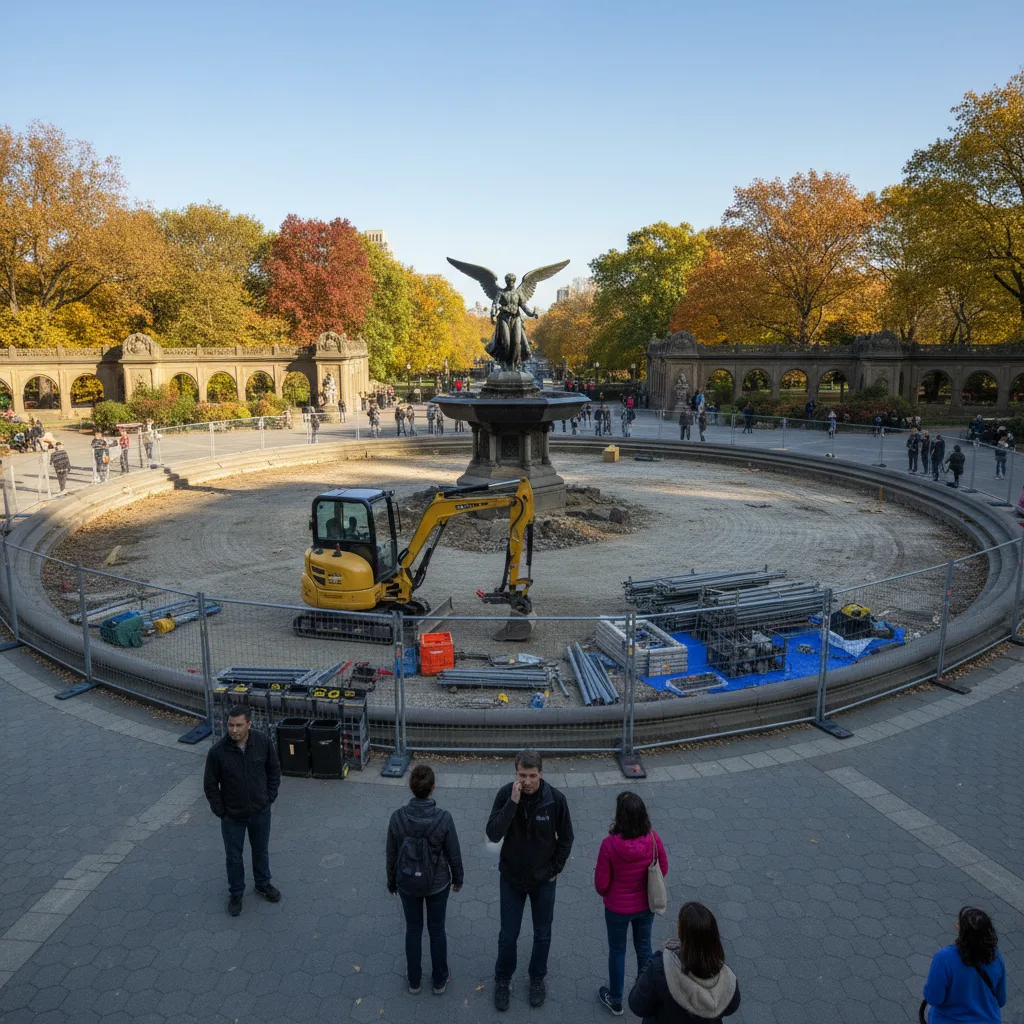
Central Park Conservancy Announces Bethesda Fountain, Great Lawn Closures
Central Park Conservancy announced Bethesda Fountain is off for restoration and the Great Lawn closed through October 2, 2026 for maintenance, affecting visitor access.
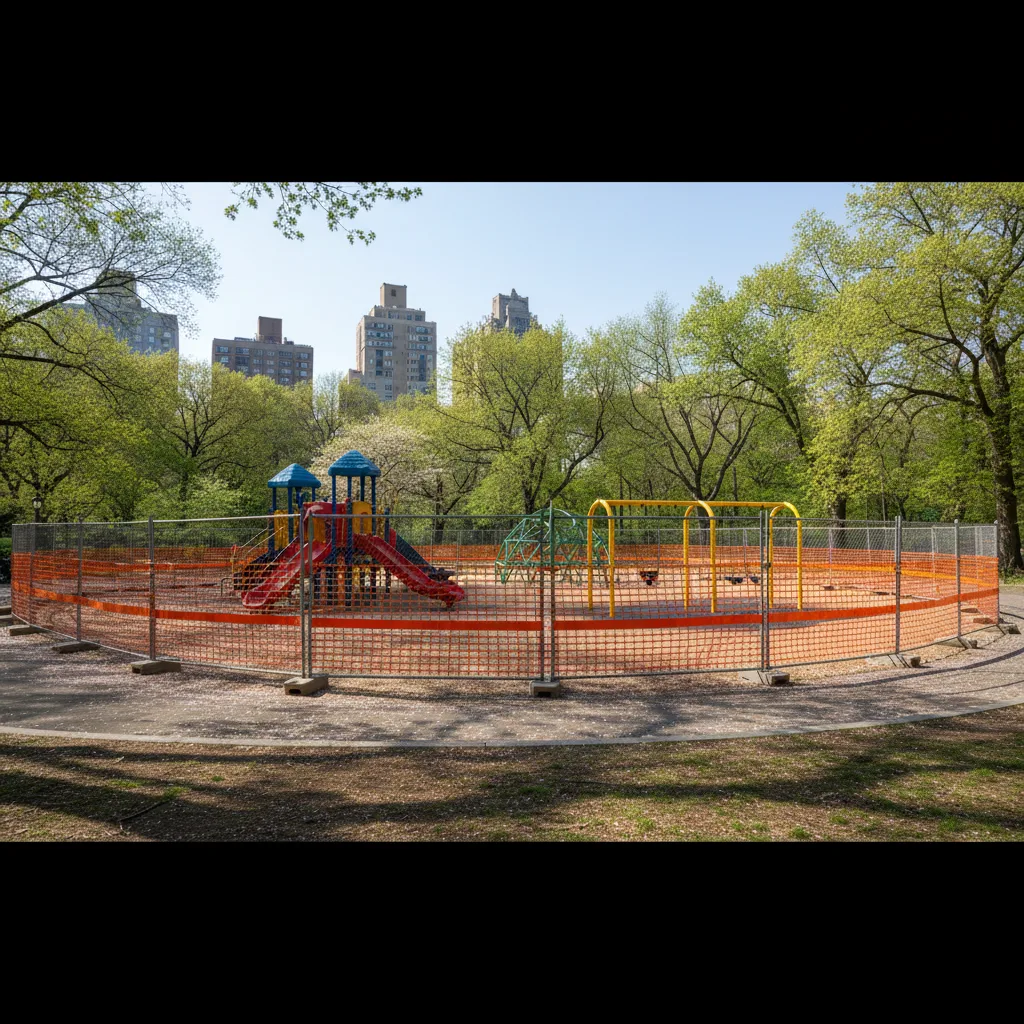
Central Park Conservancy Closes East 110th Street Playground for Restoration
Central Park Conservancy closed the East 110th Street Playground for restoration, while North Meadow and Heckscher ballfields shut due to weather. Plan your visit; check alerts for closures impacting recreation in Central Park.
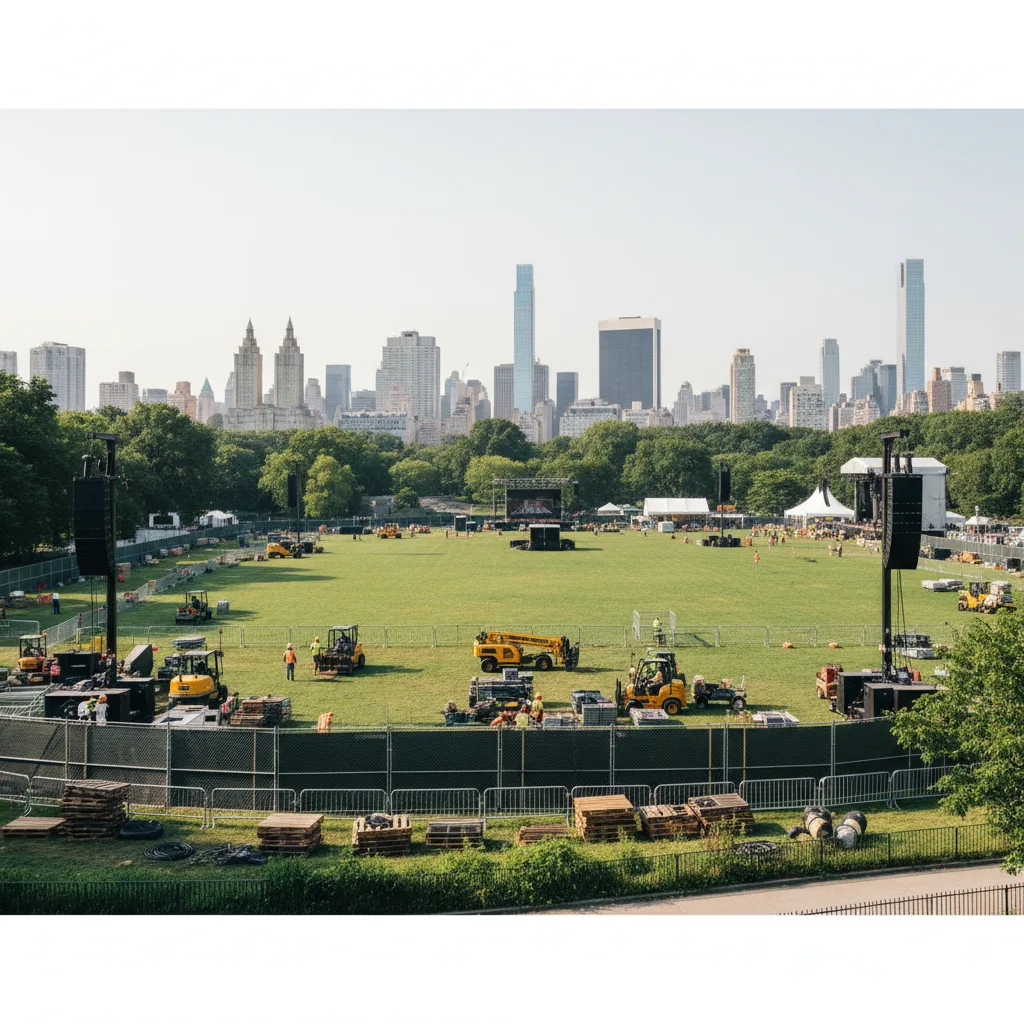
Central Park Conservancy Closes Great Lawn for Global Citizen Festival
Central Park Conservancy confirmed the Great Lawn is closed through September 26, 2026, for the Global Citizen Festival, affecting access to Belvedere Castle and Turtle Pond. Local residents and visitors should plan alternate routes and expect traffic delays around the park's perimeter.
Central Park Conservancy Confirms 2026 Daily Operating Hours
Central Park Conservancy confirms 2026 daily hours: 6:00 a.m. to 1:00 a.m. This notice is for visitor planning, not a change.
Central Park Conservancy Announces Park Hours Update for 2026
Central Park Conservancy announced updated 2026 park hours, maintaining 6:00 a.m. to 1:00 a.m. access daily. This schedule balances public enjoyment with critical maintenance and security operations.