


Central Park: A Historical Overview from 1858 to Present Day

NEW YORK — New York’s Central Park, a world-famous public park, was created in 1858 to address the recreational needs of the rapidly growing City, according to CentralParkNYC.org. Today, it welcomes more than 42 million visitors each year, many of whom are unaware of its rich and complex history.
Visionary Beginnings in 1858
The idea for Central Park first took shape in the mid-19th century as New York City expanded rapidly. Visionaries recognized the need for a large public green space to provide recreation, improve public health, and offer a respite from urban life. In 1858, a design competition was held, won by Frederick Law Olmsted and Calvert Vaux, whose "Greensward Plan" laid the groundwork for the park we know today.
Their plan meticulously integrated natural landscapes with carefully designed architectural features, creating a diverse environment for various activities. This ambitious project transformed a rugged, undesirable terrain into a meticulously planned urban oasis, a feat that captivated the public's imagination from its inception.
Construction and Early Development
Construction of Central Park was a monumental undertaking, employing thousands of laborers over several years. The process involved extensive landscaping, including the movement of millions of tons of earth and rock, the creation of several lakes and ponds, and the planting of countless trees and shrubs. This massive effort reshaped the land, crafting hills, valleys, and open meadows such as Sheep Meadow.
The park officially opened to the public in phases, with certain sections becoming accessible even as construction continued elsewhere. Early visitors immediately embraced the space for promenades, carriage rides, and quiet contemplation, fulfilling the founders' goal of a democratic and accessible park for all New Yorkers. Its creation was an engineering and social marvel of its time.
Evolution Through the 20th Century
Central Park continued to evolve throughout the 20th century, adapting to changing social needs and urban development. From its early popularity as a tranquil retreat, it transformed into a dynamic hub for cultural events, sports, and community gatherings. Landmarks like the Bethesda Terrace and Fountain, Belvedere Castle, and Strawberry Fields became iconic symbols of the park's enduring appeal.
Periods of economic prosperity and hardship both left their mark on the park's maintenance and programs. In certain eras, the park faced significant challenges, including neglect and crime, prompting renewed efforts in restoration and safety. These changes were often driven by the Central Park Conservancy, a private non-profit organization established to help manage and restore the park. For more details on these efforts, refer to Central Park event calendar updates.
Modern Day: A Global Icon
Today, Central Park stands as a global icon, attracting more than 42 million visitors annually, a testament to its timeless design and continuous management. It stretches from 59th Street to 110th Street, between Fifth Avenue and Central Park West, offering a vast array of recreational opportunities, cultural programs, and natural beauty. The park remains a vital resource for both local residents and international tourists seeking a quintessential New York experience.
Its enduring popularity underscores the lasting relevance of Olmsted and Vaux's vision for an accessible urban green space. The park continues to be a living, breathing part of the city, constantly adapting while preserving its historical integrity. It truly serves as NYC's sanctuary, right at your doorstep.
The Role of the Central Park Conservancy
The Central Park Conservancy plays a crucial role in the park's ongoing preservation and enhancement. Established in 1980, the Conservancy works in partnership with the NYC Department of Parks & Recreation to manage the park, raising the vast majority of its annual operating budget. Their efforts have led to significant restorations of key features, including the Conservatory Garden and Bow Bridge.
The Conservancy's work ensures that the park's historical legacy is maintained while addressing contemporary needs, from horticulture and conservation to visitor services. They are instrumental in organizing programs and events that enrich the park experience for all, from educational tours to seasonal festivals.
Frequently Asked Questions
When was Central Park officially designated as a public park?
Central Park was officially created in 1858, following an intense period of planning and public debate. Its design was selected through a competition, with the "Greensward Plan" by Frederick Law Olmsted and Calvert Vaux ultimately chosen to transform the landscape into the iconic urban green space we recognize today.
How many acres does Central Park cover and what are its boundaries?
Central Park spans 843 acres, stretching from 59th Street to 110th Street and from Fifth Avenue to Central Park West. This vast expanse allows for diverse landscapes, from dense woodlands to open meadows, providing ample space for its millions of annual visitors.
What are some of the most historically significant landmarks within Central Park?
Central Park boasts numerous historically significant landmarks, including the Bethesda Terrace and Fountain, which opened in 1873, and Belvedere Castle, built in 1869. Other notable sites include the Naumburg Bandshell, the Carousel, and Strawberry Fields, each with unique stories contributing to the park's rich history.
Related Articles
More in Arts & Culture →
New York Swings with Josh Lee & The Family September 30, 2026
Josh Lee and The Family will present “New York Swings” on September 30, 2026, featuring Lindy Hop and live swing-era jazz music. Experience vintage jazz and dance in the heart of NYC.
Central Park Conservancy Hosts Seneca Village Tours September 27
Central Park Conservancy hosted Seneca Village Tours on September 27, 2026, exploring the history of the pre-park African-American community from West 82nd to 89th Street.
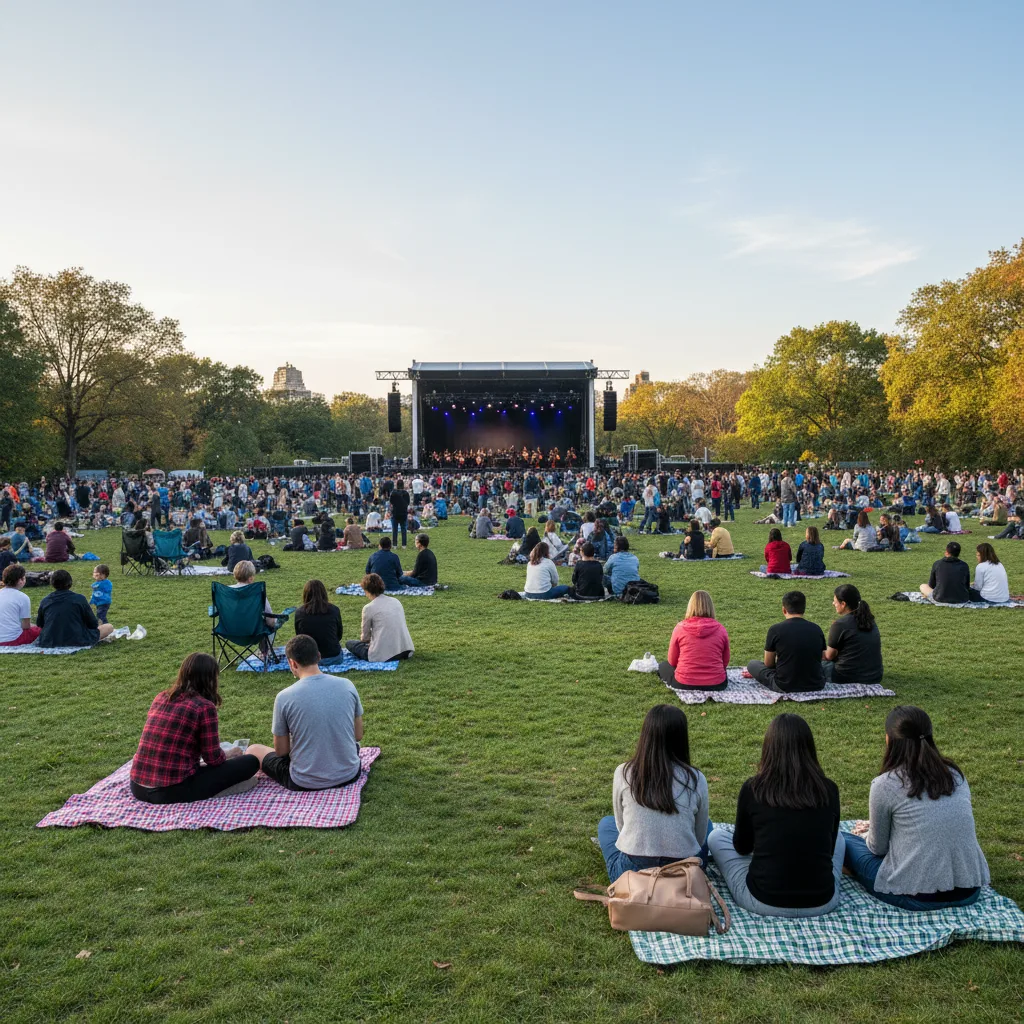
Central Park Set for Opera Italiana Harmonies of Peace Concert September 21
Opera Italiana will present its "Harmonies of Peace" concert in Central Park on September 21, 2026, for the International Day of Peace. The free event features arias by Rossini, Puccini, and a Juilliard world premiere.
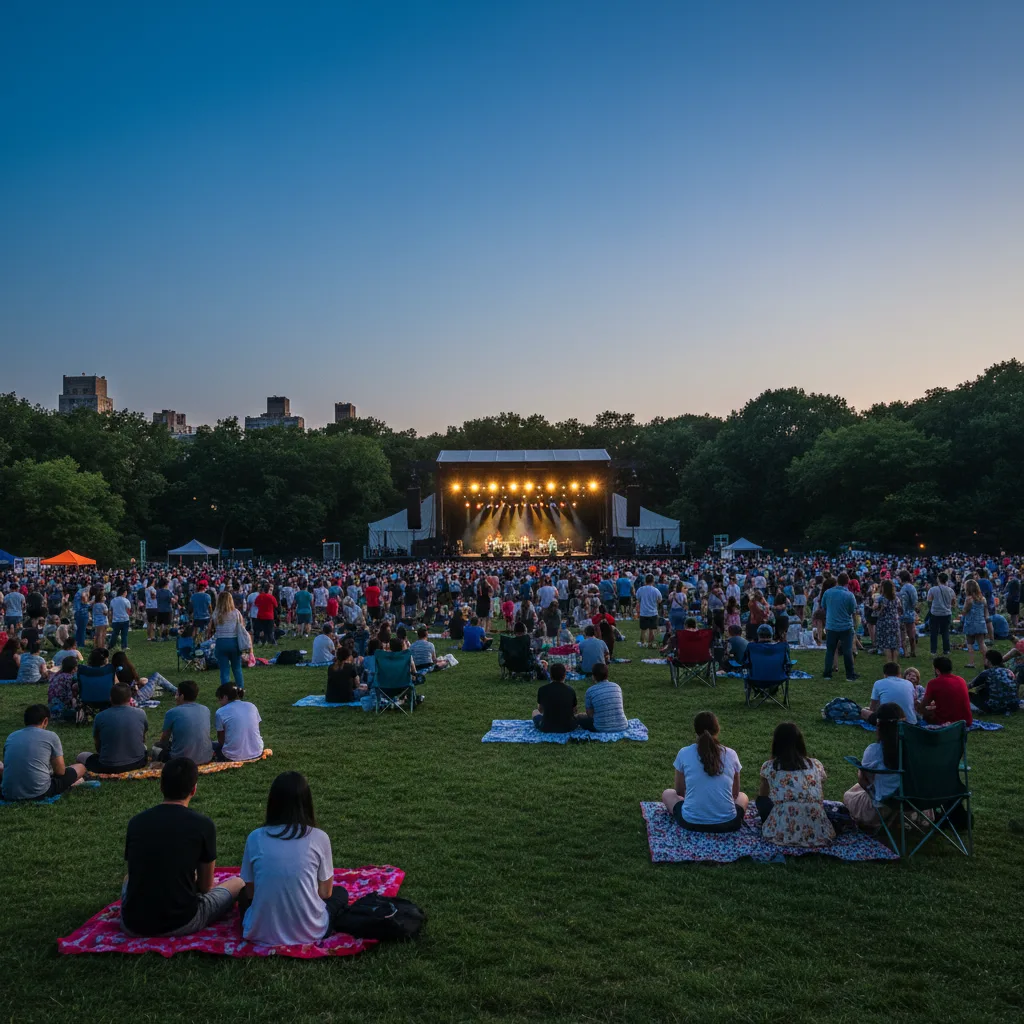
Samara Joy and Christian McBride Headline Central Park SummerStage September 2, 2026
Samara Joy and Christian McBride headline Central Park SummerStage on September 2, 2026, in a free concert celebrating Verve’s 70th Anniversary.
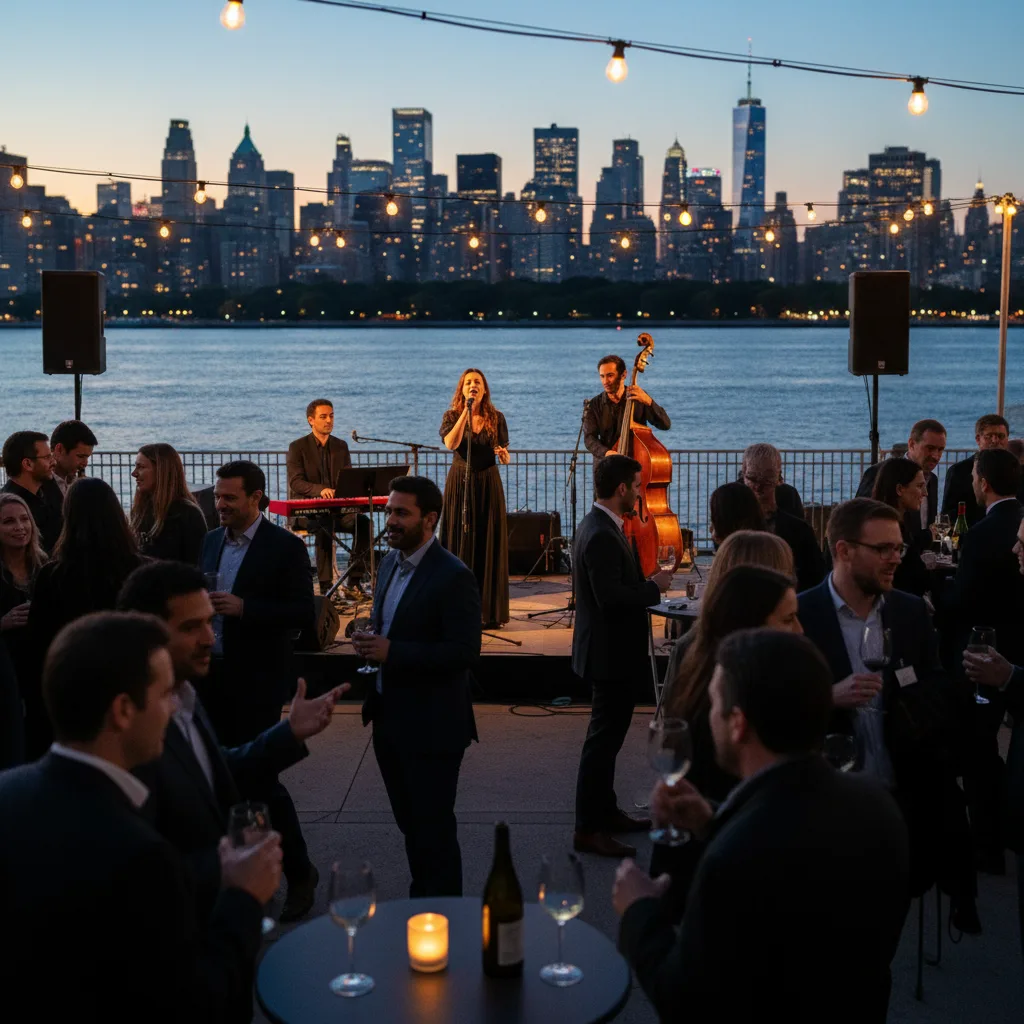
Central Park Calendar Highlights Fine Arts Auction and Wine & Song Evening on September 10, 2026
Central Park’s surrounding areas host a Fine Arts and Mid-Century Modern Auction and a “Vino e Voce: An Evening of Wine & Song” on September 10, 2026.

Central Park Offers Daily Public Access From 6 AM to 1 AM
Central Park maintains extensive daily public access from 6:00 am to 1:00 am, offering a continuous urban sanctuary for millions of visitors.