


Central Park Launches Major Biodiversity Initiative for 843-Acre Oasis
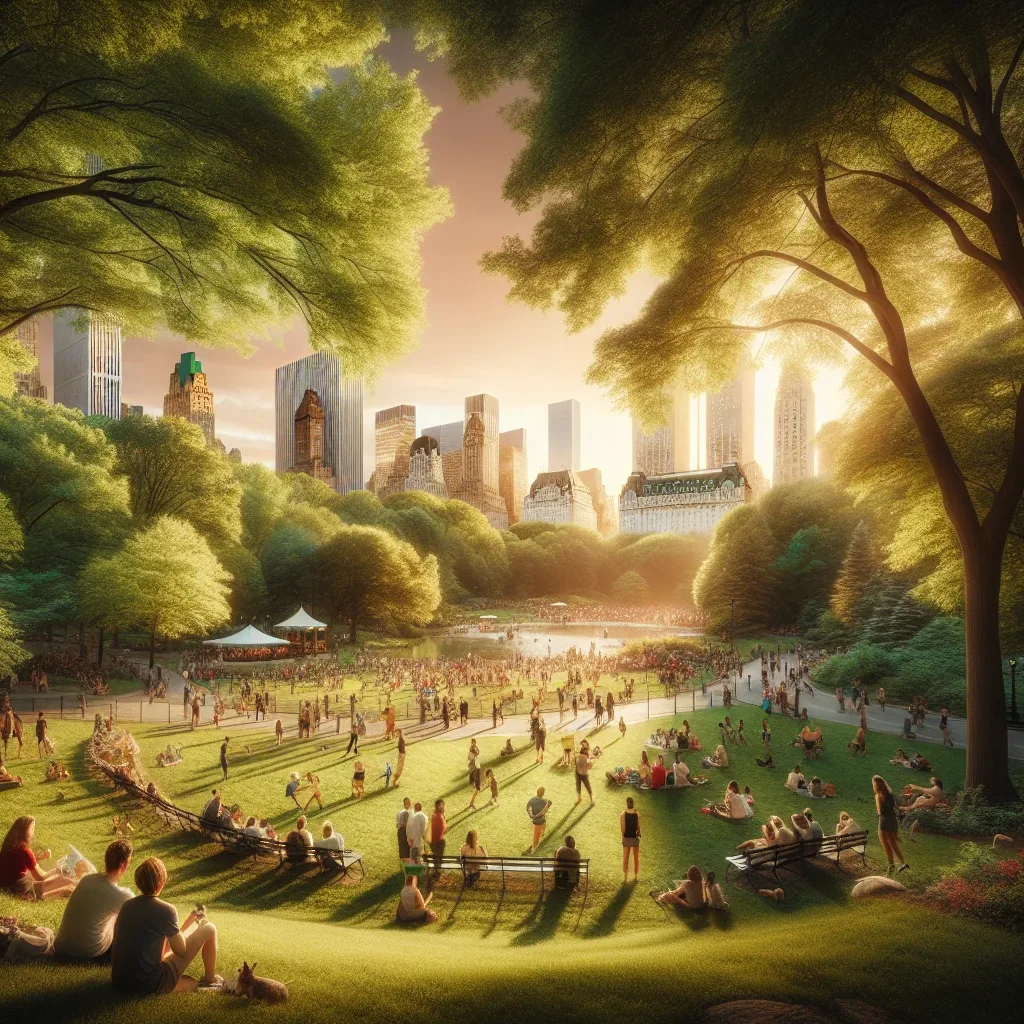
NEW YORK — The Central Park Conservancy, in collaboration with the New York City Department of Parks and Recreation, has officially launched a comprehensive new Biodiversity Initiative aimed at enhancing and protecting the diverse ecosystems within the park's 843 acres. This multi-year program, announced at a press conference this morning, seeks to bolster urban wildlife populations, restore natural habitats, and educate the public on ecological stewardship.
Officials emphasized the initiative's critical role in safeguarding Central Park's unique natural heritage amidst increasing urban pressures. The plan outlines specific projects ranging from wetlands restoration to targeted native plant propagation, with a significant focus on avian and insect conservation.
Conservancy Unveils Ambitious Conservation Goals
At the forefront of this ambitious project is a commitment to reversing the decline of several local species, particularly migratory birds and pollinators, whose habitats have faced challenges from climate change and urbanization. Dr. Evelyn Reed, Chief Ecologist for the Central Park Conservancy, detailed the program's objectives from the Dana Discovery Center near the Harlem Meer.
"Central Park is not just a green space; it's a vital ecological corridor in the heart of our city, supporting hundreds of species," Dr. Reed explained. "Our new Biodiversity Initiative will utilize the latest scientific research and community engagement to ensure this urban oasis thrives. We aim to increase native plant coverage by 15% across key zones and restore 5 acres of critical wetland habitat within the next five years."
The initiative represents a significant expansion of existing conservation efforts, dedicating new resources to areas such as The Ramble, a 38-acre woodland known for its birdwatching opportunities, and the tranquil North Woods. The initial phase of the project, slated for completion by late 2027, will involve detailed ecological surveys and the deployment of new, non-invasive monitoring technologies to track wildlife populations.
Protecting Urban Wildlife and Habitats
A core component of the initiative focuses on habitat restoration, particularly for avian species that utilize Central Park as a crucial stopover point during migration. The plan includes the planting of thousands of native trees, shrubs, and perennials that provide essential food sources and shelter. Special attention will be given to the creation of 'pollinator pathways' to support bee and butterfly populations, vital for the health of the park's plant life.
"The health of our plant communities directly impacts the health of our animal populations," noted Thomas Jenkins, Director of Operations for the NYC Parks Department. "By restoring native flora and managing invasive species, we are creating a more resilient and welcoming environment for all forms of life in Central Park. This benefits not only the wildlife but also the millions of people who visit our park each year to connect with nature."
Educational programs for park visitors and local schools are also a key pillar, designed to foster a deeper understanding and appreciation for urban ecology. These programs will include guided nature walks, workshops on native gardening, and citizen science projects that allow residents to contribute directly to data collection.
Community Involvement and Volunteer Opportunities
The success of the Biodiversity Initiative heavily relies on community participation. The Central Park Conservancy is actively seeking volunteers for a variety of roles, including planting events, invasive species removal, and wildlife monitoring. These efforts provide tangible ways for New Yorkers to contribute to the park's ecological health.
"We invite everyone to become stewards of Central Park," said Maria Gonzalez, Volunteer Coordinator for the Conservancy, during an outreach event at the East 106th Street Playground. "From planting saplings to helping document bird sightings, every contribution makes a difference. This is a shared responsibility, and the more hands we have, the greater impact we can make on the park's future." Specific opportunities are listed on the Central Park Conservancy's official website and social media channels.
Addressing Environmental Challenges in an Urban Setting
Managing an 843-acre natural space in the middle of a dense metropolis presents unique environmental challenges. Air and water quality, soil compaction from heavy foot traffic, and the presence of urban pollutants all impact the park’s ecosystems. The new initiative directly confronts these issues through innovative conservation strategies and sustainable park management practices.
One significant focus involves improving water quality in the park's many ponds and streams, including the iconic Lake and the smaller Conservatory Water. Implementing natural filtration systems and reducing stormwater runoff are key actions. These efforts will not only benefit aquatic life but also enhance the aesthetic and recreational value of these water bodies. The initiative aligns with broader city-wide sustainability goals, aiming to make New York City a greener and more resilient place.
Long-Term Vision and Expected Outcomes
The Central Park Biodiversity Initiative is a long-term commitment, with ongoing monitoring and adaptive management strategies built into its framework. The Conservancy anticipates several key outcomes, including a measurable increase in target bird species populations, a healthier and more diverse native plant community, and improved overall ecosystem function. The program also aims to enhance the park's resilience to climate change impacts, such as extreme weather events.
Ultimately, the initiative seeks to reinforce Central Park's role as a global model for urban park management and conservation. Its success will serve as a testament to the power of dedicated stewardship in preserving nature's invaluable presence within an urban landscape. Further information regarding ongoing Central Park events and conservation projects is readily available.
Frequently Asked Questions About Central Park's Biodiversity Initiative
What is the primary goal of the Central Park Biodiversity Initiative? The initiative aims to enhance and protect Central Park's diverse ecosystems by restoring natural habitats, supporting urban wildlife populations, and educating the public on ecological stewardship.
Which areas of Central Park will benefit most from this initiative? While the initiative is park-wide, key areas of focus include The Ramble, the North Woods, and various wetlands and water bodies like The Lake and the Harlem Meer, which are crucial for migratory birds and aquatic life.
How can I get involved with the Biodiversity Initiative? The Central Park Conservancy offers numerous volunteer opportunities, including planting events, invasive species removal, and citizen science projects. You can find more information and sign up on their official website or by contacting their volunteer coordination office.
Will this initiative affect public access to certain areas of the park? While some sensitive restoration areas may have temporary restricted access during planting or initial recovery phases, the overall goal is to enhance the entire park for both wildlife and visitors. Any temporary closures will be clearly communicated.
What specific species will the initiative focus on protecting? The initiative will focus on a range of species, including migratory birds, various pollinator insects like bees and butterflies, and native plant communities. Efforts to improve water quality will also benefit fish and other aquatic organisms within the park's water bodies.
Related Articles
More in Wildlife & Nature →
Central Park Boathouse Bird Watching Tour Offers Educational Experience
Central Park Boathouse offers an educational bird watching tour, providing visitors an opportunity to observe avian species. This experience connects locals with nature, enhancing appreciation for park wildlife.
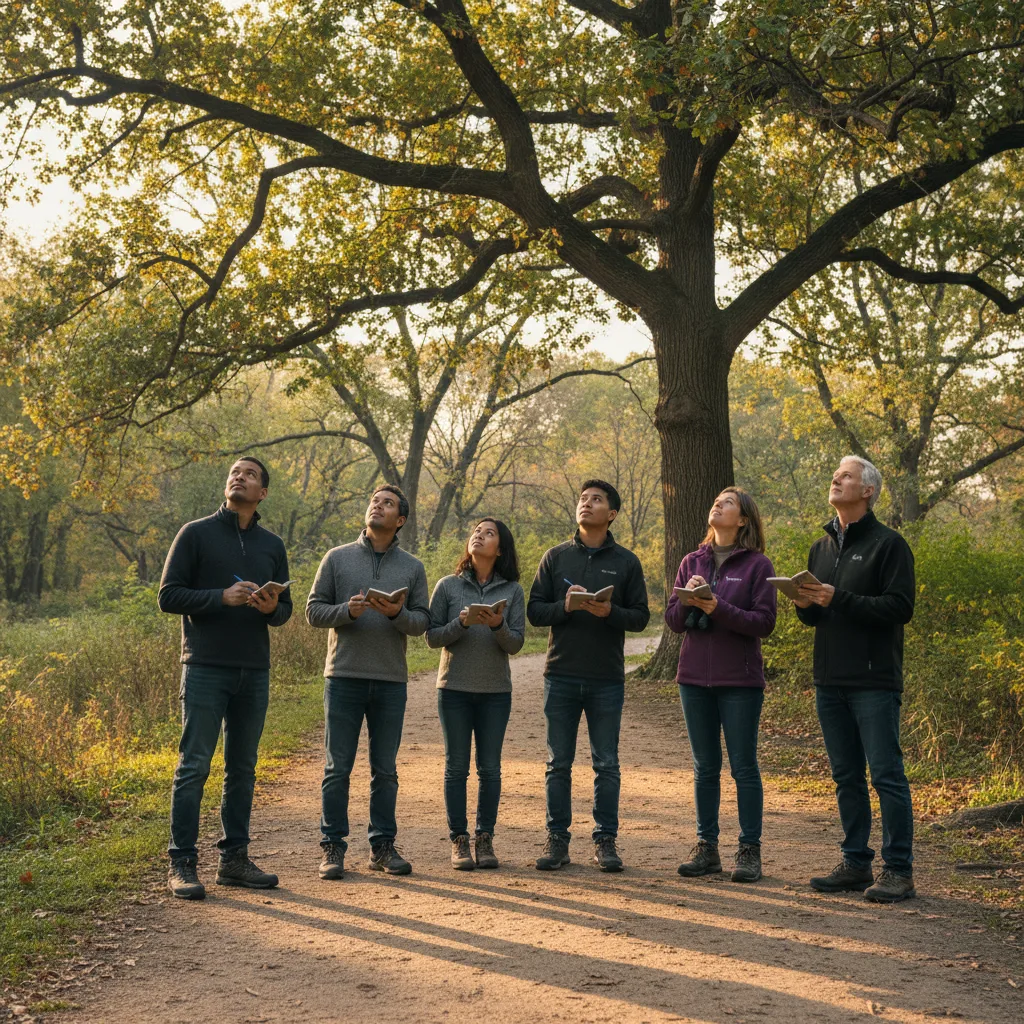
Central Park Event Calendar Features Climate Week Activities September 27
Central Park's event calendar for September 27, 2026, included a Climate Week-aligned "Journal, Meditation, + Bird Walk," promoting environmental awareness.
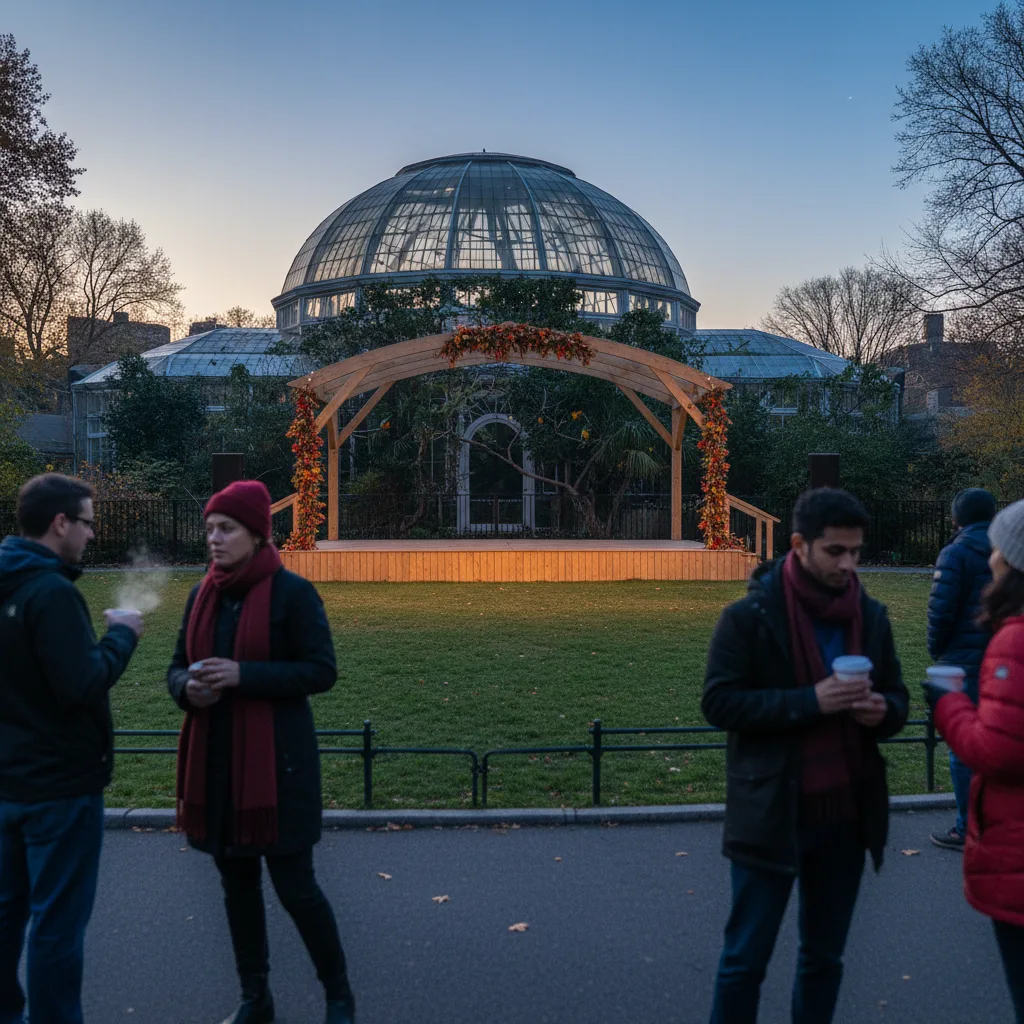
Wildlife Conservation Society Awards Lovejoy Prize at Central Park Zoo
Wildlife Conservation Society awards 2026 Thomas E. Lovejoy Prize today at Central Park Zoo during Climate Week in New York City.
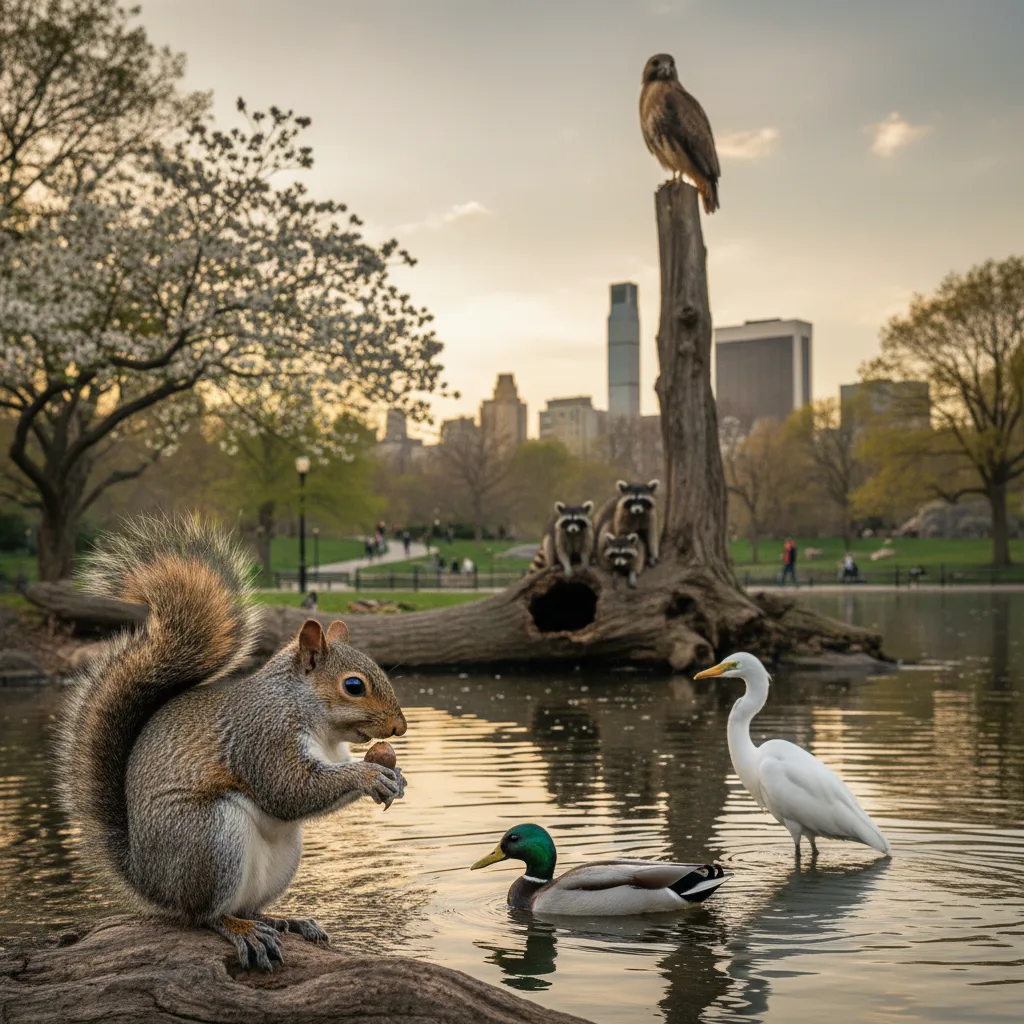
A Guide to Central Park's Wildlife: What to Know About the Park's Animals and Ecosystem
Discover the diverse Central Park wildlife, from birds and mammals to aquatic life. Learn responsible observation tips and conservation efforts for 2026.
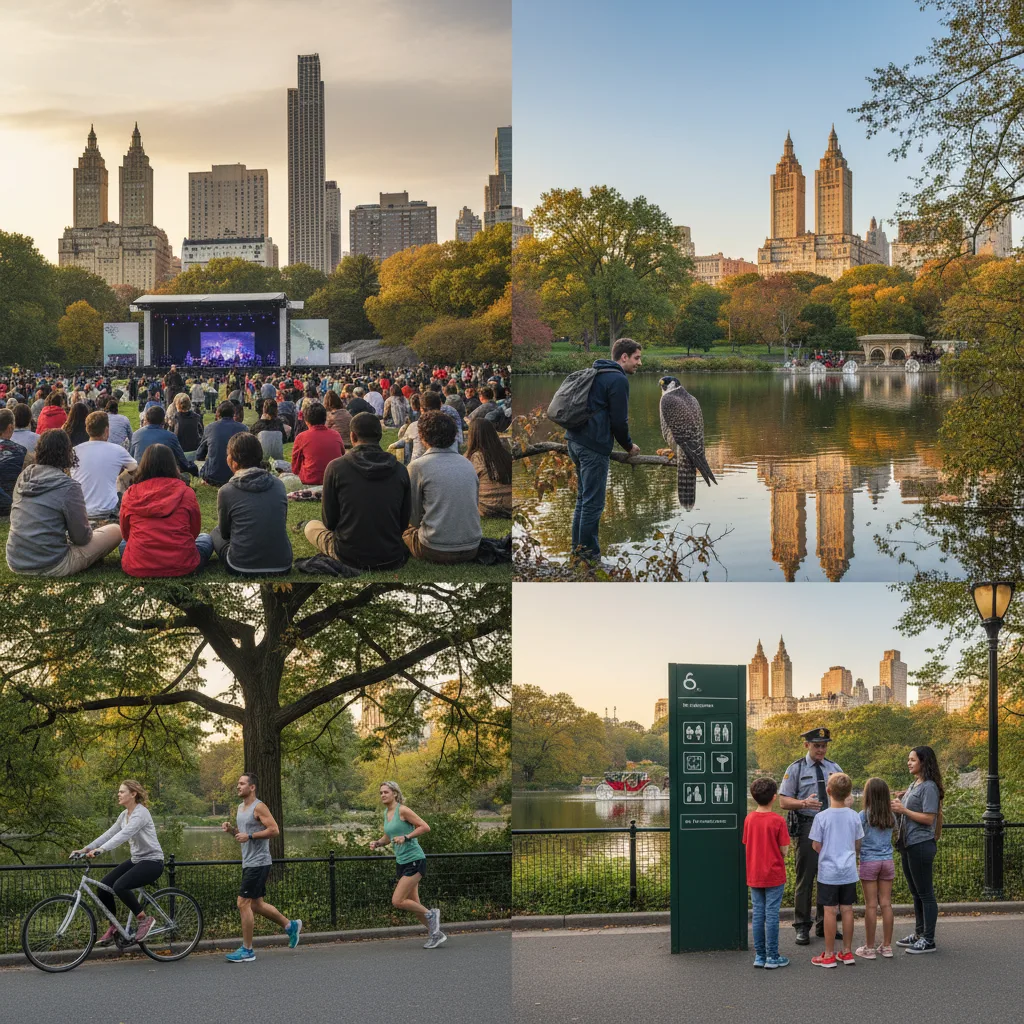
A Guide to Central Park's Top Activities and Best Things to Do in 2026
Discover the best things to do in Central Park, NYC, with our comprehensive 2026 guide to iconic landmarks, activities, and hidden gems for visitors.
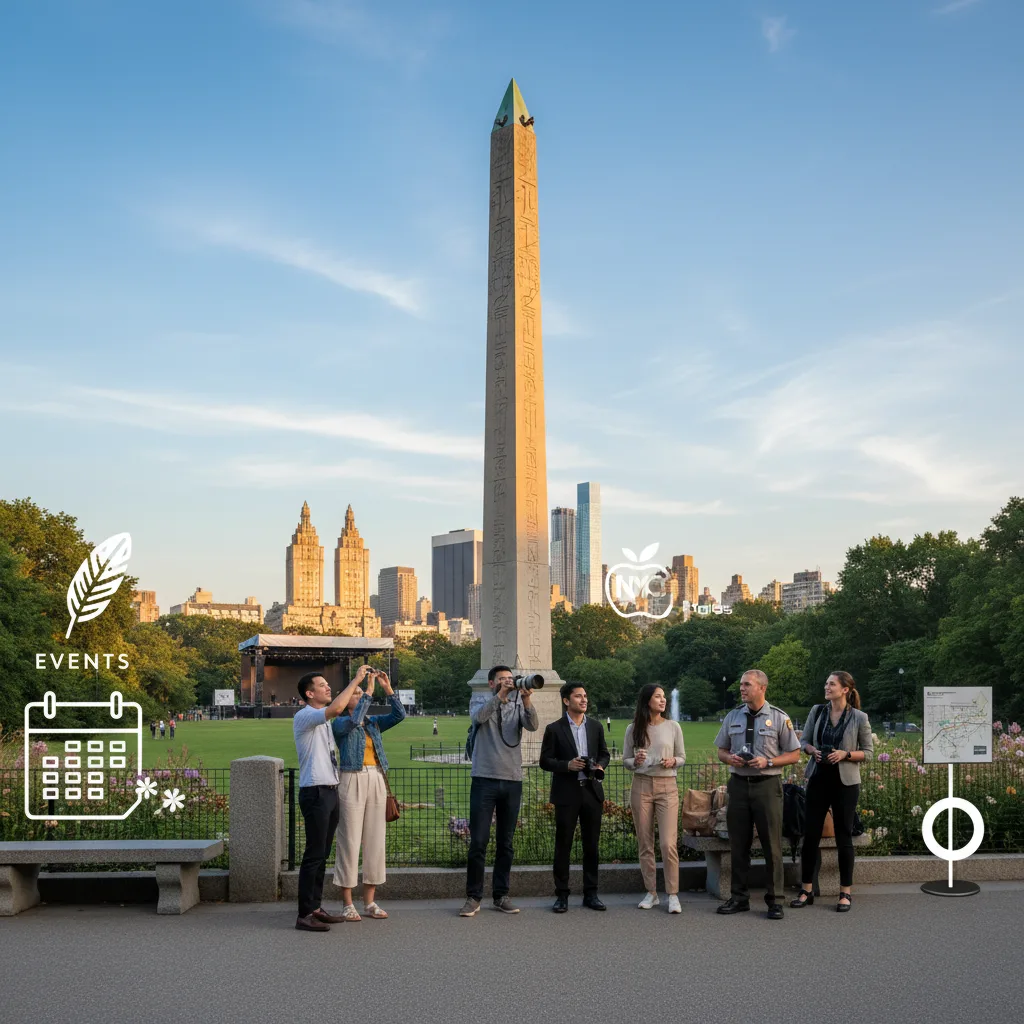
A Guide to What to Know About the Vatican Obelisk in Central Park 2026
Discover what to know about the Vatican Obelisk (Cleopatra's Needle) in Central Park, its history, journey to NYC, and where to find it in 2026.