


Central Park Lightning Strike Injures Teenager Near Sheep Meadow
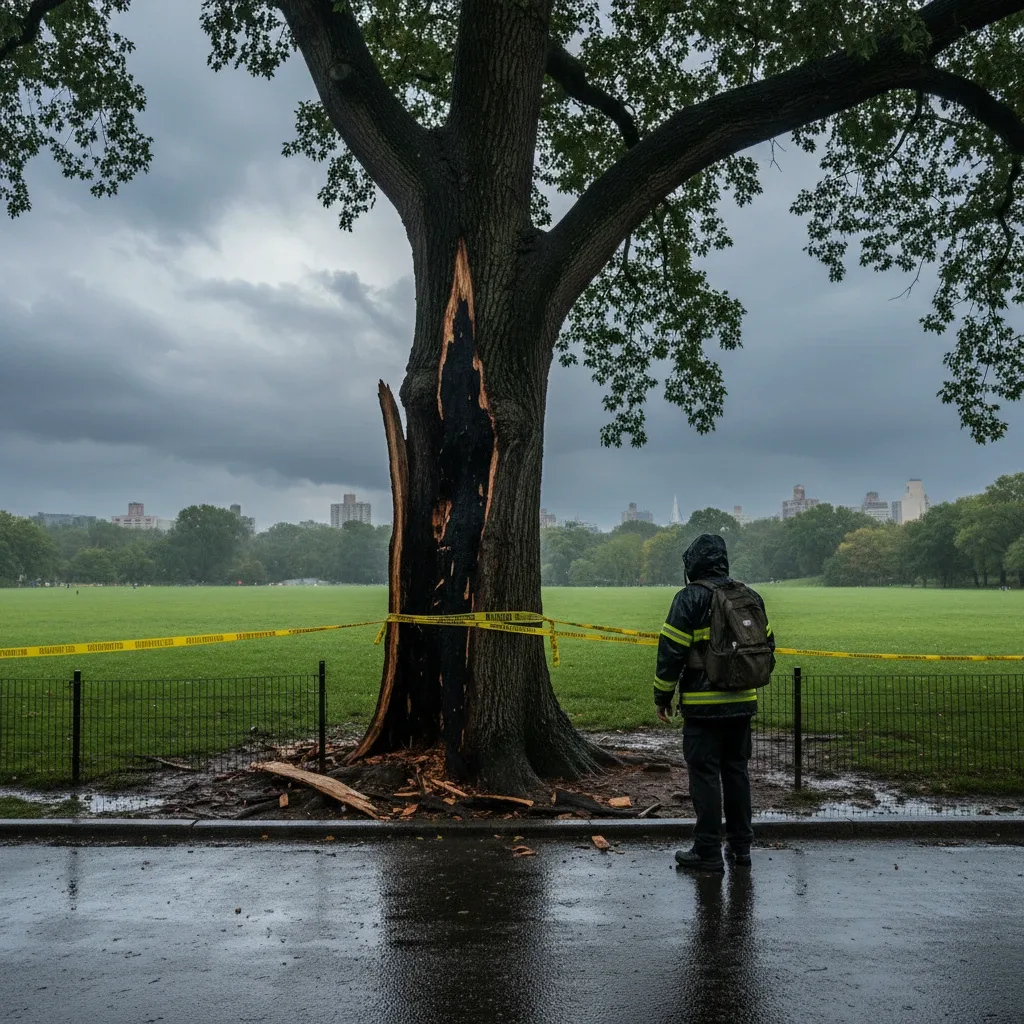
NEW YORK — Park visitors scrambled for cover Thursday afternoon as a sudden electrical storm rolled over Manhattan, sending a high-voltage lightning strike down near the crowded western edge of Sheep Meadow. A seventeen-year-old male was rushed to Mount Sinai Hospital after suffering secondary electrical shock injuries during the severe weather event.
Midtown North Precinct Responds to Severe Weather Emergency
The lightning strike occurred at approximately 3:15 p.m. as the storm front rapidly moved eastward across the Hudson River. First responders from the Midtown North Precinct arrived on the scene within four minutes of the emergency call, locating the injured teenager near the West 66th Street path.
According to the New York City Fire Department, the teenager was standing near a mature oak tree when the lightning discharge hit the branches above. The force of the strike caused localized tree damage and sent a powerful ground current outward through the damp soil.
Mount Sinai Doctors Confirm Patient is in Stable Condition
"The patient was conscious but disoriented when emergency medical services reached him," FDNY spokesperson James Long said Thursday evening. "He is incredibly fortunate to have survived a secondary discharge of this magnitude in central park without sustaining life-threatening direct cardiac arrest."
Hospital officials confirmed that the teen is undergoing continuous cardiovascular monitoring but is currently listed in stable condition. Medical experts noted that the wet ground conditions likely helped disperse the electrical current, preventing a more severe outcome.
Weather Service Data Records Multiple Strikes Near 66th Street
The National Weather Service recorded three distinct cloud-to-ground lightning discharges within the park boundaries between 3:10 p.m. and 3:25 p.m. This severe weather system also prompted temporary shutdowns of local outdoor recreation facilities, including the municipal tennis courts.
To see how municipal authorities track and prepare for sudden disruptions, readers can review the Central Park News Briefing Outlines 142 Approved Spring 2026 Events documentation detailing safety protocols. Additional details on local weather patterns are available via the Independent reporting on the incident website.
Historical Storm Records Detail Previous Manhattan Electrical Strikes
Historical records from the National Oceanic and Atmospheric Administration show that lightning incidents within Manhattan's public parks are relatively rare but highly dangerous due to the concentration of tall trees. Over the past twenty years, only four direct strikes involving pedestrian injuries have occurred within the park's 843 acres.
As the storm cleared, a heavy petrichor scent rose from the thoroughly soaked turf of Sheep Meadow, while dark, violet-grey clouds retreated toward the East River in the late afternoon light. The sudden nature of the storm caught many joggers along the reservoir loop completely off guard.
Emergency Response Units Coordinate Public Safety Warnings
Following the incident, the Central Park Conservancy renewed its public safety warnings regarding severe weather. Park rangers emphasized that large trees, open meadows, and bodies of water represent the highest-risk areas during an active thunderstorm.
Maintenance crews spent Thursday evening clearing shattered limbs from the affected oak tree near 66th Street to ensure the path remains safe for Friday morning visitors. Park officials confirmed that the western section of Sheep Meadow has since been reopened to the public.
Frequently Asked Questions
Where should park visitors seek shelter during a sudden thunderstorm?
If you are inside the park during a lightning storm, you should immediately leave open areas like Sheep Meadow or the Great Lawn. Seek shelter inside fully enclosed permanent structures, such as Belvedere Castle or the local visitor centers. Avoid standing near tall trees, metal fences, or bodies of water.
Related Articles
More in Safety & Crime →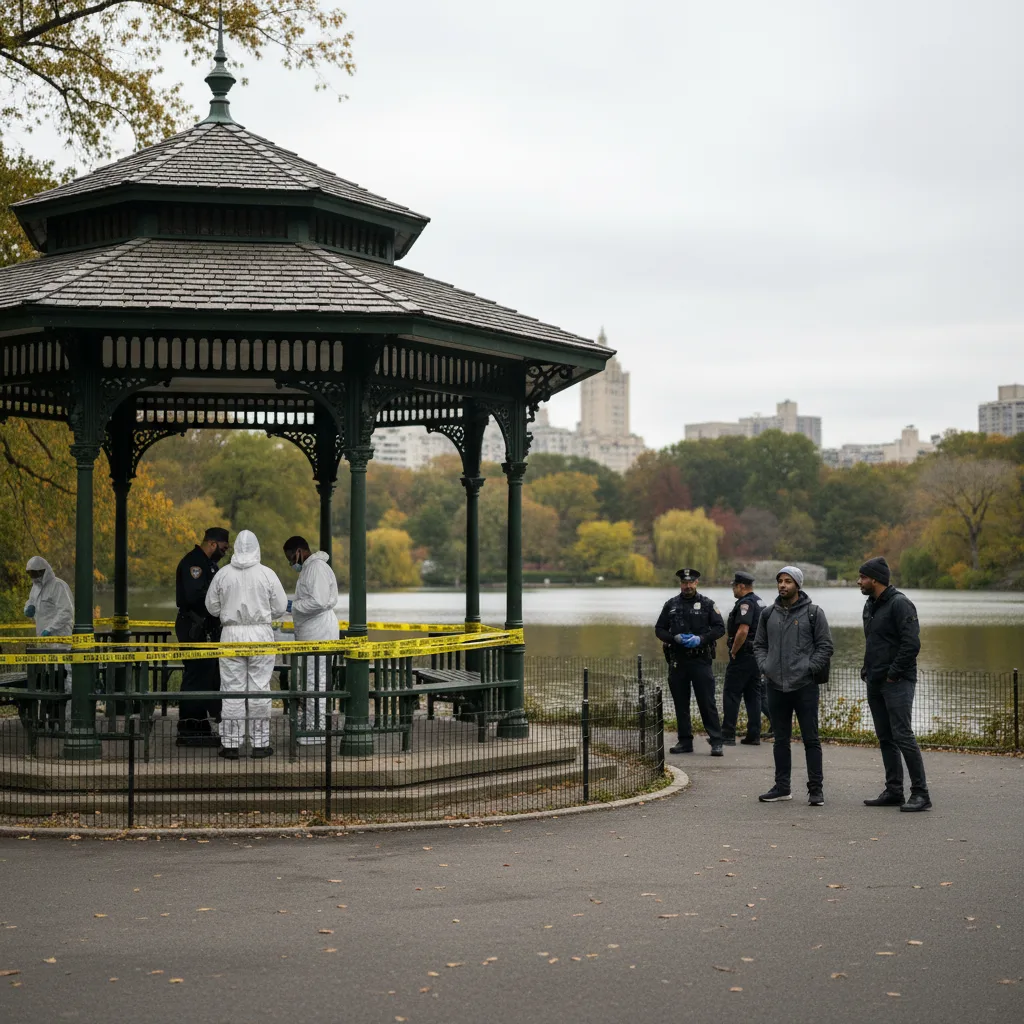
Central Park Woman Found Dead Near Boathouse Gazebo
A woman was found stabbed to death in a Central Park gazebo near the Boathouse on Sunday, prompting an active NYPD homicide investigation.
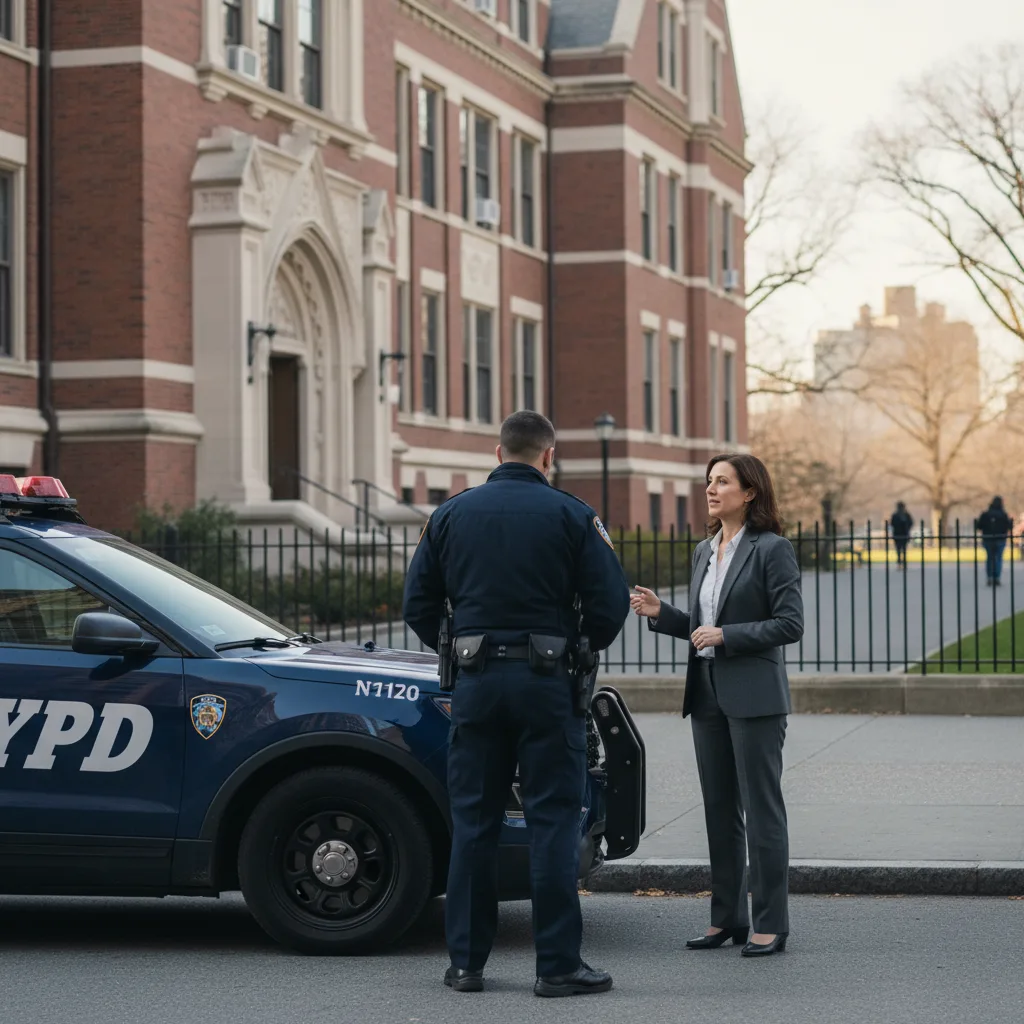
Queens Student Arrested for Bringing Gun to High School
A Queens student was arrested for bringing a gun to high school, prompting immediate law enforcement action and raising school safety concerns.
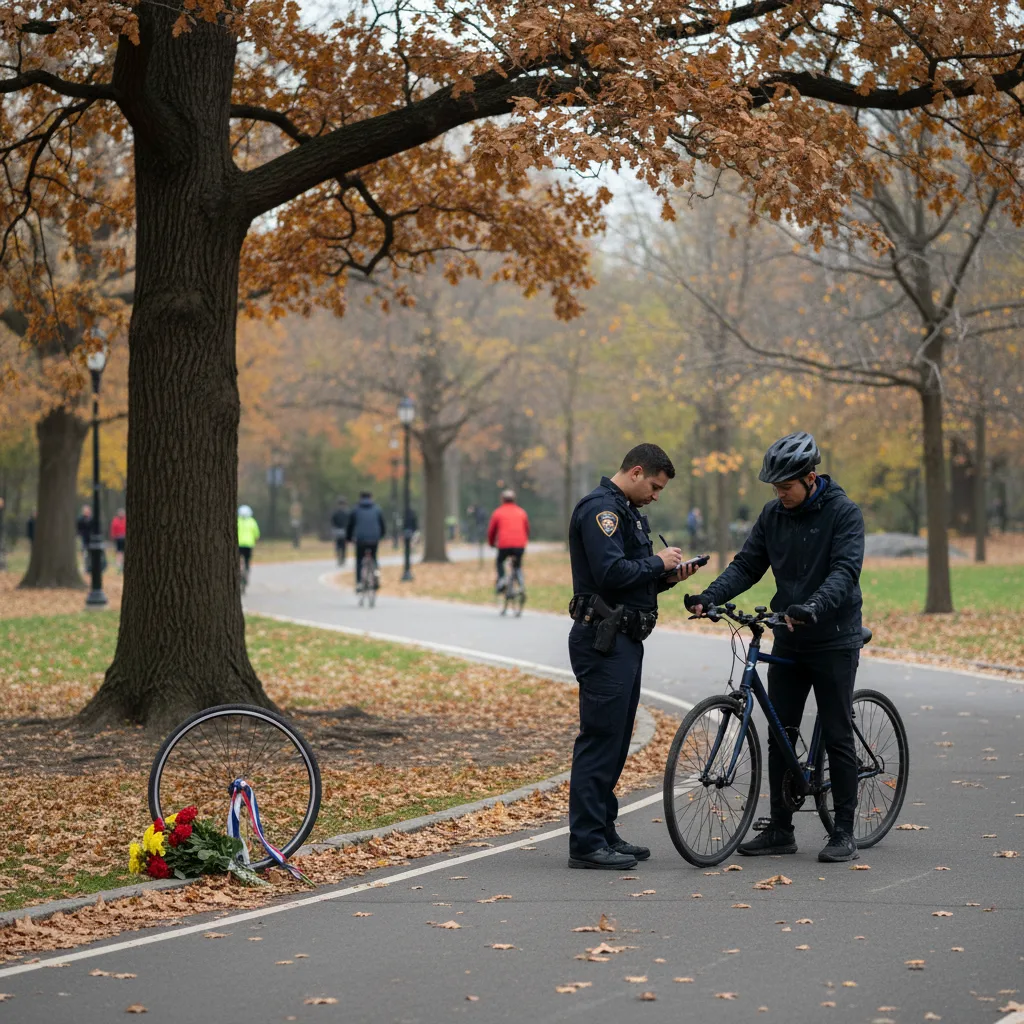
NYC Cyclist Death Prompts NYPD Ticketing Near Fatal Crash Site
NYPD stepped up cyclist ticketing near a recent fatal crash site in Central Park after a cyclist died Monday morning. Local groups demand safety reforms.
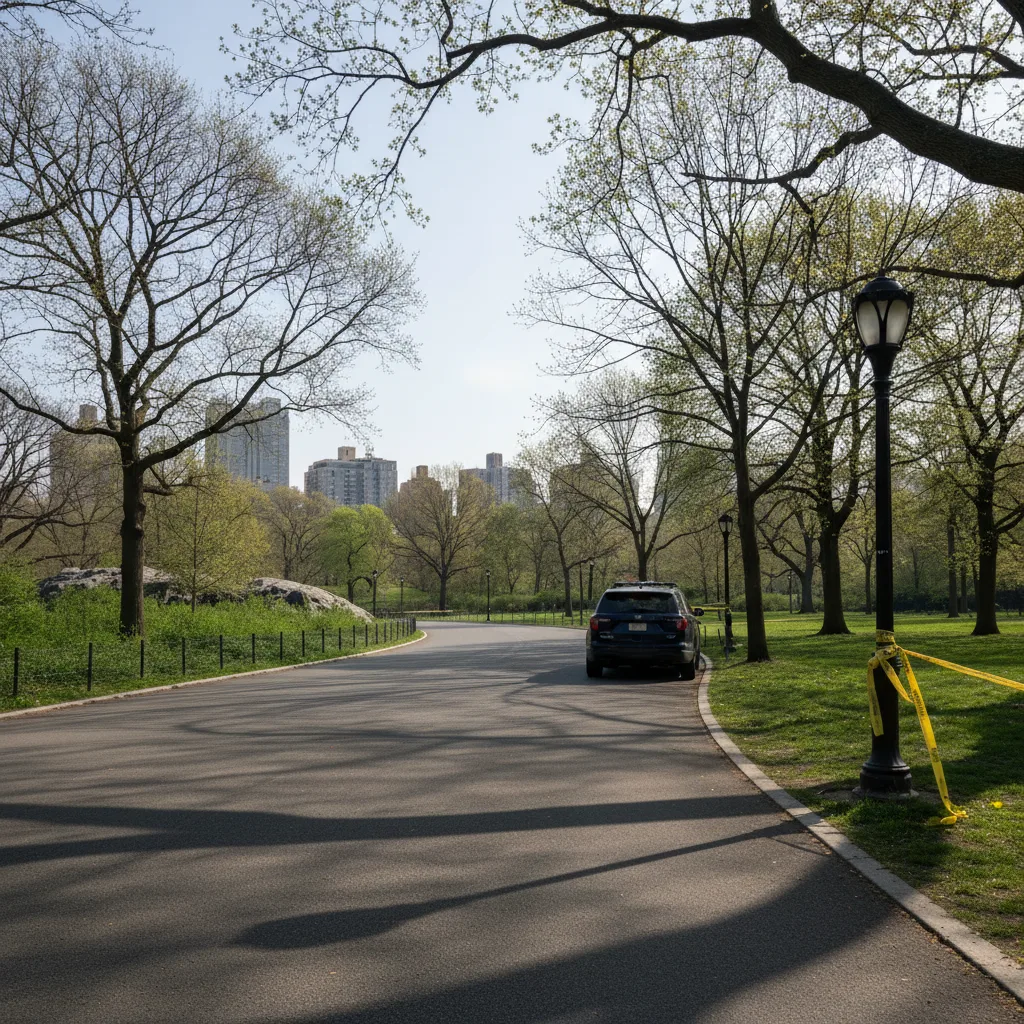
NYPD Confirms 71-Year-Old Cyclist Dies After Dog Collision in Central Park
NYPD confirms a 71-year-old cyclist died after colliding with a dog on Central Park's East Drive, near East 84th Street. The investigation is ongoing.
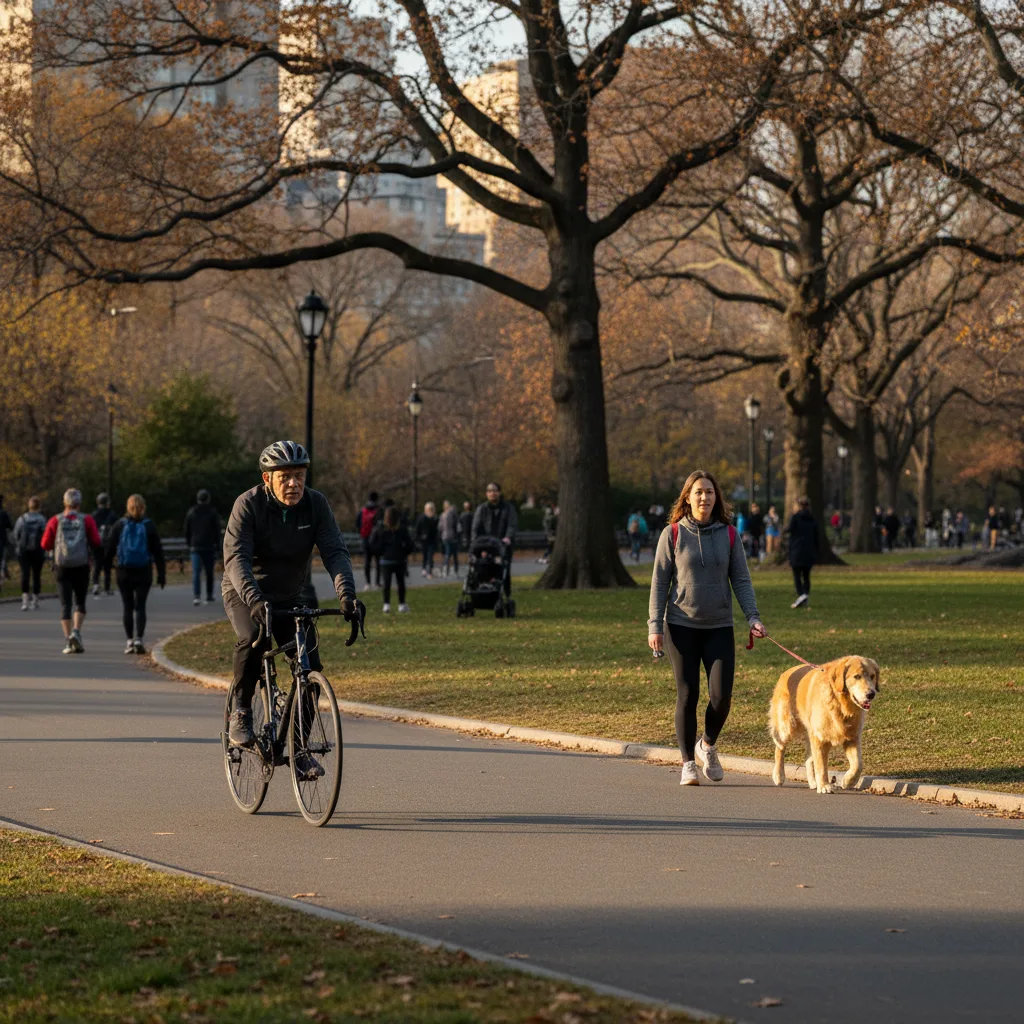
NYPD Investigates Central Park Cyclist Death After Dog Collision
NYPD confirms a 71-year-old cyclist died after colliding with a dog on Central Park's East Drive, near 84th Street. Investigation ongoing.
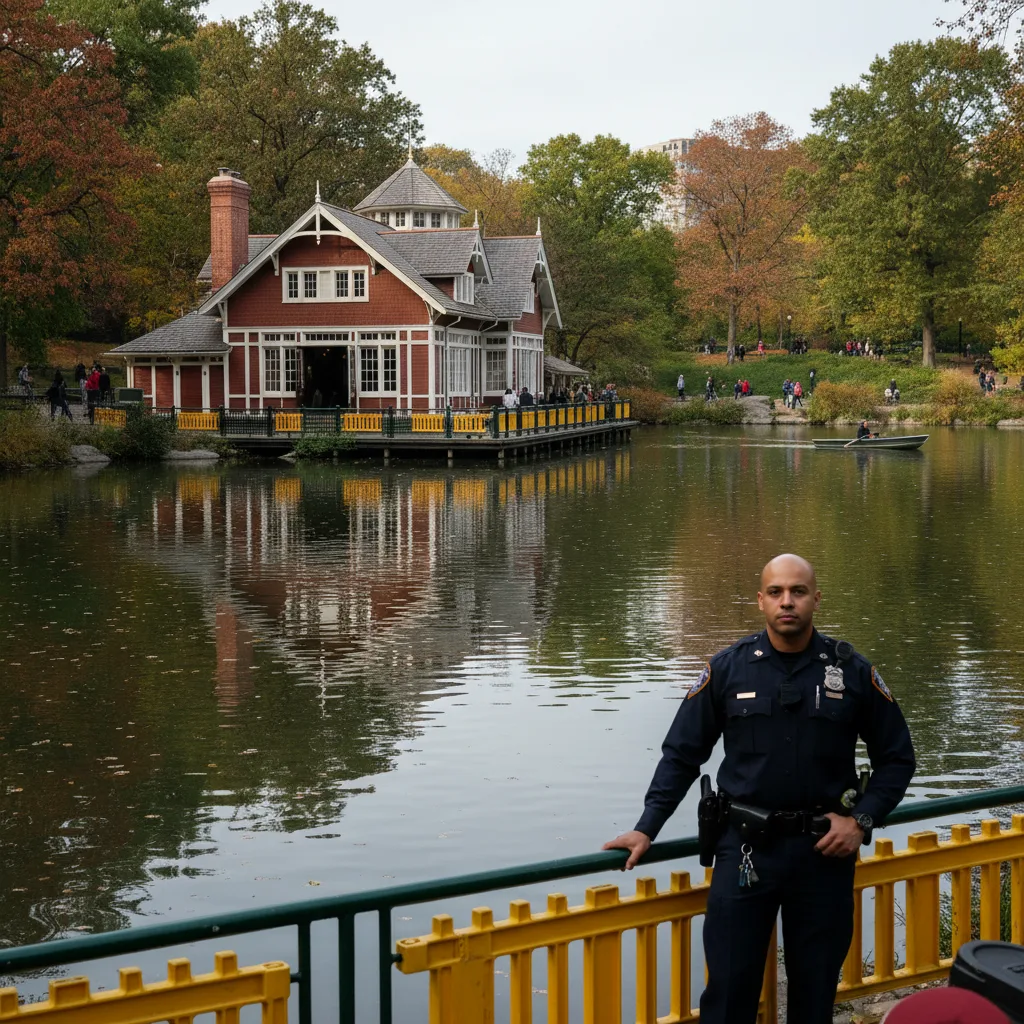
Man Charged in Central Park Beating Death of 63-Year-Old Woman
A 36-year-old man was charged with murder after a 63-year-old woman was found dead with head trauma in Central Park, NYPD confirmed.