


Central Park Lightning Strike: Teenager Hospitalized After Sudden Storm

NEW YORK — An unexpected and violent thunderstorm swept through Central Park on a Tuesday afternoon, resulting in a teenager being struck by lightning and hospitalized. The incident, which occurred around 4:15 p.m. near the Great Lawn, sent shockwaves through the park as visitors scrambled for cover. Emergency medical services were immediately dispatched to the scene, highlighting the sudden and severe dangers that weather events can pose in outdoor public spaces.
The swift, dramatic change in weather conditions caught many park-goers off guard, transforming a pleasant afternoon into a perilous situation. The injured teenager, whose identity has not been released, received immediate first aid from bystanders before paramedics arrived. This serious event serves as a stark reminder of the importance of vigilance regarding weather advisories when enjoying New York City’s cherished green heart.
Unforeseen Weather and Immediate Response
The storm developed rapidly, with clear skies giving way to dark clouds and an intense downpour within minutes. The lightning strike, described by witnesses as a deafening crack, occurred with little advance warning, striking a tree in proximity to where the teenager was sheltering. The force of the strike was powerful enough to cause immediate injury, underscoring the raw power of nature within the urban landscape.
Park-goers quickly called 911, and the Central Park Precinct of the NYPD was among the first responders, securing the area. Paramedics from NYC Fire Department EMS arrived within minutes, providing advanced life support to the victim before transporting them to Weill Cornell Medical Center. The rapid response of both civilians and emergency personnel was crucial in managing the immediate aftermath of the incident, showcasing the preparedness of city services.
NYC Parks Department Issues Warning
Following the incident, the NYC Parks Department issued an urgent warning to all park visitors regarding severe weather safety. "We urge everyone enjoying our city's parks to always monitor weather forecasts and seek immediate shelter indoors during thunderstorms," stated Sarah Johnson, a spokesperson for the NYC Parks Department, in a press statement released Tuesday evening. She emphasized that structures like picnic shelters and isolated trees offer little protection during a lightning storm.
The Department's advisory highlighted the "30/30 Rule" for lightning safety: if you see lightning and hear thunder within 30 seconds, seek shelter immediately. Remain indoors for at least 30 minutes after the last thunderclap. This crucial advice aims to prevent further incidents in Central Park and other outdoor recreational areas across the five boroughs. The incident near the Great Lawn serves as a powerful case study for these guidelines.
Understanding Lightning Risks in Urban Parks
While lightning strikes are relatively rare, they pose a significant threat, especially in open areas like Central Park. Trees, often seen as natural shelters, can act as conductors, increasing the danger. A local meteorologist, Dr. Alan Reed, explained the phenomenon: "Lightning often strikes the tallest object in an open field, and the ground current can be just as dangerous as a direct strike." He advised against lying on the ground during a storm, as ground currents can travel outward from the strike point.
New York City averages about 10-15 lightning days per year, with summer months seeing the highest frequency. Historical data indicates that while direct fatalities are uncommon, injuries from lightning strikes do occur, especially among individuals caught outdoors during unpredicted storms. The vastness of Central Park, coupled with its numerous trees and open fields, makes it a location where vigilance is particularly important. Education on lightning safety is paramount for public awareness.
Enhancing Park Safety Protocols
In light of the lightning strike, discussions are underway within the NYC Parks Department and Central Park Conservancy about reinforcing public safety protocols. This includes reviewing the placement of weather alert systems, improving signage at park entrances, and potentially enhancing mobile alert capabilities for visitors. The goal is to provide more immediate and accessible information during rapidly developing weather events. The incident has spurred a renewed focus on visitor warning systems.
Public awareness campaigns, perhaps utilizing digital displays or park-wide announcements, could also be considered. These measures aim to equip visitors with the knowledge and tools to make safe decisions during adverse weather conditions. The safety of the nearly 42 million annual visitors to Central Park remains a top priority for all involved agencies. Detailed emergency preparedness advice can be found in various resources, including Central Park emergency preparedness guides.
Frequently Asked Questions About Central Park Weather Safety
What happened in Central Park during the thunderstorm?
A teenager was struck by lightning near the Great Lawn in Central Park during a sudden and severe afternoon thunderstorm. The individual was promptly hospitalized and is currently receiving medical treatment for injuries sustained.
What are the recommended safety measures during a thunderstorm in Central Park?
If a thunderstorm develops, visitors should immediately seek sturdy, enclosed shelter, such as a building or a hard-topped vehicle. Avoid open areas, tall trees, and water bodies. The NYC Parks Department advises following the "30/30 Rule" for lightning safety.
How can I stay informed about weather alerts while visiting Central Park?
Visitors should monitor local weather forecasts before and during their visit. Many weather apps provide real-time alerts. Additionally, the NYC Parks Department and Central Park Conservancy may issue advisories through their websites and social media channels during severe weather events.
Is it safe to shelter under trees during a lightning storm?
No, it is not safe to shelter under trees during a lightning storm. Trees can act as conductors for lightning, and even if not directly struck, ground currents can cause serious injury or fatality. Always seek fully enclosed structures or vehicles for safety. You can consult The Independent's Central Park coverage for more safety information.
Related Articles
More in Safety & Crime →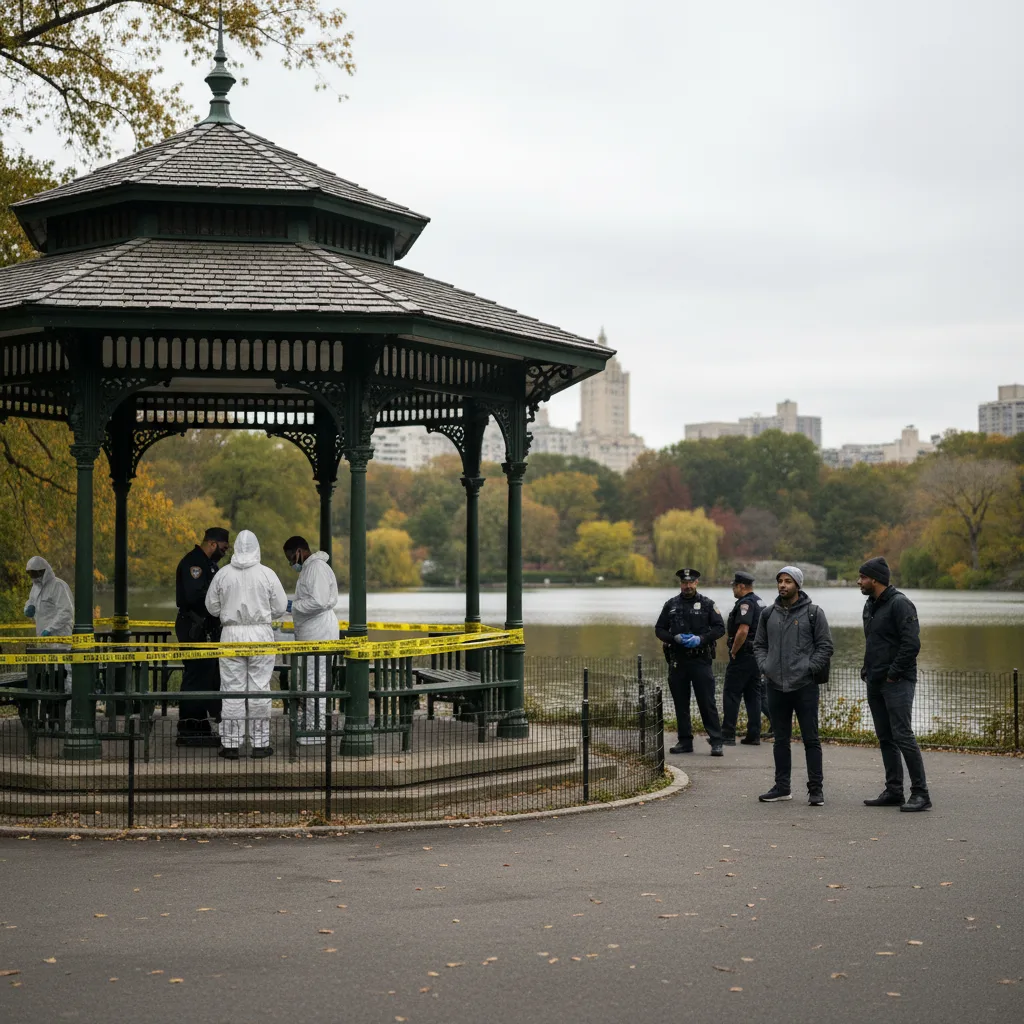
Central Park Woman Found Dead Near Boathouse Gazebo
A woman was found stabbed to death in a Central Park gazebo near the Boathouse on Sunday, prompting an active NYPD homicide investigation.
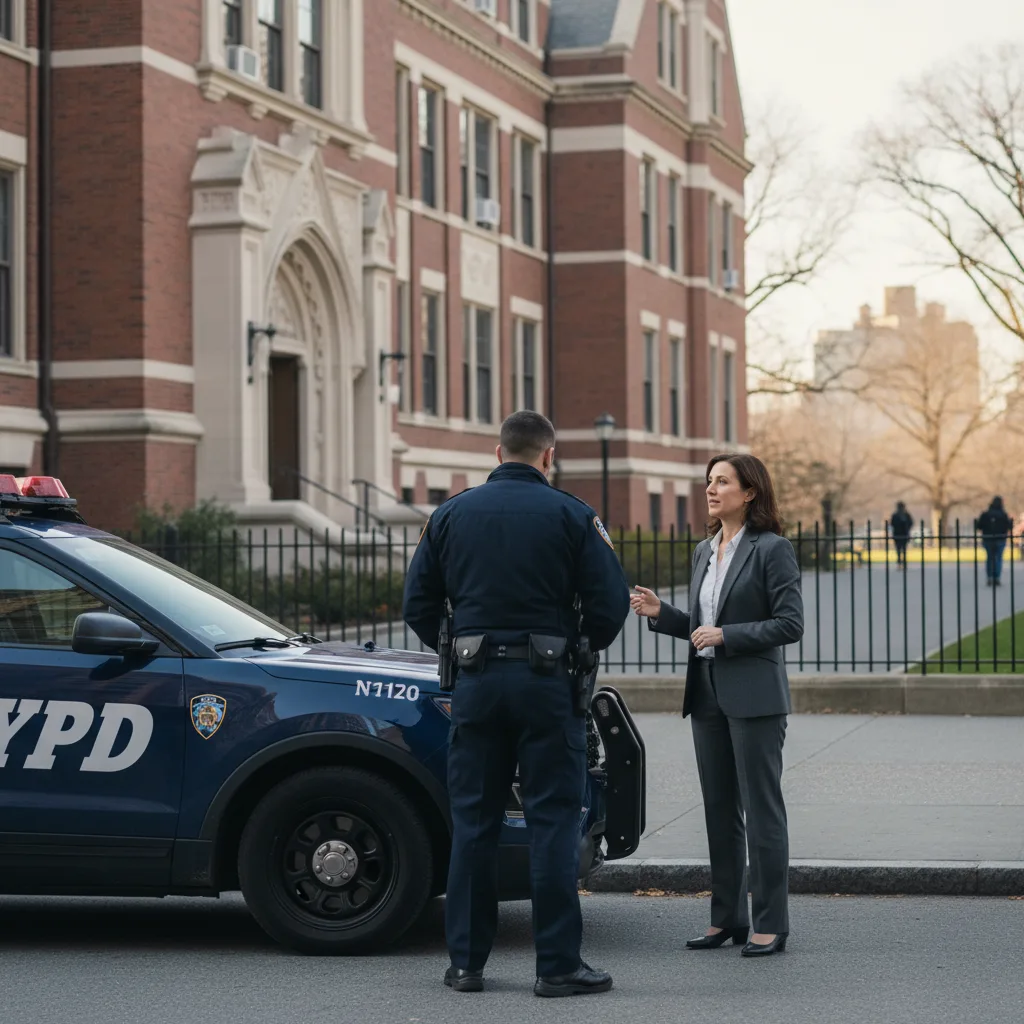
Queens Student Arrested for Bringing Gun to High School
A Queens student was arrested for bringing a gun to high school, prompting immediate law enforcement action and raising school safety concerns.
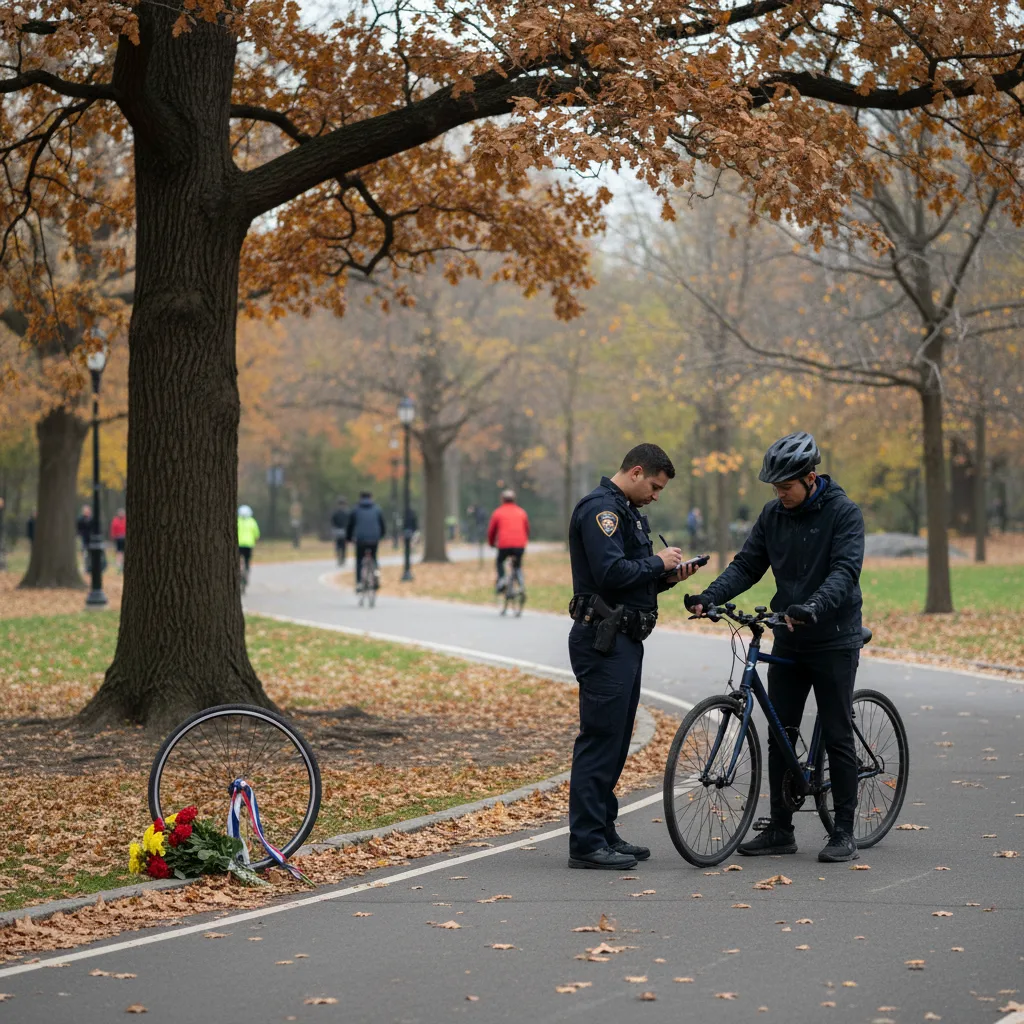
NYC Cyclist Death Prompts NYPD Ticketing Near Fatal Crash Site
NYPD stepped up cyclist ticketing near a recent fatal crash site in Central Park after a cyclist died Monday morning. Local groups demand safety reforms.
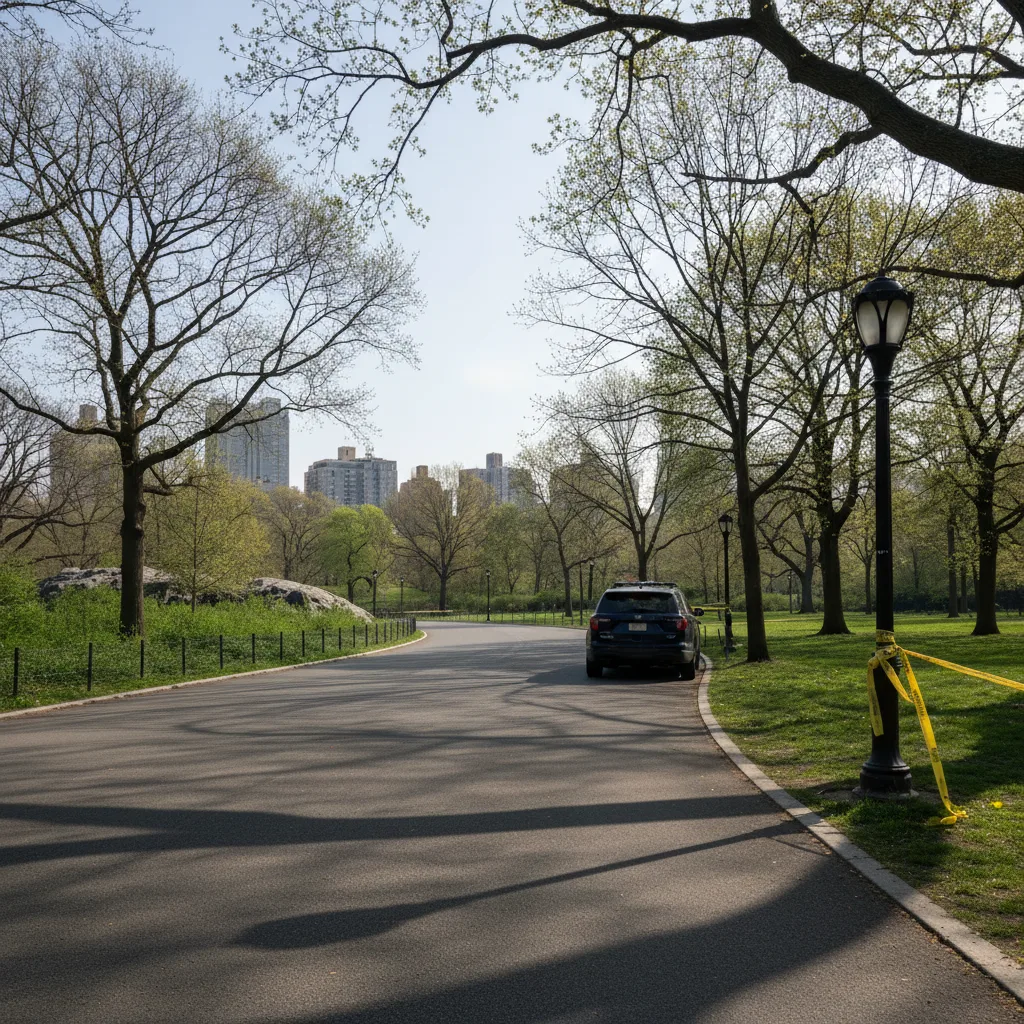
NYPD Confirms 71-Year-Old Cyclist Dies After Dog Collision in Central Park
NYPD confirms a 71-year-old cyclist died after colliding with a dog on Central Park's East Drive, near East 84th Street. The investigation is ongoing.
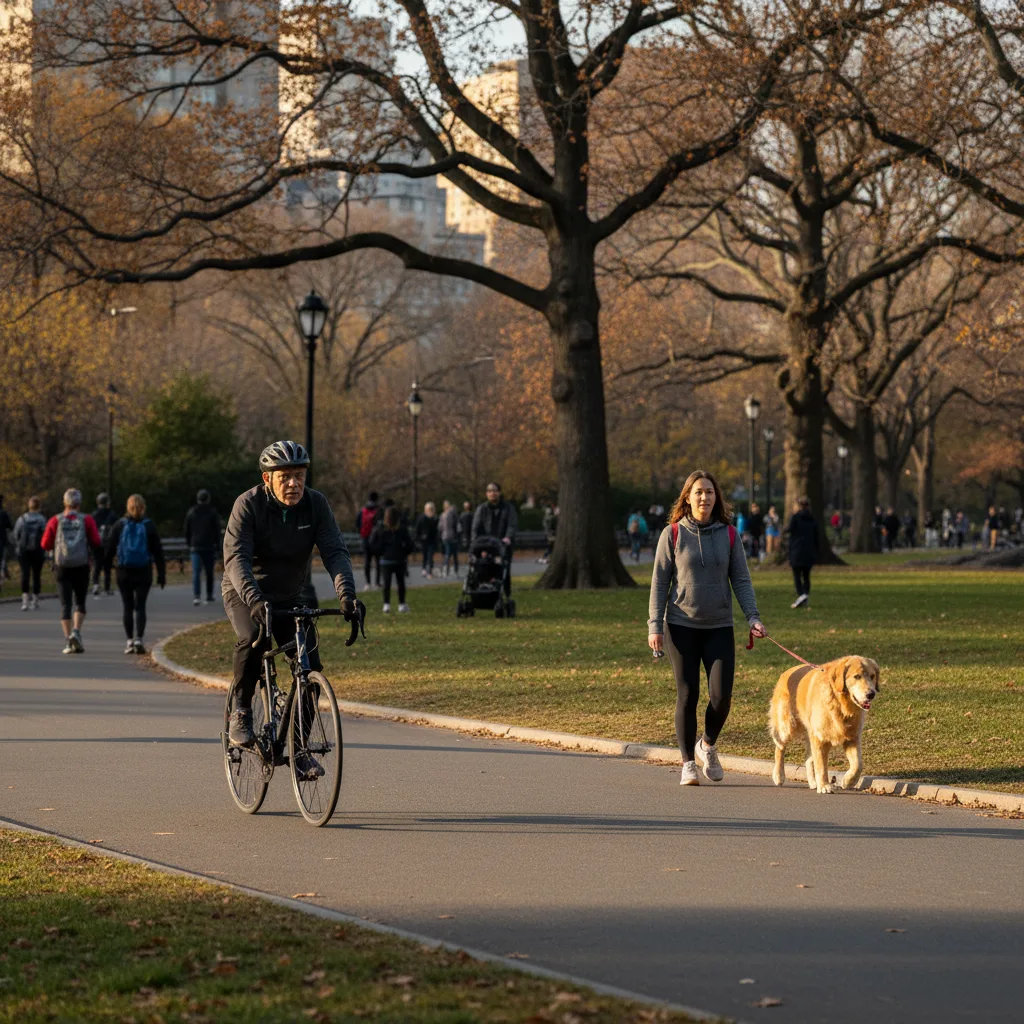
NYPD Investigates Central Park Cyclist Death After Dog Collision
NYPD confirms a 71-year-old cyclist died after colliding with a dog on Central Park's East Drive, near 84th Street. Investigation ongoing.
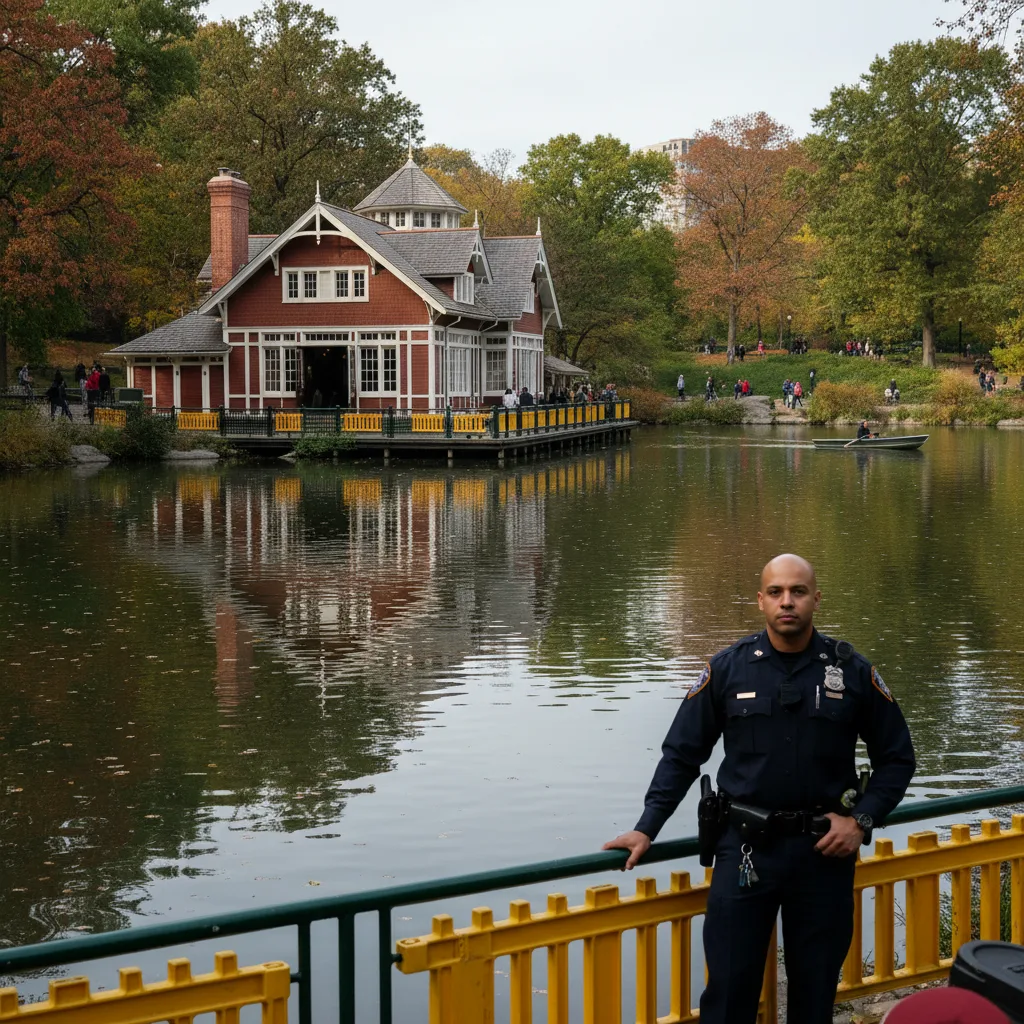
Man Charged in Central Park Beating Death of 63-Year-Old Woman
A 36-year-old man was charged with murder after a 63-year-old woman was found dead with head trauma in Central Park, NYPD confirmed.