


Central Park Navigates Diverse Challenges, Maintains Vital Urban Role
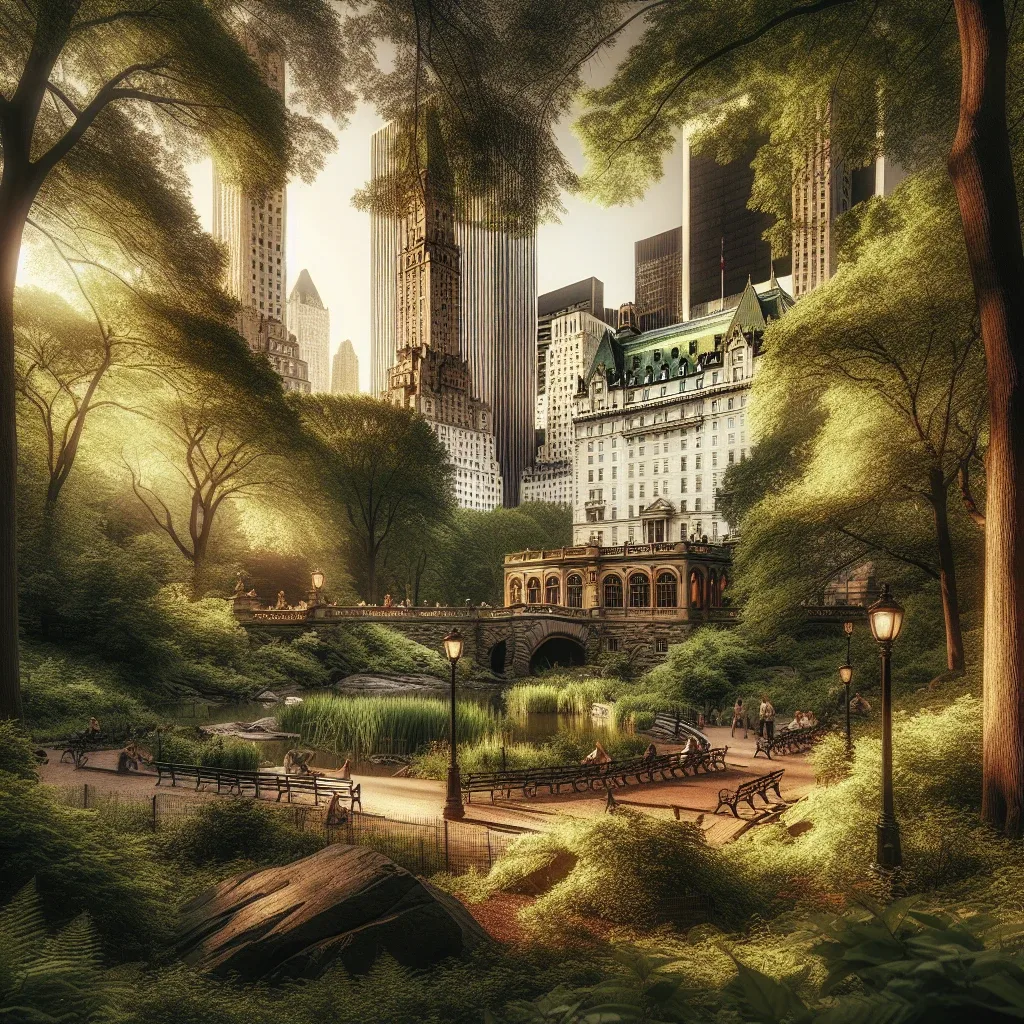
NEW YORK — Central Park continues to balance its multifaceted role as a natural haven, cultural hub, and recreational space for millions, navigating a complex array of challenges inherent to its urban existence. From managing its vast ecological systems to accommodating a diverse range of human activities, the park stands as a testament to sustained urban planning and community dedication. This 843-acre green oasis remains indispensable to the quality of life for New Yorkers.
The latest news and updates from various sources underscore the dynamic nature of Central Park, touching upon everything from conservation efforts to community events and public safety. These ongoing narratives reflect the park’s constant evolution and its continuous effort to meet the demands of a bustling metropolis. The sheer volume of activity, from the Conservatory Garden to the Dairy Visitor Center, highlights its importance.
The Park's Multifaceted Identity
Central Park is more than just green space; it's a living, breathing ecosystem and a cultural institution. It encompasses 150 acres of water bodies, 250 acres of lawns, and 136 acres of woodlands, requiring continuous care from the Central Park Conservancy and city agencies. Each section, like the serene Lake or the active North Meadow, caters to different needs and activities, demonstrating a thoughtful design that has endured for over 150 years.
The park serves as an outdoor museum, a concert venue, a wildlife sanctuary, and a community gathering place all at once. This diverse identity is both its greatest strength and its most significant management challenge. Balancing the needs of birdwatchers, marathon runners, and picnicking families demands constant vigilance and strategic planning. The Sheep Meadow, for instance, accommodates thousands on a sunny weekend.
Conservation and Environmental Stewardship
Maintaining the natural integrity of Central Park in the heart of New York City is a monumental task. The Central Park Conservancy implements rigorous conservation programs, including tree care, water quality management for its various ponds, and erosion control. These efforts ensure the park's ecological health despite millions of visitors annually. Without sustained intervention, the urban pressures would quickly degrade the natural environment.
Recent initiatives have focused on improving biodiversity, such as restoring native plant species in The Ramble and managing invasive species. These programs are critical for supporting local wildlife, including over 200 species of birds that migrate through the park each year. Dr. Lena Hanson, chief arborist for the Conservancy, recently highlighted that “Our stewardship isn't just about aesthetics; it's about preserving a vital ecological lung for the city.” Learn more about these efforts via Central Park Conservancy Support.
Community Engagement and Public Events
Central Park is a stage for countless public events, from free concerts at SummerStage to cultural festivals and charity runs. These events draw diverse audiences and contribute significantly to the park's vibrant atmosphere and community spirit. The planning and execution of such large-scale gatherings require extensive coordination with city permits and security details.
Throughout the year, the Conservancy also offers a wide array of educational programs, guided tours, and volunteer opportunities, fostering a deeper connection between New Yorkers and their park. These activities range from historical walking tours to birdwatching excursions, appealing to all ages and interests. A full list of what’s happening can be found on the Central Park events page.
Addressing Public Safety and Accessibility
With millions of visitors each year, public safety and accessibility are paramount concerns. The NYPD, in partnership with the Central Park Conservancy, maintains a visible presence through patrols and targeted security measures. Efforts are continually made to ensure all pathways, restrooms, and facilities are accessible to individuals with disabilities, reflecting an inclusive approach to park usage.
While generally very safe, isolated incidents of crime do occur, requiring ongoing vigilance and public awareness campaigns. Park lighting, clear signage, and emergency call systems are regularly reviewed and updated to enhance visitor security. “We want every visitor to feel secure and welcome, whether they're jogging near the Reservoir or relaxing in the Conservatory Garden,” stated NYPD Captain David Chen, who oversees park patrols. Park management works hard to balance open access with security needs.
The Economic and Social Contribution
Central Park's contribution to New York City extends far beyond its ecological and recreational value. It significantly boosts the local economy through tourism, property values, and direct employment. Moreover, it serves as a crucial social equalizer, offering free access to nature and recreation for residents from all socio-economic backgrounds. Its value as a public good is immeasurable.
Studies have shown that proximity to green spaces like Central Park improves public health outcomes and reduces stress levels for urban populations. The park is a central meeting point, a place for respite, celebration, and reflection. It is an extraordinary example of how urban nature can thrive and serve a vast, diverse population. This enduring public benefit is a source of civic pride for many New Yorkers.
Frequently Asked Questions About Central Park
What are some of Central Park's most popular attractions? Central Park features numerous popular attractions, including Bethesda Terrace and Fountain, Strawberry Fields (John Lennon Memorial), the Central Park Zoo, the Conservatory Garden, Belvedere Castle, and the iconic Bow Bridge. The Great Lawn and Sheep Meadow are also beloved spots for relaxation and recreation. Each landmark offers a unique experience, from historic architecture to natural beauty.
How is Central Park maintained, given its size and visitor numbers? Central Park is primarily maintained by the Central Park Conservancy, a private non-profit organization, in partnership with the NYC Department of Parks & Recreation. The Conservancy employs a large staff of gardeners, landscapers, and maintenance crews. They manage everything from tree care and path repair to ecological restoration and visitor services, relying heavily on donations and volunteer efforts to fund operations.
Can I get around Central Park using public transportation? Yes, Central Park is highly accessible by public transportation. Numerous subway lines (A, B, C, D, F, N, Q, R, W) and city buses run along its perimeter, with stops at various points, making it easy to reach from almost any part of New York City. The park's extensive pedestrian pathways, over 58 miles in total, are easily navigable once inside.
Related Articles
More in Park Operations & Maintenance →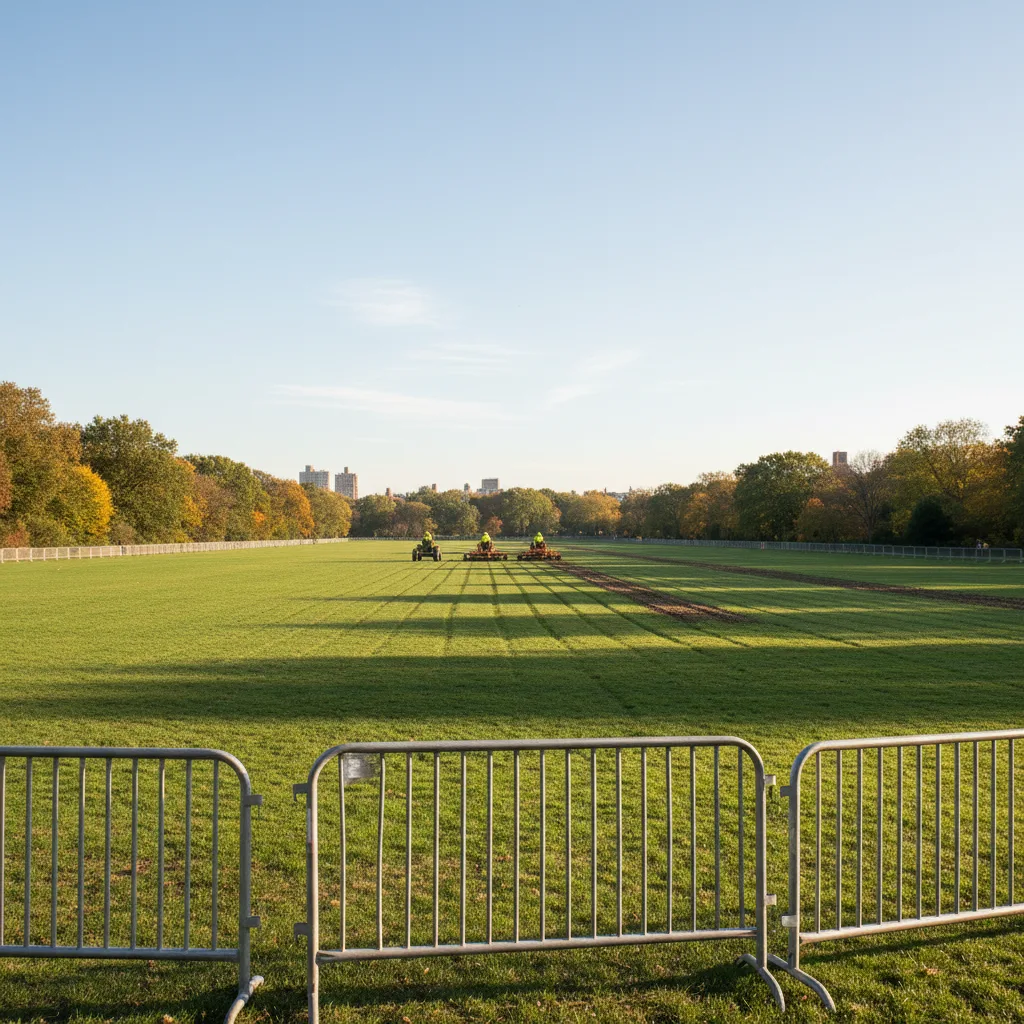
Central Park Conservancy Closes Great Lawn for Scheduled Maintenance
The Central Park Conservancy closed the Great Lawn through October 2, 2026, for scheduled maintenance, impacting weekend activities. Essential upkeep ensures the iconic green space remains vibrant for visitors.
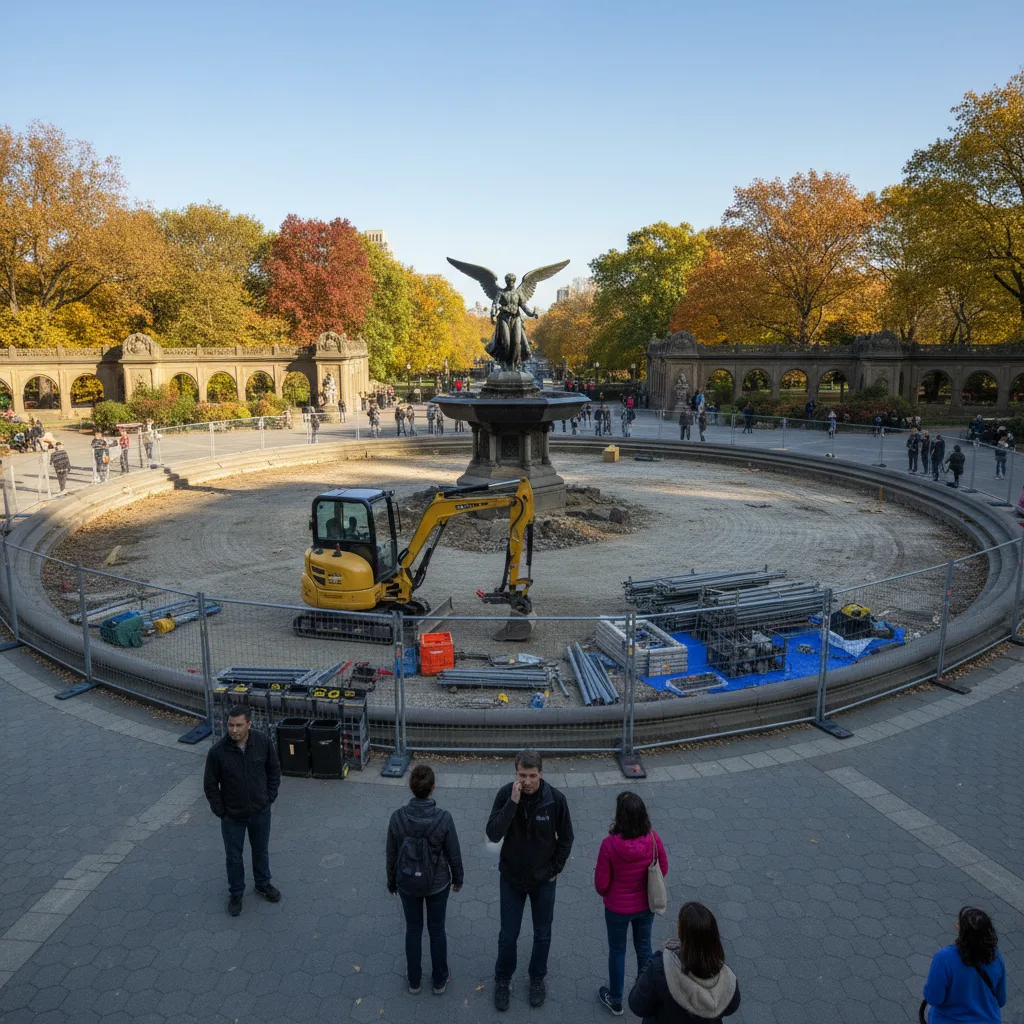
Central Park Conservancy Announces Bethesda Fountain, Great Lawn Closures
Central Park Conservancy announced Bethesda Fountain is off for restoration and the Great Lawn closed through October 2, 2026 for maintenance, affecting visitor access.
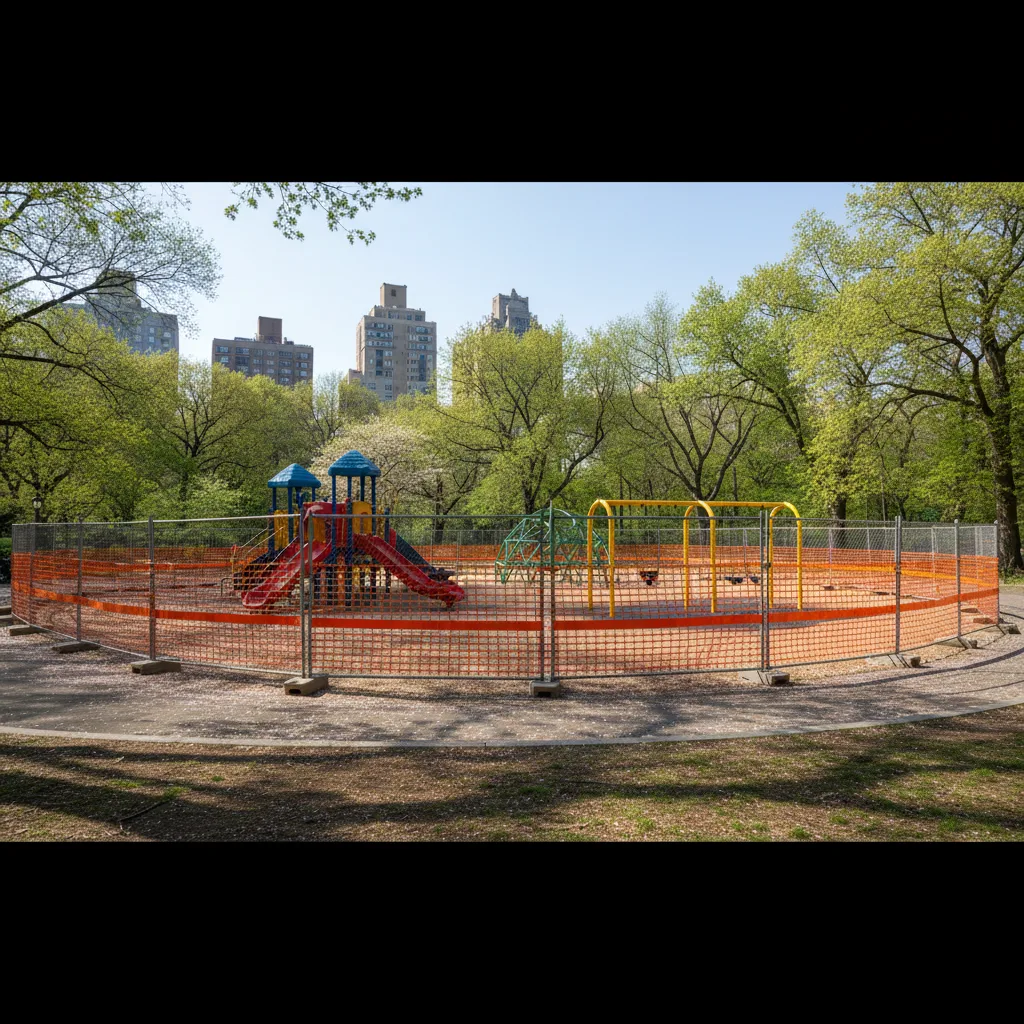
Central Park Conservancy Closes East 110th Street Playground for Restoration
Central Park Conservancy closed the East 110th Street Playground for restoration, while North Meadow and Heckscher ballfields shut due to weather. Plan your visit; check alerts for closures impacting recreation in Central Park.
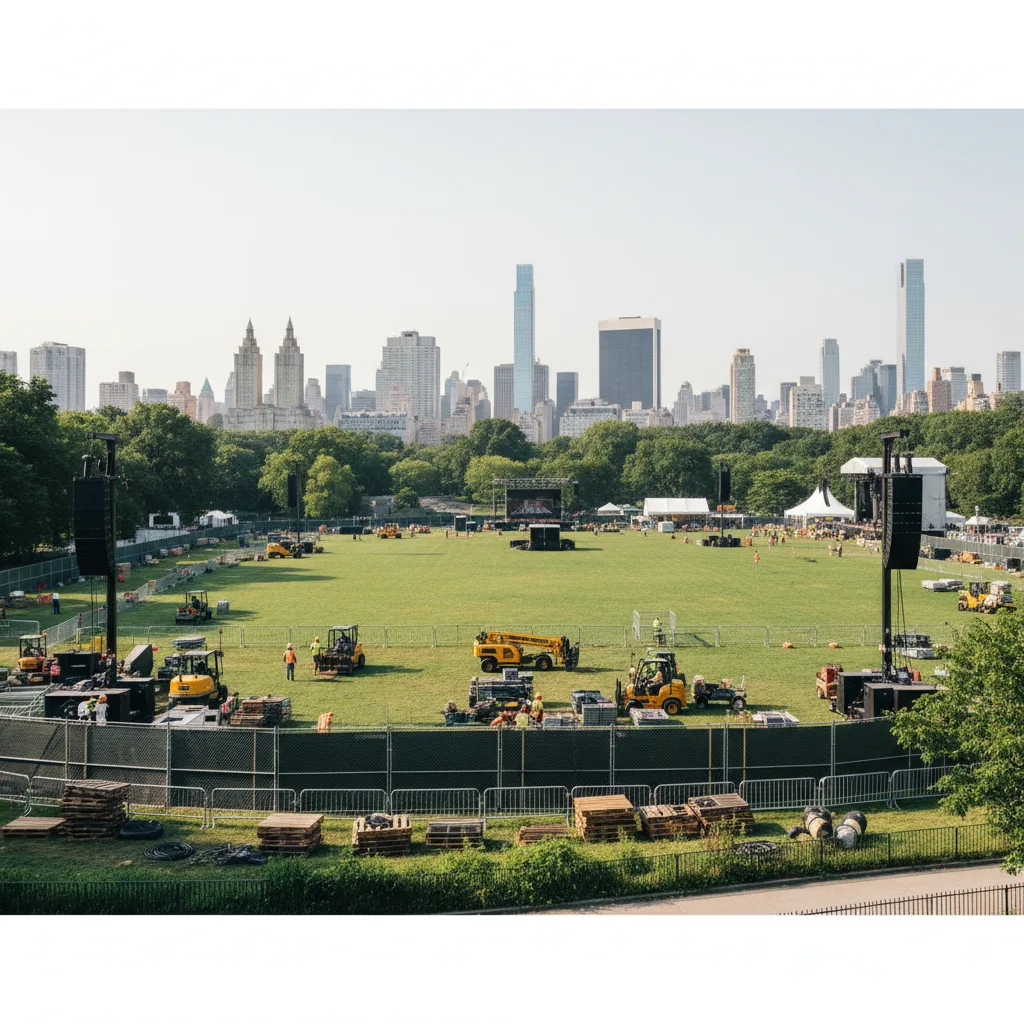
Central Park Conservancy Closes Great Lawn for Global Citizen Festival
Central Park Conservancy confirmed the Great Lawn is closed through September 26, 2026, for the Global Citizen Festival, affecting access to Belvedere Castle and Turtle Pond. Local residents and visitors should plan alternate routes and expect traffic delays around the park's perimeter.
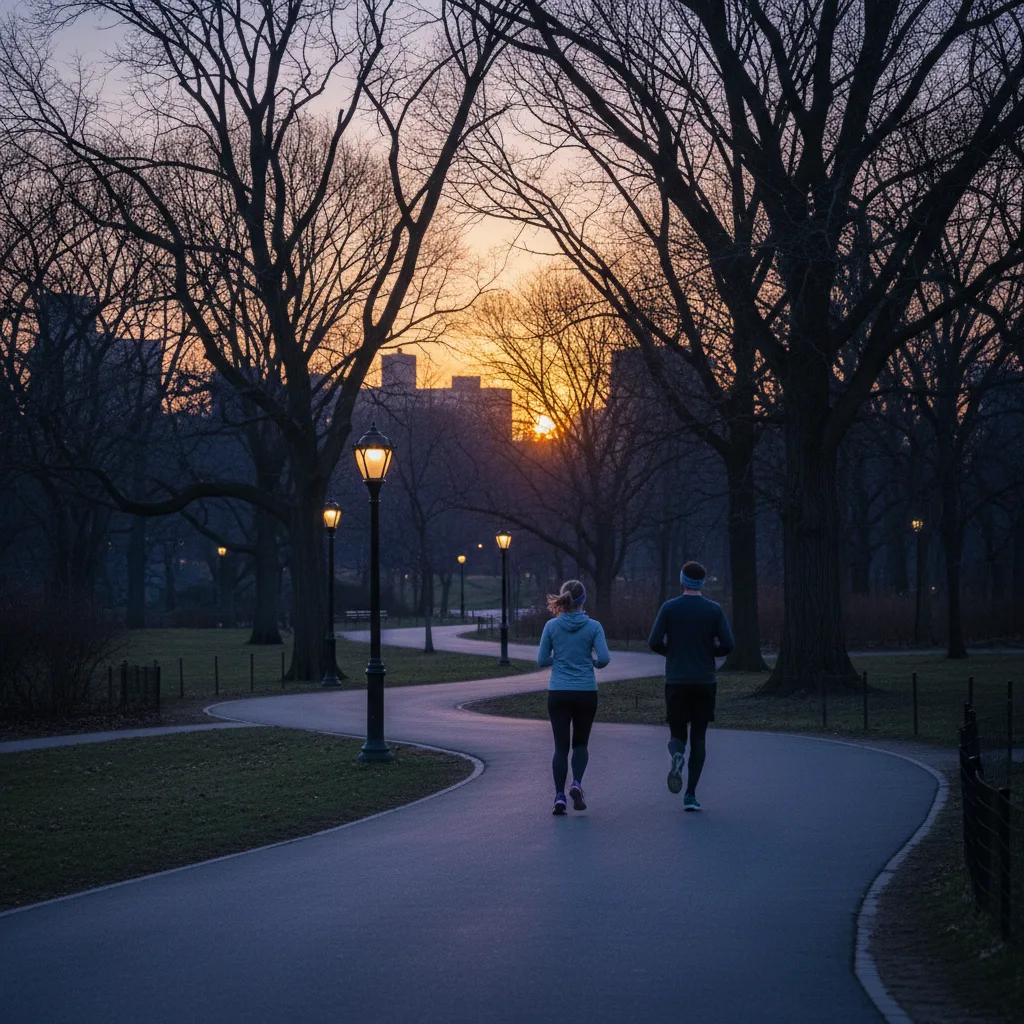
Central Park Conservancy Confirms 2026 Daily Operating Hours
Central Park Conservancy confirms 2026 daily hours: 6:00 a.m. to 1:00 a.m. This notice is for visitor planning, not a change.
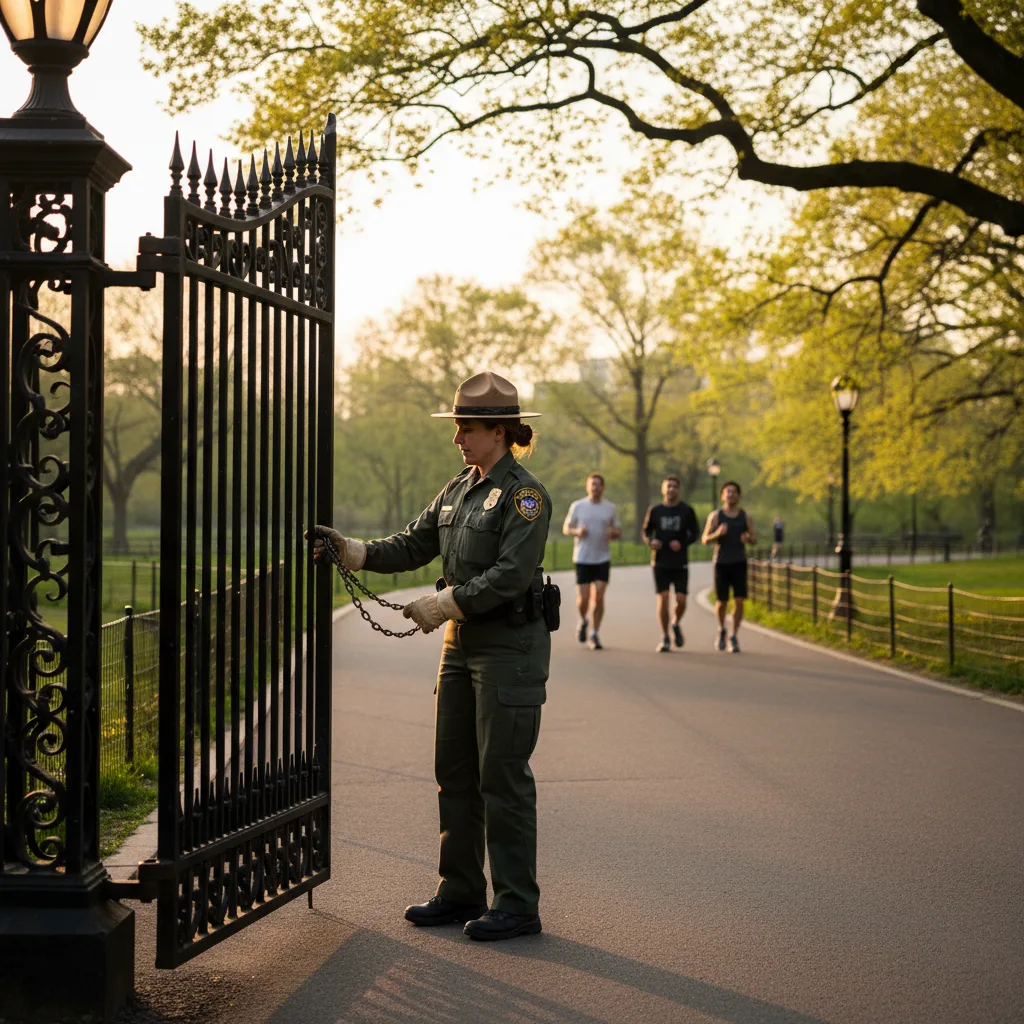
Central Park Conservancy Announces Park Hours Update for 2026
Central Park Conservancy announced updated 2026 park hours, maintaining 6:00 a.m. to 1:00 a.m. access daily. This schedule balances public enjoyment with critical maintenance and security operations.