


Central Park Navigates Unique Ecological Challenges in 2026

NEW YORK — Central Park, New York City's 843-acre green heart, is facing a unique set of ecological challenges in 2026, stemming from increased visitor traffic, climate fluctuations, and persistent urban pressures. The Central Park Conservancy is implementing innovative strategies to protect the park’s diverse ecosystems, from its sprawling woodlands to its delicate wetlands.
These challenges require a nuanced approach, balancing public enjoyment with critical conservation needs. From the iconic Ramble to the serene Conservatory Garden, every section of the park presents distinct ecological considerations. The Conservancy’s efforts are vital for maintaining the health and beauty of this urban oasis.
The Impact of Increased Visitation
Central Park consistently welcomes over 42 million visitors annually, a number that places immense pressure on its natural resources. Foot traffic on sensitive landscapes, litter accumulation, and soil compaction are significant concerns for park managers. The number of visitors has risen by an average of 3% each year over the last decade.
"The love New Yorkers have for their park is undeniable, but that love also brings challenges," stated Dr. Alan Finch, Chief of Conservation at the Central Park Conservancy. Speaking at a public forum near the Harlem Meer, Dr. Finch outlined initiatives to guide visitors onto designated pathways and reduce off-trail impact. These efforts involve educational signage and volunteer outreach, particularly on weekends. The latest park alerts are available for all visitors at Central Park alerts.
Adapting to Climate Fluctuations
New York City's climate patterns are becoming more erratic, bringing hotter summers, more intense rainfall events, and milder winters. These shifts directly impact Central Park’s plant and animal life, requiring adaptive management strategies from the Conservancy’s horticulturalists and ecologists.
For example, specific tree species are being evaluated for their resilience to drought and disease, with new plantings favoring more adaptable varieties. The park’s intricate drainage systems are also being upgraded to handle increased storm runoff, preventing erosion and protecting water quality in its various ponds and streams. This proactive climate adaptation is crucial for the park's future.
Combating Invasive Species and Disease
Invasive plant species, such as Japanese knotweed and Tree of Heaven, continue to pose a threat to Central Park’s native flora, outcompeting local vegetation and altering habitats. The Conservancy employs a dedicated team to systematically identify and remove these invaders, often using targeted biological controls when appropriate.
Disease outbreaks, like the recent emergence of Emerald Ash Borer, also require constant vigilance. Over 200 ash trees in the park were treated or removed last year due to this destructive beetle, according to the Conservancy's 2025 annual report. These measures are critical for maintaining the biodiversity and ecological balance of the park's natural areas.
Water Quality and Wildlife Management
Maintaining the water quality of Central Park's five main water bodies—the Reservoir, the Lake, the Pond, Harlem Meer, and Conservatory Water—is a continuous effort. Urban runoff can introduce pollutants, necessitating regular monitoring and natural filtration solutions.
Wildlife management also plays a crucial role, from protecting migratory bird populations that use the park as a stopover, particularly in bird-watching hotspots like The Ramble, to managing native mammal populations. The Conservancy works to ensure that the park remains a vital habitat for hundreds of species amidst a bustling city. Visitors can find broader Central Park updates at Central Park news.
Community Engagement in Conservation Efforts
The success of Central Park's ecological management relies heavily on community involvement. Thousands of volunteers contribute annually to planting, weeding, and clean-up efforts, providing invaluable support to the Conservancy's professional staff. These initiatives foster a sense of shared responsibility for the park.
Educational programs for schools and the public also raise awareness about ecological principles and responsible park use. These programs, which reached over 15,000 students last year, are critical for cultivating the next generation of environmental stewards. The Conservancy’s partnerships with local universities also bring cutting-edge research to park management.
Frequently Asked Questions About Central Park's Ecosystem
What are Central Park's primary ecological challenges in 2026? Central Park is grappling with challenges from increased visitor traffic, which causes soil compaction and litter, and climate fluctuations leading to more extreme weather. Additionally, invasive species and disease outbreaks pose ongoing threats to its biodiversity.
How is the Central Park Conservancy addressing these challenges? The Conservancy implements strategies like guiding visitors onto designated paths, upgrading drainage systems for climate resilience, systematically removing invasive species, and managing disease outbreaks in trees. They also monitor water quality and manage wildlife populations.
Does Central Park have invasive species? Yes, invasive plant species like Japanese knotweed and Tree of Heaven are present in Central Park. The Conservancy actively works to remove these plants to protect native flora and maintain the park’s natural ecosystems.
How can visitors help protect Central Park's environment? Visitors can help by staying on designated paths, disposing of litter properly, respecting wildlife, and participating in volunteer programs. Following park guidelines contributes significantly to conservation efforts. General park information can also be found at ABC7 New York's Central Park page.
What role does community engagement play in park conservation? Community engagement is vital, with thousands of volunteers participating in planting and clean-up initiatives. Educational programs also raise public awareness about ecological issues, fostering a collective commitment to the park's environmental health and sustainability.
Related Articles
More in Wildlife & Nature →
Central Park Boathouse Bird Watching Tour Offers Educational Experience
Central Park Boathouse offers an educational bird watching tour, providing visitors an opportunity to observe avian species. This experience connects locals with nature, enhancing appreciation for park wildlife.
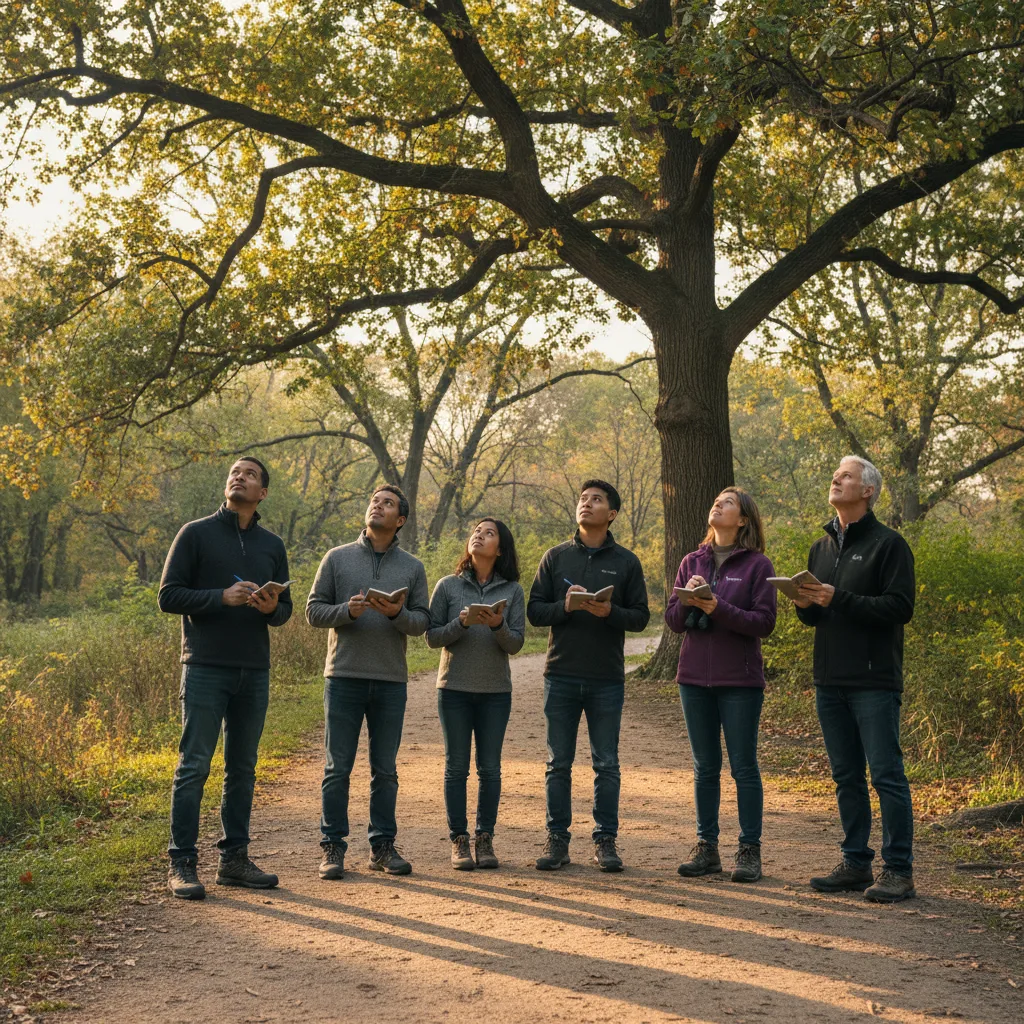
Central Park Event Calendar Features Climate Week Activities September 27
Central Park's event calendar for September 27, 2026, included a Climate Week-aligned "Journal, Meditation, + Bird Walk," promoting environmental awareness.
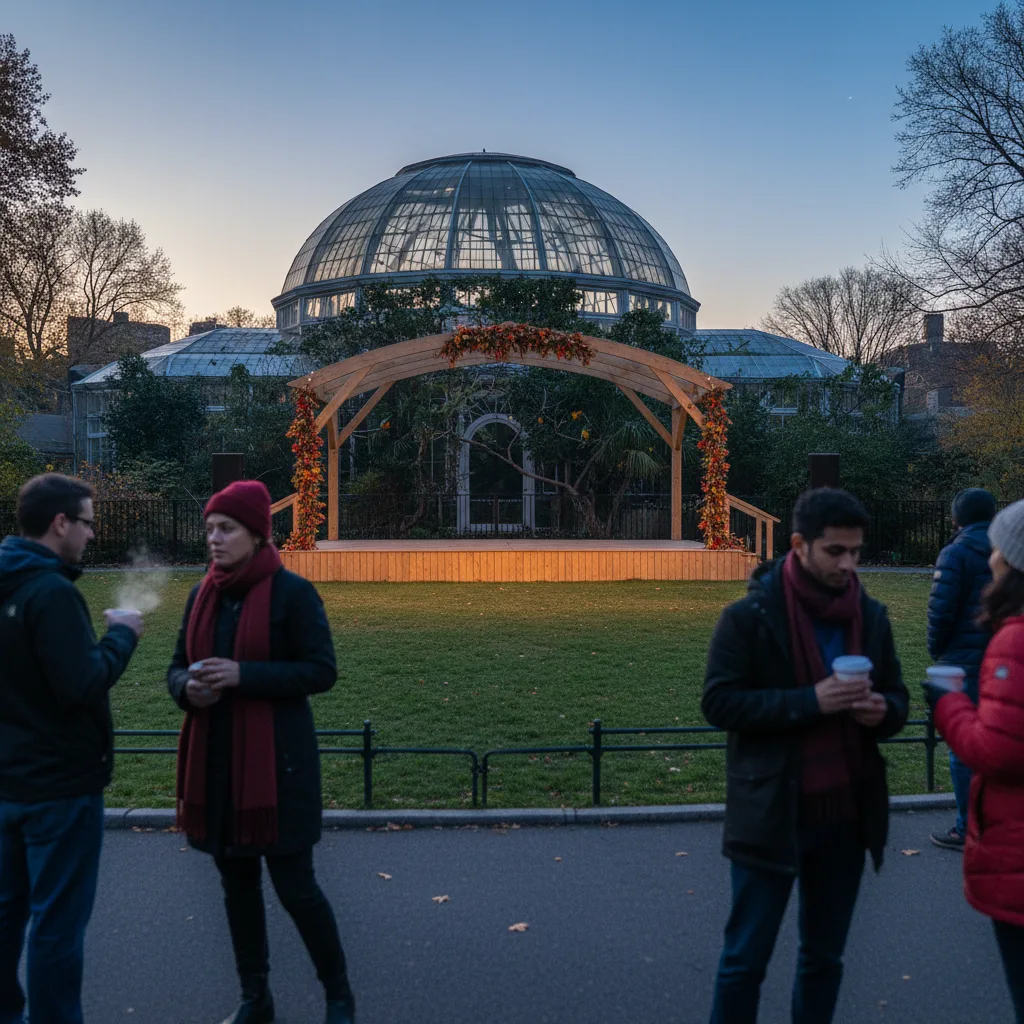
Wildlife Conservation Society Awards Lovejoy Prize at Central Park Zoo
Wildlife Conservation Society awards 2026 Thomas E. Lovejoy Prize today at Central Park Zoo during Climate Week in New York City.
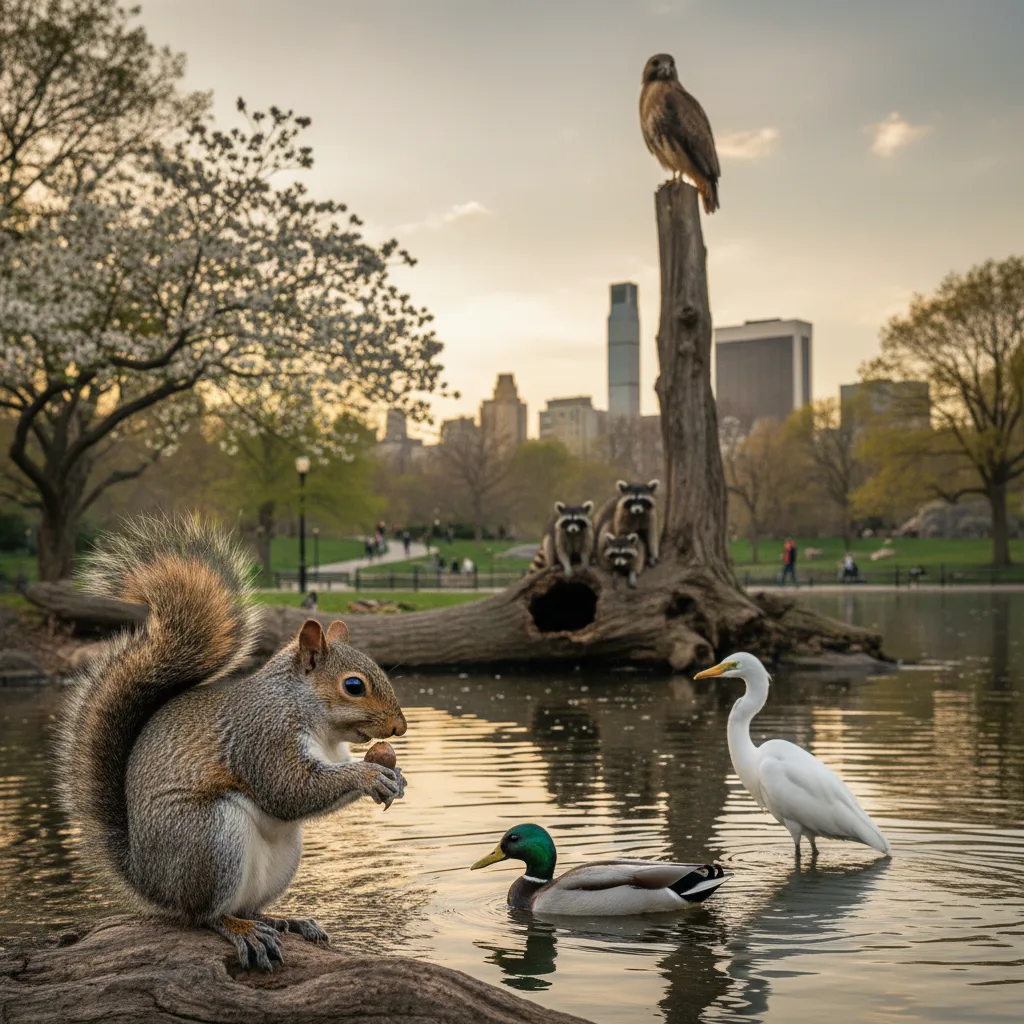
A Guide to Central Park's Wildlife: What to Know About the Park's Animals and Ecosystem
Discover the diverse Central Park wildlife, from birds and mammals to aquatic life. Learn responsible observation tips and conservation efforts for 2026.
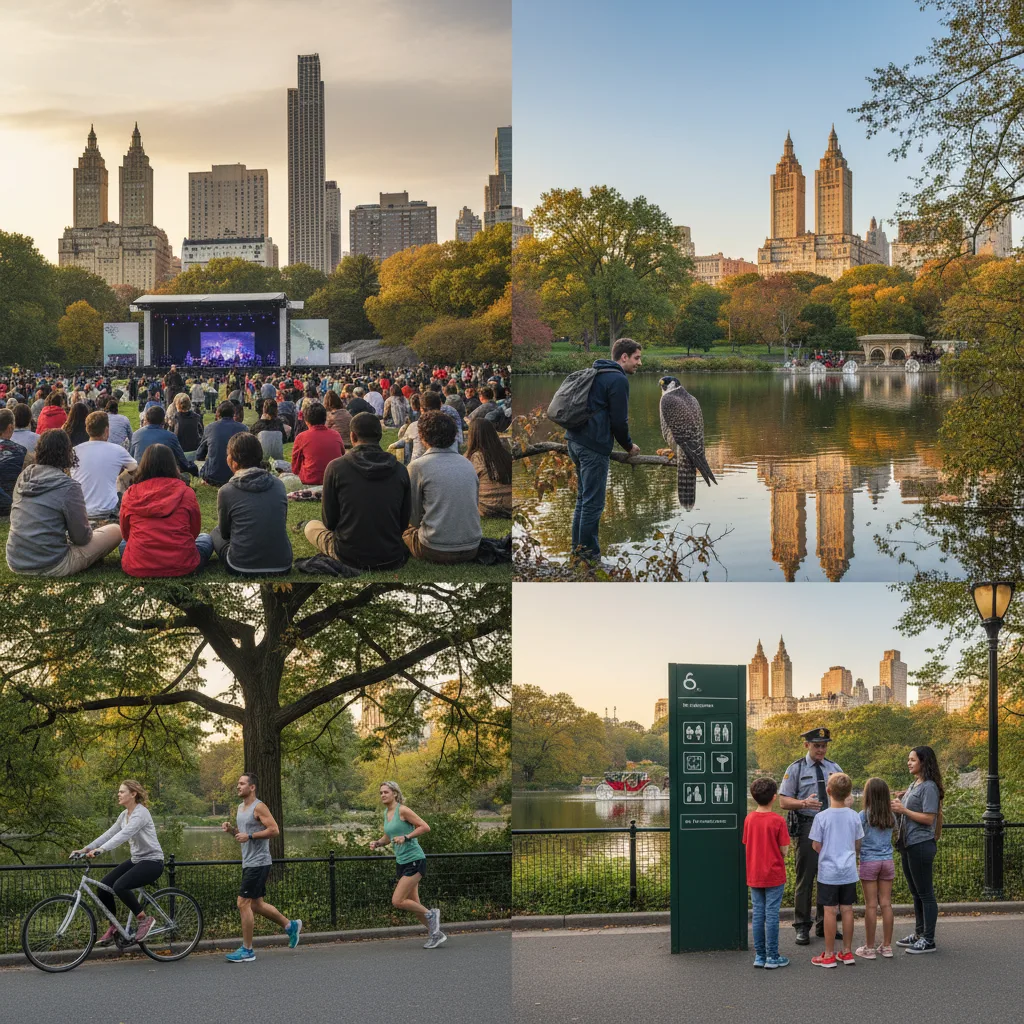
A Guide to Central Park's Top Activities and Best Things to Do in 2026
Discover the best things to do in Central Park, NYC, with our comprehensive 2026 guide to iconic landmarks, activities, and hidden gems for visitors.
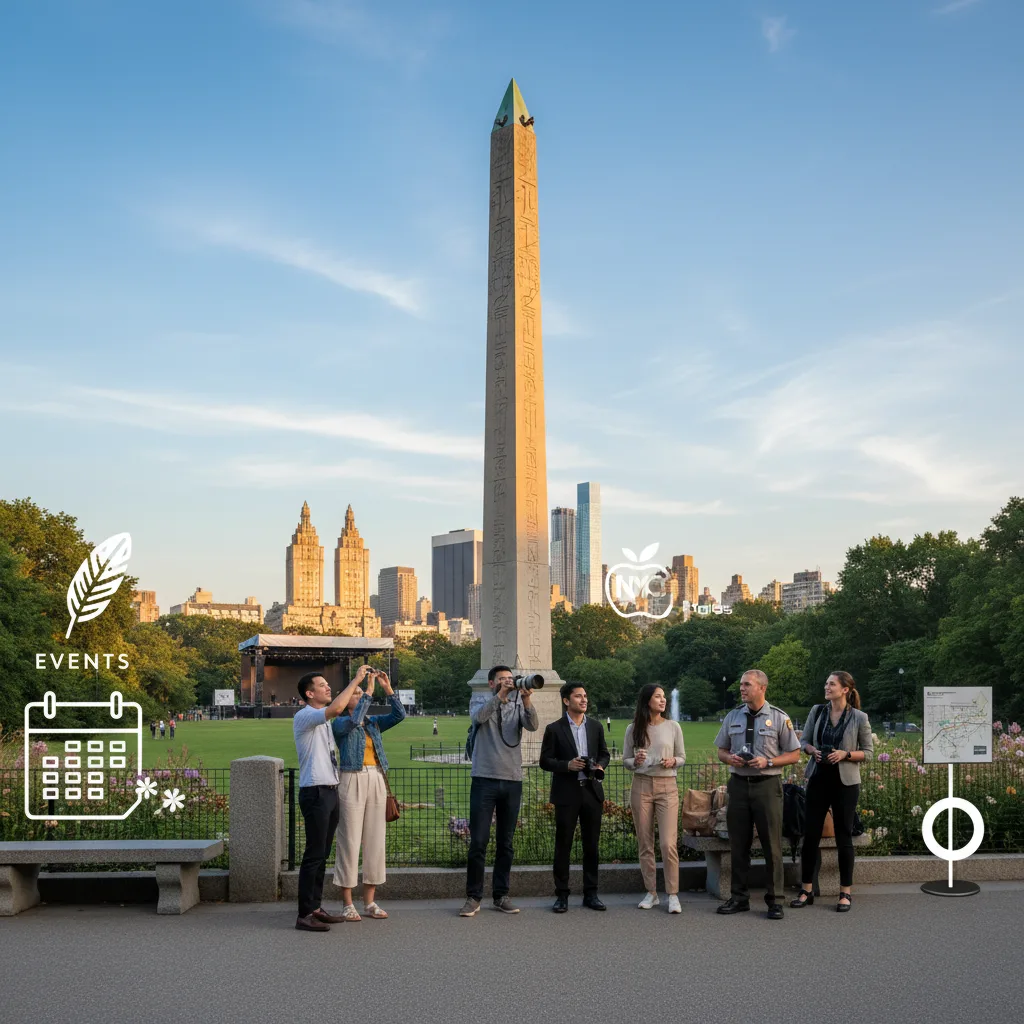
A Guide to What to Know About the Vatican Obelisk in Central Park 2026
Discover what to know about the Vatican Obelisk (Cleopatra's Needle) in Central Park, its history, journey to NYC, and where to find it in 2026.