


Central Park Navigates Urban Challenges, Sustains 843-Acre Oasis
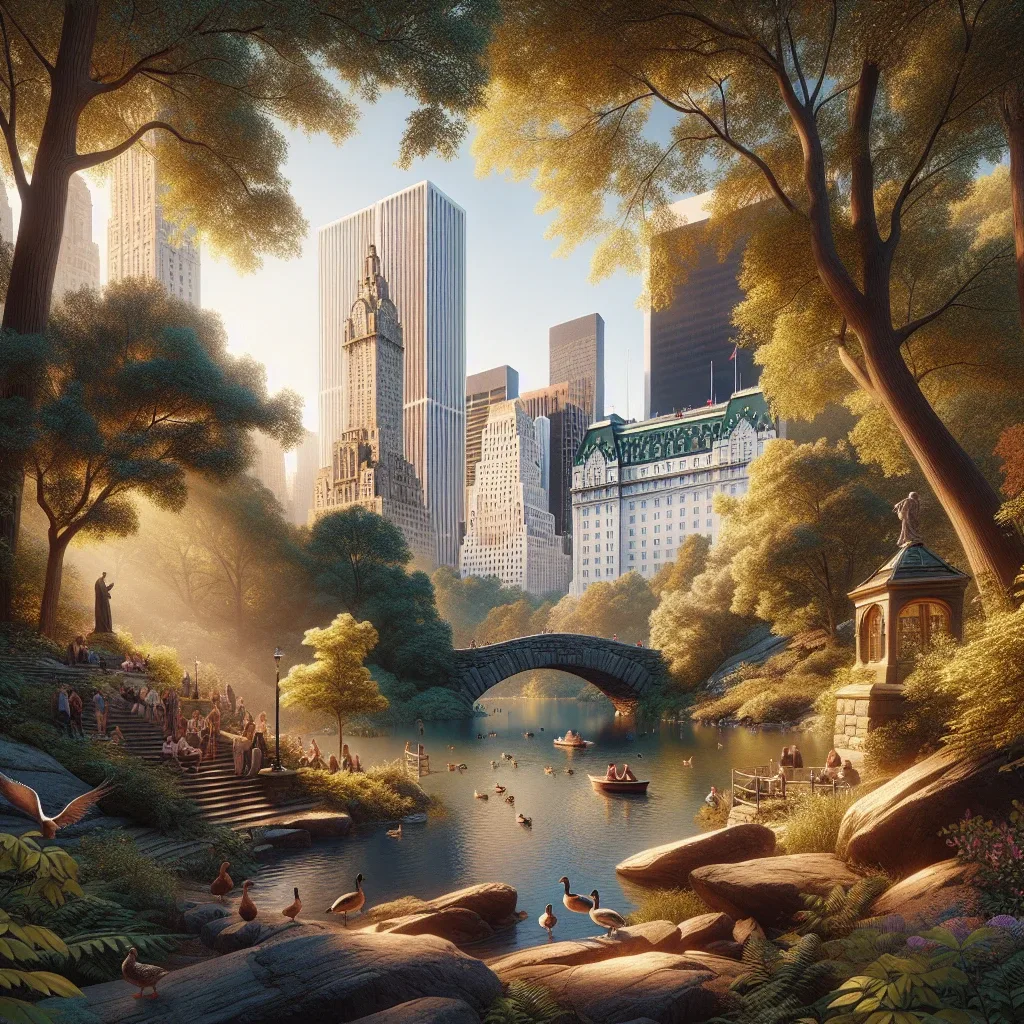
NEW YORK — Central Park, New York City's 843-acre urban green space, faces ongoing challenges of urban management and public safety while maintaining its role as a vital recreational and cultural hub. The park, which attracts over 42 million visitors annually, continues to evolve its programming and infrastructure to meet both community needs and conservation goals.
This balance of preservation and public access remains a central focus for the Central Park Conservancy, the non-profit organization that manages the park in partnership with the NYC Department of Parks & Recreation. Ensuring the park's ecological health alongside its heavy human traffic presents a unique logistical puzzle for urban planners.
Sustaining a Vibrant Ecosystem
The Conservancy's efforts extend to maintaining the park's diverse ecosystems, which include woodlands, meadows, and water bodies. For instance, the Ramble, a 38-acre wooded area known for birdwatching, requires meticulous care to preserve its delicate flora and fauna amidst consistent foot traffic. Park officials regularly implement projects to restore pathways and native plant species.
“Our goal is to ensure Central Park remains a pristine natural environment for generations to come,” stated Elizabeth K. Smith, Director of Park Operations for the Central Park Conservancy, in an interview last week. “That means balancing the needs of our diverse visitors with the ecological integrity of the land itself.” Projects often involve complex engineering, such as revitalizing the intricate drainage systems within the North Woods.
Enhancing Public Safety Initiatives
Public safety remains a paramount concern for both parkgoers and city officials, especially given the park's extensive footprint and varied hours of operation. The New York City Police Department (NYPD) maintains a visible presence, with officers regularly patrolling on foot, bicycles, and horseback. This presence aims to deter crime and respond swiftly to incidents.
Recent reports compiled by the NYPD's 20th Precinct, which covers a significant portion of the park's western side, indicate a slight decrease in property crimes compared to the previous year, though isolated incidents of violent crime persist. These statistics are closely monitored to inform resource deployment and security strategies across the 843-acre expanse. For comprehensive local crime updates, residents often consult local news sources on Central Park incidents.
Community Engagement and Future Planning
Central Park serves as a crucial gathering place, hosting countless public events, from free concerts at the Naumburg Bandshell to community-led yoga sessions on the Great Lawn. These events underscore the park's role in fostering civic engagement and community well-being. Organizers work closely with the Conservancy to ensure events align with park regulations and cause minimal environmental impact.
Looking ahead to 2026, the Central Park Conservancy is planning a series of infrastructure improvements, including upgrades to several of the park's 21 playgrounds and enhanced accessibility features at key entrances like those along 59th Street. These projects aim to modernize facilities while preserving historical architectural elements. Funding for these initiatives often comes from a mix of private donations and public grants.
Navigating Environmental and Social Pressures
The park also faces environmental pressures, including the impacts of climate change, such as increased storm intensity and heat island effects. Horticultural teams employ sustainable practices, including integrated pest management and water conservation techniques, to mitigate these challenges. They also monitor tree health across the park's nearly 20,000 trees.
Furthermore, the social dynamics of a bustling urban environment mean the park must accommodate a wide array of activities, from quiet reflection by the Pond to energetic sports on the North Meadow. Balancing these diverse demands requires careful planning and responsive management, constantly adapting to the city's evolving pulse. The Conservancy's commitment to continuous improvement helps address emerging issues and maintain the park's world-renowned status.
FAQs About Central Park's Operations
The Central Park Conservancy regularly addresses questions from the public regarding park operations, maintenance, and future plans. Visitors often inquire about the accessibility of facilities, especially those with mobility challenges. The Conservancy provides detailed maps and information on its official website, highlighting accessible pathways and amenities.
Concerns about wildlife, particularly the park's diverse bird population, are also common. The Conservancy encourages visitors to observe wildlife respectfully and avoid feeding animals, which can disrupt natural behaviors and ecosystems. They emphasize the importance of staying on marked paths to protect sensitive habitats.
Finally, questions about volunteer opportunities frequently arise. The Conservancy offers numerous ways for individuals and groups to contribute to the park's upkeep, from gardening programs to educational initiatives. These volunteer efforts are critical to supplementing the work of paid staff and fostering a sense of community ownership for this iconic New York landmark.
Related Articles
More in Park Operations & Maintenance →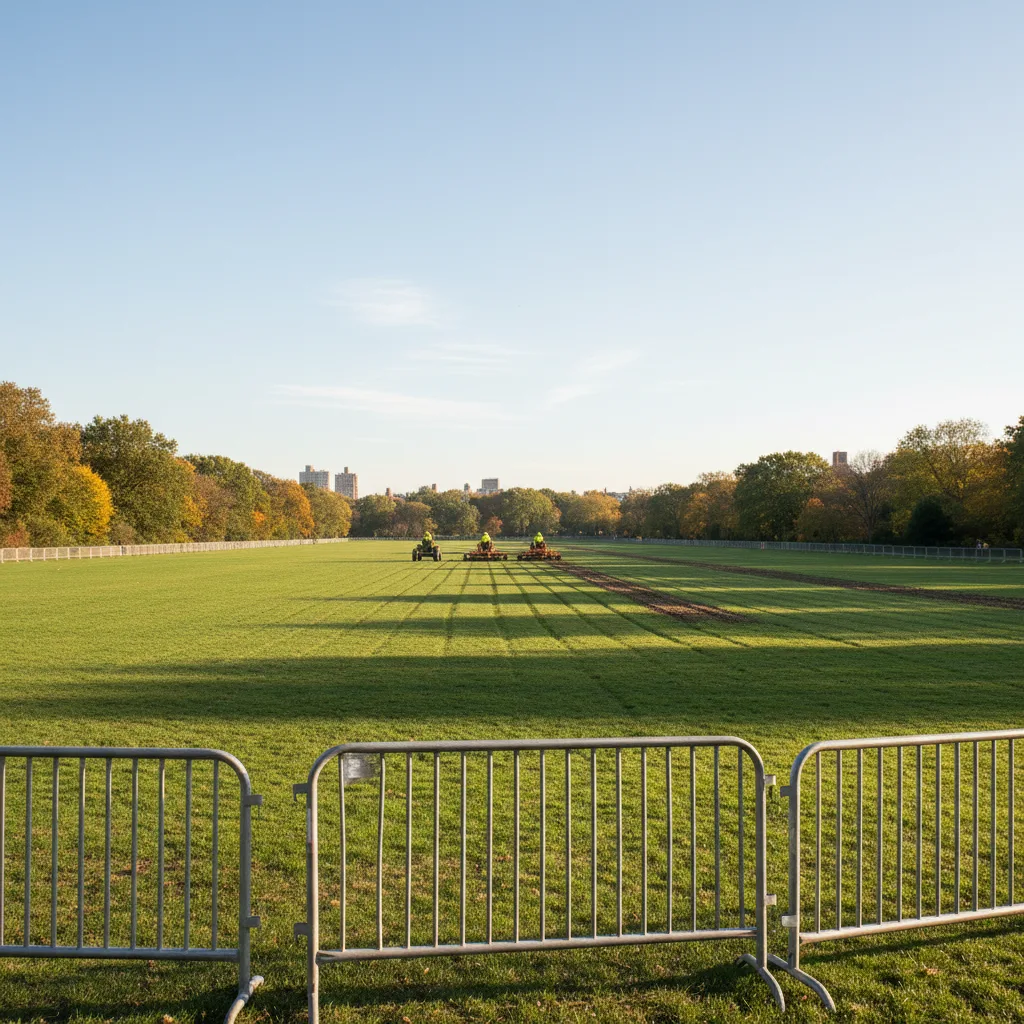
Central Park Conservancy Closes Great Lawn for Scheduled Maintenance
The Central Park Conservancy closed the Great Lawn through October 2, 2026, for scheduled maintenance, impacting weekend activities. Essential upkeep ensures the iconic green space remains vibrant for visitors.
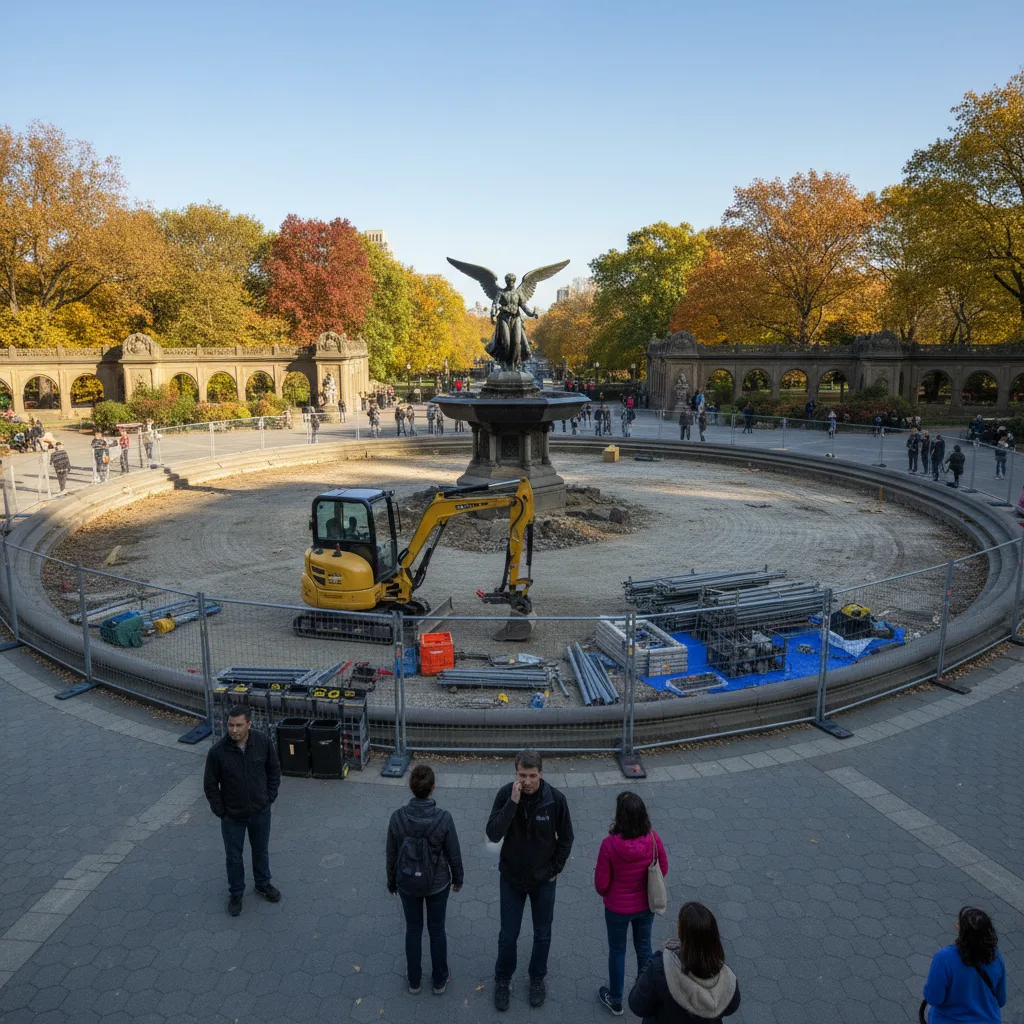
Central Park Conservancy Announces Bethesda Fountain, Great Lawn Closures
Central Park Conservancy announced Bethesda Fountain is off for restoration and the Great Lawn closed through October 2, 2026 for maintenance, affecting visitor access.
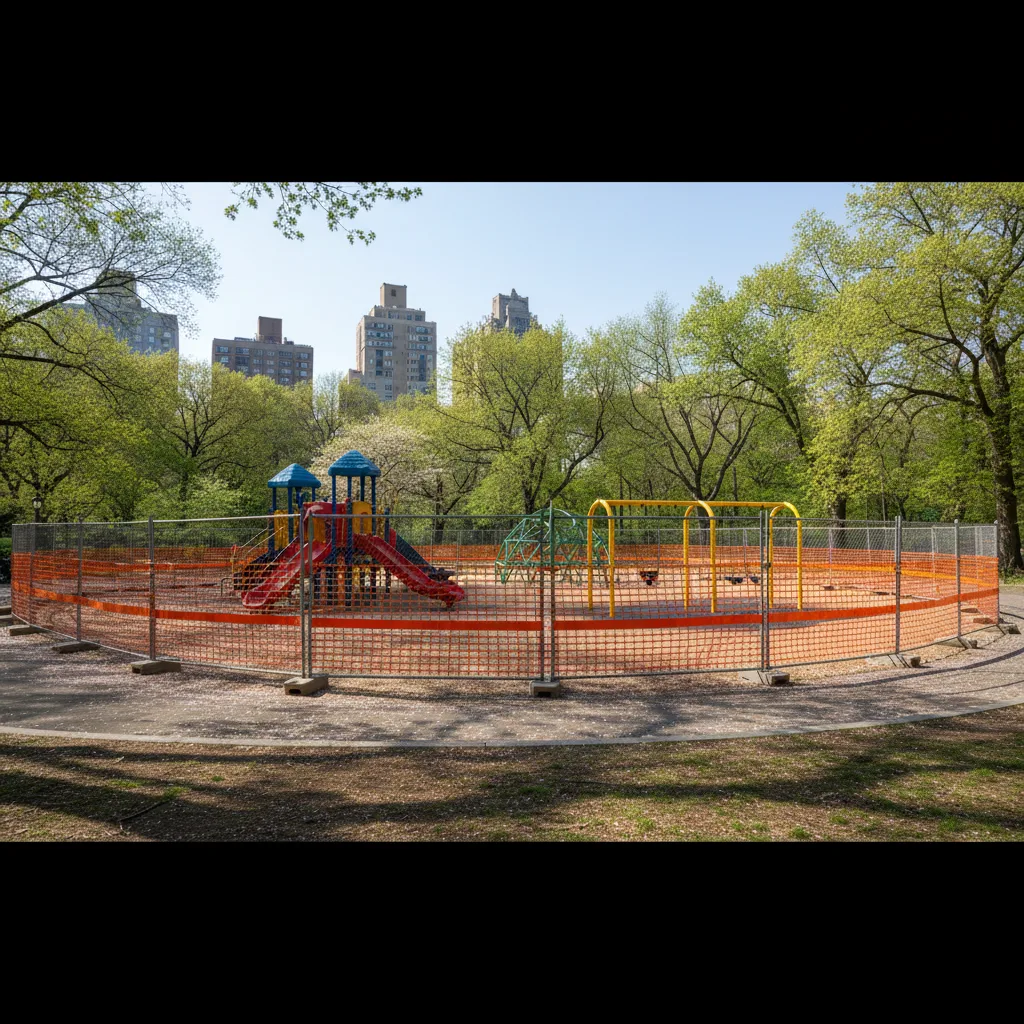
Central Park Conservancy Closes East 110th Street Playground for Restoration
Central Park Conservancy closed the East 110th Street Playground for restoration, while North Meadow and Heckscher ballfields shut due to weather. Plan your visit; check alerts for closures impacting recreation in Central Park.
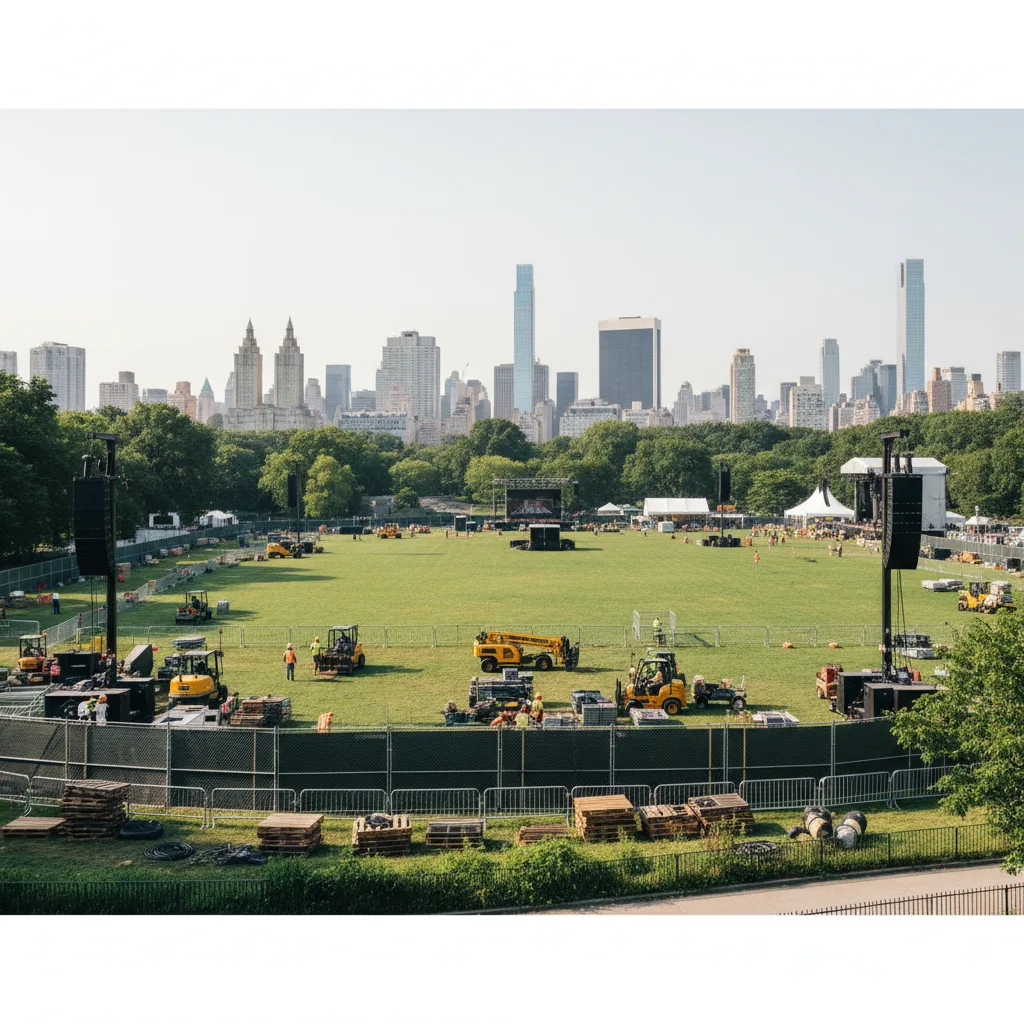
Central Park Conservancy Closes Great Lawn for Global Citizen Festival
Central Park Conservancy confirmed the Great Lawn is closed through September 26, 2026, for the Global Citizen Festival, affecting access to Belvedere Castle and Turtle Pond. Local residents and visitors should plan alternate routes and expect traffic delays around the park's perimeter.
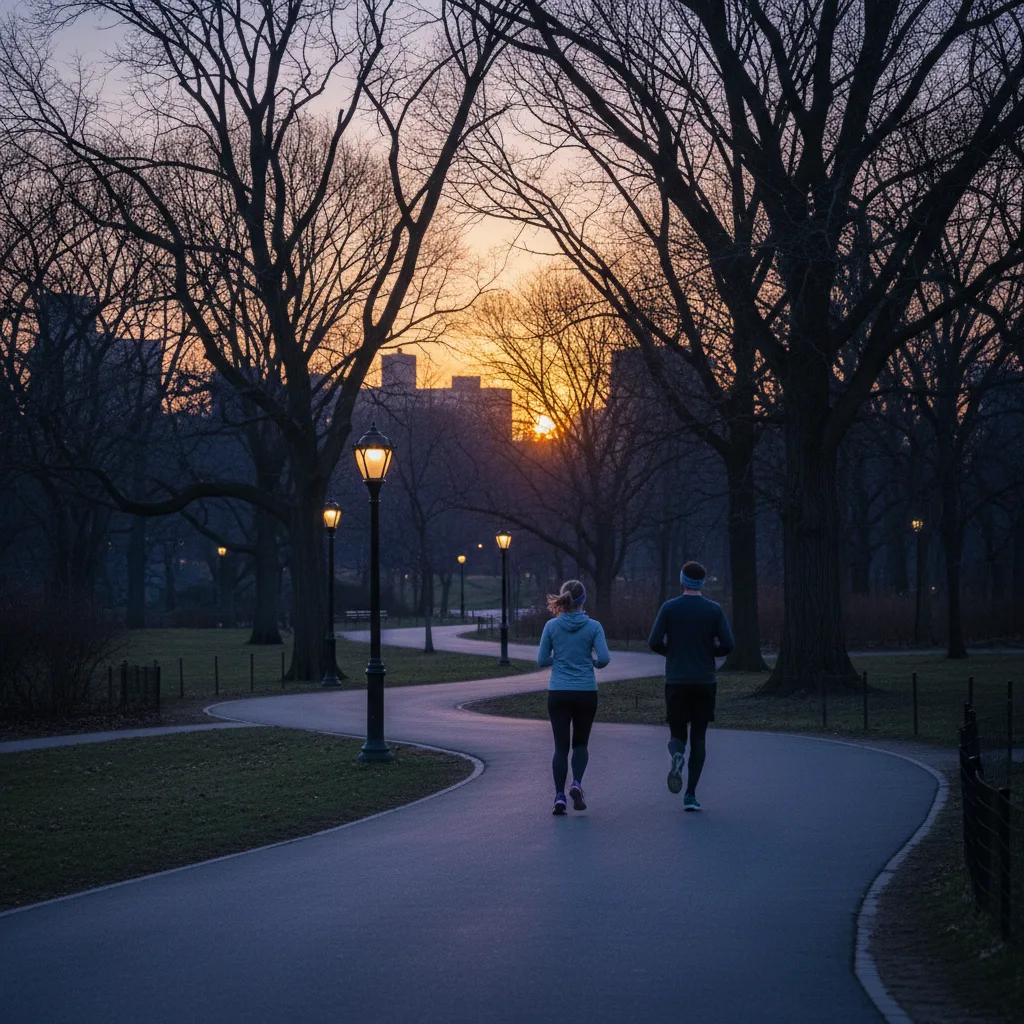
Central Park Conservancy Confirms 2026 Daily Operating Hours
Central Park Conservancy confirms 2026 daily hours: 6:00 a.m. to 1:00 a.m. This notice is for visitor planning, not a change.
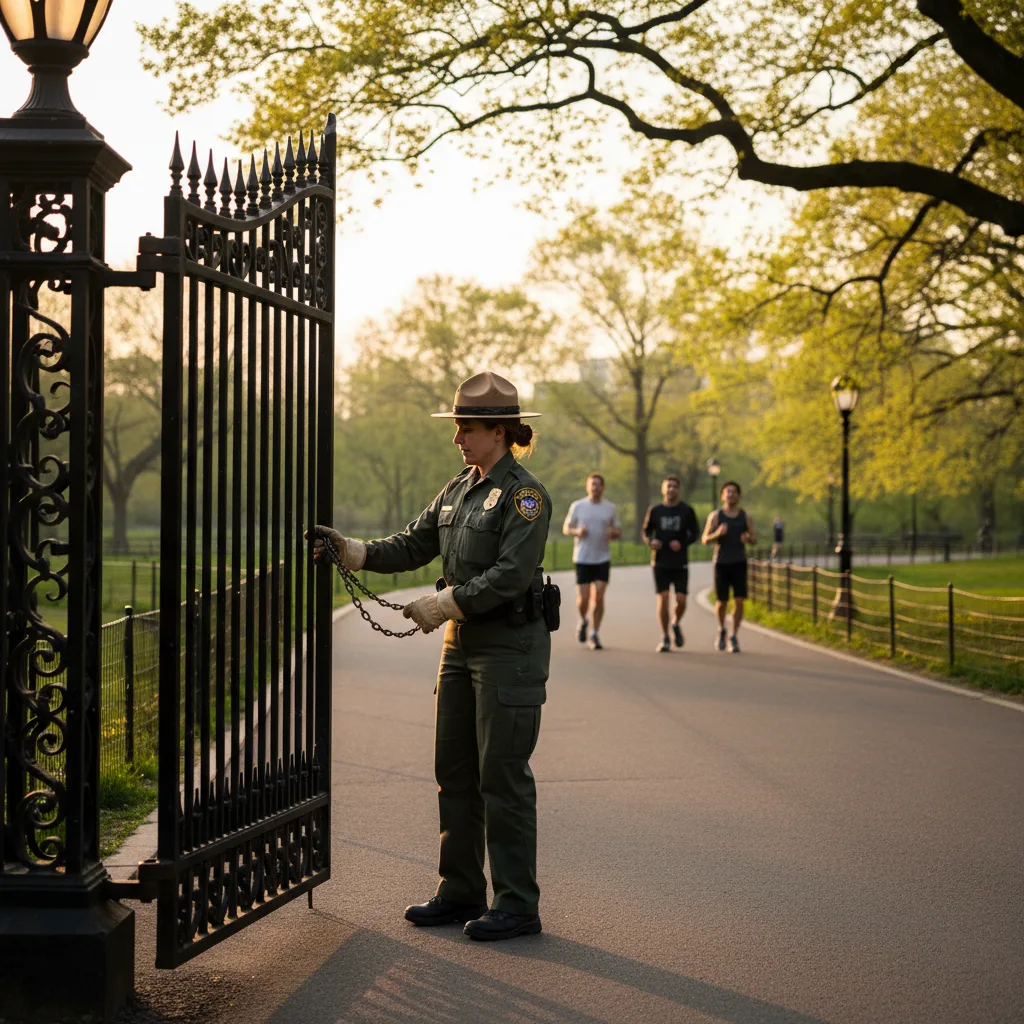
Central Park Conservancy Announces Park Hours Update for 2026
Central Park Conservancy announced updated 2026 park hours, maintaining 6:00 a.m. to 1:00 a.m. access daily. This schedule balances public enjoyment with critical maintenance and security operations.