


Central Park News: Horse Death Near 72nd Street Sparks Ban Campaign
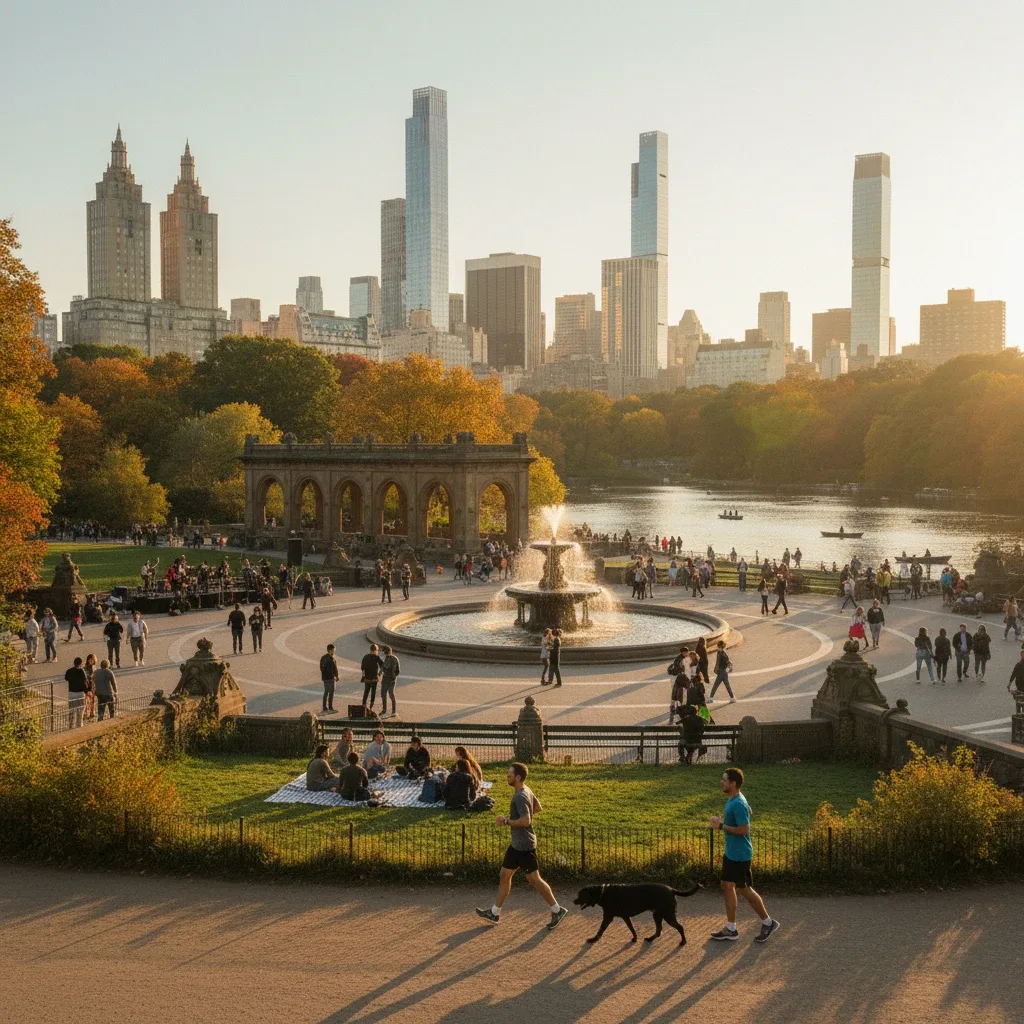
NEW YORK — Parks Commissioner Sue Donoghue ordered an immediate veterinary review Wednesday after a carriage horse collapsed and died near 72nd Street, according to ABC7 New York, sparking a wave of central park news and renewing calls for an outright ban on the industry. The sudden death of the animal, a 14-year-old gelding named Dennis, occurred late Tuesday evening during a routine carriage route.
Carriage Horse Collapses Near 72nd Street Transverse
The incident unfolded around 8:30 p.m. as the carriage thinned its pace near the bustling Central Park loop, drawing immediate attention from passing pedestrians and evening joggers. Witnesses reported seeing the horse stumble repeatedly before losing its footing entirely on the paved roadway near the Bethesda Terrace loop.
Emergency responders from the NYPD's 22nd Precinct arrived at the scene shortly after receiving several urgent 911 calls from alarmed park visitors. Officers attempted to coordinate emergency medical assistance with local veterinarians, but the animal died on the asphalt near the busy loop road before specialized transport could arrive.
The cold autumn air hung heavy over the damp pavement of the 72nd Street Transverse as park-goers gathered in quiet disbelief near the carriage line. According to police reports filed shortly after the incident, the horse showed signs of acute respiratory distress immediately prior to its sudden collapse.
Public Safety Concerns Dominate Central Park News Following Horse Death
Local community boards and resident coalitions quickly amplified the story, transforming the tragic incident into a central focus of central park news coverage across the city. This tragedy has reignited long-standing arguments regarding the safety of mixing large draft animals with motorized traffic and heavy pedestrian crowds.
A primary concern for local organizers remains the proximity of these incidents to highly populated tourist zones like the Bethesda Fountain area. City records show that several carriage accidents since 2020 have resulted in minor injuries to both passengers and nearby pedestrians along the park's main loops.
NYC Parks Department Launches Veterinary Investigation Into Carriage Fleet
The NYC Parks Department, in cooperation with the Department of Health and Mental Hygiene, initiated a comprehensive medical audit of the stable where Dennis was housed. Investigators are seeking to determine if underlying health issues, extreme pavement temperatures, or strenuous working conditions contributed to the fatal collapse.
"We are deeply saddened by the loss of Dennis, and we are working closely with veterinary experts to conduct a full necropsy," Parks Commissioner Sue Donoghue said Wednesday morning. Donoghue added that the city would temporarily suspend the operating license of the specific carriage company involved pending the final autopsy results.
This administrative action aligns with broader safety protocols, including those enforced during the recent park central hotel carriage safety audits that targeted stables operating in Midtown Manhattan. Investigators plan to review the veterinary logs of all 68 active carriage horses currently registered in the city's system.
Animal Welfare Advocates Amplify Demands Amid Central Park News Reports
The rapid dissemination of central park news regarding the horse's death prompted immediate demonstrations outside the historic park boundaries. Representatives from NYCLASS and other animal protection organizations gathered near the busy Central Park South entrance on Wednesday afternoon to demand immediate legislative action from city lawmakers.
"This tragic loss was completely preventable and represents a systemic failure of our current oversight laws," said Edita Birnkrant, executive director of NYCLASS. Birnkrant urged the City Council to bypass temporary audits and proceed with a permanent phase-out of horse-drawn carriages in favor of electric options immediately.
Activists pointed out that the city had promised stricter oversight following previous carriage incidents, such as those that sparked the thompson central park carriage horse audits earlier this year. These groups argue that veterinary checks alone cannot mitigate the inherent stress of a busy urban environment on draft horses.
Historical Safety Records of the Midtown Carriage Horse Industry
The debate surrounding horse-drawn carriages in Manhattan has persisted for decades, with advocates and industry representatives clashing over animal welfare and economic heritage. Supporters of the industry, including the Historic Horse Carriages of Central Park association, maintain that the animals are treated with the highest standards of care.
The local carriage industry employs more than 200 drivers and stable hands, many of whom argue that a ban would decimate their livelihoods. Representatives from the drivers' union pointed to existing regulations that mandate horse rest periods when temperatures exceed 90 degrees Fahrenheit or drop below 19 degrees.
However, critics argue these thresholds are insufficient to protect animals from the intense heat-island effect of New York City pavement during peak summer months. Over the past decade, at least six carriage horses have collapsed on city streets, drawing intense media scrutiny and public outcry from local residents as detailed in the ABC7 New York coverage of the incident.
Modern Carriage Regulations Spark Fierce City Hall Debate
Legislative efforts to phase out the carriage industry have repeatedly stalled in the New York City Council due to union opposition and debates over alternative electric carriage models. Some council members have proposed transitioning drivers to electric vintage-style vehicles to preserve tourism jobs while removing live animals from the streets as seen in the additional video coverage from ABC7.
A newly proposed municipal bill aims to cap the total number of carriage horse licenses and restrict active operations to designated pathways inside the park, entirely avoiding public city streets. The bill's sponsors believe this compromise could reduce the risk of traffic collisions while maintaining the historic character of the park's perimeter.
The final necropsy report for Dennis is expected to be released within the next thirty days, a timeline that will likely dictate the next steps for city regulators. Until then, the NYPD and the Parks Department have announced increased monitoring of horse stables and active carriage routes along Central Park South.
Frequently Asked Questions
How are carriage horse working conditions currently regulated in New York City? The New York City Department of Health and Mental Hygiene regulates the carriage horse industry, mandating annual veterinary examinations and restricting work hours to no more than nine hours per day. Additionally, horses are barred from working when temperatures reach extreme thresholds, specifically above 90 degrees or below 19 degrees Fahrenheit.
What happens to NYC carriage horses after they are retired from service? Most retired carriage horses are sent to specialized animal sanctuaries or private farms outside the metropolitan area, often funded by animal welfare organizations or the horse owners themselves. However, advocacy groups continue to push for legally binding retirement registries to guarantee that no former working animals are sold at livestock auctions. These registries would provide full transparency for post-service animal care.
Where can park visitors report suspected cases of carriage horse mistreatment? Concerned visitors can report immediate safety violations or animal distress directly to the NYPD's 22nd Precinct or by calling the city's 311 non-emergency information line. The Central Park Conservancy also monitors park pathways and coordinates with municipal authorities when animal welfare concerns are flagged by the public. These reports help trigger immediate field inspections by animal welfare officers.
Related Articles
More in Park Operations & Maintenance →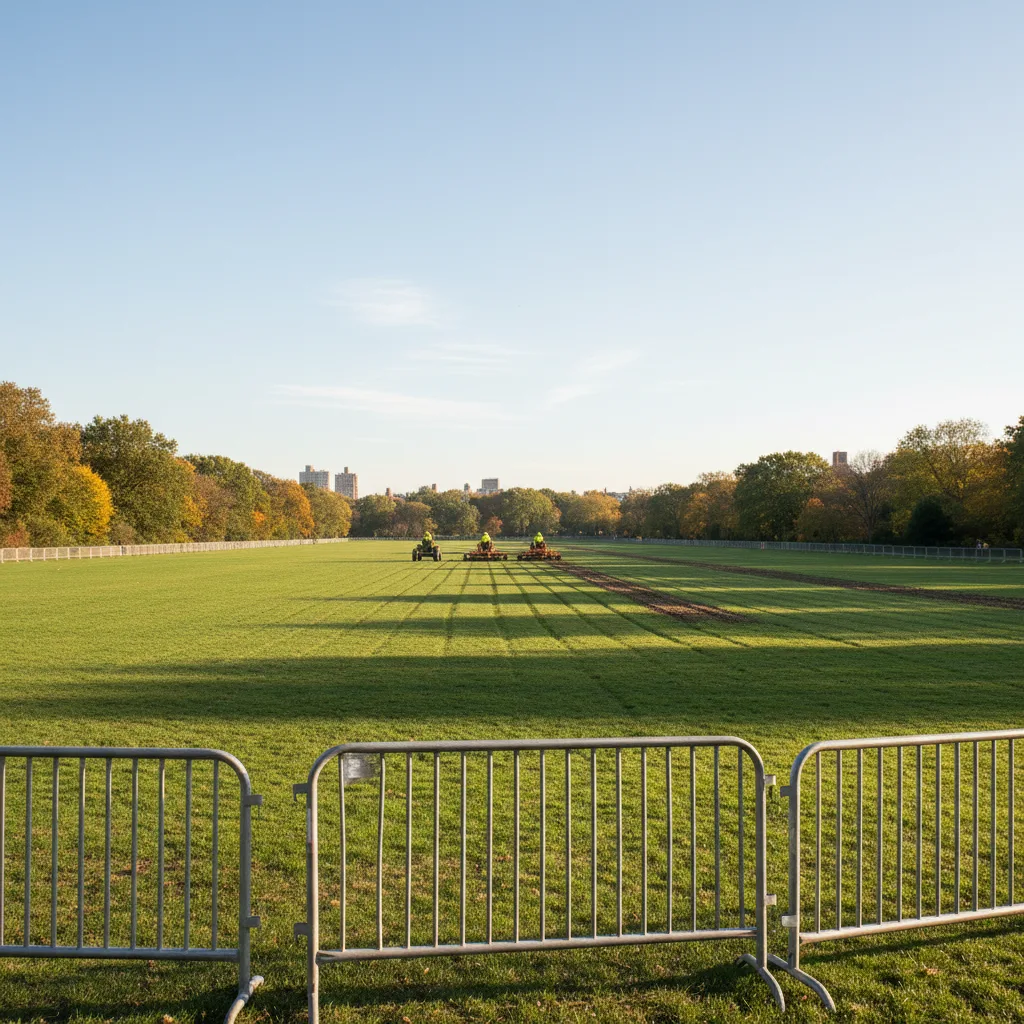
Central Park Conservancy Closes Great Lawn for Scheduled Maintenance
The Central Park Conservancy closed the Great Lawn through October 2, 2026, for scheduled maintenance, impacting weekend activities. Essential upkeep ensures the iconic green space remains vibrant for visitors.
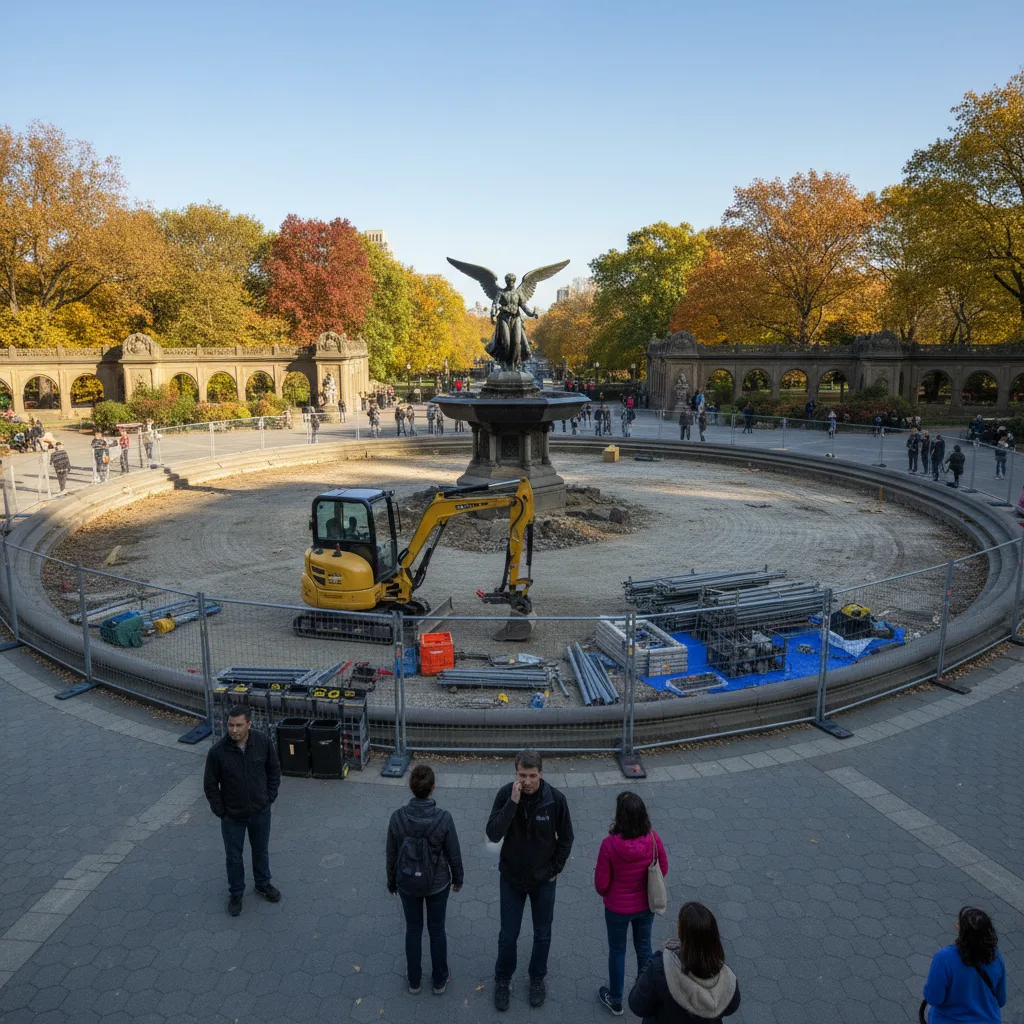
Central Park Conservancy Announces Bethesda Fountain, Great Lawn Closures
Central Park Conservancy announced Bethesda Fountain is off for restoration and the Great Lawn closed through October 2, 2026 for maintenance, affecting visitor access.
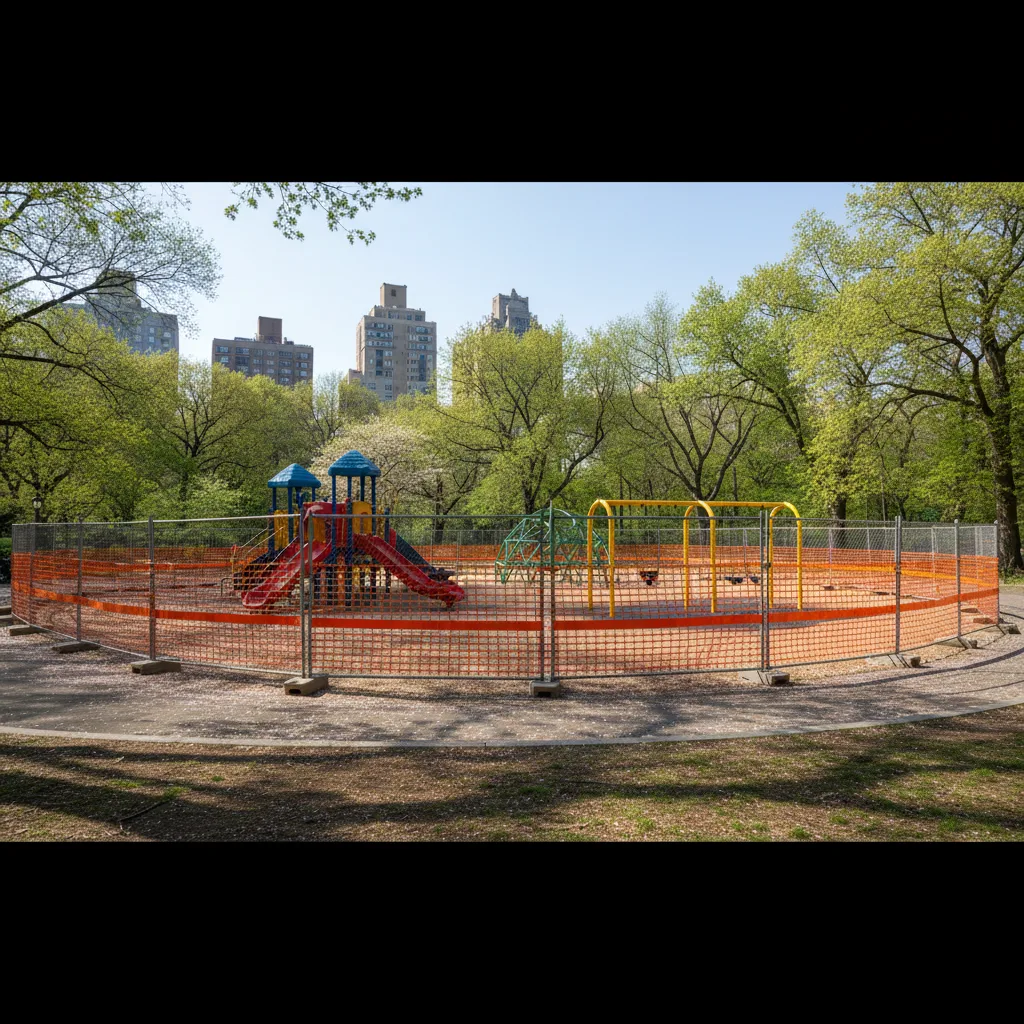
Central Park Conservancy Closes East 110th Street Playground for Restoration
Central Park Conservancy closed the East 110th Street Playground for restoration, while North Meadow and Heckscher ballfields shut due to weather. Plan your visit; check alerts for closures impacting recreation in Central Park.
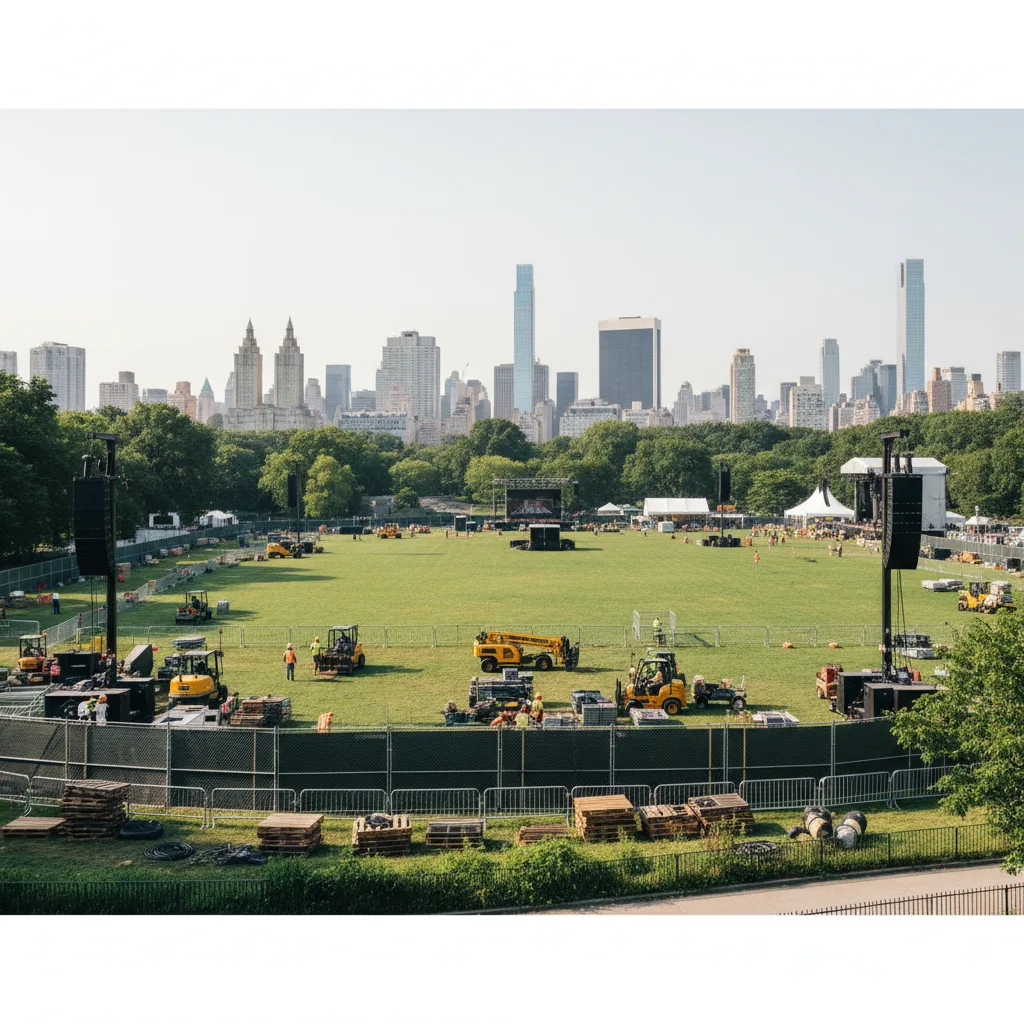
Central Park Conservancy Closes Great Lawn for Global Citizen Festival
Central Park Conservancy confirmed the Great Lawn is closed through September 26, 2026, for the Global Citizen Festival, affecting access to Belvedere Castle and Turtle Pond. Local residents and visitors should plan alternate routes and expect traffic delays around the park's perimeter.
Central Park Conservancy Confirms 2026 Daily Operating Hours
Central Park Conservancy confirms 2026 daily hours: 6:00 a.m. to 1:00 a.m. This notice is for visitor planning, not a change.
Central Park Conservancy Announces Park Hours Update for 2026
Central Park Conservancy announced updated 2026 park hours, maintaining 6:00 a.m. to 1:00 a.m. access daily. This schedule balances public enjoyment with critical maintenance and security operations.