


Central Park: NYC Council Committee Rejects Horse Carriage Ban in March 2026 Vote

NEW YORK — A controversial proposal to ban Central Park's iconic horse-drawn carriages was decisively voted down by the New York City Council's Transportation Committee in March 2026.
The decision, which occurred after years of heated debate, means the carriages will continue to operate, impacting both the city’s tourism industry and the welfare of the working horses.
Committee Deliberates on Long-Standing Issue
The vote, held on March 8, 2026, saw the Transportation Committee, chaired by Council Member Yusef Salaam, reject the ban by a margin of 6-3.
Animal rights activists had long lobbied for the ban, citing concerns about the horses’ living conditions, safety on city streets, and potential health risks from urban pollution.
Conversely, carriage operators, represented by the Historic Horse-Drawn Carriages of NYC alliance, argued that the industry provides humane care for its animals and is an integral part of New York City’s historical and cultural fabric.
“This was a comprehensive decision that considered the economic livelihoods of many New Yorkers and the city’s historical identity,” Council Member Salaam stated following the vote.
He further clarified that the committee’s primary responsibility was to weigh all aspects, including regulatory oversight, economic impact, and public sentiment.
The proposal aimed to replace the horses with electric vehicles, a transition that was met with skepticism regarding its feasibility and authenticity.
Arguments For and Against the Ban
Advocates for the ban, including organizations like NYCLASS (New Yorkers for Clean, Livable, Safe Streets), presented data on horse-related accidents and advocated for the horses’ retirement to sanctuaries.
They cited instances of horses collapsing and accidents involving motor vehicles, arguing that city streets are an inappropriate environment for large animals.
“We are deeply disappointed by the committee’s failure to protect these animals from inhumane working conditions,” said a spokesperson for NYCLASS at a rally outside City Hall on March 9.
On the other side, carriage owners and drivers emphasized their adherence to strict welfare standards, including regular veterinary checks, mandated rest periods, and temperature restrictions.
They highlighted the economic contribution of the industry, supporting approximately 300 jobs and generating millions in tourism revenue annually.
“Our horses are our family, and their care is paramount,” confirmed Christina Hansen, a long-time carriage driver and spokesperson for the industry, in her testimony to the committee.
Economic and Tourism Implications
The preservation of the horse carriage industry is expected to maintain a significant draw for tourists visiting Central Park, particularly those seeking a traditional New York experience.
Tour operators and travel agencies often feature carriage rides as a quintessential Central Park activity, attracting visitors from around the globe.
Local businesses surrounding the park, such as restaurants and souvenir shops, also benefit from the foot traffic generated by carriage passengers.
“The carriages are a part of what makes Central Park so magical for our visitors,” remarked Maria Gonzalez, owner of a gift shop near the park’s south end.
Concerns about the economic displacement of carriage drivers and stable workers were a key factor in the committee’s decision, underscoring the broader economic impact.
More information on Central Park Conservancy initiatives and their collaborations with park businesses can be found online.
Regulatory Oversight and Future Considerations
The rejection of the ban does not mean an end to scrutiny; the industry will continue to operate under existing regulations enforced by the NYC Department of Health and Mental Hygiene and the NYPD.
These regulations cover everything from stable inspections and veterinary care to carriage maintenance and driver licensing.
Discussions may shift towards strengthening these regulations, potentially including stricter enforcement or new technologies for horse monitoring.
Ongoing debates around Environmental sustainability efforts in NYC also touch on the ecological footprint of these operations.
This decision marks a significant moment in a debate that has spanned decades, with activists promising to continue their efforts to remove horses from city streets.
The future of Central Park’s horse carriages, while secure for now, will likely remain a topic of intense public and political discussion.
What This Means for Central Park Visitors
For visitors to Central Park in 2026 and beyond, the horse-drawn carriages will continue to be an available attraction, operating from their designated stands near the park’s southern entrances.
Tourists can expect to see them along traditional routes, offering rides through the park's scenic landscapes.
Booking information and rates for these rides are typically available directly from the drivers or through online tourism platforms.
Visitors interested in supporting ethical tourism are encouraged to research the specific operators and their animal welfare practices before booking a ride.
Frequently Asked Questions About Central Park Horse Carriages
Many visitors and residents have questions about the Central Park horse carriages. The carriages typically operate year-round, weather permitting, with specific hours that often extend into the evening.
Drivers are required to follow set routes to ensure safety and manage traffic flow within the park. The horses receive regular veterinary care and are stabled off-site in designated facilities that are subject to inspections.
Regarding ethical concerns, the industry maintains it provides humane care, while animal welfare groups argue that urban environments are unsuitable for horses. This remains a central point of contention.
Fares are regulated by the city, with specific rates for different tour durations. Visitors can inquire directly with drivers or check official city tourism websites for current pricing.
Related Articles
More in Urban Policy & Development →
NYC Mayor Mamdani Booed at Union Square October 7 Vigil
Mayor Mamdani faced boos and protests at a Union Square vigil Thursday marking the Oct. 7 attacks, highlighting deep community divisions in NYC.
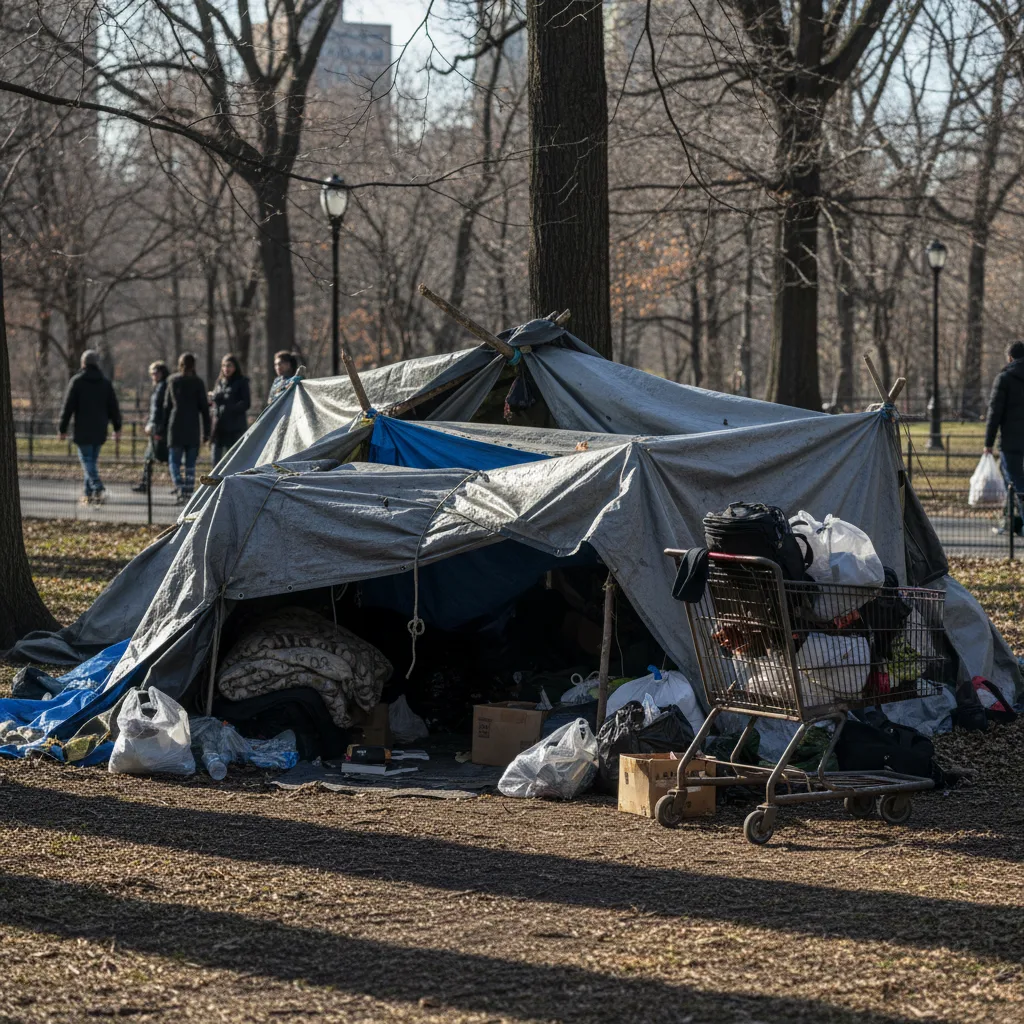
NYC Homeless Encampments Spotted Across Manhattan, Raising Concerns
Multiple homeless encampments have been spotted across Manhattan, raising significant concerns about urban policy and public safety. City officials are under pressure to address the growing homelessness crisis.
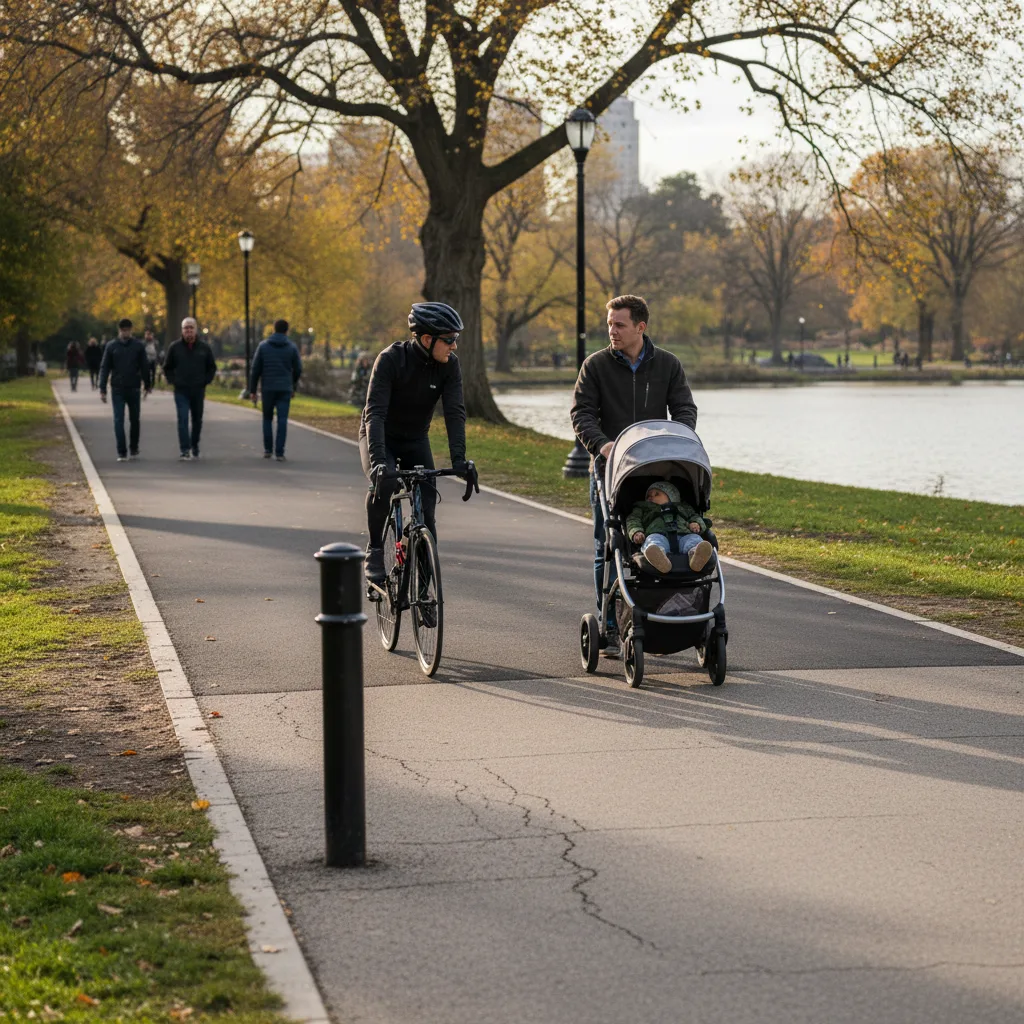
Safety Advocate Blames Park Redesign for Rising Central Park Cyclist Crashes
Safety advocates blame recent Central Park redesigns for a pedestrian's death and rising cyclist crashes, calling for urgent review of infrastructure.
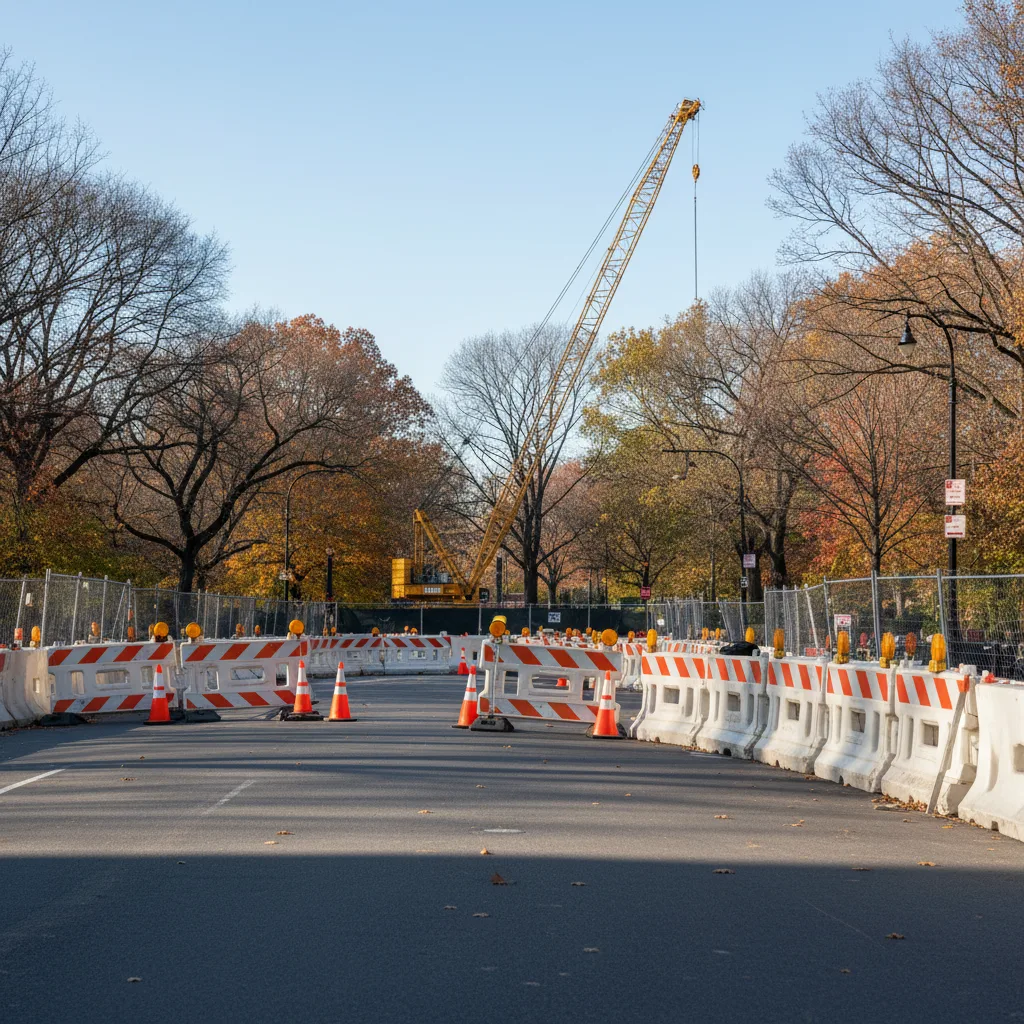
NYC DOT Advises Central Park Area Traffic Disruptions September 27
NYC DOT issued advisories for major traffic disruptions near Central Park on September 27, 2026, due to a parade and crane operations. Expect delays.

Davis Center at Harlem Meer Unveils State-of-the-Art Facilities
The new Davis Center at the Harlem Meer in Central Park's north end now features a state-of-the-art pool, ice rink, and multi-use turf field, enhancing community recreational options.
NYC City Record Confirms September 21, 2026, Publication Schedule
The NYC City Record confirmed its September 21, 2026, publication schedule, detailing administrative notices, procurement, and public hearings. This ensures transparency for municipal operations and public access to vital city information.