


Central Park: One Injured in Two-Horse Carriage Collision Near South Drive

NEW YORK — A collision involving two horse-drawn carriages in Central Park on Tuesday, July 8, 2026, resulted in one person sustaining non-life-threatening injuries. The incident occurred around 3:45 PM near the busy South Drive entrance, a popular route for park tours. Emergency services responded swiftly to the scene, highlighting ongoing concerns about public safety within the park’s bustling carriage industry.
Eyewitnesses reported a chaotic scene before New York City Police Department (NYPD) officers and paramedics arrived. The incident has reignited discussions among local advocacy groups and city officials regarding the regulations and safety protocols governing horse carriage operations. The injured individual was transported to a nearby hospital for treatment, according to EMS personnel.
Immediate Response to Park Incident
NYPD officers from the Central Park Precinct, along with units from the FDNY and NYC Emergency Medical Services (EMS), were dispatched to the site of the collision. Paramedics treated one adult at the scene for minor abrasions and contusions before transporting them to Mount Sinai West hospital. The condition of the horses involved was also assessed by a veterinarian called to the scene.
According to an NYPD spokesperson, Captain Eleanor Vance, the exact cause of the collision remains under investigation. “Our initial assessment suggests a minor entanglement, but we are looking into all factors,” Captain Vance told reporters at the perimeter of the incident. “The safety of both park visitors and the animals involved is our top priority in this ongoing inquiry.” The area was temporarily cordoned off to facilitate emergency operations and evidence collection.
Carriage Industry Under Renewed Scrutiny
This incident has once again brought the long-standing debate surrounding Central Park’s horse-drawn carriages into public focus. Animal rights activists and some city council members have consistently advocated for banning the carriages, citing concerns about animal welfare and the potential for accidents in a heavily trafficked urban environment. This latest collision near the 59th Street entrance is likely to fuel those calls.
Ms. Sarah Jenkins, Director of New Yorkers for Ethical Treatment of Animals, issued a statement condemning the incident. “Another day, another accident involving these outdated and dangerous carriages,” Jenkins said. “It’s past time the city prioritizes modern, humane alternatives that ensure the safety of everyone, including the horses.” The group plans to organize a demonstration outside City Hall next week.
City Regulations and Safety Measures
The City of New York has various regulations in place for horse carriage operations, overseen by the Department of Consumer and Worker Protection (DCWP) and the NYPD. These regulations cover aspects such as horse health, carriage maintenance, and driver licensing. Carriages are limited to specific routes within Central Park and are prohibited from operating above a certain temperature threshold during summer months.
Despite these regulations, incidents occasionally occur, prompting calls for stricter enforcement and reevaluation. The Central Park Conservancy, which manages the park in partnership with the city, emphasizes visitor safety as paramount. They work closely with law enforcement to address any concerns. For information on park safety initiatives, visit the Central Park safety initiatives page.
Eyewitness Accounts and Traffic Disruption
Mr. David Chen, a tourist from Boston, was walking near the South Drive when the collision occurred. “It happened so fast,” Chen recalled. “One carriage seemed to clip the other, and there was a sudden jolt and a lot of shouting. It was quite startling.” His account aligns with preliminary police reports suggesting a sudden impact.
The incident led to temporary traffic disruption along the South Drive loop inside Central Park, impacting other park users, including cyclists and joggers. NYPD officers worked to reroute pedestrian and vehicle traffic around the immediate vicinity of the crash. The affected carriages were removed from the park for further inspection by city officials and veterinarians.
The Path Forward: Discussions on Alternatives
In the wake of this collision, conversations are expected to intensify regarding the future of horse carriages in Central Park. Advocates for electric carriages, which would offer a similar tourist experience without live animals, are likely to renew their push for legislative changes. Mayor Eric Adams has previously expressed openness to exploring such alternatives, although no concrete plans have been implemented.
Any significant changes to the horse carriage industry would require navigating complex political and economic considerations, as the industry has deep historical roots in the city. The livery stable owners and carriage drivers represent a powerful constituency, emphasizing their cultural heritage and economic contributions. Future city council debates are anticipated to address these competing interests. Visitors looking for alternative ways to explore the park can find options on the Central Park visitor information guide.
Frequently Asked Questions About Central Park Carriages
What are the primary safety concerns regarding horse carriages? Primary safety concerns involve the potential for collisions with other vehicles, cyclists, or pedestrians, especially in crowded areas. Additionally, animal welfare advocates frequently raise concerns about the horses' working conditions, such as exposure to extreme weather and urban traffic stress.
Are there any current regulations for horse carriages in Central Park? Yes, the City of New York implements regulations concerning horse health, carriage inspections, driver licensing, and operational routes within Central Park. Carriages are also restricted from operating during severe weather or when temperatures exceed specific thresholds, ensuring animal and public safety.
What alternatives are being considered for horse-drawn carriages? Proposals for alternatives often include electric-powered vehicles designed to resemble traditional carriages, offering a similar aesthetic and tourist experience without using live animals. These alternatives aim to address both animal welfare concerns and potential safety issues in the park.
Where do horse carriages typically operate in Central Park? Horse carriages are generally restricted to the paved loops and specific paths within Central Park, predominantly on the southern end and along the main drives. They pick up passengers at designated stands, primarily along Central Park South, near Grand Army Plaza, and other popular entrances.
Related Articles
More in Urban Policy & Development →
NYC Mayor Mamdani Booed at Union Square October 7 Vigil
Mayor Mamdani faced boos and protests at a Union Square vigil Thursday marking the Oct. 7 attacks, highlighting deep community divisions in NYC.
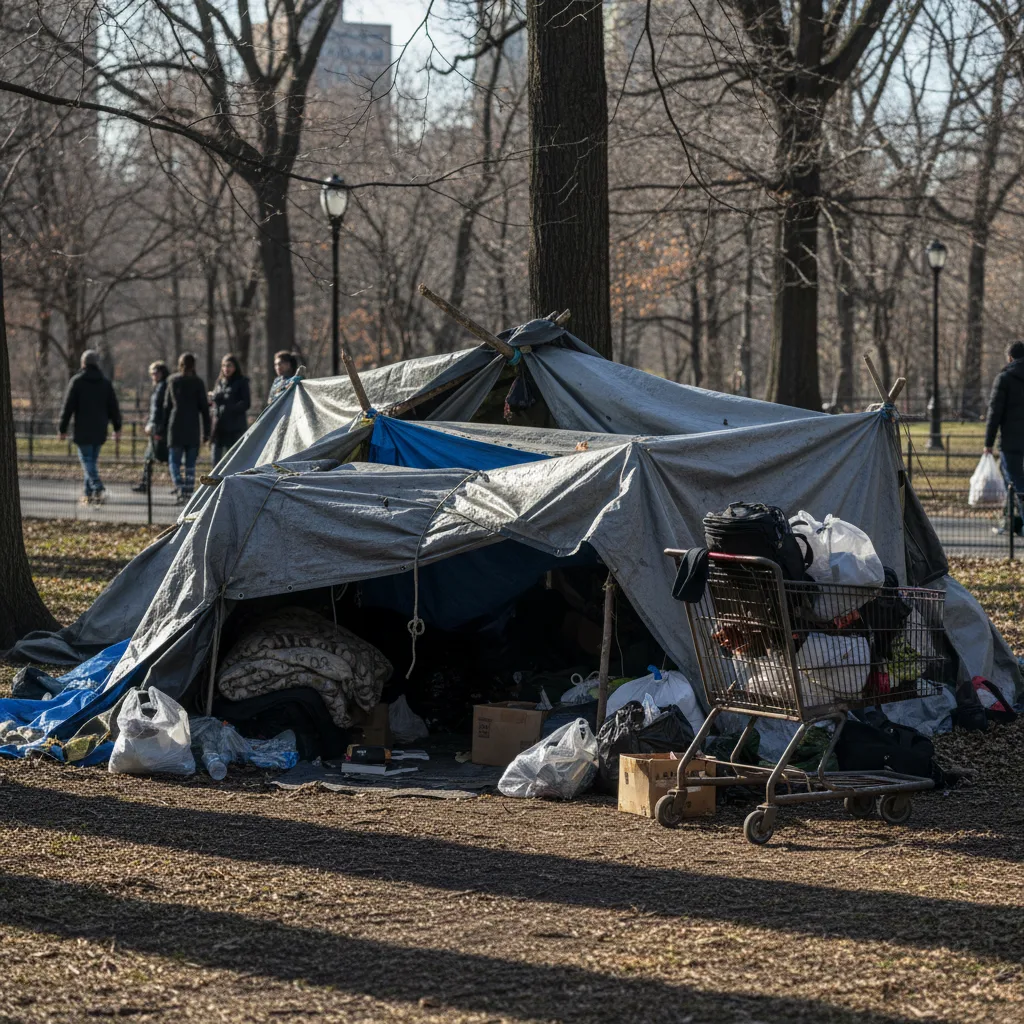
NYC Homeless Encampments Spotted Across Manhattan, Raising Concerns
Multiple homeless encampments have been spotted across Manhattan, raising significant concerns about urban policy and public safety. City officials are under pressure to address the growing homelessness crisis.
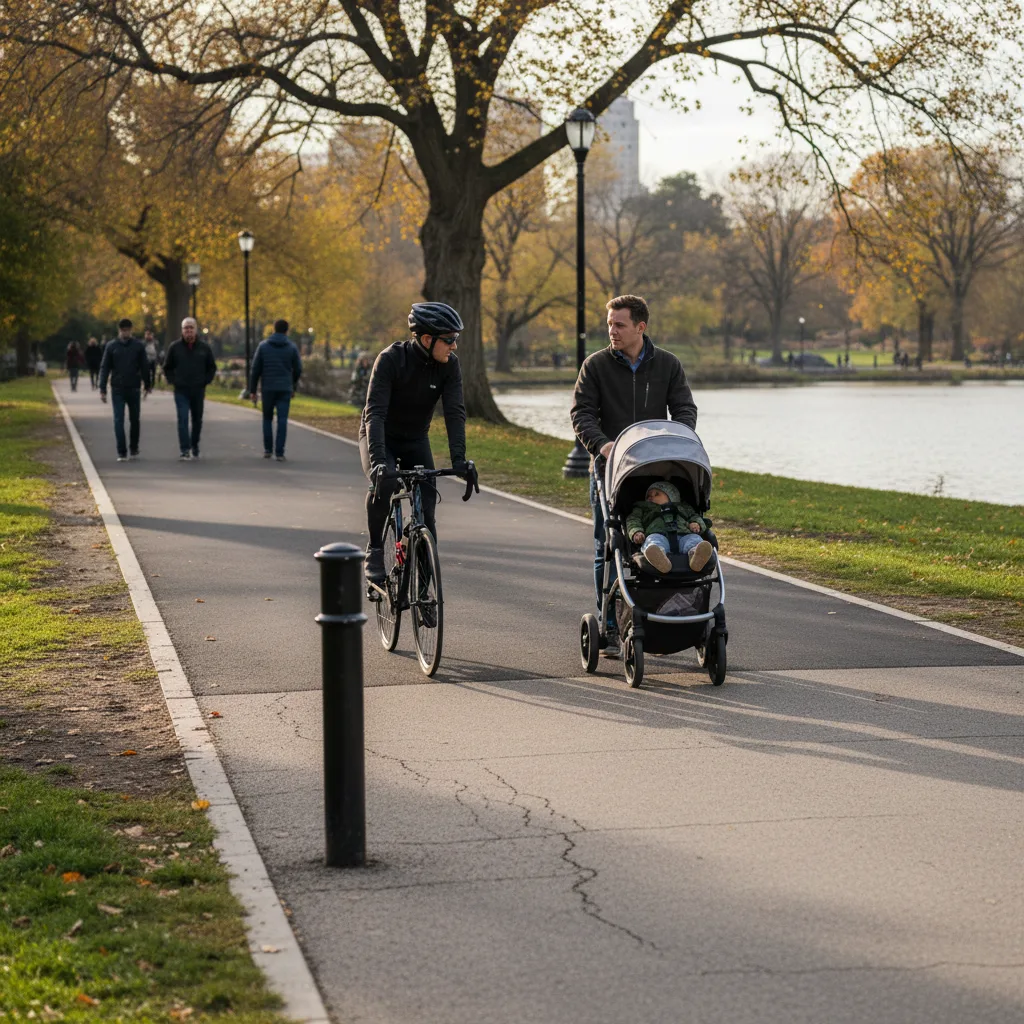
Safety Advocate Blames Park Redesign for Rising Central Park Cyclist Crashes
Safety advocates blame recent Central Park redesigns for a pedestrian's death and rising cyclist crashes, calling for urgent review of infrastructure.
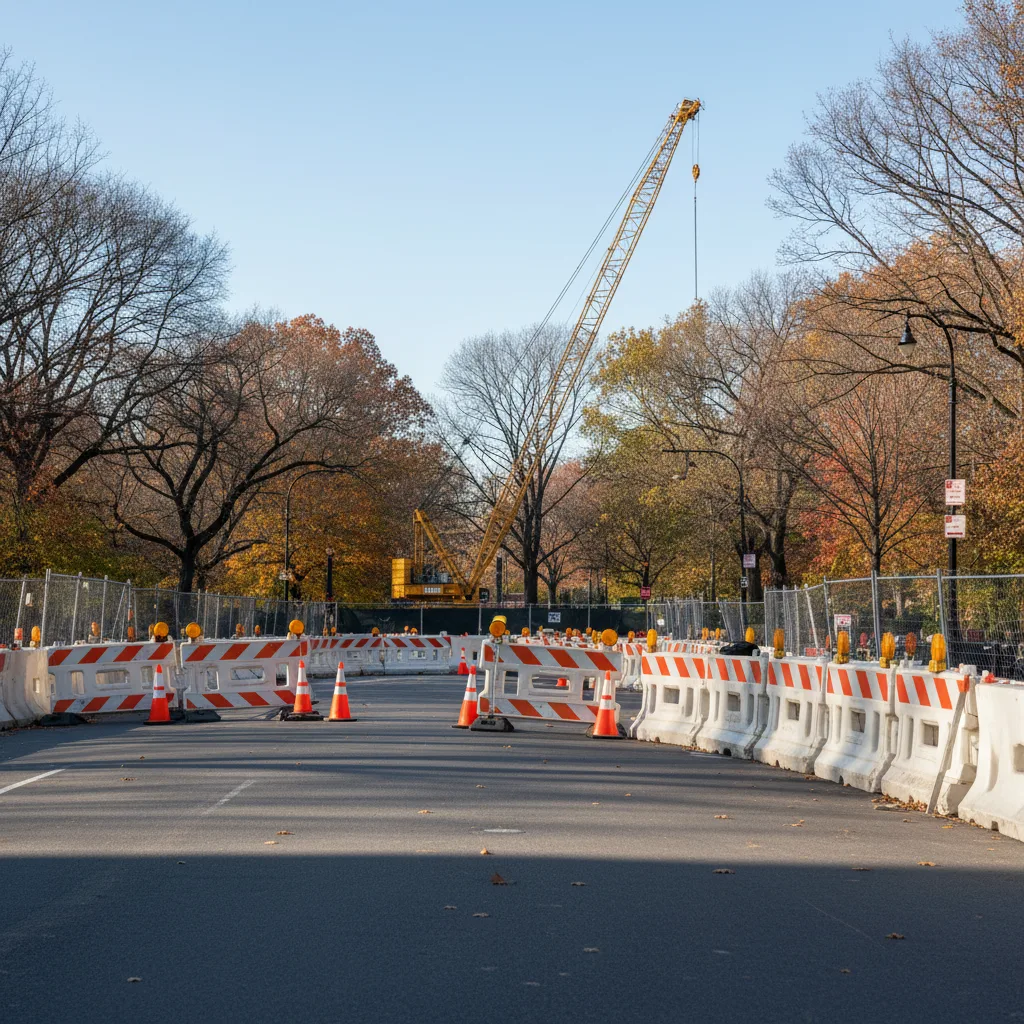
NYC DOT Advises Central Park Area Traffic Disruptions September 27
NYC DOT issued advisories for major traffic disruptions near Central Park on September 27, 2026, due to a parade and crane operations. Expect delays.

Davis Center at Harlem Meer Unveils State-of-the-Art Facilities
The new Davis Center at the Harlem Meer in Central Park's north end now features a state-of-the-art pool, ice rink, and multi-use turf field, enhancing community recreational options.
NYC City Record Confirms September 21, 2026, Publication Schedule
The NYC City Record confirmed its September 21, 2026, publication schedule, detailing administrative notices, procurement, and public hearings. This ensures transparency for municipal operations and public access to vital city information.