


Central Park Operations Affected by Extreme Cold Warning Across Tri-State Area Until February 9, 2026

NEW YORK, NY – An extreme cold warning has significantly impacted operations and visitor safety protocols within Central Park, as the National Weather Service has issued an alert for New York City and the wider Tri-State Area. The warning, which took effect earlier this week, is set to remain in place until 1:00 p.m. on Sunday, February 9, 2026, bringing dangerously low temperatures and wind chills that pose a substantial risk to parkgoers and wildlife alike. Park management has urged caution and advised against prolonged outdoor exposure.
While Central Park remains open, several activities and facilities have been either curtailed or are operating under strict safety guidelines. The Central Park Conservancy, responsible for the park's maintenance and programming, has increased patrols to monitor visitor well-being and identify any potential hazards such as black ice or frozen pipes. Signs have been posted at key entrances, reminding visitors of the severe conditions and recommending appropriate cold-weather attire. The persistent frigid air could lead to hypothermia or frostbite within minutes for those inadequately dressed.
Park Management Implements Enhanced Safety Protocols
In response to the extreme cold warning, Central Park authorities have activated enhanced safety protocols to safeguard both human visitors and the park’s diverse wildlife population. Public restrooms are being regularly inspected to ensure heating systems are operational and pipes are not freezing. Water fountains, which typically remain operational year-round, have been temporarily shut down to prevent damage from freezing temperatures and to avoid creating slick surfaces. The Loeb Boathouse, although primarily an indoor facility, has adjusted its operating hours, and the Wollman Rink has implemented stricter rules regarding ice time to ensure skaters do not suffer from prolonged exposure.
Park staff are also closely monitoring the park’s many ponds and lakes, which, while appearing frozen, may have dangerously thin ice. Visitors are explicitly warned against venturing onto any ice surfaces. Wildlife care has also been prioritized, with park rangers ensuring natural food sources are accessible and monitoring animal populations for signs of distress due related to the cold. The extreme temperatures present a unique challenge for the park's ecosystem, from migratory birds to local mammals.
Community Outreach and Public Health Advisories
The Central Park Conservancy, in conjunction with NYC Emergency Management, has amplified its community outreach efforts, leveraging social media and local news channels to disseminate public health advisories. These advisories emphasize the importance of staying hydrated, wearing multiple layers of clothing, and recognizing the early signs of cold-related illnesses. The park encourages visitors to utilize warming centers available throughout the city if they experience discomfort or need to escape the cold.
The public is advised to consider rescheduling non-essential outdoor activities until the warning is lifted. For those who choose to visit, staying on well-maintained paths, keeping an eye on children and pets, and carrying a fully charged mobile phone are strongly recommended. Local health officials stress that the elderly, young children, and individuals with pre-existing medical conditions are particularly vulnerable to the severe cold. Park personnel are prepared to assist visitors in need, working closely with emergency services to ensure a rapid response to any incidents.
Key Points:
- Extreme Cold Warning: In effect for NYC and Tri-State Area until 1:00 p.m. Sunday, February 9, 2026.
- Central Park Impact: Operations adjusted, increased safety patrols, temporary facility closures/adjustments.
- Visitor Safety: Public urged to dress warmly, avoid prolonged exposure, and stay off frozen water bodies.
- Wildlife Monitoring: Park staff focused on ensuring welfare of park animals during severe cold.
- Public Advisories: Community outreach emphasizes signs of cold-related illness and use of warming centers.
- Source: CBS News report on extreme cold warning.
Related Articles
More in Weather & Health →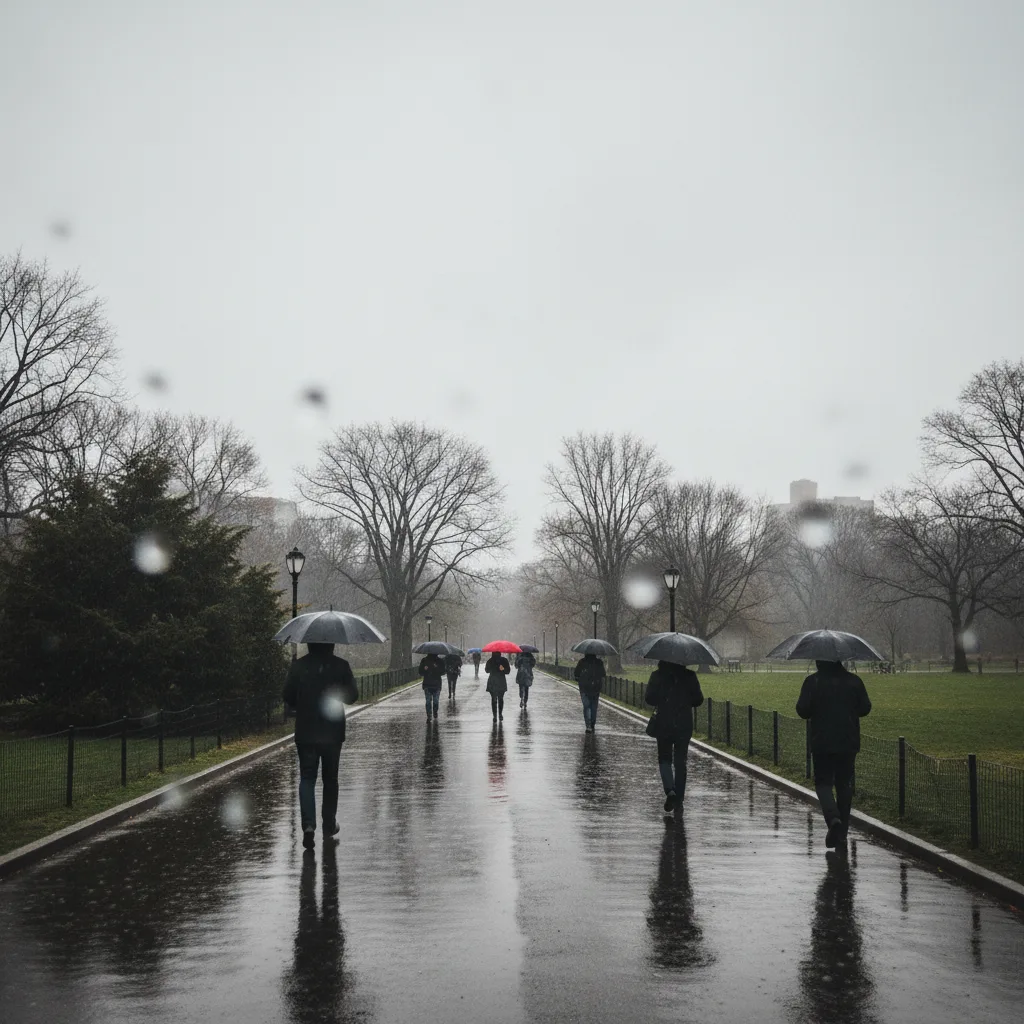
Central Park Radar Shows Current Rain Conditions and Near-Term Updates
Central Park visitors are seeing current rain conditions and near-term precipitation updates on AccuWeather radar, affecting outdoor activities and park operations.

September 2026 Central Park Weather Forecast Reveals Mild Conditions
Central Park's September 2026 weather forecast projects mild daily highs between 70-82°F and lows 57-66°F. Plan outdoor activities; comfortable conditions expected for park visitors.
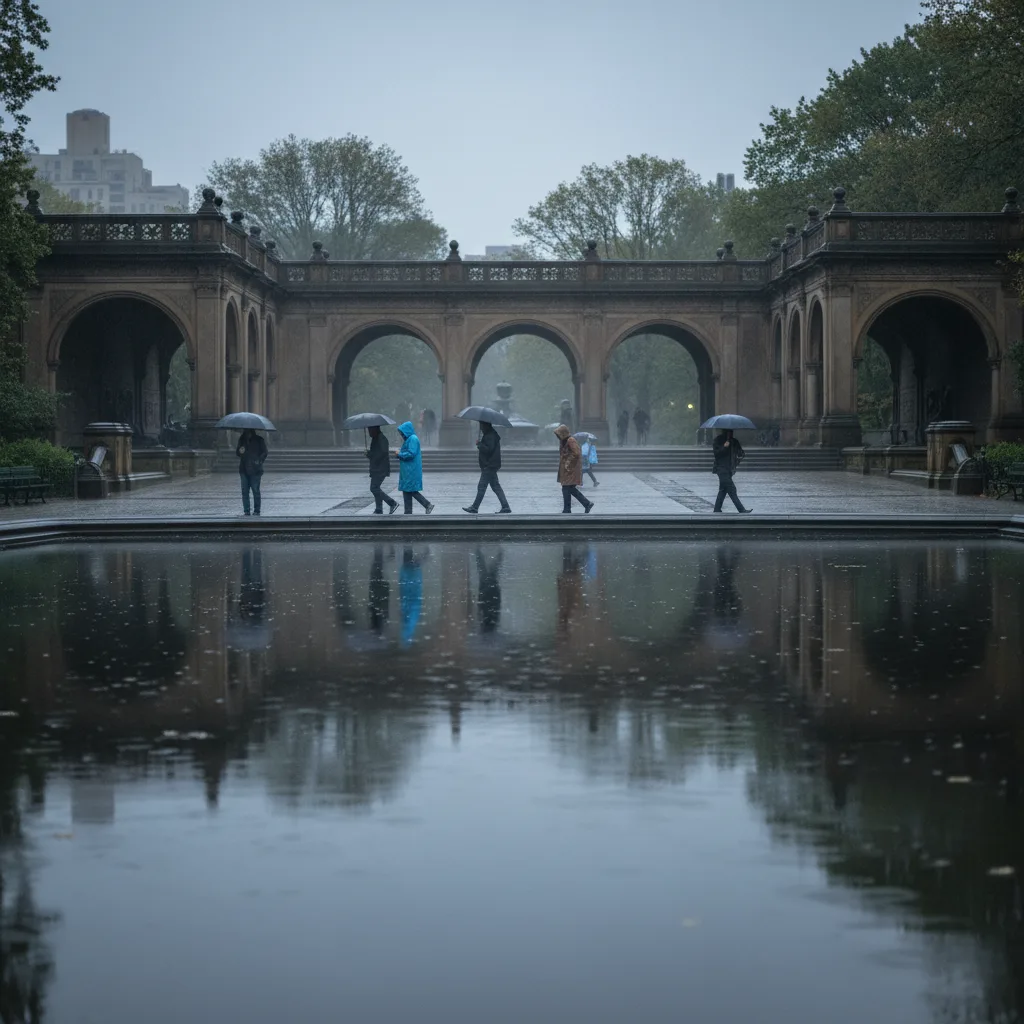
Central Park Visitors Face Intermittent Rain, Cooler Temps Sunday Night
Central Park experienced cool temperatures and intermittent rain on Sunday, September 27, 2026, with a temperature of 57.0°F recorded. Visitors should plan accordingly.
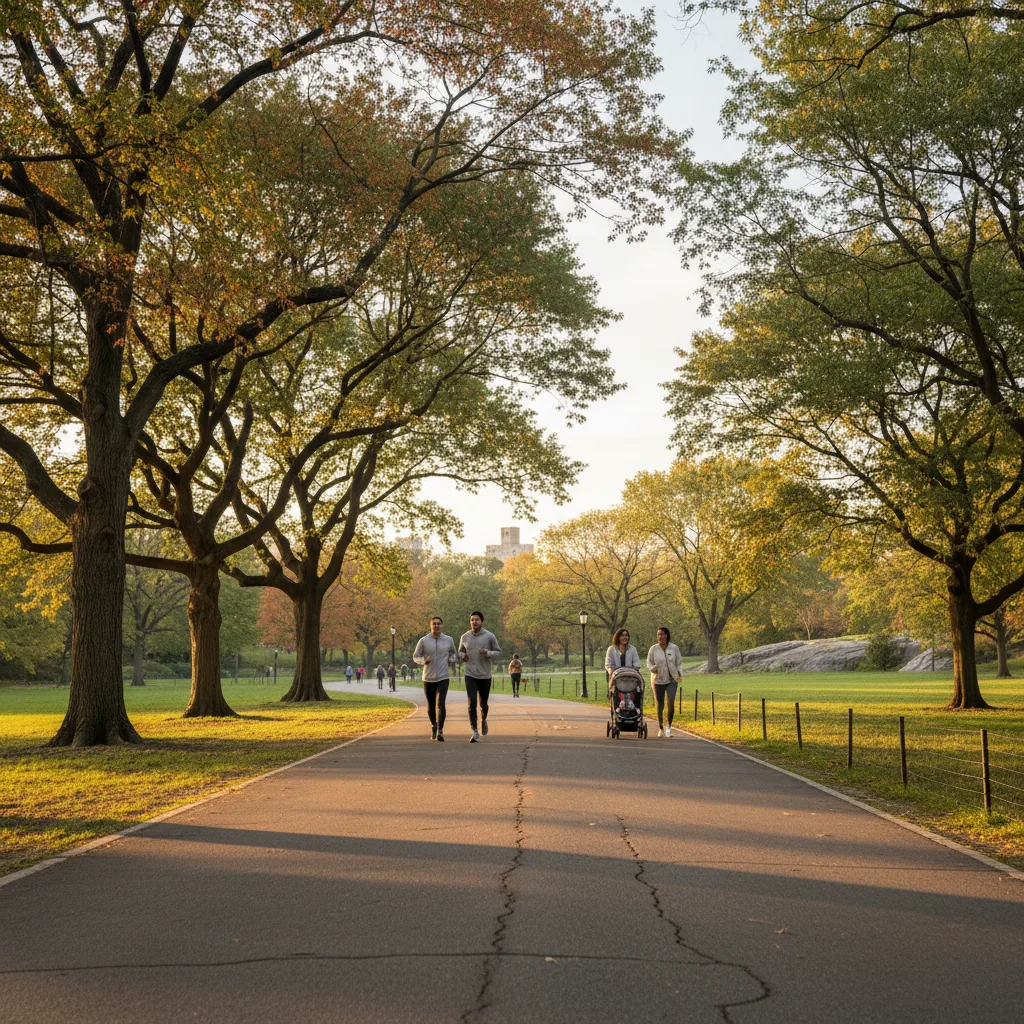
Central Park Records 72°F Max, 58°F Min Temperatures September 27
Central Park observed a maximum temperature of 72°F and minimum of 58°F on Sunday, September 27, 2026, according to the NWS climatological report.
AccuWeather Forecasts 64°F, 59°F for Central Park September 27
AccuWeather forecast a high of 64°F and low of 59°F for Central Park on September 27, 2026, slightly below monthly averages, indicating a cooler day.
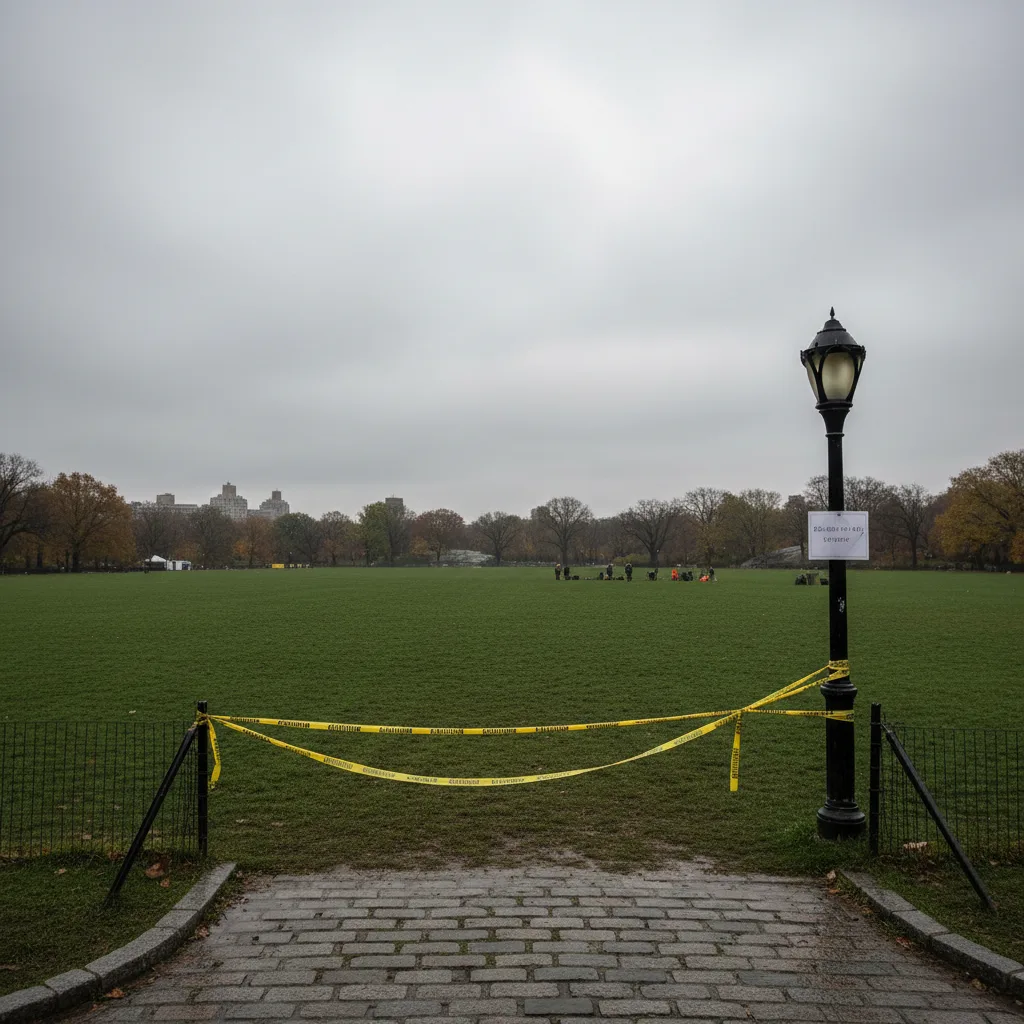
Global Citizen Festival in Central Park Canceled Due to Nor'easter Threat
Global Citizen Festival in Central Park was canceled Thursday due to an approaching nor'easter, affecting thousands and prompting safety concerns. New Yorkers should check for updated park alerts and traffic changes related to the storm.