


Central Park Pedestrian Crossing Times Reduced Following Infrastructure Upgrades, New Data Confirms
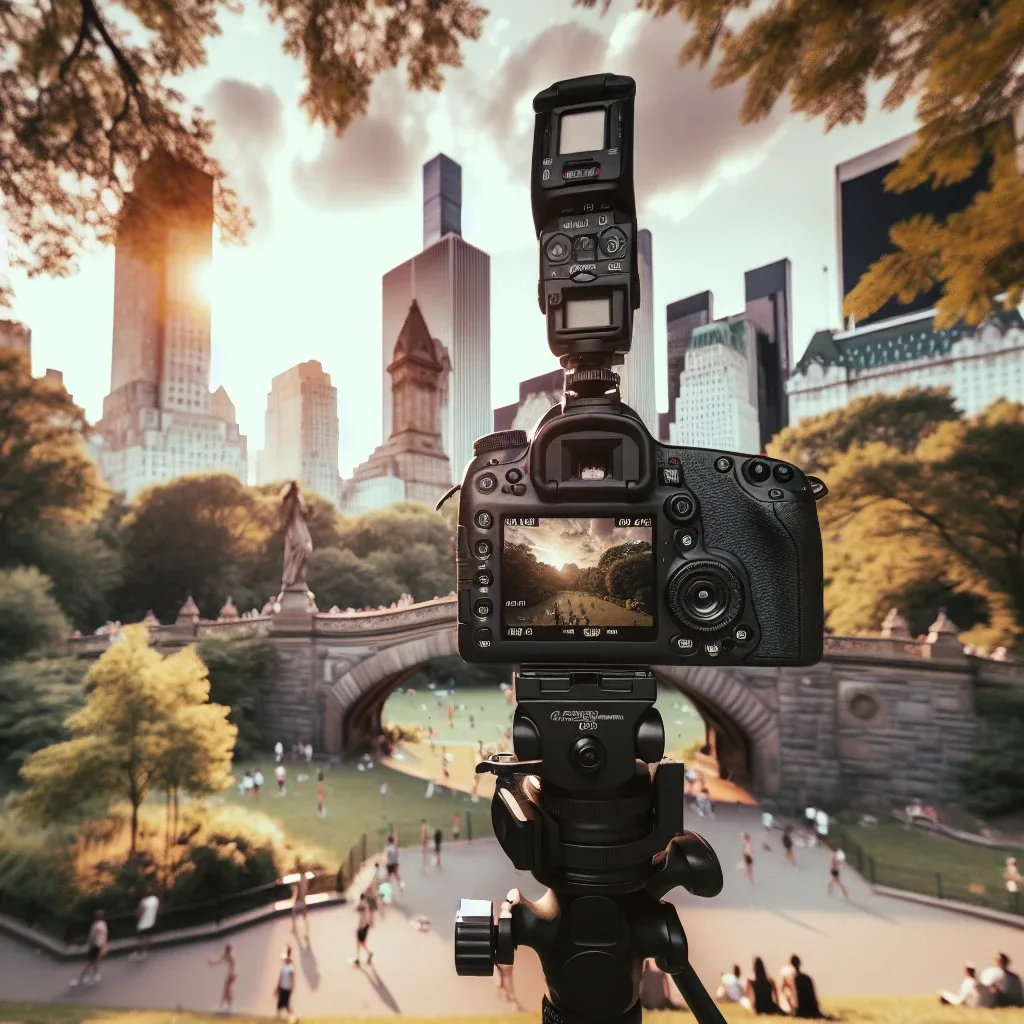
Central Park, New York City – Recent data confirms a notable reduction in pedestrian waiting times at crossings within Central Park, attributed to a series of strategic infrastructure improvements implemented by city authorities. These enhancements, focusing on the park's bustling six-mile loop, have significantly improved safety and flow for thousands of daily park users.
The initiative involved shortening crossing distances and replacing traditional 'stop' light signals with more efficient, pedestrian-centric phasing. The changes aim to mitigate long wait times and potential safety hazards for walkers, joggers, and cyclists navigating the park's perimeter and internal pathways. City officials indicate that the modifications reflect an ongoing commitment to optimizing urban spaces for pedestrian safety and accessibility.
Infrastructure Enhancements Detail
The core of the improvements lies in a multi-faceted approach to traffic management and urban design. Key among these are the implementation of curb extensions, also known as 'neckdowns,' which physically reduce the distance pedestrians must travel to cross a roadway. This not only shortens exposure to vehicular traffic but also enhances visibility for both pedestrians and drivers, encouraging slower turns from vehicles.
Furthermore, the timing of traffic signals has been recalibrated, prioritizing pedestrian crossings during peak usage hours. Some intersections have seen the complete replacement of older 'stop' light systems with adaptive signals that can detect pedestrian presence and adjust phasing accordingly. This advanced technology minimizes unnecessary waiting, particularly during off-peak times, contributing to a more seamless experience for park visitors. The six-mile loop, a popular route for exercise and recreation, has been a primary focus area, yielding some of the most significant improvements.
Impact on Park User Experience and Safety
The immediate impact of these upgrades has been a measurable decrease in the average waiting time for pedestrians. Parkgoers now experience less interruption, allowing for a more fluid and enjoyable visit. Beyond convenience, the primary objective has been to enhance safety, reducing the likelihood of pedestrian-vehicle conflicts. Data collected post-implementation shows a positive trend in accident reduction, though full long-term analysis is ongoing.
Local advocacy groups, who have long championed pedestrian safety initiatives in Central Park, have largely welcomed the changes. They emphasize the importance of continuous monitoring and adaptive management to ensure the park remains a safe and accessible haven for all New Yorkers and tourists alike. Further considerations may include expanding these strategies to other high-traffic areas within the city's parks system, building on the successful outcomes observed in Central Park.
Key Points
- Pedestrian Wait Times Reduced: New data confirms shorter waiting periods at Central Park crossings.
- Strategic Upgrades: Improvements include shortened crossing distances and updated traffic signals.
- Enhanced Safety: Curb extensions and pedestrian-centric signal phasing contribute to greater safety.
- Focus on Six-Mile Loop: The park's main loop has seen significant improvements.
- Positive User Feedback: Parkgoers report a more fluid and enjoyable experience.
- Ongoing Monitoring: City authorities continue to monitor the effectiveness of the changes.
Related Articles
More in Park Operations & Maintenance →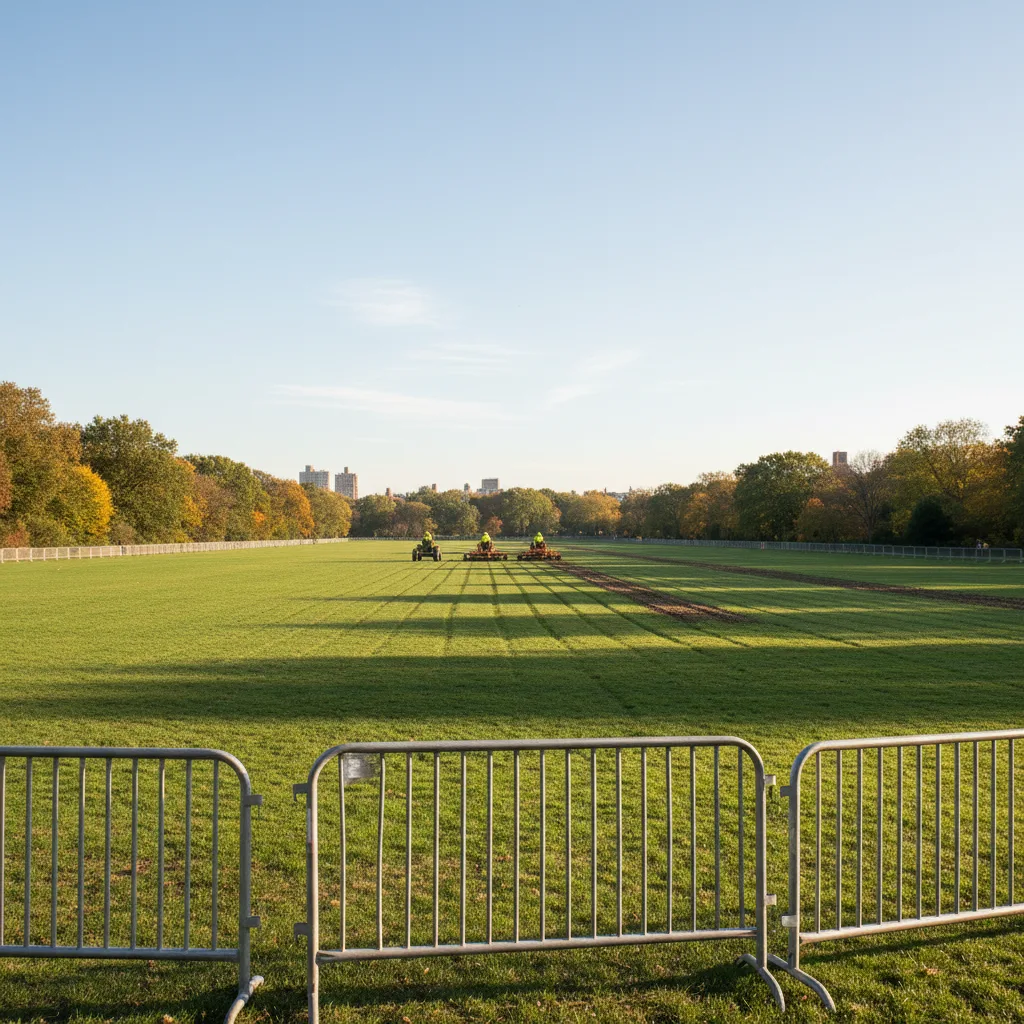
Central Park Conservancy Closes Great Lawn for Scheduled Maintenance
The Central Park Conservancy closed the Great Lawn through October 2, 2026, for scheduled maintenance, impacting weekend activities. Essential upkeep ensures the iconic green space remains vibrant for visitors.
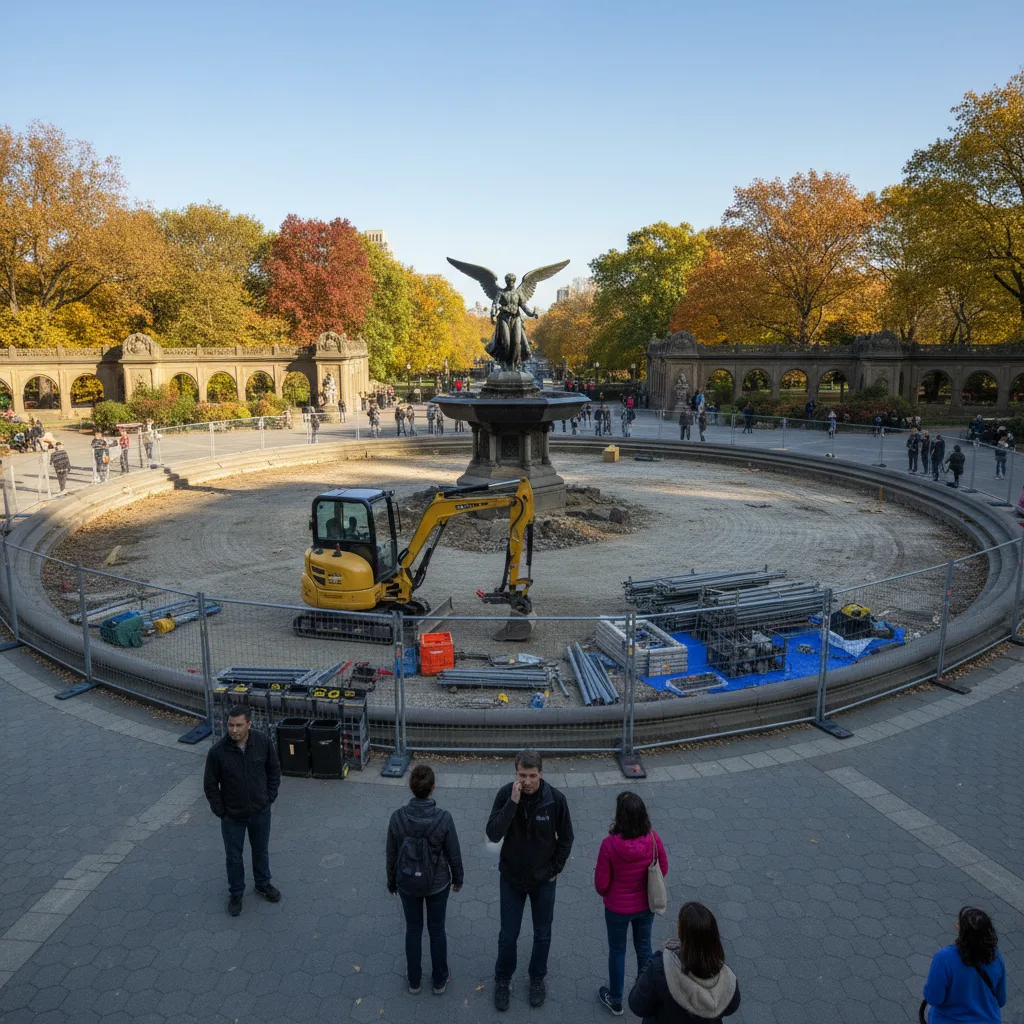
Central Park Conservancy Announces Bethesda Fountain, Great Lawn Closures
Central Park Conservancy announced Bethesda Fountain is off for restoration and the Great Lawn closed through October 2, 2026 for maintenance, affecting visitor access.
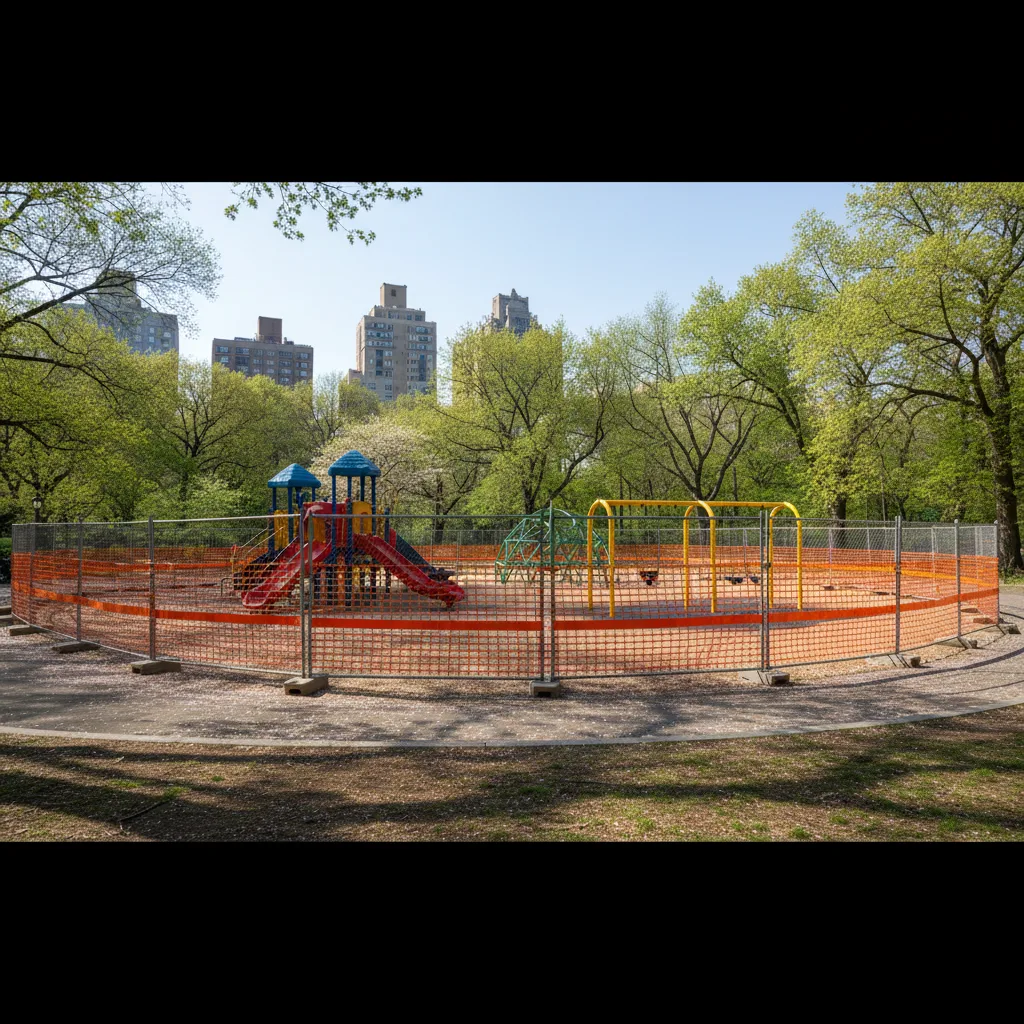
Central Park Conservancy Closes East 110th Street Playground for Restoration
Central Park Conservancy closed the East 110th Street Playground for restoration, while North Meadow and Heckscher ballfields shut due to weather. Plan your visit; check alerts for closures impacting recreation in Central Park.
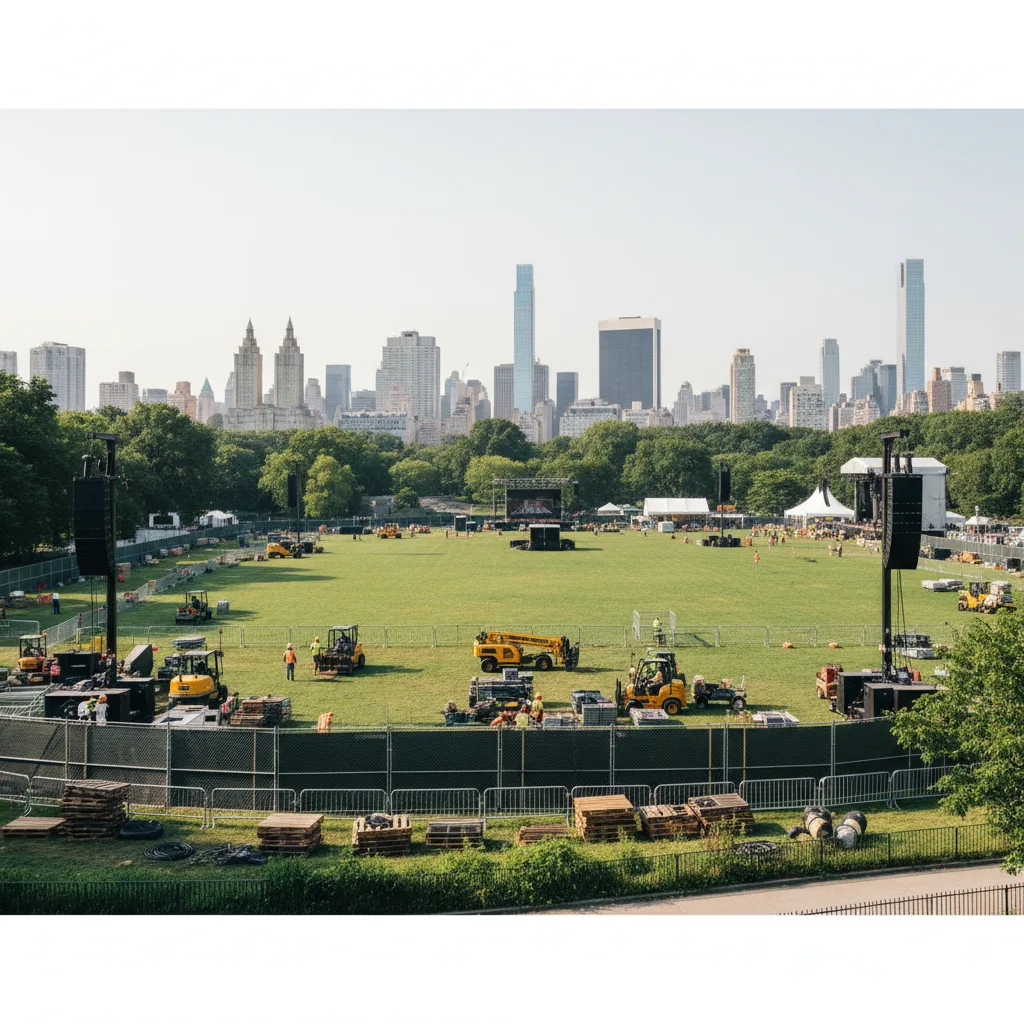
Central Park Conservancy Closes Great Lawn for Global Citizen Festival
Central Park Conservancy confirmed the Great Lawn is closed through September 26, 2026, for the Global Citizen Festival, affecting access to Belvedere Castle and Turtle Pond. Local residents and visitors should plan alternate routes and expect traffic delays around the park's perimeter.
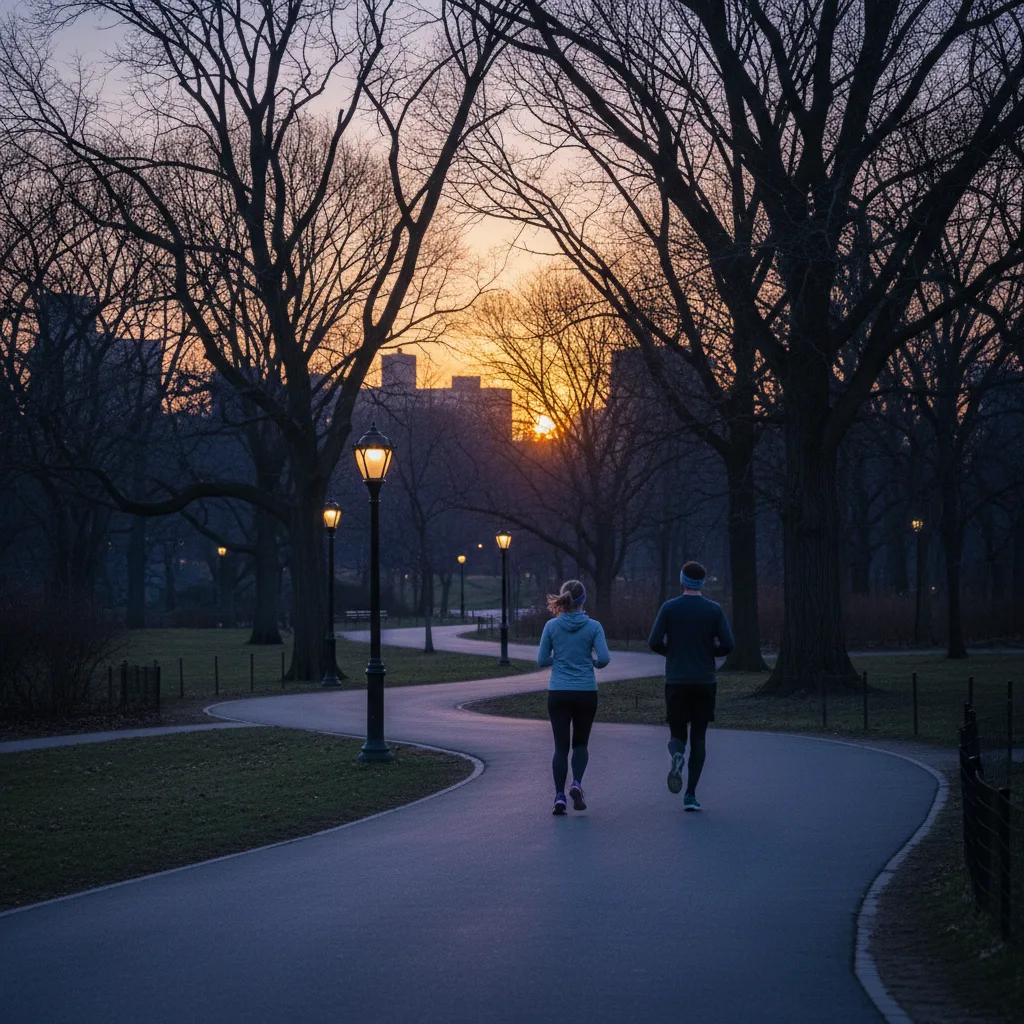
Central Park Conservancy Confirms 2026 Daily Operating Hours
Central Park Conservancy confirms 2026 daily hours: 6:00 a.m. to 1:00 a.m. This notice is for visitor planning, not a change.
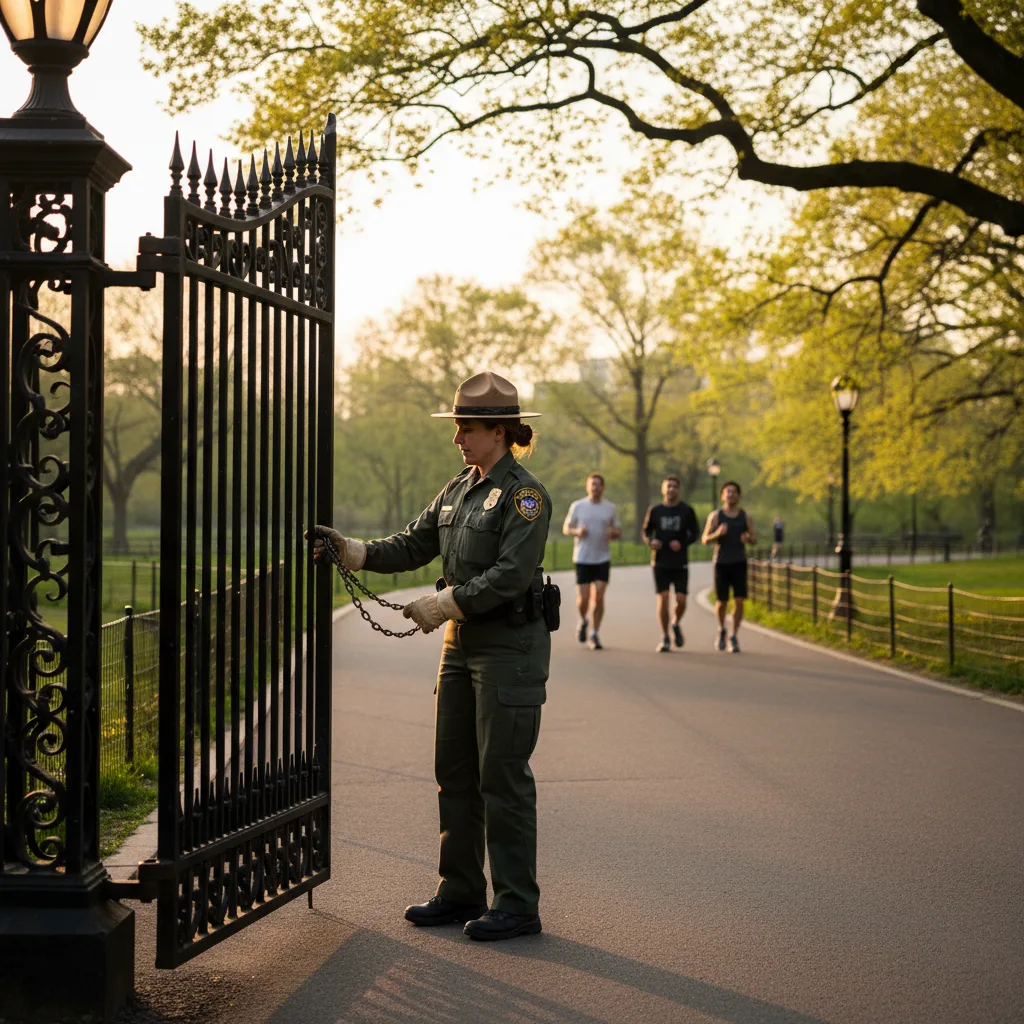
Central Park Conservancy Announces Park Hours Update for 2026
Central Park Conservancy announced updated 2026 park hours, maintaining 6:00 a.m. to 1:00 a.m. access daily. This schedule balances public enjoyment with critical maintenance and security operations.