


Central Park Residents Face Increased Pesticide Spraying Across Neighborhoods
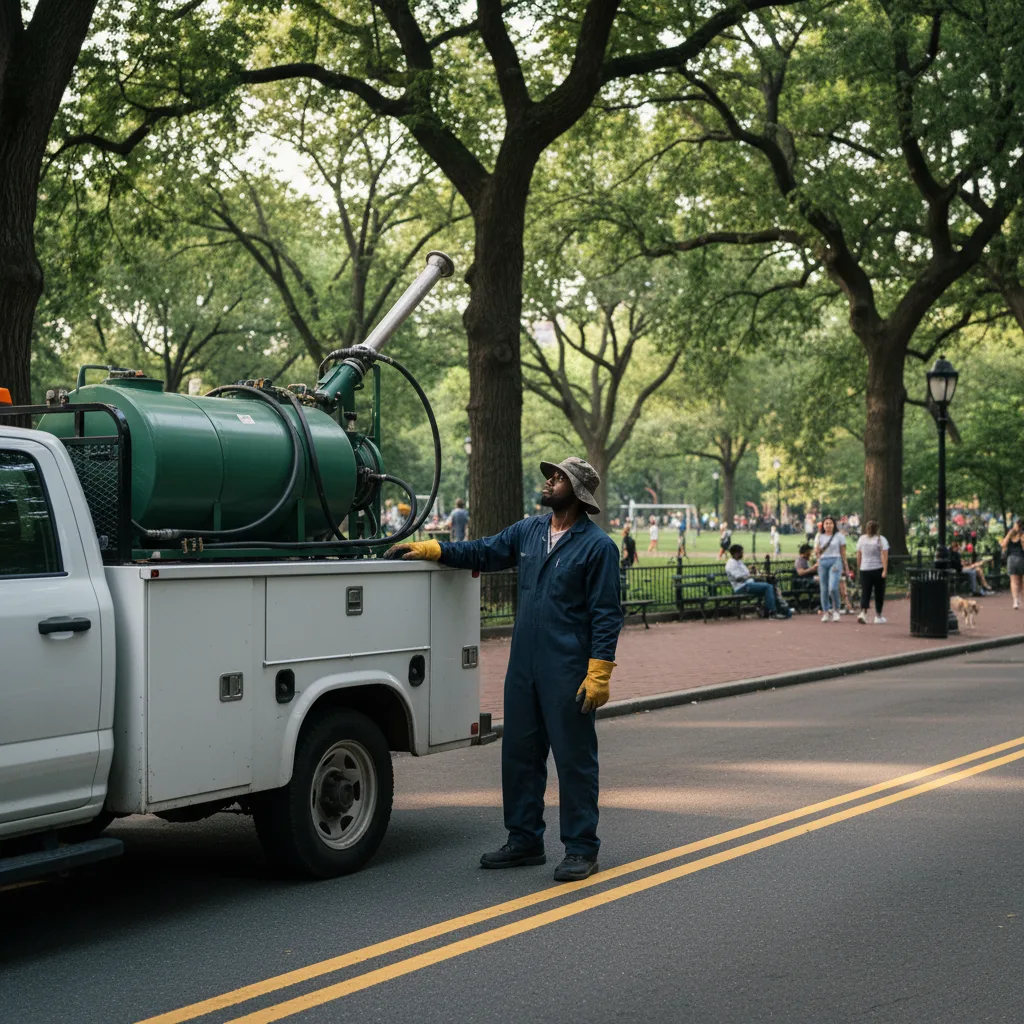
NEW YORK — Residents across Central Park's adjacent neighborhoods face an increase in pesticide spraying as city officials aim to control pest populations. Areas including the Upper West Side, Morningside Heights, Upper East Side, Harlem, and Washington Heights will be targeted in upcoming weeks, according to Patch.com.
This measure comes amidst ongoing efforts to manage pests that can affect public health and park ecology. The spraying operations are part of a broader city initiative to address concerns from community members about insect-borne diseases and nuisance pests.
Targeted Neighborhoods and Application Schedule
The pesticide spraying program specifically targets residential areas bordering Central Park, encompassing a significant portion of Manhattan. The Upper West Side and Upper East Side, directly flanking the park, are among the key locations for these applications. Morningside Heights, Harlem, and Washington Heights further north will also experience this increased pest control activity, as detailed by local news sources.
City authorities have not yet released a precise schedule for the spraying, but residents are advised to anticipate operations starting soon. These measures are often implemented during times of heightened insect activity, such as late summer and early autumn, to maximize their effectiveness.
Public Health Concerns Drive Pesticide Use
The decision to increase pesticide spraying is primarily driven by public health considerations. Mosquitoes and other insects can transmit diseases, posing risks to the thousands of residents and visitors who frequent Central Park and its surrounding areas. This proactive approach aims to mitigate potential outbreaks and reduce the presence of these vectors, Patch.com reported.
Beyond disease prevention, the spraying also addresses general nuisance pests that can impact the quality of life for urban dwellers. While some residents express concerns about chemical exposure, city officials balance these worries against the need for effective pest management in a dense metropolitan environment.
Balancing Environmental Impact and Pest Control
City agencies are tasked with striking a delicate balance between effective pest control and minimizing environmental impact within and around Central Park. The types of pesticides used and their application methods are typically chosen to target specific pests while limiting harm to non-target species, including beneficial insects and wildlife, according to the NYC Parks Department.
Environmental advocates often monitor such programs closely, urging officials to consider integrated pest management (IPM) strategies that prioritize non-chemical solutions where possible. However, large-scale urban environments sometimes necessitate broader chemical interventions for significant pest challenges.
Community Response and Precautions for Residents
Community responses to increased pesticide spraying are often mixed, with some residents welcoming the relief from pests and others voicing concerns about potential health effects. Local community boards typically receive notifications about these programs, which are then disseminated to residents. Transparency in communication is crucial to inform the public about what to expect.
Residents in the affected areas, particularly those with respiratory sensitivities or young children, are generally advised to take precautions. This may include keeping windows closed during spraying times and limiting outdoor activity in the immediate aftermath of applications. Staying informed through local channels is recommended.
Impact on Central Park Ecology and Visitor Experience
While the spraying targets surrounding residential areas, there are potential implications for Central Park's ecology and the visitor experience. Pesticide drift, even minimal, could affect the park's diverse flora and fauna, including birds and insects. Park management teams often coordinate with city health agencies to monitor and mitigate these potential impacts.
The park's various ecosystems, from the urban forest of the Ramble to the open spaces of Sheep Meadow, provide habitats for numerous species. Preserving this biodiversity while protecting human health in the surrounding urban environment remains a continuous challenge for city and park authorities. The park remains a vital green lung in the city, with specific locations like the Jacqueline Kennedy Onassis Reservoir continuing to draw joggers and nature enthusiasts even as pest control measures are implemented nearby.
Frequently Asked Questions
Which specific neighborhoods will be affected by the pesticide spraying near Central Park?
Areas targeted for pesticide spraying include the Upper West Side, Morningside Heights, Upper East Side, Harlem, and Washington Heights. These neighborhoods directly border Central Park and are part of the city's broader pest management efforts.
What precautions should residents take during pesticide spraying periods?
Residents are generally advised to stay indoors, close windows, and bring in outdoor items like children's toys and pet bowls during and immediately after spraying operations. Monitoring local news and official city announcements for specific dates and times is also recommended.
Related Articles
More in Weather & Health →
Central Park Radar Shows Current Rain Conditions and Near-Term Updates
Central Park visitors are seeing current rain conditions and near-term precipitation updates on AccuWeather radar, affecting outdoor activities and park operations.

September 2026 Central Park Weather Forecast Reveals Mild Conditions
Central Park's September 2026 weather forecast projects mild daily highs between 70-82°F and lows 57-66°F. Plan outdoor activities; comfortable conditions expected for park visitors.
Central Park Visitors Face Intermittent Rain, Cooler Temps Sunday Night
Central Park experienced cool temperatures and intermittent rain on Sunday, September 27, 2026, with a temperature of 57.0°F recorded. Visitors should plan accordingly.
Central Park Records 72°F Max, 58°F Min Temperatures September 27
Central Park observed a maximum temperature of 72°F and minimum of 58°F on Sunday, September 27, 2026, according to the NWS climatological report.
AccuWeather Forecasts 64°F, 59°F for Central Park September 27
AccuWeather forecast a high of 64°F and low of 59°F for Central Park on September 27, 2026, slightly below monthly averages, indicating a cooler day.
Global Citizen Festival in Central Park Canceled Due to Nor'easter Threat
Global Citizen Festival in Central Park was canceled Thursday due to an approaching nor'easter, affecting thousands and prompting safety concerns. New Yorkers should check for updated park alerts and traffic changes related to the storm.