


Central Park Conservancy President Addresses Park's Summer Readiness and Challenges

NEW YORK — "Central Park continues to be a vibrant, living organism, and our dedicated team is working tirelessly to ensure it remains a pristine and safe sanctuary for everyone," stated Elizabeth Green, President and CEO of the Central Park Conservancy, in a recent interview. She addressed the ongoing efforts to manage the park's diverse offerings, from its natural landscapes to its bustling events, as the city gears up for the summer season of 2026. Her comments come amidst a broader discussion of park maintenance, public safety, and environmental stewardship.
Green highlighted the complex balance of preserving historical integrity while adapting to modern needs, particularly concerning visitor experience and ecological health. The Conservancy's commitment extends to maintaining the park's 843 acres, including popular spots like the Pond and the North Woods, which sees increased foot traffic during warmer months. This extensive work is funded primarily through private donations and grants, underscoring community support.
Balancing Recreation, Nature, and Safety
The Conservancy faces the perpetual challenge of balancing high visitor numbers with the preservation of the park's delicate ecosystems. Summer brings an influx of tourists and local residents seeking solace or recreation, from sunbathing on Sheep Meadow to rowing on the Lake. Managing this flow, especially during peak hours near the Columbus Circle entrance, is a constant operational focus.
Director of Operations for the Central Park Conservancy, Thomas Lee, emphasized the increased seasonal staffing. He told reporters, "We’ve brought on an additional 15% of seasonal staff, primarily for maintenance, horticulture, and visitor services, ensuring optimal conditions." These teams are crucial in keeping the park beautiful, from manicuring flowerbeds at the Conservatory Garden to emptying trash bins along the Mall.
Environmental Stewardship in a Concrete Jungle
Central Park serves as a critical green lung for New York City, providing essential environmental benefits, including air purification and stormwater management. The Conservancy's horticultural teams are deeply involved in sustainable practices, such as composting, rainwater harvesting, and integrated pest management. Protecting the park’s 18,000 trees, many of which are decades old, is a year-round priority.
Dr. Elena Petrova, a consulting urban ecologist with the city, praised the Conservancy's conservation efforts. She reported, "The ecological health of Central Park is remarkably robust, a testament to decades of careful stewardship." She specifically cited ongoing projects to restore native plant species in the Ramble, which supports local bird populations and biodiversity. These initiatives are vital for the park's long-term health.
Public Safety and Community Engagement
Public safety remains a paramount concern for both the Conservancy and the NYPD. While crime rates in the park remain low, isolated incidents, such as a recent slashing detailed in a separate article, remind officials of the need for constant vigilance. The Conservancy partners closely with the NYPD Central Park Precinct to ensure patrols are adequate and responsive.
"Our joint patrols are essential," explained NYPD Captain David Chung, who oversees park safety. He confirmed that officers are particularly attentive to the park's hours of operation, from 6 AM to 1 AM daily. The Conservancy also runs community programs and educational initiatives aimed at fostering responsible park use, encouraging visitors to report suspicious activity and be aware of their surroundings, particularly along dimly lit paths after dark.
Upcoming Events and Visitor Experience
Summer 2026 is expected to bring a packed calendar of events, including free concerts, Shakespeare in the Park performances, and various family-friendly activities. The Conservancy aims to enhance the visitor experience through improved signage, digital information kiosks, and readily available park maps. Ensuring accessibility for all visitors, including those with disabilities, is also a continuous effort.
Visitors are encouraged to check the Conservancy's official website for event schedules and any potential alerts, like those concerning safety protocols mentioned in our article about Central Park Conservancy Maintains Safety Protocols. This proactive approach helps visitors plan their outings effectively, making the most of their time in New York's iconic green space. For all the latest news, the Central Park News portal is a comprehensive resource.
Frequently Asked Questions About Central Park Management
Q: Who is responsible for the overall management and maintenance of Central Park? A: Central Park is managed and maintained by the Central Park Conservancy, a private, non-profit organization that works in partnership with the New York City Department of Parks & Recreation. The Conservancy is responsible for the park's daily operations, horticulture, landscape management, and restoration efforts.
Q: How is Central Park funded? A: The Central Park Conservancy is primarily funded through private donations, memberships, and grants. These funds cover the vast majority of the park's annual operating budget, ensuring its upkeep and the preservation of its historical and natural elements.
Q: What are the park's operating hours, and are there areas that close at night? A: Central Park is officially open to the public from 6:00 AM to 1:00 AM daily. While most areas are accessible during these hours, some specific facilities or attractions, such as the Conservatory Garden or the Zoo, have their own shorter operating hours. Visitors are advised to exit the park by 1:00 AM for safety reasons.
Q: How does the Conservancy address environmental conservation within the park? A: The Central Park Conservancy employs extensive horticultural and environmental stewardship programs. These include sustainable gardening practices, native plant restoration, wildlife habitat protection, and responsible waste management. Their goal is to preserve and enhance the park's ecological health as a vital urban green space.
Related Articles
More in Park Operations & Maintenance →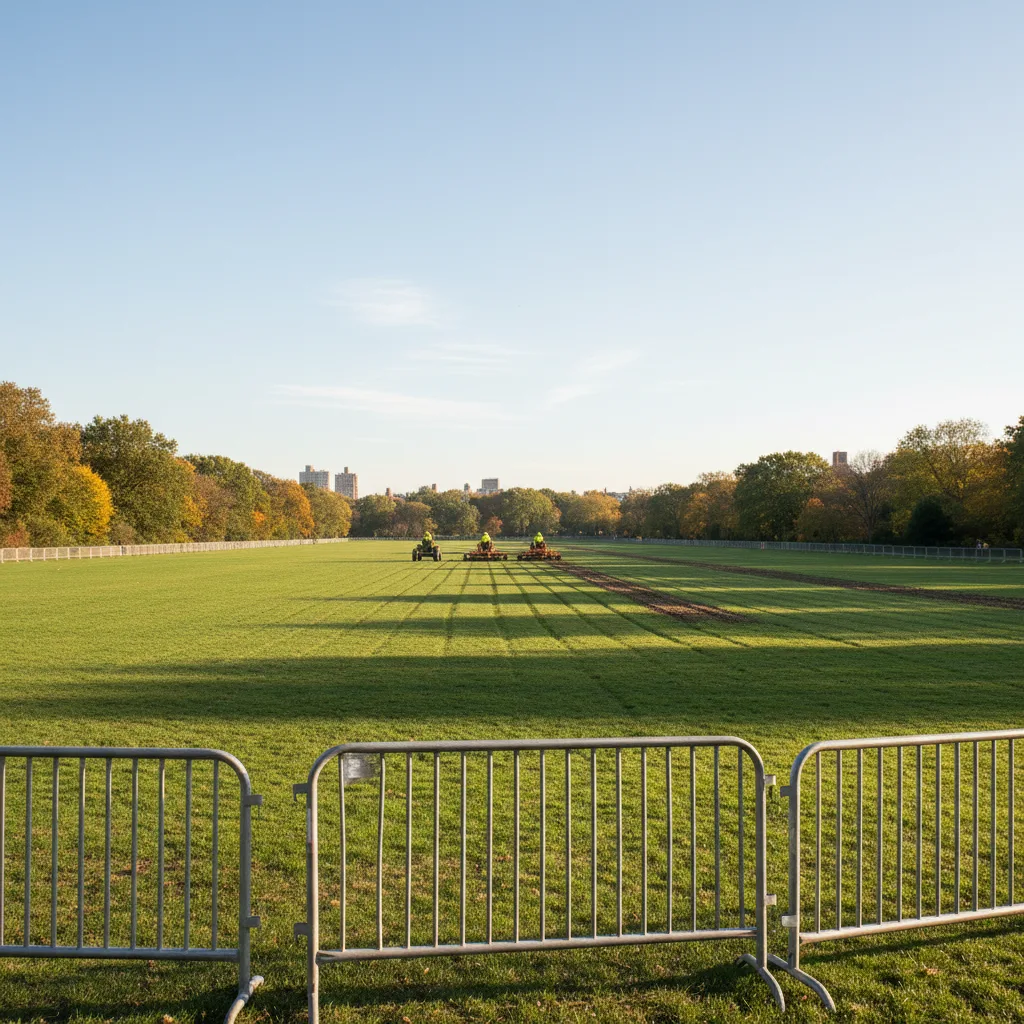
Central Park Conservancy Closes Great Lawn for Scheduled Maintenance
The Central Park Conservancy closed the Great Lawn through October 2, 2026, for scheduled maintenance, impacting weekend activities. Essential upkeep ensures the iconic green space remains vibrant for visitors.
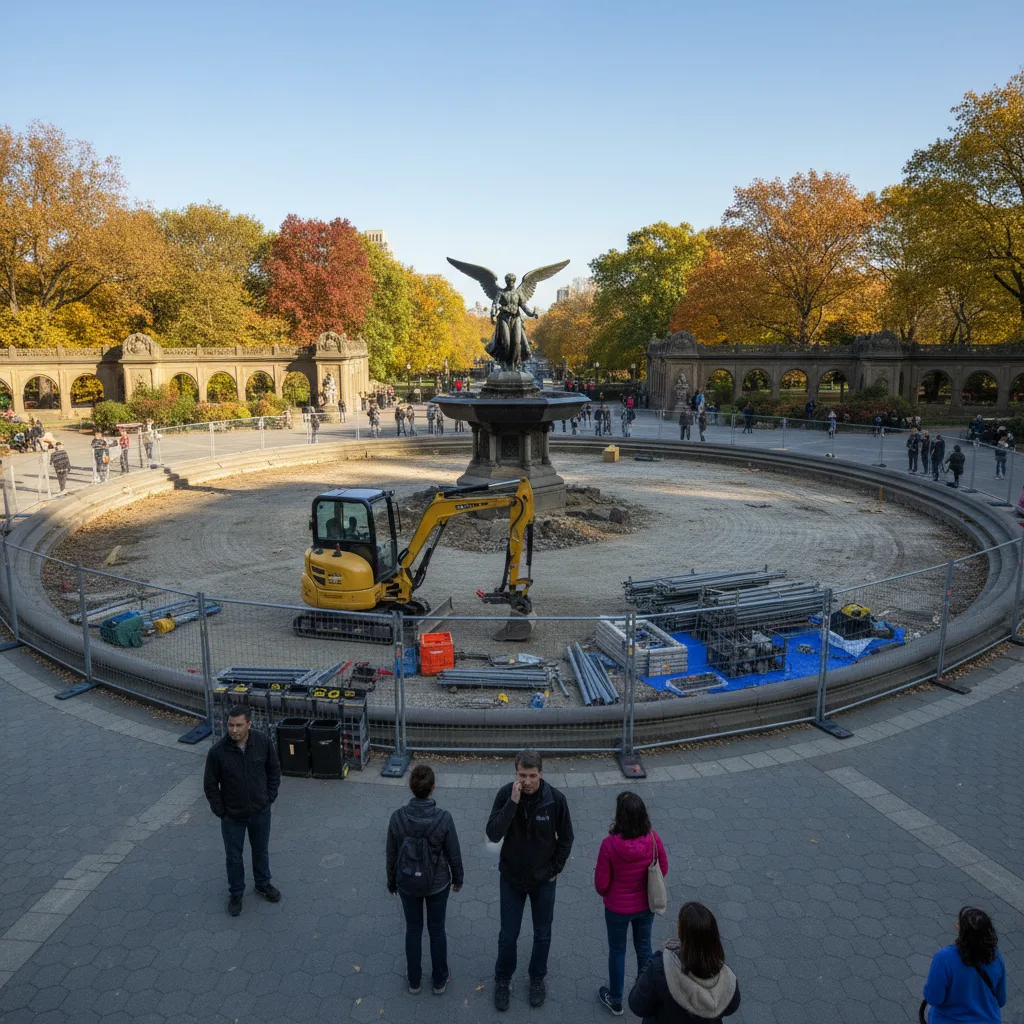
Central Park Conservancy Announces Bethesda Fountain, Great Lawn Closures
Central Park Conservancy announced Bethesda Fountain is off for restoration and the Great Lawn closed through October 2, 2026 for maintenance, affecting visitor access.
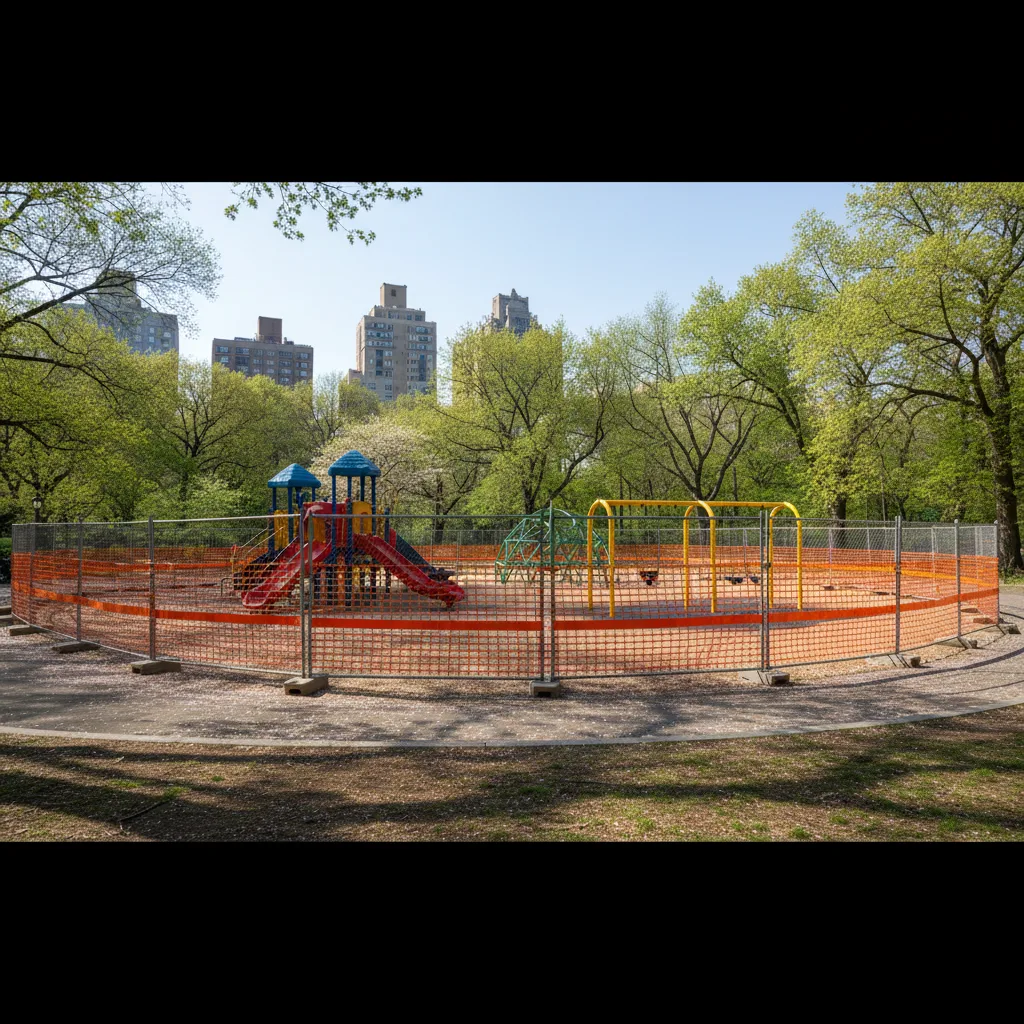
Central Park Conservancy Closes East 110th Street Playground for Restoration
Central Park Conservancy closed the East 110th Street Playground for restoration, while North Meadow and Heckscher ballfields shut due to weather. Plan your visit; check alerts for closures impacting recreation in Central Park.
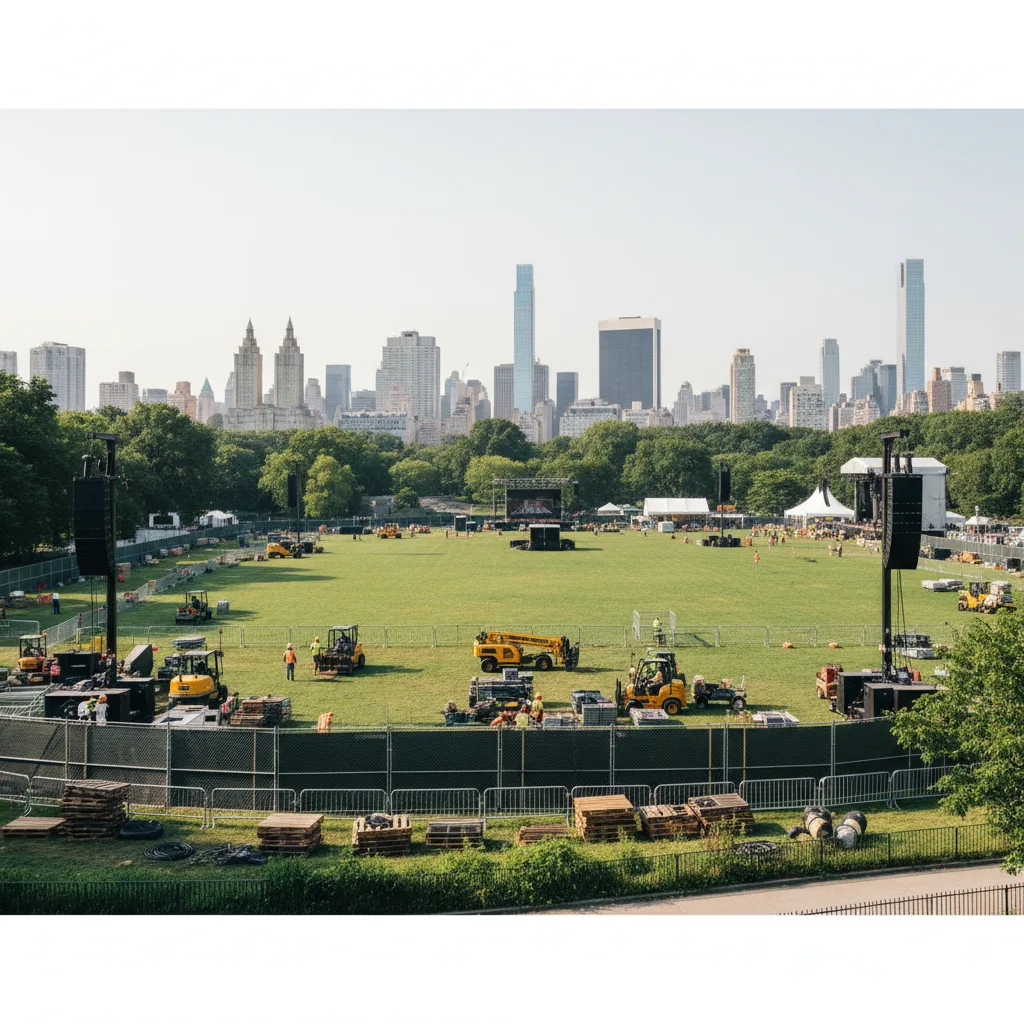
Central Park Conservancy Closes Great Lawn for Global Citizen Festival
Central Park Conservancy confirmed the Great Lawn is closed through September 26, 2026, for the Global Citizen Festival, affecting access to Belvedere Castle and Turtle Pond. Local residents and visitors should plan alternate routes and expect traffic delays around the park's perimeter.
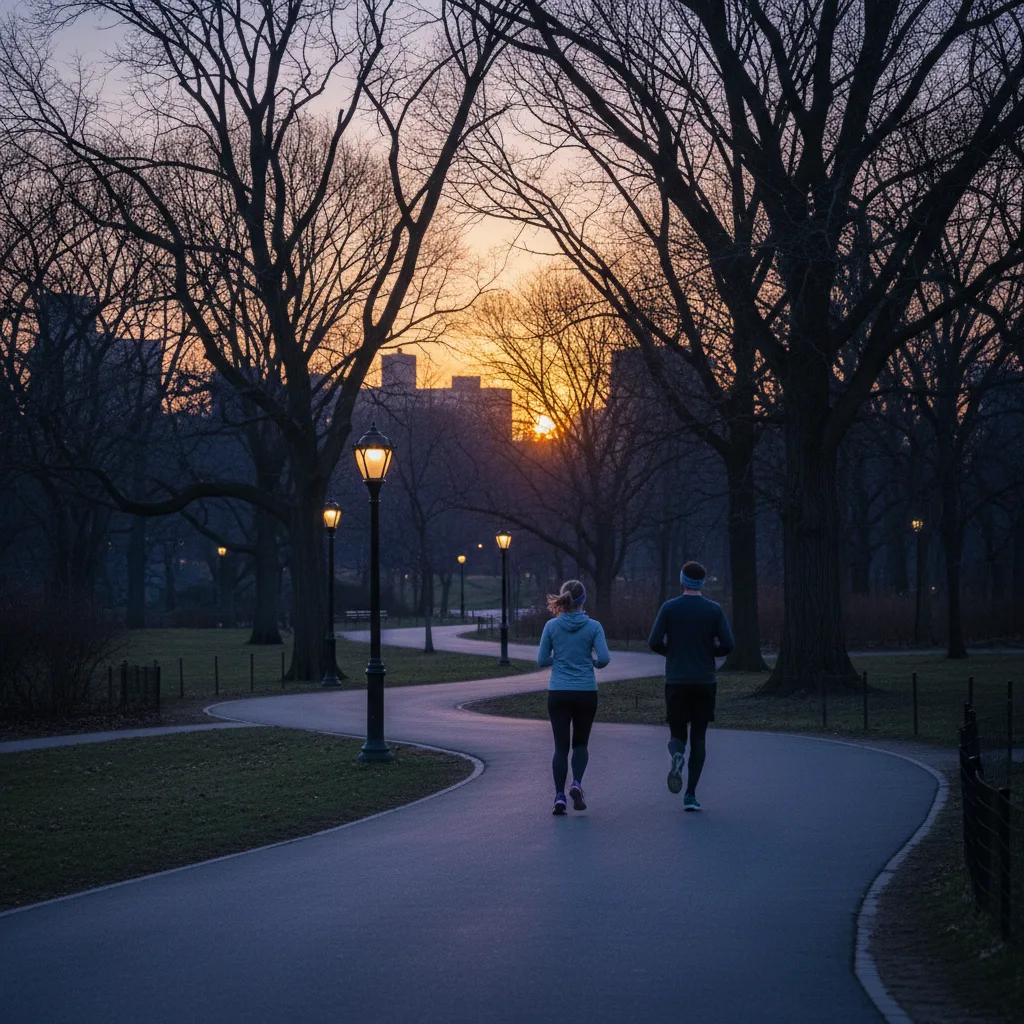
Central Park Conservancy Confirms 2026 Daily Operating Hours
Central Park Conservancy confirms 2026 daily hours: 6:00 a.m. to 1:00 a.m. This notice is for visitor planning, not a change.
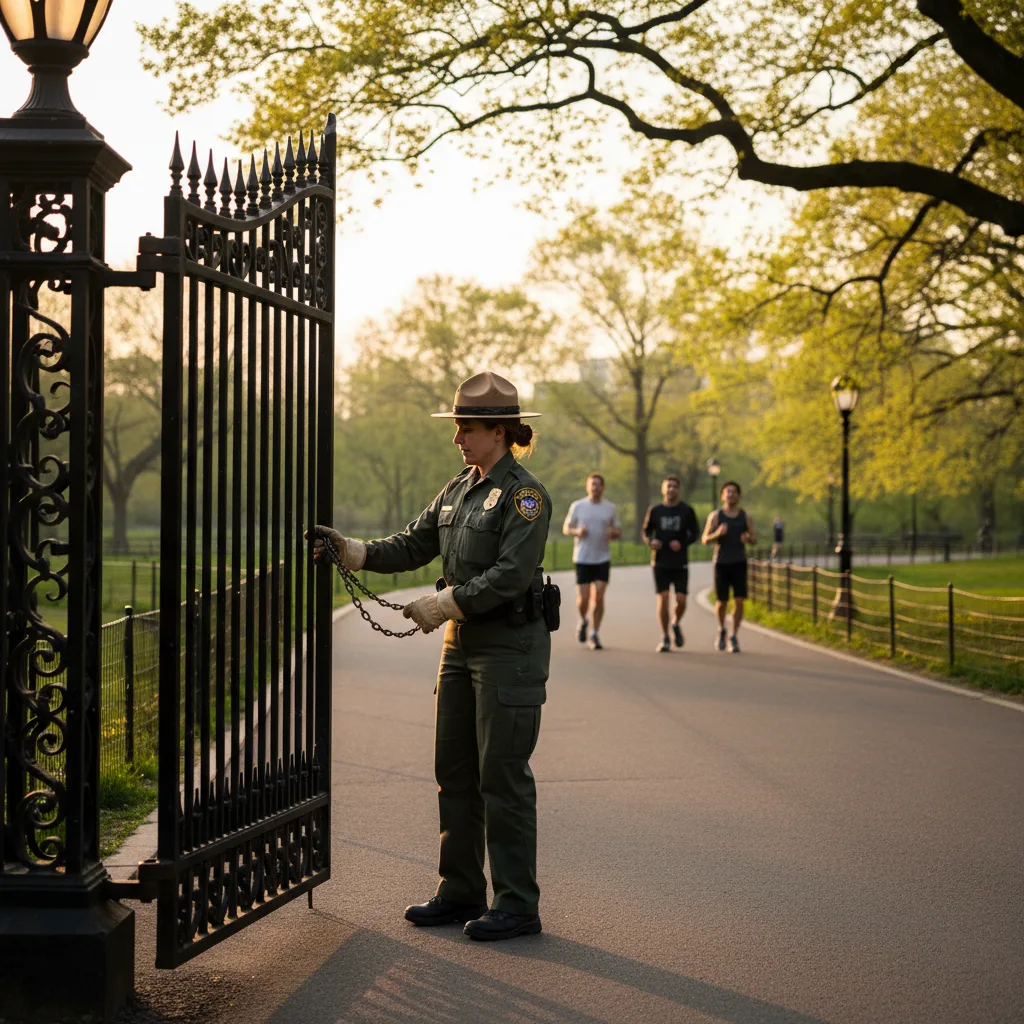
Central Park Conservancy Announces Park Hours Update for 2026
Central Park Conservancy announced updated 2026 park hours, maintaining 6:00 a.m. to 1:00 a.m. access daily. This schedule balances public enjoyment with critical maintenance and security operations.