


Central Park Records 19 Inches of Snow from Historic Blizzard; City Prepares for School Reopening

New York City's iconic Central Park measured a substantial 19 inches of snow following a historic blizzard that blanketed the Northeast region. The significant snowfall has transformed the sprawling urban oasis into a picturesque, yet challenging, landscape as the city grapples with post-storm cleanup and logistics. Despite the considerable accumulation across the five boroughs, Mayor Zohran Mamdani confirmed that city schools are slated to resume in-person learning on Tuesday, signaling a push towards normalcy even as snow removal efforts continue.
The blizzard, which disrupted flights and led to widespread school cancellations across the region, left its mark prominently in Central Park, a key meteorological observation point for New York City. The 19-inch reading underscores the severity of the storm, placing it among some of the most significant snow events in the city's recent history. This level of snowfall not only poses aesthetic changes but also creates practical hurdles for pedestrian movement and city services, requiring extensive efforts to clear paths and ensure safety for residents and commuters alike. The park's pathways, typically bustling, now present a serene but difficult-to-traverse environment, requiring diligent work from city crews.
Historic Snowfall Transforms Central Park Landscape
The blanket of 19 inches of snow in Central Park has dramatically altered its familiar vistas, turning pathways, trees, and open spaces into a pristine, snow-laden expanse. This substantial accumulation provides not just a scenic backdrop but also critical data for meteorologists assessing the storm's intensity and regional impact. Park officials and city sanitation crews face the monumental task of clearing main thoroughfares and access points within the park to allow for safe public use. While many New Yorkers might be drawn to the park for winter recreation, the sheer depth of the snow requires careful navigation and considerable time for melting or removal, especially in shaded areas and less-trafficked zones. The immediate effect is a noticeable slowdown in pedestrian movement and an increased focus on public safety warnings related to icy conditions, slippery surfaces, and the potential for falling snow or ice from trees and structures. The deep snow also impacts wildlife within the park, necessitating adaptation from its resident species.
Mayor's Decision: Schools to Reopen Amidst Lingering Snow
Mayor Zohran Mamdani's announcement that New York City schools will reopen for in-person learning on Tuesday comes as a crucial development for hundreds of thousands of students and families. This decision, made despite significant snow accumulation along sidewalks throughout the city, highlights the administration's commitment to returning to regular educational schedules and mitigating the broader economic and social impacts of prolonged school closures. However, it also places immense pressure on the Department of Sanitation and other city agencies to rapidly clear pedestrian routes, especially near school zones, to ensure safe passage for students. The challenge extends beyond main roads, requiring meticulous attention to sidewalks, bus stops, and smaller residential streets where snow drifts and ice can persist for days, creating treacherous conditions. Parents and commuters are strongly advised to plan for potentially challenging travel conditions, allowing extra time and exercising caution, emphasizing the ongoing impact of the "historic blizzard" even as the city attempts to resume its daily rhythm. The effort to clear these crucial pathways will likely extend throughout the week.
Key Points:
- Central Park officially recorded 19 inches of snow from the recent historic blizzard that impacted the Northeast.
- Mayor Zohran Mamdani confirmed that all New York City schools would reopen for in-person learning on Tuesday, following storm-related closures.
- Significant snow accumulation along sidewalks city-wide continues to pose challenges for cleanup crews and pedestrian safety, particularly for students traveling to school.
- The blizzard caused widespread disruptions, including numerous flight cancellations and school closures, across the Northeast U.S. region.
- City agencies are actively engaged in extensive snow removal efforts to clear pathways and ensure safe movement for residents as the city returns to normal operations.
Related Articles
More in Weather & Health →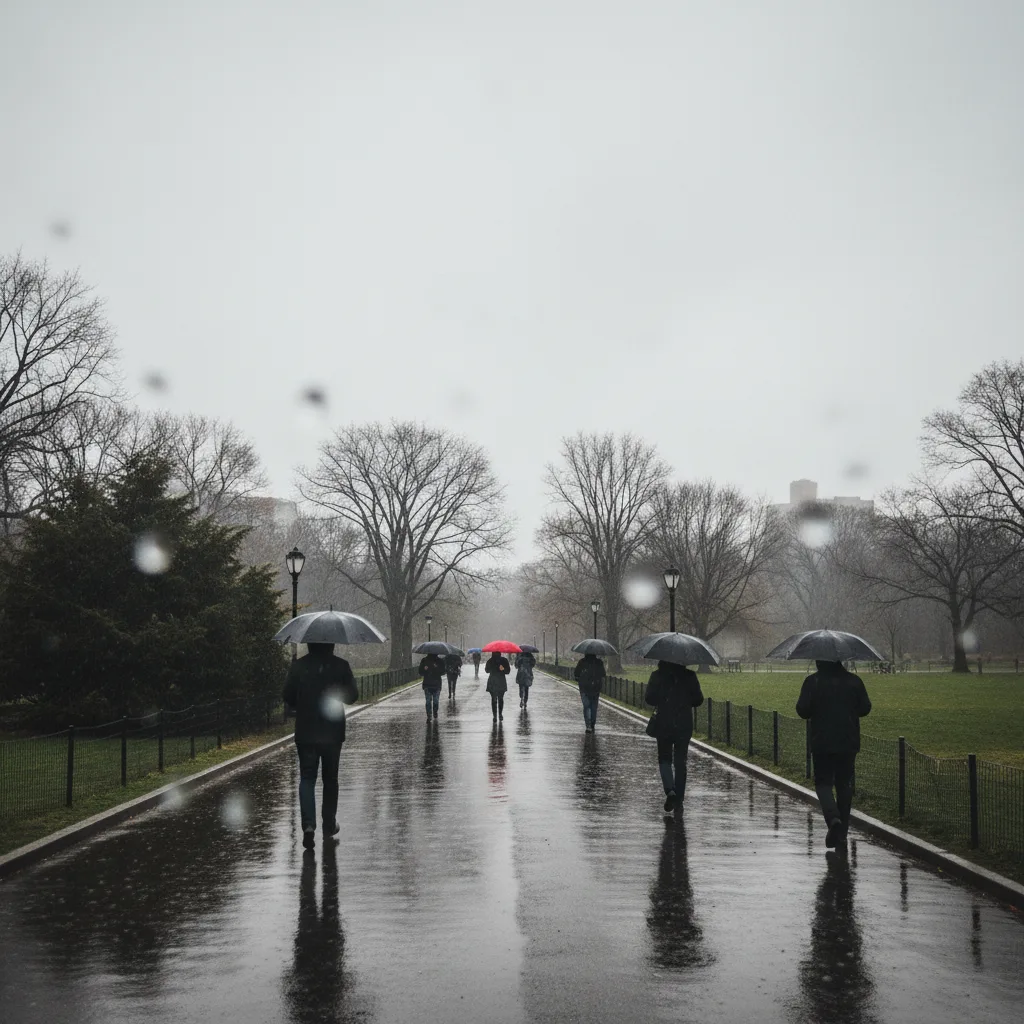
Central Park Radar Shows Current Rain Conditions and Near-Term Updates
Central Park visitors are seeing current rain conditions and near-term precipitation updates on AccuWeather radar, affecting outdoor activities and park operations.

September 2026 Central Park Weather Forecast Reveals Mild Conditions
Central Park's September 2026 weather forecast projects mild daily highs between 70-82°F and lows 57-66°F. Plan outdoor activities; comfortable conditions expected for park visitors.
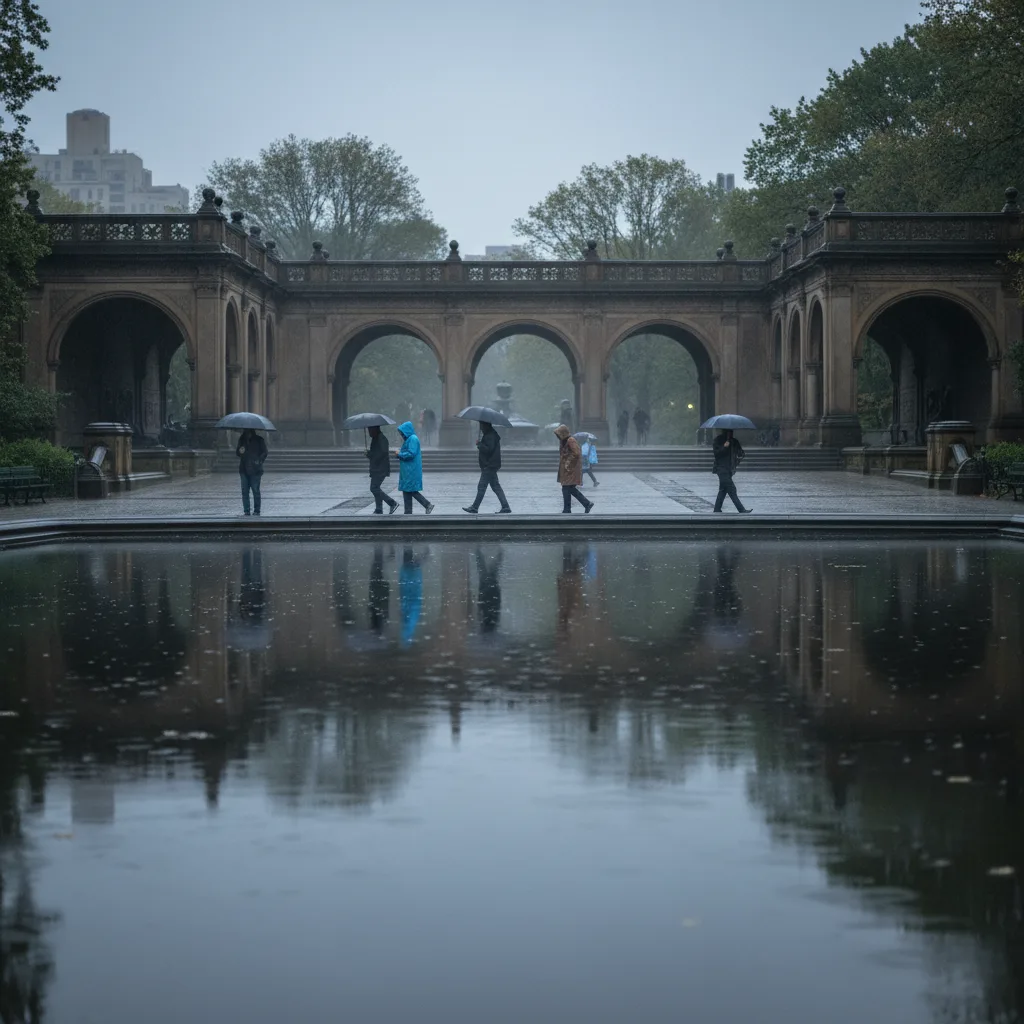
Central Park Visitors Face Intermittent Rain, Cooler Temps Sunday Night
Central Park experienced cool temperatures and intermittent rain on Sunday, September 27, 2026, with a temperature of 57.0°F recorded. Visitors should plan accordingly.
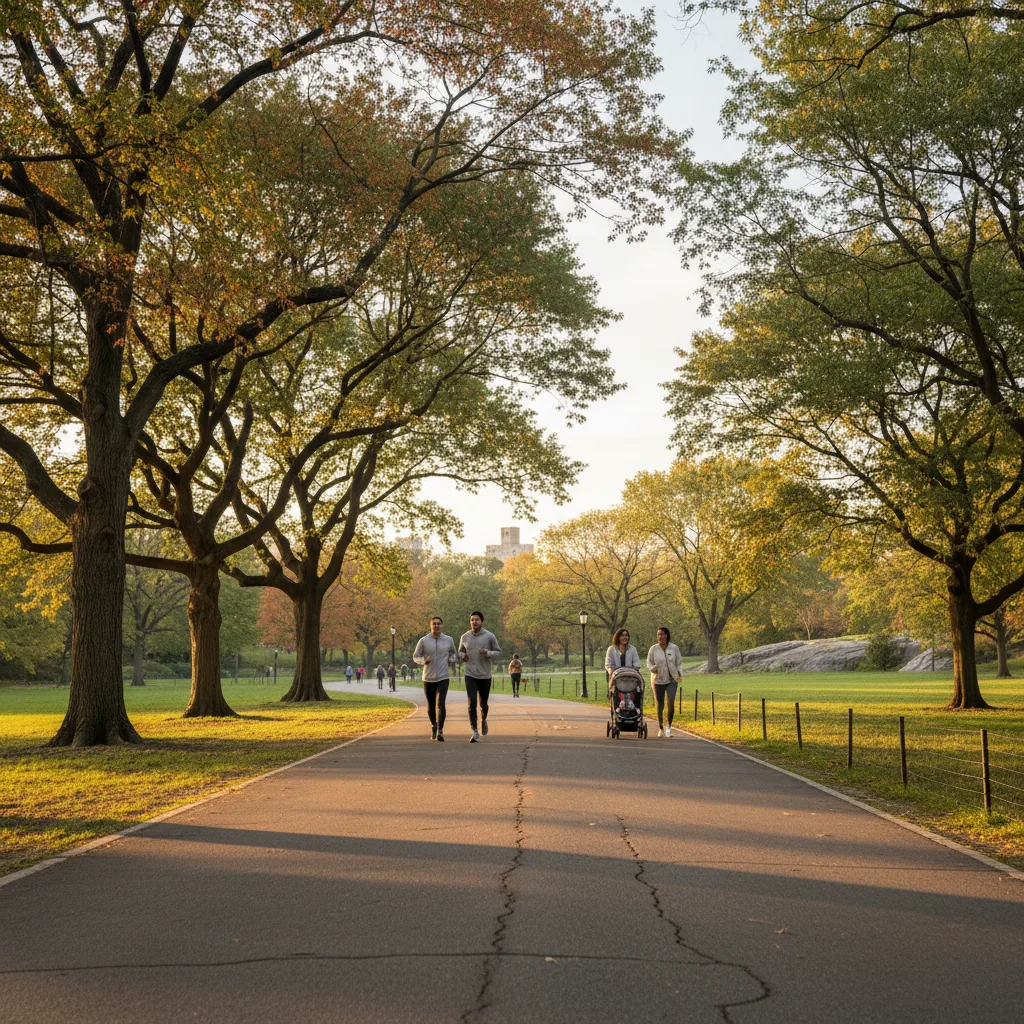
Central Park Records 72°F Max, 58°F Min Temperatures September 27
Central Park observed a maximum temperature of 72°F and minimum of 58°F on Sunday, September 27, 2026, according to the NWS climatological report.
AccuWeather Forecasts 64°F, 59°F for Central Park September 27
AccuWeather forecast a high of 64°F and low of 59°F for Central Park on September 27, 2026, slightly below monthly averages, indicating a cooler day.
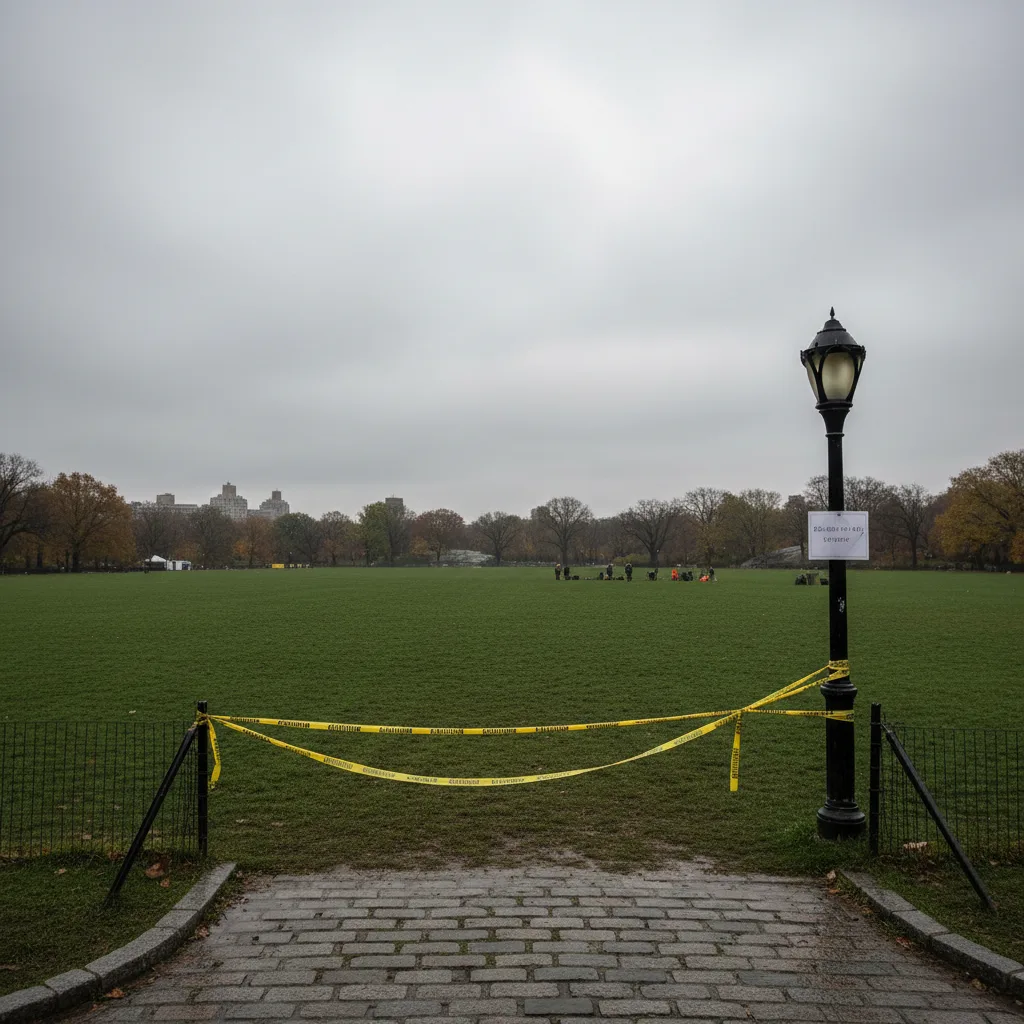
Global Citizen Festival in Central Park Canceled Due to Nor'easter Threat
Global Citizen Festival in Central Park was canceled Thursday due to an approaching nor'easter, affecting thousands and prompting safety concerns. New Yorkers should check for updated park alerts and traffic changes related to the storm.