


Central Park Residents Shovel Vehicles After Feb. 24, 2026 Northeast Snowfall

NEW YORK, NY – Following a significant winter storm that blanketed the Northeast, residents adjacent to Central Park were seen actively engaged in clearing snow from their vehicles on Tuesday, February 24, 2026. The storm, which deposited several inches of snow across New York City, led to challenging conditions for motorists and pedestrians alike, particularly in areas where snow plows had pushed drifts against parked cars. The scene in and around Central Park was emblematic of the wider regional struggle to manage the aftermath of the recent precipitation.
Efforts to clear pathways and uncover buried vehicles began early in the morning as the snowfall subsided. Many residents utilized shovels and ice scrapers, working to free their cars from substantial snowdrifts. The considerable accumulation transformed parts of the urban landscape into a winter wonderland, albeit one that presented logistical hurdles for daily commuters and local services. City sanitation crews were visible on major thoroughfares, but residential streets and parking areas required significant individual and community effort.
Persistent Winter Conditions Challenge Park Access
The winter storm's impact extended to Central Park's infrastructure, with many entrances and pathways becoming less accessible due to snow accumulation. While city park workers began the methodical process of clearing key pedestrian routes, the sheer volume of snow meant that certain areas remained challenging to navigate. The conditions posed particular difficulties for residents dependent on street parking, necessitating extensive manual labor to clear access points and facilitate vehicle movement. Emergency services also faced minor delays in certain areas, underscoring the widespread disruption caused by the winter weather.
The city's Department of Sanitation (DSNY) had deployed a full complement of plows and salt spreaders throughout the five boroughs. However, the intermittent nature of the snowfall and the sheer geographic spread of the city meant that resources were often stretched thin. The focus remained on major arterial roads and emergency routes, leaving many secondary streets and parking zones for later attention. Local community boards and resident associations had urged citizens to exercise caution and assist neighbors where possible, fostering a sense of collective responsibility in overcoming the weather's immediate challenges.
Local Businesses Report Varied Impact From Snow Event
Local businesses bordering Central Park reported varied impacts from the winter storm. Essential services such as grocery stores and pharmacies saw increased foot traffic prior to the storm, as residents stocked up on supplies. However, other businesses, including restaurants and specialty shops, experienced a notable dip in customer numbers on Tuesday. Deliveries were also affected, with many services either delayed or temporarily suspended due to hazardous road conditions and reduced staffing. The economic ripple effect of such a significant weather event is often felt for several days, as cleanup efforts continue and normal routines slowly resume. City officials are monitoring the situation, preparing for potential melting and refreezing cycles in the coming days that could create new hazards.
Key Points:
- Central Park area residents actively cleared snow from parked vehicles on Feb. 24, 2026.
- The Northeast winter storm caused significant snow accumulation across New York City.
- Access to Central Park pathways and entrances was challenging due to snow.
- City sanitation efforts focused on major roads, requiring local resident participation for other areas.
- Local businesses experienced mixed economic impacts, with some seeing reduced customer activity.
Related Articles
More in Weather & Health →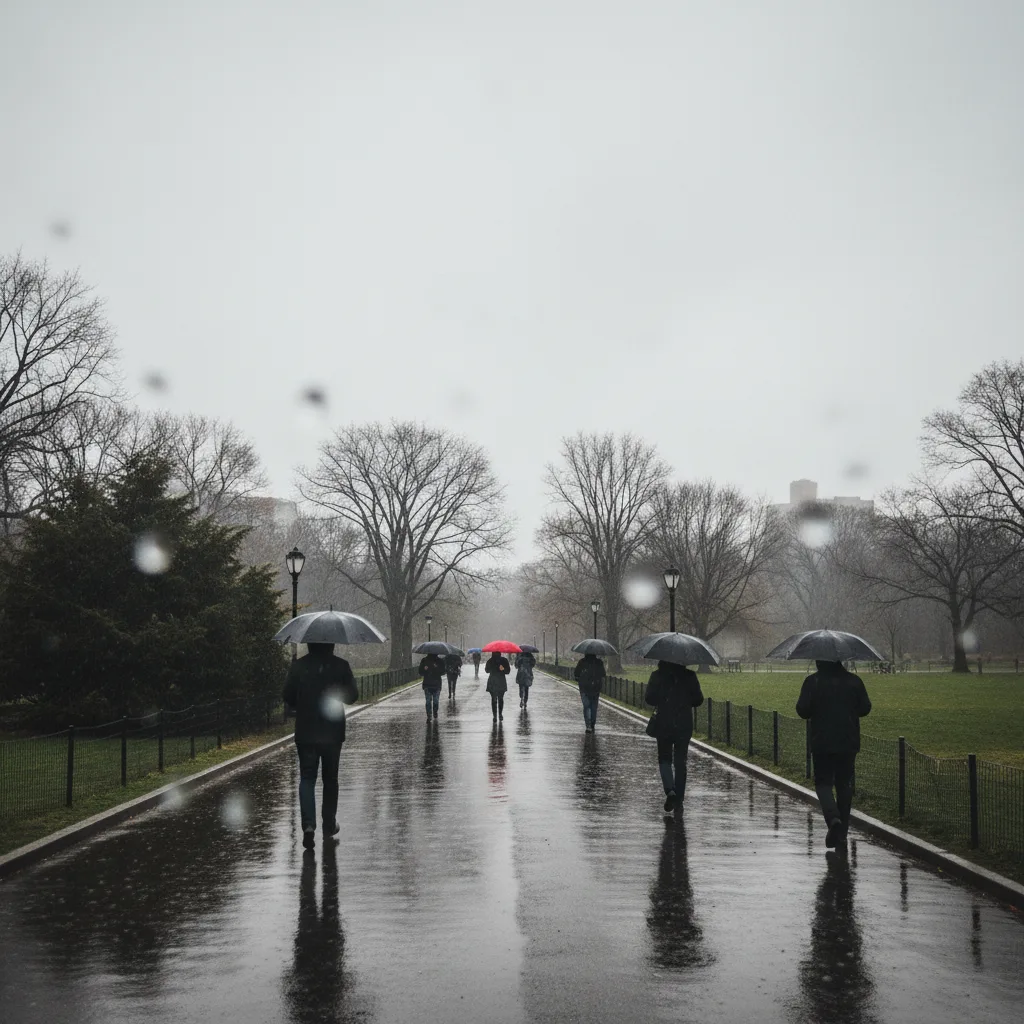
Central Park Radar Shows Current Rain Conditions and Near-Term Updates
Central Park visitors are seeing current rain conditions and near-term precipitation updates on AccuWeather radar, affecting outdoor activities and park operations.

September 2026 Central Park Weather Forecast Reveals Mild Conditions
Central Park's September 2026 weather forecast projects mild daily highs between 70-82°F and lows 57-66°F. Plan outdoor activities; comfortable conditions expected for park visitors.

Central Park Visitors Face Intermittent Rain, Cooler Temps Sunday Night
Central Park experienced cool temperatures and intermittent rain on Sunday, September 27, 2026, with a temperature of 57.0°F recorded. Visitors should plan accordingly.
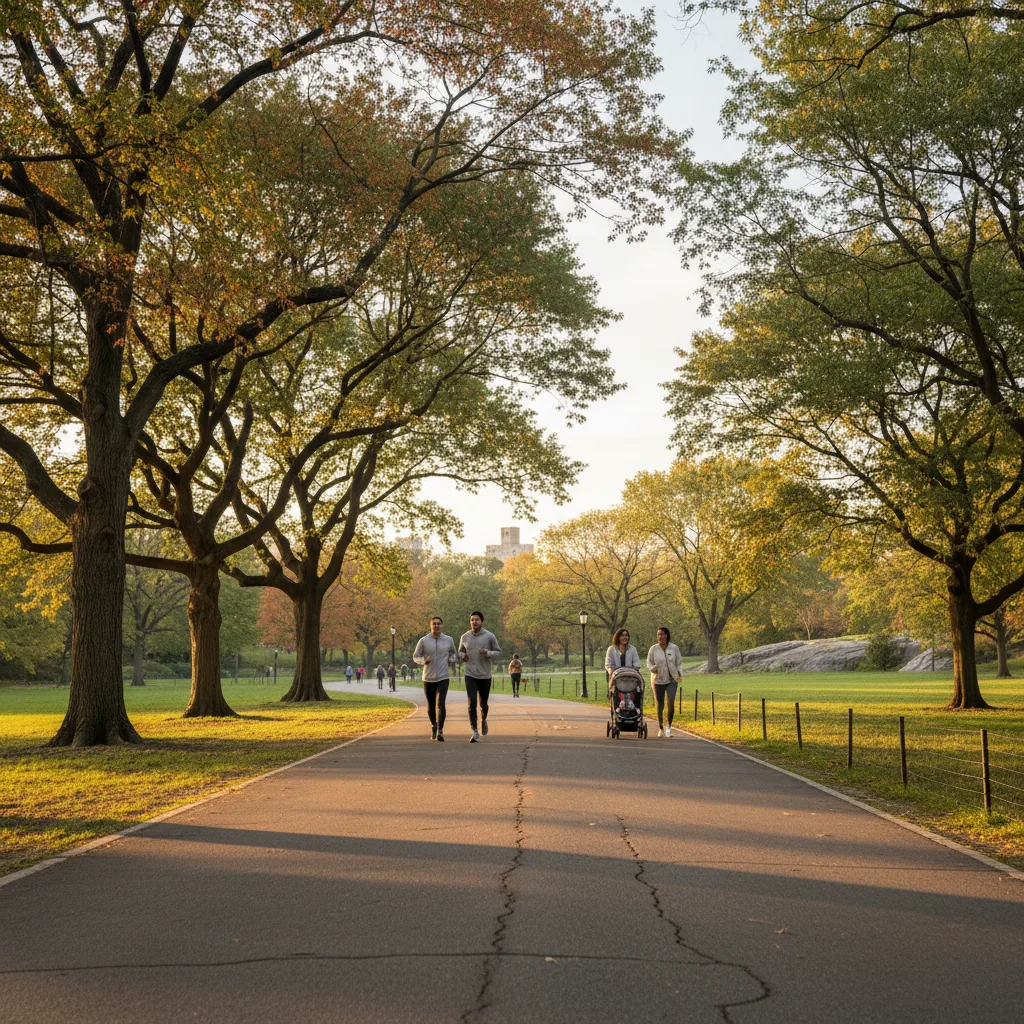
Central Park Records 72°F Max, 58°F Min Temperatures September 27
Central Park observed a maximum temperature of 72°F and minimum of 58°F on Sunday, September 27, 2026, according to the NWS climatological report.
AccuWeather Forecasts 64°F, 59°F for Central Park September 27
AccuWeather forecast a high of 64°F and low of 59°F for Central Park on September 27, 2026, slightly below monthly averages, indicating a cooler day.
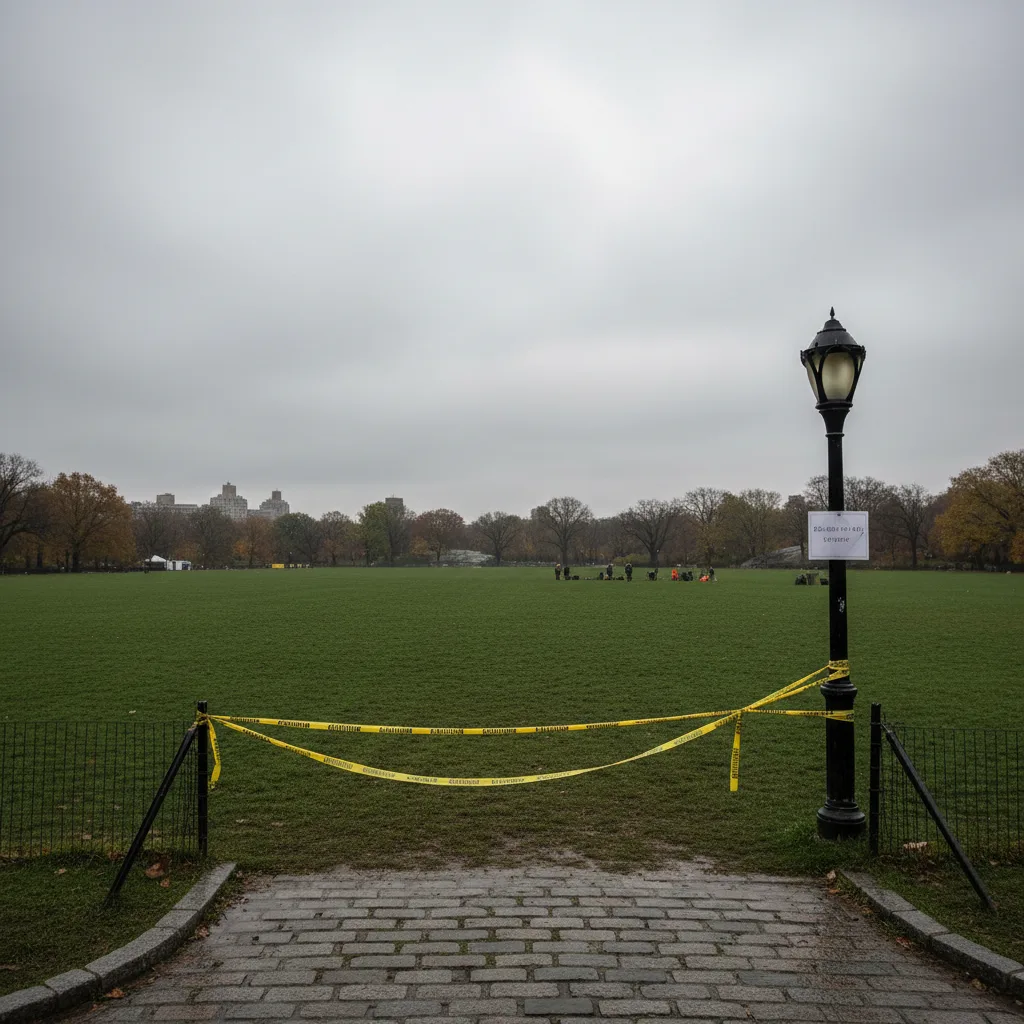
Global Citizen Festival in Central Park Canceled Due to Nor'easter Threat
Global Citizen Festival in Central Park was canceled Thursday due to an approaching nor'easter, affecting thousands and prompting safety concerns. New Yorkers should check for updated park alerts and traffic changes related to the storm.