


Central Park Snow Removal: Accessibility Gaps Emerge Following February Storm, Advocates Urge Policy Review

NEW YORK, NY – Following a significant snowstorm last month, Central Park's pathways and public spaces faced notable accessibility challenges, echoing broader concerns raised across New York City regarding snow removal policies. The incident highlighted potential shortcomings in ensuring all park visitors, particularly those with mobility impairments, can navigate the city's iconic green oasis safely and efficiently after winter weather.
The snowstorm, which blanketed the five boroughs, exposed what advocates are calling "gaping holes" in New York City's accessibility standards. While the Central Park Conservancy, in conjunction with the NYC Department of Parks & Recreation, typically mobilizes crews for snow clearance, the extent and speed of the operation drew scrutiny. Many key pedestrian routes, crosswalks leading into the park, and access points remained difficult or impossible to traverse for an extended period, impacting daily commuters, recreational users, and individuals with disabilities reliant on accessible paths.
Impact on Park Visitors and Operations
The recent snowfall underscored the unique operational complexities of snow removal within Central Park's expansive 843 acres. Unlike city sidewalks, which fall under varying jurisdiction, the park's intricate network of paved paths, gravel trails, and plaza areas requires specialized equipment and coordinated effort. Reports from park-goers indicated that while major thoroughfares like the main loop drives were cleared relatively quickly, numerous secondary paths and entrances, crucial for localized access, remained snow-bound or slushy, creating hazardous conditions. For wheelchair users, parents with strollers, and individuals with visual impairments, these uncleared areas represented significant barriers, effectively rendering large sections of the park inaccessible.
"The ability to enjoy Central Park shouldn't depend on one's physical capabilities or the speed of snow plows," stated a local advocacy group representative, who wished to remain anonymous to speak freely on ongoing discussions. "Every New Yorker, regardless of mobility, deserves equitable access to public spaces like Central Park. The recent storm revealed that we still have work to do in living up to that ideal, particularly at key entry points and internal paths that are vital for connection and recreation."
Advocacy for Comprehensive Accessibility Standards
The challenges faced within Central Park mirror city-wide discussions on improving snow removal accessibility. Opinion pieces and public outcry after the storm have called on city officials to implement more stringent and proactive policies. For Central Park, this could mean re-evaluating current snow removal protocols, investing in more adaptive equipment, or establishing clearer benchmarks for clearing accessible routes within a specific timeframe after snowfall ceases.
Stakeholders, including the Central Park Conservancy and the NYC Department of Parks & Recreation, are encouraged to collaborate further with disability advocates and urban planning experts. Such collaboration could lead to the development of a more robust, inclusive snow management plan that prioritizes critical accessible pathways and ensures continuity of access to park facilities, restrooms, and recreational areas. As New York City prepares for future winter weather events, the lessons learned from the recent snowstorm underscore the urgent need for a comprehensive review and enhancement of accessibility standards across all its public spaces, including its most beloved park.
Key Points:
- Central Park experienced significant accessibility issues on its pathways following last month's snowstorm.
- The challenges reflect broader NYC concerns about snow removal policies and their impact on individuals with disabilities.
- Specific areas like secondary paths and entrances within the park remained difficult to traverse.
- Advocates are calling for a review of current snow removal protocols and enhanced accessibility standards for public spaces.
- Improved coordination between park management and disability groups is suggested to create a more inclusive snow management plan.
Related Articles
More in Visitor Guide →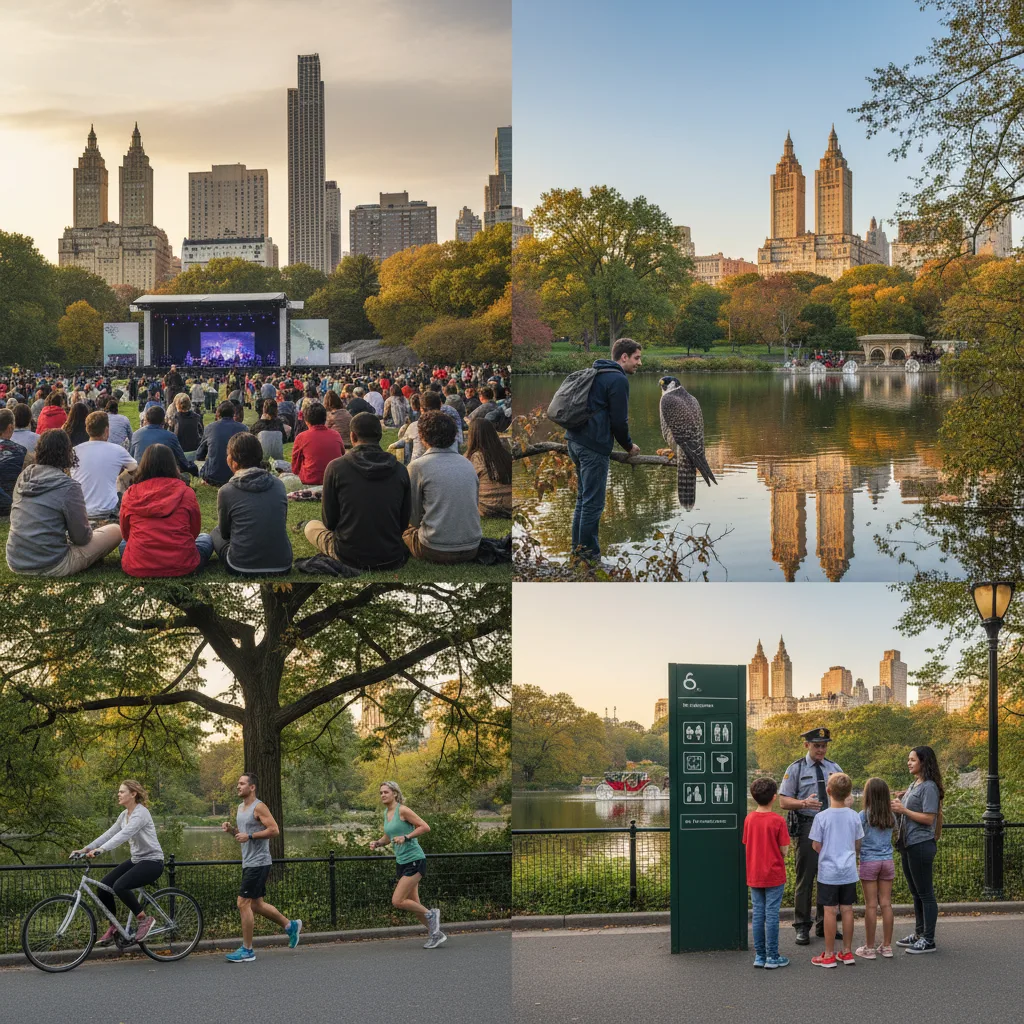
A Guide to Central Park's Top Activities and Best Things to Do in 2026
Discover the best things to do in Central Park, NYC, with our comprehensive 2026 guide to iconic landmarks, activities, and hidden gems for visitors.
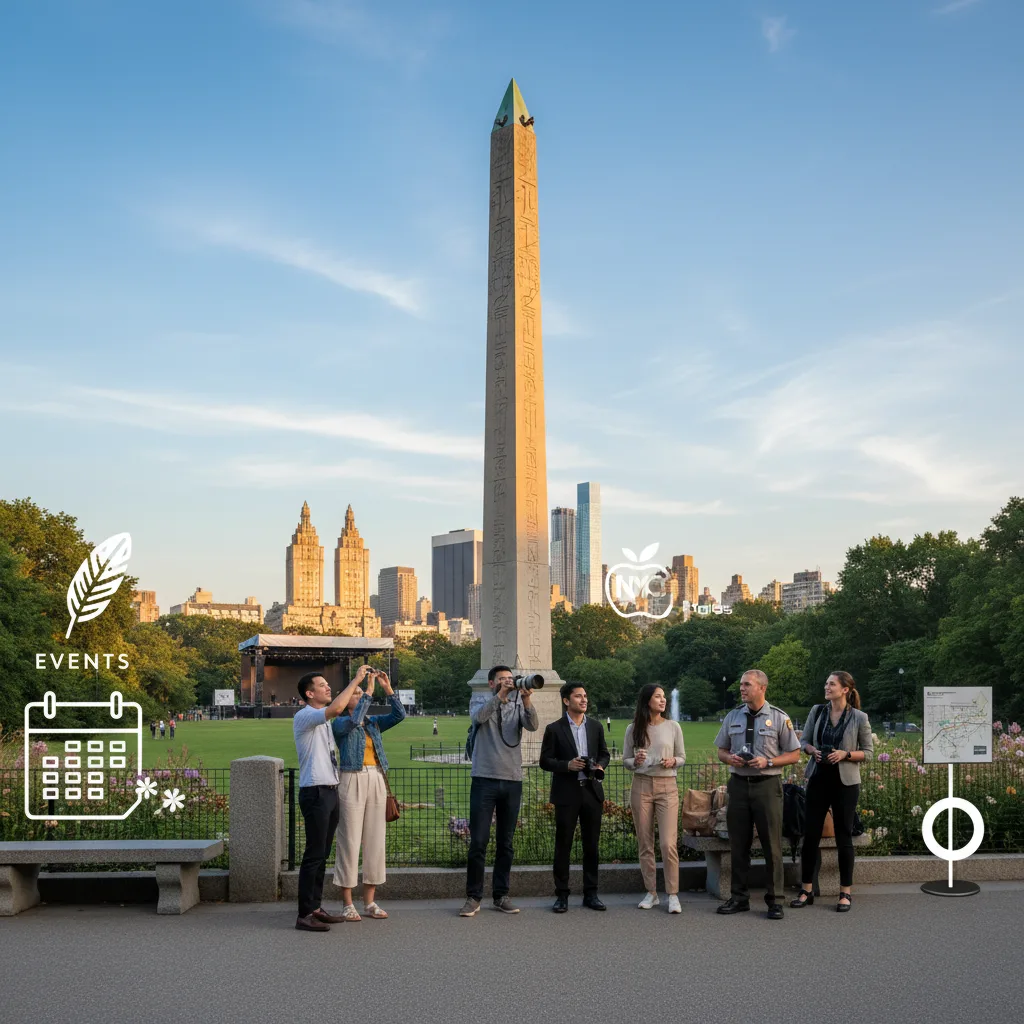
A Guide to What to Know About the Vatican Obelisk in Central Park 2026
Discover what to know about the Vatican Obelisk (Cleopatra's Needle) in Central Park, its history, journey to NYC, and where to find it in 2026.
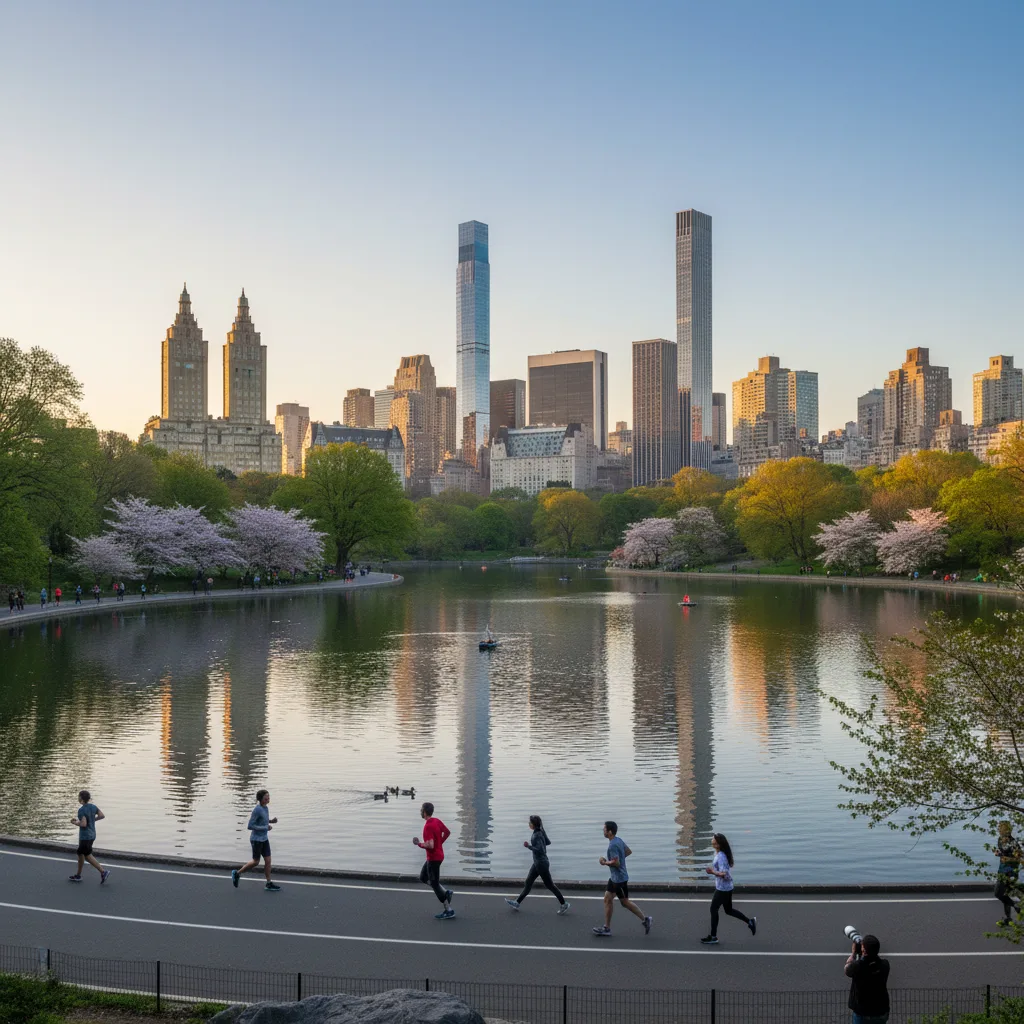
A Complete Guide to the Central Park Reservoir: What to Know Before You Visit
Discover everything you need to know about the Central Park Reservoir: its history, running track, wildlife, best views, and visitor tips for 2026.

A Guide to Central Park's Top 5 Pizzerias: The Best Slices Near You in NYC
Discover the top 5 pizzerias near Central Park, NYC. This guide helps you find the best slices, from historic institutions to modern favorites.

Central Park Offers Daily Public Access From 6 AM to 1 AM
Central Park maintains extensive daily public access from 6:00 am to 1:00 am, offering a continuous urban sanctuary for millions of visitors.
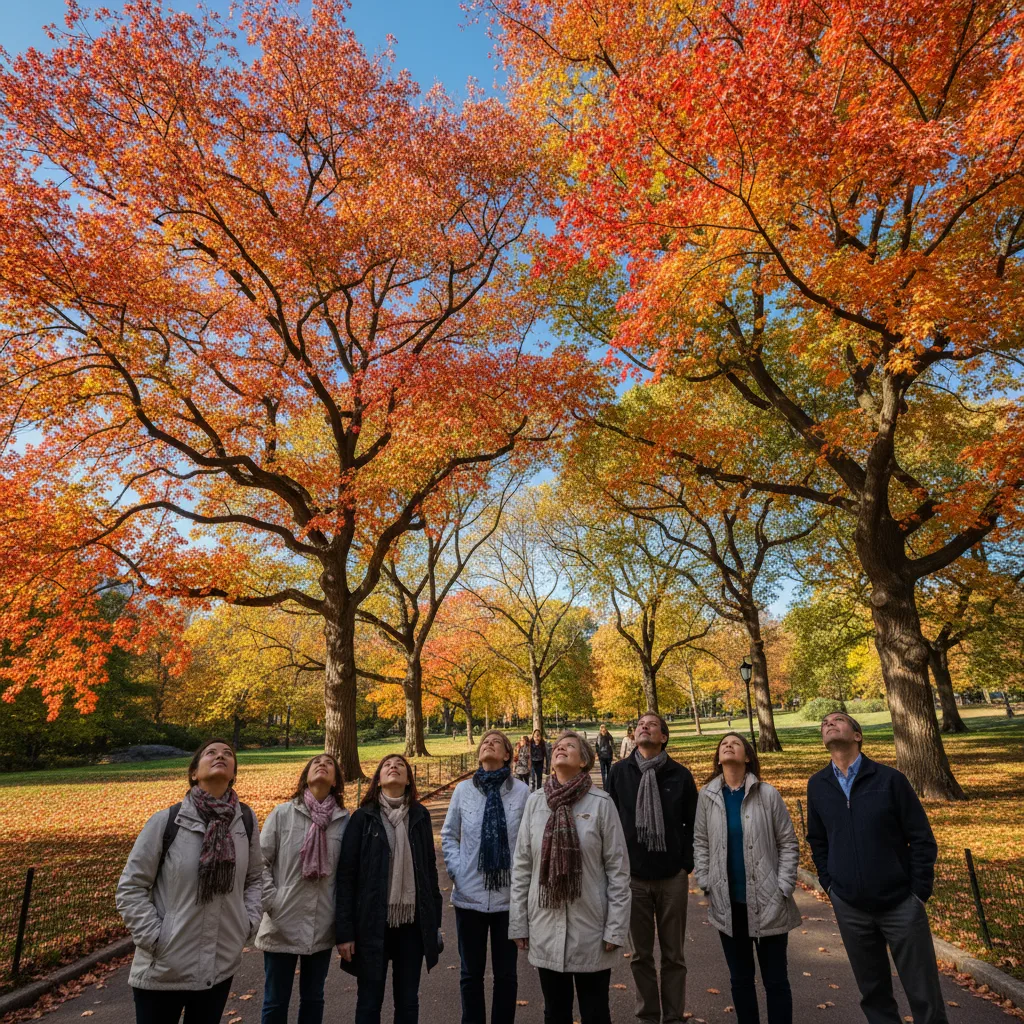
Central Park Conservancy Updates Calendar with Fall Foliage Trackers
The Central Park Conservancy has updated its calendar with fall foliage trackers and seasonal activities, guiding visitors to experience the park's autumn beauty and diverse offerings. The new resources aim to enhance planning for iconic views and events.