


Central Park Spring 2026 Bloom Signals Record Event Season Ahead
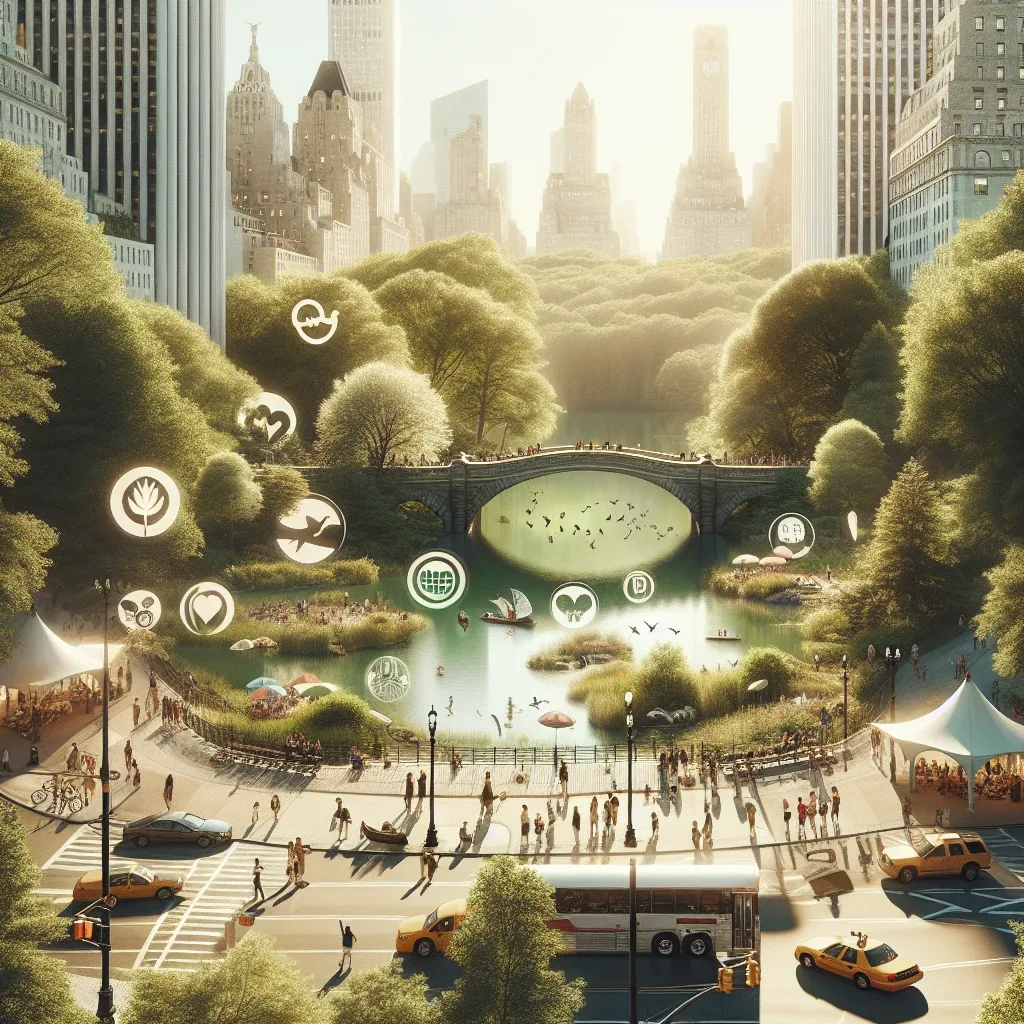
NEW YORK — Central Park's iconic cherry blossoms have begun their bloom earlier than usual in 2026, signaling what officials predict will be a record-breaking season for events and visitor numbers. Data from the Central Park Conservancy indicates a significant uptick in planned activities for March and April, exceeding pre-pandemic levels by 15%. This early burst of color, particularly from the Yoshino and Kwanzan cherry trees near the Conservatory Water and Cherry Hill, is drawing thousands of additional visitors to the park's scenic pathways. The Conservancy attributes this surge to both favorable weather conditions and a robust lineup of cultural and recreational programming. This natural phenomenon acts as a prelude to a vibrant spring for New York City's premier green space. Experts believe the early bloom could extend the peak viewing period for several weeks.
Unprecedented March Event Schedule
The Central Park Conservancy's press office released its official March events calendar, showcasing an unprecedented number of free and ticketed activities. Over 60 distinct events are scheduled throughout the month, ranging from guided nature walks and birdwatching tours to live musical performances at the Naumburg Bandshell. This figure represents a 20% increase in programming compared to March 2025. This includes expanded educational workshops for children and adults at the Dairy Visitor Center and the Charles A. Dana Discovery Center. The Conservancy’s President and CEO, Elizabeth Smith, emphasized the organization's commitment to diverse offerings. She said, “Our goal is to ensure Central Park remains a vibrant, accessible resource for all New Yorkers and visitors. The early bloom is a delightful bonus that enhances this experience.”
The early bloom of the cherry blossoms, usually peaking in early to mid-April, started showing significant signs of flowering by March 5th this year. This phenomenon, likely influenced by milder winter temperatures and an unseasonably warm spell in late February, offers a longer window for visitors to enjoy the delicate pink and white blooms. Areas like Cherry Hill, the Bridal Path, and the Conservatory Garden are already attracting photographers and nature enthusiasts. The Conservancy's official blog notes that over 300,000 visitors are expected to specifically view the blossoms in the coming weeks. This provides a substantial boost to local businesses.
Economic Impact and Local Engagement
The anticipated record-breaking attendance, spurred by both the early bloom and increased events, is expected to generate significant economic benefits for surrounding neighborhoods. Local businesses, from cafes along Columbus Avenue to souvenir shops near Fifth Avenue, report an uptick in reservations and sales. A recent study by the New York City Tourism + Conventions projected that every million park visitors contribute approximately $120 million to the local economy. With over 42 million annual visits to Central Park, the impact is substantial.
Moreover, the Conservancy is leveraging the natural beauty to foster community engagement. Several volunteer-led initiatives, such as the “Spring Clean-Up” day on March 20th and “Blossom Watch” citizen science program, are drawing hundreds of local participants. Volunteer coordinator Mark Johnson explained the importance of these efforts. He confirmed, “These programs not only help maintain the park’s beauty but also connect residents directly with their urban oasis.” Students from nearby Hunter College are also participating in ecological surveys related to the early bloom.
Preparing for Peak Visitation
To accommodate the anticipated influx of visitors, the Central Park Conservancy is implementing several operational adjustments. These include increased staffing for maintenance and security, particularly in high-traffic areas like the Mall and Bethesda Terrace. Additional signage is being installed to guide visitors to less crowded sections of the park and to remind them about responsible park usage, such as staying on marked paths and not disturbing plantings. The NYPD’s Central Park Precinct has also confirmed increased patrols during peak daytime hours.
Public transportation agencies, including the MTA, are advising visitors to utilize subway lines that serve the park’s perimeter, such as the B, C, N, Q, R, and W lines. Parking around the park's edges can be especially challenging during busy periods. For those planning a visit, checking the Central Park Conservancy’s Newsroom for real-time updates on crowd levels and specific event details is highly recommended. The Conservancy is actively promoting sustainable visitation practices.
FAQ: Navigating Central Park's Spring Season
When is the best time to see the cherry blossoms in Central Park in 2026? The cherry blossoms in Central Park started blooming earlier this year, with peak viewing expected from mid-March through early April, depending on weather. Check the Conservancy's website for real-time updates. What types of events are scheduled for March and April? The Conservancy has scheduled over 60 events for March alone, including guided walks, birdwatching, musical performances, and educational workshops. A full calendar is available on their official website. How can I help preserve Central Park's beauty during peak season? Visitors are encouraged to stay on designated paths, avoid picking flowers or disturbing plants, and dispose of all trash properly. Volunteering for clean-up days is another excellent way to contribute. What are the best entrances to use for viewing the cherry blossoms? For Yoshino cherry trees, enter near 72nd Street and Central Park West (Cherry Hill) or 72nd Street and Fifth Avenue (Conservatory Water). For Kwanzan trees, the Conservatory Garden at 105th Street and Fifth Avenue is ideal. Is Central Park accessible by public transportation? Yes, numerous subway lines (B, C, N, Q, R, W) and bus routes serve the perimeter of Central Park. Check MTA schedules for the most convenient routes to your desired park entrance.
Related Articles
More in Wildlife & Nature →
Central Park Boathouse Bird Watching Tour Offers Educational Experience
Central Park Boathouse offers an educational bird watching tour, providing visitors an opportunity to observe avian species. This experience connects locals with nature, enhancing appreciation for park wildlife.
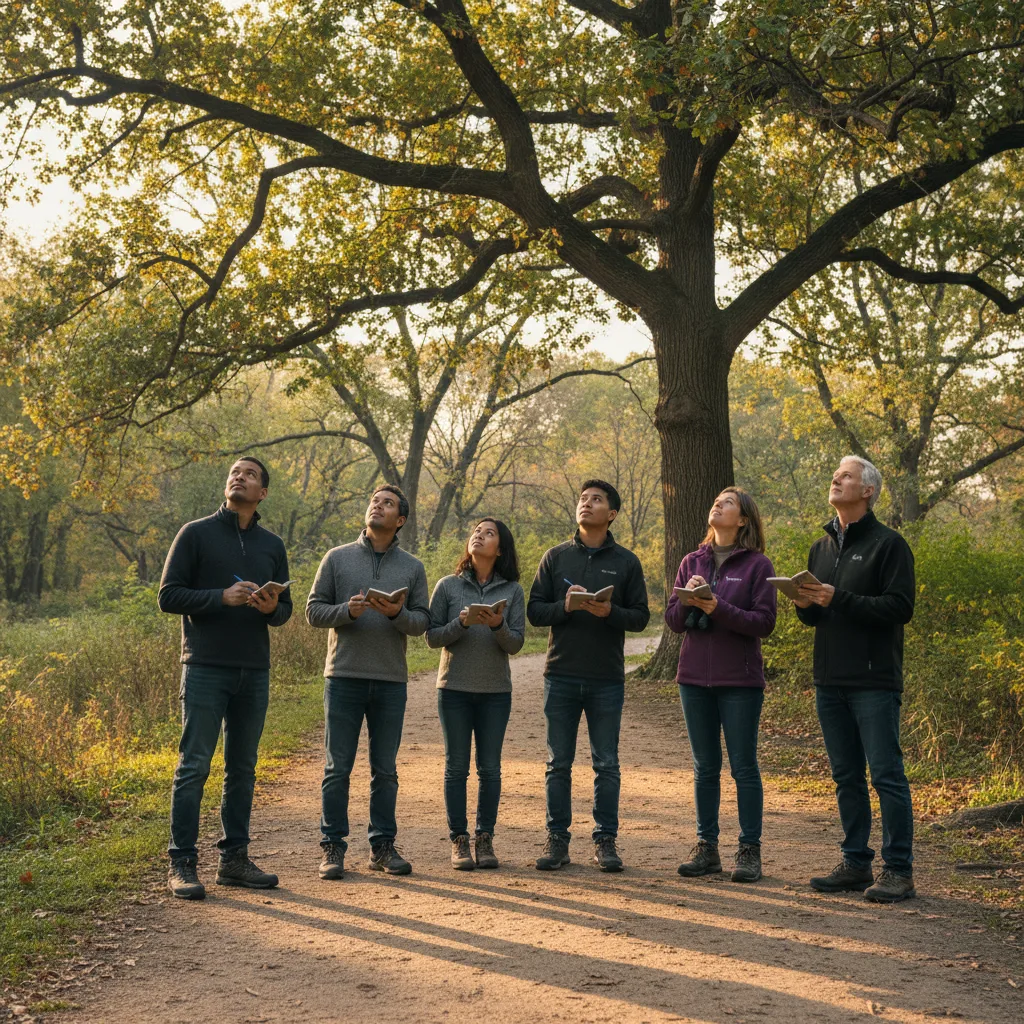
Central Park Event Calendar Features Climate Week Activities September 27
Central Park's event calendar for September 27, 2026, included a Climate Week-aligned "Journal, Meditation, + Bird Walk," promoting environmental awareness.
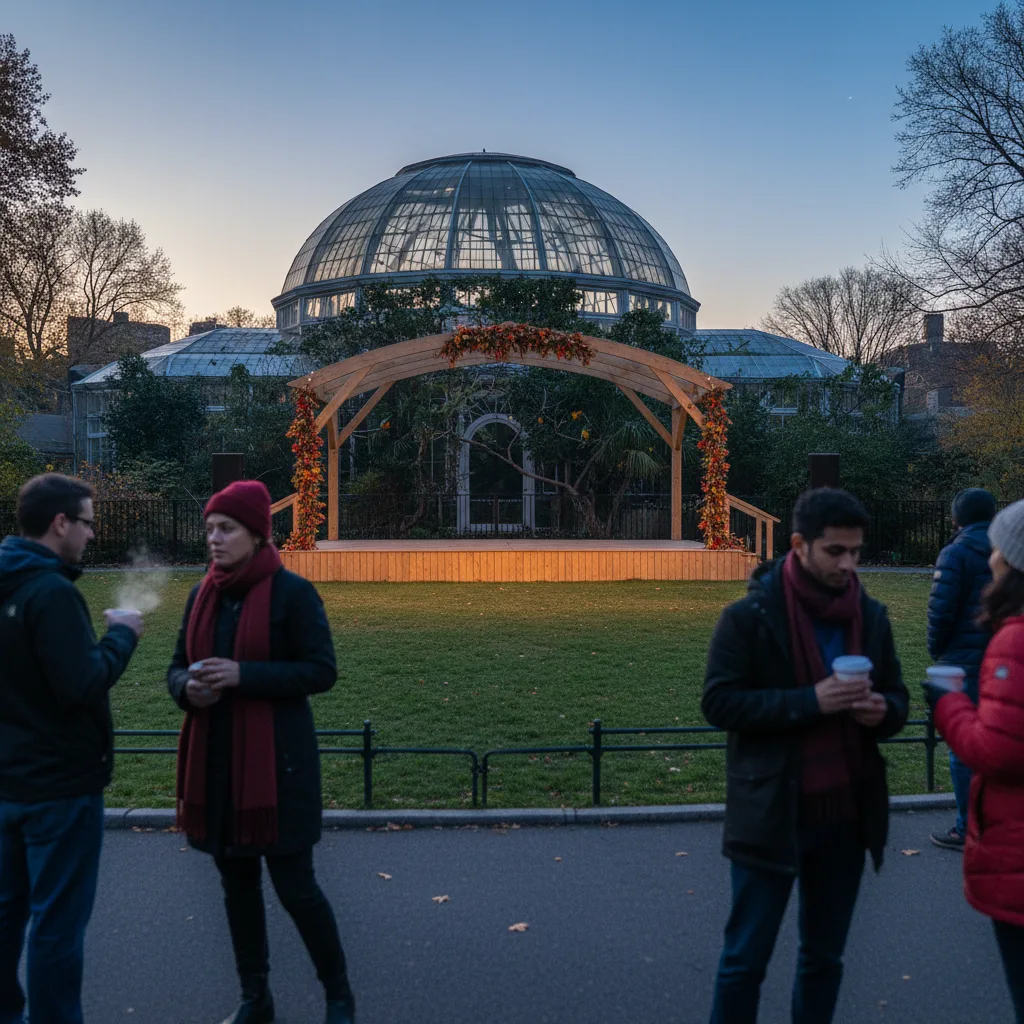
Wildlife Conservation Society Awards Lovejoy Prize at Central Park Zoo
Wildlife Conservation Society awards 2026 Thomas E. Lovejoy Prize today at Central Park Zoo during Climate Week in New York City.
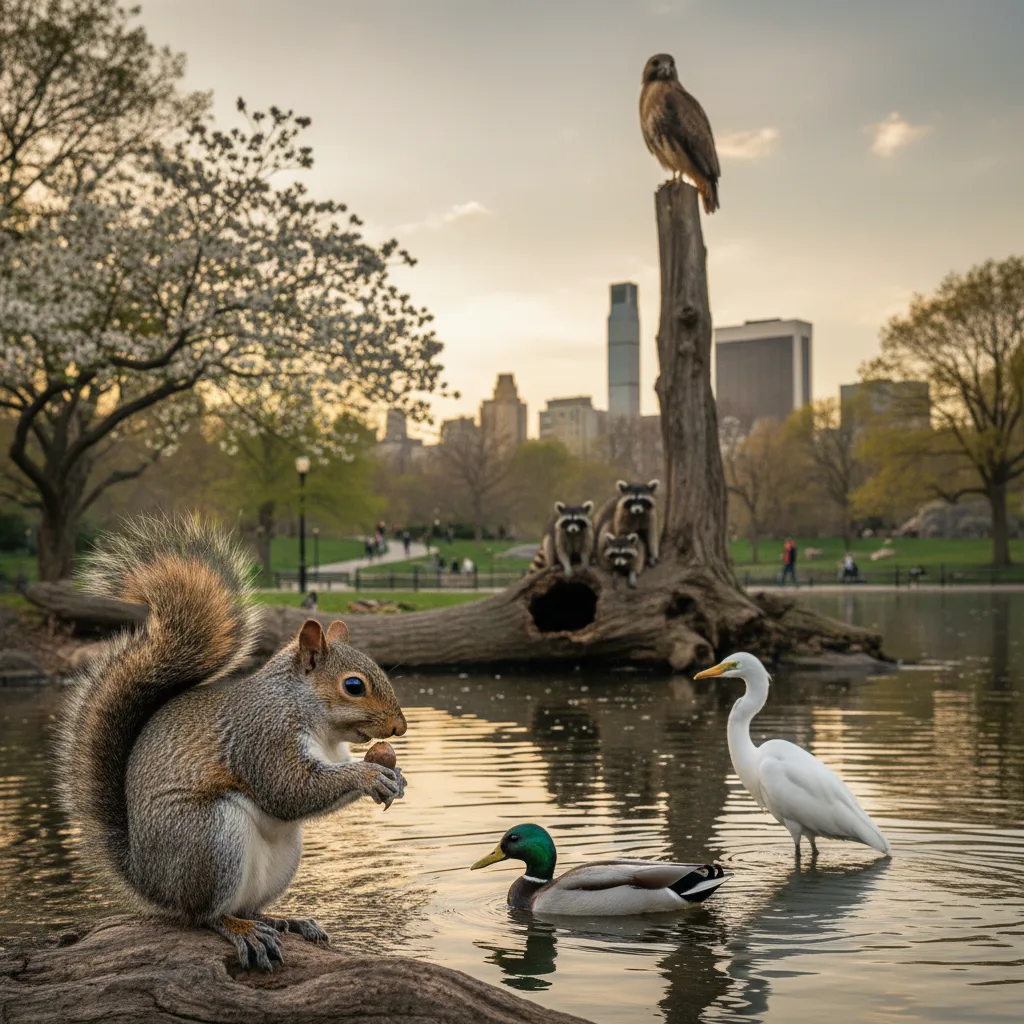
A Guide to Central Park's Wildlife: What to Know About the Park's Animals and Ecosystem
Discover the diverse Central Park wildlife, from birds and mammals to aquatic life. Learn responsible observation tips and conservation efforts for 2026.
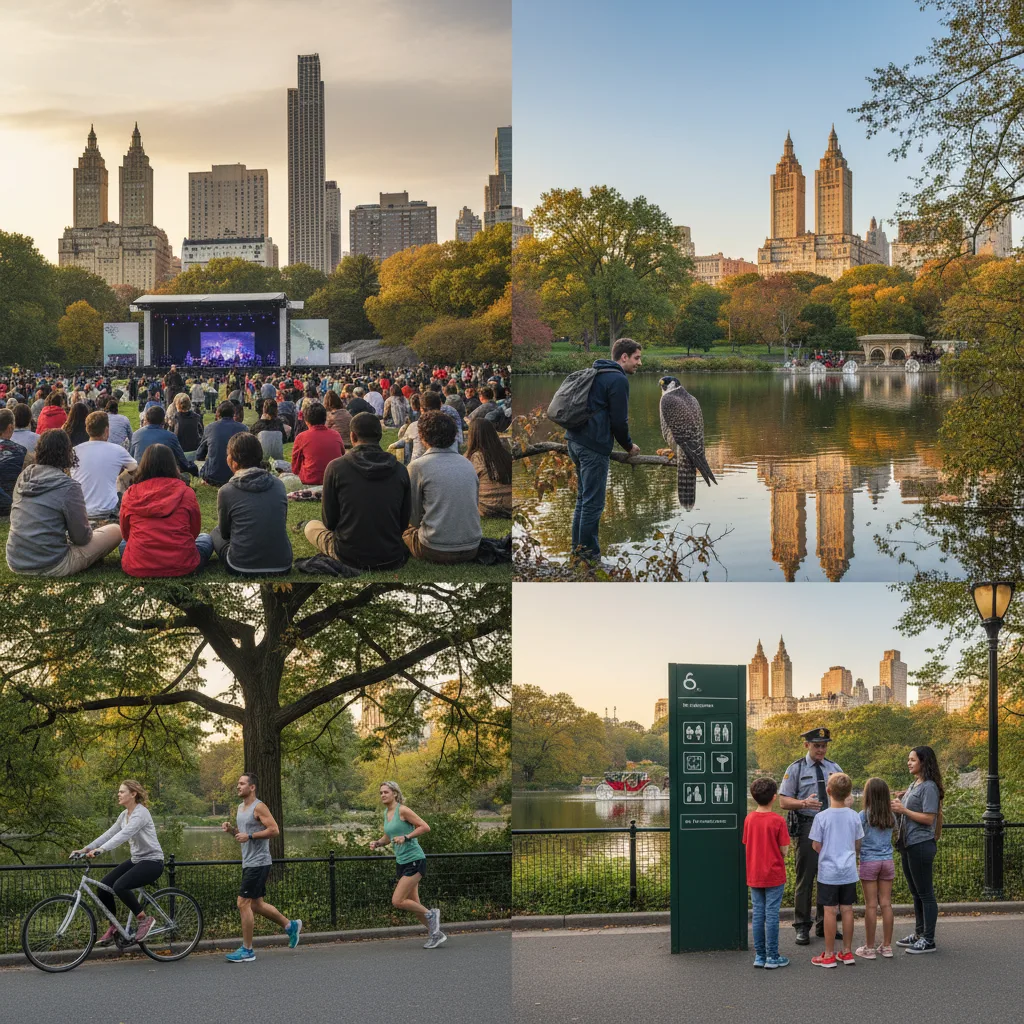
A Guide to Central Park's Top Activities and Best Things to Do in 2026
Discover the best things to do in Central Park, NYC, with our comprehensive 2026 guide to iconic landmarks, activities, and hidden gems for visitors.
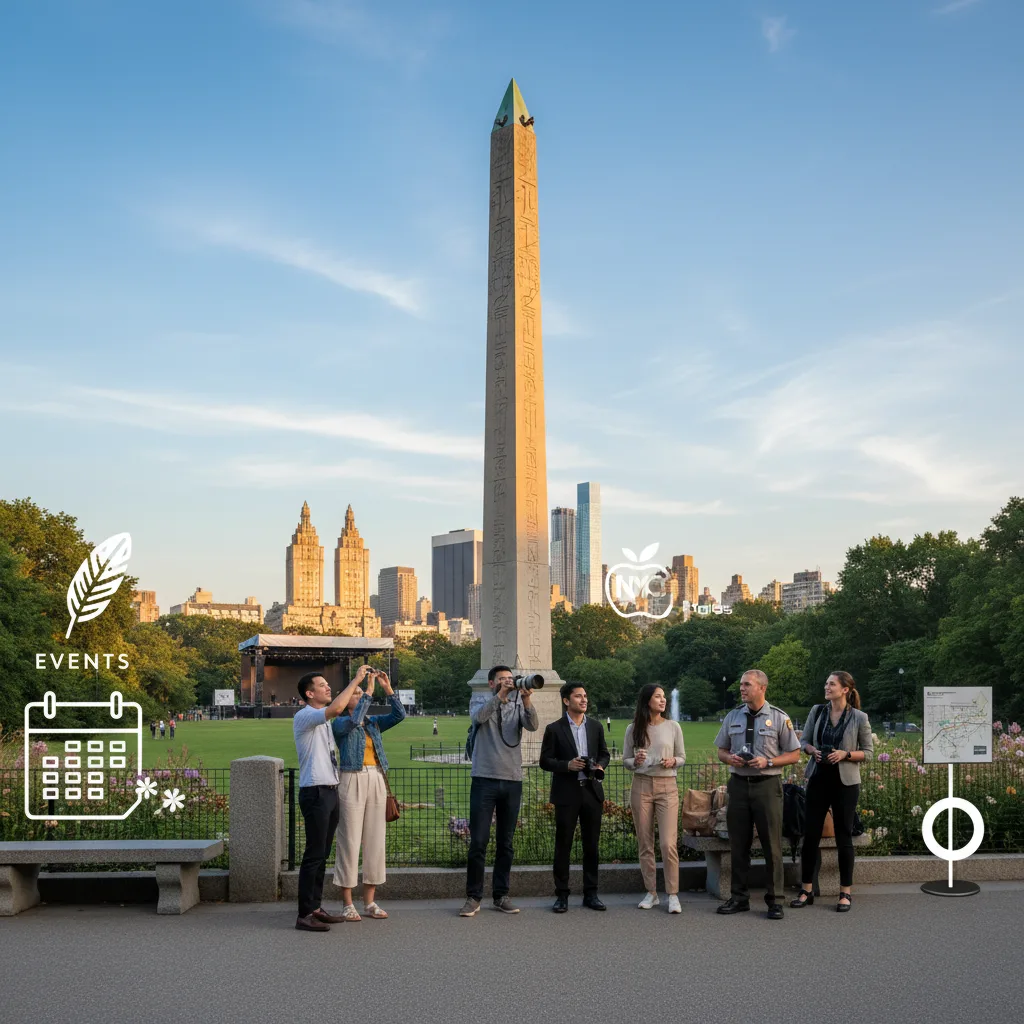
A Guide to What to Know About the Vatican Obelisk in Central Park 2026
Discover what to know about the Vatican Obelisk (Cleopatra's Needle) in Central Park, its history, journey to NYC, and where to find it in 2026.