


Central Park: Teen Hospitalized Following Lightning Strike Incident

A teenager was hospitalized recently after being struck by lightning within Central Park, highlighting the serious dangers associated with severe weather in public spaces. The incident, which occurred during an afternoon thunderstorm, prompted a rapid emergency response and served as a stark reminder for park-goers to seek immediate shelter when adverse weather conditions arise.
The unidentified teenager was reportedly near a tree in an open area of the park when lightning struck. Emergency medical services quickly responded to the scene, providing initial care before transporting the individual to a nearby hospital. The victim's current condition has not been publicly released, though officials confirmed they were receiving medical attention.
Understanding Lightning Risks in Urban Green Spaces
Central Park, with its expansive open fields and numerous tall trees, presents unique risks during thunderstorms. While the allure of its natural beauty is undeniable, these very features can become hazardous when lightning is present. Lightning strikes can carry currents of up to 200,000 amperes and reach temperatures hotter than the surface of the sun, making direct or indirect strikes incredibly dangerous. Even being near a struck object, like a tree, can lead to severe injury or fatality due to ground current or side flash.
Authorities consistently advise against seeking shelter under trees during a thunderstorm, as trees act as natural lightning rods. The safest places to be during a lightning storm are inside a substantial building or a fully enclosed metal-topped vehicle. New York City Parks & Recreation often issues warnings and utilizes its digital signage to alert visitors when dangerous weather approaches, but personal vigilance remains paramount.
Seasonal Weather Patterns and Park Safety Protocols
The incident comes during a period when seasonal thunderstorms are more prevalent in the New York metropolitan area. These storms can develop rapidly, often with little advanced warning, making quick decision-making crucial for public safety. Park management and emergency services continuously monitor weather forecasts to implement safety protocols, including advising visitors to leave exposed areas and close facilities when necessary.
Visitors to Central Park are strongly encouraged to pay close attention to weather forecasts before and during their visit. If thunder is heard or lightning is seen, the safest course of action is to immediately move indoors. The “30/30 Rule” is a common guideline: if the time between seeing lightning and hearing thunder is 30 seconds or less, lightning is close enough to strike, and one should remain indoors for at least 30 minutes after the last thunder is heard.
Key Points:
- A teenager was hospitalized after being struck by lightning in Central Park.
- The incident underscores the extreme dangers of thunderstorms in open park environments.
- Officials recommend seeking substantial indoor shelter immediately upon hearing thunder or seeing lightning.
- Avoid standing near tall trees or in open fields during electrical storms.
- Monitor weather alerts and adhere to park safety guidelines for optimal protection.
Related Articles
More in Safety & Crime →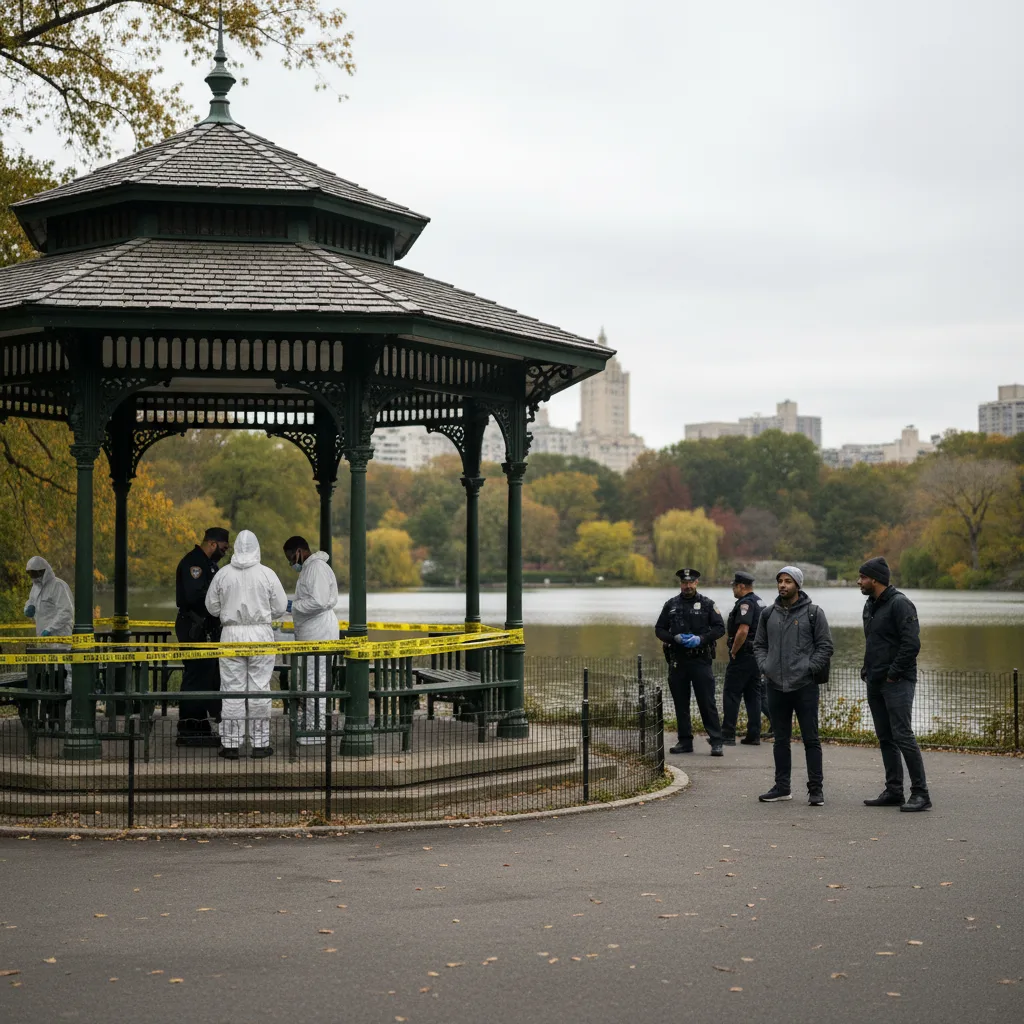
Central Park Woman Found Dead Near Boathouse Gazebo
A woman was found stabbed to death in a Central Park gazebo near the Boathouse on Sunday, prompting an active NYPD homicide investigation.
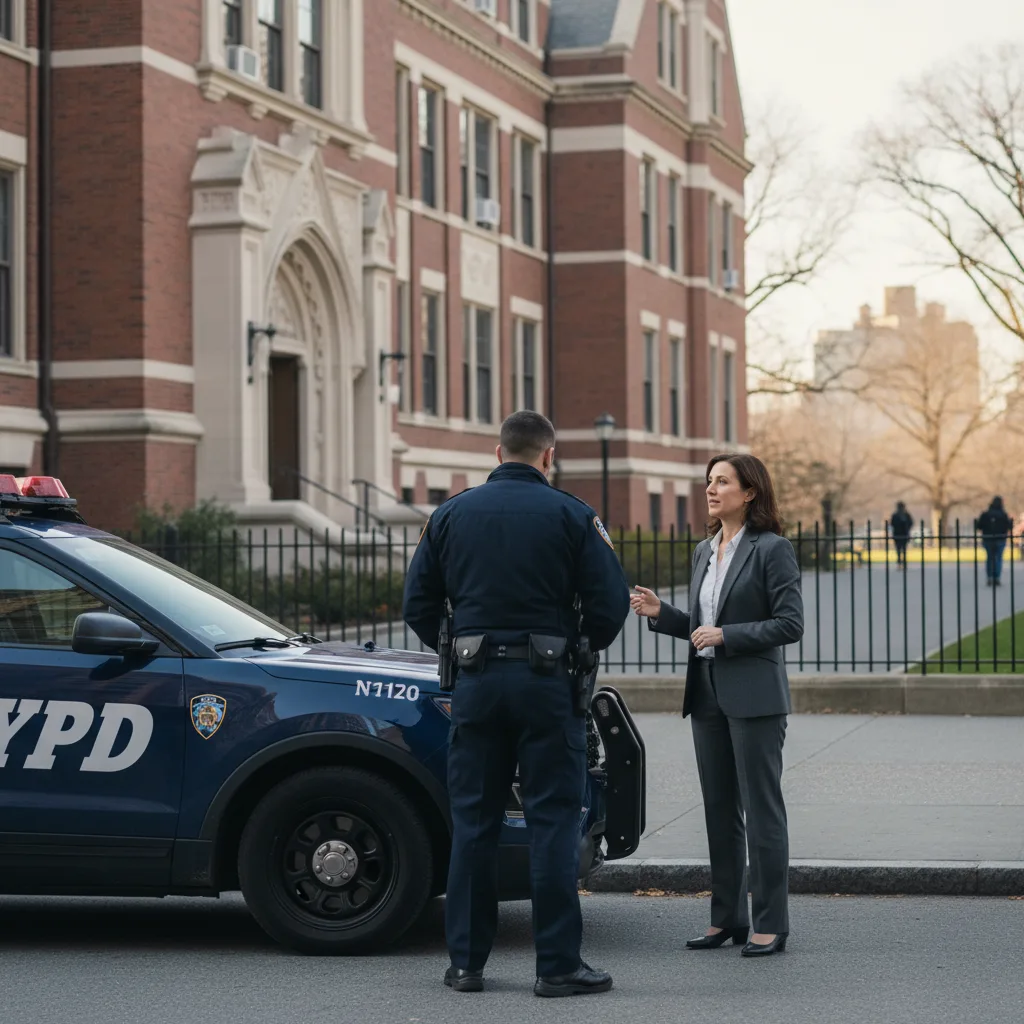
Queens Student Arrested for Bringing Gun to High School
A Queens student was arrested for bringing a gun to high school, prompting immediate law enforcement action and raising school safety concerns.
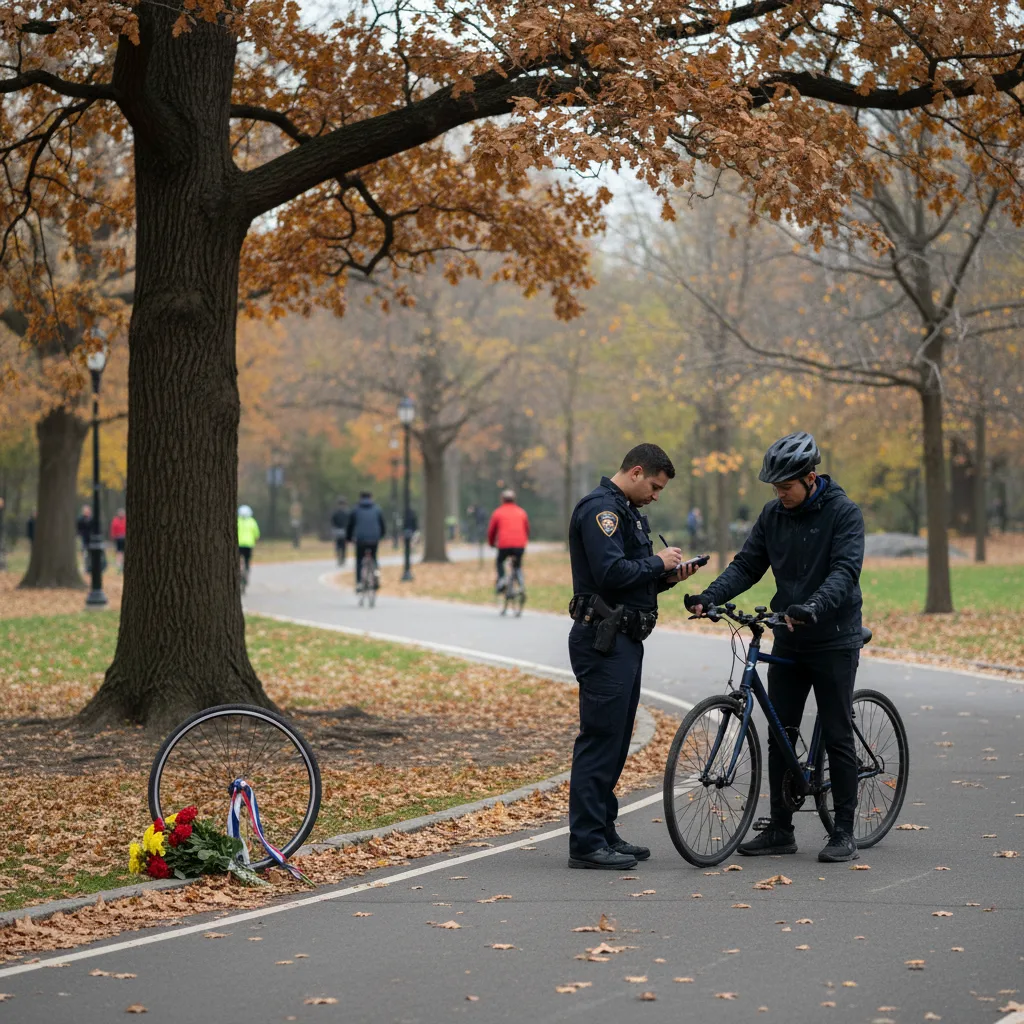
NYC Cyclist Death Prompts NYPD Ticketing Near Fatal Crash Site
NYPD stepped up cyclist ticketing near a recent fatal crash site in Central Park after a cyclist died Monday morning. Local groups demand safety reforms.
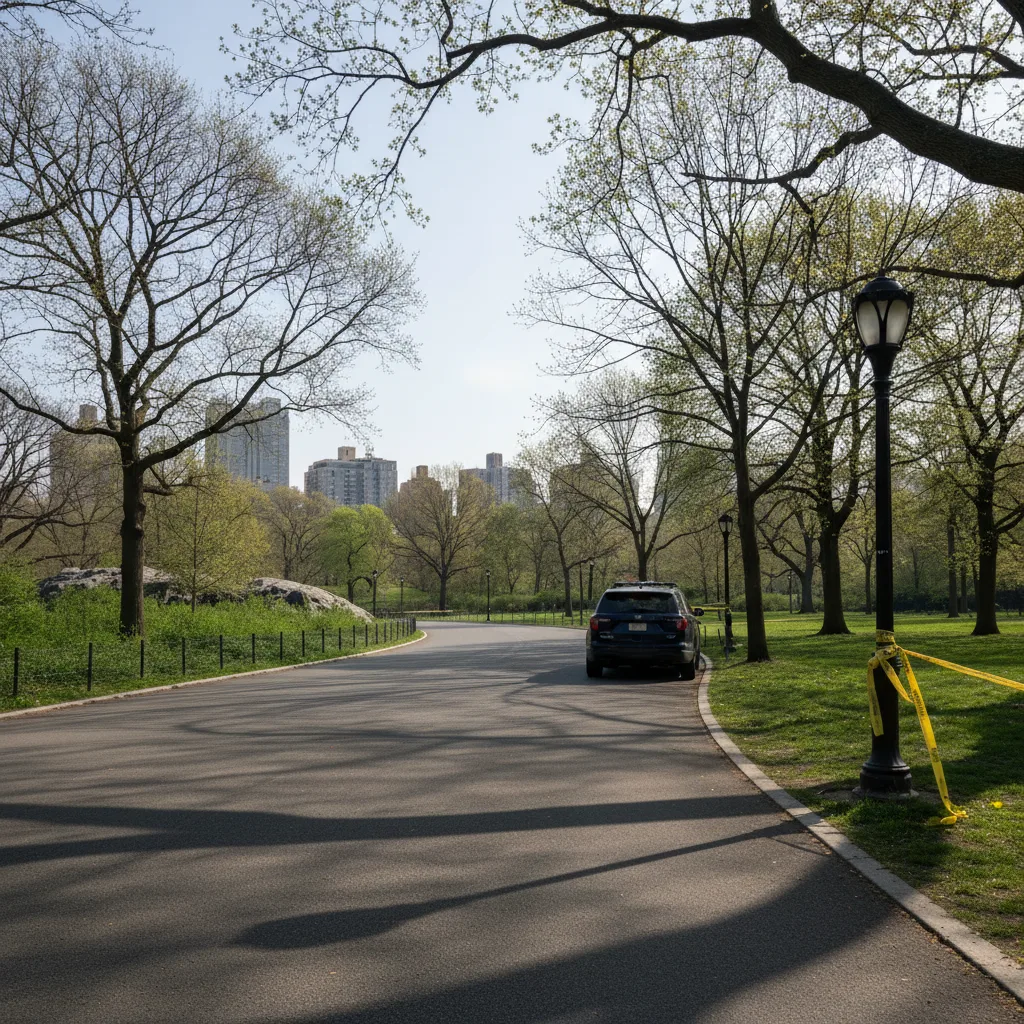
NYPD Confirms 71-Year-Old Cyclist Dies After Dog Collision in Central Park
NYPD confirms a 71-year-old cyclist died after colliding with a dog on Central Park's East Drive, near East 84th Street. The investigation is ongoing.
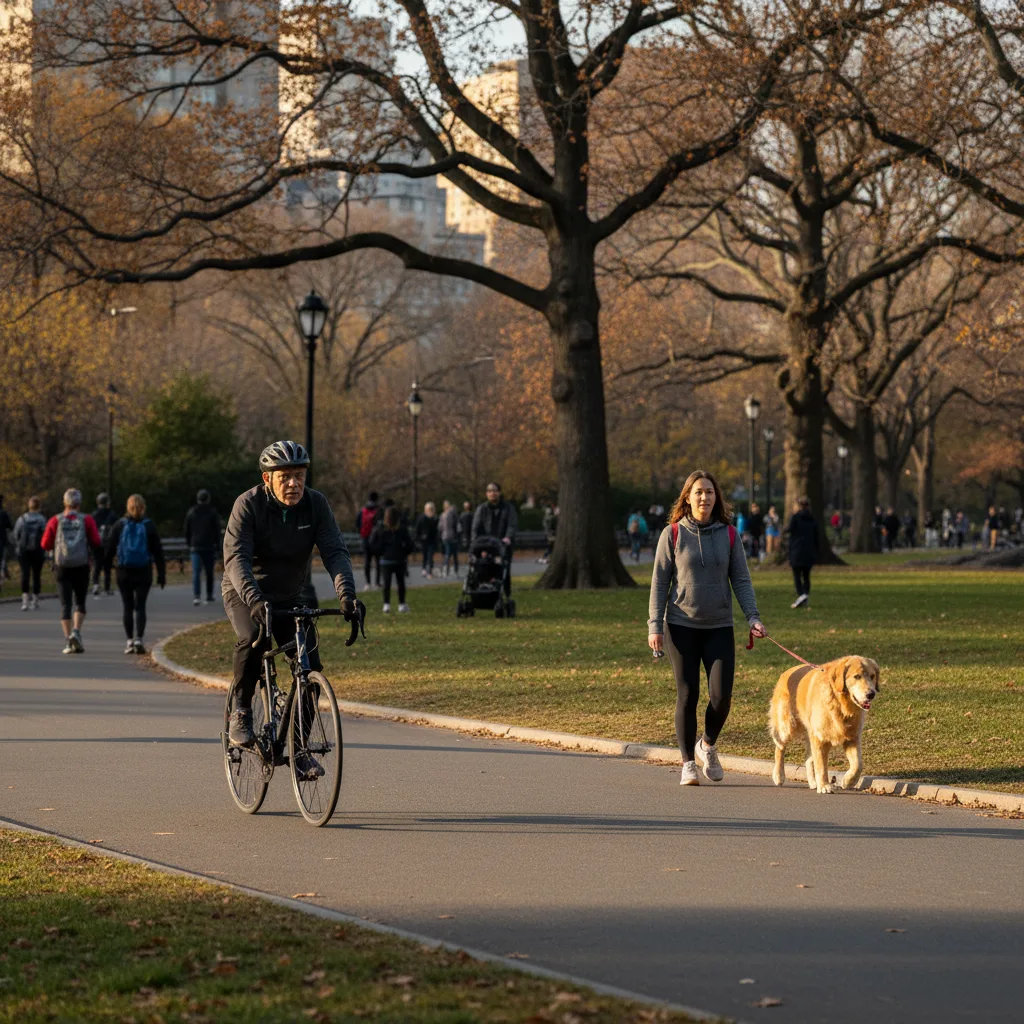
NYPD Investigates Central Park Cyclist Death After Dog Collision
NYPD confirms a 71-year-old cyclist died after colliding with a dog on Central Park's East Drive, near 84th Street. Investigation ongoing.
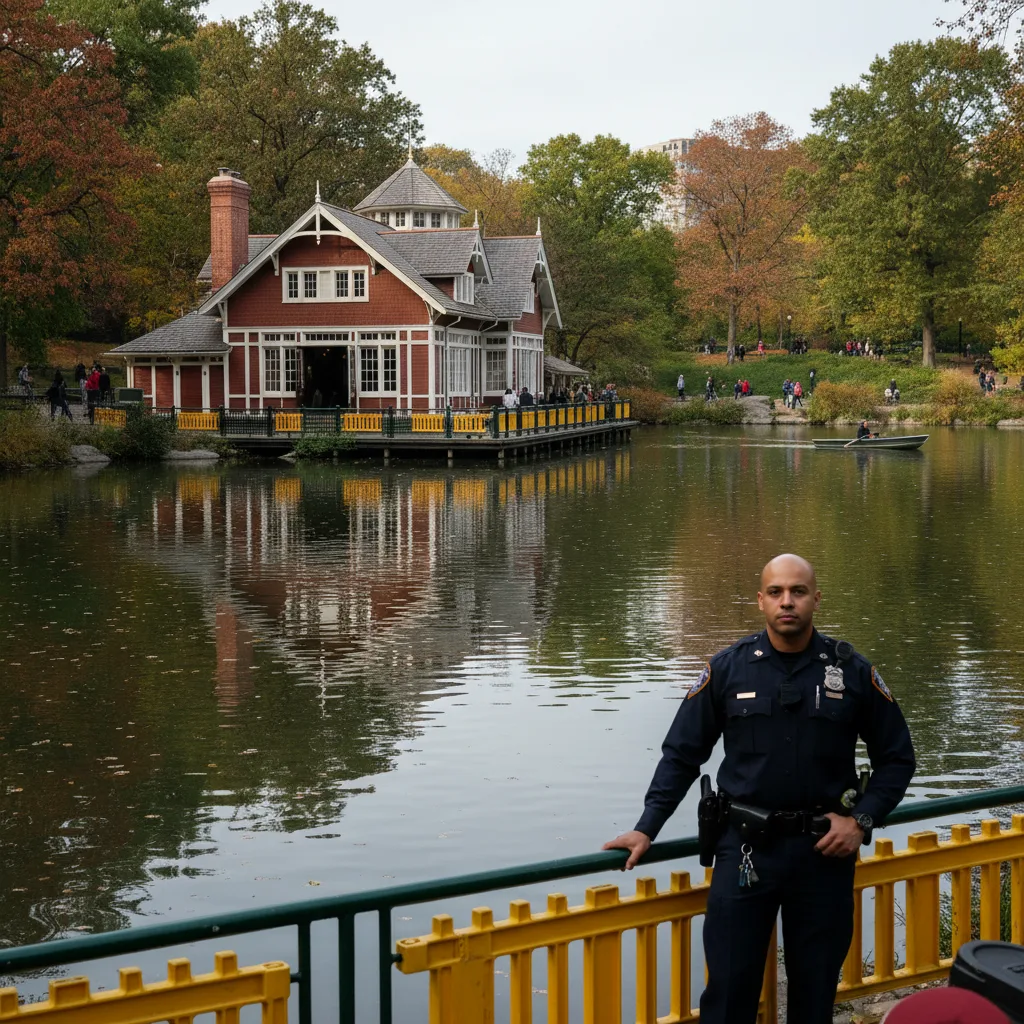
Man Charged in Central Park Beating Death of 63-Year-Old Woman
A 36-year-old man was charged with murder after a 63-year-old woman was found dead with head trauma in Central Park, NYPD confirmed.