


Central Park: Teenager Hospitalized After Sudden Lightning Strike

NEW YORK — A 17-year-old was transported to Mount Sinai Hospital in critical but stable condition on Wednesday afternoon after being struck by lightning in Central Park. The unexpected incident occurred during a sudden, isolated thunderstorm that moved through Manhattan at approximately 3:15 p.m., catching many park-goers off guard.
The teenager, whose identity has not been released, was reportedly near the North Woods section of the park when the lightning bolt hit. Emergency medical services responded within minutes to reports of a person down near the rustic structures of the Huddlestone Arch.
Unforeseen Weather Event Shakes Park Visitors
The National Weather Service had issued a severe thunderstorm watch for the New York City area earlier in the day, but the rapid development of the isolated cell was swift. Park visitors described a sudden downpour and a bright flash followed by a deafening crack that reverberated through the trees.
Eyewitnesses reported seeing the individual fall immediately after the strike. Park rangers, who were already advising visitors to seek shelter, were among the first responders on the scene. They quickly initiated first aid measures before paramedics arrived.
Official Response and Ongoing Investigation
NYC Parks Commissioner Sue Van Der Zee addressed the media following the incident, expressing concern for the young man's well-being. "Our thoughts are with the teenager and their family during this difficult time," Commissioner Van Der Zee stated, confirming that park staff are fully cooperating with emergency services.
She urged all park users to remain vigilant and heed weather advisories, particularly during unpredictable summer months. "Central Park offers solace and recreation, but visitors must always prioritize safety, especially when weather conditions can change so rapidly." The New York City Fire Department (FDNY) confirmed the patient's transfer to Mount Sinai Hospital's emergency department.
Park Safety Protocols and Public Awareness
Central Park, with its vast open spaces and numerous trees, is susceptible to lightning strikes during electrical storms. NYC Parks Department maintains an active alert system, utilizing electronic signage and social media to disseminate real-time weather warnings to visitors within the 843-acre expanse of the park.
However, the sheer size of the park makes immediate evacuation challenging for everyone. Park officials consistently advise individuals to seek immediate shelter in permanent structures, such as the Central Park Dairy or the nearby Metropolitan Museum of Art, if thunder is heard or lightning is seen. Boathouses and underpasses offer some protection, but solid buildings are safest.
Long-Term Impact on Park Safety Discussions
The incident has reignited discussions among local officials and park advocacy groups regarding advanced warning systems and shelter accessibility. While the park is equipped with some lightning protection, the unpredictable nature of such events highlights ongoing challenges in ensuring comprehensive safety.
"We continuously review and update our safety protocols for all park activities and conditions," confirmed Deputy Park Administrator Robert Chen, speaking from the Arsenal Building on Fifth Avenue. He noted that public education campaigns about storm safety are routinely conducted, especially as temperatures rise through the summer of [upcoming-year]. More information on how the city is working to keep green spaces safe can be found in discussions on central park safety initiatives 2026.
Medical Perspective on Lightning Injuries
Dr. Elena Petrova, Head of Emergency Medicine at Mount Sinai Hospital, cautioned the public about the severe risks associated with lightning strikes. "Lightning can cause a range of injuries, from cardiac arrest and neurological damage to severe burns," Dr. Petrova told reporters outside the hospital.
She emphasized the importance of immediate medical attention for anyone struck by lightning, even if they appear stable. "The effects can be delayed, so professional evaluation is always necessary." Early bystander CPR can be critical in improving outcomes for lightning strike victims.
Frequently Asked Questions About Lightning Safety in Central Park
What should I do if I'm in Central Park and a thunderstorm approaches? If you hear thunder or see lightning, immediately seek shelter in a substantial building. Avoid open fields, tall trees, and water bodies. If no building is available, crouch low to the ground, minimizing contact with the surface.
Are there designated lightning shelters in Central Park? While there are no specific 'lightning shelters' per se, permanent structures like the Arsenal, the Dairy, and museum buildings offer safe refuge. Avoid picnic shelters, small sheds, and isolated trees which offer little to no protection.
How does NYC Parks alert visitors to severe weather? NYC Parks utilizes social media channels, its official website, and electronic signage at park entrances to disseminate severe weather warnings. Visitors are encouraged to check forecasts before visiting and remain aware of changing conditions.
What are the chances of being struck by lightning in Central Park? While the overall odds of being struck by lightning are low, being outdoors during a thunderstorm significantly increases the risk. Open spaces like Central Park, with many tall trees, are inherently more dangerous during electrical activity.
What are the common injuries from lightning strikes? Lightning can cause heart rhythm disturbances, neurological damage including memory loss and seizures, severe burns, and eye damage. The impact can vary widely depending on the nature of the strike.
Related Articles
More in Safety & Crime →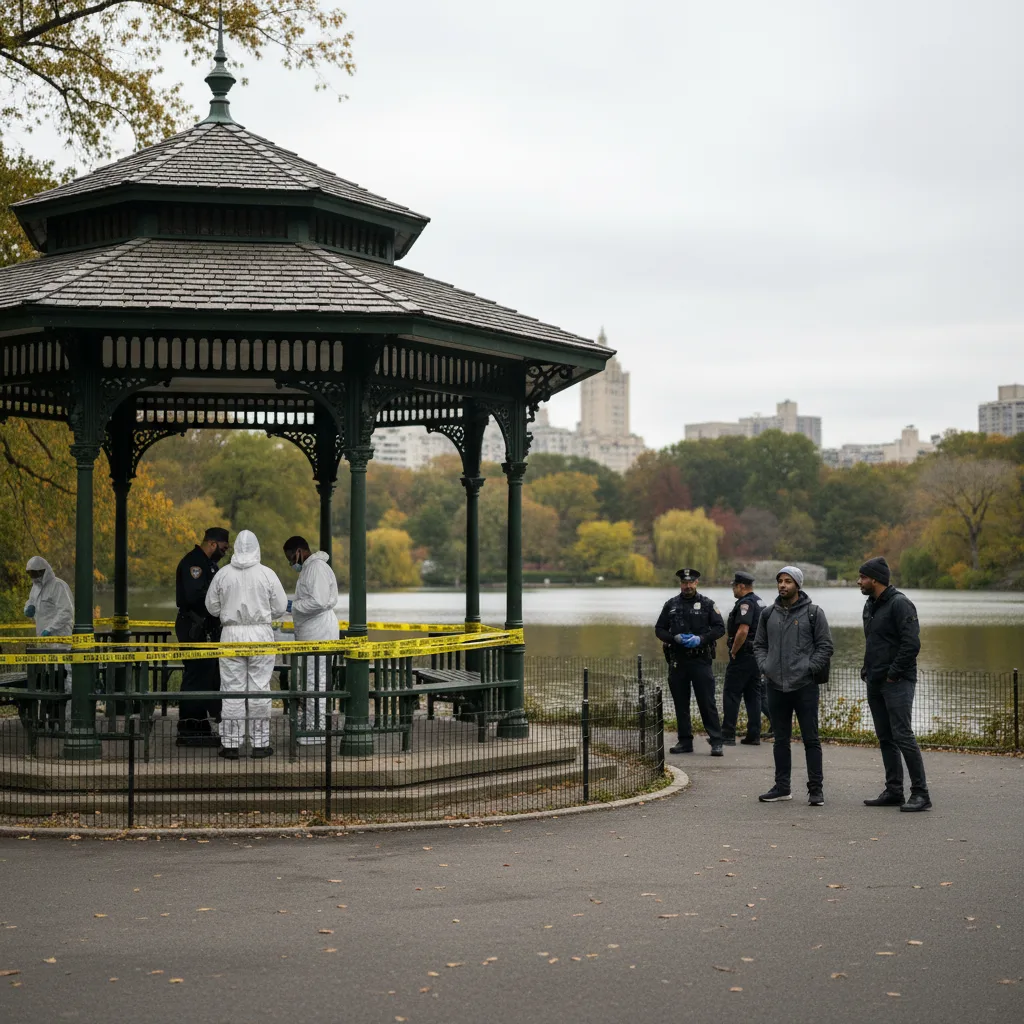
Central Park Woman Found Dead Near Boathouse Gazebo
A woman was found stabbed to death in a Central Park gazebo near the Boathouse on Sunday, prompting an active NYPD homicide investigation.
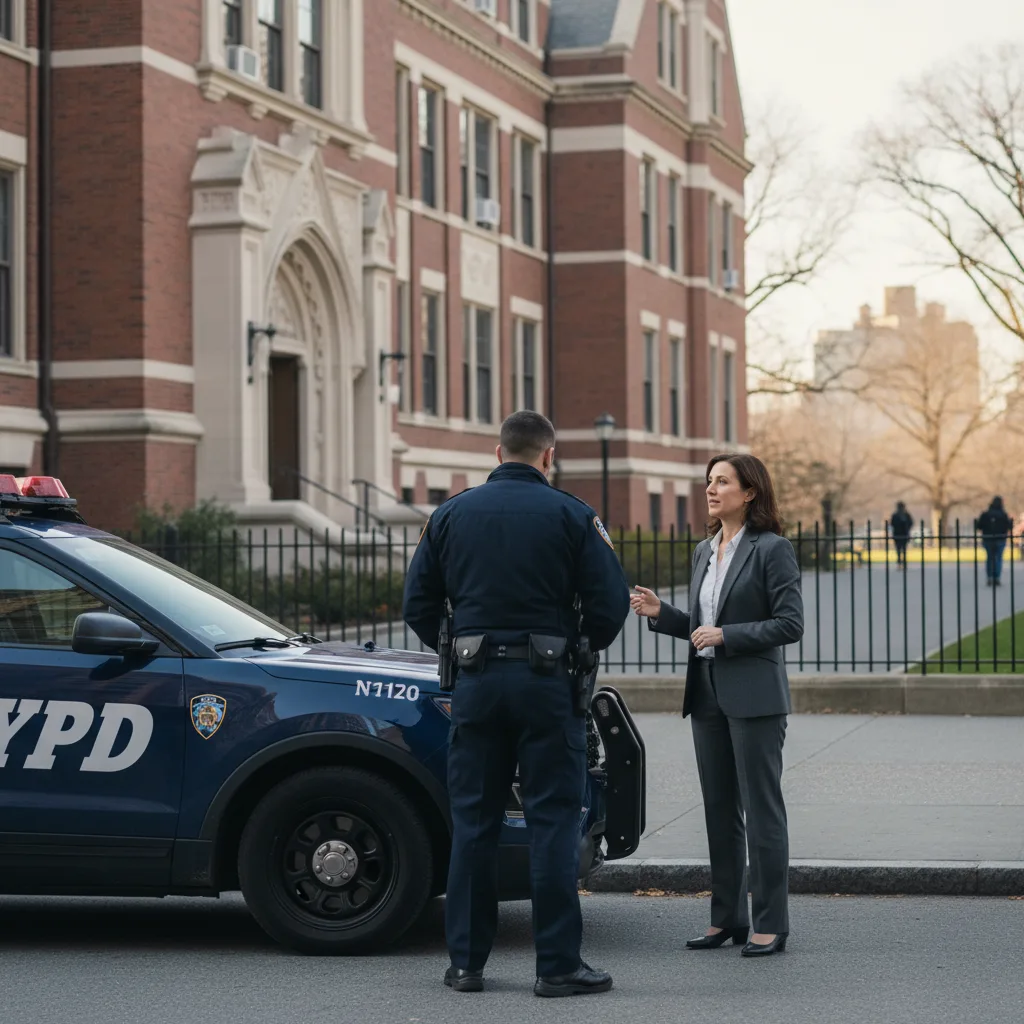
Queens Student Arrested for Bringing Gun to High School
A Queens student was arrested for bringing a gun to high school, prompting immediate law enforcement action and raising school safety concerns.
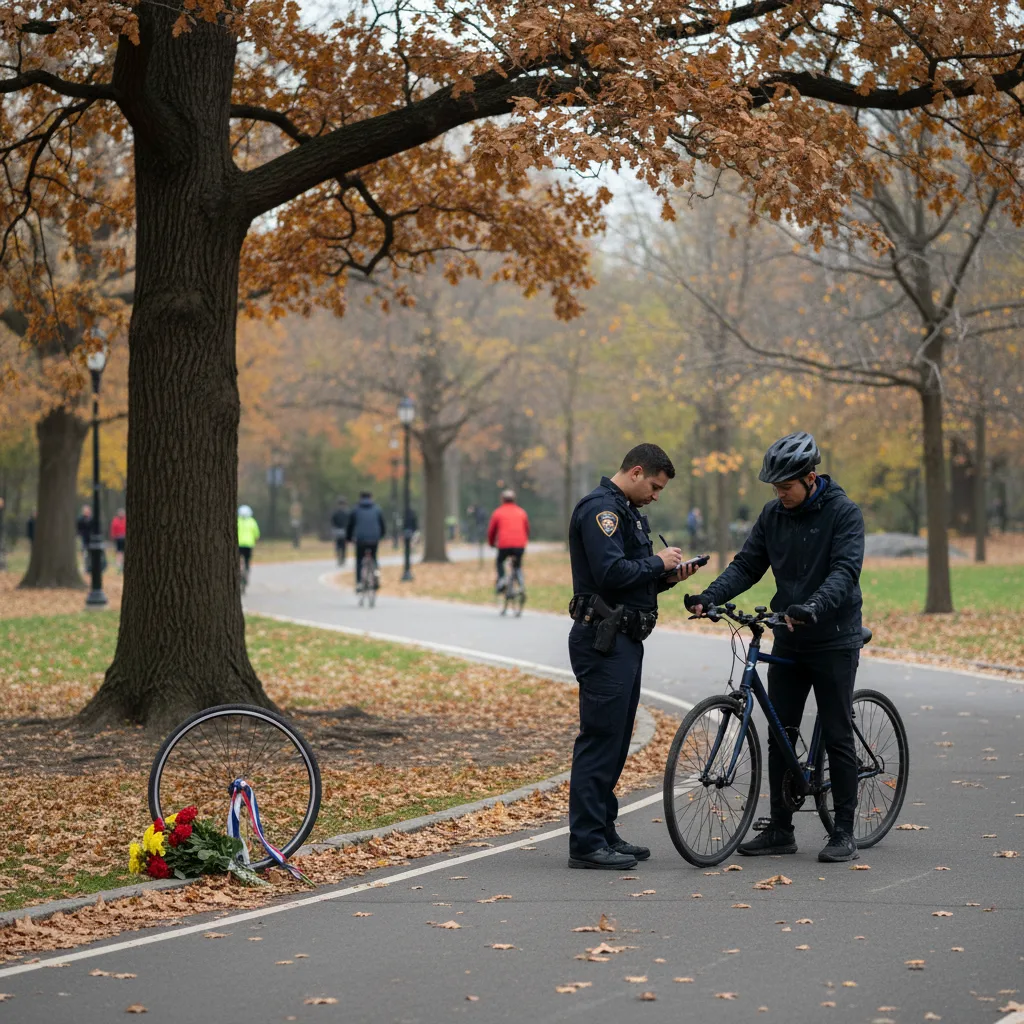
NYC Cyclist Death Prompts NYPD Ticketing Near Fatal Crash Site
NYPD stepped up cyclist ticketing near a recent fatal crash site in Central Park after a cyclist died Monday morning. Local groups demand safety reforms.
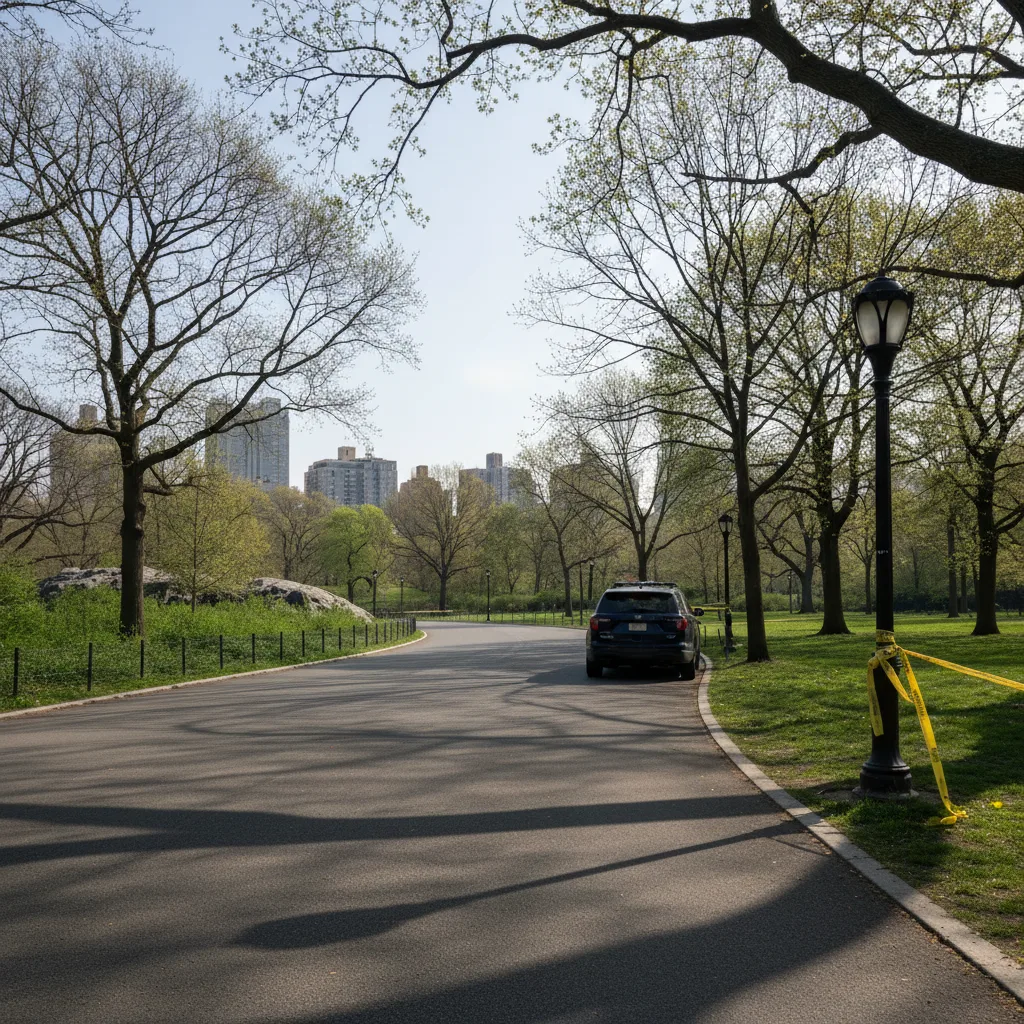
NYPD Confirms 71-Year-Old Cyclist Dies After Dog Collision in Central Park
NYPD confirms a 71-year-old cyclist died after colliding with a dog on Central Park's East Drive, near East 84th Street. The investigation is ongoing.
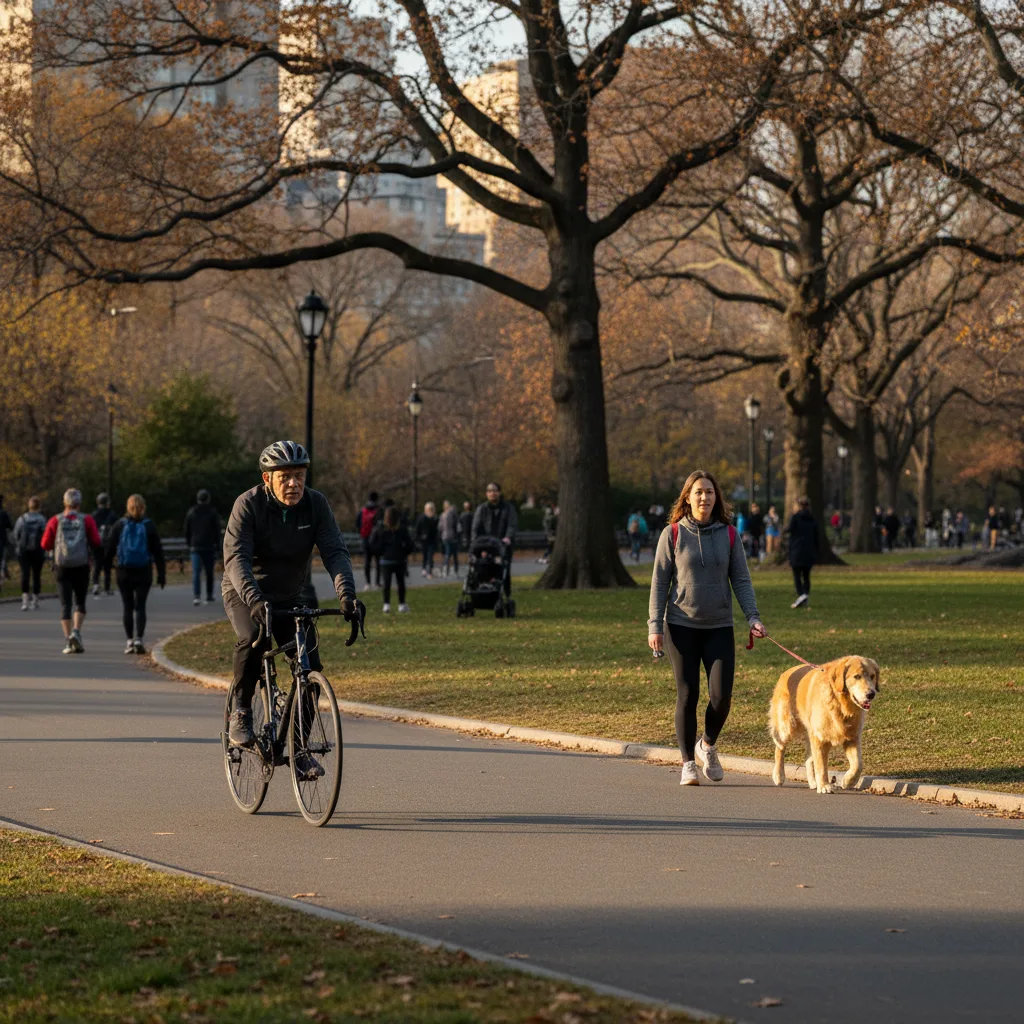
NYPD Investigates Central Park Cyclist Death After Dog Collision
NYPD confirms a 71-year-old cyclist died after colliding with a dog on Central Park's East Drive, near 84th Street. Investigation ongoing.
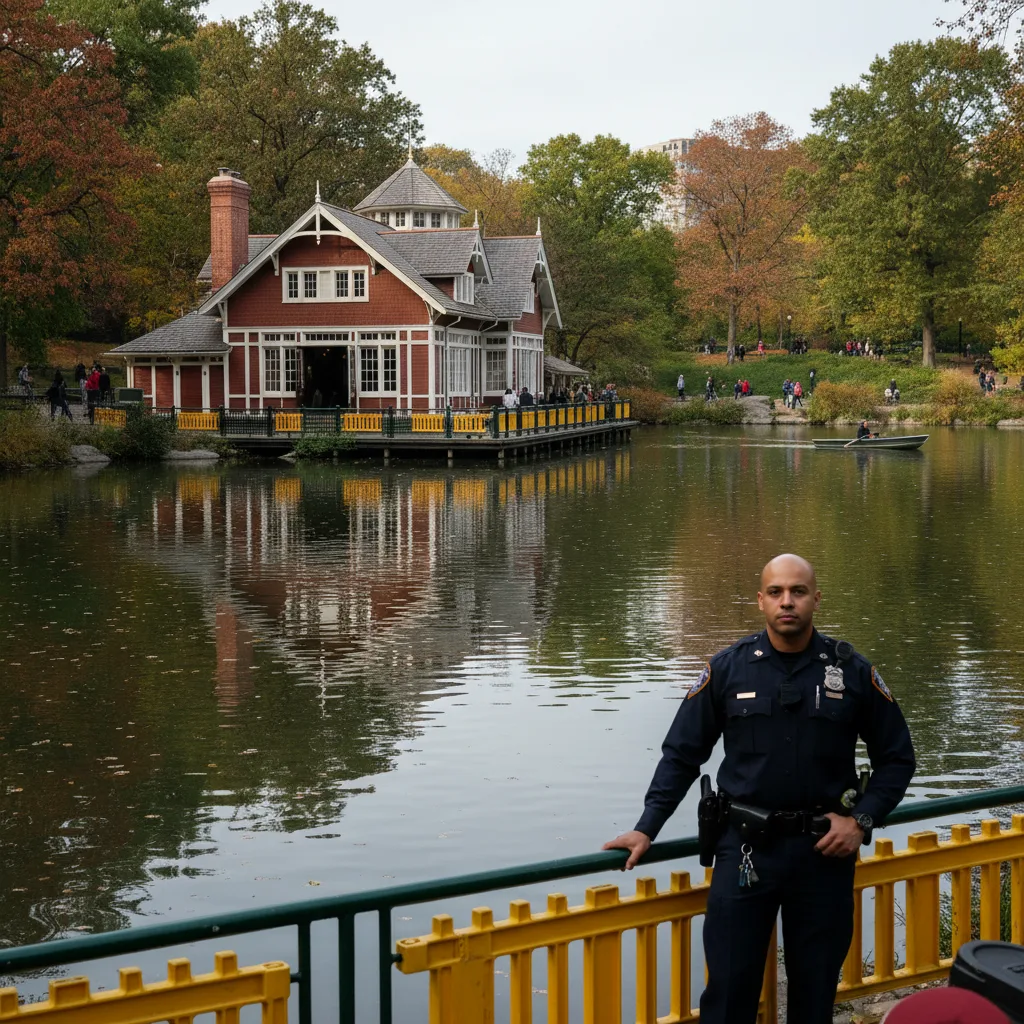
Man Charged in Central Park Beating Death of 63-Year-Old Woman
A 36-year-old man was charged with murder after a 63-year-old woman was found dead with head trauma in Central Park, NYPD confirmed.