


Central Park Vicinity Sees Thousands at "No Kings" Protest

NEW YORK — Thousands of demonstrators converged near Central Park on Saturday, March 28, 2026, for a significant "No Kings" protest. The rally drew participants from across the Tri-State Area, expressing a unified message of dissent against perceived systemic injustices.
According to CBS News, the event, one of several planned for the day, marked a substantial public assembly in the heart of Manhattan. Organizers emphasized the peaceful nature of the demonstration, focusing on a broad range of social and political concerns that resonate with a diverse coalition of activists.
Gathering Near Iconic Landmarks
The protest commenced with groups assembling in areas immediately adjacent to Central Park, particularly around Columbus Circle and the lower reaches of Fifth Avenue. This strategic choice of location leveraged the park's iconic status, ensuring high visibility for the demonstrators and their message.
Participants then embarked on a planned march route that skirted the park's perimeter, utilizing major thoroughfares to maximize public exposure. The sound of chants and the sight of homemade signs filled the urban landscape, capturing the attention of both local residents and tourists.
Participant Demographics and Messaging
The crowd comprised a wide demographic, including students, labor union members, environmental activists, and civil rights advocates. Many carried banners and placards articulating diverse grievances, from economic inequality to calls for government accountability.
One organizer, speaking anonymously, stated, "This isn't about one issue; it's about a fundamental demand for a more equitable and just society." The collective messaging aimed to underscore widespread discontent, transcending single-issue politics in favor of a broader reform agenda.
Law Enforcement Presence and Traffic Management
New York City Police Department (NYPD) maintained a visible presence throughout the demonstration, with officers deployed to manage crowds and ensure public safety. Street closures were implemented along the march route, impacting traffic flow in Midtown and Upper Manhattan.
"Our priority is the safety of both demonstrators and the general public," an NYPD spokesperson confirmed, adding that efforts were made to facilitate the protest while minimizing disruption. The police department reported no significant incidents of violence or widespread arrests associated with the main march.
Local Business and Commuter Impact
Local businesses in areas surrounding Central Park experienced varied impacts due to the protest. Some establishments reported a downturn in foot traffic due to street closures, while others noted an increase as demonstrators and spectators frequented their venues.
Commuters faced delays on public transportation routes and diverted bus services, particularly those traveling through the central corridors of Manhattan. Residents were advised to check real-time traffic updates and plan alternative routes where possible.
Historical Context of Public Demonstrations
Central Park and its environs have historically served as a significant stage for public assembly and protest in New York City. From anti-war rallies to civil rights movements, the area has long been a focal point for civic engagement.
This tradition reflects the park's role not just as a recreational space but also as a democratic commons, where freedom of speech and assembly can be exercised. The "No Kings" protest continues this legacy, using the urban landscape to amplify its message to a wider audience.
Future Protests and Ongoing Activism
Organizers indicated that Saturday's protest was part of a larger, ongoing movement, with plans for future demonstrations across the city and potentially nationwide. The momentum from the Central Park event is intended to fuel sustained advocacy and public engagement.
Further details on upcoming events and opportunities for participation are expected to be announced through various activist networks and social media platforms. The commitment to continued action suggests that the "No Kings" movement intends to remain a prominent voice in the public discourse.
Frequently Asked Questions About the "No Kings" Protest
The "No Kings" protest on March 28, 2026, was a large-scale demonstration near Central Park in New York City, drawing thousands of participants from the Tri-State Area. The protest focused on broad themes of social justice, economic equality, and governmental accountability, rather than a single specific issue. Law enforcement maintained a presence to ensure safety and manage traffic, with reported minimal incidents. Local impact included temporary traffic disruptions and varied effects on businesses, while organizers signaled plans for future similar events as part of their ongoing advocacy. For more details on the event, you can refer to reports detailing demonstrators from across the Tri-State Area.
Related Articles
More in Urban Policy & Development →
NYC Mayor Mamdani Booed at Union Square October 7 Vigil
Mayor Mamdani faced boos and protests at a Union Square vigil Thursday marking the Oct. 7 attacks, highlighting deep community divisions in NYC.
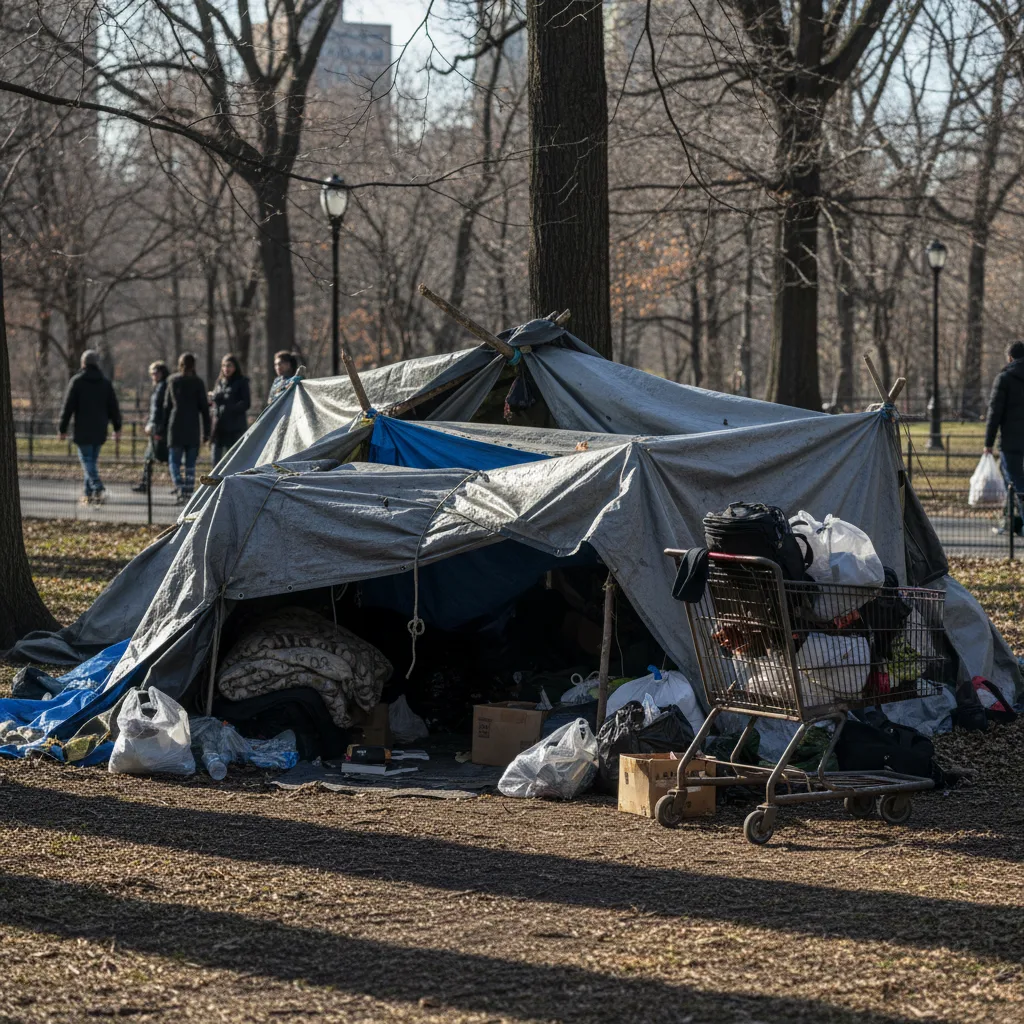
NYC Homeless Encampments Spotted Across Manhattan, Raising Concerns
Multiple homeless encampments have been spotted across Manhattan, raising significant concerns about urban policy and public safety. City officials are under pressure to address the growing homelessness crisis.
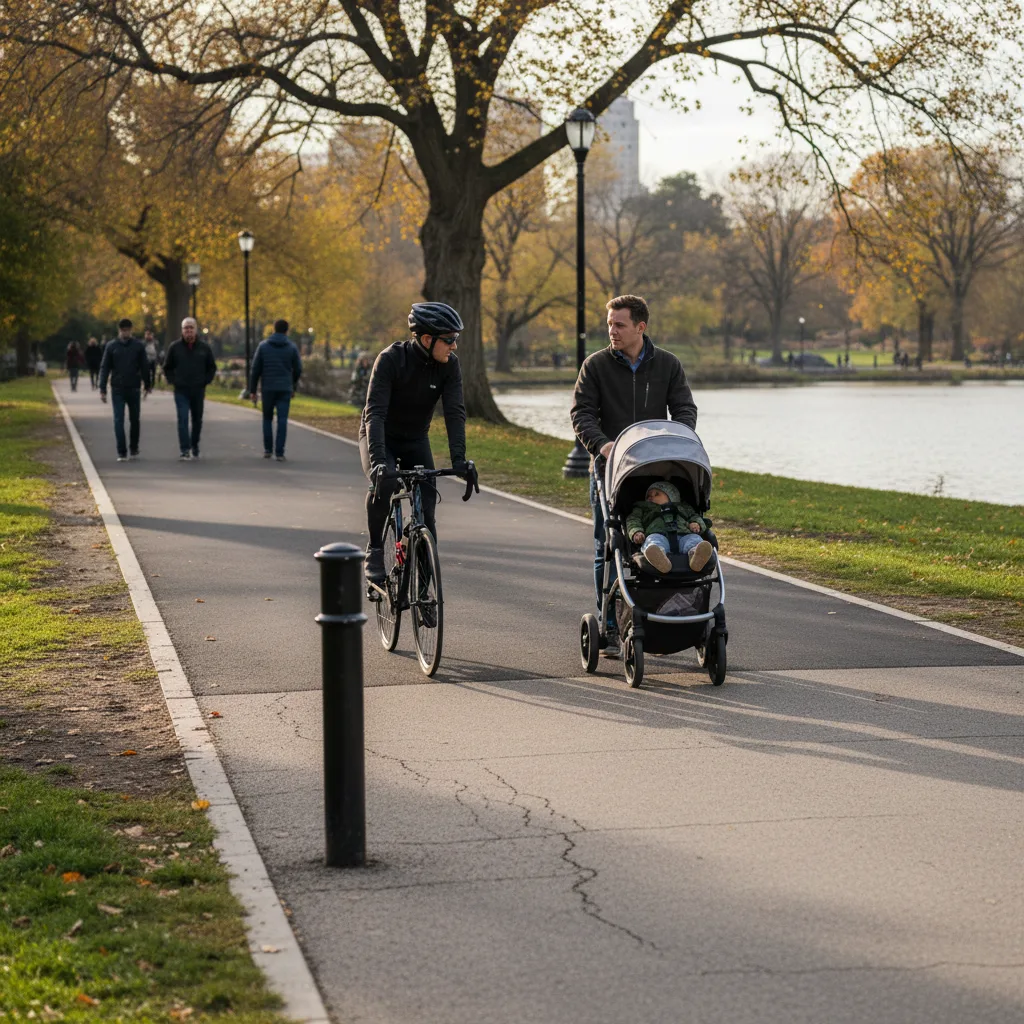
Safety Advocate Blames Park Redesign for Rising Central Park Cyclist Crashes
Safety advocates blame recent Central Park redesigns for a pedestrian's death and rising cyclist crashes, calling for urgent review of infrastructure.
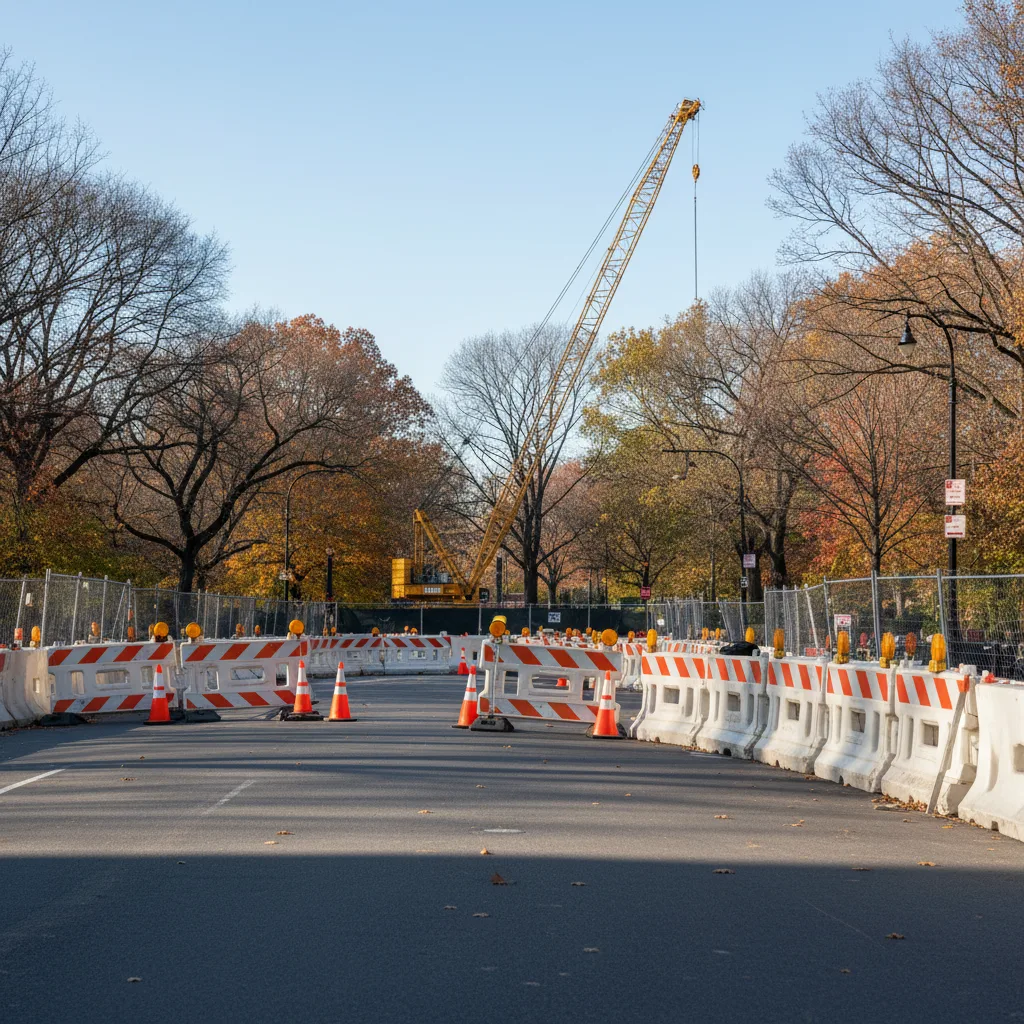
NYC DOT Advises Central Park Area Traffic Disruptions September 27
NYC DOT issued advisories for major traffic disruptions near Central Park on September 27, 2026, due to a parade and crane operations. Expect delays.
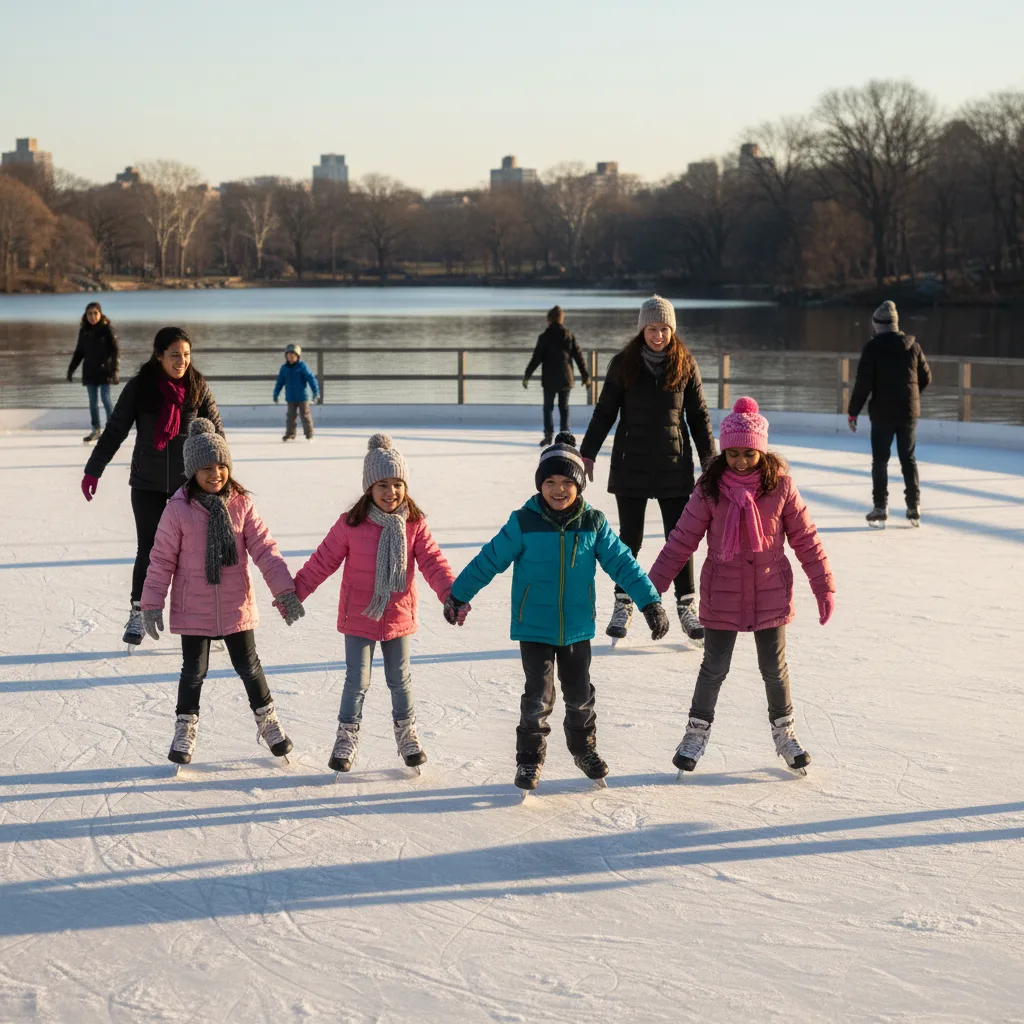
Davis Center at Harlem Meer Unveils State-of-the-Art Facilities
The new Davis Center at the Harlem Meer in Central Park's north end now features a state-of-the-art pool, ice rink, and multi-use turf field, enhancing community recreational options.

NYC City Record Confirms September 21, 2026, Publication Schedule
The NYC City Record confirmed its September 21, 2026, publication schedule, detailing administrative notices, procurement, and public hearings. This ensures transparency for municipal operations and public access to vital city information.