


Central Park Visitor Numbers Surge Amid Enhanced Security Efforts

NEW YORK — Central Park reported an estimated 4% increase in visitor numbers during 2025, reaching nearly 44 million annual visits, coinciding with significant investments in park security and community engagement initiatives. This surge reflects a broader trend of New Yorkers and tourists alike flocking to the city’s green spaces, according to preliminary data released by the Central Park Conservancy.
The Conservancy attributes part of this growth to enhanced public safety measures, including increased NYPD presence and improved lighting in key areas, making the park feel more welcoming. While the overall crime rate within the park remains historically low, a focus on visible deterrents and rapid response has instilled greater confidence among visitors. This data points to the effectiveness of a multi-agency approach to park management.
Strategic Safety Enhancements Yield Results
In early 2025, the NYPD’s Central Park Precinct deployed an additional 25 officers dedicated solely to park patrols, particularly during evening hours and at high-traffic entry points like Columbus Circle and Grand Army Plaza. This strategic allocation of resources was a direct response to public feedback and a proactive measure to ensure visitor comfort. The visible presence of officers on foot, bike, and horseback has been noted by regular park users.
Captain Evelyn Hayes, commanding officer of the Central Park Precinct, highlighted the success of these efforts during a recent community board meeting. “Our data indicates a 12% decrease in minor property crimes, such as petty theft and pickpocketing, within the park year-over-year from 2024 to 2025,” Captain Hayes stated. “This doesn't happen by accident; it’s a result of dedicated officers and strong community partnerships.”
Beyond personnel, the Central Park Conservancy invested $1.5 million in upgrading security infrastructure, including 30 new high-resolution surveillance cameras and improved emergency call boxes along major pathways. These technological enhancements complement traditional policing, providing crucial support in monitoring large gatherings and responding to incidents effectively.
Balancing Openness with Security in an Iconic Oasis
Central Park, an 843-acre urban oasis, faces the unique challenge of remaining accessible and welcoming while ensuring the safety of millions. The Conservancy and city agencies strive for a balance that preserves the park’s natural beauty and recreational opportunities without creating an overly policed environment. This nuanced approach is vital for maintaining public trust and encouraging continued use of the park.
“People come to Central Park to escape the city’s hustle and bustle, to connect with nature, or to enjoy cultural events,” commented Jonathan Davis, a long-time Central Park advocate. “The key is to make them feel safe doing so, without making them feel like they’re entering a fortress.” His sentiments reflect a widely held view among park regulars, many of whom traverse the park daily for commuting or exercise.
The park also hosts numerous large-scale events, from free summer concerts on the Great Lawn to marathon finishes, each requiring extensive security planning. The successful execution of these events, often attracting hundreds of thousands, demonstrates the robust coordination between the NYPD, the Parks Department, and event organizers. You can track various events and park-related news through comprehensive sources like NewsNow Central Park.
Human Interest Stories and Community Impact
The increased feeling of safety has also contributed to a flourishing of human interest stories, as more individuals and groups feel comfortable utilizing the park for diverse activities. From impromptu dance groups near Bethesda Terrace to quiet art classes in the North Woods, the park continues to be a canvas for New York’s vibrant cultural life. Local news outlets, including FOX 5 New York, often feature these heartwarming narratives.
School groups and educational programs have seen an uptick in participation, with educators reporting fewer logistical concerns regarding student safety during field trips. The park’s commitment to providing diverse offerings, encompassing nature studies, historical tours, and recreational sports, is directly supported by its strong safety framework. This encourages broader public engagement and diverse usage patterns.
Looking Ahead: Sustaining Safety and Engagement
Moving forward into 2026, the Central Park Conservancy plans to build on its successes by launching new community outreach programs. These initiatives aim to foster a stronger sense of shared ownership among park users, encouraging vigilance and reporting of suspicious activities. A pilot program for citizen patrols, involving trained volunteers, is under consideration for the southern end of the park.
Mayor Eric Adams recently lauded the joint efforts of the NYPD and the Conservancy. He emphasized that Central Park's role as a world-class destination depends heavily on its perceived safety. His administration pledged continued support for funding and personnel to maintain these positive trends, ensuring Central Park remains a beacon of urban tranquility and activity.
Frequently Asked Questions About Central Park Safety and Visitation
What are the busiest times for Central Park visitors? Weekends, especially during spring and fall, and weekday lunch hours (12 PM - 2 PM) tend to be the busiest periods. The Great Lawn, Bethesda Terrace, and the area around the Central Park Zoo typically see the highest concentrations of people during peak times.
How does the NYPD monitor such a large area? The NYPD employs a multi-faceted approach, including uniformed patrols on foot, bicycles, and horses, as well as discreet plainclothes officers. They also utilize an extensive network of surveillance cameras and maintain rapid response units stationed strategically throughout the park to cover its 843 acres.
Are there specific safety tips for visitors to Central Park? Visitors are advised to stay on marked paths, particularly after dark, and to be aware of their surroundings. Avoid displaying expensive electronics openly and keep valuables secure. In case of emergency, use the park’s emergency call boxes or dial 911 immediately. Group activities are recommended for evening visits.
Related Articles
More in Park Operations & Maintenance →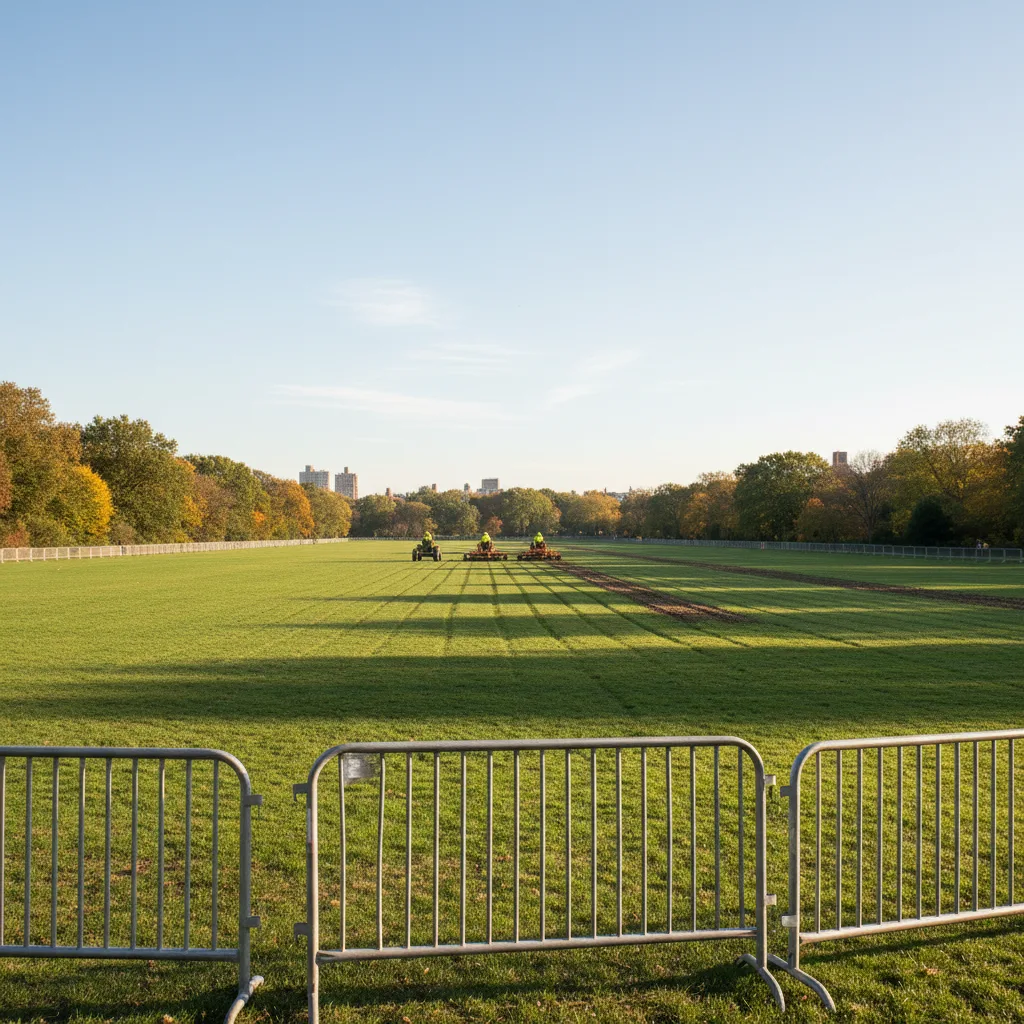
Central Park Conservancy Closes Great Lawn for Scheduled Maintenance
The Central Park Conservancy closed the Great Lawn through October 2, 2026, for scheduled maintenance, impacting weekend activities. Essential upkeep ensures the iconic green space remains vibrant for visitors.
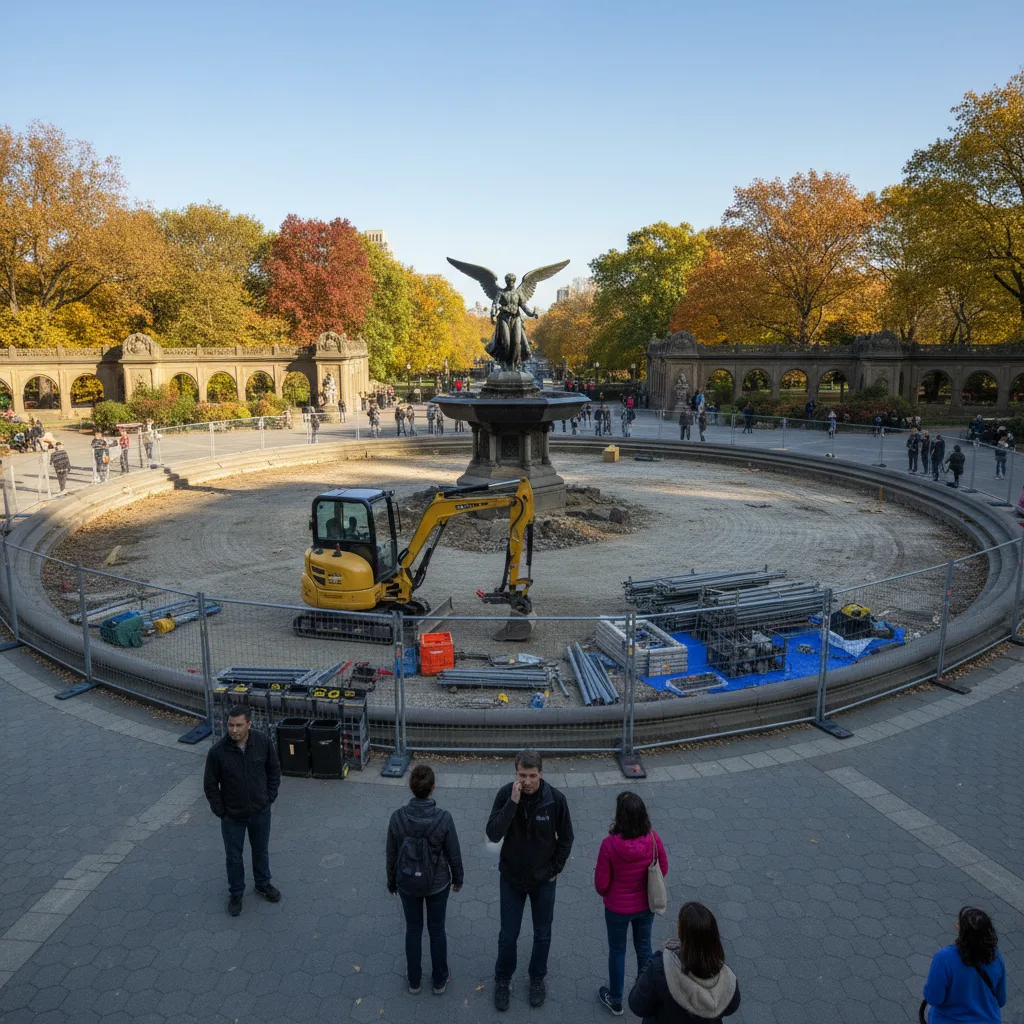
Central Park Conservancy Announces Bethesda Fountain, Great Lawn Closures
Central Park Conservancy announced Bethesda Fountain is off for restoration and the Great Lawn closed through October 2, 2026 for maintenance, affecting visitor access.
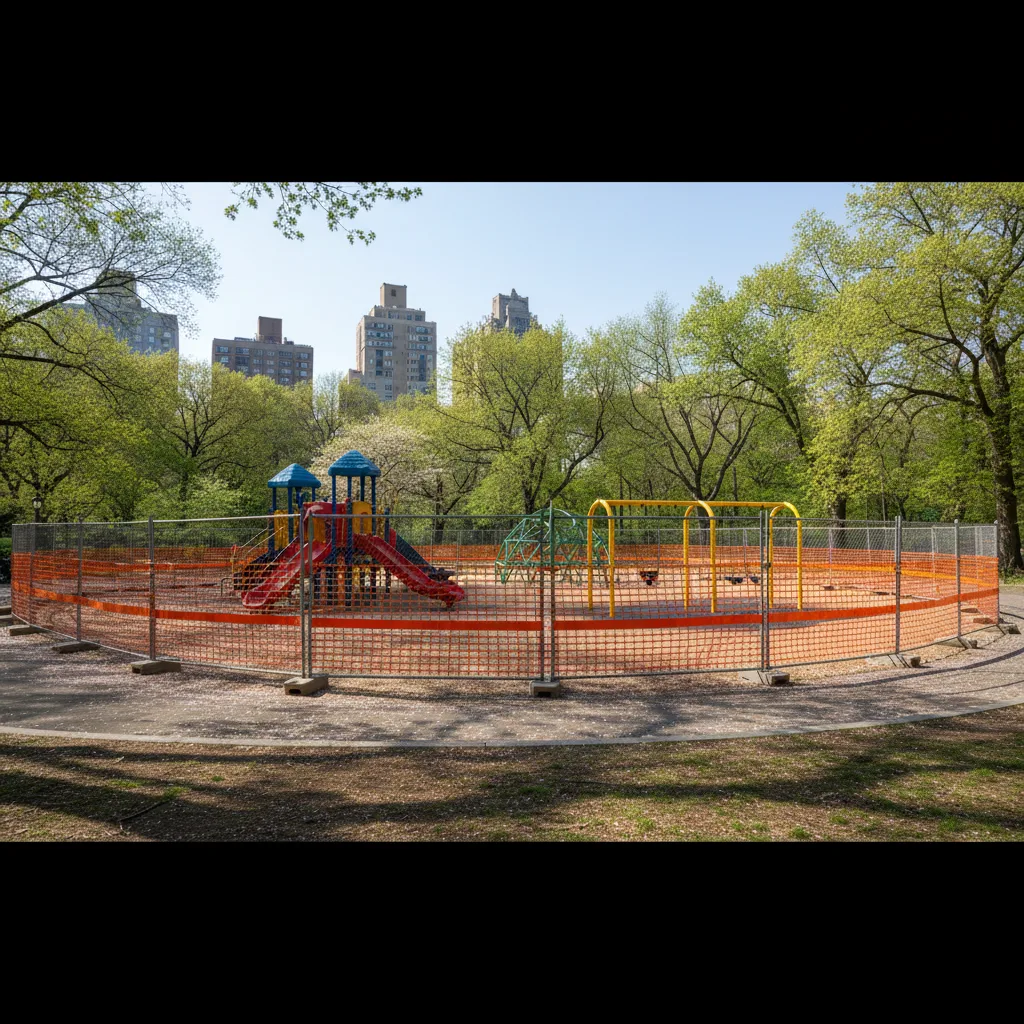
Central Park Conservancy Closes East 110th Street Playground for Restoration
Central Park Conservancy closed the East 110th Street Playground for restoration, while North Meadow and Heckscher ballfields shut due to weather. Plan your visit; check alerts for closures impacting recreation in Central Park.
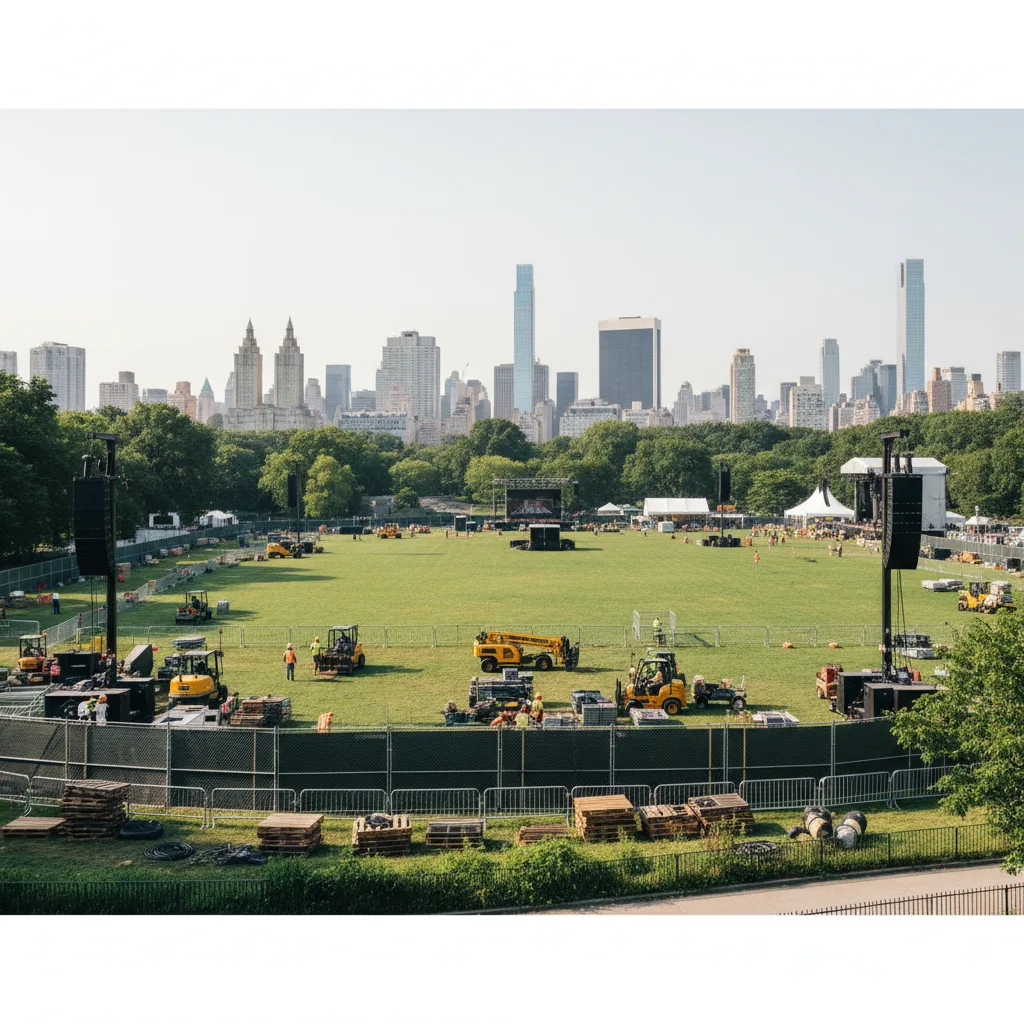
Central Park Conservancy Closes Great Lawn for Global Citizen Festival
Central Park Conservancy confirmed the Great Lawn is closed through September 26, 2026, for the Global Citizen Festival, affecting access to Belvedere Castle and Turtle Pond. Local residents and visitors should plan alternate routes and expect traffic delays around the park's perimeter.
Central Park Conservancy Confirms 2026 Daily Operating Hours
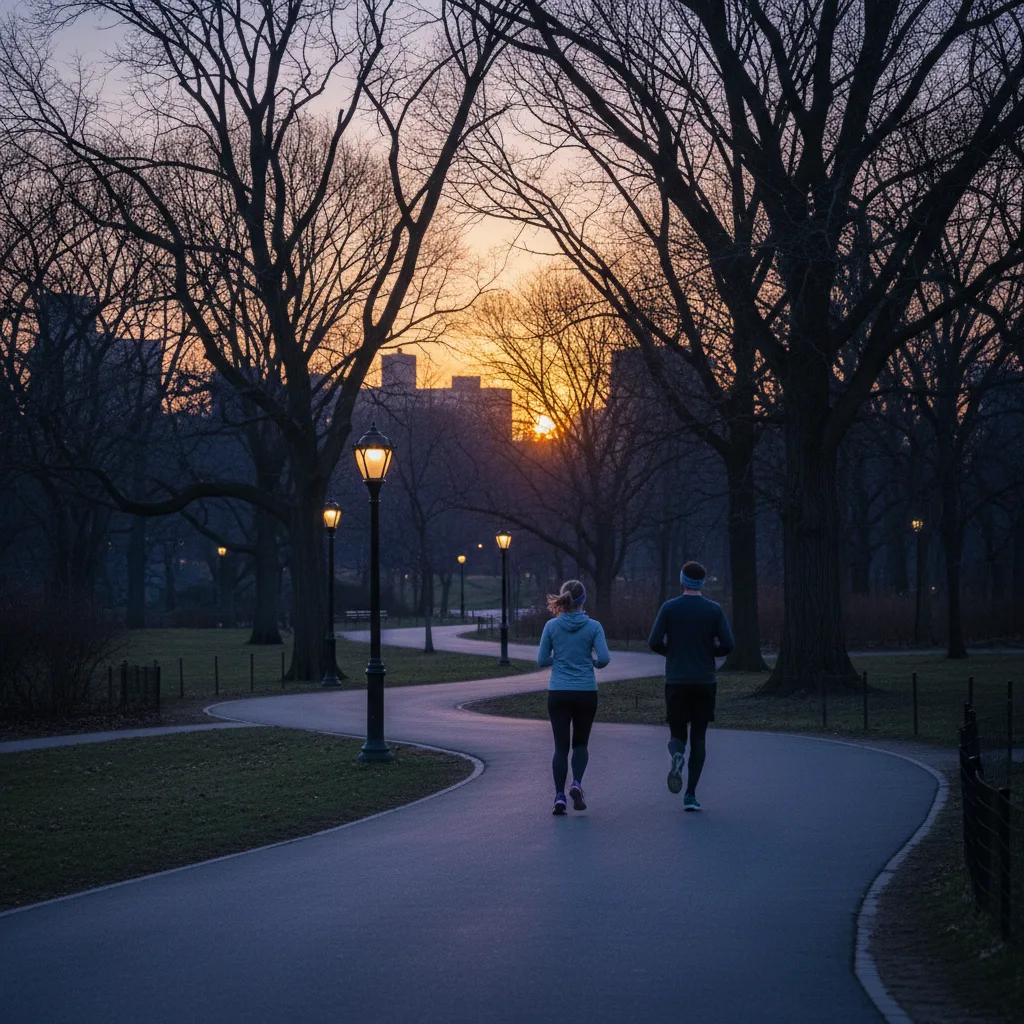
Central Park Conservancy confirms 2026 daily hours: 6:00 a.m. to 1:00 a.m. This notice is for visitor planning, not a change.
Central Park Conservancy Announces Park Hours Update for 2026
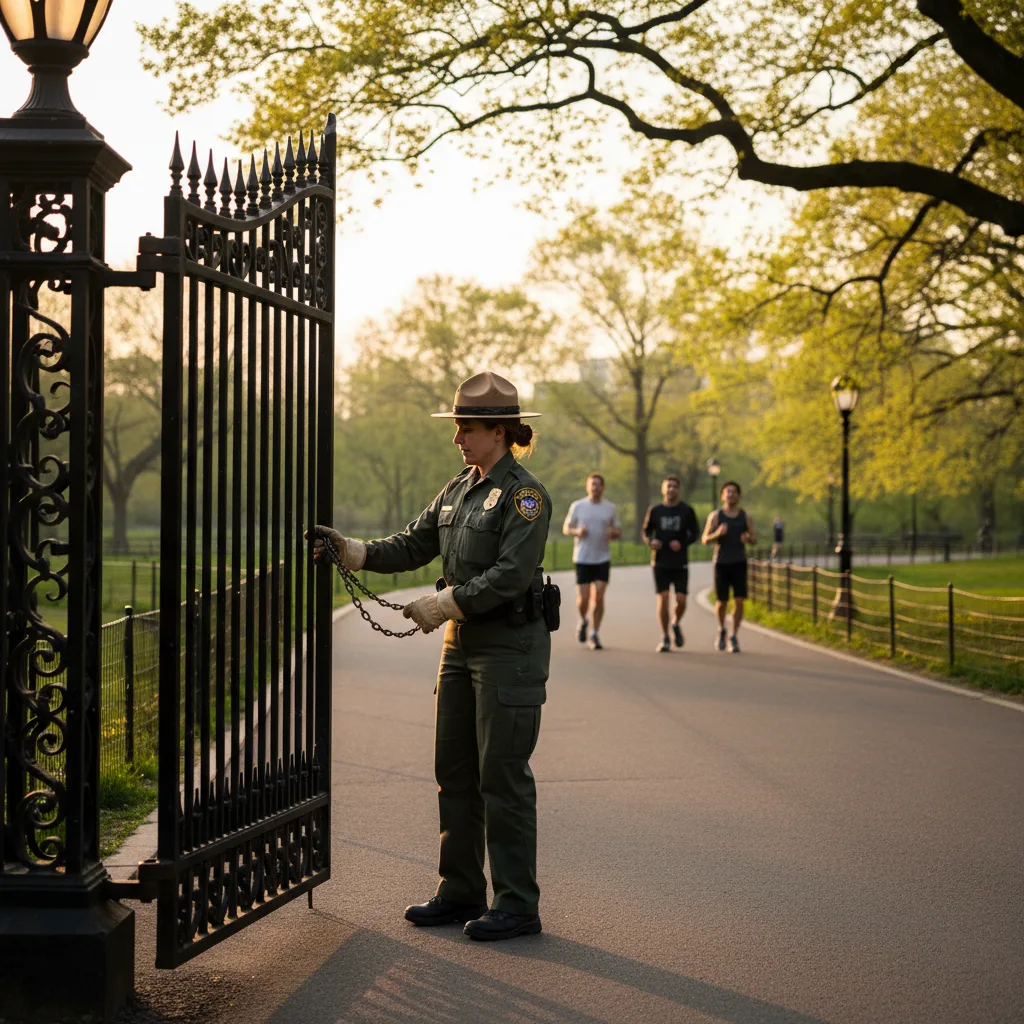
Central Park Conservancy announced updated 2026 park hours, maintaining 6:00 a.m. to 1:00 a.m. access daily. This schedule balances public enjoyment with critical maintenance and security operations.