


Central Park Visitor Surge Hits 45 Million Annually, Officials Detail Preservation Costs
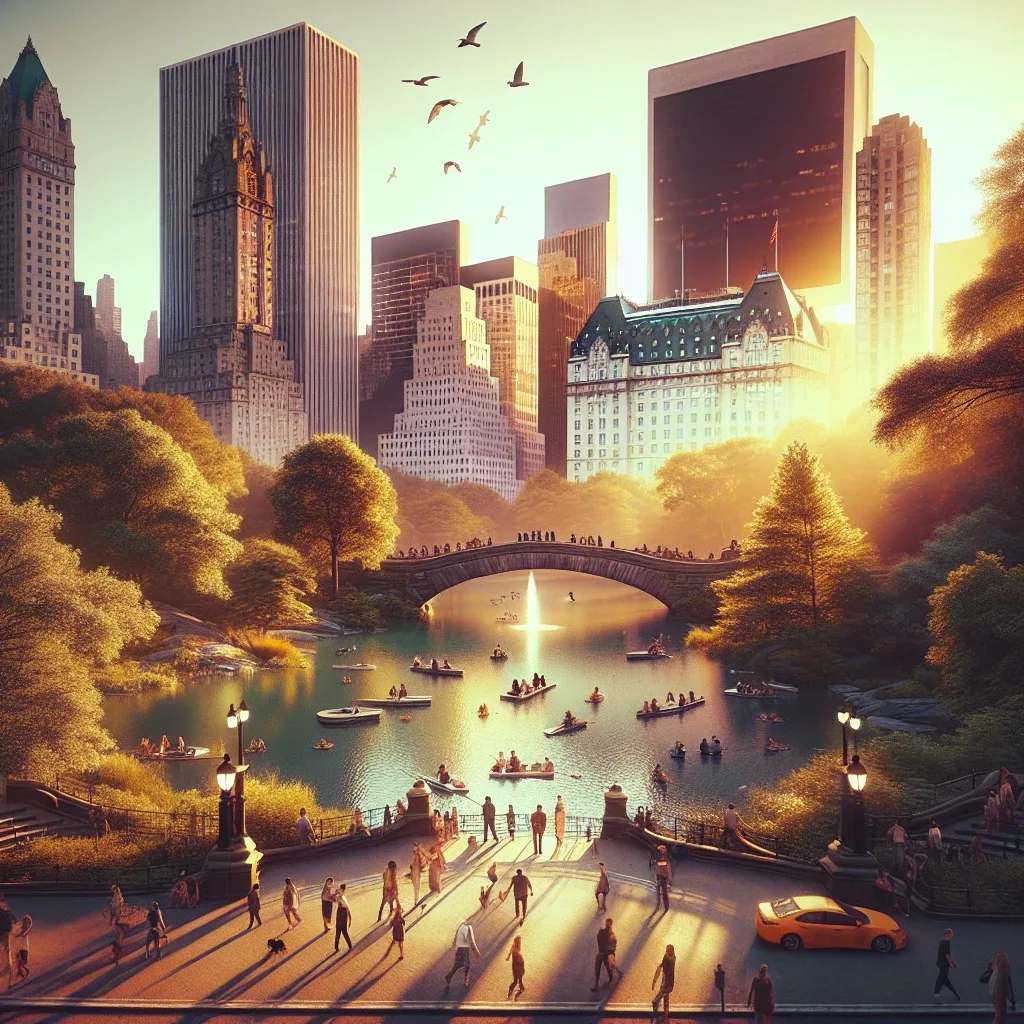
NEW YORK — Central Park welcomed an unprecedented 45 million visitors in 2025, marking a significant increase from pre-pandemic levels and placing renewed strain on the park's aging infrastructure and delicate ecosystems. This surge in popularity underscores both the park’s vital role as an urban oasis and the escalating costs associated with its meticulous preservation.
Over the past year, the Central Park Conservancy, the non-profit organization that manages the park in partnership with the NYC Department of Parks & Recreation, has allocated more than $100 million towards its annual operating budget. A substantial portion of this funding is directed towards maintaining the park's 843 acres, including its 250 acres of lawns, 150 acres of water bodies, and 136 acres of woodlands.
Unprecedented Foot Traffic Challenges Infrastructure
The dramatic rise in visitor numbers, up nearly 10% compared to 2019, has led to increased wear and tear on pathways, benches, and historical monuments. Specifically, the iconic Bethesda Terrace has seen a notable increase in surface erosion, requiring more frequent maintenance cycles. This constant pressure necessitates innovative solutions and greater community support.
Park officials have detailed a multi-year plan targeting high-traffic areas, with an estimated $15 million budget dedicated solely to pathway and landscape restoration through 2026. These efforts aim to restore critical areas while implementing more durable materials where appropriate, balancing aesthetic integrity with practical resilience.
Conservancy Outlines Critical Funding Needs
Elizabeth W. Smithers, President and CEO of the Central Park Conservancy, emphasized the financial challenges during a recent press briefing at the Charles A. Dana Discovery Center. “Maintaining a park of this magnitude, one that serves as both a historical landmark and a modern recreational hub for 45 million annual visitors, demands continuous, substantial investment,” Smithers stated, advocating for increased public and private funding.
She noted that over 80% of the Conservancy's budget comes from private donations, highlighting the critical role of philanthropic support in safeguarding the park’s future. The Conservancy projects a 7% increase in operational expenses for 2026, primarily due to inflation and heightened maintenance demands across the park's diverse landscapes, from the Shakespeare Garden to the North Meadow. More general information on park news can be found by consulting Central Park's latest updates.
Balancing Access with Ecological Protection
The Conservancy is implementing new visitor management strategies to disperse crowds and protect sensitive ecological zones. These include updated signage and educational campaigns promoting responsible park usage, particularly around areas like the Conservatory Garden, which requires delicate horticultural care. This proactive approach aims to minimize environmental impact while maximizing public access.
For example, designated quiet zones have been established in portions of the Ramble, a significant natural area renowned for its birdwatching opportunities. These zones help preserve habitats for the park's diverse bird species, a critical component of the park's ecological health, attracting enthusiasts from around the globe.
Community Engagement and Volunteer Efforts Grow
In response to the increased demands, volunteer participation has surged, with over 15,000 individuals contributing more than 150,000 hours in 2025. These volunteers assist with gardening, litter removal, and public education, forming an indispensable part of the park’s maintenance team. Their efforts are crucial in keeping Central Park pristine.
Programs like "GreenTeam" and "Parkwide Volunteer Days" offer structured opportunities for New Yorkers to contribute directly to the park’s upkeep. Such initiatives foster a sense of shared ownership and responsibility among city residents, crucial for the long-term sustainability of this public space, providing a true sense of community around the park's various attractions and events.
Looking Ahead: 2026 Preservation Goals
For 2026, the Central Park Conservancy has outlined several key preservation initiatives. These include a major restoration project for the Obelisk near the Metropolitan Museum of Art and significant upgrades to the drainage systems beneath the Great Lawn. These projects are designed to ensure the park remains resilient against increased usage and unpredictable weather patterns.
NYC Parks Commissioner Sue Van Buren affirmed the city's commitment to Central Park. “Our partnership with the Conservancy is fundamental to preserving this global treasure. The city remains dedicated to supporting efforts that ensure Central Park thrives for generations to come,” Van Buren stated. Visitors looking for a comprehensive list of park activities and current event information can consult the official Central Park events page.
Frequently Asked Questions About Central Park's Future
Many residents and visitors often inquire about how they can contribute to Central Park's preservation. The Central Park Conservancy offers various donation tiers and membership options, which directly support the park’s operational and capital needs. Volunteer opportunities are also widely available for individuals and groups interested in hands-on conservation work.
Concerns about specific maintenance issues or areas of the park can be reported directly to the Central Park Conservancy through their official website or by calling their main office. The Conservancy staff regularly patrols the park and addresses reported concerns as quickly as resources allow. The primary goal is to ensure every corner of the park, from the Harlem Meer to the Pond near the Plaza Hotel, remains accessible and beautiful.
The timeline for major restoration projects, such as those planned for Bethesda Terrace, typically spans several months to a few years, depending on their complexity and funding. The Conservancy prioritizes projects based on urgency, historical significance, and impact on visitor experience. Regular updates are provided on their website for public transparency regarding these vital endeavors.
Related Articles
More in Park Operations & Maintenance →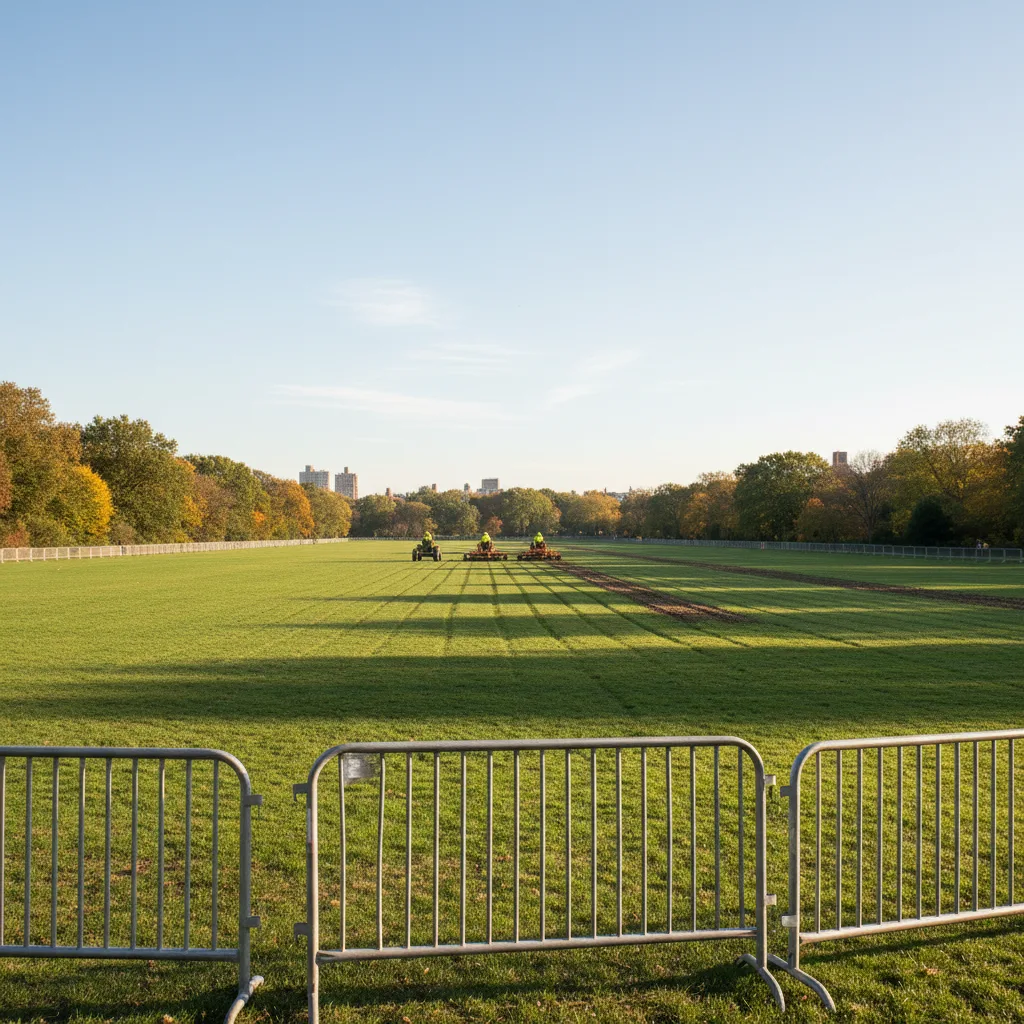
Central Park Conservancy Closes Great Lawn for Scheduled Maintenance
The Central Park Conservancy closed the Great Lawn through October 2, 2026, for scheduled maintenance, impacting weekend activities. Essential upkeep ensures the iconic green space remains vibrant for visitors.
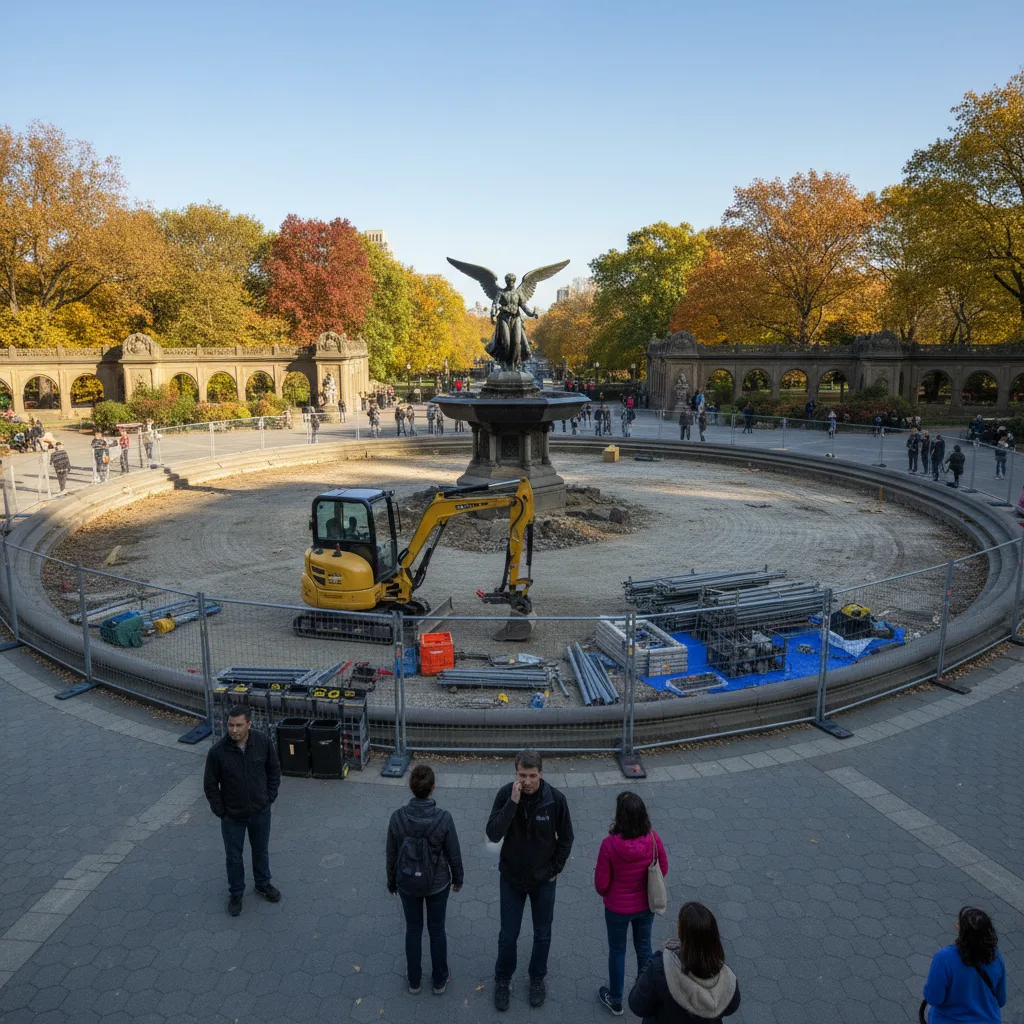
Central Park Conservancy Announces Bethesda Fountain, Great Lawn Closures
Central Park Conservancy announced Bethesda Fountain is off for restoration and the Great Lawn closed through October 2, 2026 for maintenance, affecting visitor access.
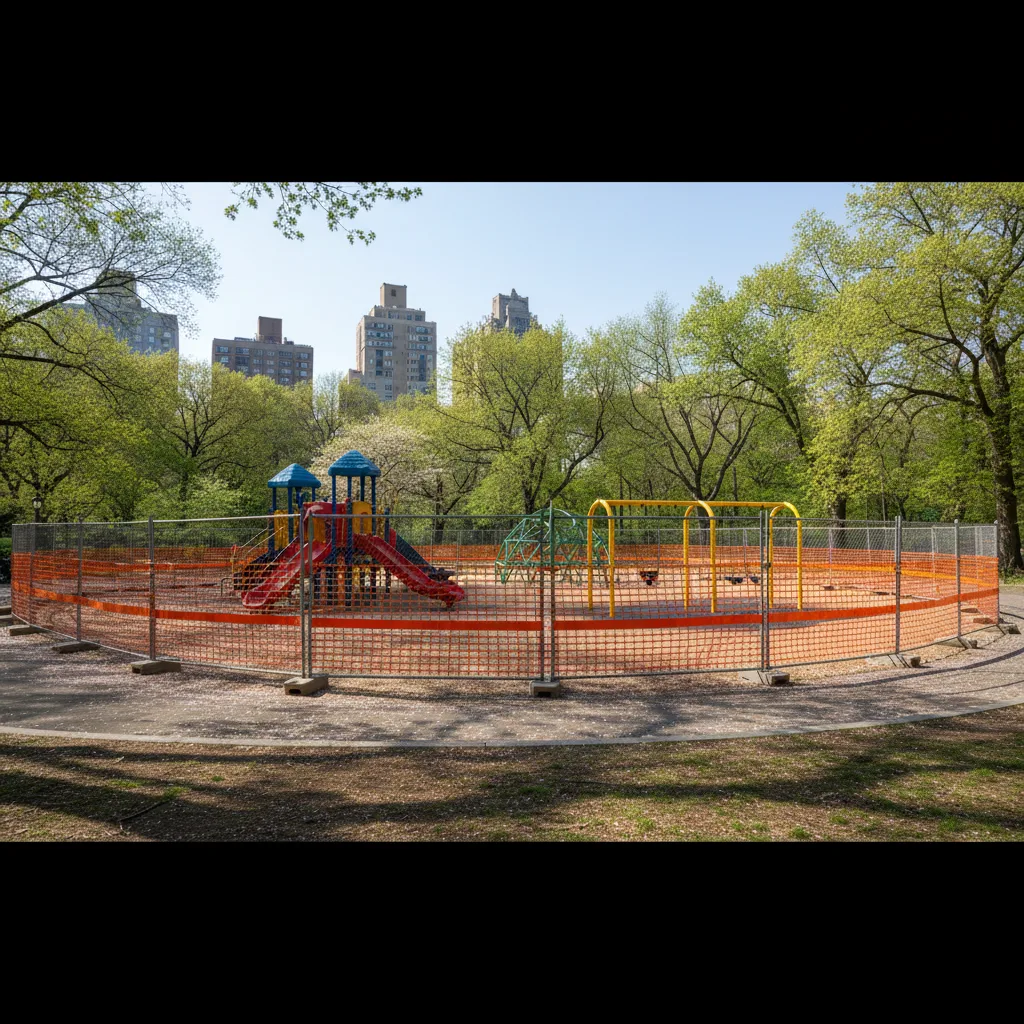
Central Park Conservancy Closes East 110th Street Playground for Restoration
Central Park Conservancy closed the East 110th Street Playground for restoration, while North Meadow and Heckscher ballfields shut due to weather. Plan your visit; check alerts for closures impacting recreation in Central Park.
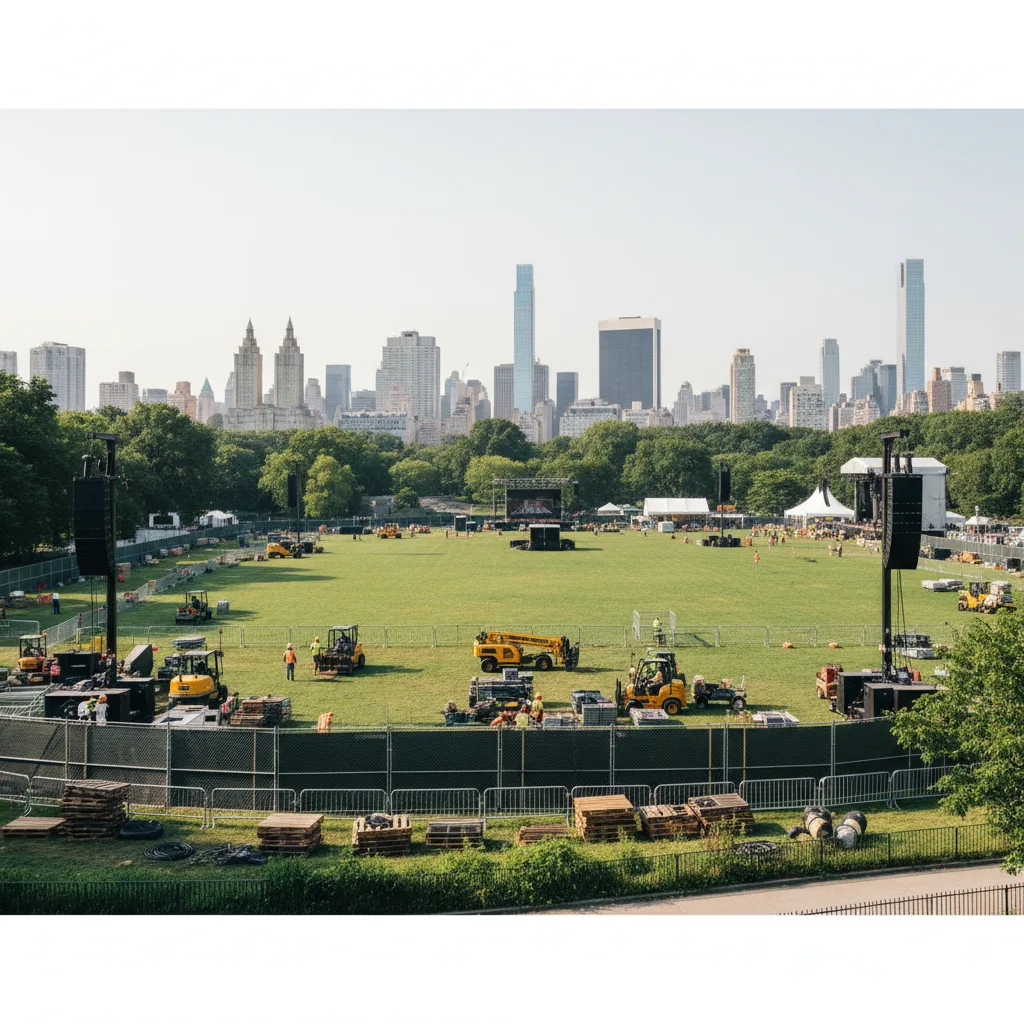
Central Park Conservancy Closes Great Lawn for Global Citizen Festival
Central Park Conservancy confirmed the Great Lawn is closed through September 26, 2026, for the Global Citizen Festival, affecting access to Belvedere Castle and Turtle Pond. Local residents and visitors should plan alternate routes and expect traffic delays around the park's perimeter.
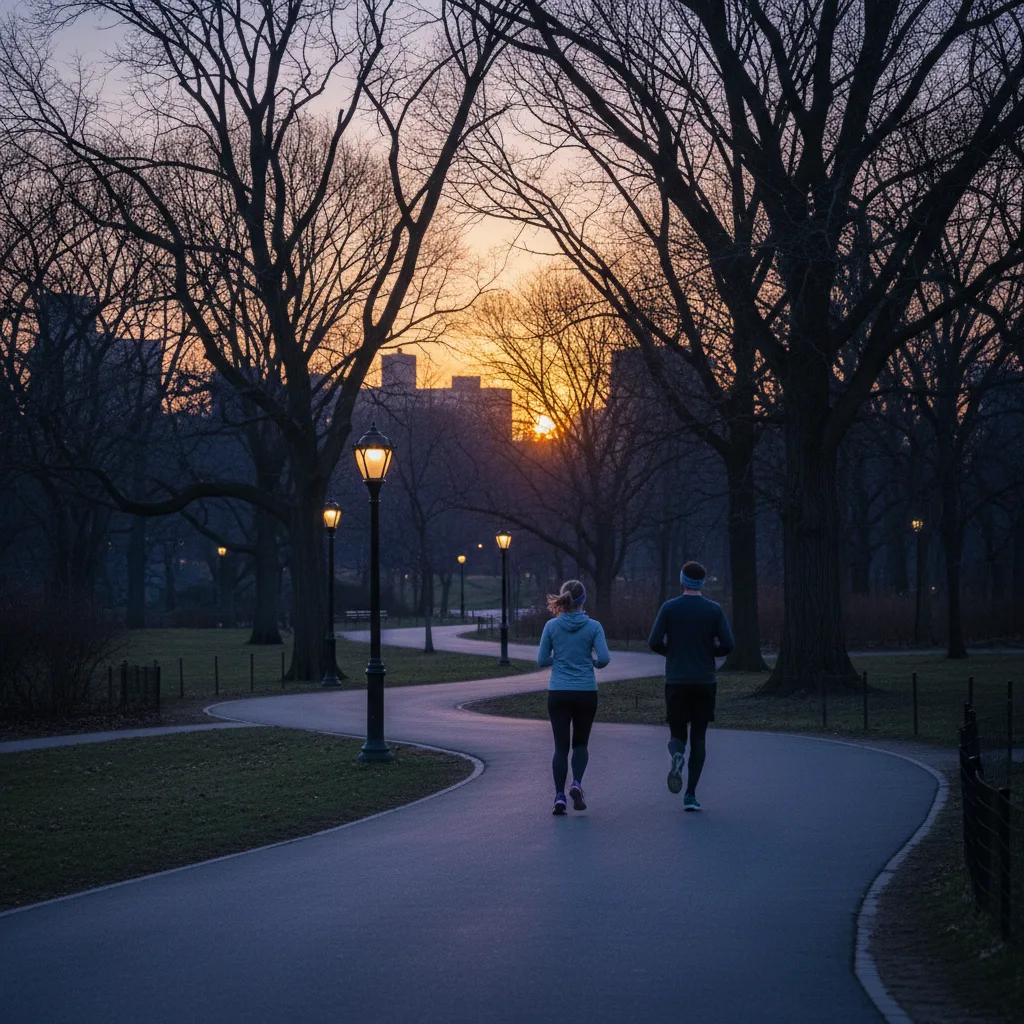
Central Park Conservancy Confirms 2026 Daily Operating Hours
Central Park Conservancy confirms 2026 daily hours: 6:00 a.m. to 1:00 a.m. This notice is for visitor planning, not a change.
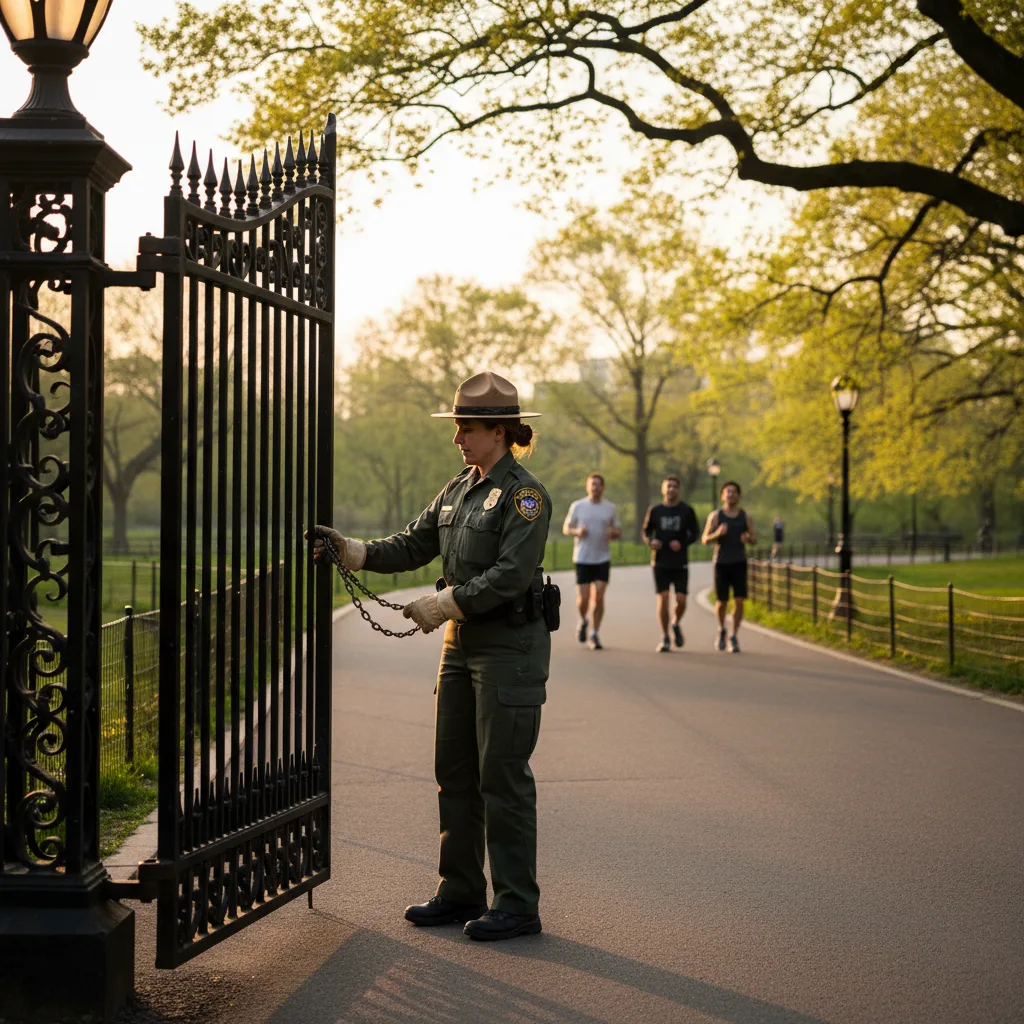
Central Park Conservancy Announces Park Hours Update for 2026
Central Park Conservancy announced updated 2026 park hours, maintaining 6:00 a.m. to 1:00 a.m. access daily. This schedule balances public enjoyment with critical maintenance and security operations.