


Central Park Conservancy Reports 2026 Visitor Engagement Trends
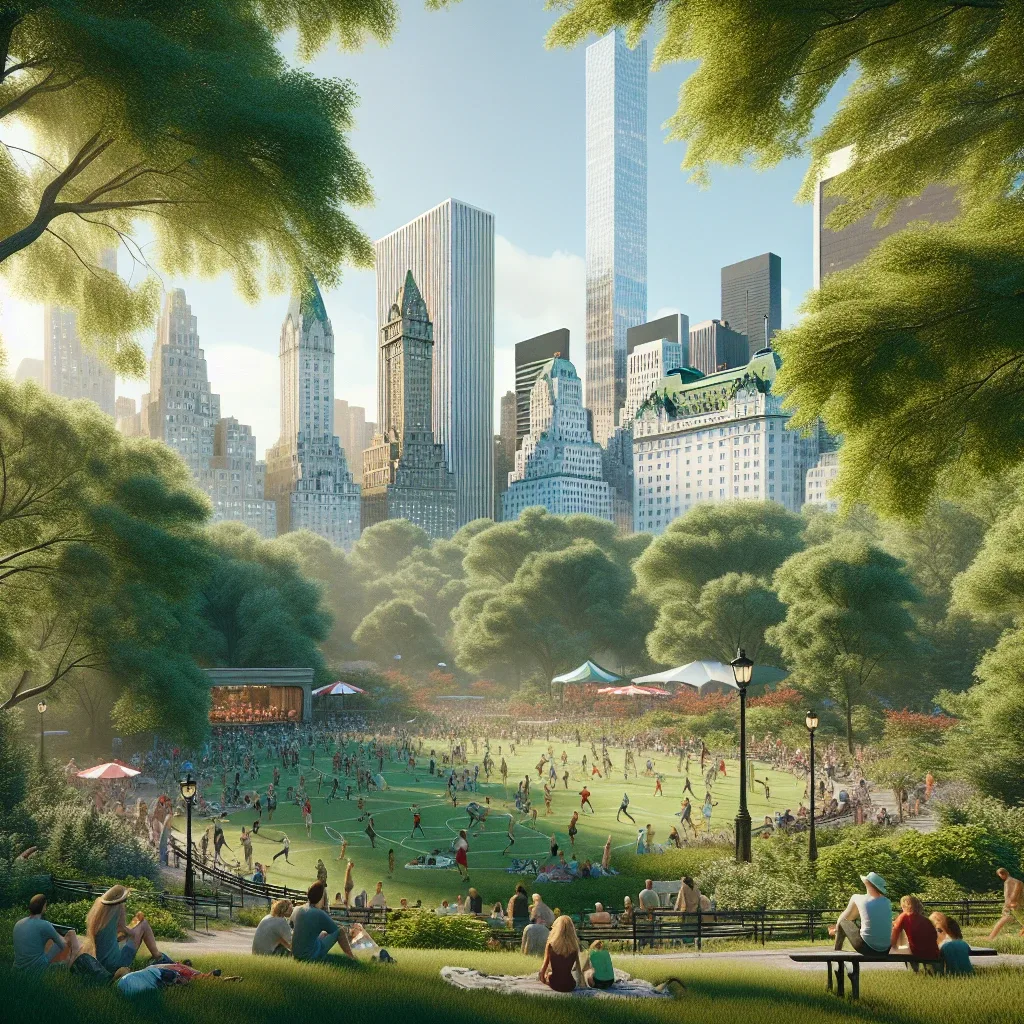
NEW YORK — The Central Park Conservancy has released preliminary insights into 2026 visitor engagement, indicating shifting patterns in how the public utilizes the iconic 843-acre green space. These trends, observed across attractions, nature areas, and various human interest activities, inform the Conservancy's ongoing management and programming strategies.
Data suggests a notable increase in early morning visitation, particularly among fitness enthusiasts and nature observers. Conversely, traditional mid-day tourist crowds have shown slight diversification in their preferred park activities, moving beyond just major landmarks.
Shifting Patterns in Park Usage
The Conservancy's recent observations, compiled from visitor surveys and sensor data, point to an evolution in park engagement. While popular spots like Bethesda Terrace and the Great Lawn remain perennial favorites, areas such as the North Woods and the Conservatory Garden are experiencing heightened interest.
Chief Operations Officer Robert Harrison noted the dynamic nature of visitor preferences. "We're seeing more people explore the quieter, more ecologically rich sections of the park," Harrison explained during a recent Conservancy board meeting. "This indicates a deeper appreciation for the park's diverse landscapes and wildlife, moving beyond just its well-known landmarks." Over 42 million people visit Central Park each year.
Specifically, early morning birdwatching groups and solitary runners utilizing the Harlem Meer paths have grown by an estimated 15% since early 2025. This demographic often seeks tranquility and direct engagement with the park's natural environment before the larger crowds arrive.
Focus on Nature and Wellness Activities
The rising trend in nature-focused activities aligns with broader urban wellness movements, where city dwellers seek respite and connection with natural surroundings. Central Park provides a critical resource for these pursuits, offering a vibrant ecosystem within a dense metropolitan area.
Guided nature walks, organized by the Conservancy, have also seen a surge in participation, with programs like the "Urban Forest Explorer" series consistently selling out. These programs educate visitors about the park's extensive tree canopy, which includes over 20,000 trees, and its role in urban ecology.
Yoga and meditation groups are increasingly utilizing secluded spots around the Ramble and other less-trafficked areas. This demand for serene spaces influences how the Conservancy allocates resources for maintenance and visitor services. For more detailed information, the Central Park Conservancy provides alerts on park conditions and activities.
Enhancing Visitor Experience and Safety
To accommodate these evolving trends, the Central Park Conservancy is implementing new initiatives focused on enhancing visitor experience and safety. These include improved signage in lesser-known areas and increased patrol presence during peak early morning hours.
Additionally, the Conservancy is exploring digital tools, such as an updated mobile app, to help visitors navigate the park and discover new points of interest. This digital strategy aims to distribute crowds more evenly and provide personalized recommendations for exploring the park's vast offerings. Discover the latest Central Park news for updates on park initiatives.
Ensuring public safety across an area that spans 2.5 miles long and 0.5 miles wide is a constant priority. The Conservancy collaborates closely with the NYPD to address any potential concerns, as highlighted by recent park safety discussions. Beat knowledge among park staff helps identify areas needing attention.
Community Engagement and Future Planning
The Conservancy is actively engaging with various community groups to gather feedback on park usage and future development. Public forums and online surveys are crucial tools in understanding the needs of diverse park user groups.
These insights are vital for long-term planning, ensuring that Central Park continues to serve as a dynamic, welcoming, and safe retreat for all. The goal is to preserve its historic integrity while adapting to contemporary recreational and environmental needs. The park's success lies in its ability to adapt while retaining its essential character.
FAQs on Central Park Visitor Trends
What are the main visitor trends observed in Central Park for 2026? The Central Park Conservancy is noting an increase in early morning visitors, particularly those engaged in fitness and nature observation. There's also a diversification in tourist activities, with more exploration of less-trafficked natural areas.
Which specific areas are seeing increased interest? Areas like the North Woods, the Conservatory Garden, the Harlem Meer, and the Ramble are experiencing heightened interest from visitors seeking quieter, more natural experiences compared to the traditionally popular landmarks.
How is the Central Park Conservancy responding to these trends? The Conservancy is responding by enhancing signage, increasing early morning patrols, exploring digital navigation tools like updated mobile apps, and developing more nature-focused programming. Their goal is to improve visitor experience and safety.
How does the Conservancy gather information on visitor trends? The Conservancy uses a combination of methods, including visitor surveys, sensor data collection across different park zones, and direct feedback from park staff and community groups. This comprehensive approach helps them understand how the park is being used.
Related Articles
More in Park Operations & Maintenance →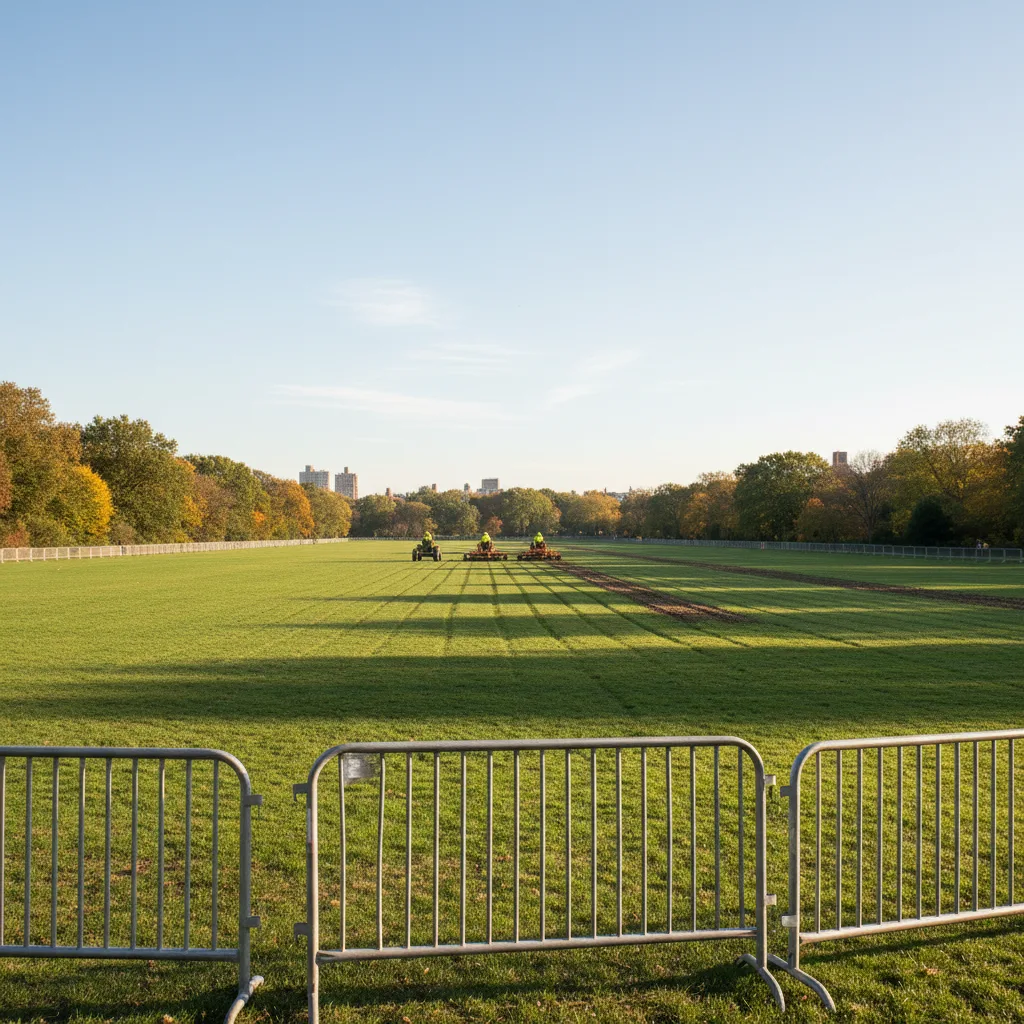
Central Park Conservancy Closes Great Lawn for Scheduled Maintenance
The Central Park Conservancy closed the Great Lawn through October 2, 2026, for scheduled maintenance, impacting weekend activities. Essential upkeep ensures the iconic green space remains vibrant for visitors.
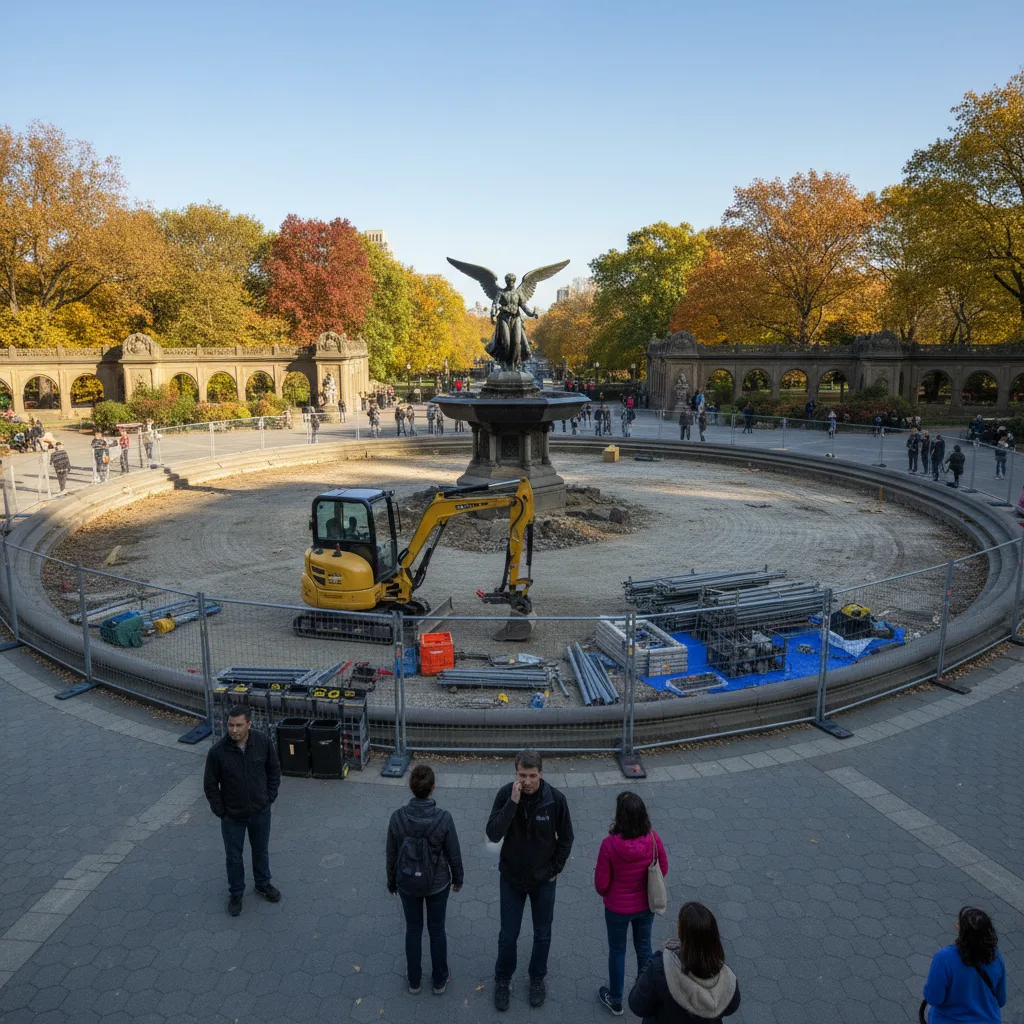
Central Park Conservancy Announces Bethesda Fountain, Great Lawn Closures
Central Park Conservancy announced Bethesda Fountain is off for restoration and the Great Lawn closed through October 2, 2026 for maintenance, affecting visitor access.
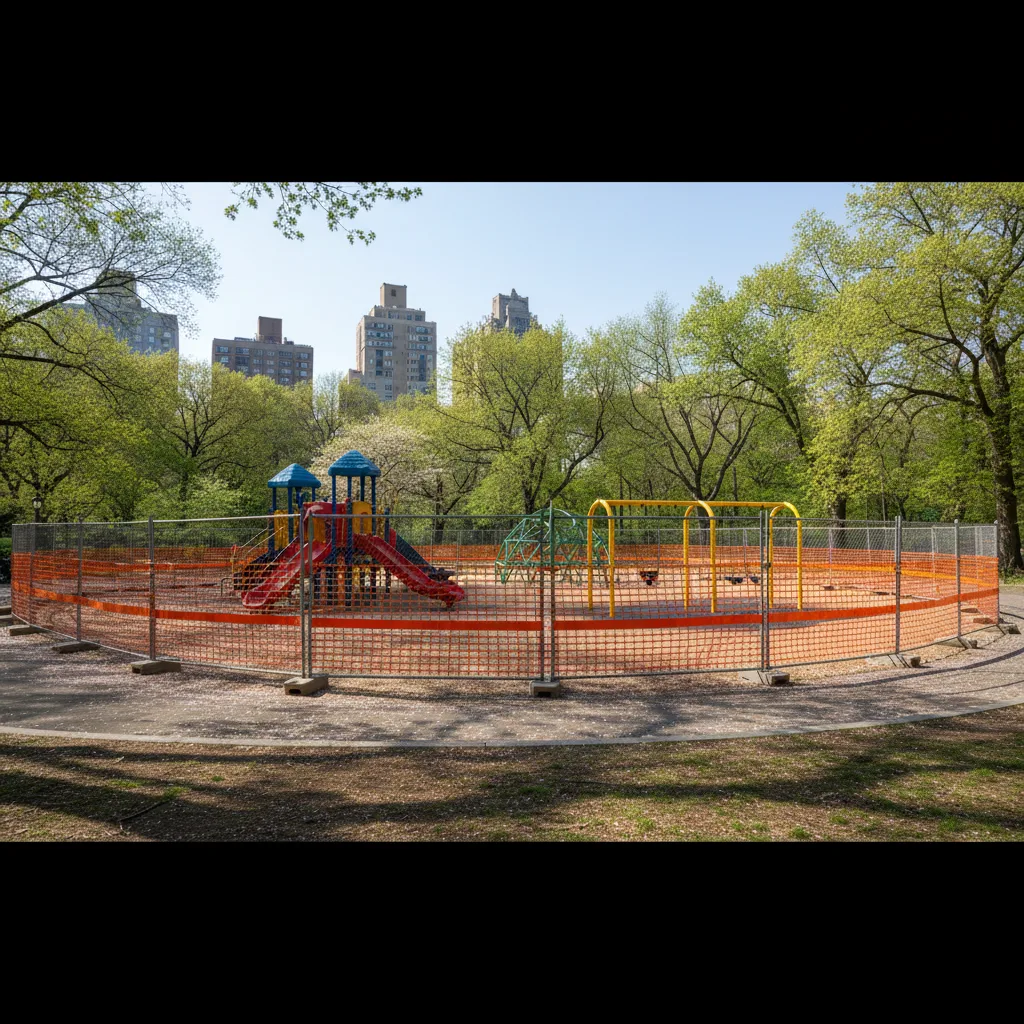
Central Park Conservancy Closes East 110th Street Playground for Restoration
Central Park Conservancy closed the East 110th Street Playground for restoration, while North Meadow and Heckscher ballfields shut due to weather. Plan your visit; check alerts for closures impacting recreation in Central Park.
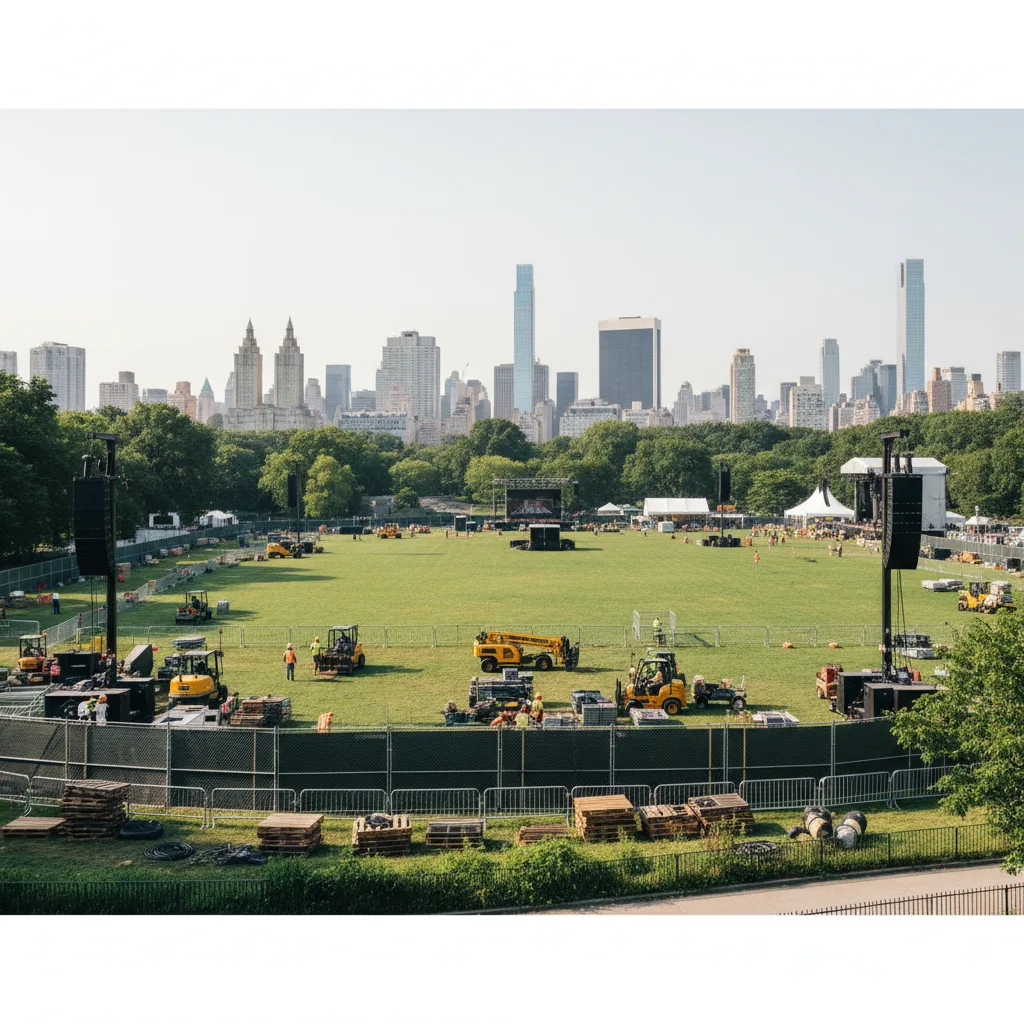
Central Park Conservancy Closes Great Lawn for Global Citizen Festival
Central Park Conservancy confirmed the Great Lawn is closed through September 26, 2026, for the Global Citizen Festival, affecting access to Belvedere Castle and Turtle Pond. Local residents and visitors should plan alternate routes and expect traffic delays around the park's perimeter.
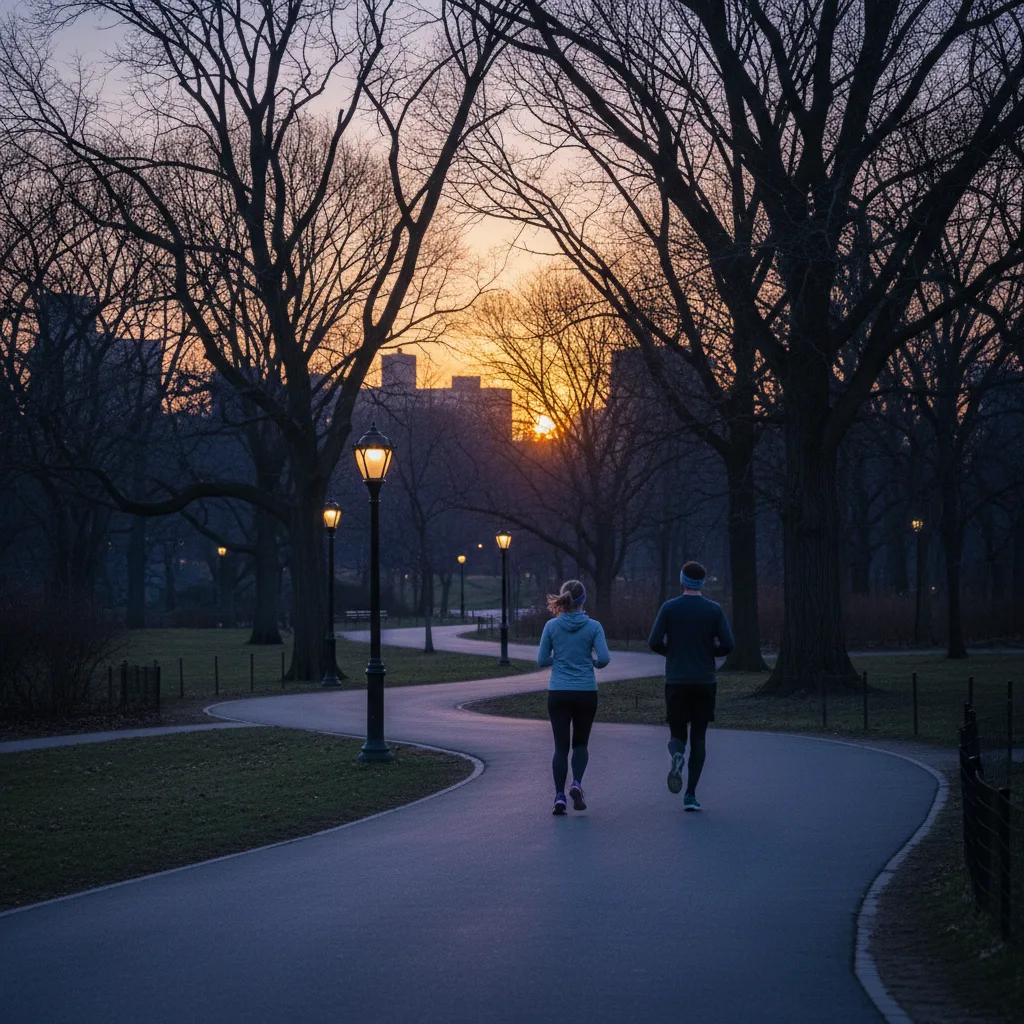
Central Park Conservancy Confirms 2026 Daily Operating Hours
Central Park Conservancy confirms 2026 daily hours: 6:00 a.m. to 1:00 a.m. This notice is for visitor planning, not a change.
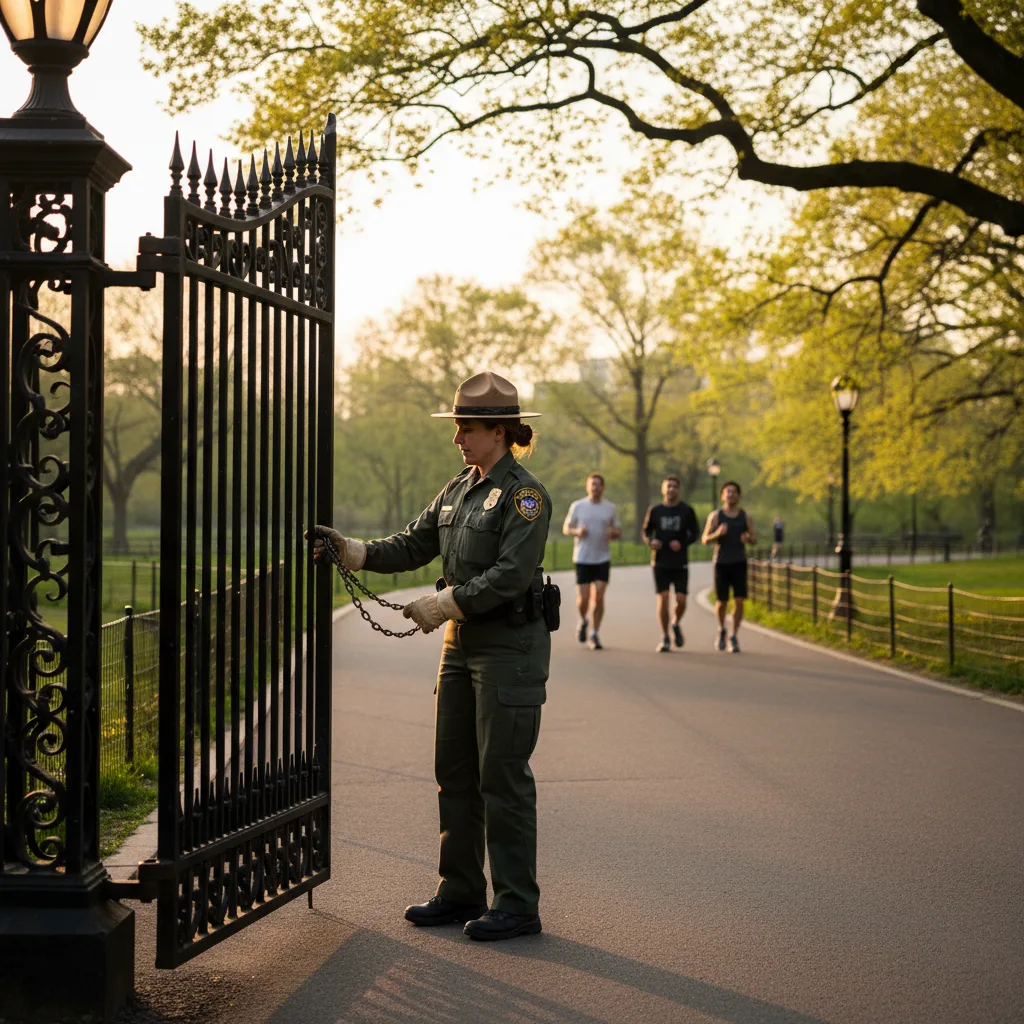
Central Park Conservancy Announces Park Hours Update for 2026
Central Park Conservancy announced updated 2026 park hours, maintaining 6:00 a.m. to 1:00 a.m. access daily. This schedule balances public enjoyment with critical maintenance and security operations.