


Central Park Visitors Face Evolving Challenges, Opportunities in 2026
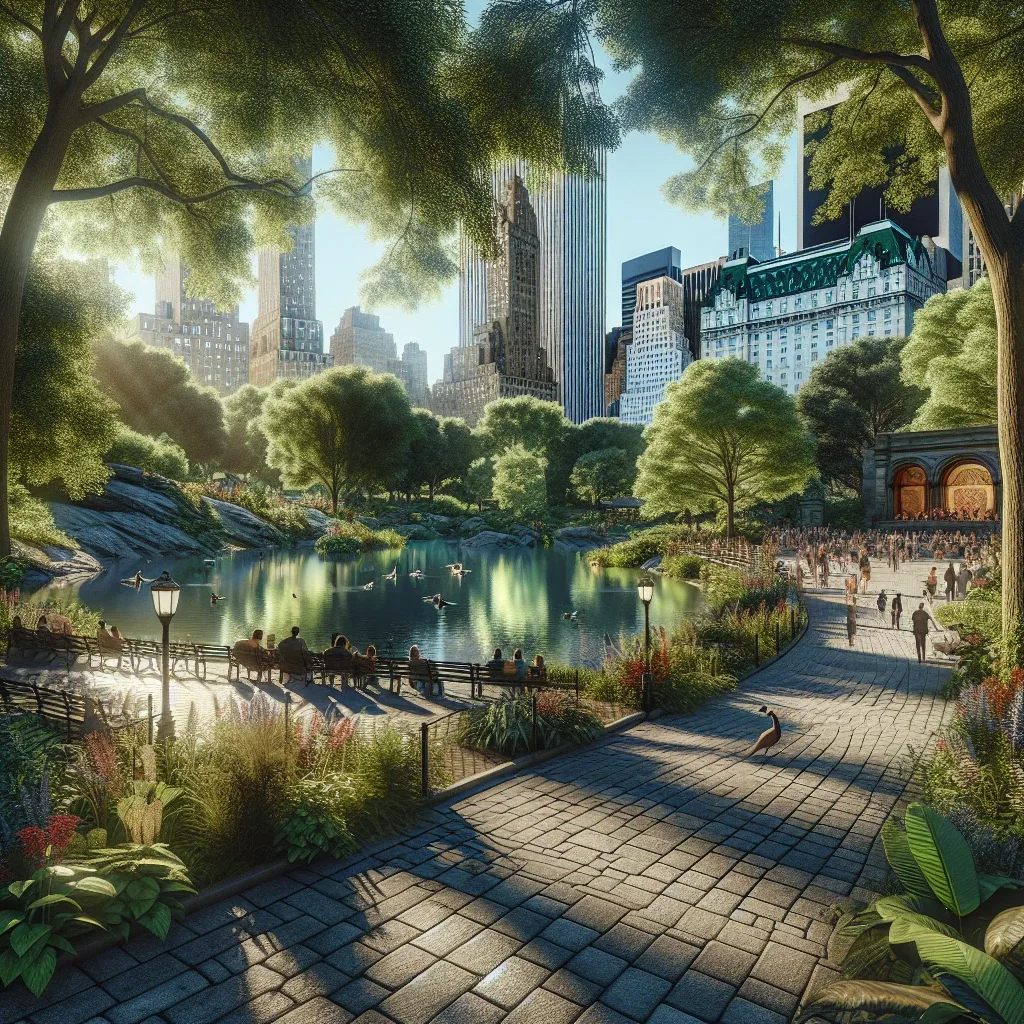
NEW YORK — Central Park, Manhattan's iconic 843-acre green oasis, is experiencing a dynamic period in 2026, grappling with both escalating visitor demands and significant conservation efforts. Park administrators and advocacy groups are working to balance public enjoyment with the preservation of its natural and historical integrity. The park’s sustained popularity underscores its critical role in New York City life.
Reports from the Central Park Conservancy indicate a slight increase in daily visitors compared to the previous year, with an estimated 42 million people expected to pass through its gates in 2026. This rising foot traffic presents both opportunities for engagement and challenges for infrastructure and ecological balance. Managing the impact of such high usage is a continuous, complex endeavor for park staff.
Shifting Visitor Demographics and Usage Patterns
Recent data from the NYC Department of Parks and Recreation highlights a notable shift in how New Yorkers and tourists are utilizing Central Park. There's been a sustained uptick in specialized recreational activities, such as birdwatching in the Ramble and dedicated photography tours around the Conservatory Water. This trend signals a growing appreciation for the park’s diverse ecosystems and scenic beauty.
Moreover, the park has become an increasingly popular venue for fitness events and organized social gatherings. For instance, the Central Park Conservancy restoration projects recently addressed erosion paths in the North Woods, directly impacted by increased trail running groups. These projects are crucial for maintaining the park’s ecological health and aesthetic appeal for all visitors.
Elizabeth Graham, Director of Operations for the Central Park Conservancy, spoke about these evolving trends. "We are seeing more diverse groups using the park for more specific activities, which is wonderful," Graham said in a recent press briefing. "But it requires us to be more strategic in our maintenance and conservation planning, ensuring every corner, from Strawberry Fields to the Harlem Meer, receives proper attention."
Sustained Conservation Efforts and Ecological Health
Preserving Central Park's delicate ecosystems remains a top priority for the Central Park Conservancy, which manages the park in partnership with the City. In 2026, the Conservancy allocated approximately $3.5 million to tree care and horticultural programs alone. This investment supports the health of over 20,000 trees and countless shrubs across the vast landscape.
One significant initiative focuses on protecting the park’s aquatic environments, including the Lake and the Pond. Regular water quality testing conducted by the city's Department of Environmental Protection has shown consistent improvements, attributed to ongoing shoreline restoration and invasive species removal projects. These efforts directly benefit local wildlife and recreational users alike.
The iconic Bethesda Terrace, a jewel of the park, saw structural assessments completed earlier this year to address minor water damage in its intricate stonework. This proactive maintenance prevents larger issues and preserves historical integrity. These are continuous efforts that underpin the park's natural beauty.
Public Safety and Community Engagement Initiatives
Ensuring public safety within Central Park's sprawling 843 acres is a shared responsibility between the New York City Police Department (NYPD) Central Park Precinct and park security teams. NYPD statistics released in Q1 2026 indicated a 5% decrease in minor property crimes compared to the same period last year. This reduction is credited to increased patrol visibility and targeted community outreach.
The Central Park Community Partnership, a collaboration between local residents, businesses, and park officials, launched new interpretive programs this spring. These programs aim to educate visitors on park etiquette, including proper waste disposal and designated cycling paths. Such initiatives promote a respectful and safe environment for everyone enjoying the park.
For example, signs were updated near the Columbus Circle entrance detailing rules for dog owners regarding leash laws and waste disposal. These measures reflect an ongoing commitment to fostering a harmonious coexistence among all park users. The aim is to ensure that the park remains a welcoming space for all, from casual strollers to serious athletes.
Upcoming Events and Seasonal Attractions
Central Park’s calendar for the remainder of 2026 is bustling with a diverse array of events, catering to varied interests and age groups. The summer season will feature its usual lineup of free concerts at the Naumburg Bandshell, attracting thousands of music enthusiasts. These events are integral to the park's cultural fabric.
The full Central Park event schedule also lists several educational workshops at the Charles A. Dana Discovery Center, ranging from nature photography to urban gardening. These workshops provide unique opportunities for skill-building and environmental awareness. The park truly offers something for everyone.
As autumn approaches, the much-anticipated Central Park Film Festival will return to the spacious expanse of the Sheep Meadow, offering free open-air screenings under the stars. These cultural attractions contribute significantly to the park’s vibrant atmosphere and draw a wide cross-section of the city's population, cementing Central Park's status as a premier public space.
The Economic and Social Impact on Local Communities
Central Park’s influence extends far beyond its physical boundaries, acting as a significant economic and social engine for surrounding Manhattan neighborhoods. Local businesses, particularly those along Central Park South and Fifth Avenue, benefit substantially from the steady stream of visitors. This sustained tourist traffic supports thousands of jobs.
According to a 2025 economic impact study commissioned by the NYC & Company tourism board, Central Park directly and indirectly contributes over $1.2 billion annually to the city’s economy. This substantial figure underscores the park’s importance not just as a recreational space, but as a vital economic asset. The park enhances property values and attracts new investments.
Beyond economics, the park serves as an essential communal hub, fostering social cohesion and providing a tranquil escape from urban life. It’s a place where diverse communities intersect, share experiences, and connect with nature, reinforcing its invaluable role in the metropolis. The vibrant local color of the park on any given afternoon, with street performers near the Mall and families picnicking, testifies to its enduring appeal.
Frequently Asked Questions About Central Park in 2026
What new attractions are planned for Central Park in 2026? While no major new permanent structures are planned, the park is focusing on enhanced seasonal programming and improved visitor services. There will be new guided tours focusing on historical landmarks and ecological niches, as well as expanded fitness classes available at various locations throughout the park. The focus is on enriching existing experiences rather than introducing new fixed attractions.
How can visitors contribute to Central Park’s conservation efforts? Visitors can support Central Park’s ongoing conservation by adhering to park rules, such as staying on designated paths and properly disposing of waste. Additionally, the Central Park Conservancy welcomes volunteers for planting days and cleanup initiatives, and financial contributions are always vital for funding the park’s extensive maintenance and restoration projects. Every small action helps maintain this urban sanctuary for future generations.
Are there any major construction or renovation projects impacting access in 2026? The most significant ongoing project involves minor repairs and restoration work on the historic bridges and arches, particularly around the Central Park West side. These projects are scheduled to minimize disruption, with specific areas undergoing temporary access changes. Updates on these projects are regularly posted on the Central Park Conservancy website to inform visitors of any potential impacts on their routes or favorite spots.
Related Articles
More in Park Operations & Maintenance →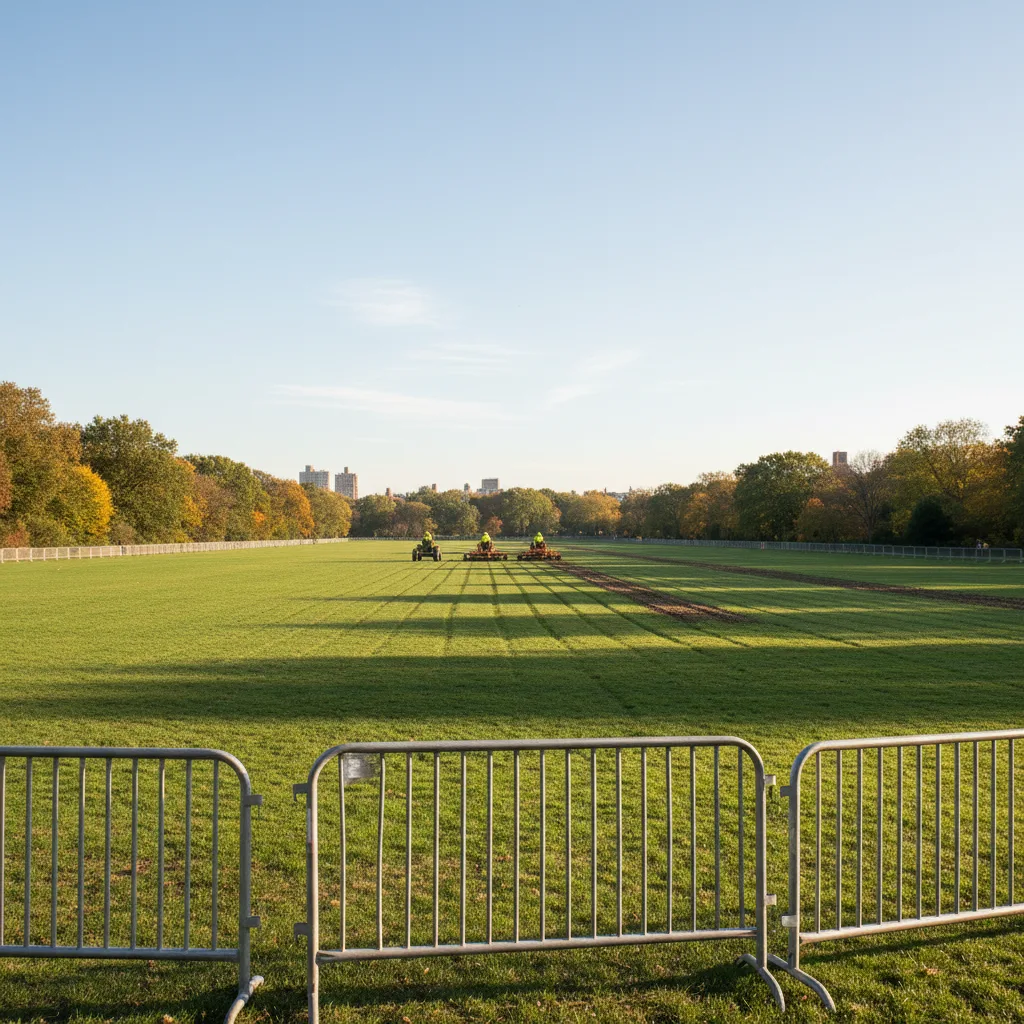
Central Park Conservancy Closes Great Lawn for Scheduled Maintenance
The Central Park Conservancy closed the Great Lawn through October 2, 2026, for scheduled maintenance, impacting weekend activities. Essential upkeep ensures the iconic green space remains vibrant for visitors.
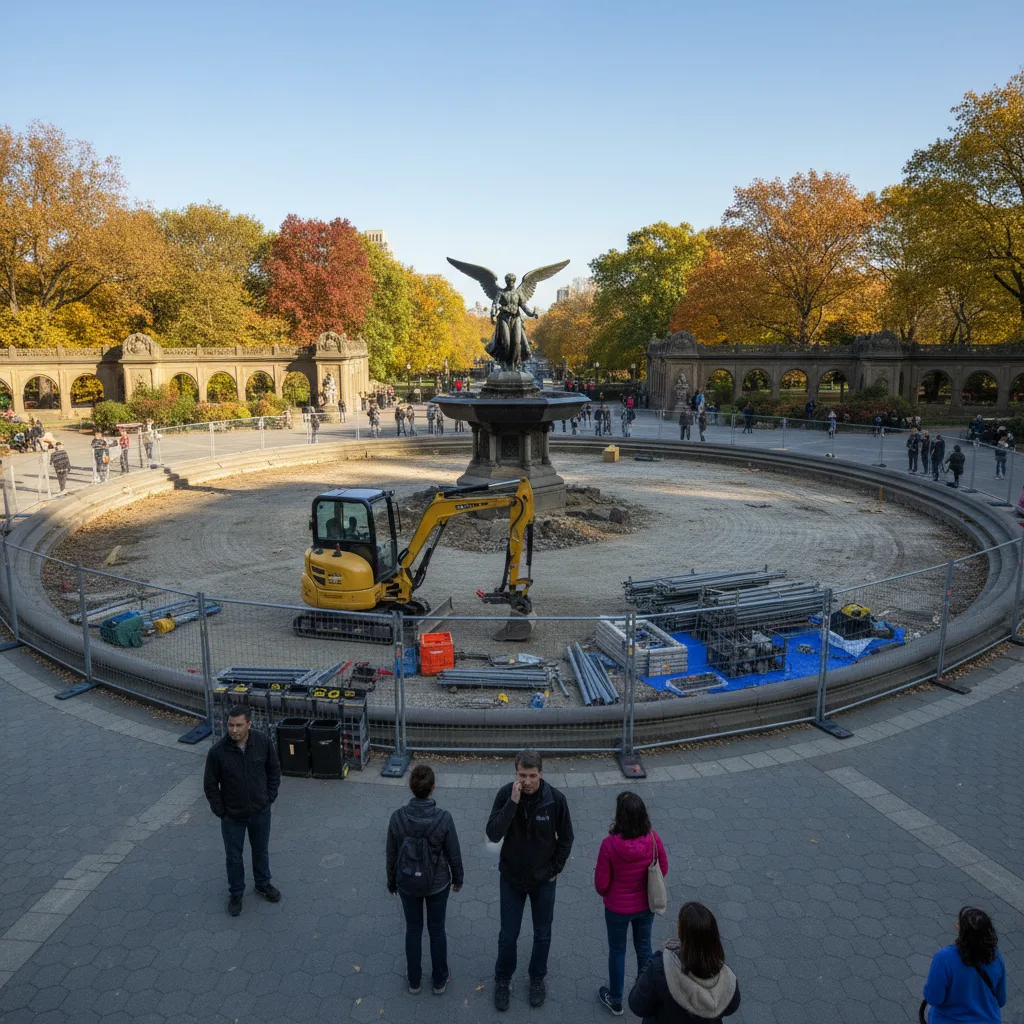
Central Park Conservancy Announces Bethesda Fountain, Great Lawn Closures
Central Park Conservancy announced Bethesda Fountain is off for restoration and the Great Lawn closed through October 2, 2026 for maintenance, affecting visitor access.
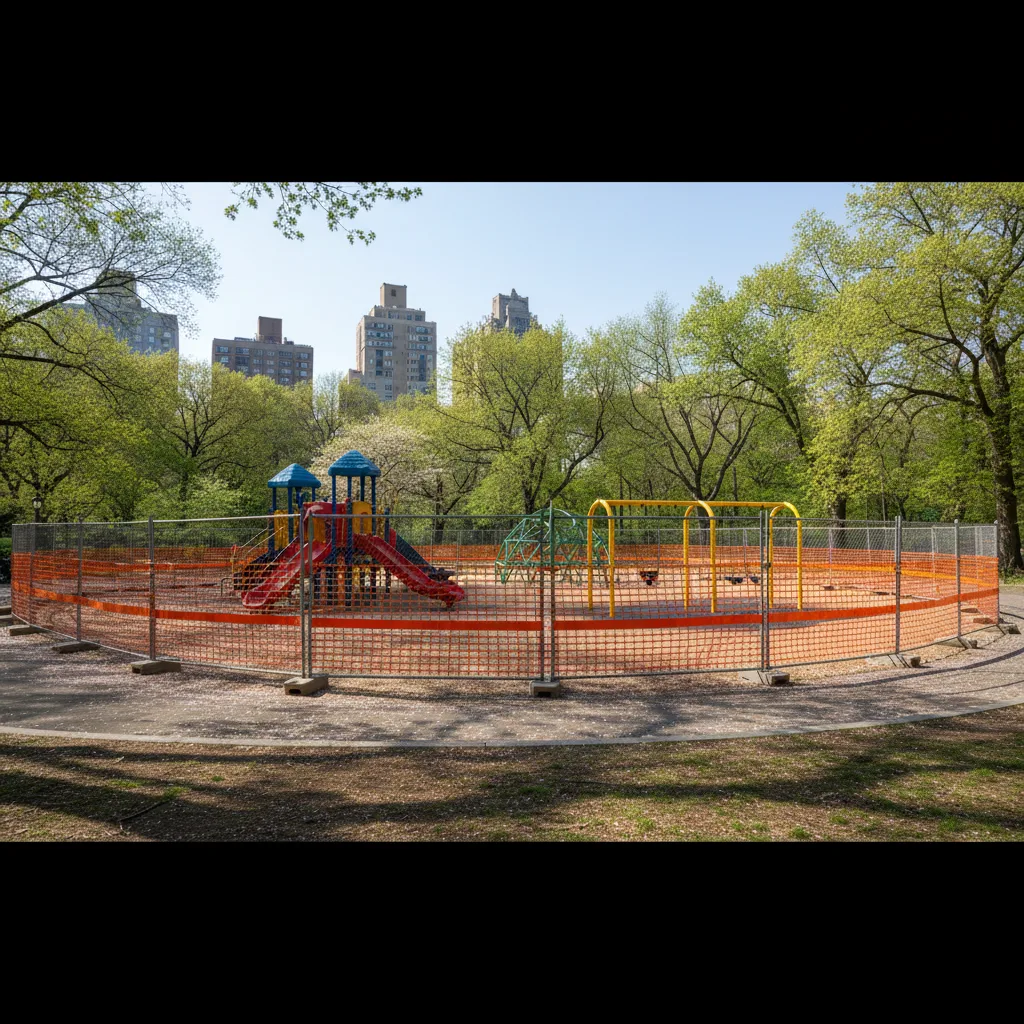
Central Park Conservancy Closes East 110th Street Playground for Restoration
Central Park Conservancy closed the East 110th Street Playground for restoration, while North Meadow and Heckscher ballfields shut due to weather. Plan your visit; check alerts for closures impacting recreation in Central Park.
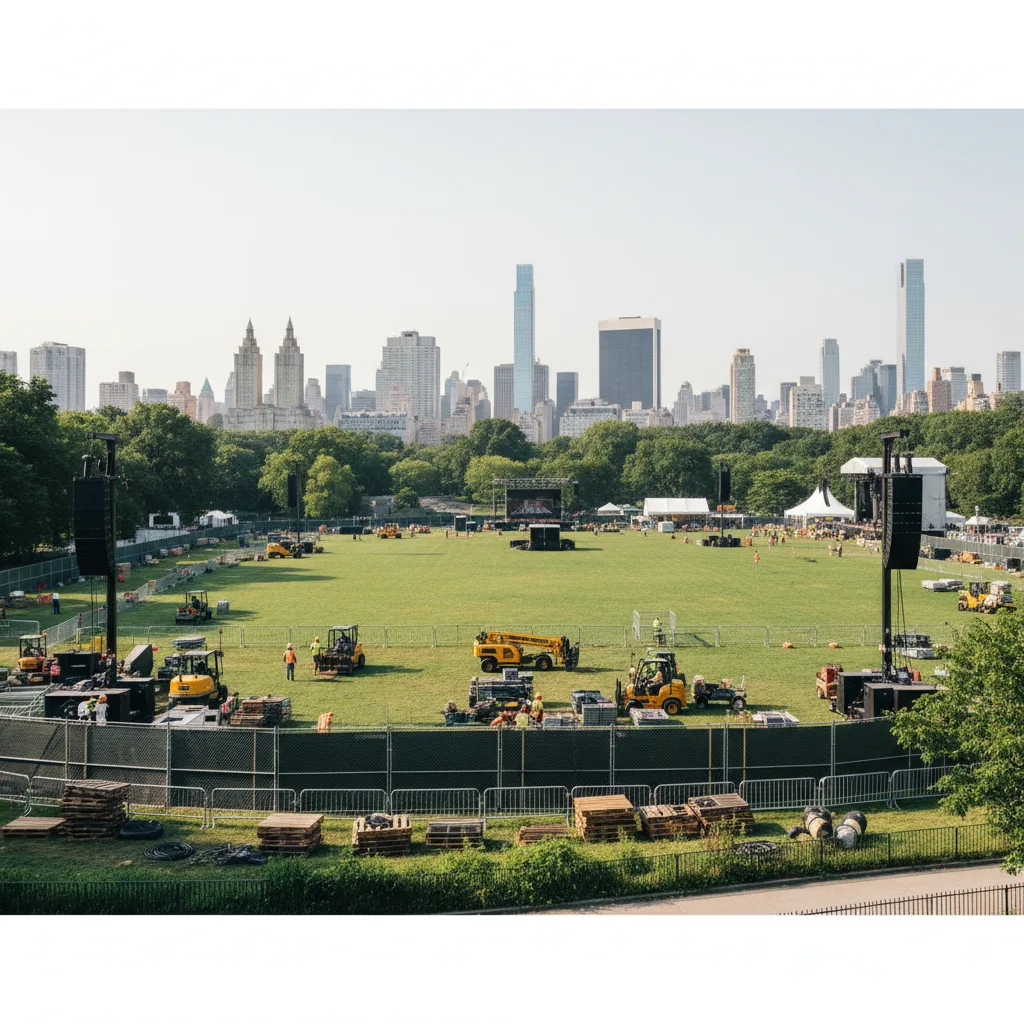
Central Park Conservancy Closes Great Lawn for Global Citizen Festival
Central Park Conservancy confirmed the Great Lawn is closed through September 26, 2026, for the Global Citizen Festival, affecting access to Belvedere Castle and Turtle Pond. Local residents and visitors should plan alternate routes and expect traffic delays around the park's perimeter.
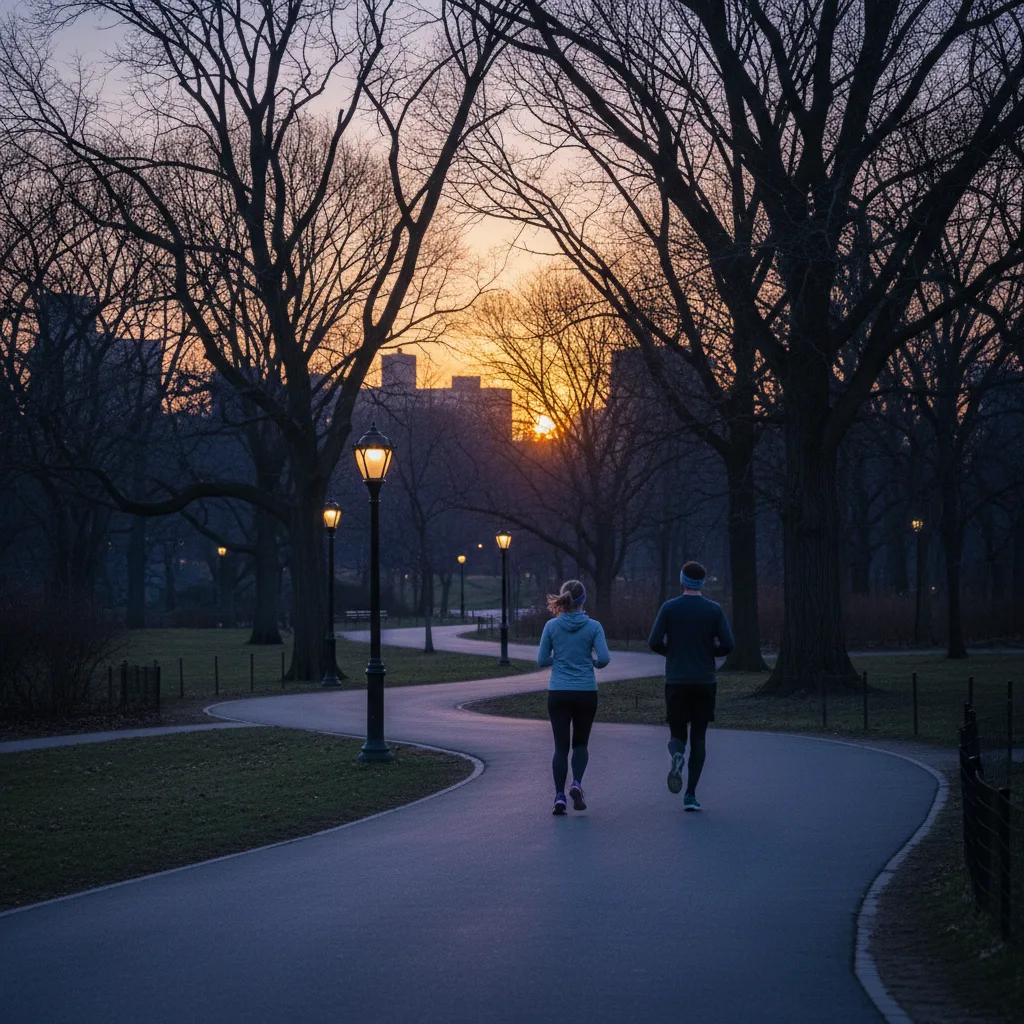
Central Park Conservancy Confirms 2026 Daily Operating Hours
Central Park Conservancy confirms 2026 daily hours: 6:00 a.m. to 1:00 a.m. This notice is for visitor planning, not a change.
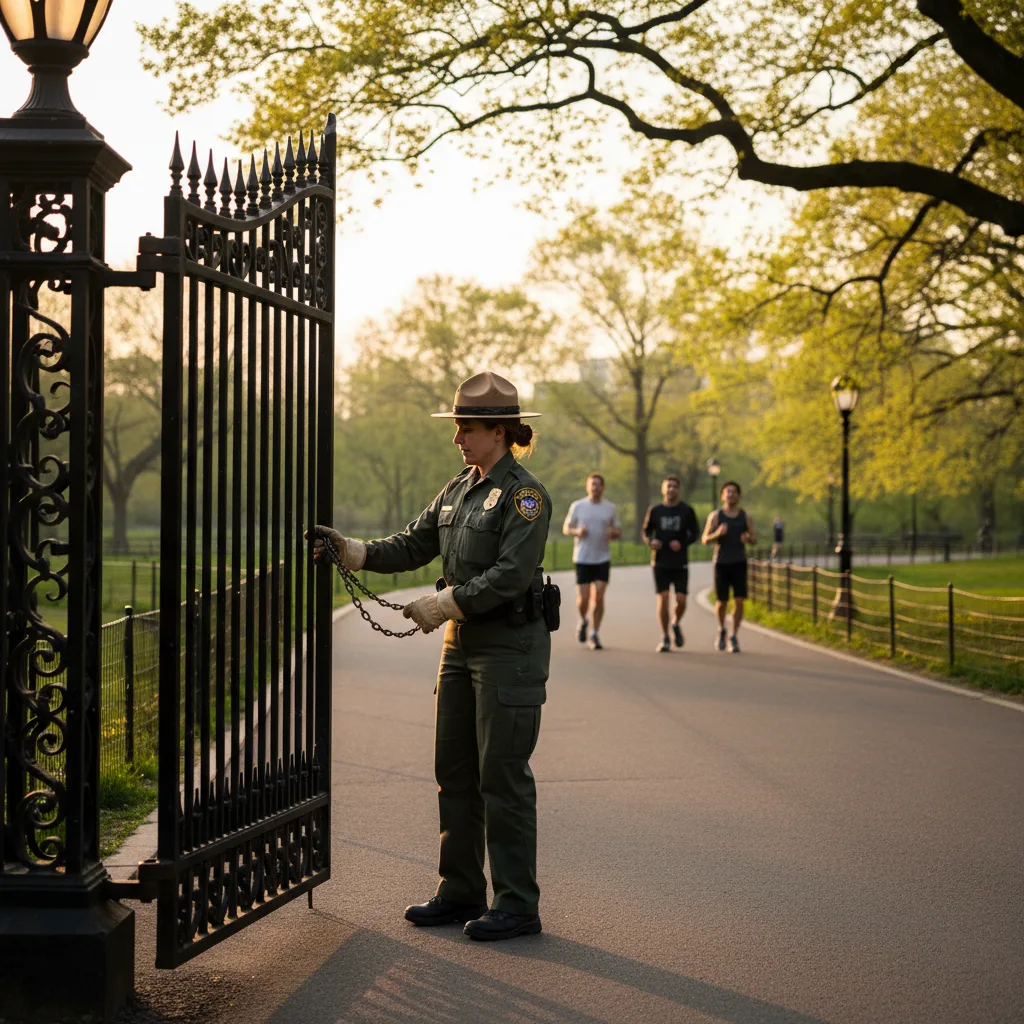
Central Park Conservancy Announces Park Hours Update for 2026
Central Park Conservancy announced updated 2026 park hours, maintaining 6:00 a.m. to 1:00 a.m. access daily. This schedule balances public enjoyment with critical maintenance and security operations.