


Central Park Visitors Face Enhanced Safety Measures in 2026

NEW YORK — Visitors to Central Park are encountering a noticeable increase in security presence and technological oversight as the park implements enhanced safety measures for 2026. These changes, part of a comprehensive strategy by the New York City Parks Department and the NYPD, aim to ensure a safer and more enjoyable experience for the millions who frequent the iconic urban oasis annually.
This strategic shift comes as public demand for heightened security within the city's green spaces continues to grow. Residents and tourists alike have expressed appreciation for the more visible patrols, particularly in densely trafficked areas like Bethesda Terrace and the Great Lawn. The initiative seeks to proactively address petty crime and general public safety concerns across the park's 843 acres, extending from 59th Street to 110th Street in Manhattan.
Increased Patrols and Surveillance Technology Deployed
The most immediate change visitors will observe is the augmentation of uniformed officers and park enforcement patrols. The NYPD has deployed an additional 30 officers dedicated solely to Central Park beats, bringing the total dedicated force to over 150 during peak hours. These officers are supplementing the existing Central Park Conservancy patrol teams, fostering a more coordinated security network.
Furthermore, the Parks Department has installed 25 new high-definition surveillance cameras at key entry points and recreational zones, including the Sheep Meadow and near the Delacorte Theater. These cameras, equipped with advanced analytics, allow park security personnel to monitor crowd movements and swiftly identify potential issues. "Our goal is to be both visible and vigilant," explained Captain Eleanor Vance, commanding officer of the Central Park Precinct, during a press briefing in February 2026. "We are utilizing modern technology to support our dedicated officers on the ground."
Community Engagement and Public Awareness Campaigns
Beyond traditional law enforcement, the new safety strategy emphasizes community engagement and public awareness. The Central Park Conservancy has launched a series of workshops and informational sessions for local residents, focusing on personal safety tips and how to report suspicious activities. These sessions are held monthly at various locations, including the Charles A. Dana Discovery Center at 110th Street.
A new public service announcement campaign, titled "Park Smart NYC," is also running across city subways and digital billboards. The campaign encourages visitors to secure their belongings, travel in groups after dusk, and utilize the park's emergency call boxes, which are now clearly marked with green and white signage. "An informed public is our strongest ally in maintaining park safety," stated Conservancy President & CEO Elizabeth Thorne in a recent park update. She confirmed the Conservancy's commitment to continuous improvement, saying, "We want everyone to feel confident and secure while enjoying this invaluable resource."
Historical Context of Park Security Evolution
Central Park's approach to safety has evolved significantly since its inception in the mid-19th century. Early park regulations primarily focused on preserving its natural beauty and preventing damage to plantings. However, as New York City grew and the park became a central public space, concerns shifted to visitor safety.
The 1970s and 1980s saw a period of increased crime rates in the park, leading to substantial efforts by the Central Park Conservancy, established in 1980, to revitalize both its physical infrastructure and its public image. These historical challenges laid the groundwork for today's proactive and technology-driven security framework. The current enhancements build upon decades of lessons learned, integrating modern solutions with established patrol methods, as detailed in reports from the Central Park Conservancy's Newsroom.
Funding and Future Outlook for Park Safety
The funding for these enhanced measures totals approximately $5.2 million for the 2026 fiscal year, with 60% allocated from the city budget and 40% from private donations managed by the Central Park Conservancy. This represents a 15% increase in security-related expenditure compared to the previous year, underscoring the commitment to park safety.
Future plans include exploring drone technology for monitoring large events and expanding the network of emergency call boxes to more secluded areas of the park. The Parks Department anticipates reviewing the effectiveness of the current initiatives by late 2026, using crime statistics and public feedback as key performance indicators. The NYPD's Captain Vance added, "We are constantly adapting our strategies. Public safety is not a static target; it requires continuous assessment and innovation."
Collaborative Efforts and Ongoing Challenges
The success of these safety initiatives hinges on sustained collaboration between multiple city agencies and community stakeholders. The NYPD, NYC Parks Department, and the Central Park Conservancy hold bi-weekly meetings to share intelligence, coordinate patrols, and plan future enhancements. Local community boards also provide valuable input, reflecting neighborhood-specific concerns and suggestions for improvement.
Despite these efforts, challenges persist, including managing large crowds during major events like concerts or marathons, and addressing the transient nature of park visitors. Educational programs aimed at responsible pet ownership and proper waste disposal are also contributing to overall park order, helping create a more respectful environment for all, often highlighted in local news updates from ABC7 New York. The holistic approach acknowledges that safety extends beyond crime prevention to include environmental stewardship and community responsibility.
Frequently Asked Questions About Central Park Safety
Q: What should I do if I witness a crime in Central Park? If you witness a crime, you should immediately call 911. There are also numerous emergency call boxes located throughout the park that connect directly to park security. Be prepared to provide specific details about the location and incident. Park Rangers are also available to assist.
Q: Are there designated safe zones or times to avoid certain areas? Central Park is generally safe, especially during daylight hours. While there are no officially designated "safe zones," highly trafficked areas like the Mall, Bethesda Terrace, and the area around Wollman Rink often have higher visibility. After dusk, it is generally advisable to stay in well-lit areas and avoid isolated paths. Always trust your instincts.
Q: How can I report non-emergency issues like broken equipment or overflowing trash? For non-emergency issues, you can report them directly to the Central Park Conservancy through their website or by calling their main office. The NYC 311 service also handles reports related to park maintenance and cleanliness. Swift reporting helps park staff address issues promptly and maintain the park's quality.
Q: Is there a lost and found for items misplaced in the park? Yes, the Central Park Conservancy operates a lost and found service. If you lose an item in the park, you can contact them directly or check their online portal. It is recommended to report lost items as soon as possible, providing a detailed description and the approximate location where it was lost.
Q: How can I get involved in supporting Central Park's safety initiatives? The Central Park Conservancy offers various volunteer opportunities, including roles that support park maintenance and visitor assistance, indirectly contributing to overall safety. Donations also help fund security enhancements and educational programs. Details can be found on the Conservancy's official website.
Related Articles
More in Safety & Crime →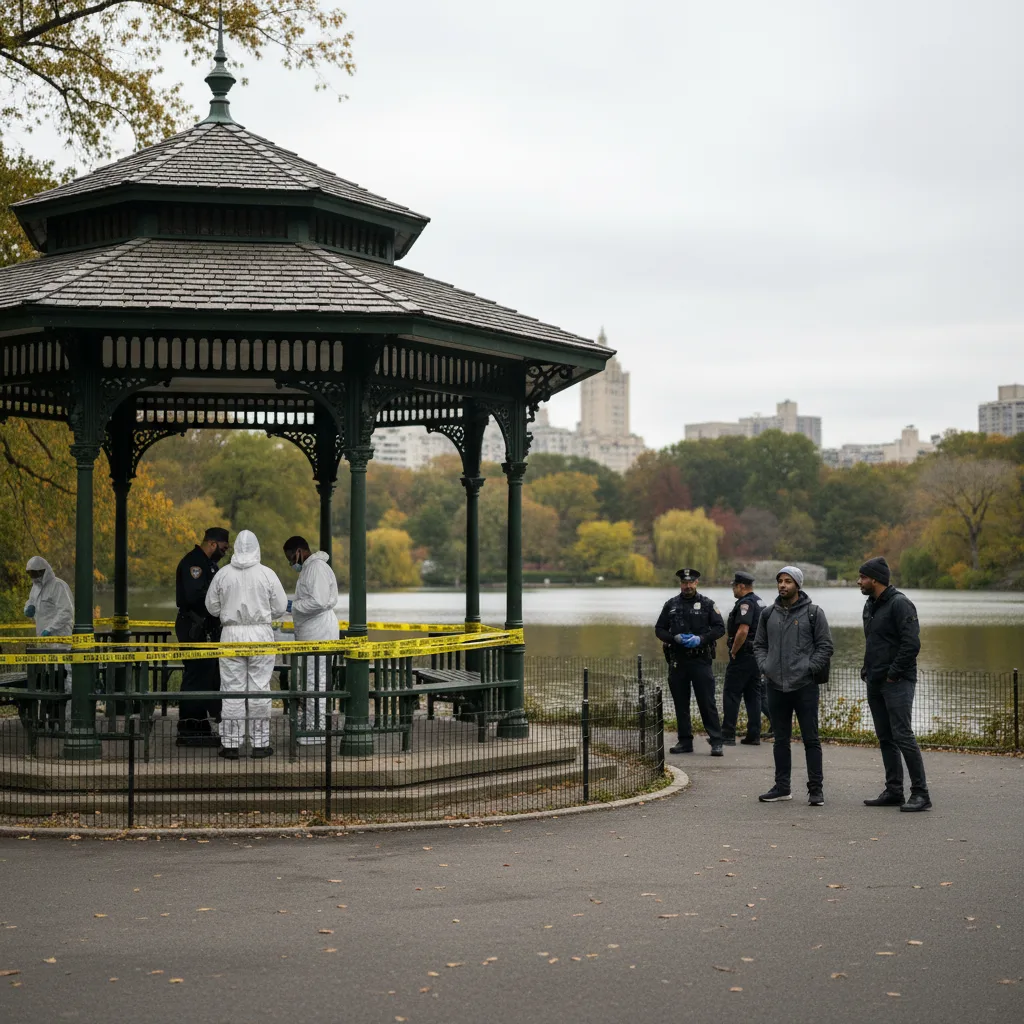
Central Park Woman Found Dead Near Boathouse Gazebo
A woman was found stabbed to death in a Central Park gazebo near the Boathouse on Sunday, prompting an active NYPD homicide investigation.
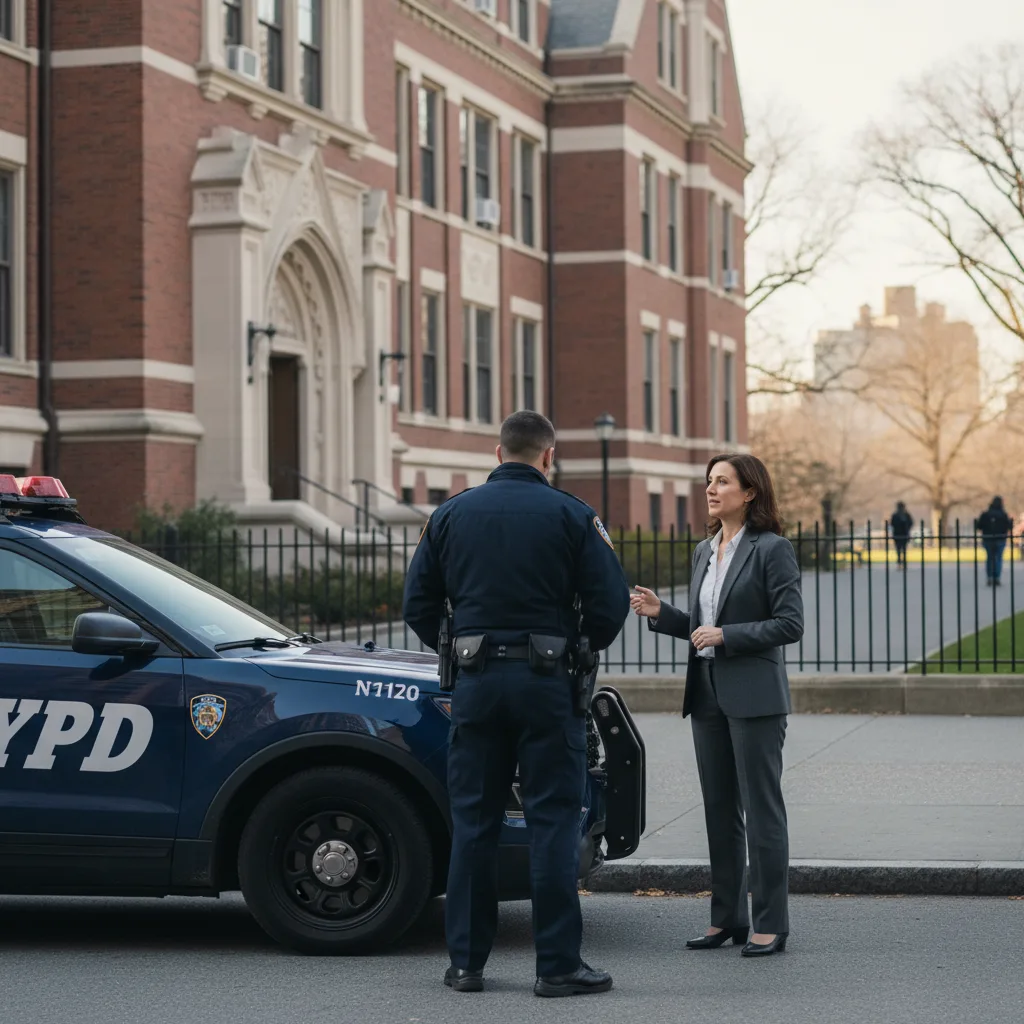
Queens Student Arrested for Bringing Gun to High School
A Queens student was arrested for bringing a gun to high school, prompting immediate law enforcement action and raising school safety concerns.
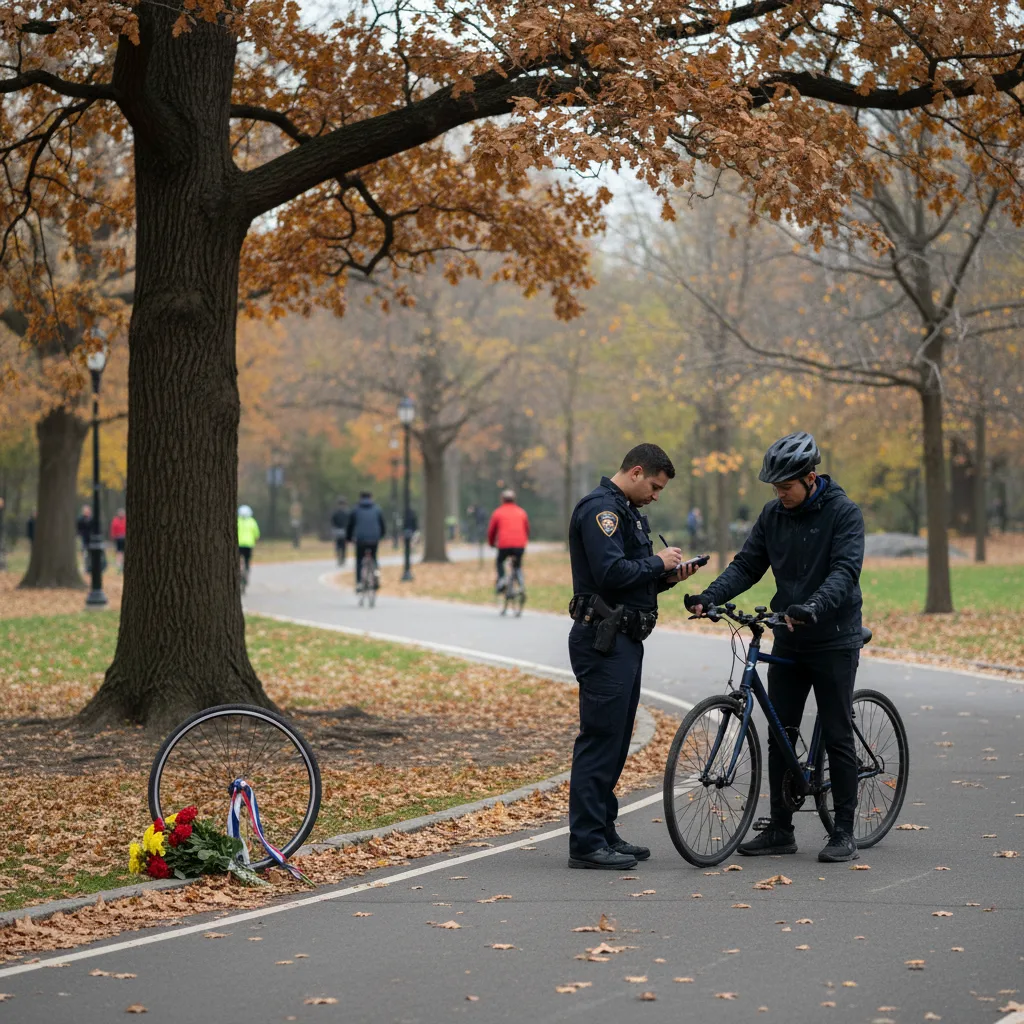
NYC Cyclist Death Prompts NYPD Ticketing Near Fatal Crash Site
NYPD stepped up cyclist ticketing near a recent fatal crash site in Central Park after a cyclist died Monday morning. Local groups demand safety reforms.
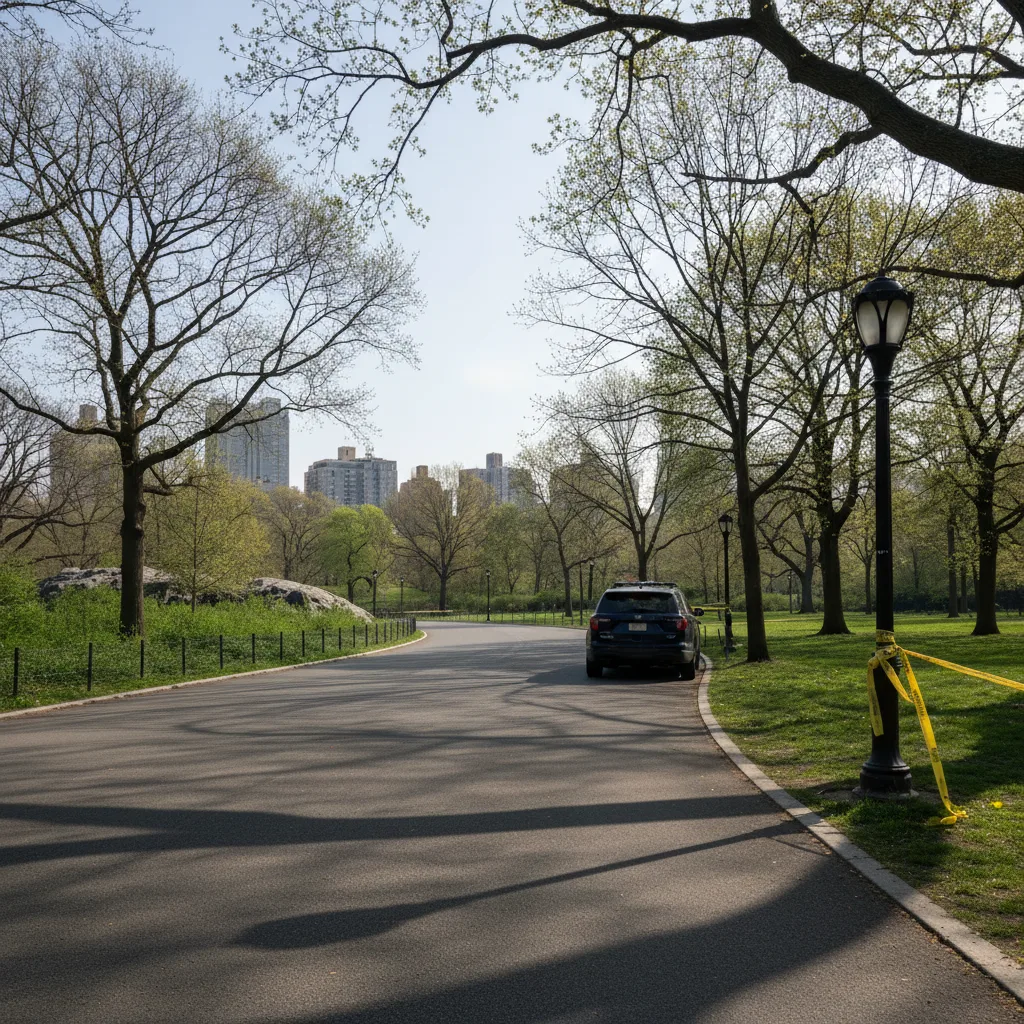
NYPD Confirms 71-Year-Old Cyclist Dies After Dog Collision in Central Park
NYPD confirms a 71-year-old cyclist died after colliding with a dog on Central Park's East Drive, near East 84th Street. The investigation is ongoing.
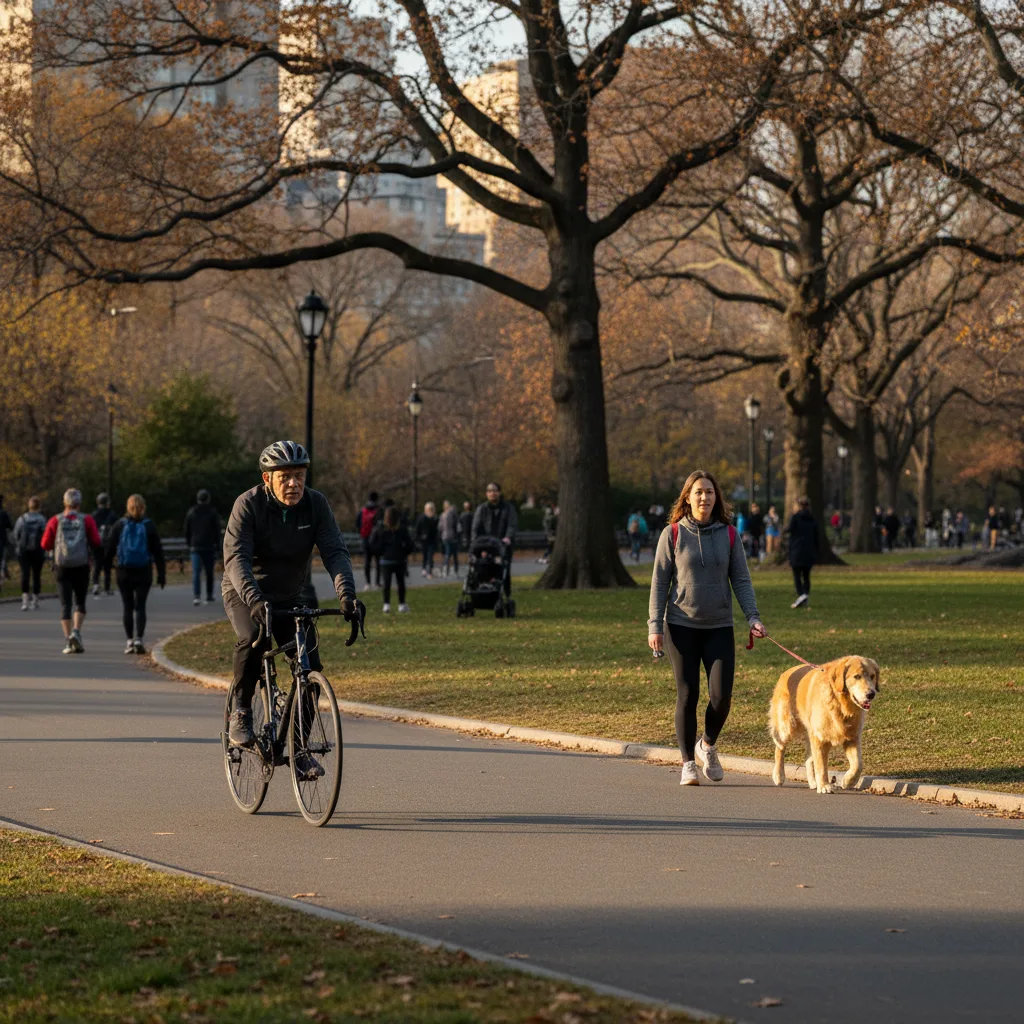
NYPD Investigates Central Park Cyclist Death After Dog Collision
NYPD confirms a 71-year-old cyclist died after colliding with a dog on Central Park's East Drive, near 84th Street. Investigation ongoing.
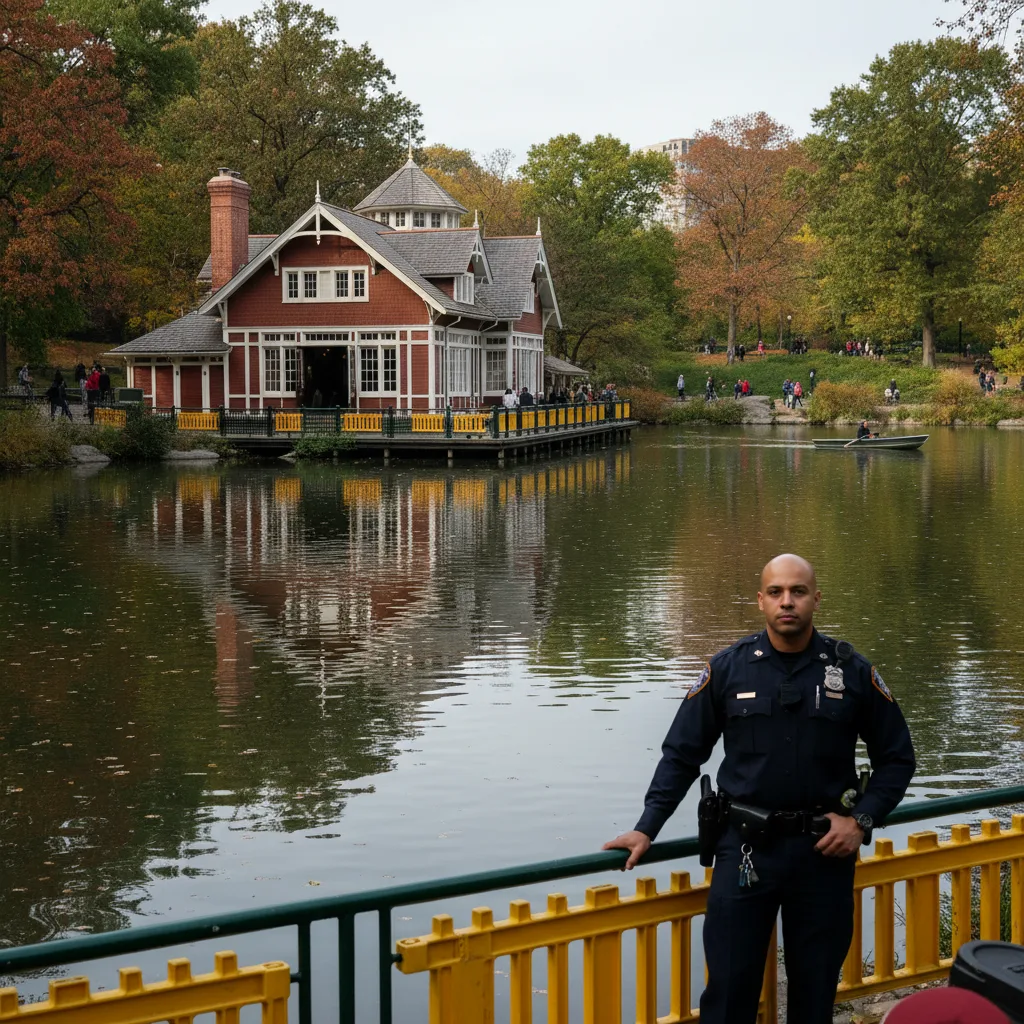
Man Charged in Central Park Beating Death of 63-Year-Old Woman
A 36-year-old man was charged with murder after a 63-year-old woman was found dead with head trauma in Central Park, NYPD confirmed.