


Central Park Welcomes Visitors February 10, 2026, As Northeast Thaws From Extreme Cold

Central Park saw a notable increase in visitors today, February 10, 2026, as the Northeast region began its highly anticipated thaw following a prolonged period of “life-threatening cold.” Residents and tourists alike ventured into Manhattan’s iconic green space, navigating still-snow-covered pathways and appreciating the subtle yet significant shift in temperatures after days of severe weather advisories.
The recent arctic blast, which gripped the region for over five days, brought record-low temperatures and widespread disruptions. Public health and safety warnings were issued across New York City, cautioning against prolonged outdoor exposure due to extreme wind chill factors. Central Park, typically a bustling hub of activity, had experienced significantly reduced foot traffic during the peak of the cold snap, with many New Yorkers opting to remain indoors to escape the biting temperatures.
Northeast Recovers from Historic Cold Snap
The extreme cold wave that descended upon the Northeast was characterized by temperatures well below freezing, often dipping into single digits Fahrenheit, with wind chills making it feel even colder. Meteorological services reported an unusual duration for such severe conditions, prompting a series of advisories for hypothermia and frostbite. Transportation was impacted, and public services advised minimal outdoor activity. The severity of the cold posed significant challenges for outdoor workers and vulnerable populations, with emergency shelters seeing increased demand. As of Tuesday morning, the National Weather Service indicated a gradual warming trend, with temperatures expected to climb above freezing in many areas by the afternoon, marking a significant relief for the metropolitan area.
Central Park's Post-Cold Revival Attracts Outdoor Enthusiasts
Within Central Park, the landscape began to transform under the nascent warmth. Glistening, melting snow could be observed on tree branches and park benches, while patches of bare ground started to emerge on popular walkways. The sounds of melting ice and trickling water replaced the sharp, dry stillness of recent days. Early morning observations noted an increase in individuals walking dogs, joggers returning to their routines, and photographers capturing the unique interplay of a wintry, yet softening, urban oasis. While the thaw is a welcome change, park-goers are advised to exercise caution, as many pathways remain partially snow-covered, and underlying icy patches could still pose a slip hazard, particularly in shaded areas and near frozen water bodies like the Pond and the Lake. Park officials have not yet issued specific warnings but encourage vigilance.
Key Points:
- Northeast region begins a gradual thaw on February 10, 2026, after a week of extreme cold.
- Central Park experiences a noticeable increase in visitor activity as temperatures rise.
- Park pathways remain partially snow-covered, with potential for icy conditions.
- Public health advisories for extreme cold are being lifted as weather improves.
Related Articles
More in Weather & Health →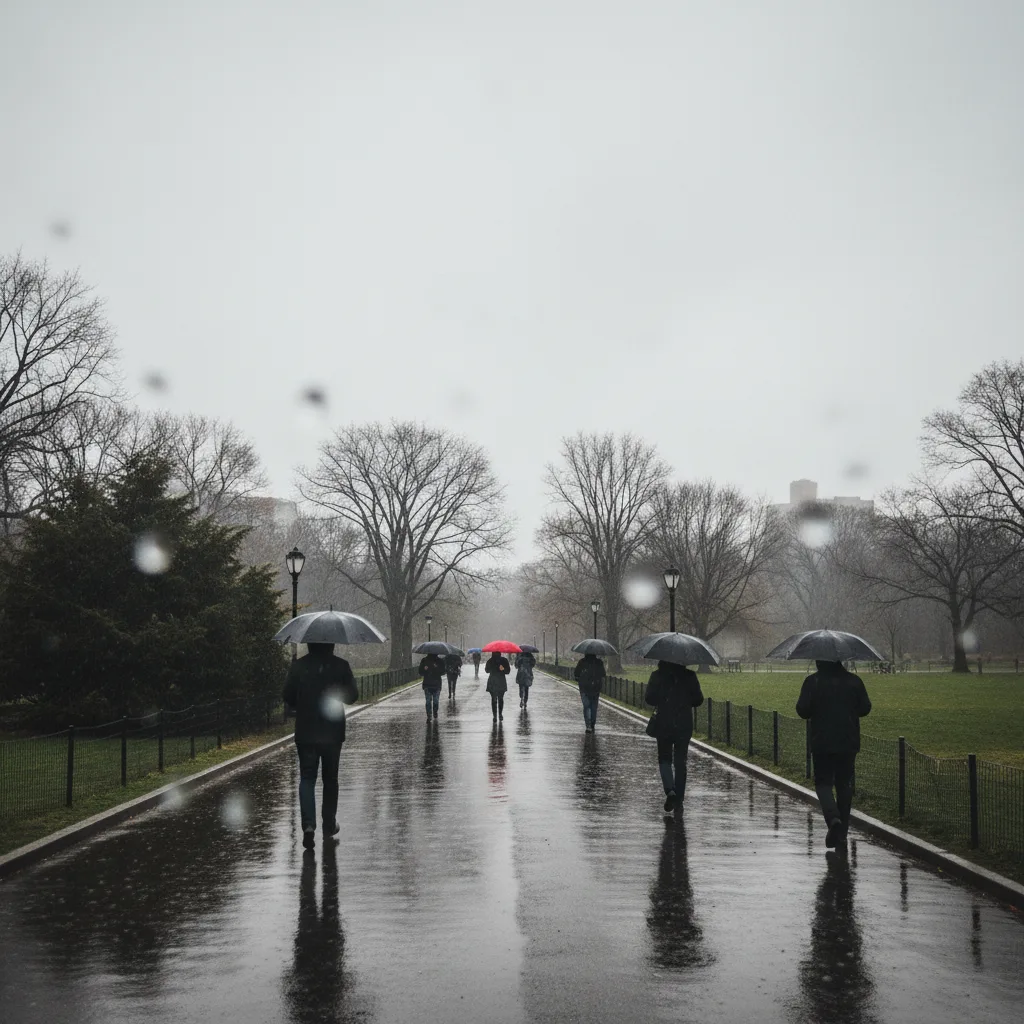
Central Park Radar Shows Current Rain Conditions and Near-Term Updates
Central Park visitors are seeing current rain conditions and near-term precipitation updates on AccuWeather radar, affecting outdoor activities and park operations.

September 2026 Central Park Weather Forecast Reveals Mild Conditions
Central Park's September 2026 weather forecast projects mild daily highs between 70-82°F and lows 57-66°F. Plan outdoor activities; comfortable conditions expected for park visitors.

Central Park Visitors Face Intermittent Rain, Cooler Temps Sunday Night
Central Park experienced cool temperatures and intermittent rain on Sunday, September 27, 2026, with a temperature of 57.0°F recorded. Visitors should plan accordingly.
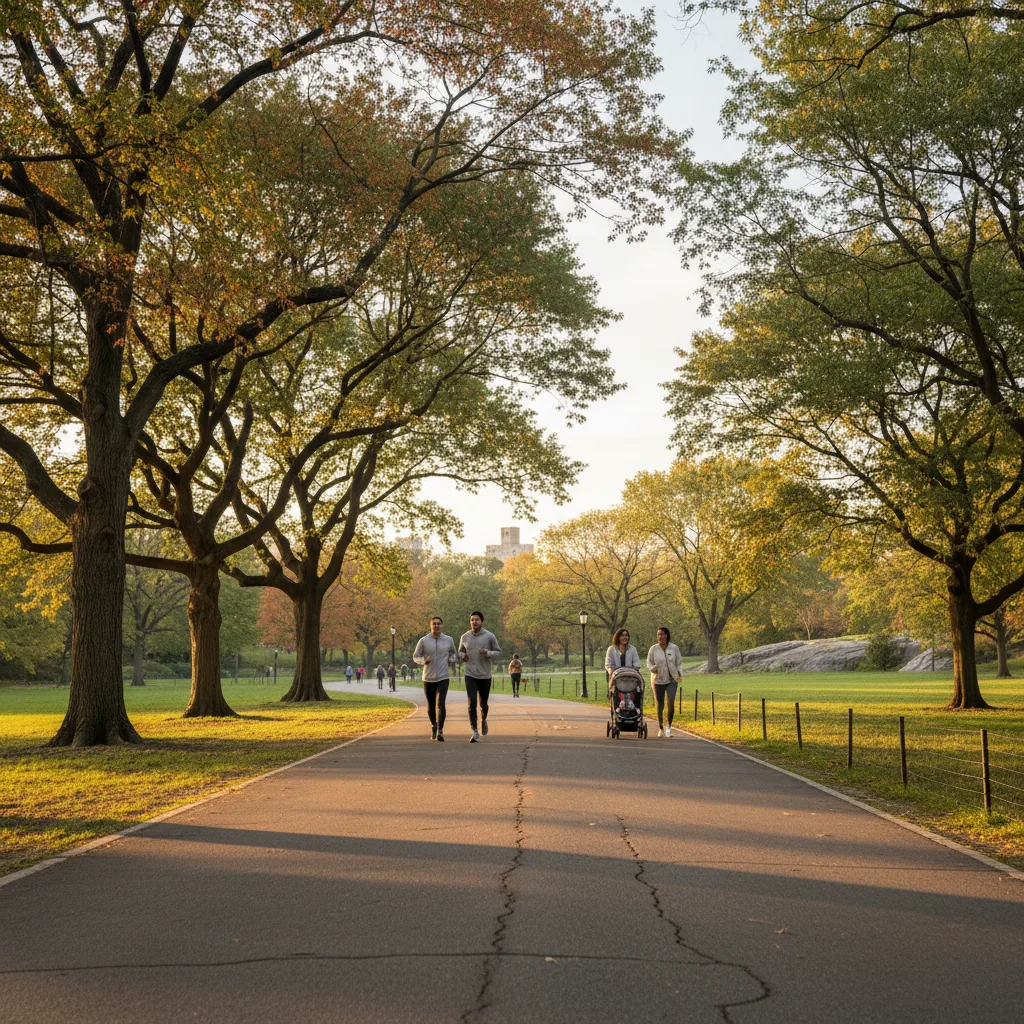
Central Park Records 72°F Max, 58°F Min Temperatures September 27
Central Park observed a maximum temperature of 72°F and minimum of 58°F on Sunday, September 27, 2026, according to the NWS climatological report.
AccuWeather Forecasts 64°F, 59°F for Central Park September 27
AccuWeather forecast a high of 64°F and low of 59°F for Central Park on September 27, 2026, slightly below monthly averages, indicating a cooler day.
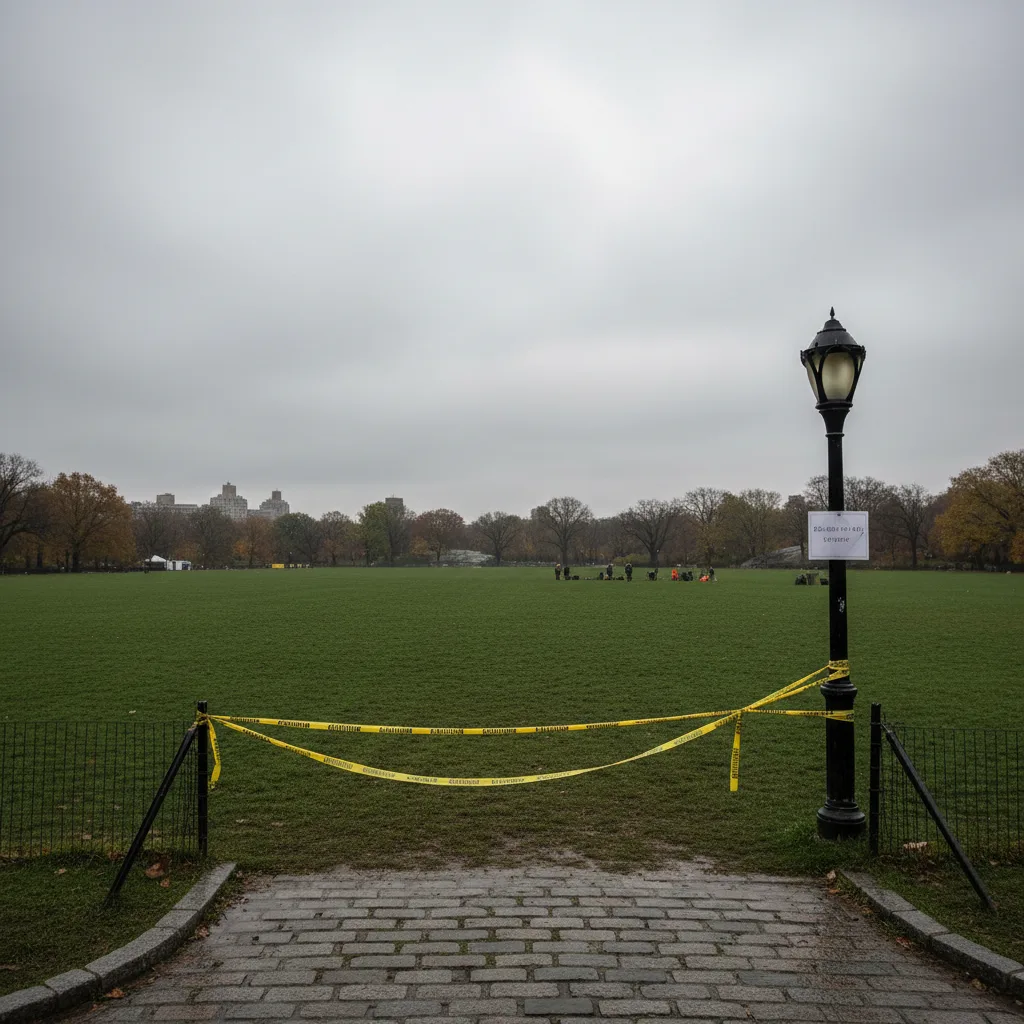
Global Citizen Festival in Central Park Canceled Due to Nor'easter Threat
Global Citizen Festival in Central Park was canceled Thursday due to an approaching nor'easter, affecting thousands and prompting safety concerns. New Yorkers should check for updated park alerts and traffic changes related to the storm.