


Central Park West Businesses Warn of Grocery Price Surges 2026
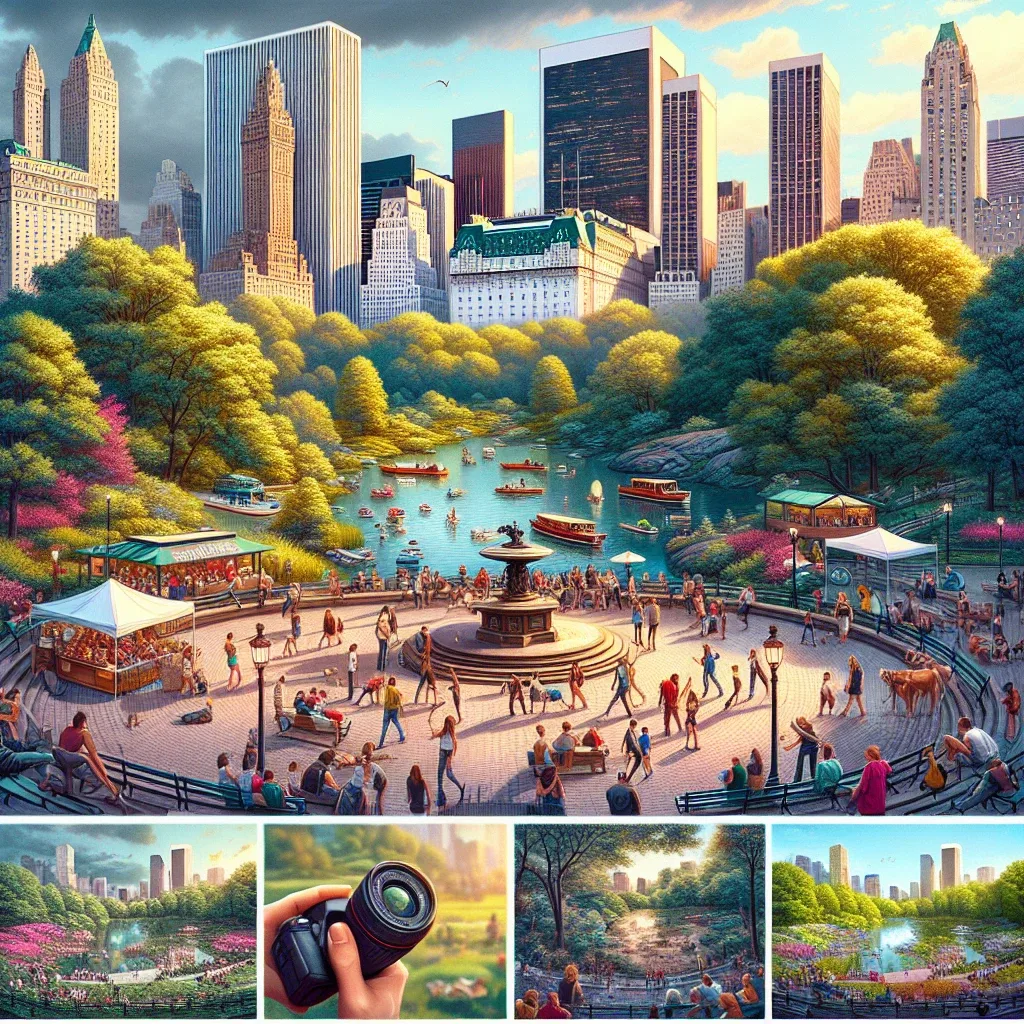
NEW YORK — Residents frequenting Central Park are facing the imminent prospect of significant grocery price surges, directly stemming from the ongoing Strait of Hormuz blockade and its cascading effects on global supply chains. Conversations overheard among runners and picnickers on park benches yesterday focused heavily on these economic anxieties, particularly concerns over fertilizer shortages. Parents near playgrounds have reportedly begun stocking up at park-adjacent stores, driven by fears of food lines and further price escalation.
Local businesses along Central Park West have already posted signs warning customers of impending price hikes. These warnings have sparked street-level debates among residents about personal strategies, including whether increased bicycling could help mitigate the impact of soaring transportation costs. Manhattan dog owners by Bethesda Fountain are sharing social media content, specifically TikToks, illustrating the chaos in the Strait of Hormuz.
Global Blockade Impacts Local Food Supply
Iran's new Supreme Leader, Mojtaba Khamenei, has vowed to maintain the Strait of Hormuz blockade, causing the largest oil supply disruption in history, with prices soaring over $100 a barrel. This geopolitical maneuver has far-reaching consequences, extending beyond energy markets to vital sectors like agriculture. The disruption threatens global fertilizer supplies, a critical component for food production worldwide.
Reports indicate that attacks on tankers have impacted over a dozen vessels, resulting in crew fatalities and widespread fires, as detailed in reports available on YouTube. The loss of approximately 10 million barrels of oil per day is creating cascading effects across industries, from agriculture to technology. Iran Names New Supreme Leader Mojtaba Khamenei provides further context on the leader's threats and the blockade's severity.
Central Park Community Reacts to Price Increases
The prospect of rising grocery prices has created a palpable sense of urgency within the Central Park community. Families are particularly concerned about the cost of feeding their households, leading to precautionary stocking of pantry staples. Discussions among residents frequently revolve around household budgeting and securing essential goods before prices climb further.
Beyond grocery concerns, residents are also grappling with inflated transportation costs. Uber fares, for instance, have surged to $50 for short hauls home, prompting calls for federal gas rations among Manhattan dog owners congregating near Bethesda Fountain. This growing economic pressure is forcing many to re-evaluate their daily commuting and purchasing habits.
Local Businesses Adjust to New Economic Reality
Businesses situated along Central Park West, which cater to a diverse clientele of residents and park visitors, are actively adjusting to the new economic landscape. The posted signs signaling price increases are not merely warnings; they reflect an unavoidable response to increased operational costs and supply chain uncertainties. These establishments are navigating difficult decisions to maintain profitability while serving their community.
Some business owners express concern that the increased prices might deter customers, potentially impacting foot traffic and sales. They are exploring various strategies, such as optimizing inventory and sourcing locally where possible, to absorb some of the rising costs. The hope is to minimize the burden on their loyal customer base while remaining viable.
Rethinking Urban Mobility and Lifestyle
The economic pressures are also influencing residents' transportation choices and overall lifestyle in the Central Park area. The idea of biking more to avoid pump chaos and high Uber surcharges is gaining traction among community members. This shift could lead to an increase in cycling infrastructure demands and a greater appreciation for alternative, cost-effective modes of transport.
Central Park itself may see an uptick in usage as a free recreational alternative, though access to the park might become more challenging for those reliant on expensive car services. The community's adaptability and willingness to explore sustainable alternatives highlight a resilient spirit in the face of economic adversity. IRL New York City Thursday Evening Walk shows the park's usual vibrancy, now juxtaposed with economic discussions.
Community Advocacy and Information Sharing
Residents are not passively accepting these changes; they are actively engaging in advocacy and information sharing. Social media platforms, particularly local groups and neighborhood forums, have become crucial for disseminating updates on price changes, sharing tips for saving money, and organizing community responses. The shared experience around Bethesda Fountain, for example, demonstrates this collective action.
Community leaders are being pressed to address these concerns at a municipal level, exploring possibilities for local support programs or economic relief measures. The active dialogue underscores the community's determination to navigate these challenges together, reinforcing the strong neighborhood ties around Central Park.
Frequently Asked Questions About Central Park's Grocery Impact in 2026
Why are grocery prices expected to surge near Central Park? Grocery prices are set to surge due to global fertilizer shortages, a direct consequence of the Strait of Hormuz blockade maintained by Iran's new Supreme Leader. This disruption affects agricultural production and supply chains worldwide, leading to higher food costs.
How are Central Park residents responding to these potential price hikes? Residents are taking proactive measures such as stocking up on groceries from park-adjacent stores, driven by fears of food lines and escalating prices. Discussions on managing household budgets and alternative transportation, like increased bicycling, are common.
What are businesses along Central Park West doing in response? Local businesses have begun posting signs warning of impending price increases, reflecting their own rising operational costs and supply chain uncertainties. They are exploring strategies to absorb some costs while maintaining profitability.
What specific concerns are being raised about transportation costs? Uber fares have significantly surged, with reports of $50 for short rides, leading Central Park residents and dog owners to call for federal gas rations. This surge is pushing many to consider alternative, cheaper modes of transport.
How is the Central Park community communicating about these issues? Community members are actively using social media platforms and informal gatherings within the park, such as discussions among dog owners by Bethesda Fountain, to share information, discuss coping strategies, and advocate for local and federal action regarding the economic challenges.
Related Articles
More in Consumer Impact →
A Guide to Central Park's Top Activities and Best Things to Do in 2026
Discover the best things to do in Central Park, NYC, with our comprehensive 2026 guide to iconic landmarks, activities, and hidden gems for visitors.
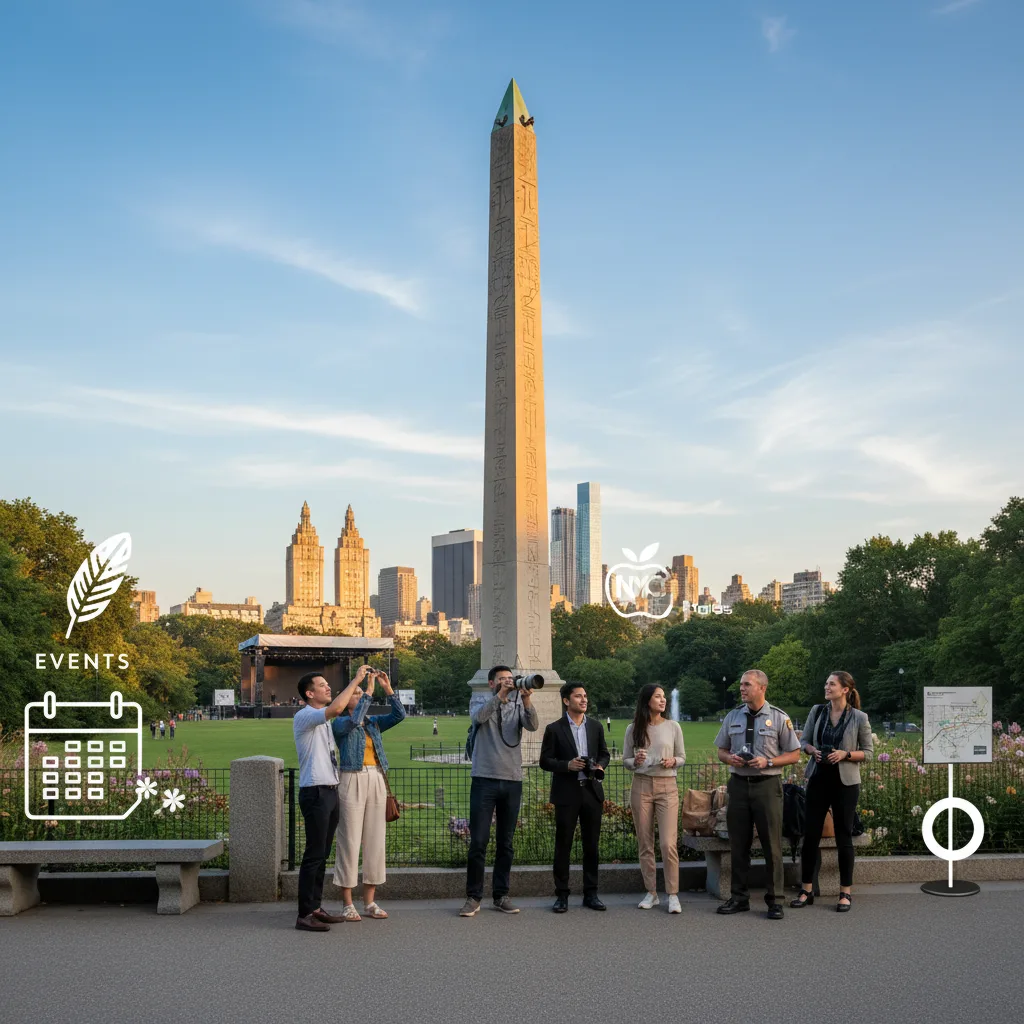
A Guide to What to Know About the Vatican Obelisk in Central Park 2026
Discover what to know about the Vatican Obelisk (Cleopatra's Needle) in Central Park, its history, journey to NYC, and where to find it in 2026.
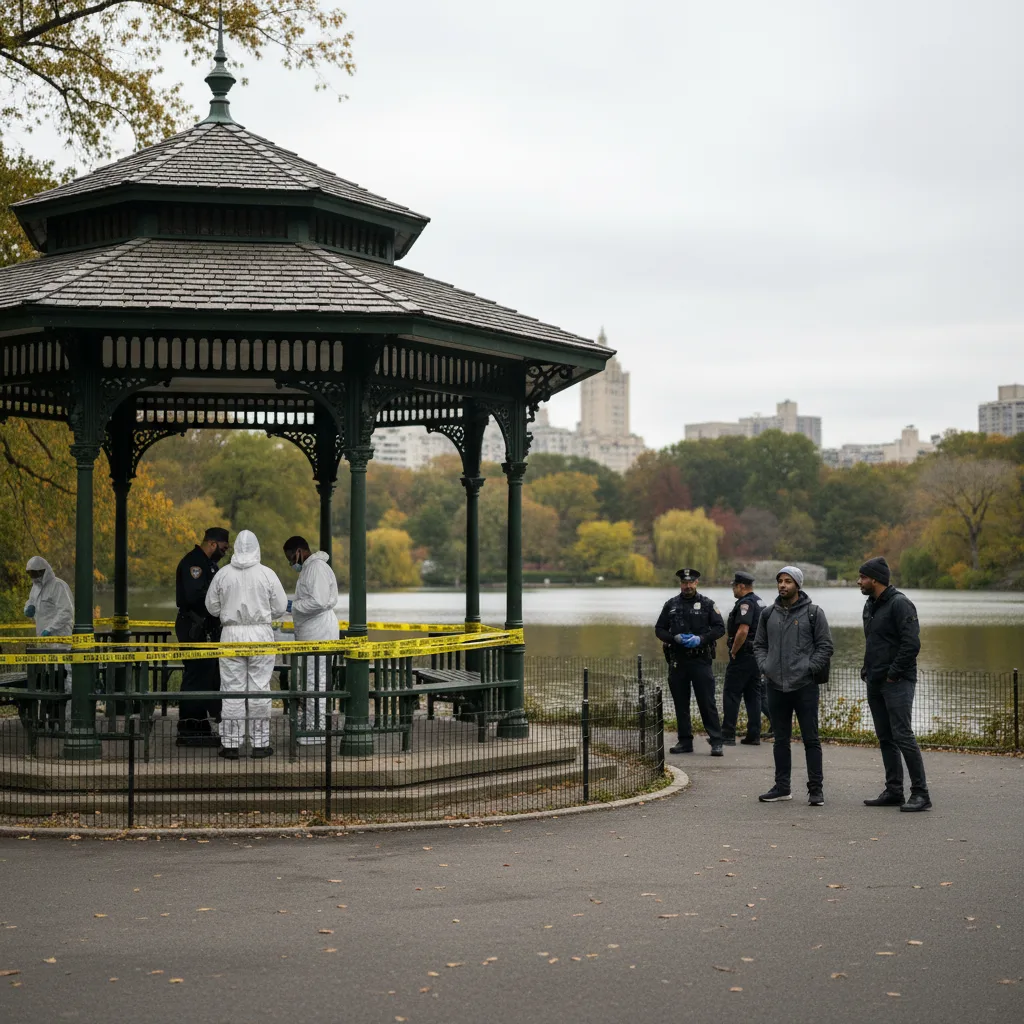
Central Park Woman Found Dead Near Boathouse Gazebo
A woman was found stabbed to death in a Central Park gazebo near the Boathouse on Sunday, prompting an active NYPD homicide investigation.
Queens Student Arrested for Bringing Gun to High School
A Queens student was arrested for bringing a gun to high school, prompting immediate law enforcement action and raising school safety concerns.

NYC Mayor Mamdani Booed at Union Square October 7 Vigil
Mayor Mamdani faced boos and protests at a Union Square vigil Thursday marking the Oct. 7 attacks, highlighting deep community divisions in NYC.
NYC Cyclist Death Prompts NYPD Ticketing Near Fatal Crash Site
NYPD stepped up cyclist ticketing near a recent fatal crash site in Central Park after a cyclist died Monday morning. Local groups demand safety reforms.