


Central Park Experiences Whiteout Conditions During February 23 Blizzard, Live Footage Shows

Central Park transformed into a landscape of extreme winter conditions on February 23, 2026, as a powerful blizzard swept through New York City. Live video documentation captured whiteout conditions across large sections of Manhattan, with the iconic park at the heart of the visually stunning, yet dangerous, weather event. Footage from various citizen journalists and news outlets depicted a city blanketed in snow, with visibility severely hampered by heavy snowfall and strong winds, creating an immersive winter scenery during the blizzard warning period.
The extensive live coverage provided a real-time glimpse into the severity of the storm, showcasing the impact on urban infrastructure and public movement. Despite the hazardous conditions, the raw beauty of Central Park under a thick layer of fresh snow and swirling winds was undeniable, drawing comparisons to remote, untouched wildernesses rather than a bustling metropolitan park.
Visual Impact and Public Observation
The live video walks, disseminated widely across social media platforms and news channels, offered a unique perspective on the blizzard's intensity. Viewers observed park pathways disappear under accumulating snow, while trees, usually teeming with life, stood silently draped in white. The whiteout conditions, characterized by a complete loss of visual distinction between snow-covered ground and cloudy sky, made navigation perilous. These visual reports underscored the official warnings issued by city authorities, advising residents to stay indoors and avoid unnecessary travel.
Public interest in these live streams was significant, with thousands tuning in to witness the unfolding weather phenomenon from the safety of their homes. Comment sections frequently highlighted the dramatic contrast between the park's usual vibrant activity and its serene, snowbound state. The footage served not only as a record of the storm but also as a powerful public awareness tool, demonstrating the immediate and profound effects of such a severe weather event on a dense urban environment.
Blizzard Warning and Safety Measures
During the blizzard warning period, Central Park's usual accessibility was severely curtailed. While the park technically remained open, officials strongly advised against entering due to the perilous conditions, including dangerously slippery surfaces, obscured pathways, and the risk of falling branches under heavy snow and wind. Maintenance crews were largely withdrawn from active operations during the peak of the whiteout, focusing instead on post-storm recovery plans.
Police and park patrols monitored key entry points, providing information and discouraging public access to ensure safety. The primary concern was preventing injuries from slips, falls, or exposure to the extreme cold and wind. The live video footage reinforced the necessity of these safety measures, vividly illustrating the challenges faced by anyone venturing outdoors. As the blizzard gradually subsided, the focus shifted to clearing major thoroughfares within the park, restoring safe passage for visitors, and assessing any potential damage to its extensive flora and fauna.
Key Points:
- Live video footage on February 23, 2026, documented extensive whiteout conditions in Central Park.
- The blizzard transformed Manhattan's park into a visually stunning yet hazardous winter landscape.
- Public observations highlighted the severe impact on visibility and park pathways.
- The live streams underscored the intensity of the storm and reinforced safety warnings.
- Central Park remained largely inaccessible during the blizzard warning due to dangerous conditions.
- Officials advised against park entry, emphasizing public safety during the severe weather event.
Related Articles
More in Weather & Health →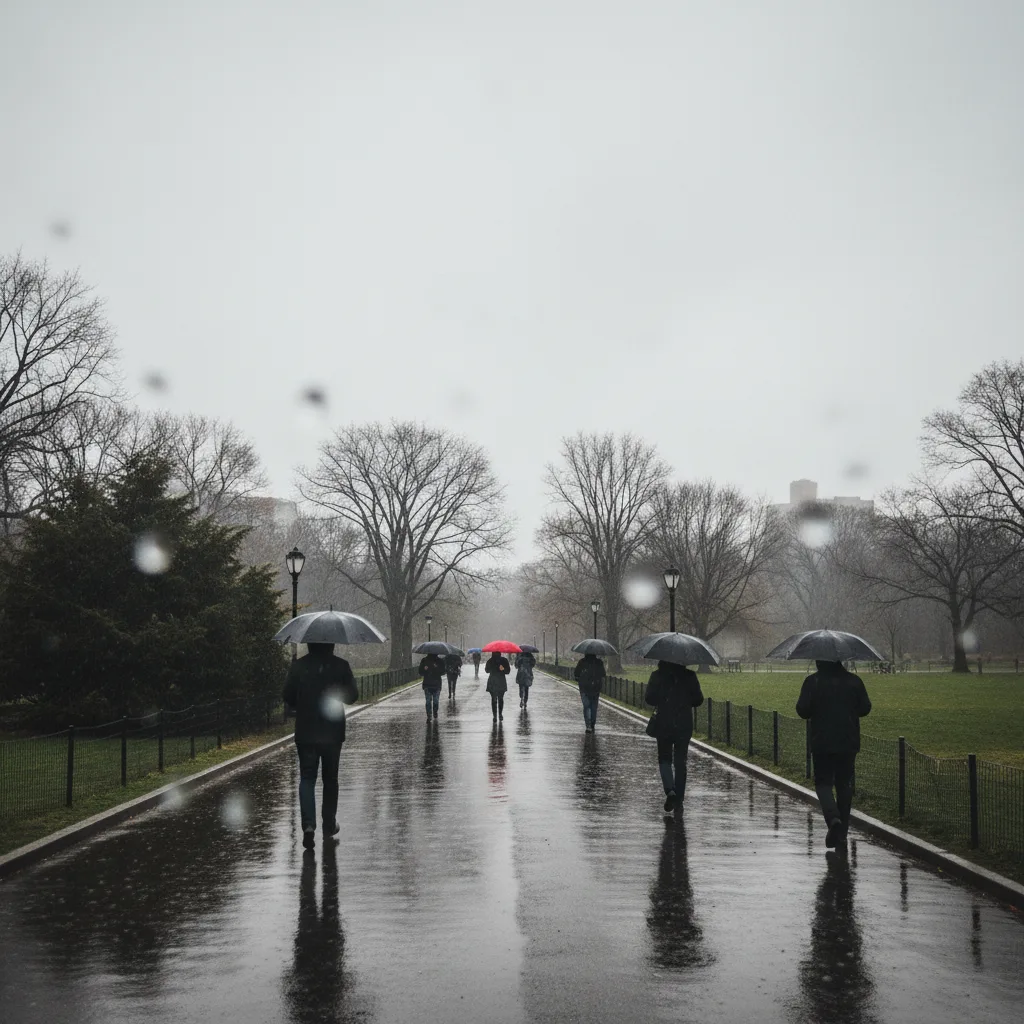
Central Park Radar Shows Current Rain Conditions and Near-Term Updates
Central Park visitors are seeing current rain conditions and near-term precipitation updates on AccuWeather radar, affecting outdoor activities and park operations.

September 2026 Central Park Weather Forecast Reveals Mild Conditions
Central Park's September 2026 weather forecast projects mild daily highs between 70-82°F and lows 57-66°F. Plan outdoor activities; comfortable conditions expected for park visitors.
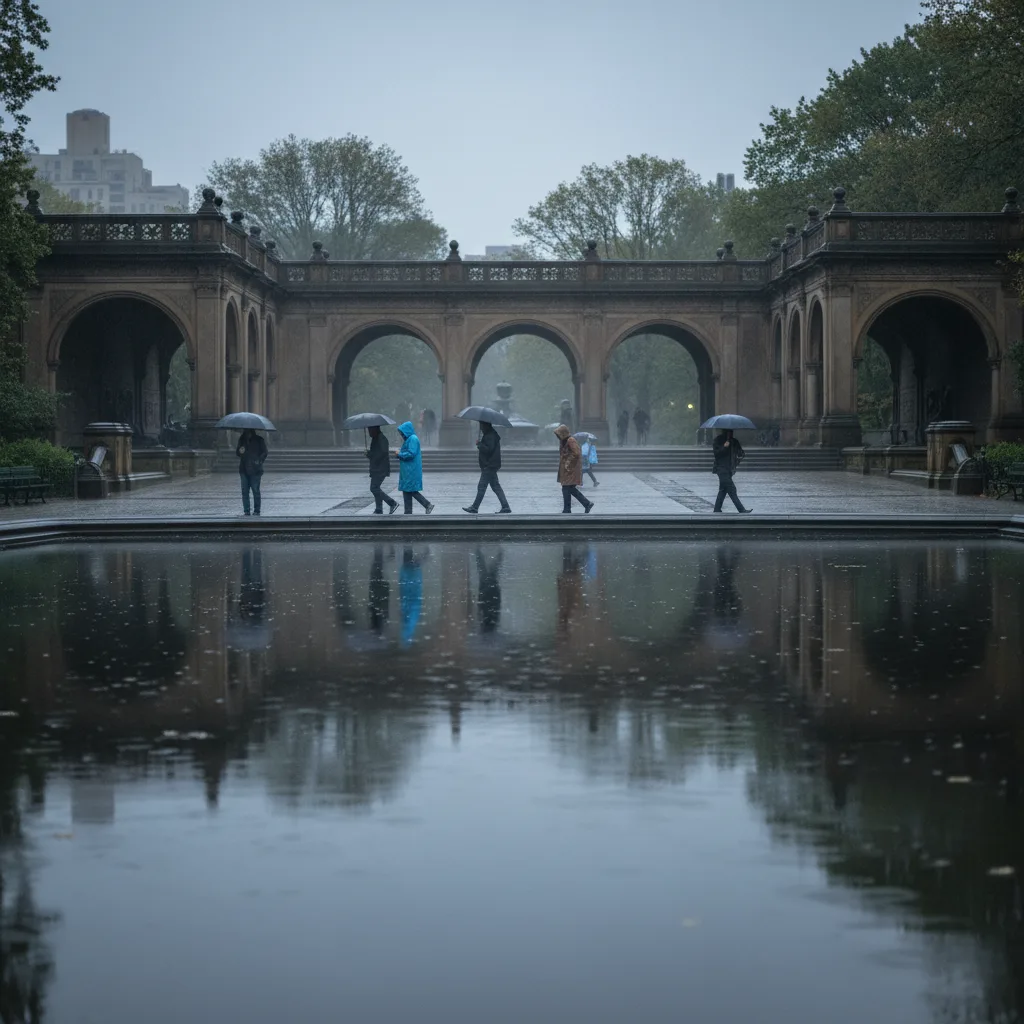
Central Park Visitors Face Intermittent Rain, Cooler Temps Sunday Night
Central Park experienced cool temperatures and intermittent rain on Sunday, September 27, 2026, with a temperature of 57.0°F recorded. Visitors should plan accordingly.
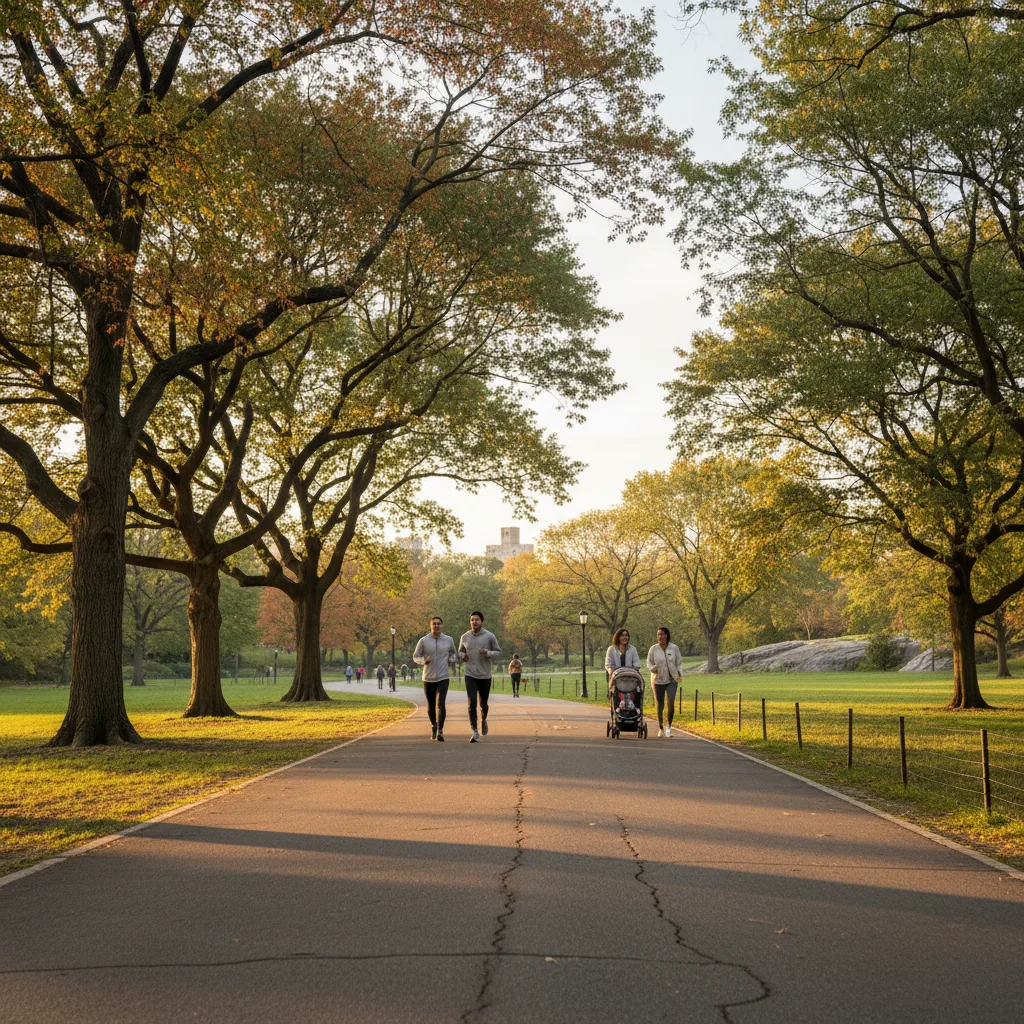
Central Park Records 72°F Max, 58°F Min Temperatures September 27
Central Park observed a maximum temperature of 72°F and minimum of 58°F on Sunday, September 27, 2026, according to the NWS climatological report.
AccuWeather Forecasts 64°F, 59°F for Central Park September 27
AccuWeather forecast a high of 64°F and low of 59°F for Central Park on September 27, 2026, slightly below monthly averages, indicating a cooler day.
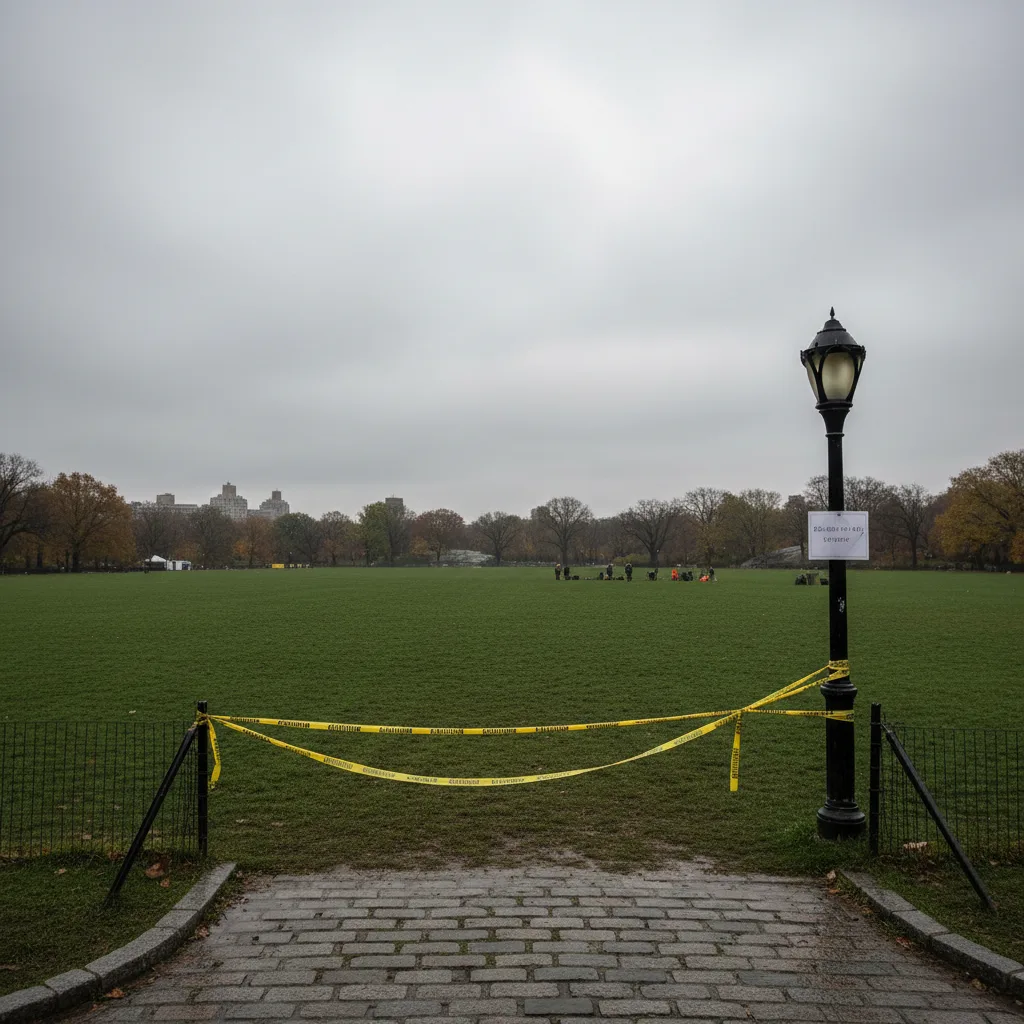
Global Citizen Festival in Central Park Canceled Due to Nor'easter Threat
Global Citizen Festival in Central Park was canceled Thursday due to an approaching nor'easter, affecting thousands and prompting safety concerns. New Yorkers should check for updated park alerts and traffic changes related to the storm.