


Central Park's 19.7 Inches Rank 2026 Blizzard Ninth Heaviest in NYC History

New York City, NY — The powerful blizzard that swept through New York City on February 23, 2026, left a lasting mark on the city's weather records, with Central Park serving as the official measurement site. As of 2:30 p.m. on the day of the storm, 19.7 inches of snow had accumulated in Central Park, a figure that positioned this event as the ninth biggest snowstorm in New York City's history, dating back to 1869. This historic measurement, confirmed by weather authorities, places the 2026 blizzard among the most significant winter events the city has experienced in over a century and a half, underscoring its meteorological severity and impact.
The significance of the 19.7-inch total goes beyond mere numbers; it places the 2026 storm in an elite category alongside other legendary blizzards that have shaped New York City's winter narrative. These historical comparisons highlight the rarity and intensity of the event. Official data collected at the Central Park weather station, maintained by the National Weather Service, is the benchmark for city-wide snowfall records, making the park's measurement crucial for understanding the storm's historical context. The city's infrastructure and residents were tested by conditions not seen in decades for such a top-tier snowfall event.
Historical Context and Previous Record Holders
Comparing the 2026 blizzard to past events provides valuable insight into its magnitude. New York City's snowfall records, meticulously kept since 1869, chronicle numerous severe winter storms. The 19.7 inches recorded in Central Park means the 2026 storm now ranks just behind other monumental events, such as the infamous Blizzard of 1888 or the "President's Day Storm" of 2003. This ranking emphasizes the extraordinary nature of the storm, which necessitated comprehensive city-wide emergency responses and significant public advisories. The historical perspective also aids in future preparedness, allowing officials to benchmark response efforts against similar high-impact events.
Long-Term Impact on Central Park and Recovery Efforts
Beyond the immediate disruption, a snowfall of 19.7 inches carries potential long-term implications for Central Park's ecology and infrastructure. The sheer weight of such a snow accumulation can stress trees, particularly older or damaged specimens, leading to increased risk of branch breakage or even uprooting. The Central Park Conservancy will embark on extensive recovery efforts, including debris removal, pathway clearing, and assessing any damage to the park's delicate ecosystems. These efforts are crucial to restore the park to its pristine condition and ensure its health and safety for future seasons. The scale of the cleanup operation will be proportionate to the historic nature of the blizzard, requiring significant resources and planning.
Key Points:
- The February 23, 2026 blizzard recorded 19.7 inches of snow in Central Park.
- This measurement ranks the 2026 storm as the ninth biggest in NYC history since 1869.
- The storm's historical context places it among other legendary New York City blizzards.
- Long-term recovery efforts in Central Park will focus on ecological assessment and debris removal.
Related Articles
More in Arts & Culture →
Central Park Film Festival Returns October 6-9, 2026
Central Park's Film Festival returns October 6-9, 2026, offering free outdoor cinematic experiences. This annual event attracts thousands, enhancing the city's cultural landscape. Plan your visit now.
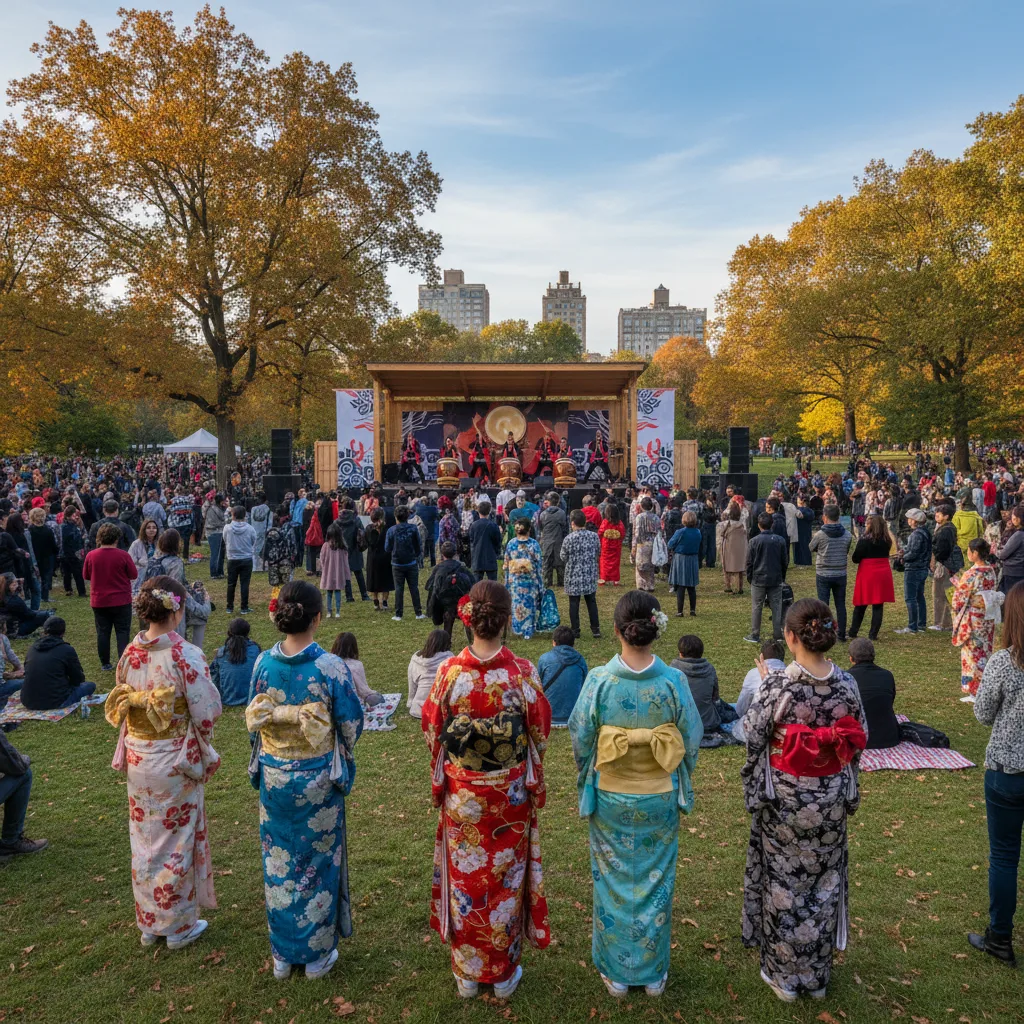
Central Park Hosts October 3 Japanese Buddhist Fall Festival
Central Park will host a Japanese Buddhist Fall Festival on October 3, 2026, alongside the Madison Avenue Fall Gallery Walk. This offers New Yorkers diverse cultural experiences and celebrates global traditions.
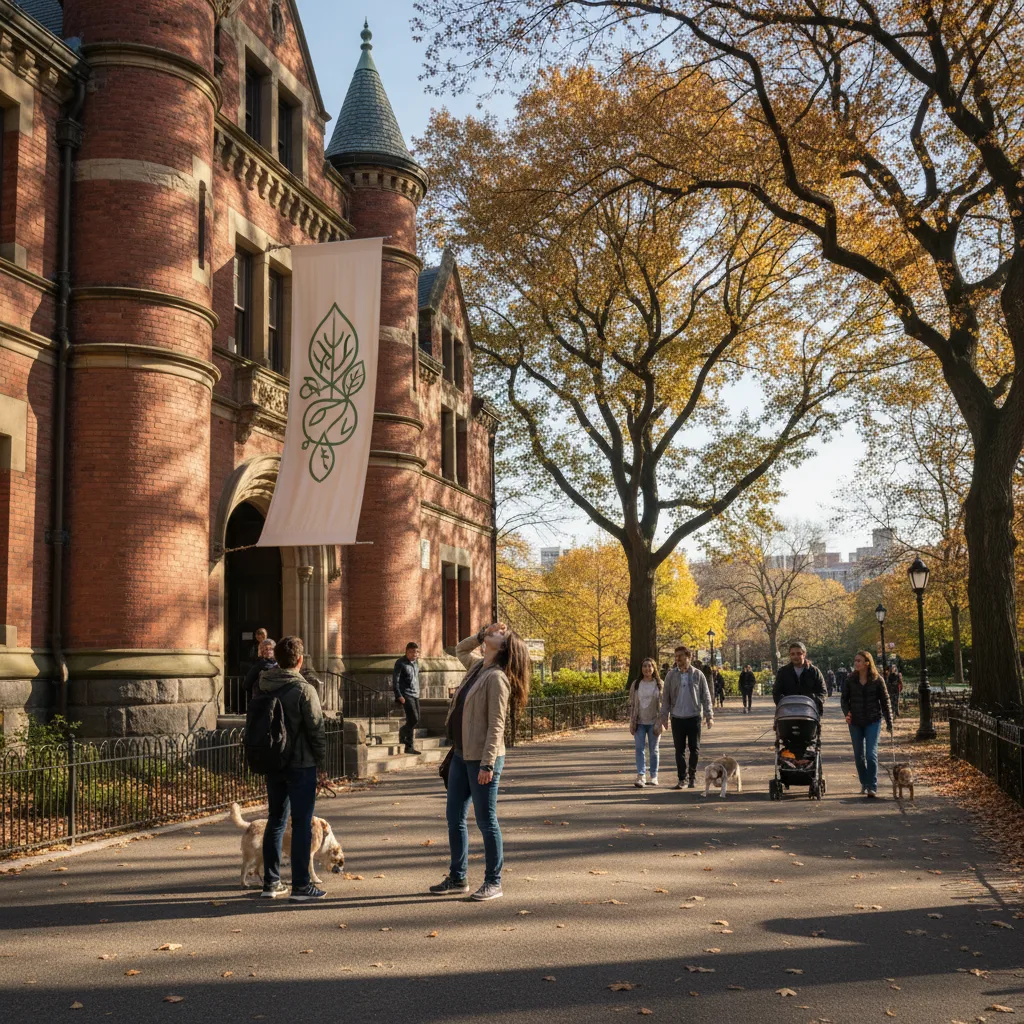
Arsenal Gallery Unveils "New Dendrology" Art Exhibition in Central Park
Central Park's Arsenal Gallery presents "New Dendrology," a group exhibition exploring trees and human connection through art. It runs 9 a.m. to 5 p.m. daily.
Central Park: A Historical Overview from 1858 to Present Day
Central Park, created in 1858 to meet NYC's recreational needs, now attracts 42 million annual visitors, many unaware of its deep history.
New York Swings with Josh Lee & The Family September 30, 2026
Josh Lee and The Family will present “New York Swings” on September 30, 2026, featuring Lindy Hop and live swing-era jazz music. Experience vintage jazz and dance in the heart of NYC.
Central Park Conservancy Hosts Seneca Village Tours September 27
Central Park Conservancy hosted Seneca Village Tours on September 27, 2026, exploring the history of the pre-park African-American community from West 82nd to 89th Street.