


Central Park's Elusive Parakeet Rescued After Months in the Wild

NEW YORK — After eluding capture for several months, an adventurous parakeet that had made Central Park its temporary home was successfully rescued this week. The small, colorful bird had become a local curiosity, frequently spotted by birdwatchers near the Pond and Gapstow Bridge.
The rescue operation was a collaborative effort involving local animal welfare volunteers and the Central Park Conservancy’s wildlife management team. The parakeet, identified as a monk parakeet, is believed to have escaped from a private residence and adapted surprisingly well to the urban park environment.
The Journey of Central Park's Unofficial Resident
Sightings of the solitary parakeet began circulating on social media platforms and local birdwatching forums in early spring 2026. Its bright green plumage stood out against the park’s foliage, capturing the attention of countless park-goers who would often try to photograph it.
“This little guy was quite resilient, surviving on seeds, berries, and whatever he could forage,” noted Dr. Evelyn Reed, an ornithologist and volunteer with the NYC Audubon Society. “Monk parakeets are known for their adaptability, but living in Central Park through changing seasons is still a feat.”
The bird was particularly active around the southern end of the park, near Wollman Rink and the Hallett Nature Sanctuary. Its ability to find food and shelter impressed local wildlife enthusiasts, leading to a dedicated online following tracking its movements.
Rescue Operation: Precision and Patience
The decision to rescue the parakeet was made due to concerns about its long-term survival, particularly with the onset of colder weather and potential predators. A specialized team, led by animal rescuer Danny New, spent several days observing the bird’s habits.
“It took a lot of patience and a very gentle approach,” New told reporters, detailing the intricate process. “We used a humane trap baited with its favorite seeds, and once we had it, the bird was calm and cooperative. You can see the relief in its little eyes.” New’s efforts were highlighted in an ABC News report, demonstrating the commitment to animal welfare.
The rescue team ensured the parakeet was not stressed during the process. The operation involved careful planning to avoid disturbing other wildlife in the area, a testament to Central Park wildlife protection programs.
Post-Rescue Care and Future Plans
Following its capture, the parakeet underwent a thorough veterinary check-up at a local animal hospital. Veterinarians confirmed it was in good health, albeit a little underweight, and showed no signs of injury or illness from its time in the wild.
“The bird is now recovering comfortably in a safe, controlled environment,” a spokesperson for the Animal Care Centers of NYC confirmed. “We are currently searching for its original owner through local lost pet registries and social media appeals.”
If the owner cannot be located, the parakeet will be placed in a suitable avian sanctuary or adopted by an experienced bird owner. The goal is to provide a permanent, safe home where it can thrive after its unexpected adventure.
The Allure of Central Park's Unexpected Wildlife
The story of the monk parakeet adds another chapter to Central Park’s rich history of unexpected wildlife residents. From the famous Mandarin duck to various species of hawks and owls, the park often surprises visitors with its biodiversity.
The park's diverse ecosystems, including wooded areas like The Ramble and open lawns such as Sheep Meadow, provide habitats for hundreds of bird species. These sightings contribute significantly to the park's appeal for birdwatchers and nature lovers, underscoring the success of conservation efforts within the urban landscape.
Incidents like these often draw attention to the delicate balance between urban development and natural preservation. They also remind us of the important work done by dedicated volunteers and organizations in animal welfare. For more stories like this, check out Eyewitness News at ABC7NewYork.
Frequently Asked Questions About Central Park Wildlife
What types of birds can typically be found in Central Park ? Central Park is a prime birdwatching destination, hosting over 200 species throughout the year. Common sightings include various sparrows, warblers, woodpeckers, and waterfowl. Rarer migratory birds also make appearances, especially during spring and fall.
What should I do if I find an injured or lost animal in Central Park? If you encounter an injured or lost animal in Central Park, it is best not to approach or handle it directly. Instead, contact the Central Park Conservancy or NYC Animal Care Centers for assistance. They have trained personnel who can safely assess and help the animal. You can also call 311 for non-emergency wildlife concerns.
How does Central Park protect its wildlife? The Central Park Conservancy implements various programs to protect and conserve the park’s wildlife, including habitat restoration, water quality monitoring, and educational initiatives. They work to minimize human impact on animal populations and promote biodiversity within the urban park ecosystem.
Related Articles
More in Wildlife & Nature →
Central Park Boathouse Bird Watching Tour Offers Educational Experience
Central Park Boathouse offers an educational bird watching tour, providing visitors an opportunity to observe avian species. This experience connects locals with nature, enhancing appreciation for park wildlife.
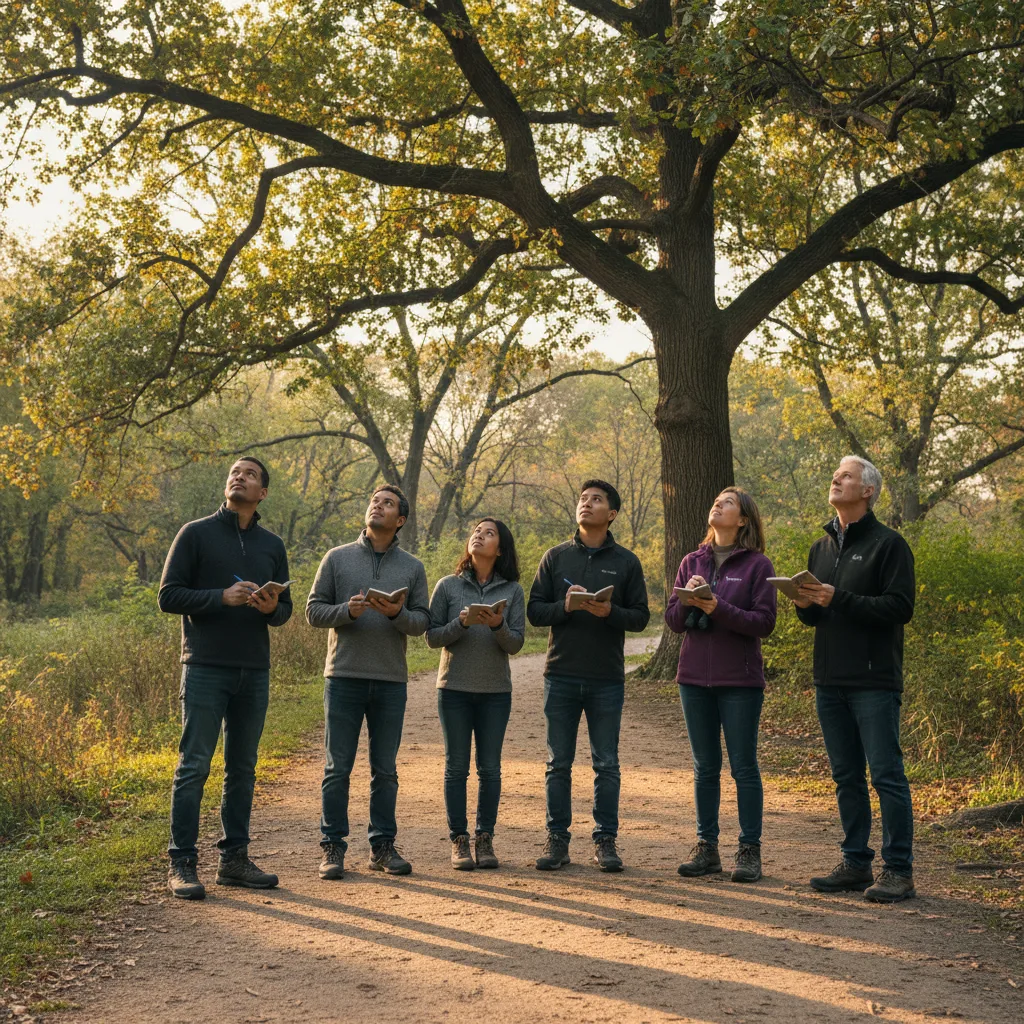
Central Park Event Calendar Features Climate Week Activities September 27
Central Park's event calendar for September 27, 2026, included a Climate Week-aligned "Journal, Meditation, + Bird Walk," promoting environmental awareness.
Wildlife Conservation Society Awards Lovejoy Prize at Central Park Zoo
Wildlife Conservation Society awards 2026 Thomas E. Lovejoy Prize today at Central Park Zoo during Climate Week in New York City.
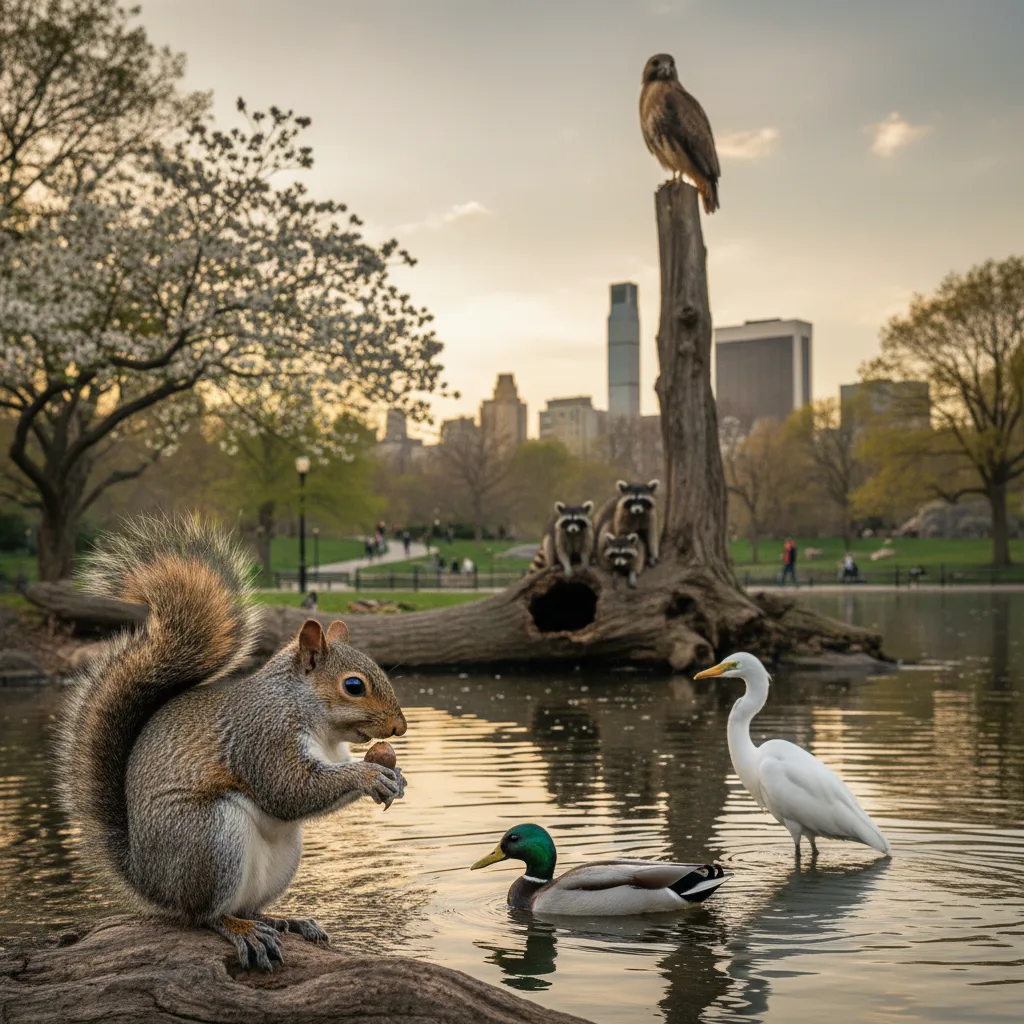
A Guide to Central Park's Wildlife: What to Know About the Park's Animals and Ecosystem
Discover the diverse Central Park wildlife, from birds and mammals to aquatic life. Learn responsible observation tips and conservation efforts for 2026.
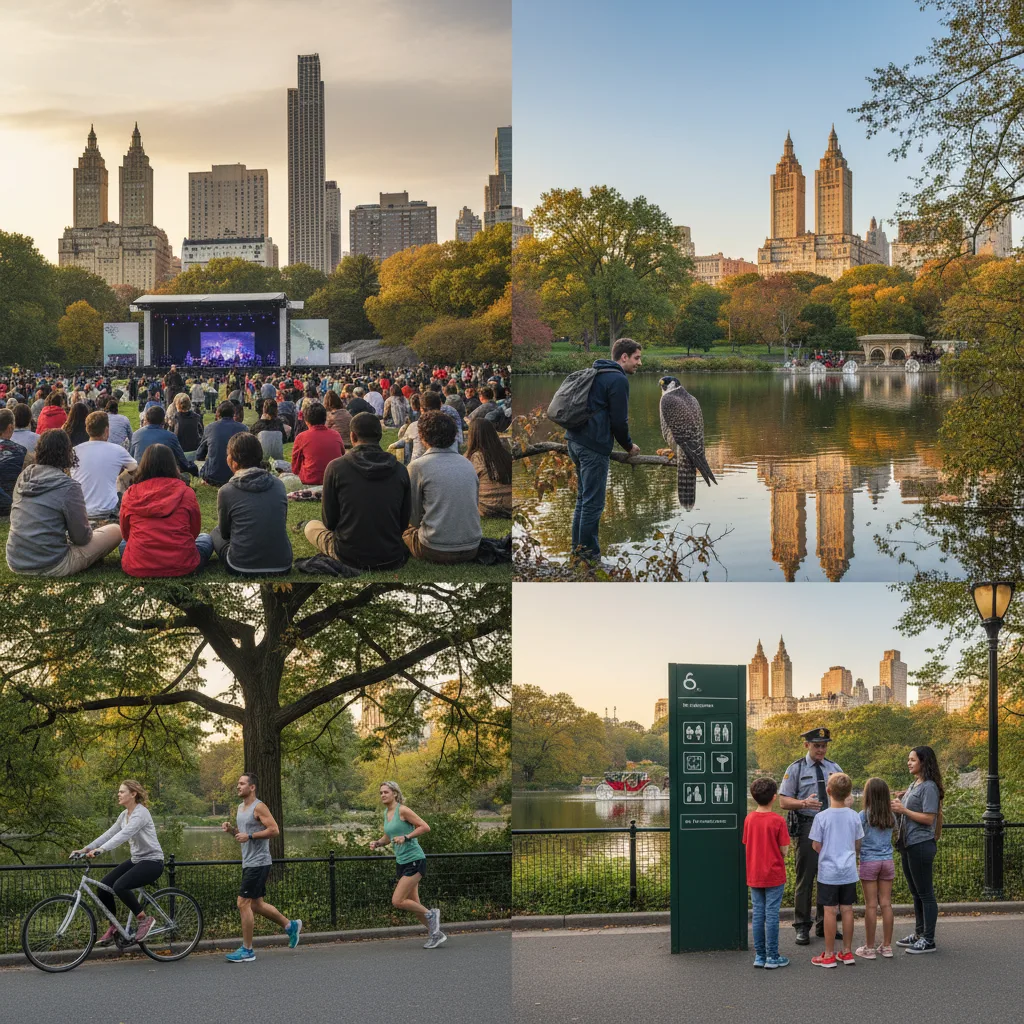
A Guide to Central Park's Top Activities and Best Things to Do in 2026
Discover the best things to do in Central Park, NYC, with our comprehensive 2026 guide to iconic landmarks, activities, and hidden gems for visitors.
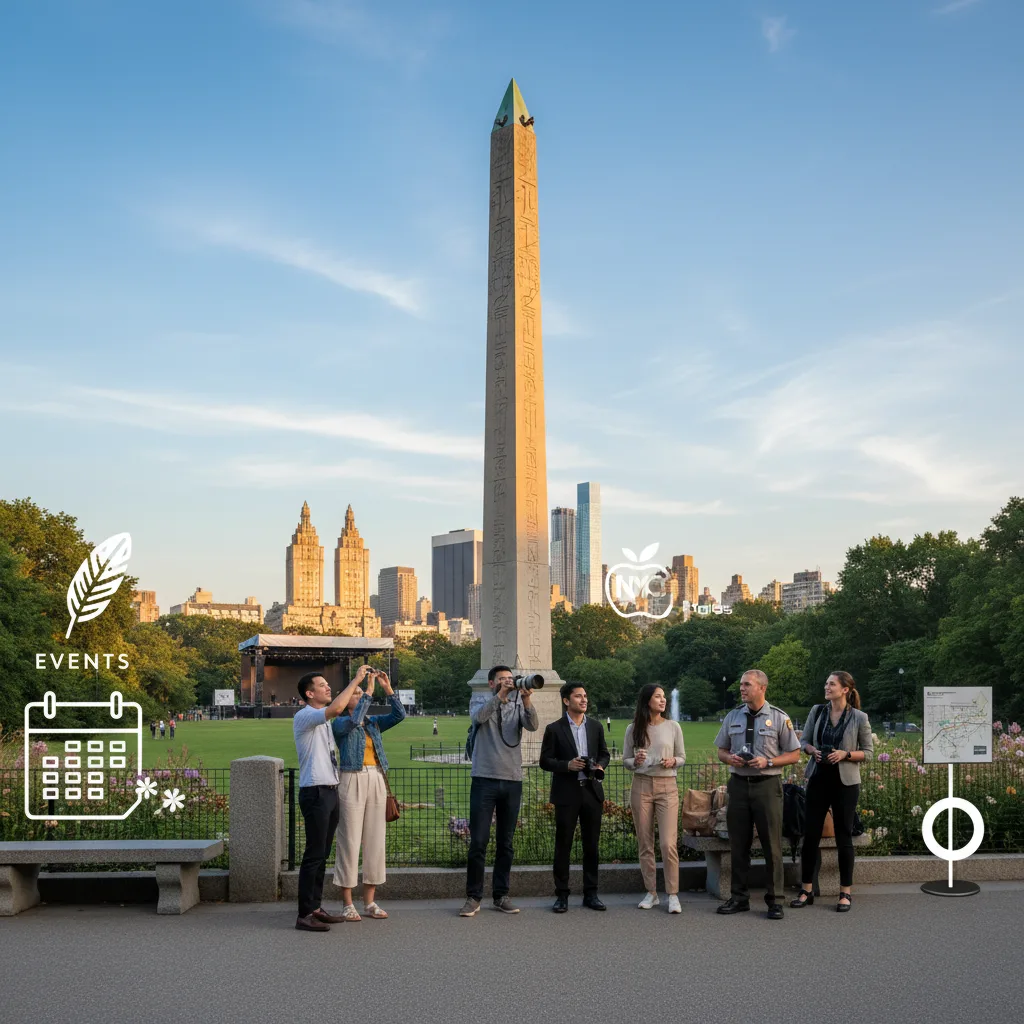
A Guide to What to Know About the Vatican Obelisk in Central Park 2026
Discover what to know about the Vatican Obelisk (Cleopatra's Needle) in Central Park, its history, journey to NYC, and where to find it in 2026.