


Central Park's New Million-Tree Initiative Aims to Boost Urban Canopy by 20%
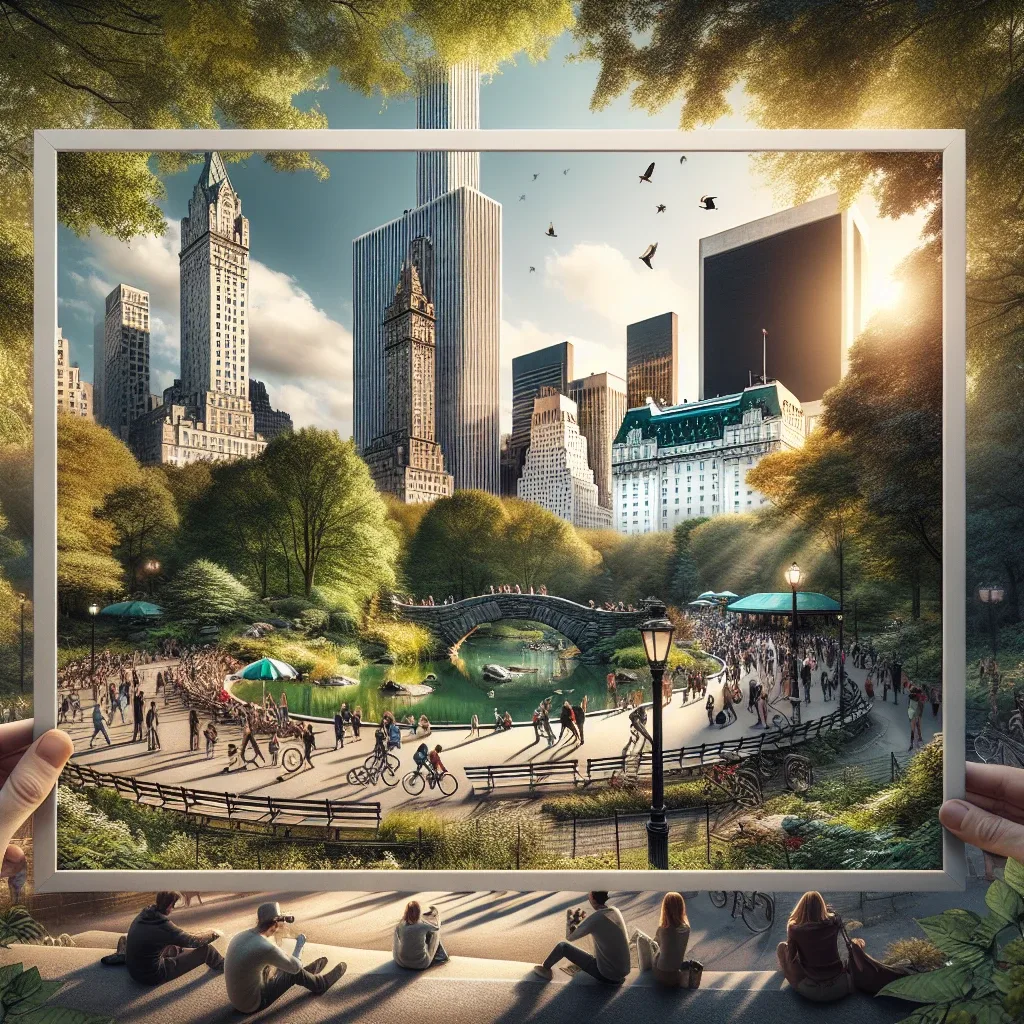
NEW YORK — Central Park has launched an ambitious new initiative, "Million-Tree Oasis," pledging to plant one million new trees and shrubs across its 843 acres by 2030, aiming to boost the park's urban canopy by an estimated 20%. This monumental effort is projected to significantly enhance local biodiversity, improve air quality, and bolster the city's resilience against the growing impacts of climate change.
Environmental Benefits for a Greener City
The "Million-Tree Oasis" initiative, spearheaded by the Central Park Conservancy in collaboration with the New York City Department of Parks & Recreation, is a direct response to rising urban temperatures and the urgent need for enhanced green infrastructure. Experts predict that a 20% increase in tree canopy will result in a measurable reduction in urban heat island effect, particularly during intense summer months. The program focuses on planting native species, such as oak, maple, and dogwood, to foster a healthier ecosystem.
“This initiative represents a profound commitment to the environmental future of our city and our planet,” declared Adrian Benepe, President and CEO of the Central Park Conservancy, at a ceremonial tree planting event near Strawberry Fields. “Beyond the undeniable aesthetic beauty, these trees will serve as vital carbon sinks, natural air filters, and crucial habitats for urban wildlife.” Benepe highlighted that the project also involves careful soil preparation and long-term care plans for the newly planted flora.
Strategic Planting Locations and Species Selection
Planting efforts will be strategically distributed throughout Central Park, with particular focus on areas that have experienced canopy loss due to age, disease, or extreme weather events. The plan includes reforestation of woodland areas like the Ramble and the North Woods, as well as the addition of street trees along the park’s perimeter, especially bordering Central Park West and Fifth Avenue. This thoughtful approach aims to maximize environmental impact and ecological diversity.
Botanists and landscape architects from the Conservancy have meticulously selected a diverse range of tree and shrub species, prioritizing those native to the region. This careful selection ensures that the new plantings are resilient to local climate conditions and provide optimal support for the park’s existing wildlife, including migratory birds and various insect populations. The goal is to create a multi-layered, robust ecosystem that can thrive for centuries. Learn more about Central Park's diverse flora.
Public Engagement and Volunteer Opportunities
A cornerstone of the "Million-Tree Oasis" initiative is extensive public engagement. The Central Park Conservancy plans to host numerous volunteer planting events throughout the year, inviting New Yorkers to actively participate in the reforestation efforts. Educational workshops focusing on tree care, urban ecology, and climate change will also be offered, fostering a deeper connection between the community and its green spaces.
"We envision this as a collective endeavor, a chance for every New Yorker to contribute to a greener, healthier future," remarked Maria Rodriguez, Director of Volunteer Programs for the Conservancy. Rodriguez noted that over 5,000 volunteer hours are projected annually for the first five years of the project. This hands-on involvement not only aids in planting but also builds a sense of stewardship among residents, encouraging them to protect the newly established natural areas.
Long-Term Vision and Climate Resilience
The "Million-Tree Oasis" initiative is part of a broader, long-term vision for Central Park’s ecological health and the city’s climate resilience strategy. By increasing the tree canopy, the park aims to mitigate stormwater runoff, reduce energy consumption in surrounding buildings through natural shading, and significantly improve local air quality. Data from a recent Cornell University study indicates that a 20% increase in urban tree cover could reduce fine particulate matter by up to 15% in surrounding areas.
This project positions Central Park as a leader in urban ecological restoration, setting a precedent for other major metropolitan parks worldwide. The Conservancy’s commitment extends beyond planting, encompassing ongoing maintenance, disease management, and a comprehensive monitoring program to track the growth and health of the new trees. The initiative represents a proactive approach to environmental conservation in the face of ongoing climate challenges. Explore more NYC greening initiatives.
Economic and Social Impacts
Beyond the environmental benefits, the "Million-Tree Oasis" is expected to yield significant economic and social dividends. A healthier, more vibrant park attracts more visitors, boosting local businesses and tourism. Furthermore, access to green spaces has been consistently linked to improved public health outcomes, including reduced stress levels and enhanced physical activity. This large-scale greening effort contributes directly to the well-being of millions of New Yorkers.
The project is also creating dozens of temporary and permanent green jobs, from horticulturalists and arborists to project managers and educators. These jobs contribute to the local economy and build specialized skills within the community. The initiative reinforces Central Park's role not just as a recreational space, but as a critical piece of urban infrastructure that supports both nature and human flourishing. Its impact will be felt by families picnicking in the shade near the Bethesda Terrace and children exploring new paths in the North Woods alike.
Frequently Asked Questions about the Million-Tree Oasis
Q: What is the main goal of the Million-Tree Oasis initiative? A: The primary goal is to plant one million new trees and shrubs in Central Park by 2030, aiming to increase the park's urban canopy by 20% to enhance biodiversity, improve air quality, and boost climate resilience.
Q: What types of trees and shrubs will be planted? A: The initiative focuses on planting diverse native species such as various types of oak, maple, dogwood, and other indigenous flora that are best suited to the local climate and support existing wildlife.
Q: How will this initiative benefit New York City residents? A: New York City residents will benefit from improved air quality, reduced urban heat island effect, enhanced biodiversity, better stormwater management, increased access to therapeutic green spaces, and new educational and volunteer opportunities.
Q: Can the public participate in the Million-Tree Oasis planting efforts? A: Yes, the Central Park Conservancy will host numerous volunteer planting events and educational workshops. Information on how to get involved will be available on their official website and through community outreach programs.
Q: How is the progress of the tree planting initiative being tracked? A: The Central Park Conservancy has implemented a comprehensive monitoring program to track the growth, health, and survival rates of the newly planted trees. This data will be used to assess the initiative's success and inform future conservation efforts.
Related Articles
More in Wildlife & Nature →
Central Park Boathouse Bird Watching Tour Offers Educational Experience
Central Park Boathouse offers an educational bird watching tour, providing visitors an opportunity to observe avian species. This experience connects locals with nature, enhancing appreciation for park wildlife.
Central Park Event Calendar Features Climate Week Activities September 27
Central Park's event calendar for September 27, 2026, included a Climate Week-aligned "Journal, Meditation, + Bird Walk," promoting environmental awareness.
Wildlife Conservation Society Awards Lovejoy Prize at Central Park Zoo
Wildlife Conservation Society awards 2026 Thomas E. Lovejoy Prize today at Central Park Zoo during Climate Week in New York City.
A Guide to Central Park's Wildlife: What to Know About the Park's Animals and Ecosystem
Discover the diverse Central Park wildlife, from birds and mammals to aquatic life. Learn responsible observation tips and conservation efforts for 2026.
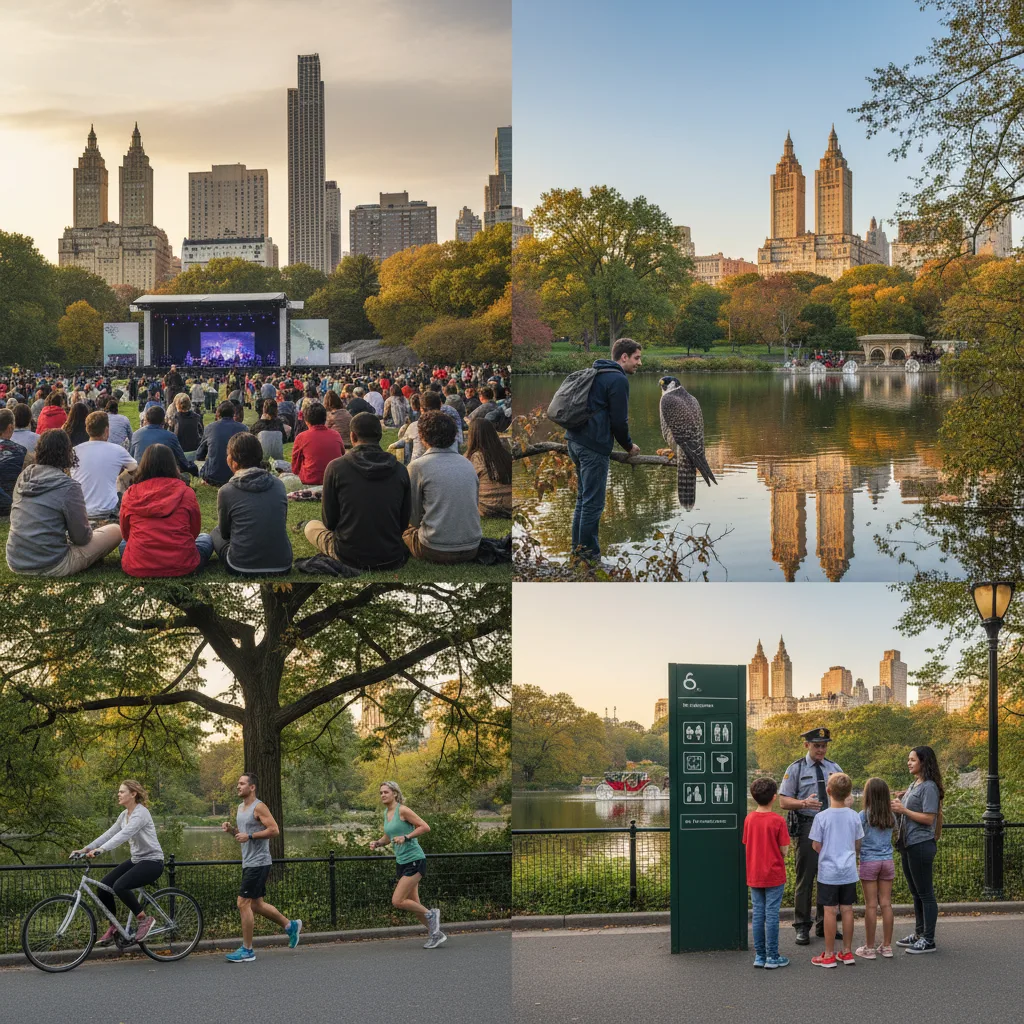
A Guide to Central Park's Top Activities and Best Things to Do in 2026
Discover the best things to do in Central Park, NYC, with our comprehensive 2026 guide to iconic landmarks, activities, and hidden gems for visitors.
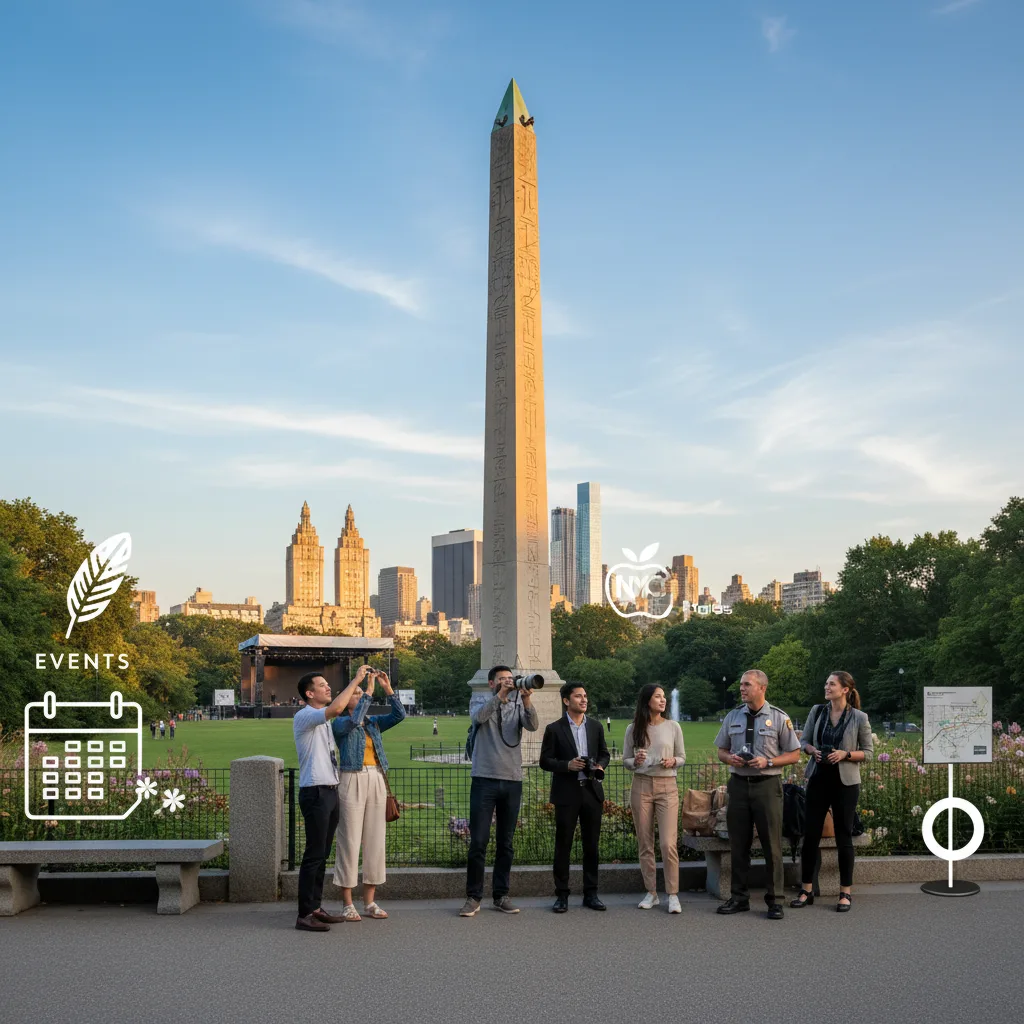
A Guide to What to Know About the Vatican Obelisk in Central Park 2026
Discover what to know about the Vatican Obelisk (Cleopatra's Needle) in Central Park, its history, journey to NYC, and where to find it in 2026.