


Commissioner Advocates Enhanced Central Park Green Space Protection
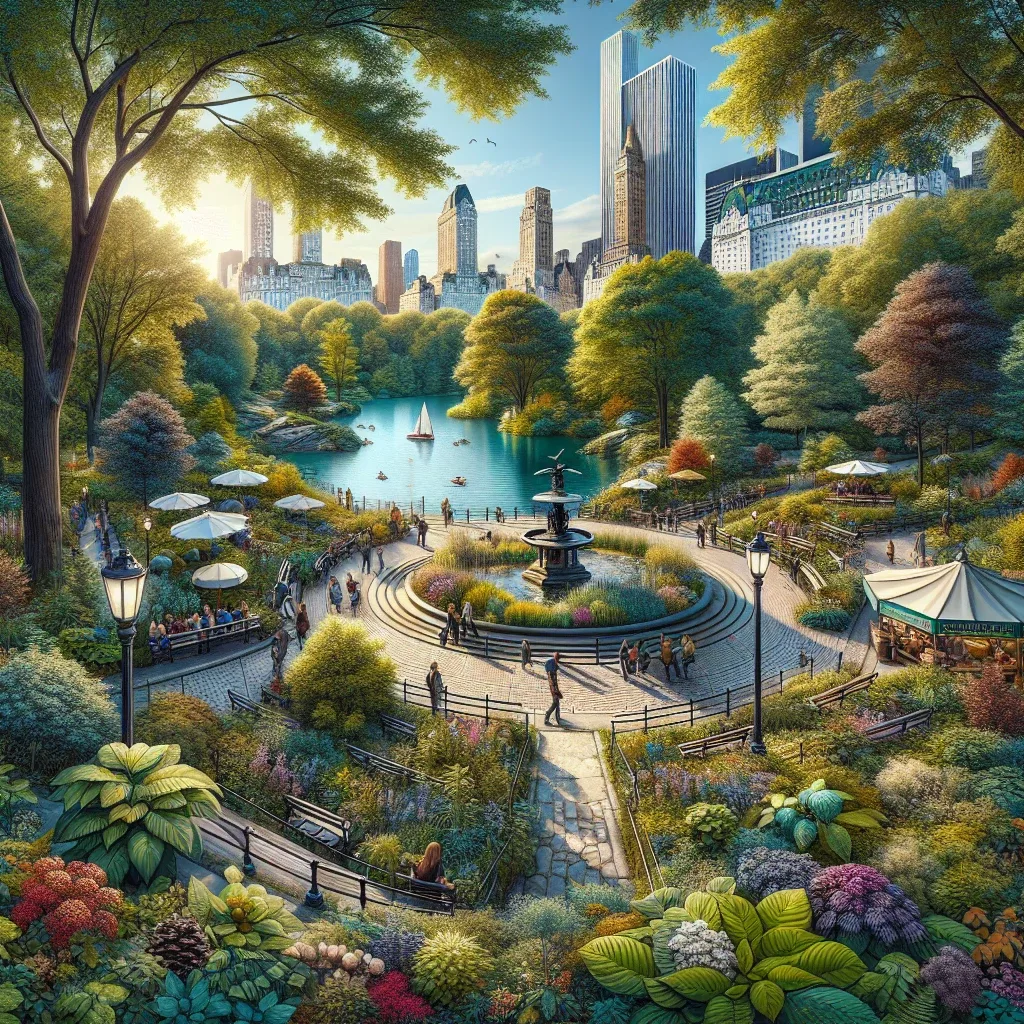
NEW YORK — “Central Park is not merely a patch of green in a concrete jungle; it is the lungs of our city, and its ecological health demands our most rigorous protection,” stated NYC Parks Commissioner Anya Sharma in a compelling address on May 1, 2026, delivered from the perimeter of the Jackie Kennedy Onassis Reservoir. Her remarks underscored an urgent call for enhanced conservation efforts across the city's parks system, with Central Park serving as a primary example of these pressing environmental challenges.
Commissioner Sharma’s speech, part of the annual 'Green City Summit', highlighted the increasing pressures of climate change and urban development on vital green spaces. She emphasized the critical role of public support and policy initiatives in safeguarding these natural assets. The Commissioner pointed to a recent study indicating a 15% decline in certain native bird populations within city parks over the last decade, primarily due to habitat fragmentation and increased heat island effects.
Addressing Climate Impacts on Urban Ecosystems
The Commissioner detailed how rising temperatures and more frequent extreme weather events are stressing Central Park’s delicate ecosystem. For instance, the park experienced two significant flood events in 2025, leading to temporary closures of low-lying areas near the Lake and the Pond. These events underscore the need for resilient park design and proactive ecological management strategies. Stormwater runoff and soil erosion pose ongoing threats to the park's biodiversity.
Sharma advocated for expanded green infrastructure projects, such as permeable pathways and rain gardens, to better manage water resources and protect the park's 20,000 trees. The Central Park Conservancy has already initiated several such projects, including restoration work around the Harlem Meer and improved drainage systems near the Great Lawn. These efforts are crucial for mitigating the effects of climate change and maintaining the park's overall health for future generations.
The Role of Public Engagement and Policy
Public engagement, Commissioner Sharma stressed, is paramount to successful conservation. She called upon New Yorkers to actively participate in volunteer programs, report environmental concerns, and support funding initiatives for park maintenance. The NYC Parks Department plans to launch a new digital platform in June 2026, designed to facilitate easier public reporting of environmental issues and provide educational resources on urban ecology.
"The stewardship of Central Park, and all our green spaces, is a shared responsibility," Commissioner Sharma told attendees, including local environmental activists and city officials. "We need every resident to become an advocate for our natural world, understanding that their actions, however small, contribute to the larger ecological picture." This sentiment resonates with the Conservancy's long-standing philosophy of community-led park care, ensuring resources are protected through collective effort.
Funding Challenges and Future Investments
Despite the clear need for increased conservation efforts, funding remains a significant challenge. The city budget allocates a substantial, but often insufficient, amount for park maintenance. Commissioner Sharma proposed exploring new public-private partnerships and advocating for federal grants specifically targeted at urban climate resilience projects. She mentioned a potential $5 million bond initiative for park improvements currently under consideration by the City Council.
Future investments would focus on upgrading irrigation systems, expanding native plant nurseries, and enhancing educational signage to better inform visitors about the park's ecological value. These investments are critical for ensuring the longevity and vibrancy of Central Park. Further news and commentary on global environmental issues, sometimes featuring urban green spaces, can be found on sites such as The Independent.
Central Park as a Model for Urban Conservation
Central Park, due to its size, history, and ecological diversity, serves as a global model for urban conservation. The lessons learned from managing this complex ecosystem can inform park management strategies worldwide. Commissioner Sharma highlighted successful projects, such as the ongoing effort to restore the North Woods, as examples of effective, science-backed conservation. These initiatives demonstrate how dedicated teams can reverse environmental degradation in highly trafficked urban areas.
Her address concluded with a forward-looking perspective, urging continuous innovation in sustainable park management. The park’s ability to adapt to environmental changes, while providing an essential recreational and ecological haven, depends on sustained commitment from both city government and its citizens. Information on the Parks Department’s initiatives and ways to get involved in local environmental efforts are frequently covered by local news organizations like ABC7 New York.
FAQ: Central Park Conservation Efforts
What was the main message of Commissioner Sharma's address? NYC Parks Commissioner Anya Sharma called for urgent, enhanced conservation efforts in Central Park and across the city's green spaces, emphasizing the impact of climate change and the need for public support. When and where did Commissioner Sharma deliver her speech? Commissioner Sharma delivered her address on May 1, 2026, at the perimeter of the Jackie Kennedy Onassis Reservoir in Central Park, as part of the annual 'Green City Summit.' What specific environmental challenges are affecting Central Park? Central Park is facing challenges from rising temperatures, extreme weather events like floods, increased stormwater runoff, and habitat fragmentation, which contribute to declines in native bird populations and stress the park's trees. What initiatives are being proposed to enhance conservation? Proposals include expanded green infrastructure projects, such as permeable pathways and rain gardens, increased public engagement through volunteer programs, and exploring new funding sources like public-private partnerships and federal grants. How can citizens get involved in Central Park conservation? Citizens can participate in volunteer programs, report environmental concerns through the upcoming digital platform, and support funding initiatives for park maintenance and preservation.
Related Articles
More in Wildlife & Nature →
Central Park Boathouse Bird Watching Tour Offers Educational Experience
Central Park Boathouse offers an educational bird watching tour, providing visitors an opportunity to observe avian species. This experience connects locals with nature, enhancing appreciation for park wildlife.
Central Park Event Calendar Features Climate Week Activities September 27
Central Park's event calendar for September 27, 2026, included a Climate Week-aligned "Journal, Meditation, + Bird Walk," promoting environmental awareness.
Wildlife Conservation Society Awards Lovejoy Prize at Central Park Zoo
Wildlife Conservation Society awards 2026 Thomas E. Lovejoy Prize today at Central Park Zoo during Climate Week in New York City.
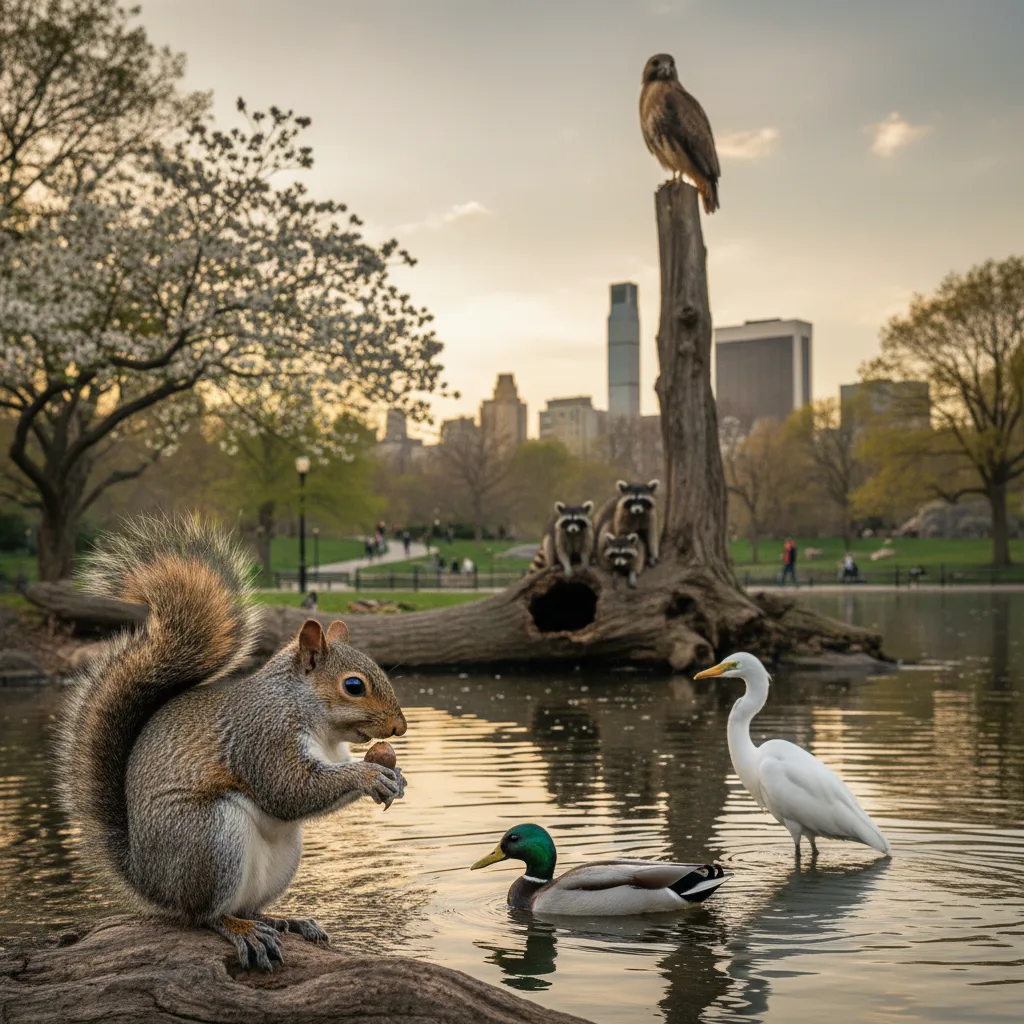
A Guide to Central Park's Wildlife: What to Know About the Park's Animals and Ecosystem
Discover the diverse Central Park wildlife, from birds and mammals to aquatic life. Learn responsible observation tips and conservation efforts for 2026.
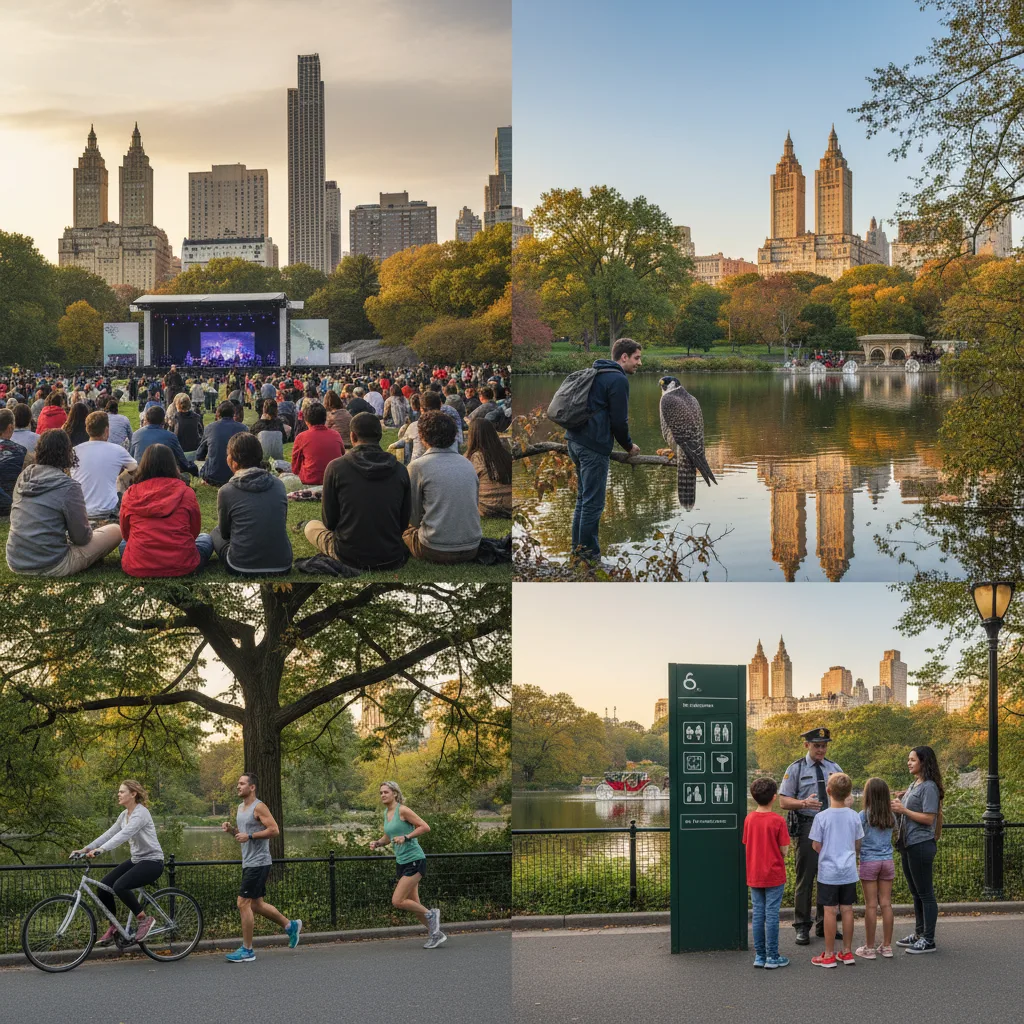
A Guide to Central Park's Top Activities and Best Things to Do in 2026
Discover the best things to do in Central Park, NYC, with our comprehensive 2026 guide to iconic landmarks, activities, and hidden gems for visitors.
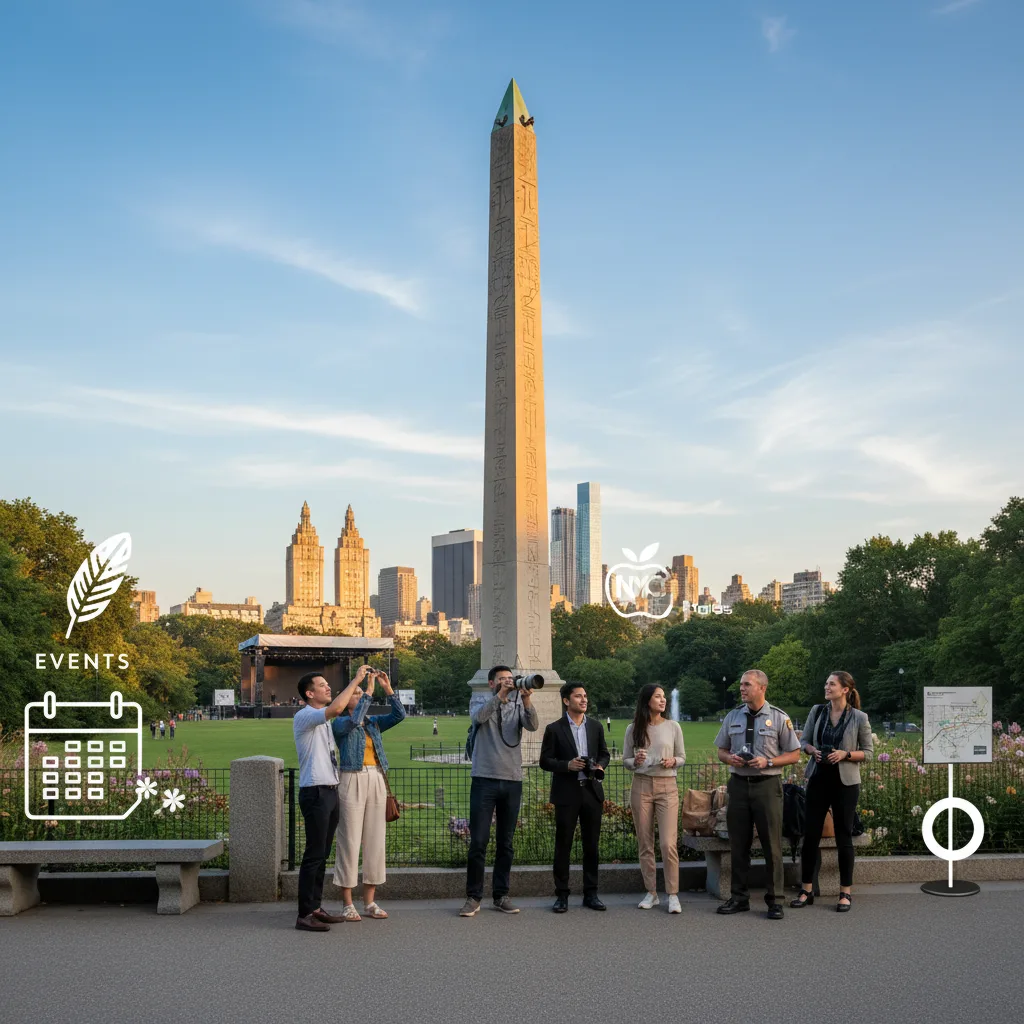
A Guide to What to Know About the Vatican Obelisk in Central Park 2026
Discover what to know about the Vatican Obelisk (Cleopatra's Needle) in Central Park, its history, journey to NYC, and where to find it in 2026.