


Congestion Pricing Impact on Central Park Tourism Debated

NEW YORK — New York City’s landmark congestion pricing program, implemented in June 2026, continues to fuel debate regarding its multifaceted impact, particularly on Central Park visitor access and the broader tourism economy. The toll, aimed at reducing traffic in Manhattan’s central business district below 60th Street, has drawn both praise for its environmental benefits and criticism for its potential economic ramifications for areas adjacent to the zone, including Central Park.
While the program successfully reduced vehicle entries into the congestion zone by an average of 17% in its first three months, according to the Metropolitan Transportation Authority (MTA), park advocates and tourism operators voice concerns about unintended consequences. They suggest it may inadvertently deter visitors from accessing the park, especially those who prefer driving.
The Nuts and Bolts of Congestion Pricing
The congestion pricing plan charges most passenger vehicles $15 to enter Manhattan south of 60th Street between 5 AM and 9 PM on weekdays. Trucks and other commercial vehicles face higher tolls, while motorcycles pay a reduced fee. This initiative, the first of its kind in the United States, was established to generate revenue for MTA capital projects and alleviate traffic gridlock.
The revenue generated, projected to be $1 billion annually, is earmarked for subway, bus, and commuter rail improvements. Critics, however, highlight that Central Park, while north of 60th Street, has many access points that become less convenient for drivers facing a toll to enter the adjacent areas.
Tourism Sector Voices Concerns
Local businesses and tourism organizations around Central Park have reported a mixed bag of results since the pricing went live. Some high-end hotels near Central Park South and Fifth Avenue have noted a slight decrease in guests arriving by private car, while others see no significant change.
Maria Sanchez, director of the NYC Tourism Alliance, explained to reporters, “While we support efforts to improve public transit, we are closely monitoring how congestion pricing affects visitor choices. Central Park is a major draw, and ensuring equitable access for all, including those traveling by car, remains a priority.” She underscored the importance of accessibility for the estimated 42 million annual park visitors.
Environmental Benefits and Traffic Reduction
Proponents of congestion pricing, including Mayor Eric Adams, emphasize the significant environmental advantages. Reduced traffic leads to fewer carbon emissions and improved air quality, directly benefiting New Yorkers’ health and the ecological well-being of the city, including Central Park’s diverse flora and fauna.
“Cleaner air and less gridlock are tangible benefits for everyone, including those who enjoy Central Park,” Mayor Adams stated in a recent press conference. “The long-term health of our city and its residents outweighs the short-term adjustments.” This stance aligns with the city’s broader sustainability goals.
Central Park Access and Public Transportation
For many, Central Park is readily accessible via New York’s extensive public transportation network, including subway lines running along its eastern and western borders and numerous bus routes. The congestion pricing aims to incentivize the use of these public transit options.
However, some tourists, particularly those with families or disabilities, may find public transit less convenient than driving. The balance between encouraging public transport and accommodating all types of visitors remains a key point of discussion for park management and city planners. More details on the program can be found at New York City's congestion pricing program details.
Potential for Mitigating Measures
In response to concerns, city officials are exploring potential mitigating measures or public awareness campaigns. These could include promoting park-and-ride options outside the congestion zone or enhancing public transportation links to Central Park from commuter hubs.
Discussions are ongoing with the Central Park Conservancy to understand any observed shifts in visitor patterns and to develop strategies to maintain robust park attendance. Any adjustments would need to balance the program's revenue goals with its societal impacts.
Adapting to New Urban Policies
The ongoing debate surrounding congestion pricing reflects the complexities of implementing large-scale urban policy changes. While the program’s core objectives of reducing traffic and funding public transit are largely supported, its precise impacts on specific sectors, like Central Park tourism, require continued observation and adaptation.
New York City continues to be a pioneer in urban planning, and the success of this initiative will likely influence other major global cities contemplating similar strategies. The city's ability to adapt and refine such a significant policy will be a key indicator of its long-term effectiveness and public acceptance.
Frequently Asked Questions About Congestion Pricing and Central Park
Q: How does congestion pricing affect driving to Central Park? A: Central Park itself is mostly north of the congestion pricing zone, meaning you won't incur a toll simply by driving into the park from the north. However, if you drive through the congestion zone (Manhattan south of 60th Street) to reach Central Park, you will be charged the toll. This primarily impacts drivers coming from downtown Manhattan, Brooklyn, Queens, or New Jersey who would typically traverse the tolled zone.
Q: Are there exceptions or discounts for certain vehicles accessing the congestion zone for Central Park? A: Generally, emergency vehicles and certain authorized government vehicles are exempt. There are also specific discounts or exemptions for low-income drivers, authorized bus operators, and vehicles with accessible parking placards under certain conditions. However, most private passenger vehicles driving into the zone to access Central Park will be subject to the full toll, reinforcing the push for public transportation use.
Q: What are the best public transportation options to reach Central Park to avoid the congestion toll? A: Central Park is exceptionally well-served by public transportation. Numerous subway lines run along its eastern (e.g., 4, 5, 6, N, Q, R, W) and western (e.g., A, B, C, D, 1, 2, 3) borders, with stations conveniently located near park entrances. Additionally, many local and express bus routes have stops directly outside the park. Using these options allows visitors to avoid the congestion pricing toll entirely while still reaching various points of interest within Central Park.
Related Articles
More in Visitor Guide →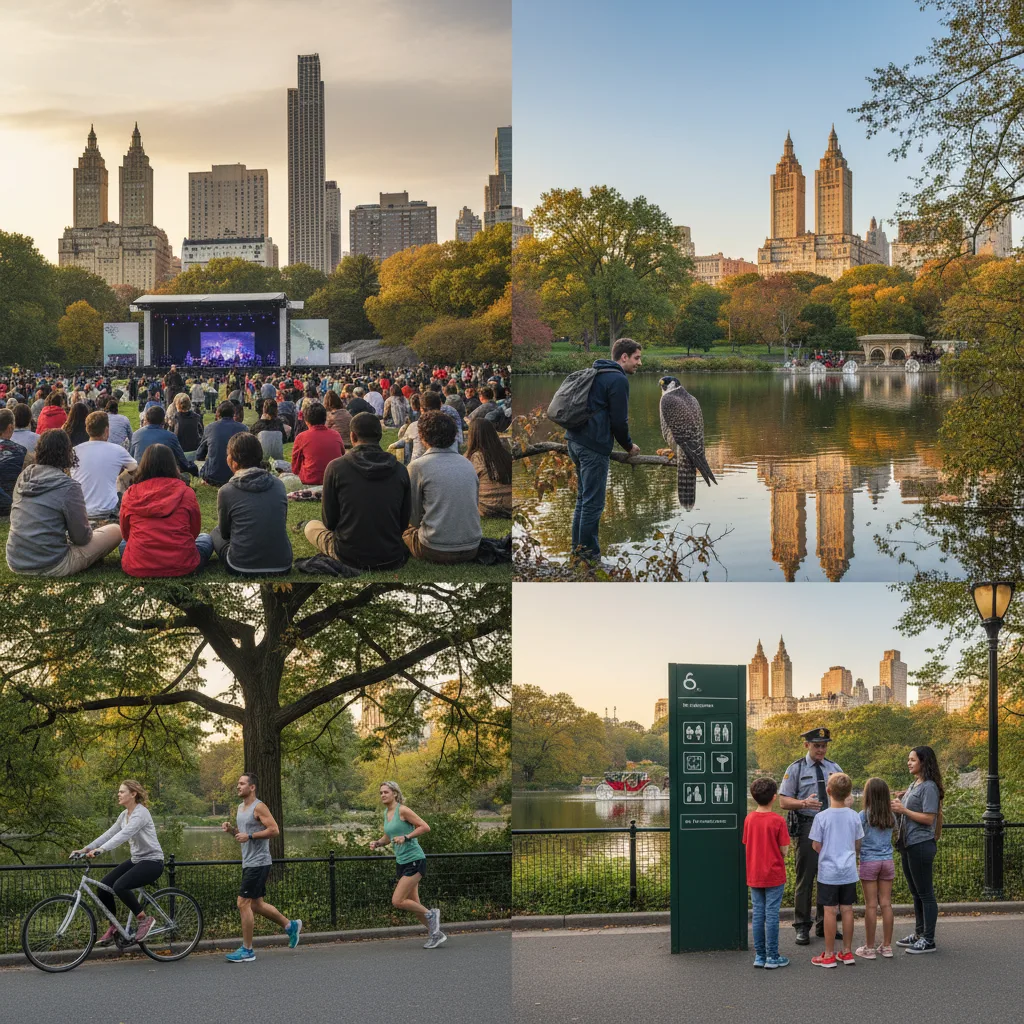
A Guide to Central Park's Top Activities and Best Things to Do in 2026
Discover the best things to do in Central Park, NYC, with our comprehensive 2026 guide to iconic landmarks, activities, and hidden gems for visitors.
A Guide to What to Know About the Vatican Obelisk in Central Park 2026
Discover what to know about the Vatican Obelisk (Cleopatra's Needle) in Central Park, its history, journey to NYC, and where to find it in 2026.
A Complete Guide to the Central Park Reservoir: What to Know Before You Visit
Discover everything you need to know about the Central Park Reservoir: its history, running track, wildlife, best views, and visitor tips for 2026.
A Guide to Central Park's Top 5 Pizzerias: The Best Slices Near You in NYC
Discover the top 5 pizzerias near Central Park, NYC. This guide helps you find the best slices, from historic institutions to modern favorites.

Central Park Offers Daily Public Access From 6 AM to 1 AM
Central Park maintains extensive daily public access from 6:00 am to 1:00 am, offering a continuous urban sanctuary for millions of visitors.
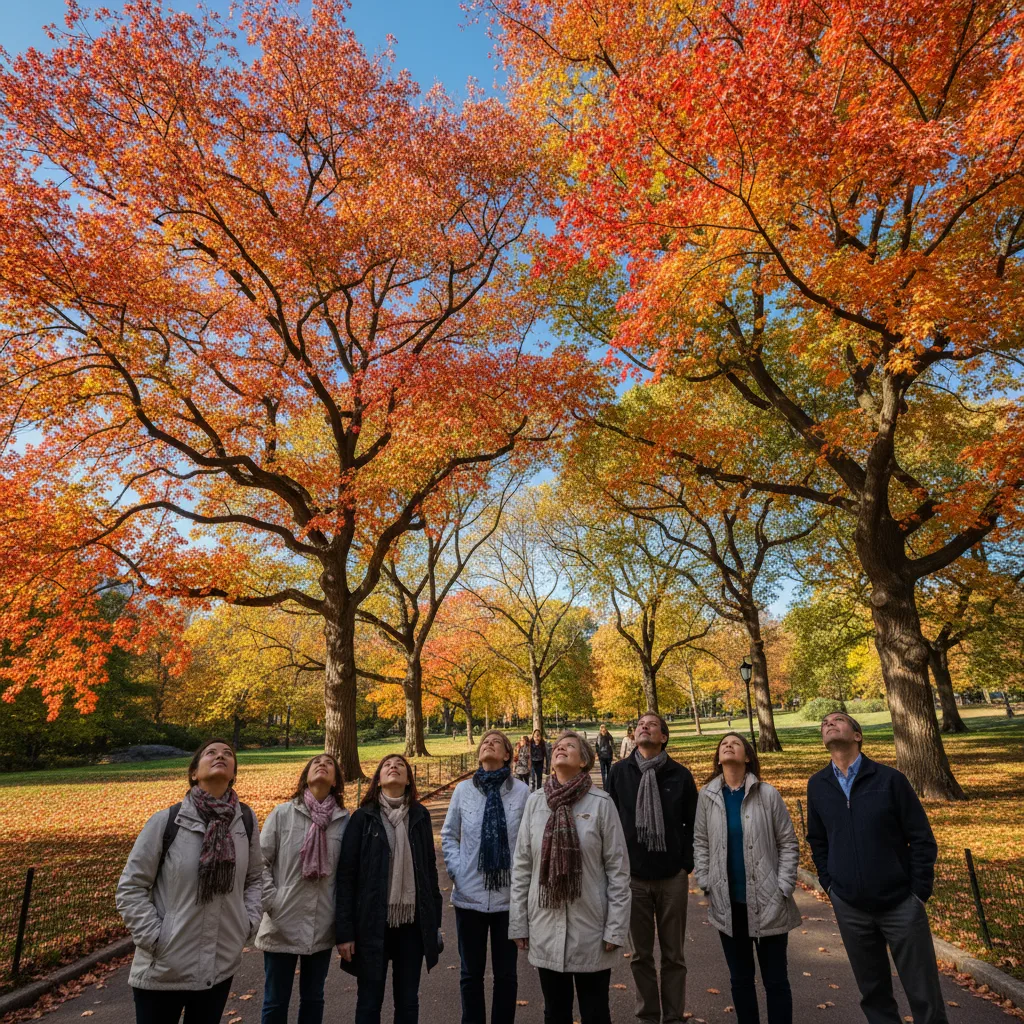
Central Park Conservancy Updates Calendar with Fall Foliage Trackers
The Central Park Conservancy has updated its calendar with fall foliage trackers and seasonal activities, guiding visitors to experience the park's autumn beauty and diverse offerings. The new resources aim to enhance planning for iconic views and events.