


Conservancy Advocates Permanent Car Ban in Central Park by Spring 2026
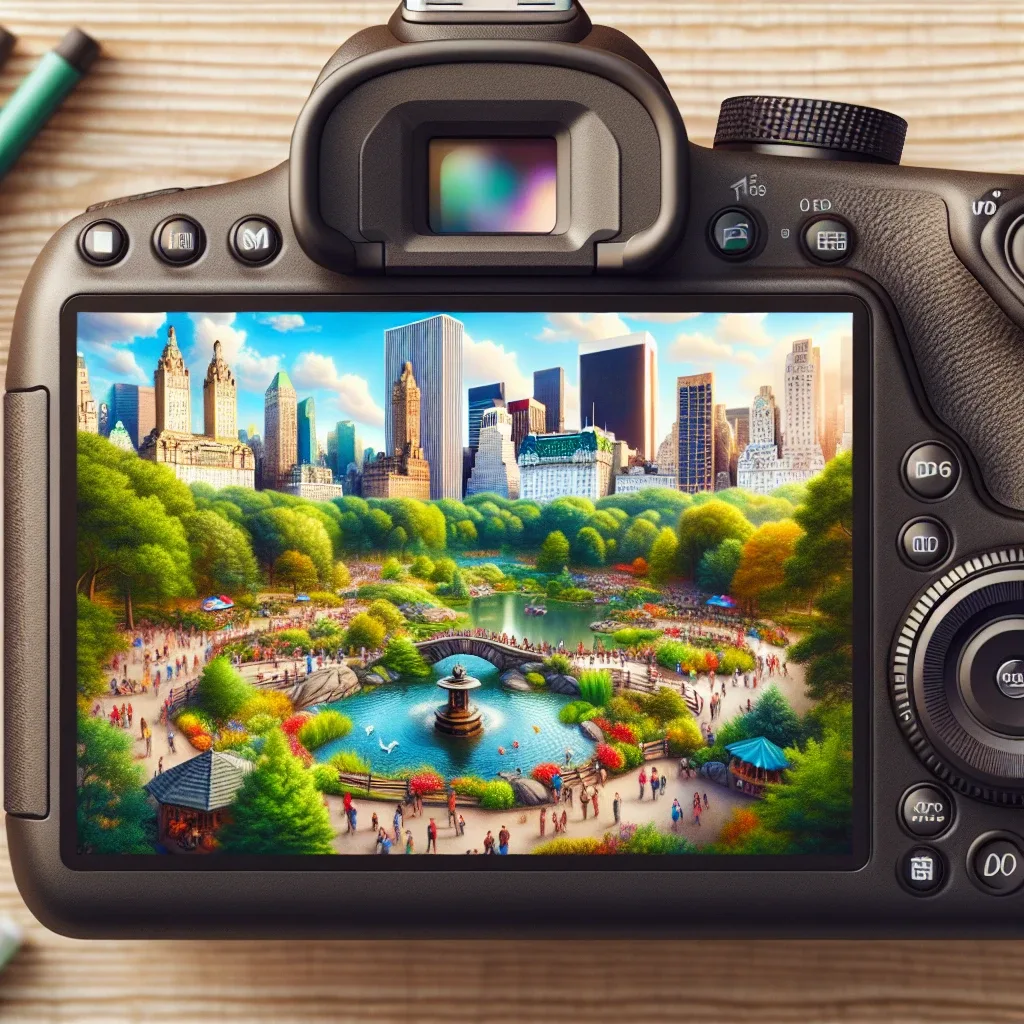
NEW YORK — The Central Park Conservancy has intensified its advocacy for a permanent, full ban on vehicular traffic within Central Park by Spring 2026. This push aims to fully pedestrianize the park’s scenic drives, citing overwhelming evidence of environmental benefits, improved pedestrian safety, and an enhanced visitor experience. The proposal builds upon years of incremental restrictions that have already transformed significant portions of the park.
The Conservancy's efforts align with broader city initiatives to reduce urban carbon footprints and prioritize green spaces. This proactive stance seeks to cement Central Park's status as a tranquil oasis, free from the noise and pollution of automobiles, as early as next year. The move would fundamentally change how millions of visitors interact with the 843-acre urban sanctuary.
The Drive for a Car-Free Park
For decades, Central Park’s East Drive, West Drive, and Center Drive have been arteries for commuter traffic during peak hours, creating a complex interaction between vehicles, cyclists, and pedestrians. While weekend and holiday car bans have been successfully implemented for years, the Conservancy argues that a permanent, round-the-clock prohibition is the logical next step.
"The data is unequivocal: a car-free Central Park is safer, cleaner, and ultimately more enjoyable for everyone," stated Karen Hixson, Director of Public Programs for the Central Park Conservancy, in an interview. She emphasized that the current partial bans have already demonstrated significant improvements in air quality and a drastic reduction in vehicle-related incidents within the park's boundaries.
Environmental and Safety Imperatives
The Conservancy's proposal highlights environmental data indicating substantial reductions in carbon emissions and localized air pollution following initial car restrictions. With an estimated 42 million visitors annually, ensuring their safety from vehicle traffic is a paramount concern. The current system still allows limited access for service vehicles and certain official transportation.
Pedestrian safety statistics collected by the NYPD's Central Park Precinct show a 70% decrease in car-pedestrian collisions within restricted zones since 2018. The proposed permanent ban would eliminate the remaining 30% of incidents linked to authorized vehicles and occasional rule-breakers. This makes the park a safer place for activities like jogging, cycling, and family strolls.
Public Reception and Logistics
The public response to a full car ban has been largely positive, particularly among local residents and pedestrian advocacy groups. Many park users cherish the quietude and uninterrupted access that a fully pedestrianized park would offer. "Imagine enjoying the cherry blossoms without the constant hum of traffic," remarked Eleanor Vance, a frequent park visitor from the Upper West Side, gesturing towards the burgeoning bloom near Conservatory Garden.
Logistically, the Conservancy has been working with the NYC Department of Transportation to reroute essential service vehicles and coordinate access for emergency services without disrupting the car ban. Specialized electric vehicles are being considered for maintenance and sanitation operations. These new protocols are being designed to ensure park operations run smoothly without cars on the main drives.
Celebrating Central Park's Natural Beauty
A permanent car ban would further underscore Central Park's role as a vital ecological lung for the city, protecting its diverse flora and fauna. The peace and quiet would enhance birdwatching opportunities and allow the park’s natural sounds to take precedence over urban clamor. This would deepen the connection visitors feel to the natural world within the city.
The Conservancy has consistently advocated for policies that prioritize the park's ecological health, from promoting sustainable gardening practices to tree planting initiatives. The push for a full car ban is seen as a natural extension of these efforts, building on the success of prior environmental endeavors. Visitors can explore more about these initiatives on the [Central Park Conservancy Newsroom](https://www.centralparknyc.org/press).
This decision would also have a profound impact on popular areas such as the Jacqueline Kennedy Onassis Reservoir path, currently separated from West Drive by a mere few feet. Removing cars would create an even more serene and safe environment for runners and walkers around the expansive water body. The Conservancy believes that eliminating cars entirely will greatly improve the experience for the more than 100,000 weekly joggers.
Envisioning the Future of Central Park
The Spring 2026 target date for the full car ban is ambitious but achievable, according to city officials. It would solidify Central Park’s standing as a leading example of urban green space management globally. The city anticipates minimal disruption to surrounding traffic patterns as existing alternative routes are already well-established.
Mayor Eric Adams' office has indicated strong support for the proposal, citing both the environmental and public health benefits. "A car-free Central Park is a gift to future generations of New Yorkers," a mayoral spokesperson stated, signaling an optimistic outlook for the Conservancy's ambitious plan. The final vote on the proposal is expected in late 2025 by the NYC City Council. Additional information on this and other conservancy initiatives can be found [in their press releases](https://www.centralparknyc.org/press).
Central Park Car Ban: An FAQ on Implementation and Benefits
What are the primary benefits of a permanent car ban in Central Park? A permanent car ban will significantly improve air quality within the park, drastically enhance pedestrian and cyclist safety by eliminating collisions, and create a more tranquil, natural environment free from vehicle noise and pollution. This would allow for a deeper appreciation of the park's natural beauty.
How will essential services like emergency vehicles access the park if cars are banned? Emergency services and essential park maintenance vehicles will still have designated access routes and protocols. These plans include specific access points and potentially the use of quieter, electric-powered vehicles for routine maintenance, ensuring operational needs are met without compromising the car-free environment.
Will a car ban impact traffic on surrounding city streets? City planners anticipate a minimal impact on surrounding street traffic. Existing traffic patterns have already adapted to partial car bans, and the Department of Transportation will implement signage and traffic flow adjustments to manage any displaced vehicles, ensuring smooth transitions for commuters around the park’s periphery.
Related Articles
More in Wildlife & Nature →
Central Park Boathouse Bird Watching Tour Offers Educational Experience
Central Park Boathouse offers an educational bird watching tour, providing visitors an opportunity to observe avian species. This experience connects locals with nature, enhancing appreciation for park wildlife.
Central Park Event Calendar Features Climate Week Activities September 27
Central Park's event calendar for September 27, 2026, included a Climate Week-aligned "Journal, Meditation, + Bird Walk," promoting environmental awareness.
Wildlife Conservation Society Awards Lovejoy Prize at Central Park Zoo
Wildlife Conservation Society awards 2026 Thomas E. Lovejoy Prize today at Central Park Zoo during Climate Week in New York City.
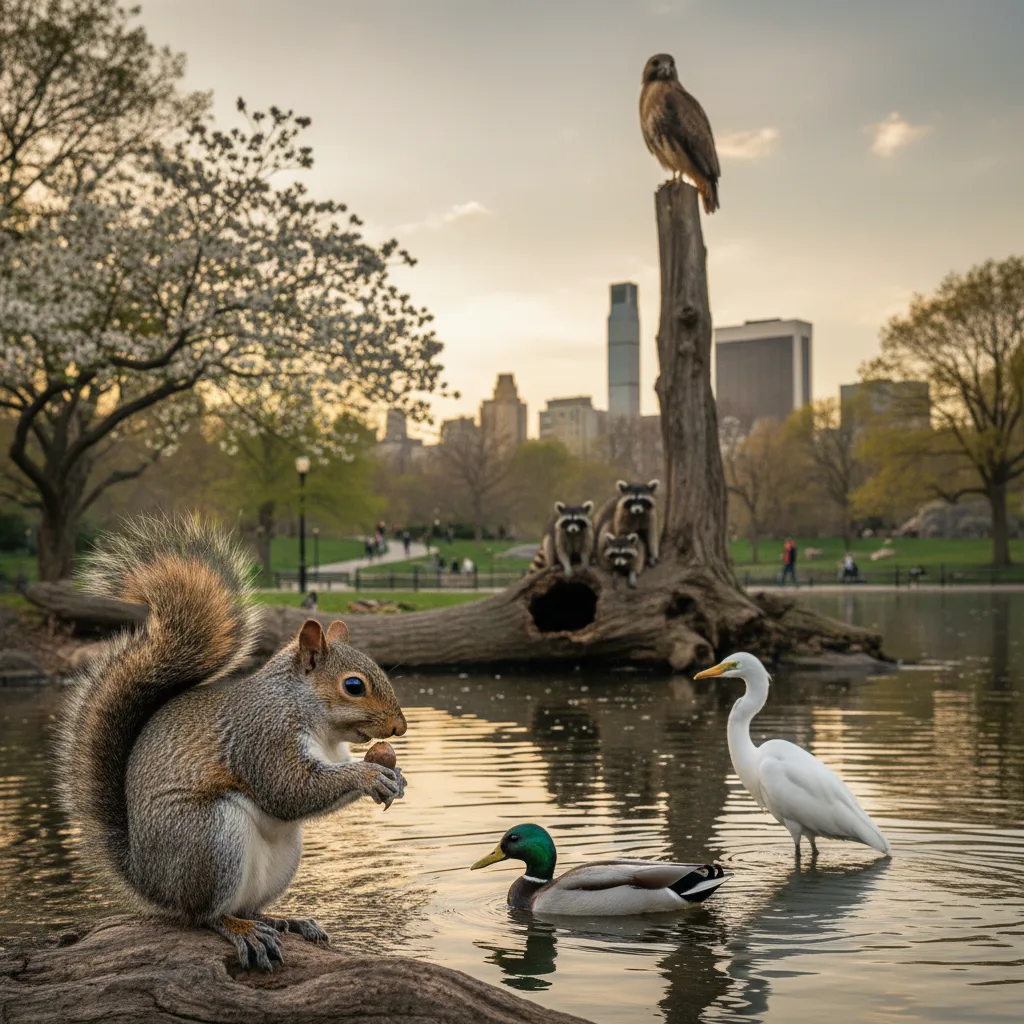
A Guide to Central Park's Wildlife: What to Know About the Park's Animals and Ecosystem
Discover the diverse Central Park wildlife, from birds and mammals to aquatic life. Learn responsible observation tips and conservation efforts for 2026.
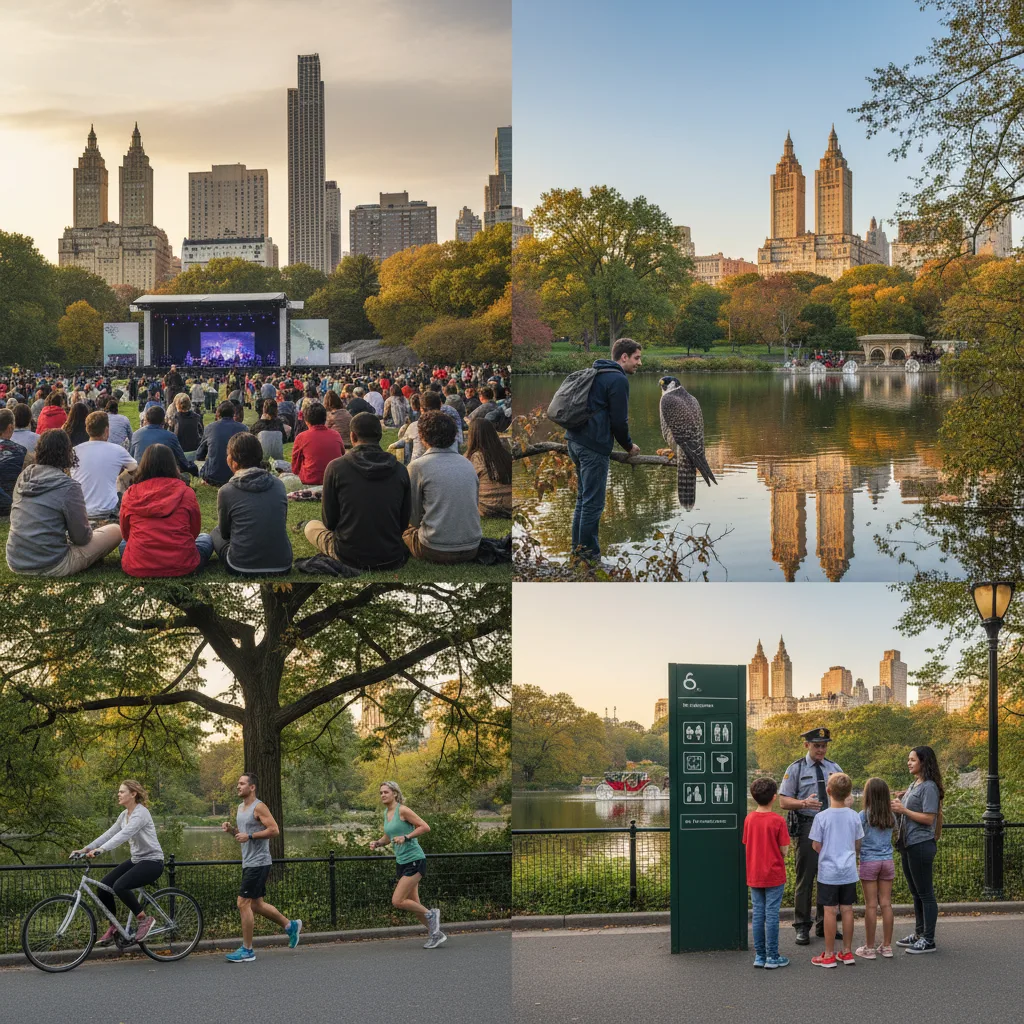
A Guide to Central Park's Top Activities and Best Things to Do in 2026
Discover the best things to do in Central Park, NYC, with our comprehensive 2026 guide to iconic landmarks, activities, and hidden gems for visitors.
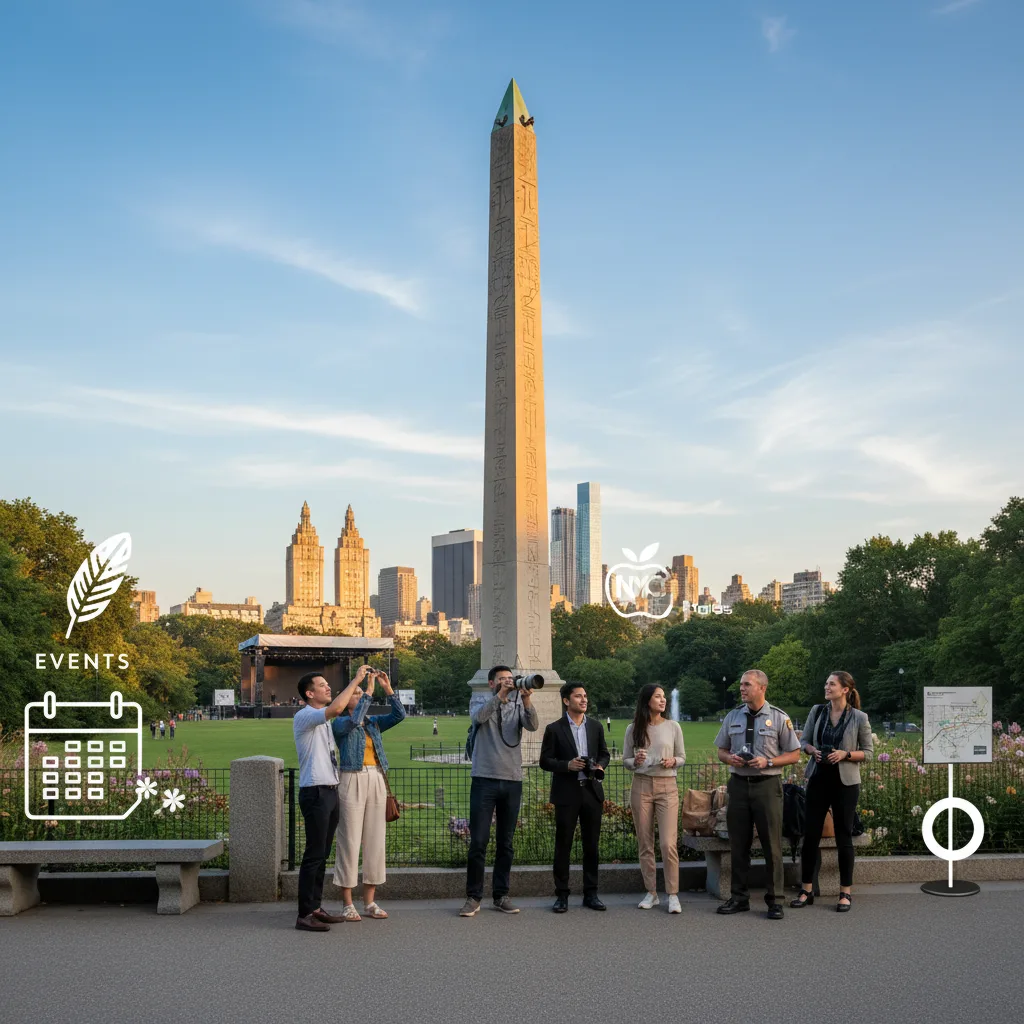
A Guide to What to Know About the Vatican Obelisk in Central Park 2026
Discover what to know about the Vatican Obelisk (Cleopatra's Needle) in Central Park, its history, journey to NYC, and where to find it in 2026.